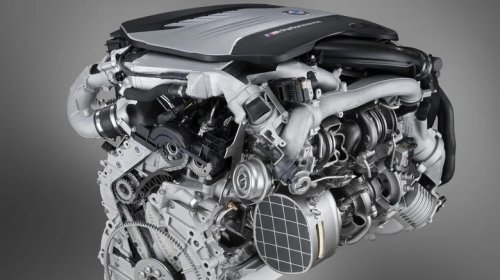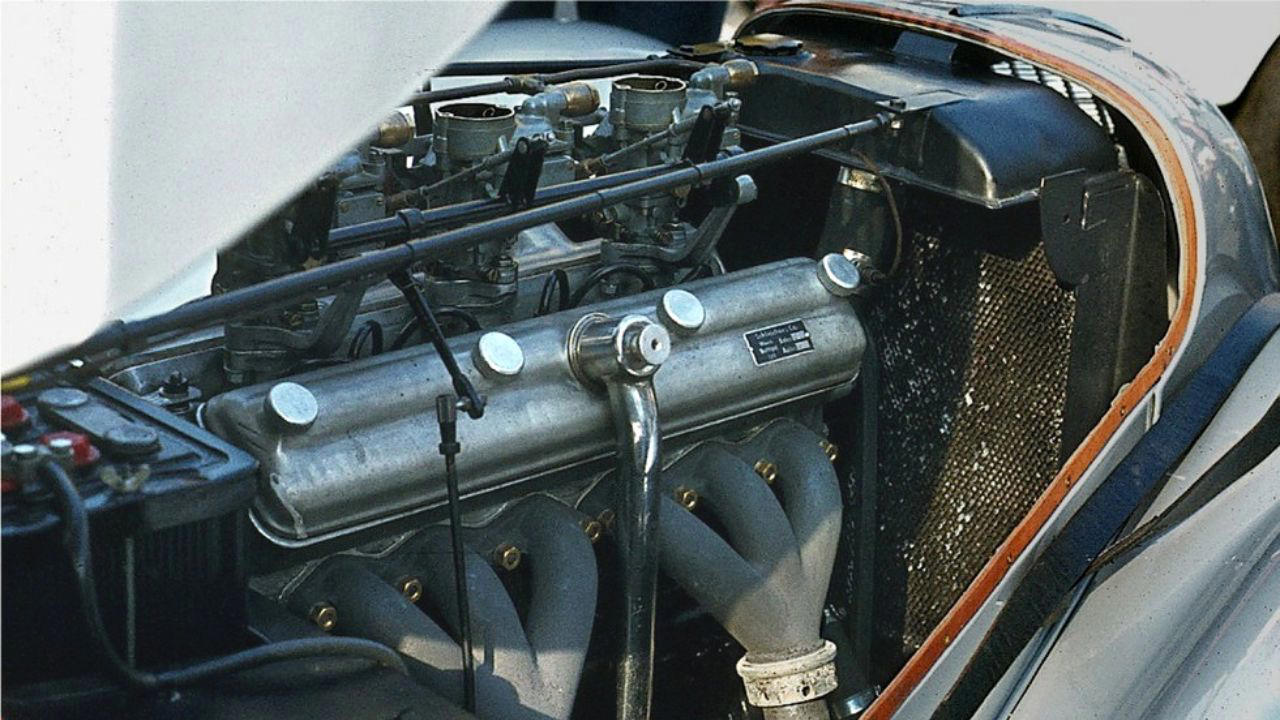



















This BMW inline-six became the blueprint for smooth performanceThe BMW inline-six engine has long been celebrated for its exceptional smoothness and performance, setting a standard in the automotive industry. With its unique design and engineering innovations, this iconic engine configuration has influenced countless driving experiences and automotive advancements over the decades. The Engineering Marvel of Inline-Six Design The inline-six engine configuration is renowned for its inherent balance and smoothness, properties that stem from its design. Comprised of six cylinders arranged in a single line, this engine layout allows for an even distribution of power and a reduction in vibrations when compared to other configurations. The primary advantage of the inline-six over setups like the V6 or inline-four lies in its firing order and the way it delivers power, resulting in a more harmonious operation that many enthusiasts and engineers appreciate. When comparing the inline-six to a V6 engine, the differences become evident. While a V6 engine is more compact and lighter, it often suffers from a rougher power delivery due to the uneven firing intervals. In contrast, the inline-six maintains a constant power pulse, which contributes to its smoothness and makes it a preferred choice for luxury and performance vehicles. The inline-four, although more fuel-efficient, lacks the power and refinement that an inline-six brings, particularly in higher-performance applications. Historical Background: The Birth of the Inline-Six The origins of BMW’s inline-six engine trace back to the early 20th century, with the company introducing its first iteration in the 1930s. The BMW 328, launched in 1936, showcased the engine’s capabilities, setting the stage for its long-lasting legacy. This model not only highlighted the inline-six’s performance but also its potential for competitive racing, which became a crucial aspect of BMW’s identity. Historical events such as the Great Depression and World War II influenced the automotive industry significantly, pushing manufacturers like BMW to innovate and adapt. The demand for reliable, powerful engines during these turbulent times led to the refinement of the inline-six configuration, enabling it to meet the evolving needs of both civilian and military vehicles. Technological Innovations That Defined the Inline-Six Throughout its history, the BMW inline-six engine has undergone numerous technological advancements that have enhanced its performance and efficiency. The introduction of fuel injection in the 1960s marked a significant turning point, allowing for more precise fuel delivery and improved combustion efficiency. Coupled with the later adoption of turbocharging, these innovations propelled the inline-six into a new era of performance, enabling models like the BMW 335i to achieve remarkable power outputs without sacrificing fuel economy. Advances in materials and manufacturing processes have also played a significant role in the development of the inline-six engine. The use of lightweight alloys and sophisticated machining techniques has resulted in engines that are not only more powerful but also more durable. These improvements have allowed BMW to create engines that can withstand the rigors of high-performance driving while maintaining low emissions, a crucial factor in today’s environmentally conscious market. Iconic Models Featuring the Inline-Six Engine Several legendary BMW models have prominently featured the inline-six engine, solidifying its reputation in the automotive world. The BMW 3.0 CSL, introduced in the early 1970s, is often hailed as one of the most iconic cars to bear this engine. Its lightweight construction combined with the potent inline-six made it a formidable contender in both road and track settings, and it continues to be revered among collectors and enthusiasts alike. The E30 M3, launched in the 1980s, further showcased the inline-six’s prowess, becoming a staple in the world of motorsport and a symbol of driving pleasure. This model demonstrated how the inline-six could deliver exhilarating performance while still being approachable for everyday driving. The characteristics of the inline-six, such as its smooth power delivery and balanced handling, have left an indelible mark on BMW’s lineup, influencing the design and engineering of modern vehicles. Driving Experience: Performance and Comfort The driving experience offered by BMW’s inline-six engine is unmatched, characterized by smooth acceleration and seamless power delivery. The engine’s design enables it to produce a consistent flow of power, allowing drivers to experience exhilarating performance without the harshness often associated with other engine configurations. This quality is especially appreciated in models like the BMW 540i, where the inline-six provides a perfect blend of comfort and sportiness. Many drivers have expressed a deep emotional connection to the performance of the inline-six. Testimonials from enthusiasts reveal that the engine’s unique sound and responsive nature create an engaging experience behind the wheel. Whether navigating winding roads or cruising on the highway, the inline-six instills confidence and enjoyment, making each drive a memorable occasion. The Inline-Six in Motorsport: A Winning Legacy BMW’s inline-six engine has a storied history in motorsport, with numerous successes that have reinforced its reputation as a high-performance powerhouse. The engine’s design has proven its mettle in various racing disciplines, including touring car racing and endurance events. Notably, the BMW 3.0 CSL won the European Touring Car Championship multiple times in the 1970s, showcasing the engine’s capabilities on the track. These motorsport achievements have not only elevated BMW’s status in the racing community but have also influenced the design of production models. Innovations developed on the track, such as improved cooling systems and lightweight components, have often made their way into consumer vehicles, enhancing performance and reliability. The relationship between motorsport and production development demonstrates how the inline-six has thrived under competitive pressures while contributing to the brand’s legacy. The Future of the Inline-Six in an Evolving Automotive Landscape As the automotive landscape shifts towards electrification and sustainability, the future of the inline-six engine is a topic of much discussion. While many manufacturers are moving away from traditional engine configurations, BMW has expressed a commitment to maintaining the inline-six in its lineup. The company is exploring hybrid applications of the inline-six, which could combine the smooth performance of the engine with the efficiency of electric powertrains. Current trends indicate a growing interest in hybrid systems that leverage the strengths of internal combustion engines alongside electric motors. BMW’s approach could potentially lead to the development of hybrid variants of the inline-six, preserving its legacy while adapting to changing consumer preferences and environmental regulations. This forward-thinking strategy ensures that the inline-six will continue to play a role in BMW’s identity in the coming years. Comparative Analysis: Inline-Six vs. Other Engine Configurations When evaluating the inline-six engine configuration, it’s essential to consider its advantages and disadvantages compared to other setups such as V8 and V12 engines. The inline-six is typically lighter and more compact than V8 engines, allowing for better weight distribution and handling characteristics. Additionally, the inline-six’s design leads to fewer moving parts, resulting in lower maintenance costs and increased reliability. However, V8 and V12 engines offer unique benefits, particularly in terms of power output and torque. These configurations are often favored in larger luxury vehicles and high-performance sports cars, where raw power is a priority. Consumer preferences have influenced the evolution of engine designs, with many manufacturers looking to balance performance, efficiency, and driving enjoyment in their offerings. Conclusion: The Enduring Legacy of BMW’s Inline-Six Engine The influence of BMW’s inline-six engine on automotive performance and design is undeniable. Its smooth operation, powerful delivery, and engaging driving experience have made it a benchmark in the industry. As the automotive community continues to evolve, the inline-six remains a cultural touchstone for enthusiasts and a testament to BMW’s engineering prowess. More from Fast Lane Only Unboxing the WWII Jeep in a Crate 15 rare Chevys collectors are quietly buying 10 underrated V8s still worth hunting down Police notice this before you even roll window down *Research for this article included AI assistance, with all final content reviewed by human editors.