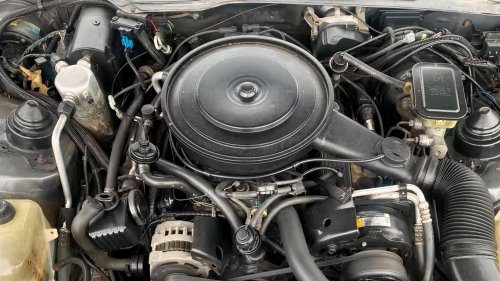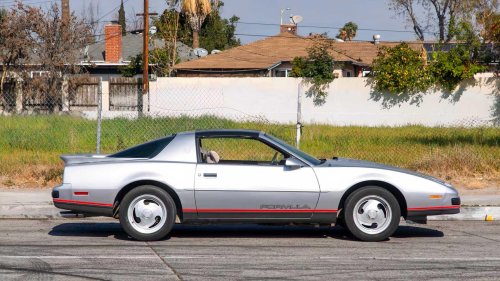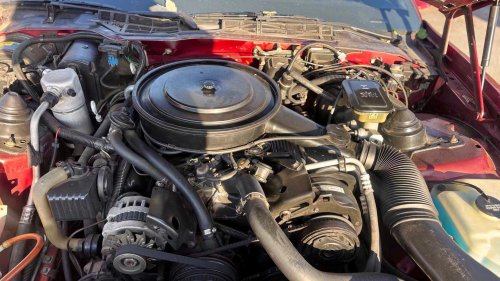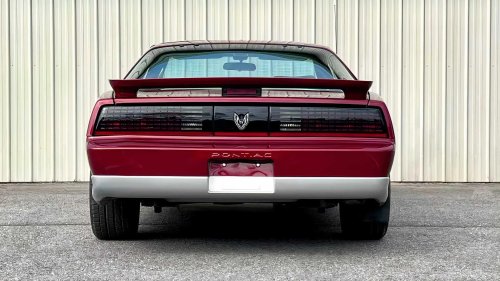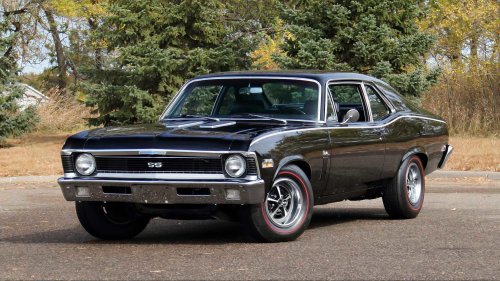
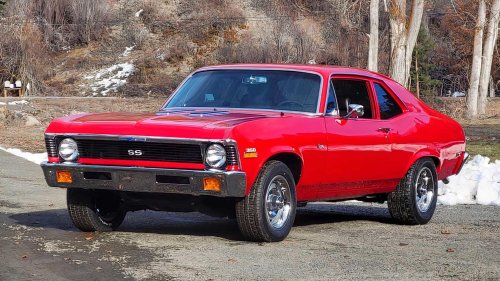
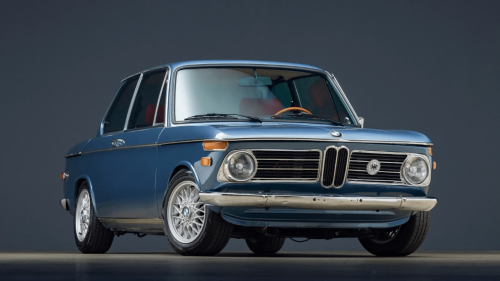
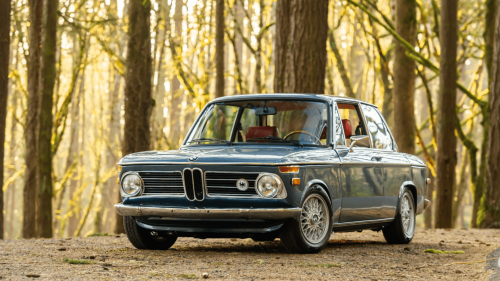
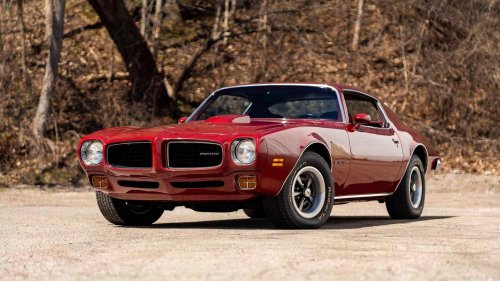
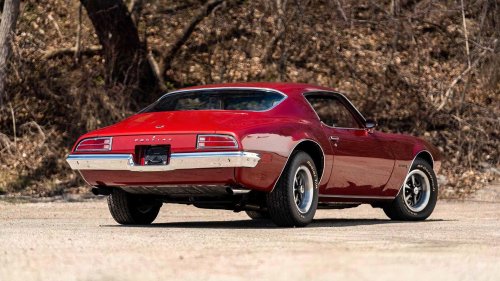
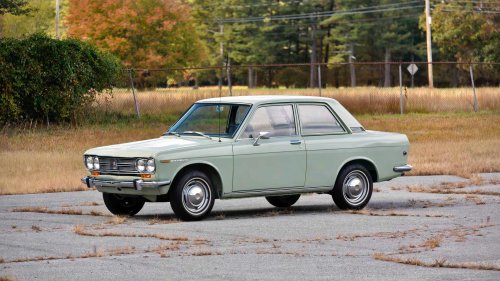
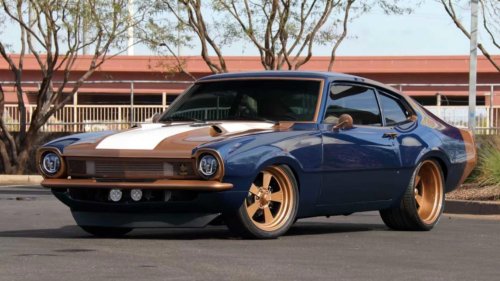
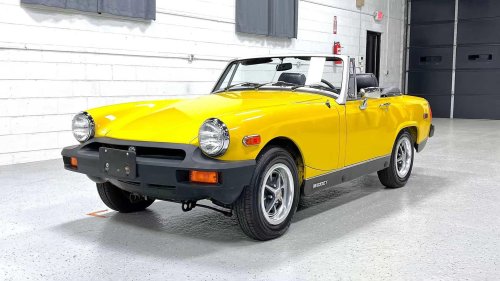



















Car collectors love a superstar, but enthusiasts often save their real respect for cars that still feel honest. These are the machines with cable throttles, simple dashboards, hot oil smells, and carburetors that need a little patience before they behave. They do not need huge screens, launch control, or a software update. They need spark, fuel, air, and maybe a screwdriver in the glove box.This list looks at six carbureted classics that still sit within reach compared with the halo cars parked under velvet ropes. Some cost real money now, sure, but they deliver the kind of mechanical charm that keeps garage lights burning late. Each one has a reason enthusiasts keep whispering about it at cars and coffee, swap meets, and suspiciously long “quick errands.”This list was built around carbureted classics that still deliver the things enthusiasts care about most - simple mechanicals, strong parts support, tuning potential, period personality, and a price that remains approachable compared with blue-chip collector cars. The valuations came from Classic.com market data. Chevy Nova SS (1968-1972) Average Price: $58,339 Mecum The 1968-1972 Nova SS sits at the expensive end of this “cheap” list, but in muscle-car math, it still counts as a bargain with receipts. Classic.com pegs the average sale price for the third-gen Nova SS at $58,339, and that covers the sweet 1968-1972 run before the SS name turned softer in the mid-1970s. The car’s magic comes from its plain wrapper. Chevrolet sold plenty of Novas as basic transportation, but the SS version gave that compact shell real teeth. Big-block power finally fit under the hood, and dealers such as Yenko and Nickey knew the two-door post body made a sturdy little street weapon.MecumThe best part is how little the Nova tries to sell the joke. A Chevelle flexes, a Camaro poses, but a Nova SS looks like it came to pick up furnace filters, then leaves two black lines outside the hardware store. Chevy redesigned the compact for 1968, and its chassis shared enough with the Camaro to make room for the 396-cubic-inch V8. In 1969, buyers who knew the order sheet could get the L78 396 rated at 375 horsepower. That was not a sleeper so much as a church mouse with a flamethrower. The carbureted big-block cars have the fame, but even small-block SS models keep the same appeal – simple parts, big aftermarket support, and a body that never begs for attention. BMW 2002 Average Price: $33,144 Bring a Trailer The BMW 2002 earns worship because it made the small sports sedan feel like a complete idea. It combined balance, steering, a willing four-cylinder, and a cabin that made the driver feel like the main ingredient. The 2002 launched at the start of 1968 and became the most popular model in the 02 Series, with compact size, lively performance, and quality helping build its cult status. It had about 100 hp from its 1990cc four-cylinder, which sounds modest until the road starts bending.Bring a TrailerThe origin story also sounds like something from a garage night gone right. Two senior BMW figures had both put a two-liter M10 engine into their own 1600-2 cars, then pushed BMW to build the idea for customers. Early 2002s came as a single-carburetor model, while the hotter 2002ti used twin carburetors before later fuel-injected tii models stole more headlines. Gearheads quietly love the carb cars because they feel less precious and more tunable. Rust can turn one into a very stylish compost bin, but a healthy car still explains why so many modern sport sedans owe this boxy little BMW a thank you note. Pontiac Firebird Formula (2nd Gen) Average Price: $32,719 Mecum The second-generation Firebird Forumal lives in the shadow of the Trans Am, and that shadow has helped keep it cooler. Classic.com groups the second-gen Firebird’s standard variants, including Formula, across 1970-1981 and lists an average price of $32,719. These cars brought the long hood, low roof, and dramatic nose people expect from a 1970s Pontiac, but the Formula skipped some of the shouting. It had muscle without the full peacock suit.MecumThat restraint makes the Formula special. The twin-scoop hood looked mean without needing a giant screaming chicken on the hood. Early cars could carry serious Pontiac V8 hardware, including the 400 and the mighty 455 HO in the right years. The 455 HO continued into 1972 for the Formula and Trans Am, even as horsepower ratings changed with the move from gross to net ratings. The Formula gives enthusiasts the best kind of compromise. Most of the attitude and less main character energy than a Trans Am. It is the car for the person who wants the soundtrack, not the costume. Datsun 510 (Nissan Bluebird) Average Price: $27,775 Mecum The Datsun 510 has a tiny footprint and a giant reputation. Classic.com lists the Nissan Bluebird 510, known to Americans as the Datsun 510, with an average price of $27,775 and production years from 1968 to 1973. In the U.S., it used a carbureted 1.6-liter L16 four-cylinder, and plenty of cars later received L18, L20, or other swaps because owners simply could not leave well enough alone. That may be the highest praise in car culture.The 510’s secret was not just power, it also had the right bones. U.S.-market sedans used MacPherson struts up front, disc brakes, and semi-trailing-arm independent rear suspension, while wagons kept a live rear axle. Then came racing. Peter Brock’s BRE team and driver John Morton gave the 510 serious credibility by winning the 1971 and 1972 SCCA Trans Am 2.5 championships. That history still hangs over every flared-fender 510 with Minilite-style wheels and a raspy exhaust. It is small, light, and honest. Ford Maverick Grabber Average Price: $12,383 Mecum The Ford Maverick Grabber may be the cheapest American car here with a real mischief streak. Classic.com auction data shows an average of $12,383 for Maverick Grabber listings in its tracked sales set, which explains why enthusiasts keep circling back to it. The Maverick started life as Ford’s low-cost compact, not a full muscle car, and that matters. It brought less weight, fewer frills, and more room for owners to make bad decisions with confidence.Ford introduced the Grabber package in spring 1970 for the 1970 model year, adding bold graphics, sport mirrors, a rear spoiler, and a sportier look. By 1971, Ford added the 302-cubic-inch V8 to the Maverick options list, and period 302 cars kept the carbureted, two-barrel charm that made them easy to wake up. The Grabber never had Mustang status, and that is the point. It feels like the scrappy cousin who shows up late, eats all the chips, then wins the bracket race. Parts support helps, the engine bay welcomes small-block Ford tricks, and the shape has aged better than many expected. A clean Grabber proves a car can look cheap, feel cheap, and still be deeply cool. MG Midget Average Price: $8,535 Mecum The MG Midget turns low speed into theater. Classic.com lists the MG Midget average at $8,535, with production covering 1961 to 1980. That makes it one of the easiest doors into old-car fun, as long as the buyer fits in the thing. The Midget does not so much have an interior as it has a place where a human folds into a driving position.Gearheads love the Midget because it never pretends to be more serious than it is. Earlier A-series cars, especially 1275cc models, have strong parts support and a reputation for tuneability. The 1275 A-series engine remains well served for parts and can last well, while later rubber-bumper 1500 models can make easier everyday classics despite their own engine concerns. The MG Car Club adds that late 1500s gained heavy bumpers and a 1498cc Triumph Spitfire engine to meet U.S. safety and emissions rules, but the core appeal stayed unchanged. Light steering, eager response, and huge fun from tiny numbers. A Midget will not win many drag races. It may actually lose to a modern lawn tractor with attitude. But on a back road, it reminds drivers that speed and joy have never meant the same thing.