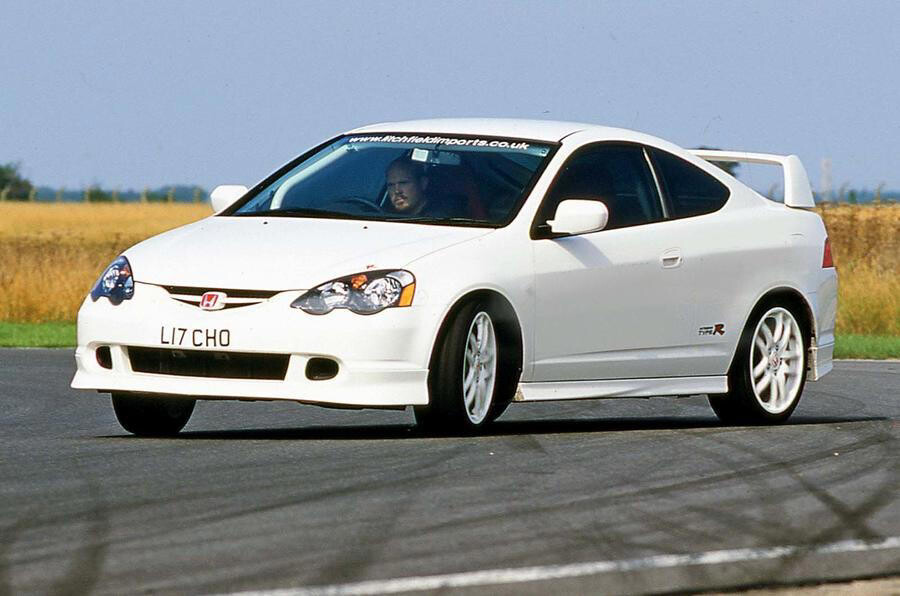
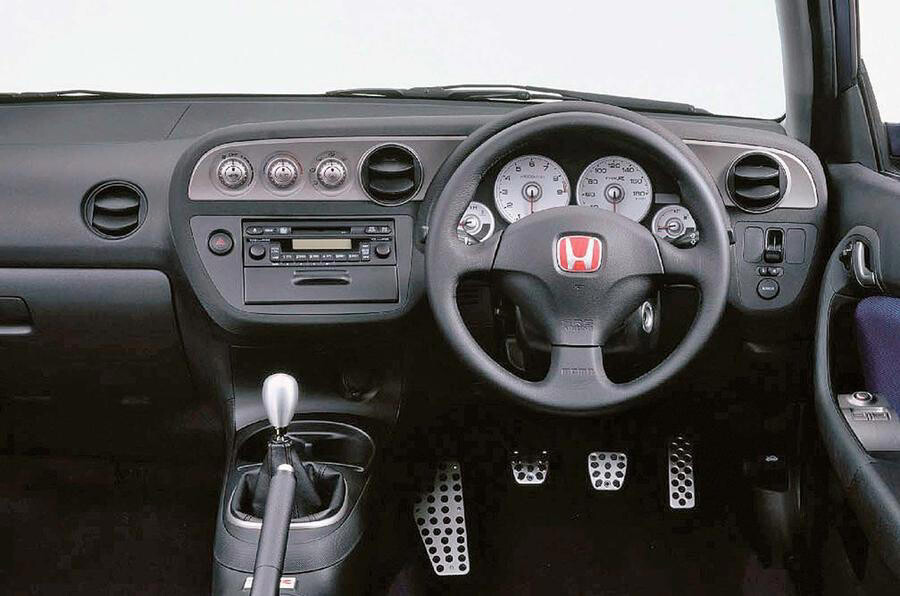
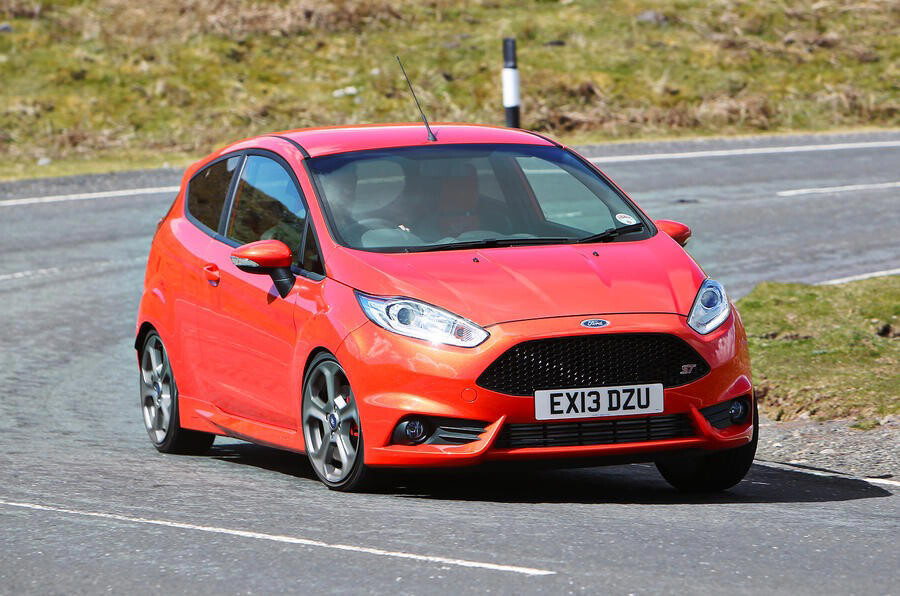
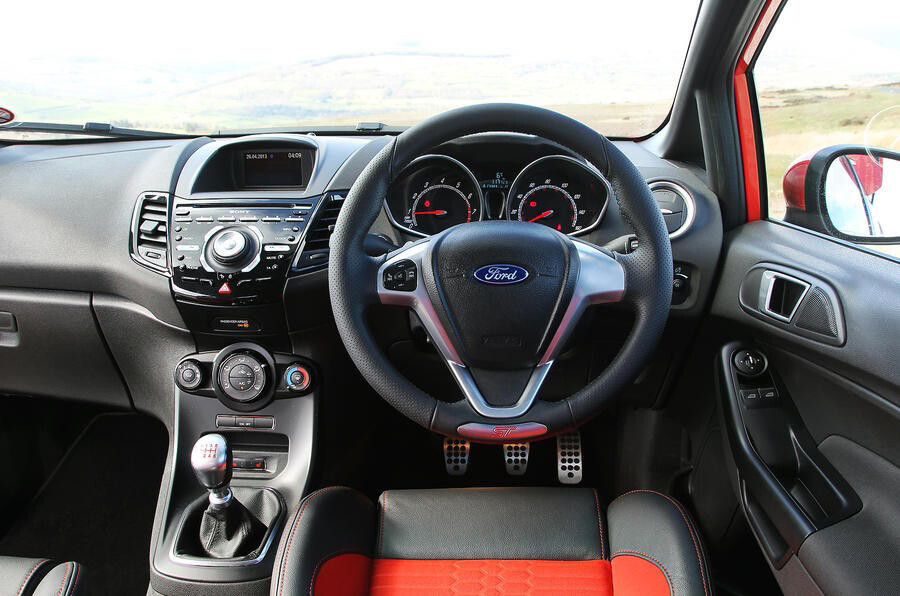
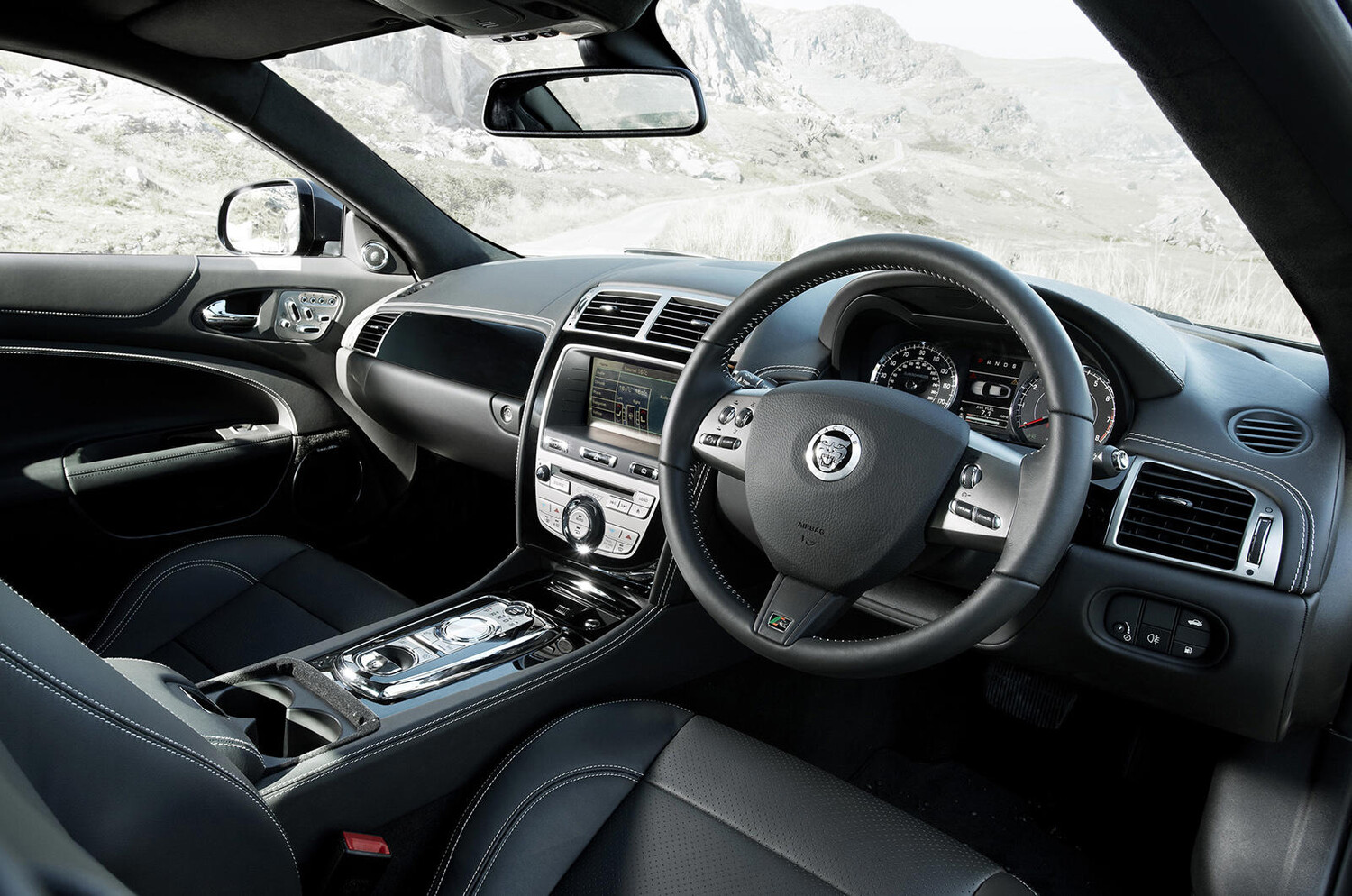
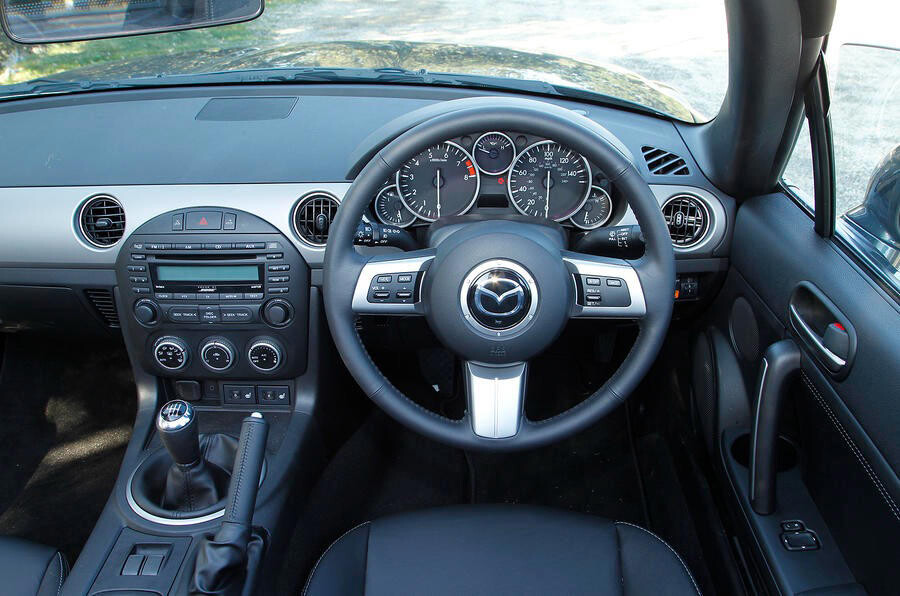
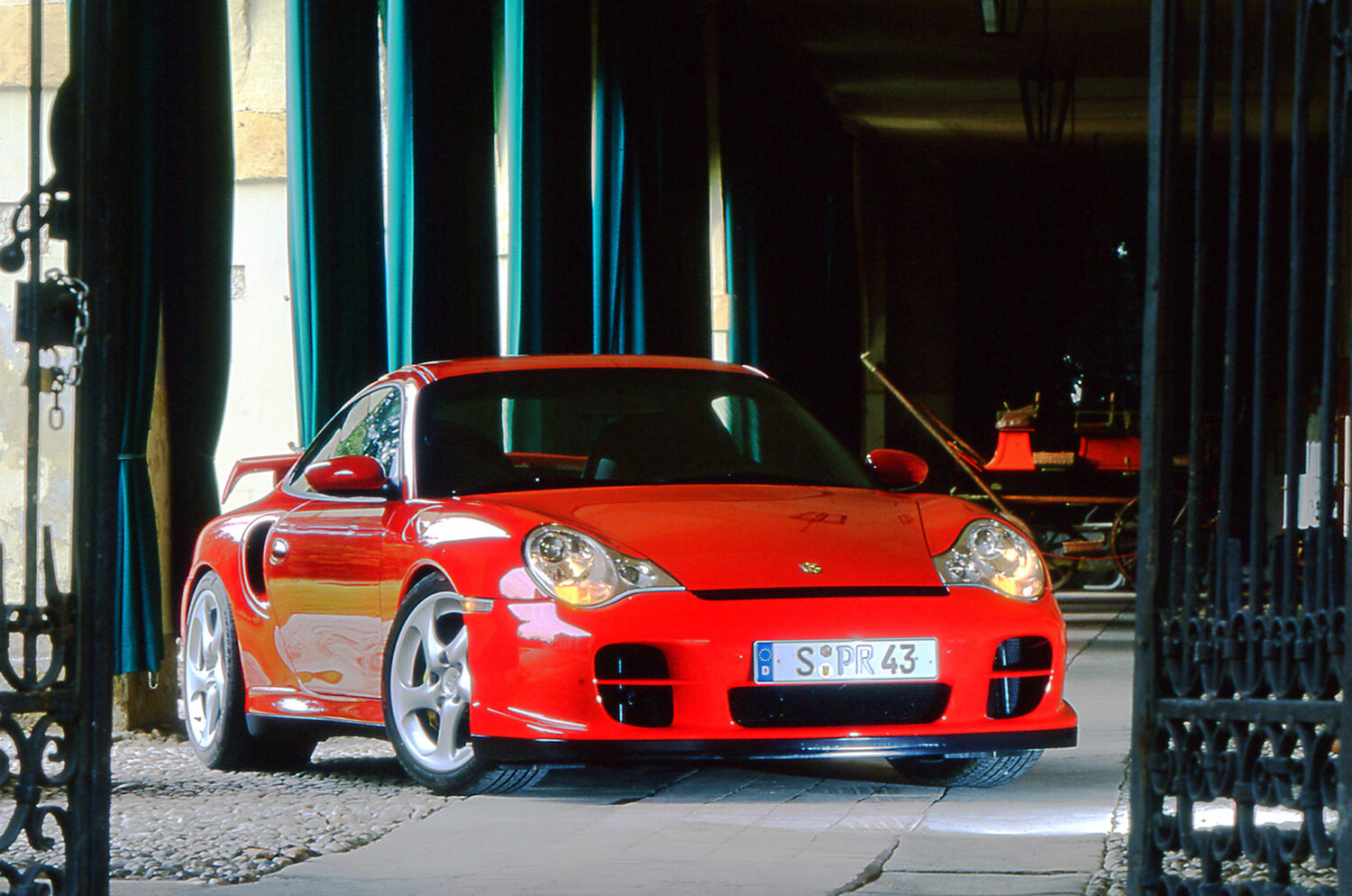
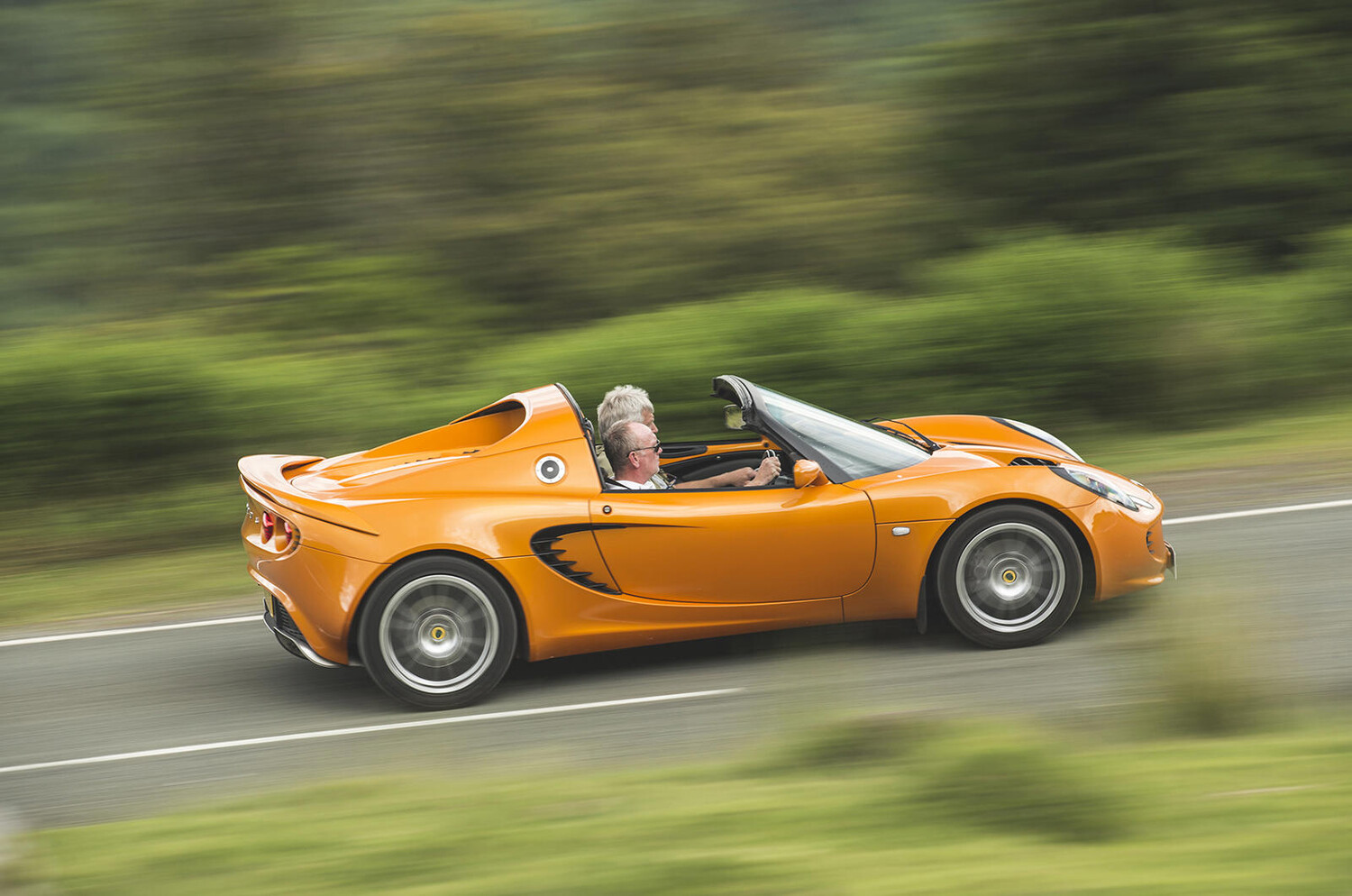
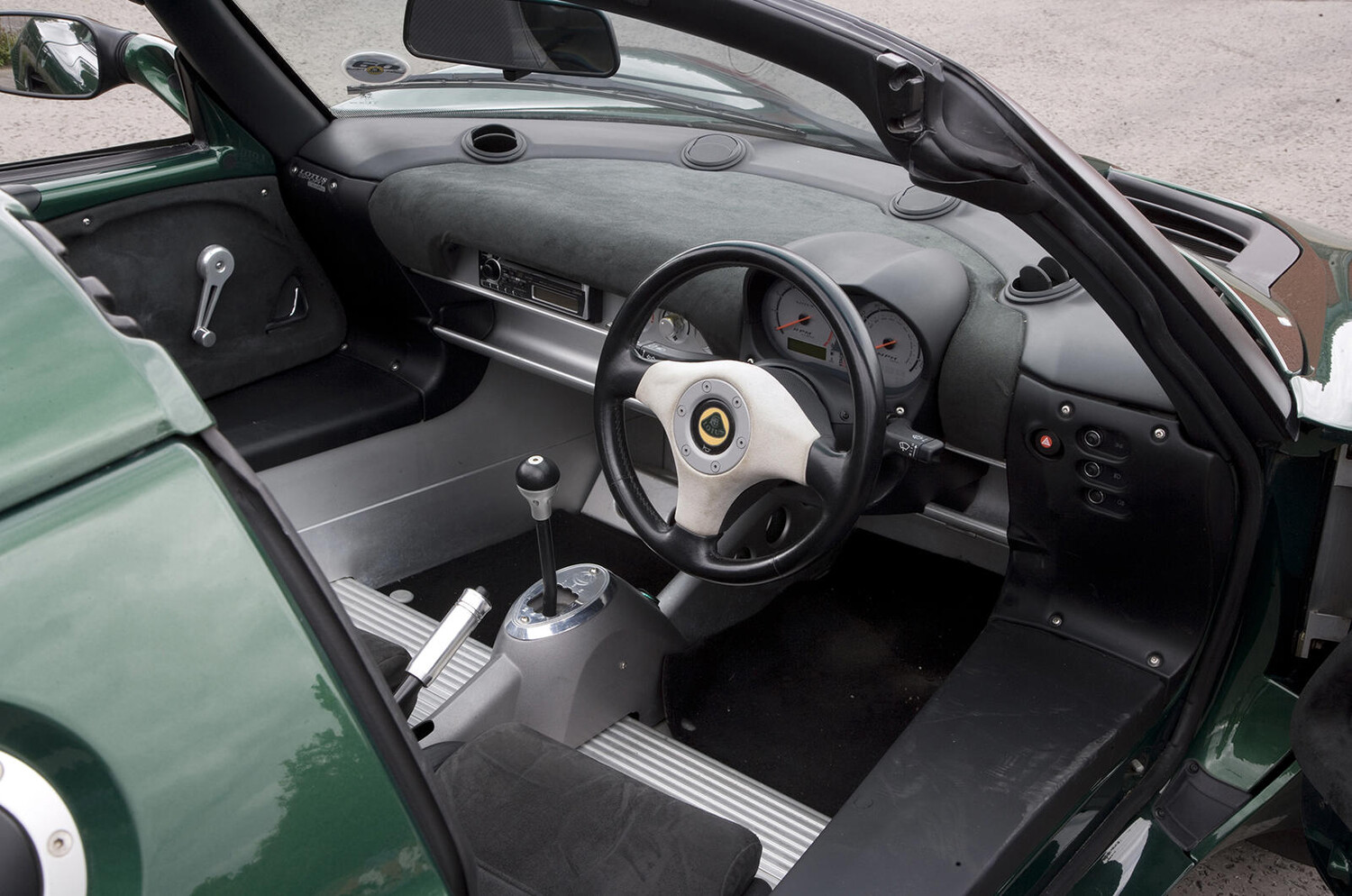
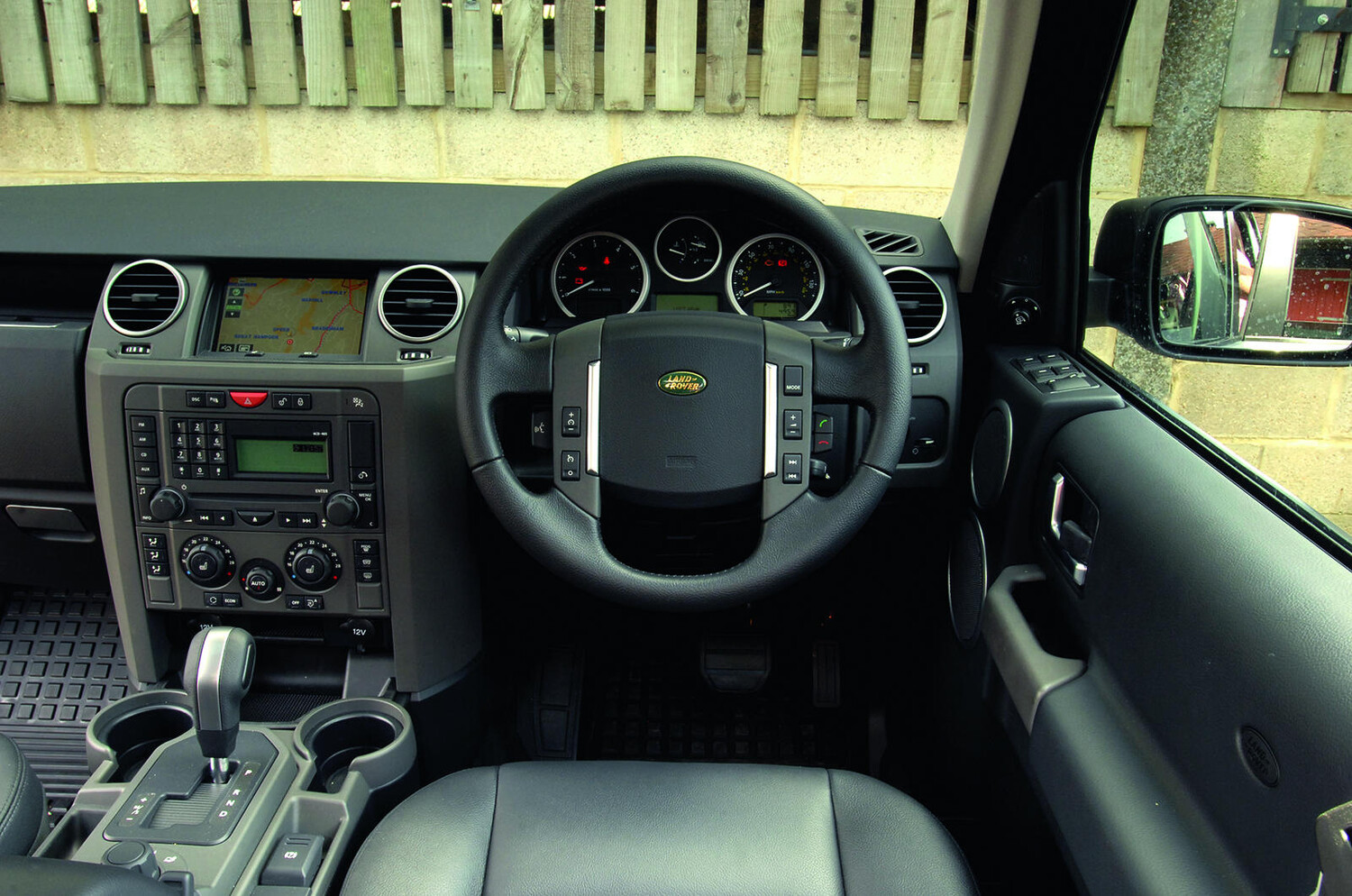
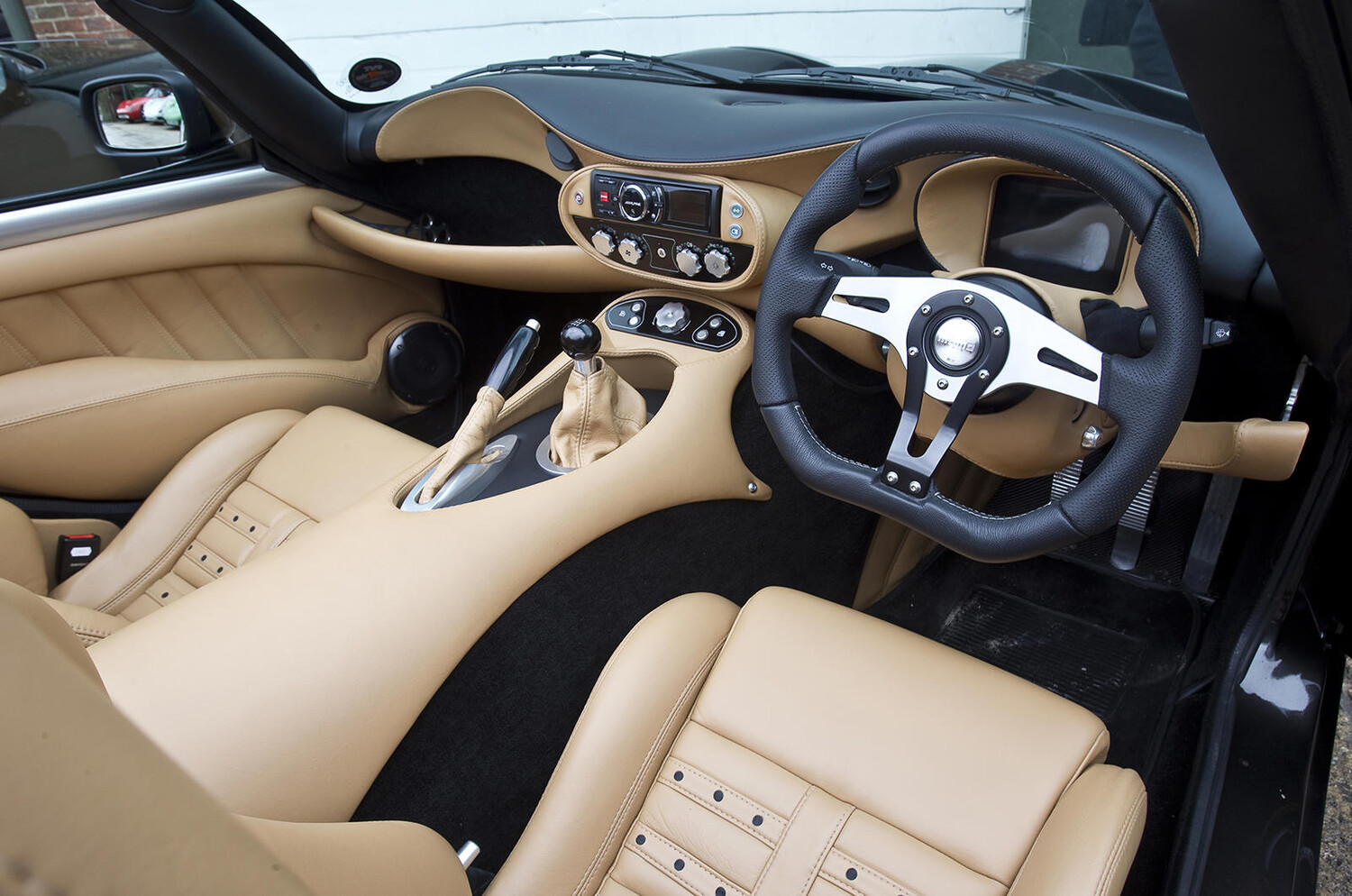
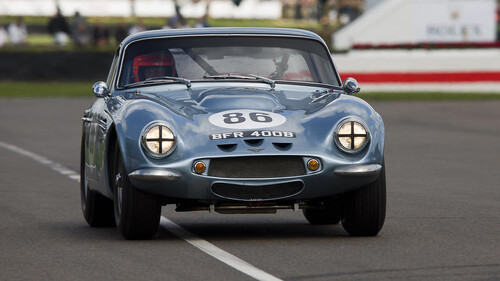
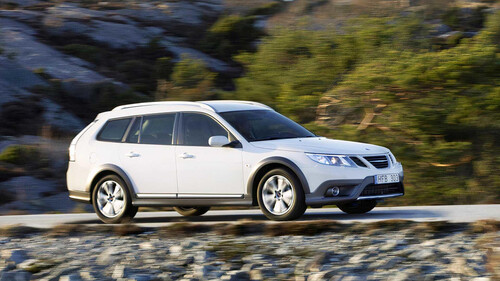
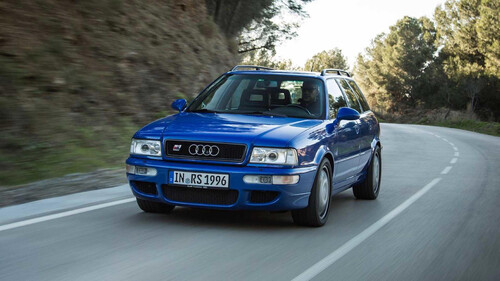
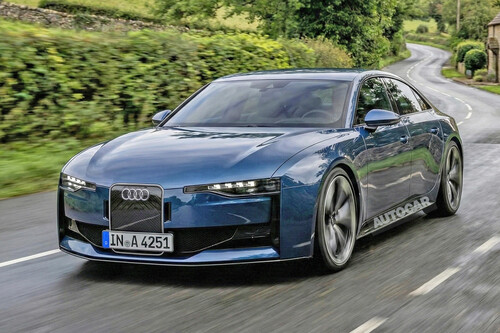
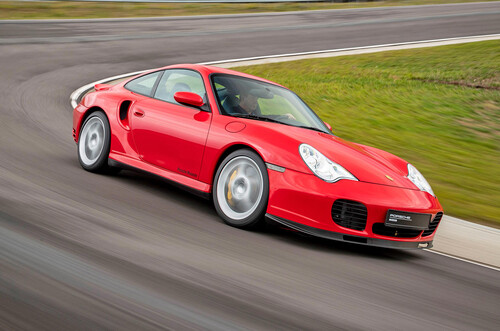
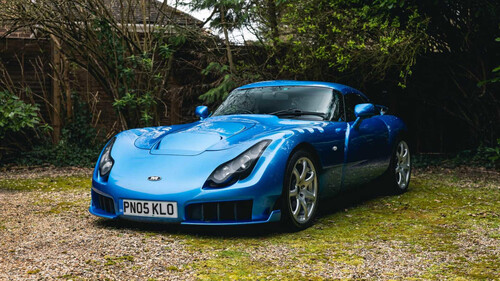
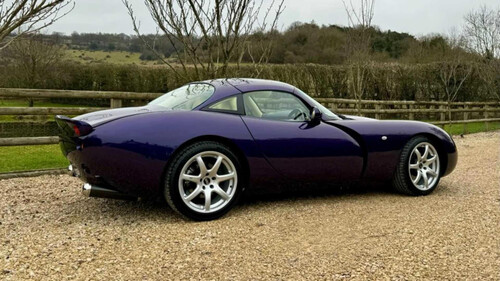
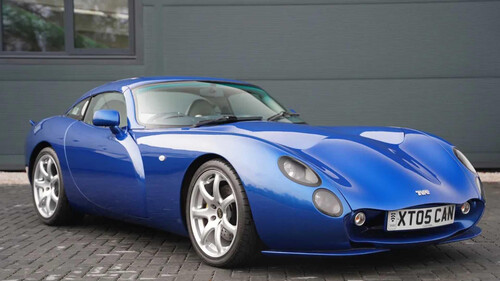
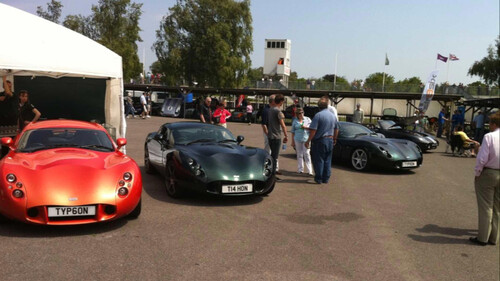
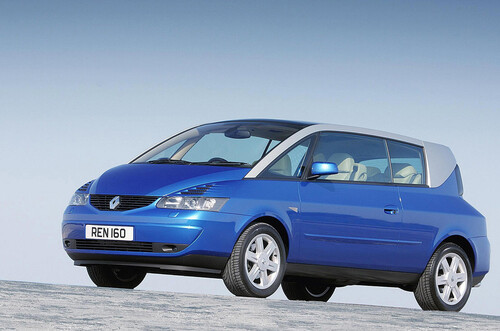
What are modern classic cars?Like with the aforementioned book series, modern classic cars are game-changing in their own right, and the specifics about age are purposefully vague.Ed Callow from online auction platform Collecting Cars told us: “I think at their core, modern classics are the ‘democratised’ part of the collector car market. It’s not easy to pinpoint specific start and end years for the modern classic era, but what we tend to mean is vehicles produced in the 1980s, 1990s, and very early 2000s – from the modern period of car design and construction."For the purpose of this list, we've kept it to cars from after 2000.MERCEDES-BENZ CLS 2003-2010, from $5000Since we’re talking oxymorons, here’s a four-door coupé. The sleek body of this E-Class-based tourer was unlike anything else on the road at the time, yet it held true to the values of prestige and quality that defined its Mercedes range-mates.All versions have rear-wheel drive and a seven-speed automatic gearbox. Air suspension was an option and standard equipment included part-leather trim, electrically powered front seats, climate control, adaptive cruise control and parking sensors.Today, like many other ageing luxobarges, Mk1 CLSs are cheap, and that means you have to look out for a few potential pitfalls. The main issues are the balancer shafts on early cars (one dedicated owner told us they would steer clear of early models entirely) and gearbox speed sensors.PORSCHE CAYMAN 2005-2012, from $18,000The 987-generation Cayman is on many an enthusiast’s wish list – and for good reason. Here’s a modern flat-six Porsche coupé that has its engine in a sensible place, meaning you can take liberties that you just can’t in a 911 of the same vintage.The precise six-speed manual brings all the delights of an analogue driving experience, especially when teamed with well-weighted pedals. Sure, the PDK auto lets you tap the full potential of the car’s performance with lightning-fast shifts, but you also have to deal with the tricky little shift buttons on the steering wheel.The 321bhp 3.4-litre S launched the line-up, but a base 245bhp 2.7-litre model was soon introduced. It’s the former we would recommend, simply on a value-for-money basis.Can a Cayman be a low-cost Porsche? Pull the other one. There’s no such thing. Porsche has a two-year service schedule, but experts recommend an annual check-up. New brake discs and pads cost around $3000.Acura RSX Type S 2001-2006, from $12,000The DC5 isn’t as good to drive as its predecessor, but I reckon it made up for it in looks. The K20A four-pot engine is a stunning bit of kit too, revving out to 8500rpm with a hornet-like rasp. Space for a double-DIN head unit means you can modernise it with Apple CarPlay, which is a boon for day to-day drudgery.FORD FIESTA ST 2008-2017, from $8000Fast Fords have delighted and titillated generations of fun-loving drivers, and today the sixth-generation Fiesta may well just be the best-value example of the breed.It’s powered by an excitable 1.6-litre turbo four with 179bhp or 197bhp. Its steering is near-telepathic, its chassis has amazing balance and the shift of its six-speed manual gearbox is exemplary.The big thing to keep in mind is that many of these cars will have been modified, with varying levels of sympathy. And you need to listen and feel for shudders when changing gear, which might be because of worn synchro rings, caused by a swap from a dualmass flywheel to a single-mass one.JAGUAR XK 2005-2014, from $12,000A British V8 coupé with an aluminium monocoque, wood and leather. Mmm. Ian Callum’s magnum opus has served its time in the golf club car park and is now stepping into more attainable territory.Pre-facelift models used the same 300bhp 4.2-litre V8 as the preceding XK8, whereas facelift cars upped the ante with a 380bhp 5.0-litre unit. There were supercharged R versions of both, with 420bhp and 503bhp, which make a hell of a noise, and then there was the XKR-S, ramping up output to 542bhp.The facelift is worth it, because the newer engine is smoother and keener to rev. Best of all, the XK is pretty impressive as a daily. The rear seats obviously aren’t stellar, but even sixfooters can get comfy up front, and it’s reasonably frugal, all things considered.MAZDA MX-5 2005-2015, from $8000Historically, this has been the least-loved version of one of the best-loved cars. It didn’t quite capture the imagination like the first two. It seemed, if anything, slightly too refined. Perceptions change, though, and the NC is fast becoming a sensible buy, largely due to being less prone to rusting than its predecessors.The engine is a 168bhp 2.0-litre, which optionally came with a limited-slip differential and a six rather than a five-speed manual. The latter is a bit more money, but you would, wouldn’t you?The steering is precise and communicative, the chassis fluid, the ride comfortable, the engine bulletproof, the face smiley. There’s not a lot to worry about.PORSCHE 911 1997-2006, from $30,000The fifth-generation 911 is hugely significant, and not without its controversies, with some diehard fans still harbouring resentment at Porsche’s switch from air to water cooling for its halo car’s flat six. Fortunately, this has resulted in prices remaining realistic.At launch, the 996 came in coupé form only, powered by a 3.4-litre flat six producing 292bhp and with a choice of six-speed manual or five speed Tiptronic automatic gearboxes.It was followed by a trio of high-performance models with ‘Mezger’ engines: first out was the 355bhp GT3, then came the 408bhp Turbo. Topping them off was the 456bhp GT2.A 2002 facelift retired the 3.4 for a 312bhp 3.6 with variable valve timing. The ‘fried egg’ headlights were also dropped in favour of a fresher ‘teardrop’ look.Big-boy cars have big-boy problems, though. You may have read stories about rear main seal issues, cracked cylinder heads, intermediate shaft bearing failures and split cylinder liners. Most cars will have been sorted, but you should still approach with caution.LOTUS ELISE 2005-2007, from $30,000Yes, the Series 2 cars. While to some eyes they don’t look quite as cool or as sweet as the earlier models, they do bring two massive improvement: the engine and the fact that they were officially sold in North America, albeit for a short period.Early Elise apologists will tell you their Rover K-series engine has been to the moon and back without needing a head gasket replacement, and it’s certainly a suitably peppy motor, but the well-documented cooling issues make the Series 1 a less attractive daily driver proposition. Mind you, the K-series stuck around for a few years in the Series 2, only being fully replaced by Toyota’s lovely 1.8-litre 2ZZ-GE in 2004, so aim for a later model.Land Rover LR3 2004-2009, from $7000Faintly sickening that you could call a Disco 3 a modern classic according to this criteria, but here we are. It can accommodate an entire bungalow, will follow a Defender anywhere and still looks fresh even 20 years later. Nearly all of them had a V8, but I knew someone with a manual Ford V6, which was hilariously good fun – right up until the first fuel stop.BMW Z4 M COUPE 2006-2008, from $20,000Incredibly, you really can get a Chris Bangle-designed, Porsche Cayman baiting, straight-six-engined, rear driven BMW coupé for the same price as a new Nissan Versa.The first generation of the Z4 roadster was in production for five years, but BMW only got round to making 4581 examples of this solid ceilinged, high-performance version.That S54 engine is largely bombproof, but the valve clearances need checking every second service, which will probably set you back more than $1500.TVR TUSCAN 1999-2006, from $25,000TVR touted the hard-topped Tuscan, with its surprisingly large boot, as its most usable creation to date. And it was – when it worked. The straight-six (stylised Speed Six) engine was designed by Al Melling (who also ran a women’s fashion label and helped design Formula 1 engines) and built by TVR.You will struggle to find one in original condition. Most have been upgraded and are probably running either a rebuilt or refurbished engine and transmission, along with uprated brakes, suspension and ancillaries.How it’s been maintained and who has done what are all you should care about, though. All parts are available and everything is repairable.ASTON MARTIN VANTAGE 2005-2018, from $30,000Vantages have always been fairly brash and brutish affairs, and this one held true to that tradition but wrapped that raunchiness in a prettier, smaller and more slender shell. It still came with a meaty and free-revving V8, though – initially 4.3 litres in size, then upgraded to 4.7 litres in 2008.There are a few upgrades to keep an eye out for, the most desirable coming courtesy of Prodrive. Generally the engines are solid, but they need to have been maintained on time.RANGE ROVER 2001-2012, from $8000The L322 era of the Range Rover is cheap enough to be genuinely classless, being equally at home in the city as serving as a family runaround or a farm truck.It was expensive when new, though, of course, with the firepower to back up such loftiness. From the off, BMW supplied a 281bhp 4.4-litre V8 petrol and in 2009 we got a supercharged 5.0-litre V8 for a faintly ridiculous 6.0sec 0-60mph time. Economy? Never heard of it.Today, the alluring aspects of the L322 are as strong as ever. The Mercedes S-Class-like ride, fantastic visibility and ace off-road ability are all still there, while the lure of a luxuriously tactile interior has heightened over the years as manufacturers cut back on buttons.JAGUAR X-TYPE ESTATE 2004-2009, from $5000The X-Type is a cheap way into Jaguar ownership and a very cheap way into 230bhp four-wheel-drive estate ownership.Yes, the CD132 platform was first used under the Ford Mondeo, but it was thoroughly re-engineered to the point where it would even send power to all four wheels. Problems are limited and, with this car being heavily Ford-flavoured, parts supply is largely good.The engine range is strong, too, and includes sensible four-cylinder units, but we recommend Ford’s full-fat 3.0-litre Duratec V6. Packaging constraints in 4WD models means the oil capacity for the transfer box is small, so you need to monitor levels.