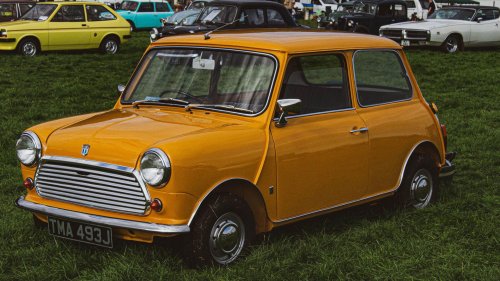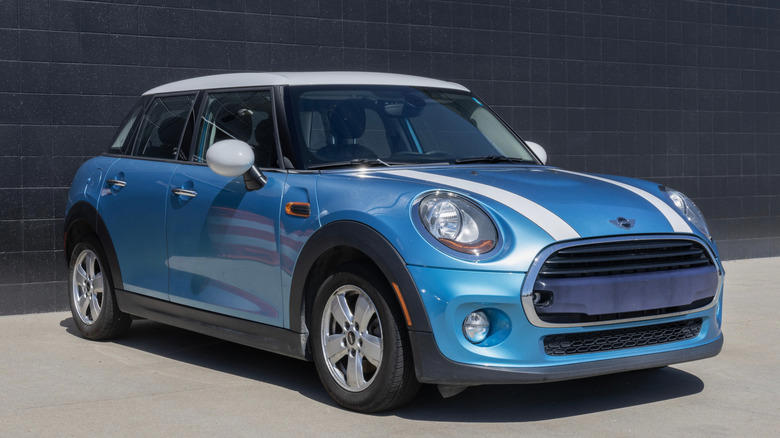



















Mini CooperThe Italians weren't the only ones to think of reviving a diminutive classic. The post-World War II years were lean for many nations, and we mean that in the automotive sense as well as the economical. There just wasn't enough gasoline to operate the machinery. Compounding things for Britain in the late 1950s was the Suez Canal Crisis, which choked the gasoline supply even more.Leonard Lord of the Morris Company initiated the design of a fuel-efficient car that could still carry four adults. Lead engineer Alec Issigonis delivered the Mini. The earliest Mini launched in 1959 with an 848 cc, transverse-mounted inline four-cylinder that made 35 horsepower at 5,500 rpm.The Mini took on the air of an instant classic, a reputation it would only build on as the years passed. Many variations emerged, including models for Australia, updated generations with bigger engines, and even minivan and station wagon iterations. BMW bought the Mini brand in 1996 and primed it for a refresh. The final classic Mini rolled off the line in 1999, but a rebirth was nigh.BMW introduced the new Mini at the 2000 Paris Motor Show. It was significantly larger than the original but retained its distinctive retro look. The Mini's evolution has been a straight line from 1959 to today. To this day, fans can buy a Mini Cooper with all the benefits of modernity while retaining the visual charm of the original.