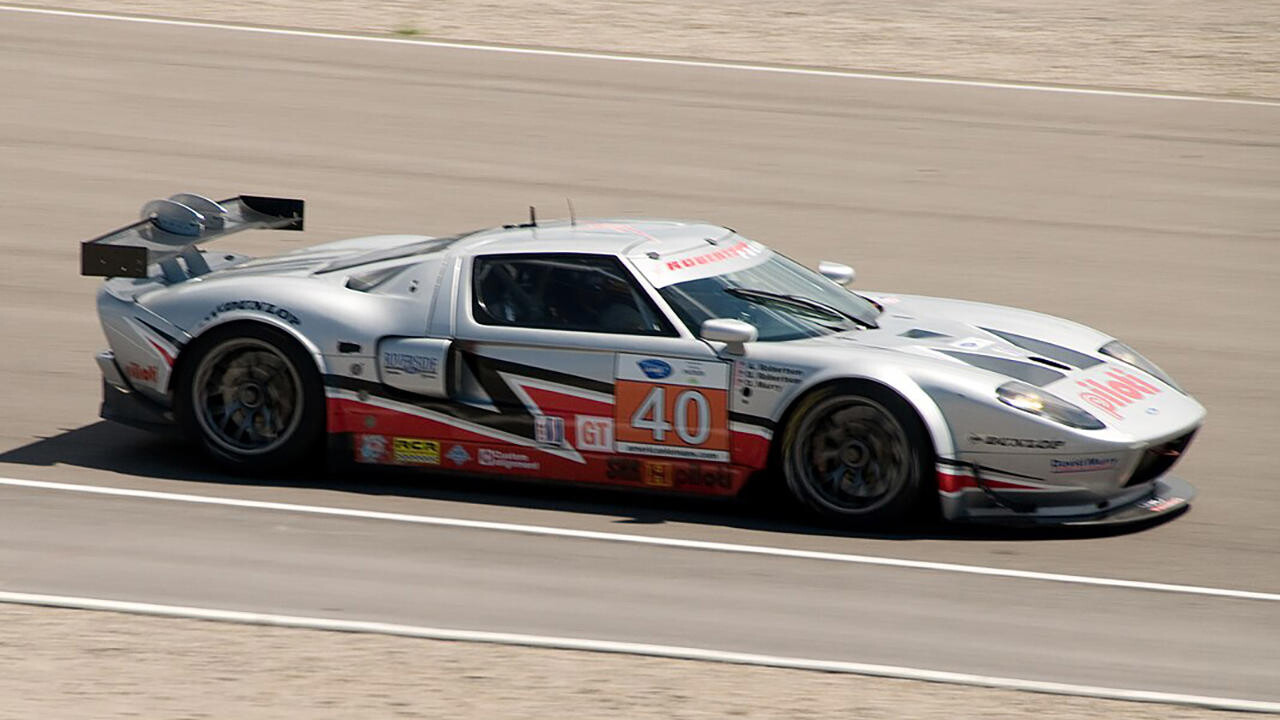
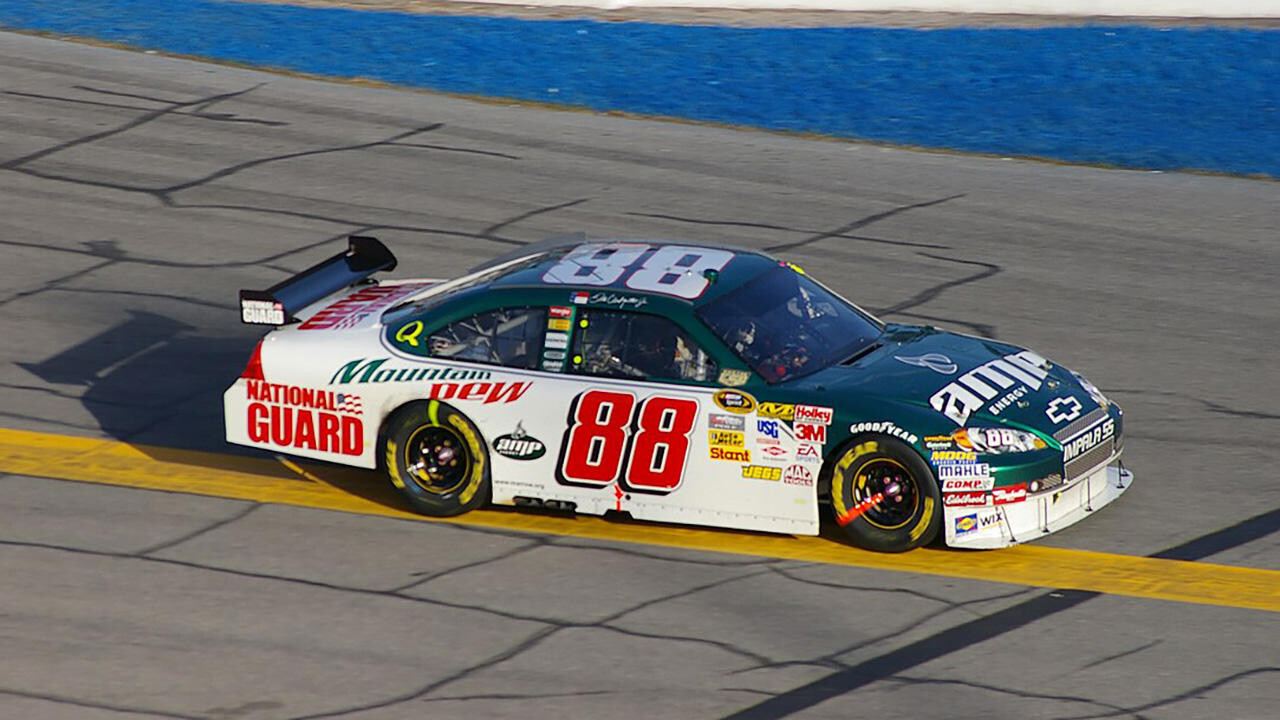
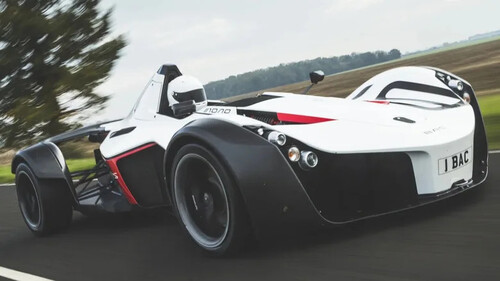
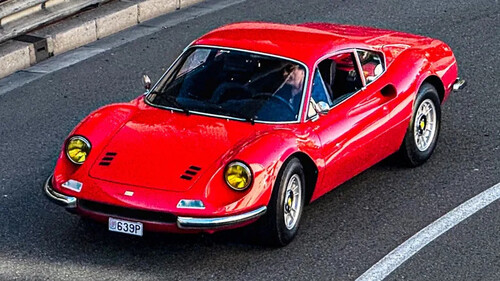
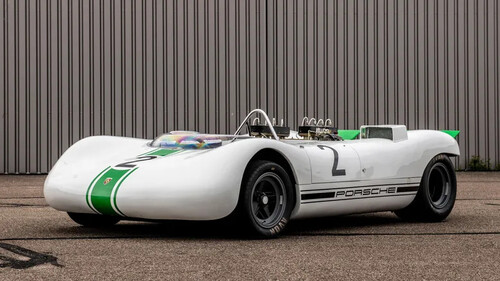
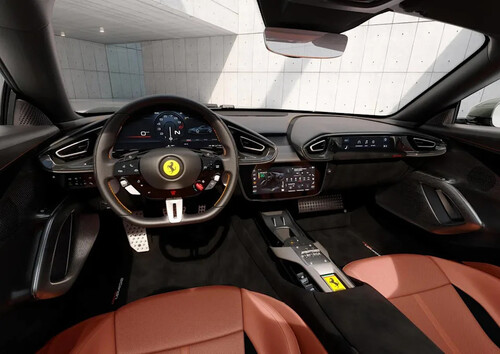
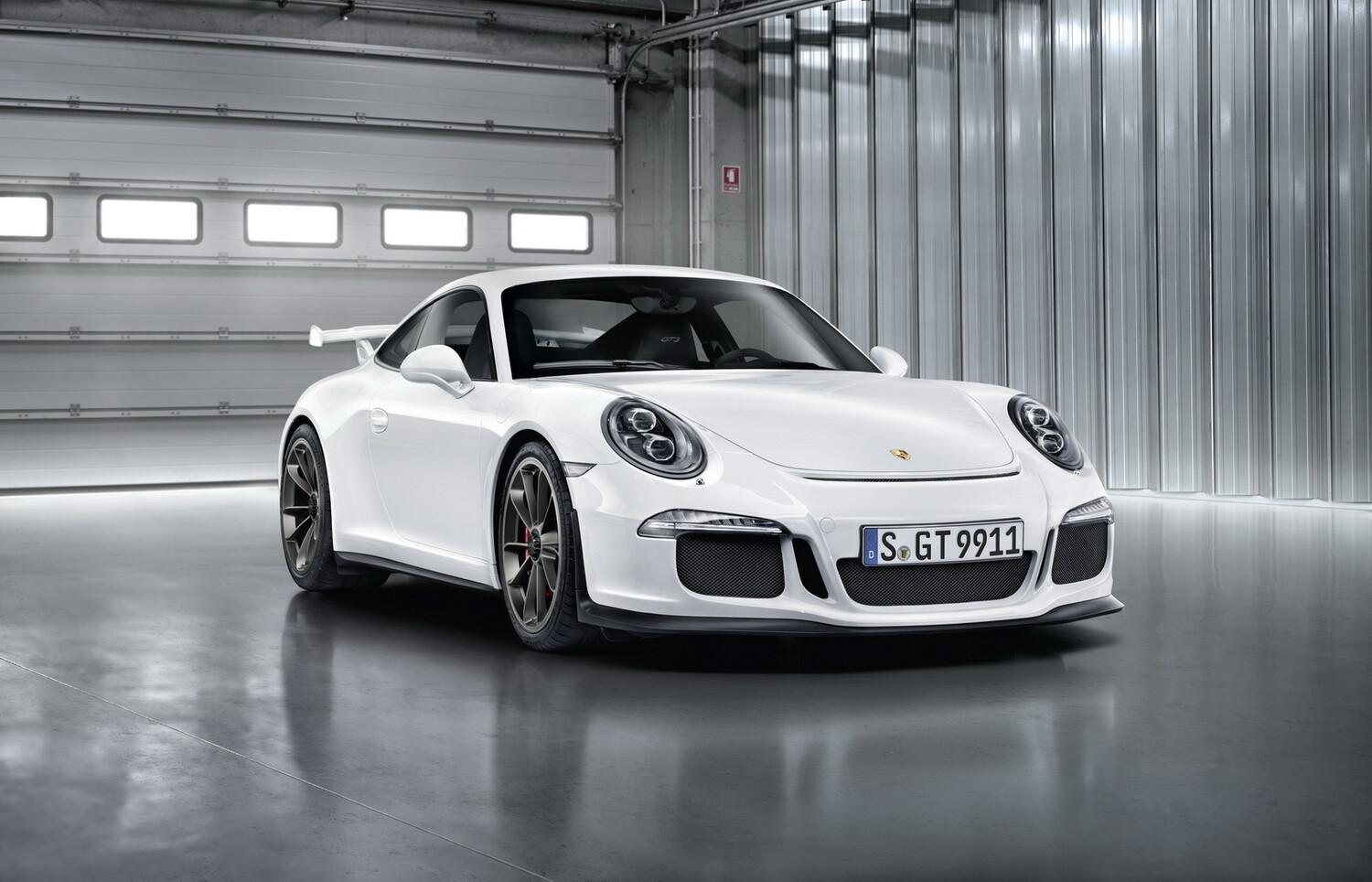
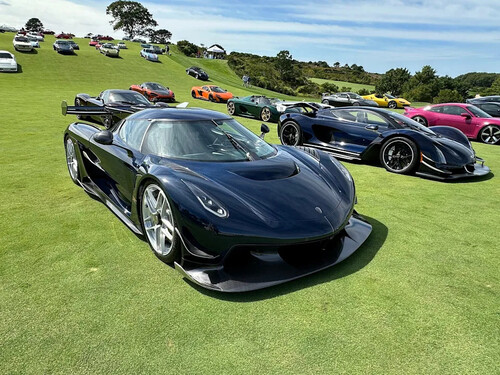
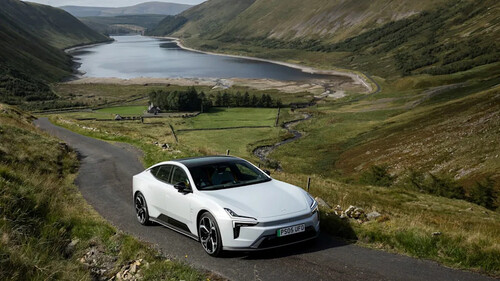
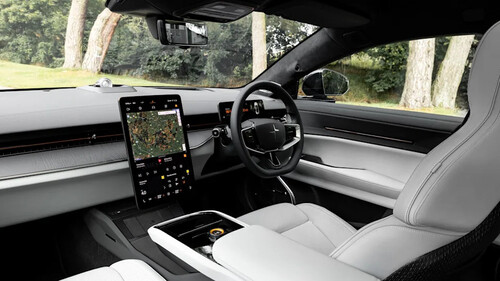
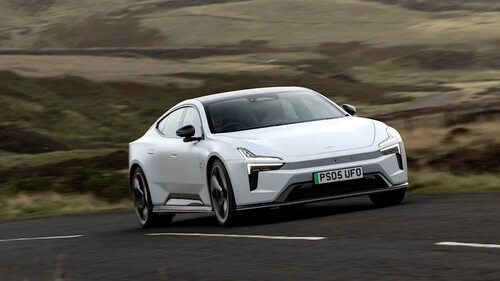
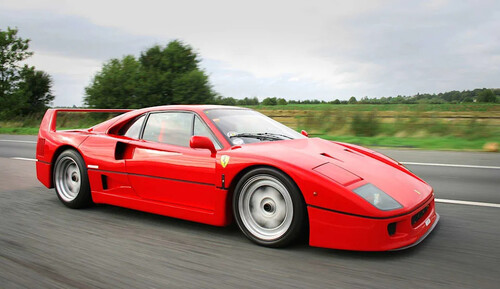
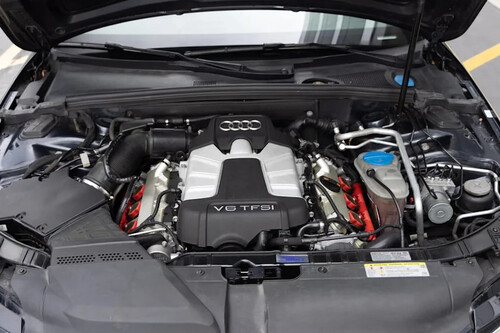
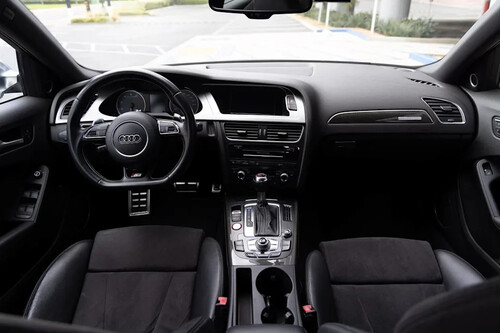
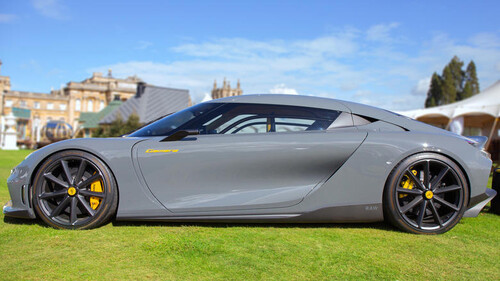
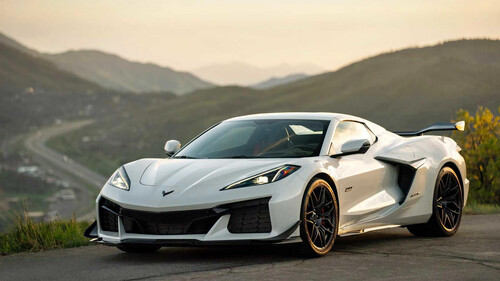
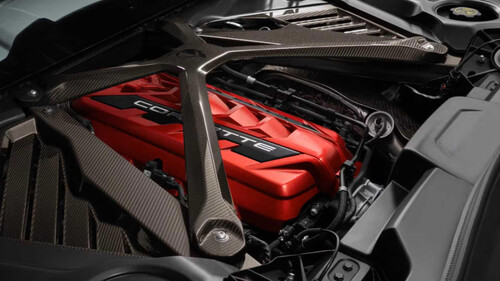
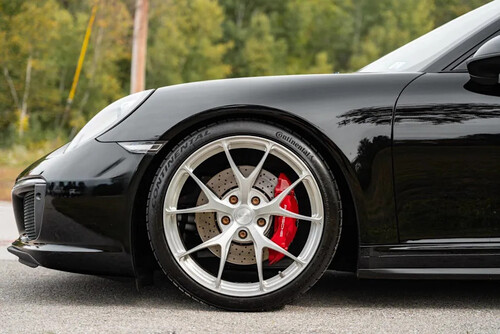
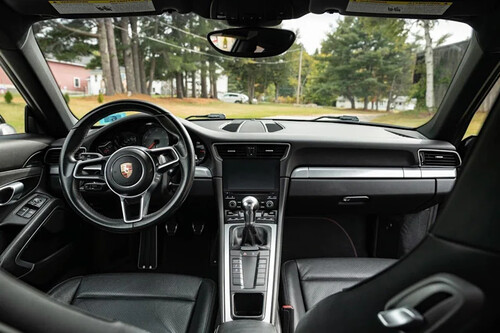
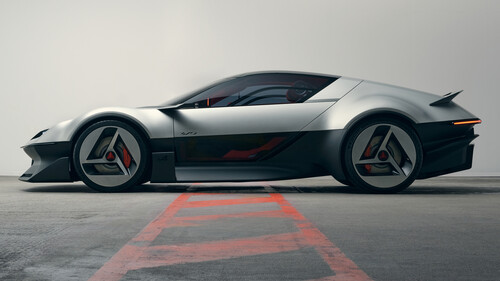
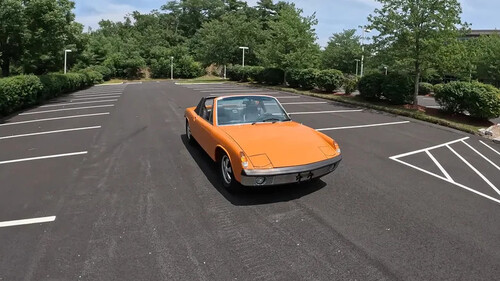
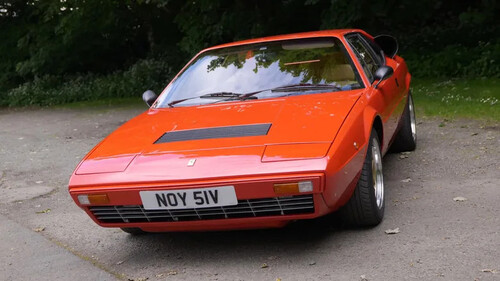
Grand Touring (GT) racing has long been a crucible for automotive innovation, blending speed, endurance, and style. This category of motorsport, which traces its roots back to the mid-20th century, has profoundly impacted the design and performance of today’s sports cars. We explore the key ways GT racing has shaped the automotive industry, influencing everything from aerodynamics to driver experience. The Legacy of GT Racing Image Credit: Unknown photographer, via Wikimedia Commons, Public Domain GT racing’s historical significance is rooted in its origins, which date back to the 1950s when manufacturers began to see the potential of racing as a platform for showcasing their engineering prowess. The early days of GT racing were characterized by a focus on endurance and reliability, with events like the Mille Miglia and the Targa Florio setting the stage for what would become a global phenomenon. Over the decades, GT racing evolved, with manufacturers like Ferrari, Porsche, and Aston Martin becoming synonymous with the sport, each contributing to its rich legacy. The evolution of rules and classes in GT racing has been a driving force behind technological advancements. As regulations changed to enhance safety and competitiveness, manufacturers were pushed to innovate. The introduction of different classes, such as GT1, GT2, and GT3, allowed for a diverse range of vehicles to compete, each with unique technological developments. These changes not only improved the performance of racing cars but also trickled down to consumer vehicles, influencing the broader automotive industry. Iconic GT races, such as the 24 Hours of Le Mans, have become benchmarks for endurance and performance. Le Mans, in particular, is renowned for its grueling demands on both car and driver, pushing the limits of engineering and human endurance. The race’s prestige and history have made it a proving ground for manufacturers, with victories often translating into increased brand prestige and consumer interest. The innovations developed for these races frequently find their way into production cars, enhancing their performance and appeal. Technological Advancements Image Credit: ArtBrom, via Wikimedia Commons, CC BY-SA 2.0 Aerodynamics plays a crucial role in GT racing, with innovations in airflow and downforce significantly impacting modern sports cars. The need to maximize speed and stability on the track has led to the development of advanced aerodynamic features, such as diffusers, splitters, and active aerodynamics, which are now commonplace in high-performance road cars. These technologies help improve fuel efficiency and handling, making sports cars more enjoyable and practical for everyday use. The use of lightweight materials, such as carbon fiber, is another significant advancement that originated in GT racing. The quest for speed and efficiency drove manufacturers to experiment with materials that offered strength without added weight. Carbon fiber, initially developed for racing, is now a staple in the construction of sports cars, providing a perfect balance of durability and lightness. This material not only enhances performance but also contributes to the sleek, modern aesthetics of today’s sports cars. Engine performance and efficiency have also seen significant improvements due to GT racing. The high demands of racing necessitate engines that deliver maximum power while maintaining reliability and efficiency. Technologies such as turbocharging, direct fuel injection, and hybrid systems were refined on the track before being adapted for consumer vehicles. These advancements have led to sports cars that offer exhilarating performance without compromising on fuel efficiency or emissions. Influence on Design and Aesthetics Image Credit: Calreyn88 – CC BY-SA 4.0/Wiki Commons The sleek, aerodynamic shapes of modern sports cars owe much to GT racing. The need to reduce drag and increase downforce on the track has influenced the design language of many sports cars, resulting in vehicles that are not only fast but also visually striking. The flowing lines and aggressive stances of cars like the Porsche 911 and the Ferrari 488 are direct results of racing-inspired design principles. Functionality meets style in the integration of racing-inspired elements such as spoilers, diffusers, and air intakes. These features, initially developed to enhance performance on the track, have become standard in sports car design, offering both aesthetic appeal and functional benefits. The presence of these elements signals a car’s performance capabilities, appealing to consumers who value both form and function. Interior design and driver ergonomics have also been heavily influenced by GT racing. The focus on driver comfort and control in racing has led to the development of interiors that prioritize ergonomics and usability. Features such as supportive seats, intuitive control layouts, and advanced infotainment systems are now standard in sports cars, enhancing the driving experience and making high-performance vehicles more accessible to everyday drivers. The Driver Experience Image Credit: tequilamike, via Wikimedia Commons, CC BY 2.0 Handling and control are critical aspects of the driver experience that have been significantly improved by GT racing. The demands of racing have led to advancements in suspension and steering systems, resulting in sports cars that offer precise handling and exceptional road feel. Technologies such as adaptive suspension and electronic stability control, refined on the track, provide drivers with confidence and control, whether on a winding mountain road or a high-speed highway. Safety innovations developed in GT racing have also made their way into consumer sports cars. Features such as roll cages, advanced braking systems, and reinforced chassis structures were initially designed to protect drivers in the event of a crash. These technologies have been adapted for road use, enhancing the safety of sports cars without compromising performance. The integration of these features reflects the industry’s commitment to driver safety, a priority that originated in the high-stakes world of racing. Data-driven performance is another area where GT racing has influenced the driver experience. The use of telemetry and data analysis in racing has led to the development of advanced driver assistance systems and performance monitoring tools in consumer vehicles. These technologies allow drivers to track their performance, optimize their driving habits, and enhance their overall experience behind the wheel. The ability to access real-time data and insights has transformed the way drivers interact with their vehicles, making the driving experience more engaging and informative. Market Influence and Consumer Expectations Image Credit: 35mmMan, via Wikimedia Commons, CC BY 2.0 GT racing has played a crucial role in bridging the race-to-road gap, with manufacturers leveraging their racing success to market sports cars. Victories on the track often translate into increased brand prestige and consumer interest, as racing success is seen as a testament to a manufacturer’s engineering capabilities. This connection between racing and consumer vehicles helps manufacturers build a strong brand identity and attract performance-oriented buyers. Performance branding is another significant aspect of GT racing’s influence on the automotive market. Manufacturers use their racing heritage to establish brand performance credentials, highlighting their success on the track as a key selling point for their sports cars. This strategy not only enhances brand image but also creates a sense of exclusivity and desirability around their vehicles, appealing to consumers who value performance and prestige. Consumer demand for race-derived features has been fueled by GT racing, with buyers increasingly expecting high-performance features in their road cars. The influence of racing is evident in the growing popularity of features such as launch control, performance exhaust systems, and track-focused driving modes. These elements, once exclusive to racing, are now sought after by consumers who want a taste of the racing experience in their everyday driving. This demand has driven manufacturers to continue innovating, ensuring that sports cars remain at the forefront of automotive technology and performance. Like Fast Lane Only’s content? Be sure to follow us. Here’s more from us: Unboxing the WWII Jeep in a Crate The Fastest Farm Truck Ever Built *Created with AI assistance and editor review.