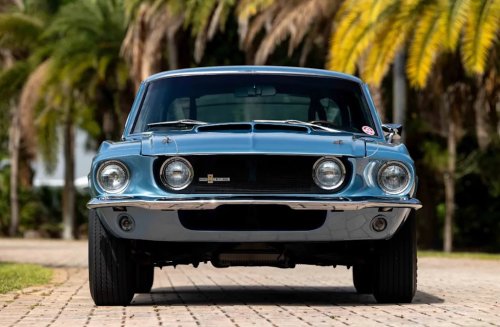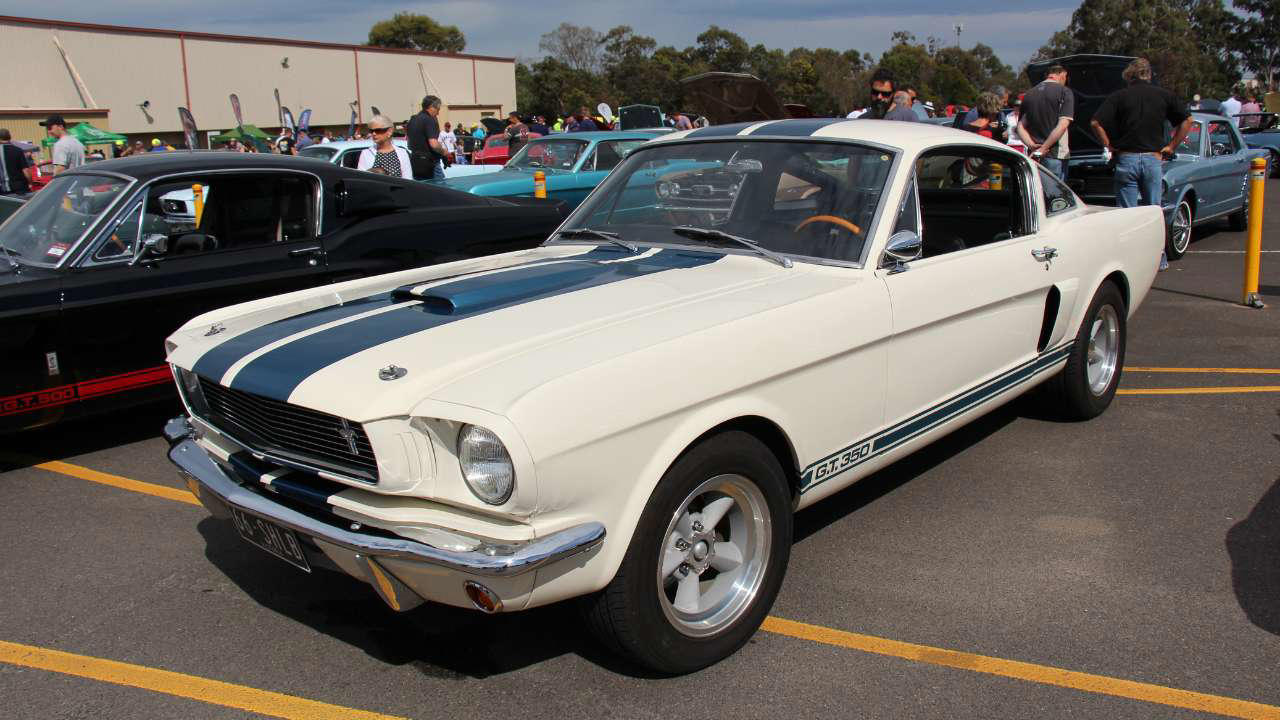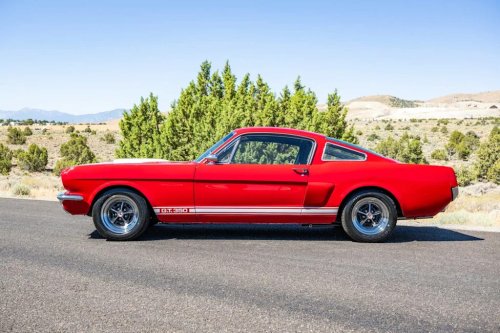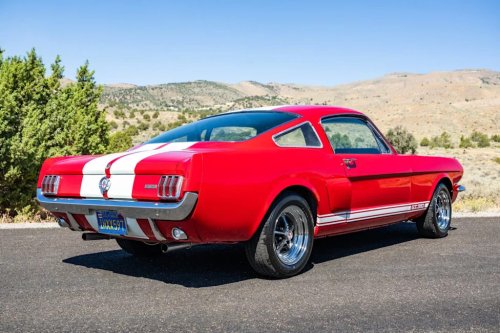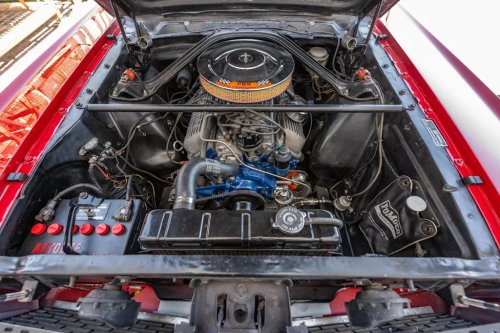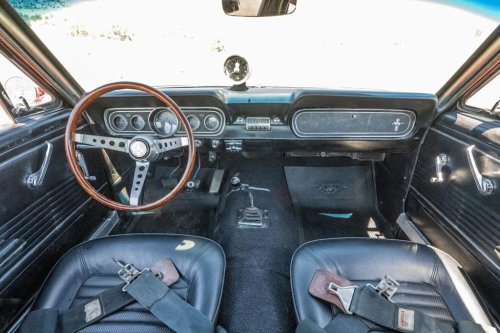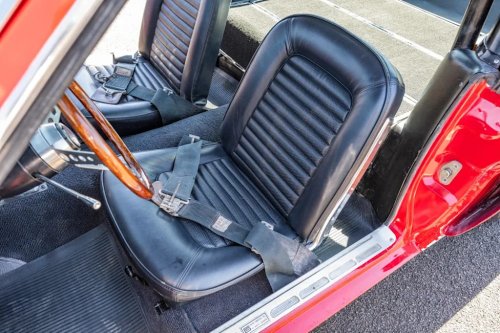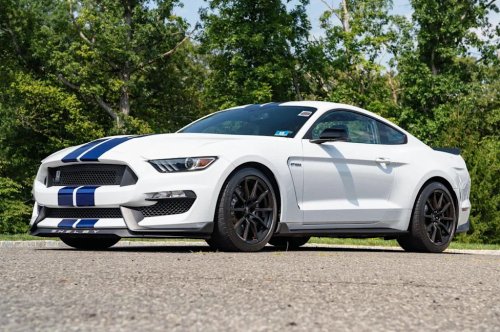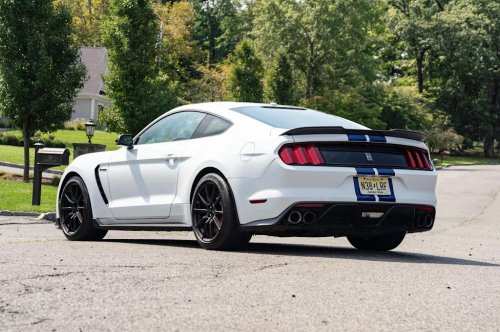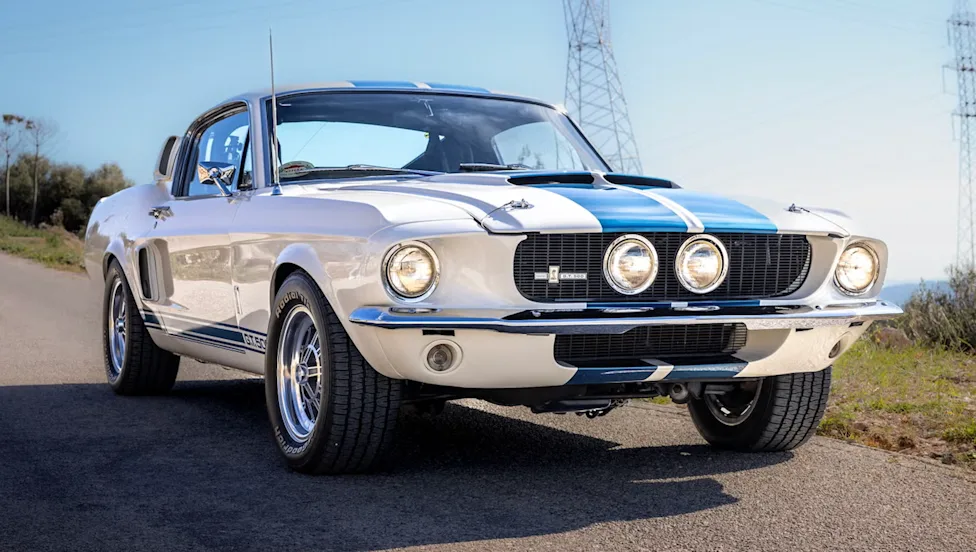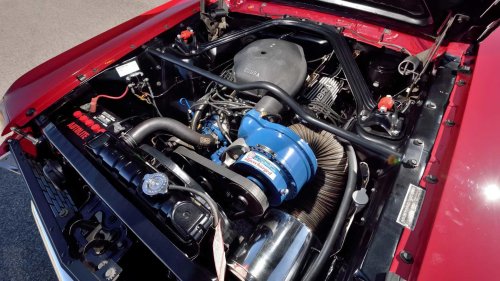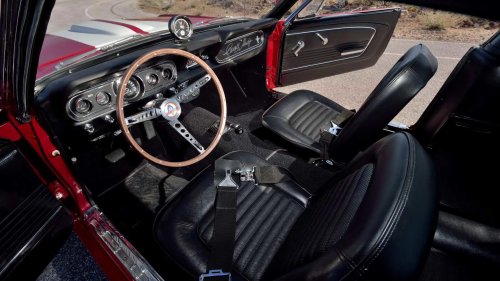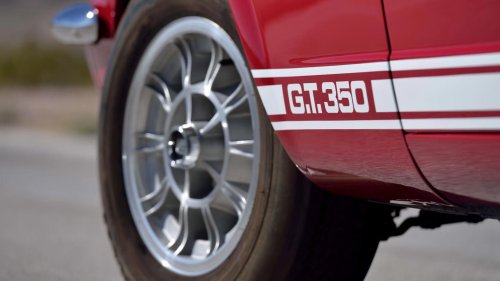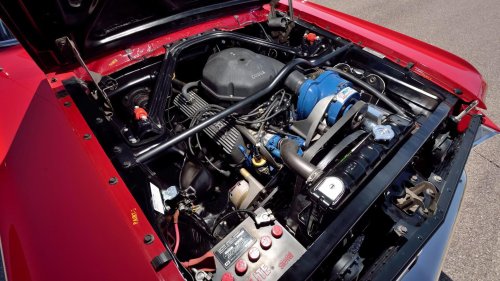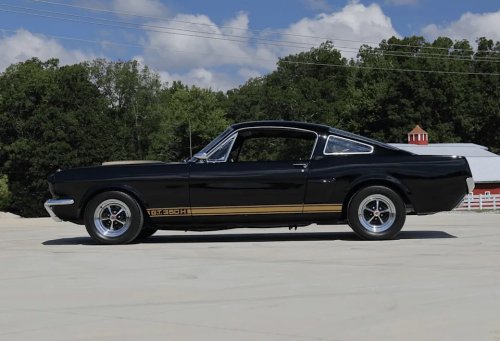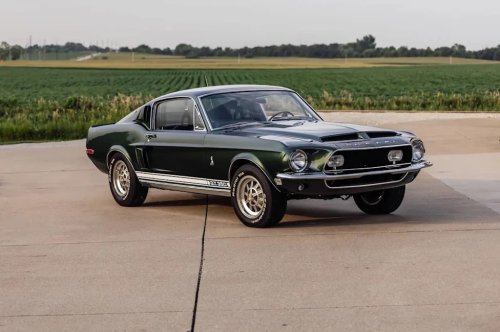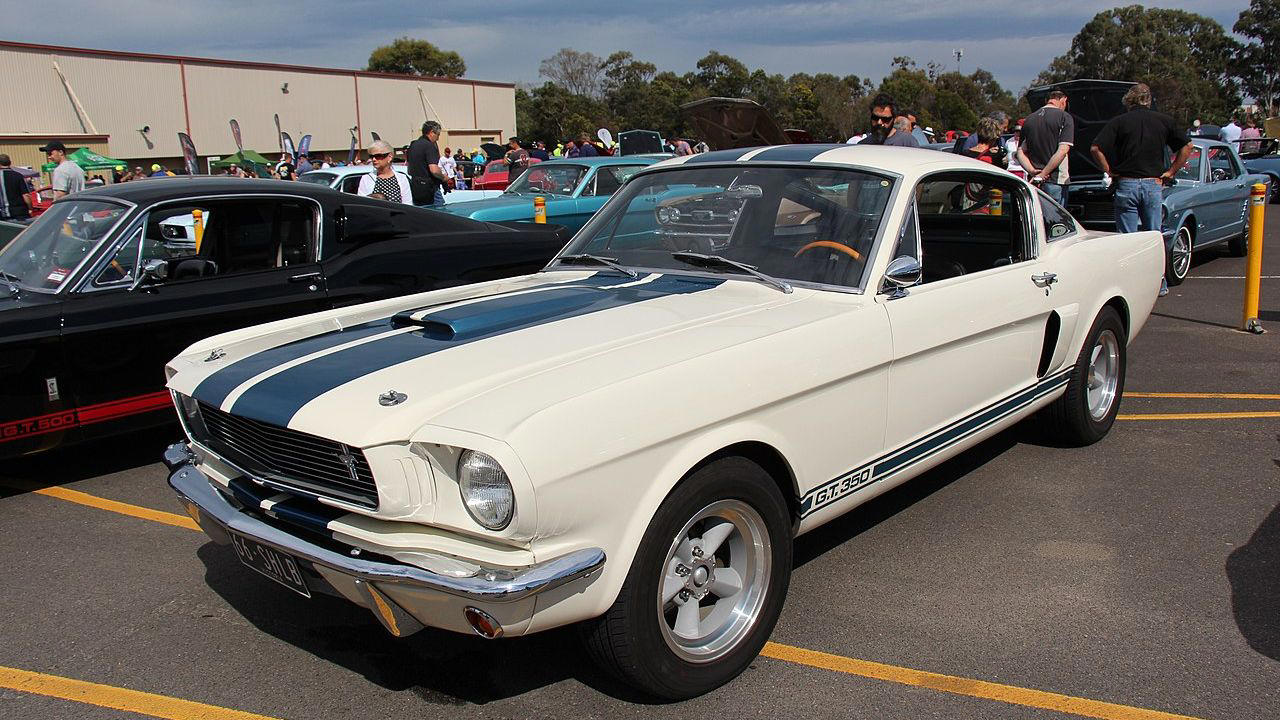


















The 1966 Shelby GT350 was built for racing first and the street came secondThe 1966 Shelby GT350 looked like a Mustang with stripes, but it behaved like a factory-built race car that had grudgingly agreed to wear license plates. Conceived by Carroll Shelby for competition and only later softened for commuters, it blurred the line between SCCA pit lane and supermarket parking lot in a way Detroit had rarely attempted. That tension between track focus and street duty is what still makes the 1966 GT350 feel raw, purposeful and slightly outrageous six decades later. The racer hiding inside a Mustang The GT350 story starts with Ford handing Carroll Shelby a production Ford Mustang and asking him to turn it into something that could win on track. Shelby had already proven his instincts with Cobras, and the brief for the GT350 was similar: take a relatively ordinary car and rework it until it could embarrass purpose-built sports machines. Under Shelby, the Mustang became a lighter, stiffer and far more aggressive machine, with the small-block V8 reworked for stronger acceleration and durability. To sharpen the car off the line, Shelby’s team fitted a high-rise intake manifold and a larger 725 cfm carburetor to the Mustang’s small-block, then stripped away weight wherever it did not serve performance. Even the stock battery location fell by the wayside, a reminder that the priority list started with lap times rather than convenience, as detailed in period Mustang racing coverage. The result was a car that could be sold through Ford dealers yet behaved like a homologation special. Early GT350s were famously uncompromising, with stiff suspensions, stripped interiors and a focus on neutral handling instead of the standard Mustang’s strong understeer. Contemporary descriptions of the 1965 and 1966 cars highlight how suspension geometry, spring rates and anti-roll hardware were all tuned for balance and grip, which gave the Shelby a reputation for ferocious performance rather than boulevard comfort. Buyers who wanted plush seats and a quiet ride had plenty of other options in Ford showrooms; the GT350 targeted drivers willing to trade comfort for speed. Softening the edges for 1966, without losing the bite By 1966, Shelby and Ford recognized that the GT350 needed to broaden its appeal without losing its competitive edge. The second model year brought more colors than just white with blue stripes, rear seats that allowed it to sit four and the availability of an automatic transmission. A detailed history of the 1966 model notes that it sat four, it was available with an automatic transmission and it came in colors other than white with blue stripes, yet it still kept the core performance hardware that made the car a threat in its class. Inside, the 1966 GT350 featured a black interior with purposeful gauges and trim that leaned more toward businesslike than luxurious. A period description of a 1966 Shelby GT350 prototype points out that inside, the car features black interior pieces that frame the driver in a cockpit designed around control rather than ornament. The combination of aggressive styling and high performance made the GT350 a true muscle car, but one that still carried the DNA of a competition machine. Even as Shelby softened some of the rougher edges, the engineering team kept the fundamentals intact. The cars retained stiffer suspension, improved brakes and the high-revving small-block V8 that had already proven itself on track. One enthusiast summary of the 1966 Shelby GT350 describes it as a street-legal race car with a stiffer suspension and improved brakes, a concise way of capturing how the model year tried to add usability without undoing what made the Shelby special in the first place. That balance is why collectors still see 1966 as a sweet spot between the raw 1965 cars and the more comfort-oriented later models. Carroll Shelby’s guiding hand None of this would have happened without Carroll Shelby’s particular vision of what an American performance car should be. A contemporary account of the 1966 Shelby GT350 emphasizes that it was built under the guidance of racing legend Carroll Shelby, who took the classic Ford Mustang and transformed it into a racing machine with a dash of everyday usability. Shelby’s background as a driver meant he thought first about what a car needed to survive and win on track, then worked backward to what could be tolerated on the road. That mindset shaped everything from the GT350’s suspension tuning to its brake choices. Performance features such as front disc brakes, beefier suspension components and fiberglass side scoops to cool the rear brakes were not styling flourishes, they were functional upgrades that came directly from racing experience. A detailed history of the Hertz variant lists those front disc brakes, the beefier suspension and the fiberglass side scoops to cool the rear brakes as key hardware that separated the GT350 from ordinary Mustangs, and the standard GT350 shared the same philosophy. Shelby American has since celebrated the 1966 Shelby GT350 as Carroll Shelby’s gift to Mustang lovers who craved racing performance. In a retrospective caption, the company described the 1966 Shelby GT350 as lightweight, powerful and a street-legal race car, underlining how the brand itself still sees that model year as a bridge between competition and daily driving. The language from Shelby American reinforces what period road tests and modern auction descriptions suggest: this was not just a fast Mustang, it was a car built to carry Shelby’s motorsport heritage onto public roads. From showroom to starting grid The track record of the GT350 validates that intent. On the circuit, the Shelby GT350 dominated its class, earning a reputation for being as fierce as it looked and building a motorsport heritage that still excites enthusiasts worldwide. Shelby American’s own reflection on the model notes that on the track, the GT350 dominated its class and that enthusiasts began racing the cars immediately, which shows how little separation there was between the showroom product and the race-prepared machines. That immediacy helped the GT350 build a legend. Owners could drive their cars to the track, compete in club events and then drive home again, often with little more than a change of tires and numbers taped to the doors. Classic buyer guides that compare 1965 to 1970 Shelby GT350s still emphasize how the early cars, including the 1966 model, were closest to the original concept of a Mustang turned race car. A modern video buyer’s guide frames Shelby GT350s as cars that began when Ford needed something to make the Mustang competitive on track, and the 1966 version remained close to that purpose. Even auction houses today describe surviving 1966 GT350s in racing terms. One description of a 1966 Shelby American GT350 highlights that it is powered by its original 289 cubic inch V8 and calls the 1966 Shelby GT350 a street-legal race car that appealed to weekend racers and daily drivers alike. That dual identity, as both competition tool and everyday transport, is central to the car’s ongoing appeal and to its value in the collector market. The wild idea of renting a race car: GT350-H If the standard 1966 GT350 blurred the line between road and track, the GT350-H for Hertz simply erased it. The “Rent-a-Racer” program put Shelby Mustangs into the hands of ordinary drivers who could book them like any other rental car, then discover that they were effectively borrowing a competition-grade machine. The story of the GT350-H has been traced in detail by restorers who describe how the program let customers rent a Shelby Mustang GT350-H for a daily fee plus 17 cents per mile, a pricing structure that encouraged spirited use. According to that same history, other performance features on the GT350-H included front disc brakes, beefier suspension and fiberglass side scoops to cool the rear brakes, along with a dash-mounted tachometer. These details echo the hardware on the standard GT350 and confirm that Hertz customers were not getting a cosmetic package, they were getting a real Shelby. A separate overview of the 1966 Shelby Mustang GT350-H notes that the program was a collaboration between Hertz Rent and Shelby American, and that the cars were intended to promote both brands by giving renters a taste of high performance. Enthusiast lore around the GT350-H has become almost as famous as the cars themselves. One video about the 1966 Shelby GT350-H recounts that they thought people would drive this car responsibly, but instead the cars got returned with blown engines and racing numbers on the doors. An Instagram clip from The Cobra Experience adds that some stories say people rented it for the weekend, took the motor out, stuck it in another car, raced it at the track and then swapped it back before returning the Shelby, although even that source concedes that no one knows which ones of those stories are true. Whether every tale is accurate or not, the fact that such stories exist at all speaks to how close the GT350-H was to a real race car. Quantitative details underline the scale of the experiment. A profile of the Shelby Mustang GT350 points out that in 1966, Hertz car rental company bought just over a 1000 Shelbys, with the first 85 fitted with four-speed manual gearboxes before the company shifted toward automatics. That same account notes that some Hertz cars came back with evidence that roll bars had been welded in, a clue that at least a few renters used their weekend with a GT350-H to go racing. The Hertz fleet turned the 1966 GT350 from a niche performance car into a cultural phenomenon. Comfort creeps in, but the mission stays clear Even within the 1966 model year, there were signs that Shelby and Ford were trying to reconcile racing intent with customer expectations. A description of a 1966 Shelby GT350 Fastback notes that though more comfortable than its 1965 predecessor, it remained true to its performance roots and helped cement the GT350 as a muscle car legend. The added comfort came from slightly more forgiving suspension tuning and the availability of features that made daily use easier, yet the core hardware and character stayed focused on speed. Special variants underline how experimental the program could be. An enthusiast post about the 1966 Shelby GT350 Convertible Carroll Shelby’s experimental program notes that Carroll Shelby’s experimental program produced just four GT350 convertibles in 1966, making them an extremely rare footnote in Shelby history. These cars used the performance V8 from the fastback GT350 and showed that even within a racing-oriented program, Shelby was willing to test ideas that might appeal to different kinds of buyers, although the low production numbers suggest the convertible concept remained a side project. At the same time, official messaging from Shelby American keeps circling back to the racing roots. A social media reflection from Shelby American refers to the 1966 Shelby GT350 as Carroll Shelby’s gift to Mustang lovers who craved racing performance, and tags it with phrases like Ford legend, classic racer and road gladiators. The language is marketing, but it aligns with the hardware and the track record that independent histories describe. More from Fast Lane Only Unboxing the WWII Jeep in a Crate 15 rare Chevys collectors are quietly buying 10 underrated V8s still worth hunting down Police notice this before you even roll window down The post The 1966 Shelby GT350 was built for racing first and the street came second appeared first on FAST LANE ONLY.