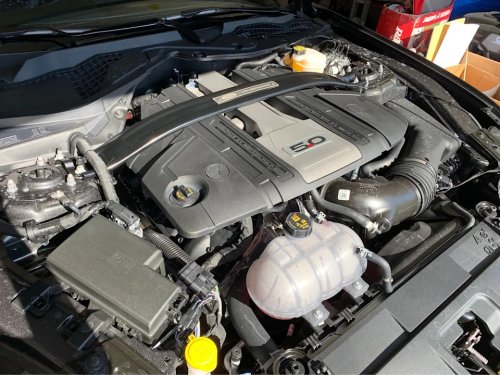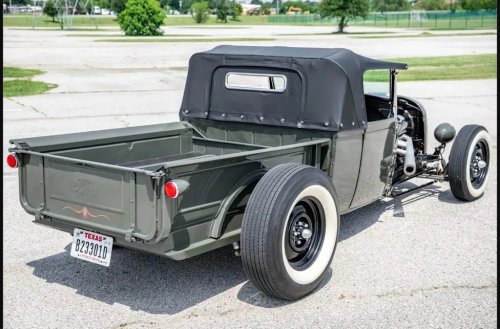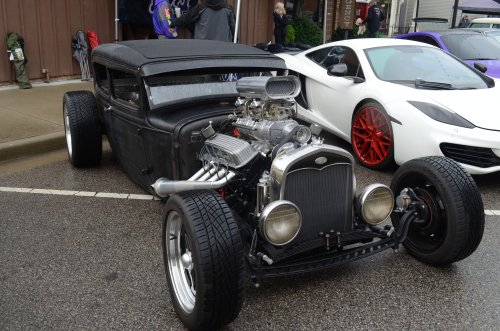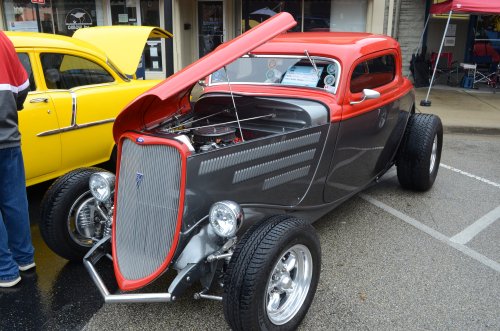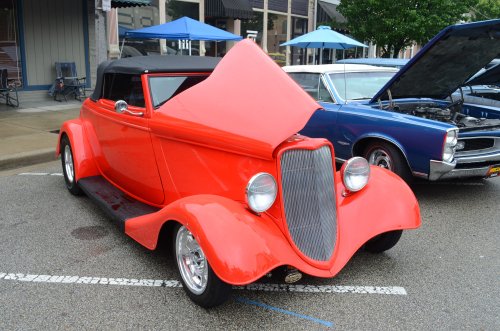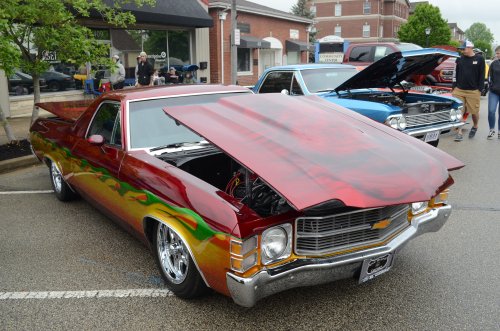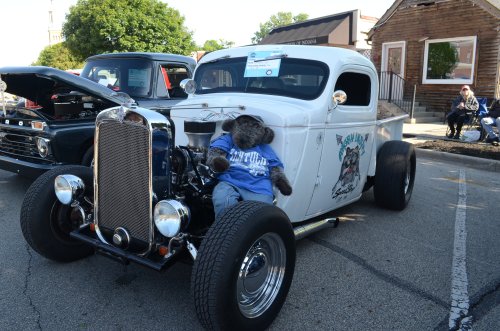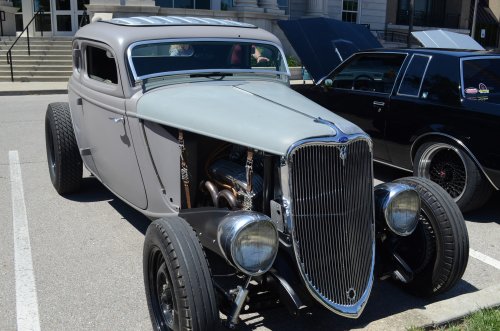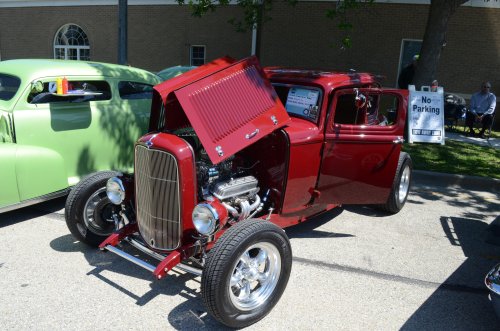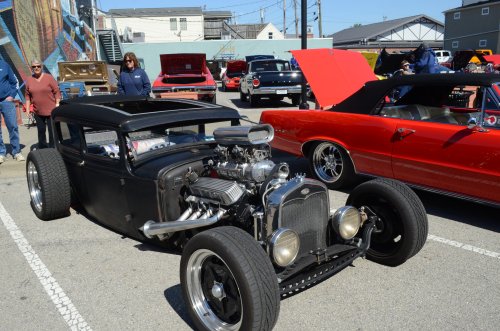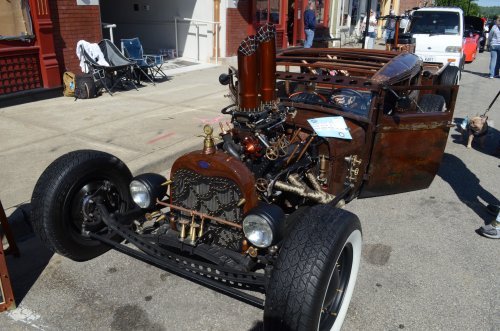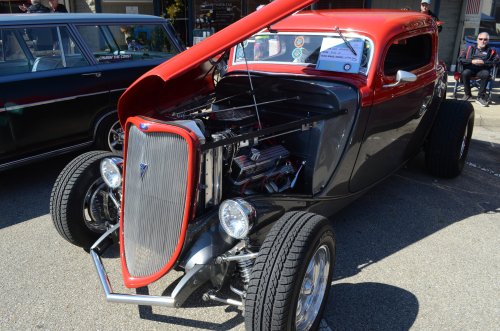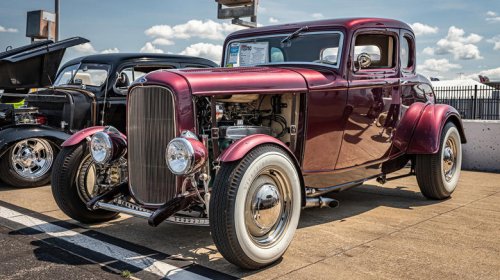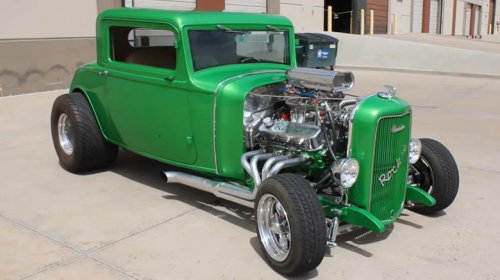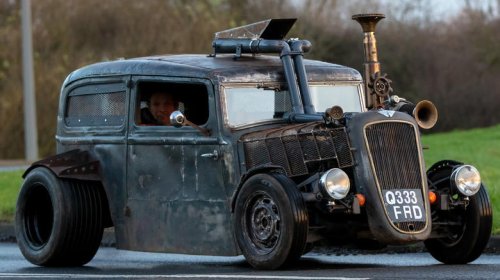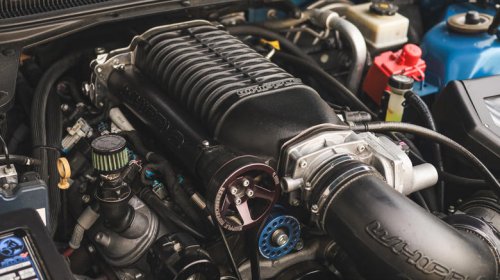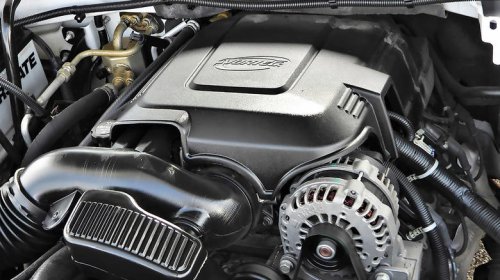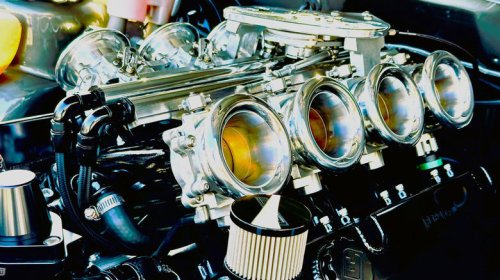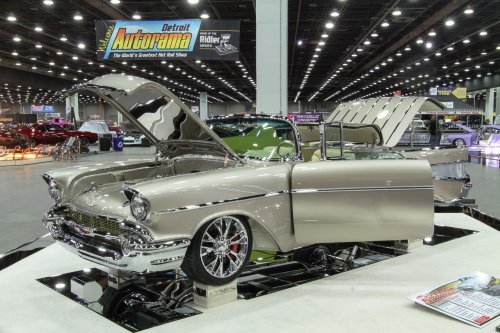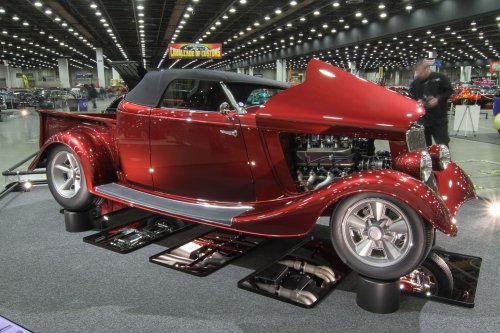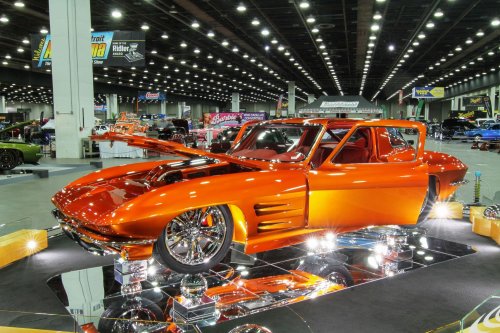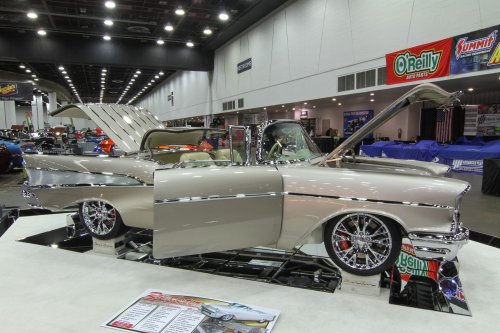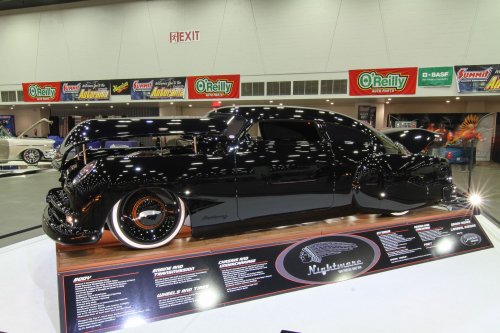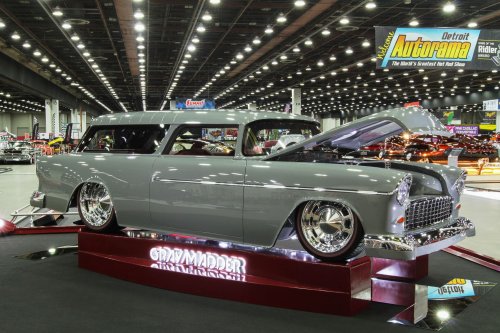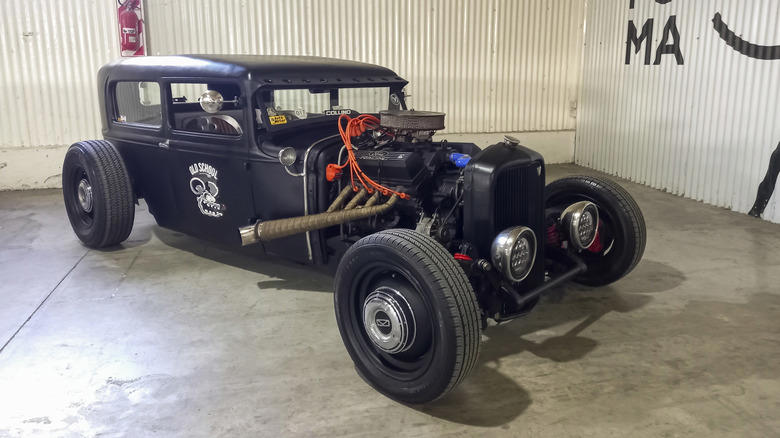
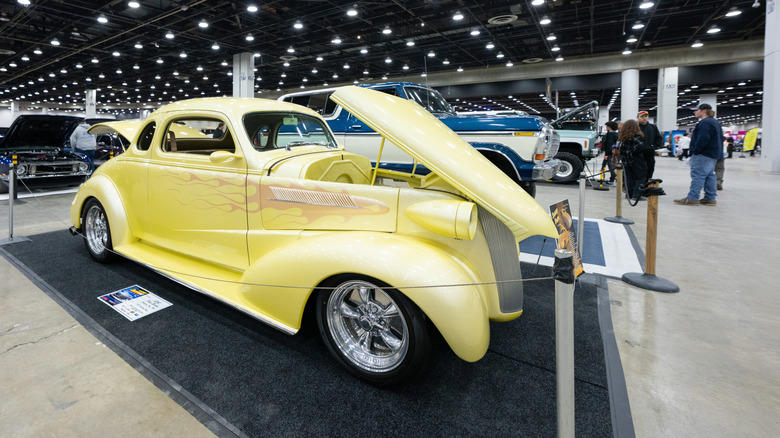
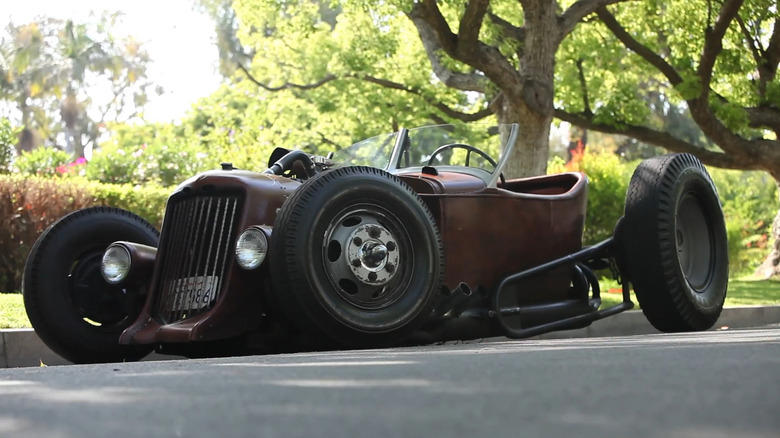



















Sandro Leardini/Getty Images The hot rod dates way back to the 1920s, but found its cultural footing in post-World War II America. Soldiers armed with mechanical training picked up cheap Ford Model Ts and found ways to make them go faster, with fenders and roofs were discarded and tossed in the scrap heap. A "traditional" rod is a time capsule. It uses period-correct parts like Flathead V8s, Stromberg carburetors, and bias-ply tires. As time passed, different branches of hot rods emerged, like street rods and rat rods. The street rod is not encumbered by period-correct parts, focusing more on everyday usability than authenticity. The rat rod takes things a step further by pushing for individualism, and it often ends up looking like a patched-up rodder — but its true potential is only held back by the owner's creativity. The traditional hot rod is a performance-based exercise in extracting the best power-to-weight ratio. Many define a "hot rod" as a vehicle manufactured before 1948 which has been modified specifically for better speed and lower weight. From a technical perspective, a traditional hot rod is a rolling collection of mid-century go-faster parts. Hot rod builders prioritize period-correct drivetrains like the Ford Flathead V8 paired with manual transmissions like the Toploader three-speed. The suspension geometry usually remains close to the original straight axle design, but has also lowered the center of gravity. Instead of radial tires, you have period-correct bias-ply tires with narrower front and thicker rear setup. A hot rod is defined by its lack of compromise, with every modification being a functional response to the demands of racing. Street Rod: the refined Hot Rod J.A. Dunbar/Shutterstock The Street Rod represents the evolution of the hot rod from a hardcore racing tool to a reliable high-performance cruiser. A street rod isn't too different from a traditional hot rod in terms of timing, but the engineering behind it is a radical departure. With a street rod, the focus shifts from raw speed to driveability and reliability, often utilizing a modern crate engine like a Chevrolet LS or a Ford Coyote V8. These come with high horsepower performance without the maintenance headaches of vintage Flathead V8s. Street rodders also use vintage cars other than the '32 Fords which make for fantastic hotrods. These cars are built to be driven regularly and extensively, which necessitates upgrading the vehicle's underpinnings. Unlike a stripped-down hot rod, a street rod is fully equipped. It gets features such as independent front suspension, hydraulic power-assisted rack-and-pinion steering, and disc brakes that replace the antiquated drum brakes. The interiors feature heavy insulation for reduced noise and engine heat, as well as modern comforts like air-conditioning and music systems. The modifications can get to a point where the hot rod is so absurd, its was never actually meant to be driven. While the street rod maintains the classic pre-war silhouette, they are modern performance cars wrapped in vintage sheet metal. Because street rods are made for the street rather than the track, weight reduction is a low priority that lags behind cabin comfort. A street rod is a balanced machine, engineered to provide a vintage aesthetic experience with the safety and convenience of 21st-century technology and reliability. If the traditional hot rod is a vintage bomber jacket found in a thrift store, a street rod is a $5,000 designer recreation found in a high-end boutique. Rat Rod: the rebellious Hot Rod The Drive/YouTube "Rat rod" is a culturally volatile term in the hot rod world. You have to be certain of a car's status as an actual rat rod before you call it one. Emerging in the late 20th century, the rat rod movement was a reaction against the high cost and perfection of the street rod scene. In traditional circles, builders who created distressed, period-correct cars prefer the term traditionalist, viewing rat rods as a derogatory term for a pile of structurally-unstable junk held together with rust. Technically, a rat rod is an eclectic assembly of salvaged components. While a traditional hot rod uses period-correct parts, a rat rod might use a 1930s body on a 1970s truck chassis with a diesel or any other salvaged motor. The hallmark of a rat rod is the intentional preservation — or artificial creation — of patina. Rat rod builders often use this distressed aesthetic to mask a range of technical improvements. On the flip side, there are rat rods built by amateurs who prioritize shock value over safe engineering, which ends up making it a dangerous trend. To a traditional builder, a rat rod means a lack of finish and a disregard for historical accuracy. It can even be a Tesla Plaid-powered AC Cobra. To the non-conformist enthusiast, it represents a unique DIY culture that rebels against excessive "billet" car builds.