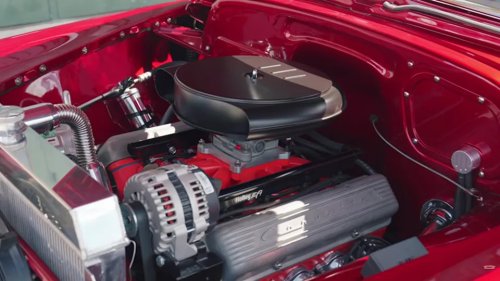
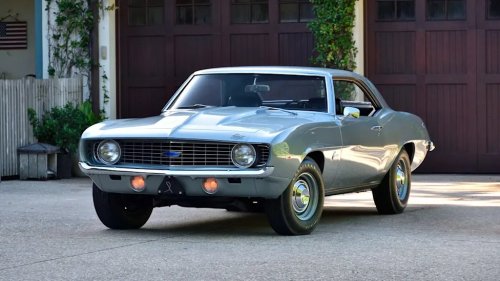
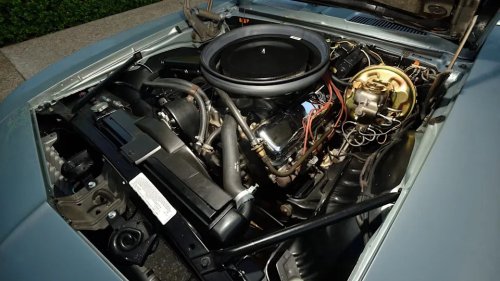
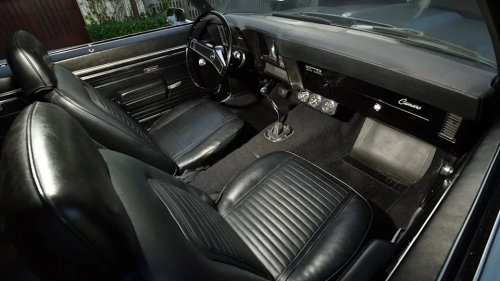
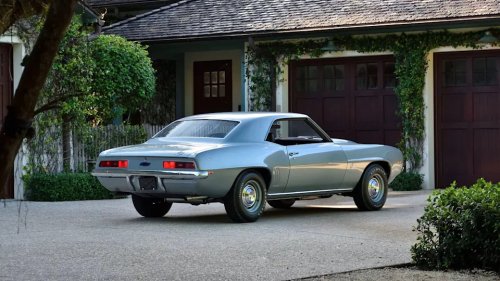
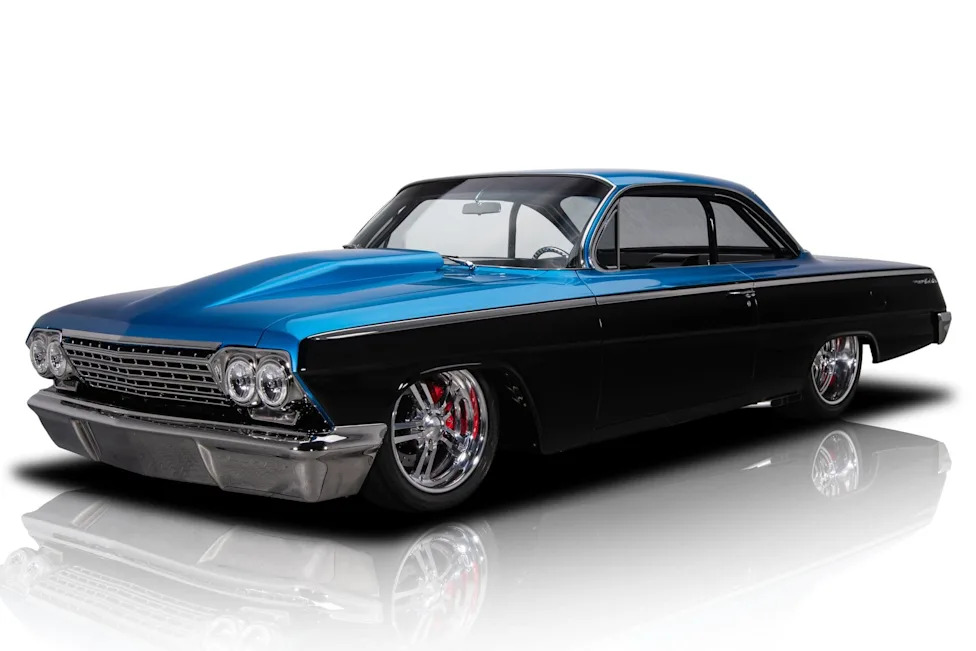
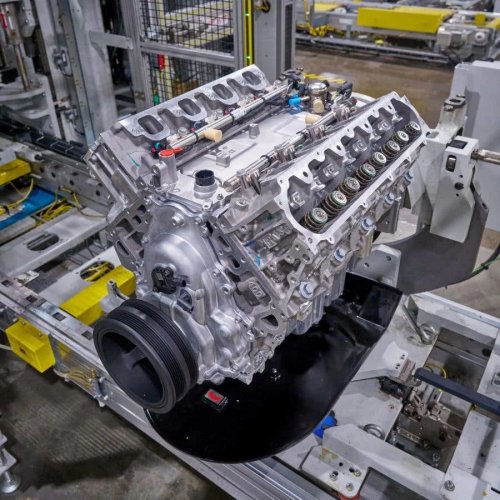
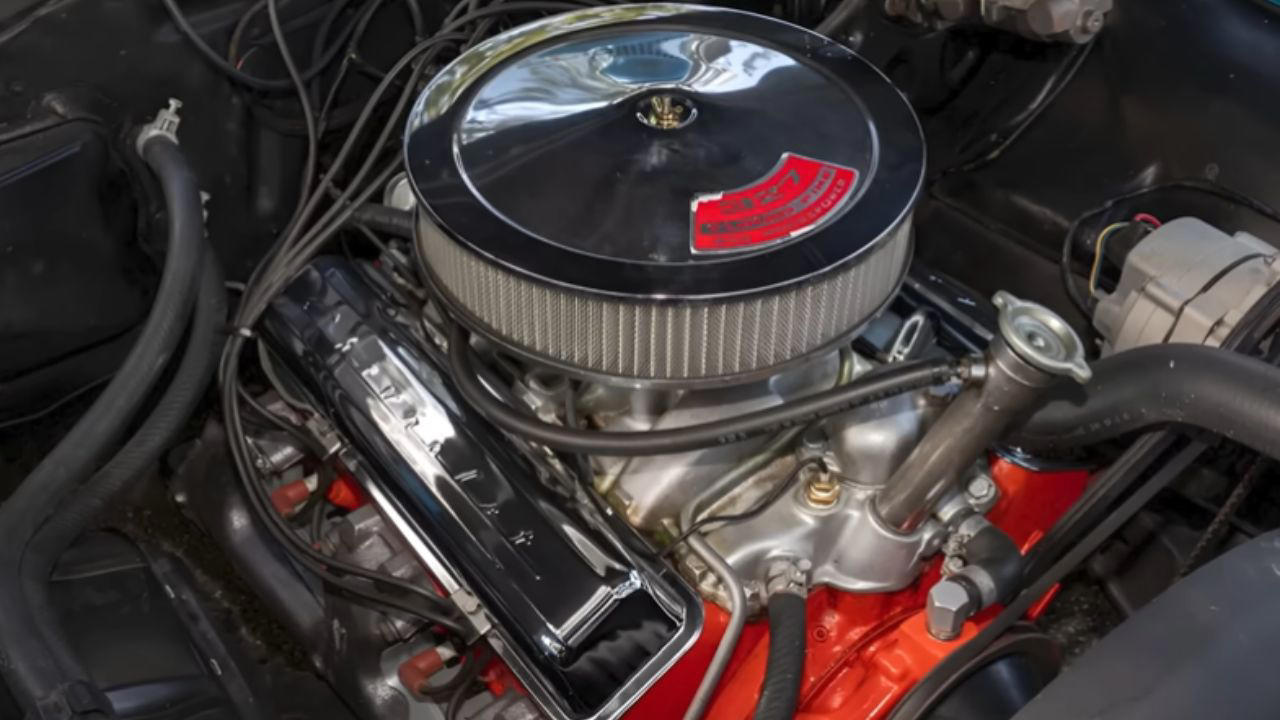
Chevy’s L79 327 V-8 became famous as a powerful engine made for the streetThe Chevrolet L79 327 cubic inch V-8 did something unusual in the muscle era. It delivered big-block punch in a small-block package, and it did it in cars that people actually drove to work, to the drag strip, and home again on Sunday night. That mix of real-world usability and serious performance turned the L79 into one of Chevrolet’s most admired street engines. Decades later, the L79 still sits near the top of enthusiast wish lists. Collectors chase factory-correct cars, engine builders copy its camshaft profile, and bench racers still quote its horsepower rating as proof that Chevrolet understood how to make a street engine feel fast everywhere in the rev range. What happened Chevrolet’s 327 small-block arrived in the early 1960s as a logical evolution of the 283, but the L79 version turned the basic design into a high-winding street weapon. Factory literature rated the L79 at 350 horsepower from 327 cubic inches, a figure that put it in the same conversation as larger and heavier big-blocks. The engine used a 4.00-inch bore and 3.25-inch stroke, forged internals, and a high-lift hydraulic cam that let it rev freely while still tolerating daily driving. Unlike Chevrolet’s solid-lifter L76 and fuel-injected variants that leaned toward race duty, the L79 was intentionally packaged for street customers. It relied on a single four-barrel carburetor, high-compression heads, and that aggressive hydraulic cam to deliver torque across the midrange. Period road tests and later analysis of factory specifications show that the camshaft, with its generous duration and lift, was the heart of the package. It gave the L79 a lopey idle and a strong pull from low rpm all the way to the upper reaches of the tach, yet it did not require constant lash adjustments or race-gas-only fueling. The engine first appeared in mid-size Chevrolets, then quickly spread to smaller and lighter models. In the Chevrolet II and Nova, the L79 turned an otherwise sensible compact into a serious street car. Enthusiast coverage notes that a 327-powered Nova proved that a Chevrolet did not need a big-block to be quick, and that the engine’s compact dimensions helped keep weight off the nose of the car, which improved handling as well as straight-line performance. One account of the 327’s legacy points to these Nova and Chevy II applications as proof that a well-tuned small-block could embarrass larger engines in real-world driving, especially when traction and weight balance mattered more than pure displacement, a point supported in reporting on how Chevy’s 327 proved that big cubic inches were not always necessary. Chevrolet also offered the L79 in the Chevelle and in the Corvette, where it slotted below the highest-output big-blocks but still delivered serious speed. In lighter cars, the 350-horsepower rating translated into quarter-mile times that matched or beat heavier, more powerful machines. Period drag tests and later retrospectives describe L79 cars running strong elapsed times on relatively mild gearing and street tires, which reinforced the engine’s reputation as a sleeper combination. The L79’s hardware was relatively straightforward. It used high-flow cylinder heads with larger valves, a performance intake manifold, and a higher compression ratio than base 327 engines. The combination worked so well that enthusiasts later adopted L79-style cams and heads in countless small-block builds. Over time, hot rodders recognized that Chevrolet had effectively engineered a near-ideal street performance package straight from the factory, one that could be bolted into a wide range of chassis with minimal changes. Drag racers also put the L79 to work. In stock and super stock classes, tightly controlled rules limited modifications, which made factory combinations like the L79 highly desirable. Reports from the era describe racers who chose the 327 L79 over heavier big-block options because the car’s lower front-end weight and better balance could translate into quicker times, especially on marginal track surfaces. The engine’s willingness to rev and its broad torque curve made it easier to keep in the powerband through the traps. As the muscle era advanced and emissions and insurance pressures grew, Chevrolet’s focus shifted toward larger-displacement big-blocks and then to lower-compression engines. The L79’s production run was relatively short, which only added to its mystique. Surviving factory cars became prized, and the engine’s specific components, from its camshaft grind to its distinctive heads, turned into sought-after parts for restorers and performance builders. Why it matters The L79’s significance goes beyond its 350-horsepower rating. It represents a particular philosophy of performance that values usable power, manageable size, and versatility. Enthusiast analyses of Chevrolet V-8 history consistently place the 327 near the top of the brand’s greatest engines, often alongside later icons like the 350 and the LS-series. One review of Chevrolet’s best V-8s cites the 327 as a standout for its balance of displacement, rev capability, and real-world performance, grouping it with the most respected Chevy V8 engines ever built. For street drivers in the 1960s, the L79 offered something rare. It delivered a strong idle lope and a hard charge through the midrange, yet it could still be driven in traffic without constant drama. Owners could order a Nova, Chevelle, or Corvette with the L79 and use it as a daily driver that just happened to be capable of low quarter-mile times on the weekend. That dual personality helped cement the engine’s reputation as a real-world performance benchmark rather than a fragile, track-only special. The engine also played a key role in the classic small-block versus big-block debate. Hot rodding culture often divides Chevrolet V-8s into “mouse” and “rat” categories, with the small-block 327 firmly in the mouse camp. A widely read feature on Chevrolet performance engines contrasted these two families and highlighted how well a high-winding small-block could perform against larger big-blocks when weight and traction were factored in. In that context, the L79 became a textbook example of a “mouse” that could punch above its weight, something that enthusiasts still reference when comparing rat and mouse combinations. Modern engine builders continue to borrow from the L79’s formula. The idea of pairing a relatively modest displacement with a strong camshaft, good flowing heads, and a well-matched intake and exhaust remains central to many street small-block builds. Even in an era dominated by fuel injection and computer-controlled ignition, the basic airflow and cam timing principles that made the L79 successful still guide performance tuning. The engine’s cultural impact is also visible in the collector market. Factory L79 cars, especially Novas and Chevelles with original drivetrains, command a premium over similar models with base engines. Auction descriptions often highlight the presence of an original L79 block and heads as a major selling point, and buyers respond accordingly. The combination of limited production, strong performance, and street-friendly manners makes these cars some of the most sought-after small-block Chevrolets of the period. In enthusiast circles, the L79 has become shorthand for a certain kind of car. When someone describes a build as “L79 style,” they usually mean a small-block that looks stock or nearly stock, idles with a bit of attitude, and pulls hard without needing race gas or exotic parts. That concept resonates with drivers who want performance without sacrificing reliability or comfort. The 327 L79 also helps explain how Chevrolet built its broader performance reputation. The brand’s success in stock car racing, drag racing, and street performance did not come only from headline-grabbing big-blocks. It also came from accessible combinations that regular buyers could afford and maintain. The L79 exemplified that approach, and its success influenced later small-blocks and even modern LS engines that aim for a similar blend of output and usability. From a historical perspective, the L79 marks a peak of factory small-block tuning before emissions regulations and changing market priorities reshaped performance. It arrived at a moment when compression ratios were high, fuel quality allowed aggressive timing, and manufacturers were willing to sell engines that idled roughly and made their best power at higher rpm. That window did not last long, which makes surviving examples and accurate reproductions even more significant to collectors and historians. For many enthusiasts, the L79 represents a sweet spot in engine design. It is powerful but not temperamental, compact but not underpowered, and sophisticated enough to impress engineers while remaining simple enough for home mechanics to understand. That combination helps explain why the engine continues to appear in discussions of Chevrolet’s greatest hits and why it still shapes how builders think about street performance packages. What to watch next Interest in the L79 and in 327-powered Chevrolets shows no sign of fading, and several trends suggest that the engine’s profile may grow even stronger. The collector market for factory-correct L79 cars has been rising as buyers look beyond headline muscle models and seek out smaller, lighter cars with serious performance credentials. Novas and Chevy IIs equipped with the 327 have already moved from sleeper status into recognized classics, and auction results indicate that well-documented cars continue to climb in value relative to similar models with lesser engines. Restoration and reproduction parts also point to sustained demand. Aftermarket companies continue to offer camshafts that replicate or closely approximate the original L79 grind, along with cylinder heads and intake manifolds that mirror the factory combination. As more enthusiasts choose to build period-correct street cars rather than radical customs, these components give them a way to capture the original feel of an L79-powered Chevrolet without hunting for rare factory parts. At the same time, modern engine management is beginning to intersect with the L79 formula. Builders who want the character of a 327 with the drivability of contemporary systems are pairing small-block short-blocks with electronic fuel injection and programmable ignition. These hybrid builds aim to keep the engine’s rev-happy personality and distinctive sound while improving cold starts, fuel economy, and emissions. The underlying philosophy remains the same: a relatively compact V-8 that delivers strong performance in real-world driving. In the broader performance community, the L79 continues to influence how people think about power-to-weight ratios and chassis balance. As more enthusiasts participate in autocross, track days, and other handling-focused events, the appeal of a lighter small-block over a nose-heavy big-block becomes clearer. Builders who want a vintage Chevrolet that can corner as well as it accelerates often look toward 327-style combinations, and the L79’s track record provides a ready-made blueprint. There is also a growing interest in documenting and preserving the history of engines like the L79 with more precision. Clubs and registry groups are compiling data on surviving cars, factory stampings, and production patterns to separate genuine L79 vehicles from clones. As information becomes more widely available, buyers will be better equipped to verify claims and value cars accordingly, which may further reward the most original and accurately restored examples. Finally, the L79’s story feeds into ongoing debates about what makes a great street engine in an era dominated by turbocharged four-cylinders and modern V-8s. Enthusiasts who grew up with carbureted small-blocks often point to the 327 as evidence that displacement and cylinder count are only part of the equation. Younger drivers, exposed to the engine through vintage racing, online videos, and car shows, are discovering how a well-tuned naturally aspirated V-8 delivers power and sound in a way that feels different from modern boosted setups. More from Fast Lane Only Unboxing the WWII Jeep in a Crate 15 rare Chevys collectors are quietly buying 10 underrated V8s still worth hunting down Police notice this before you even roll window down The post Chevy’s L79 327 V-8 became famous as a powerful engine made for the street appeared first on FAST LANE ONLY.



















 +7 others