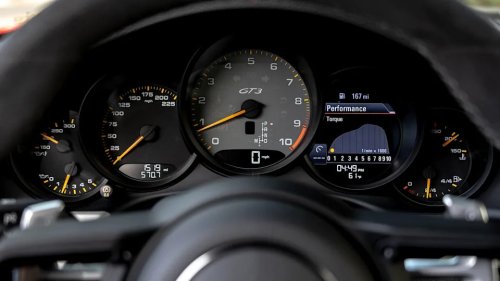
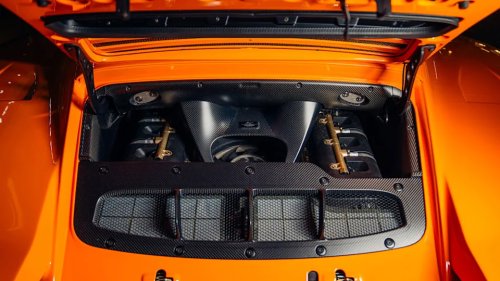
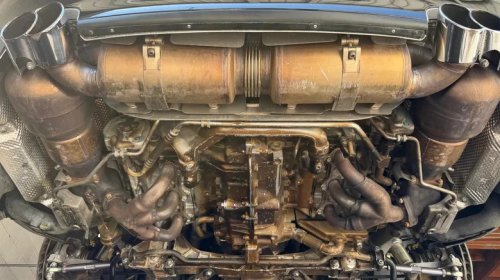
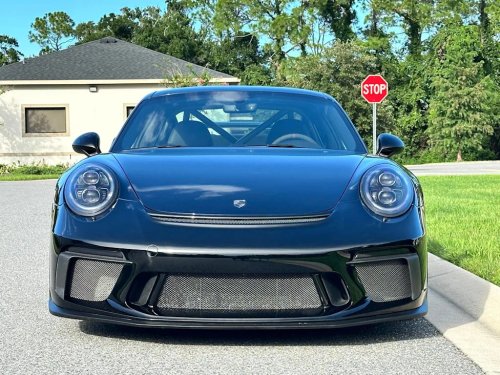
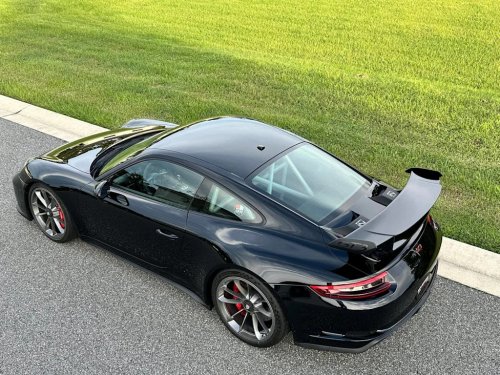
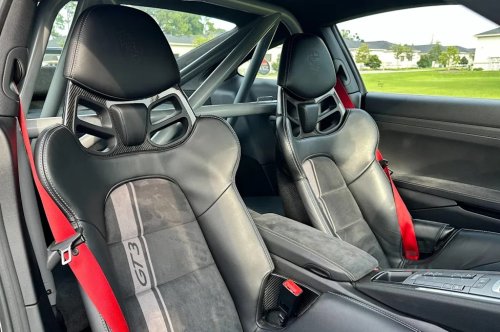
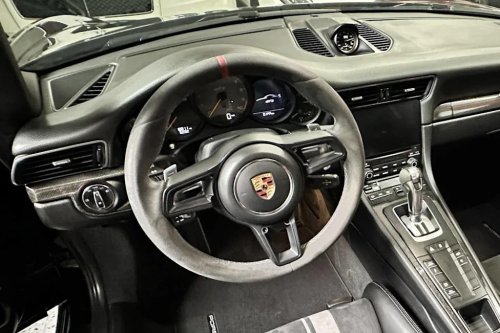
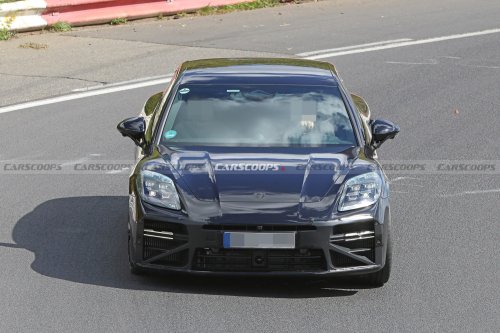
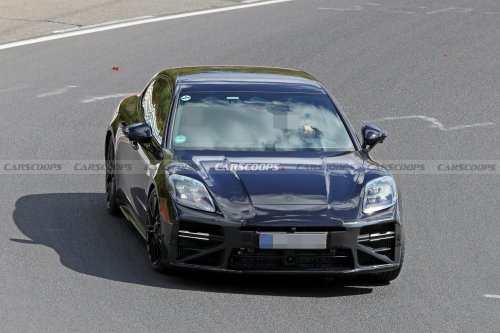
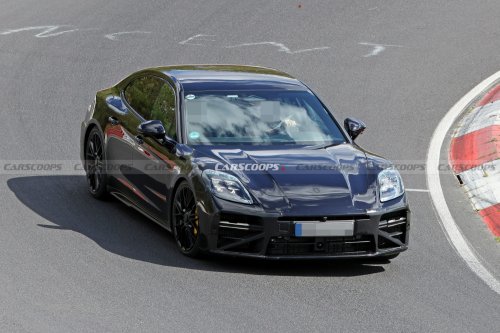
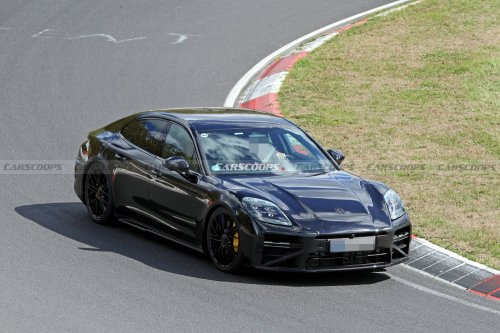
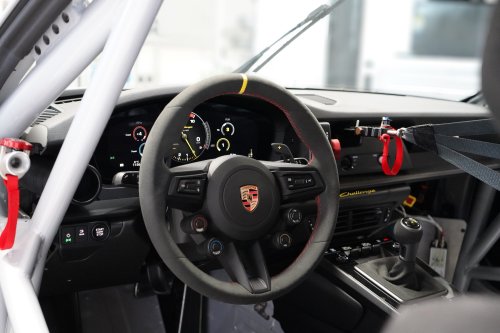
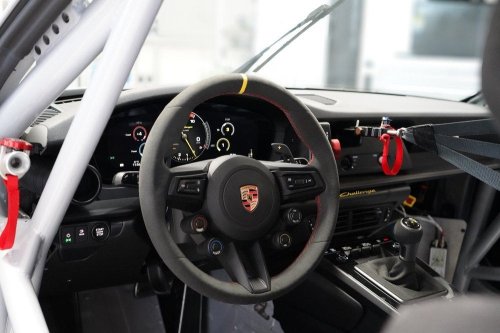
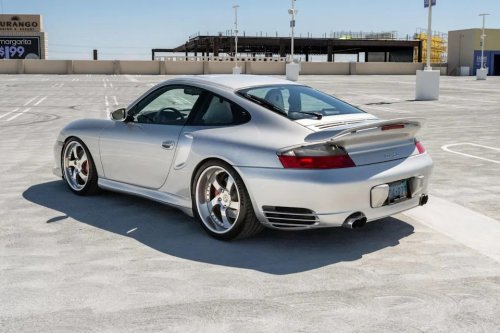
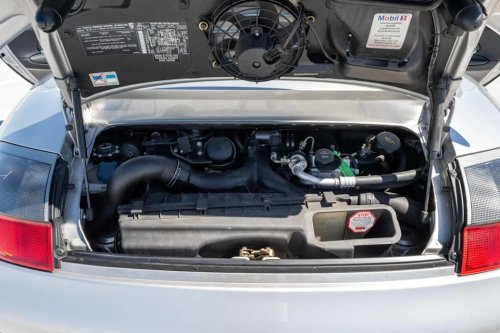
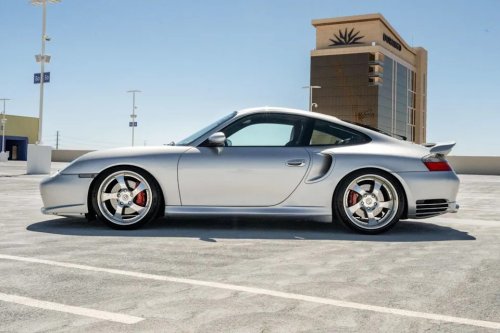
why the porsche 911 gt3 will probably lose its 9 000 rpm redline For more than twenty years, the Porsche 911 GT3 has relied on a naturally aspirated engine that feasts on a sky-high redline. That formula has survived multiple rounds of tightening emissions rules even as everyone else turned to turbochargers-but the rules may finally be closing in on the 9,000 rpm redline. Speaking to Car and Driver, Porsche's GT boss Andreas Preuninger admitted that the current 4.0-liter flat-six is nearing the limits of what regulators will tolerate, particularly in Europe. When asked how much longer the engine could survive in its current form, his answer drew a clear distinction between markets. 2026 Lexus NX 450h+: All the Details why the porsche 911 gt3 will probably lose its 9 000 rpm redline "In America, I don't know. Quite some time, maybe. In Europe, probably only a few years without any substantial changes." Separate versions of the GT3 for different markets isn't a realistic option. Without meaningful changes, it's unlikely the naturally aspirated GT3 will show up as part of the next-generation 911 family-the 992.2 GT3 may be the last of its kind. Turbocharging, which has never been part of the GT3 math, has played a large role in much of the rest of the 911 range. Whether that means a full shift to forced induction or a more complex hybrid approach remains unclear, but the thought is hard to ignore. why the porsche 911 gt3 will probably lose its 9 000 rpm redline The cost and complexity of certifying multiple powertrains for a global model would be difficult to justify, especially for one with such low volume. Porsche will develop a single solution that meets Europe's stricter requirements and apply it across the board. For now, the 4.0-liter flat-six remains alive, still spinning past 9,000 rpm and still doing what it's always done. Look for prices on the secondary market to go ballistic as everybody scrambles to get one of the last naturally aspirated 911 GT3s. 2027 BMW 7 Series: All the Details






















 +13 others