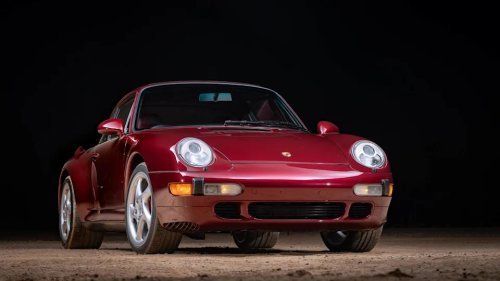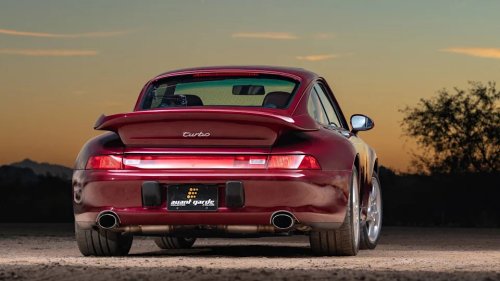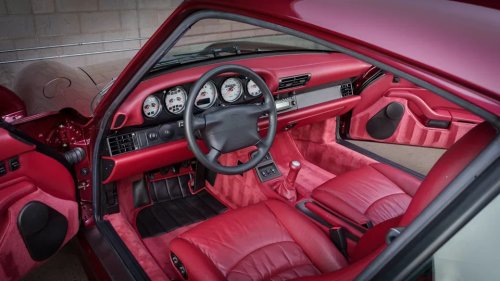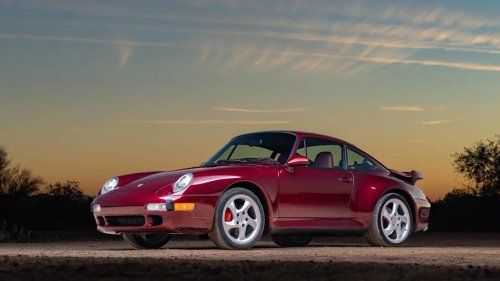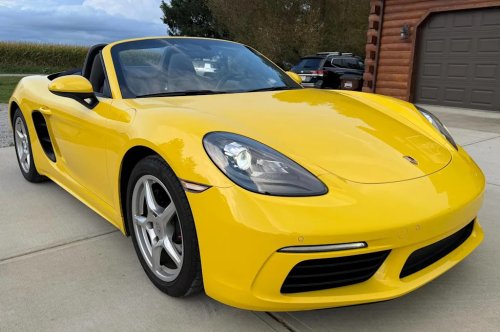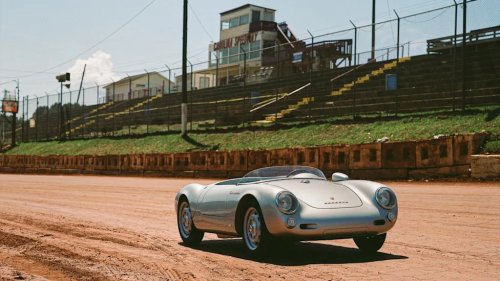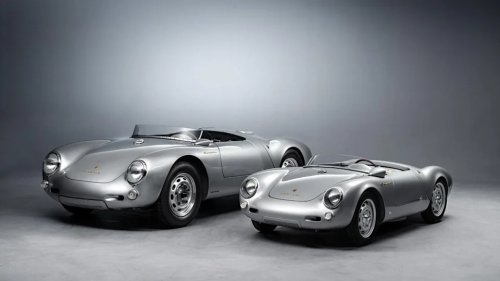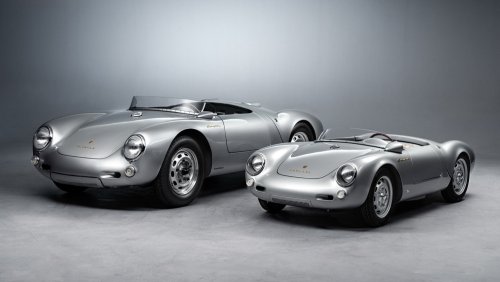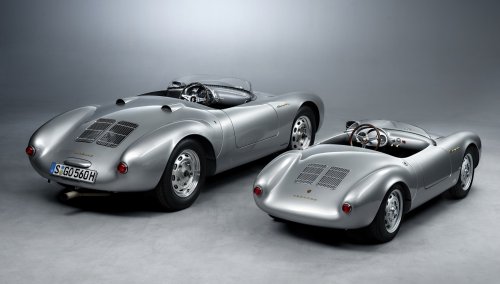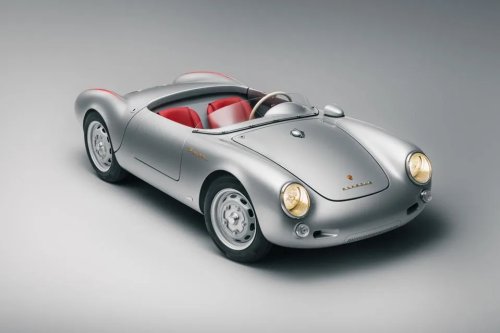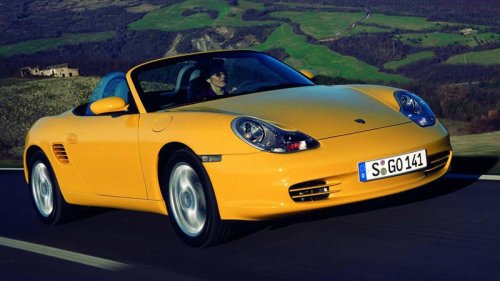
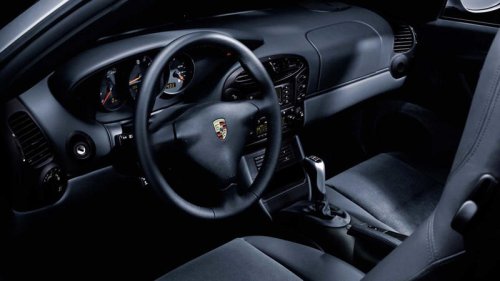
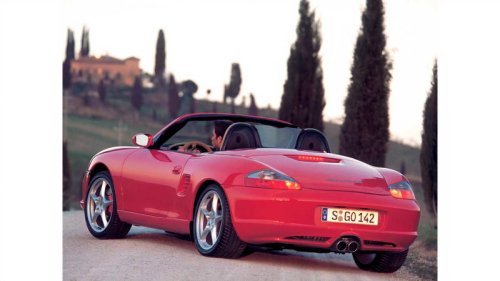
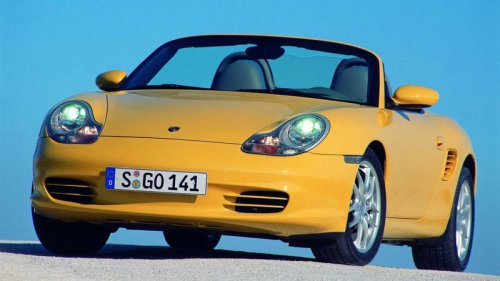
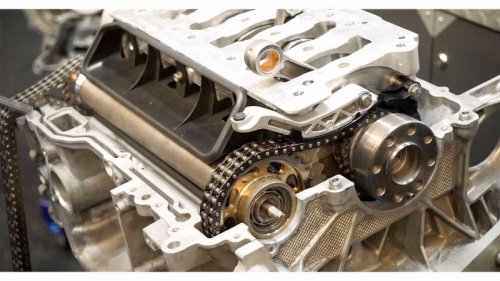
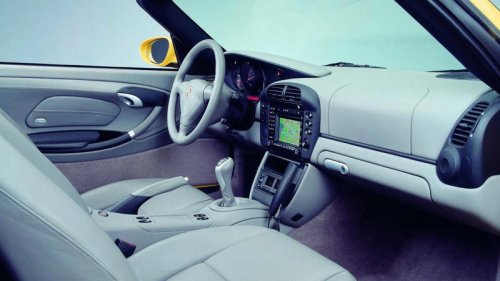
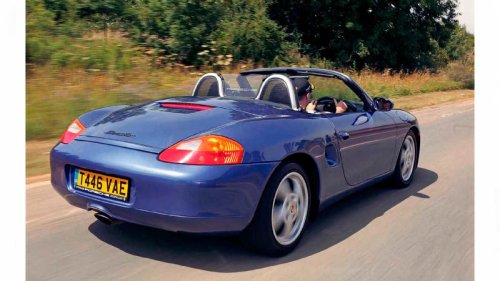
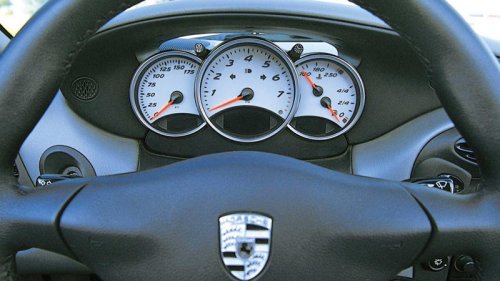
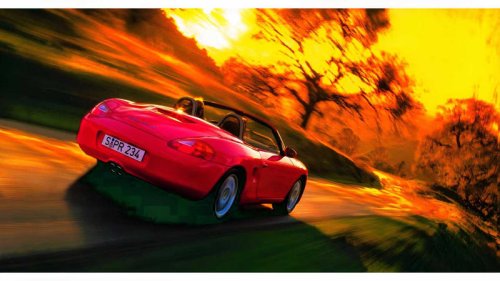
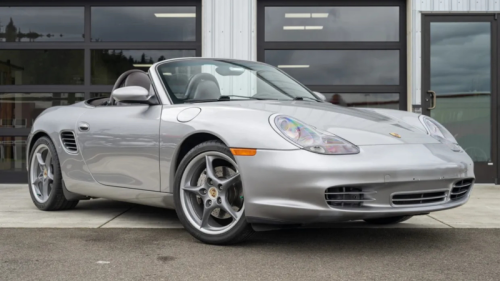

















With old school analog cars firmly in the rear-view (minus a few exceptions), it’s only a matter of time before vehicles that embody characteristics no longer present in the modern automobile begin to increase in value. In fact, as many may be aware, this isn’t a prediction, but an observation. The F40, F355, NSX, Carrera GT, and MK4 Supra have all seen a 100% or more increase in value since 2020. Those are all special cars, so let's highlight a cheap car they’ve made tons of: the NA Miata. Raw, extremely light, and everything a modern car is not. According toClassic.com, the average sale price was around $6,500 10 years ago. Today, values are hovering around $11,000, a 74% increase. The market almost always values that which is no longer available.Keeping the conversation within the Porsche family, though the 993 has exploded in value since 2014 (along with all the other air-cooled cars), it was already an instant classic and experienced slow-to-nonexistent depreciation right from the start, thanks to attributes the 996 left behind. The market recognized that air-cooled engines were gone for good, and values reflected that knowledge. More recently, the 997, as the last small 911 with hydraulic power steering, and 991.1, as the last non-GT 911 with a naturally aspirated engine, are in a similar position. So the question is: which Porsche is next? The Cheapest Flat-6 Porsche…For Now Via: Porsche Whether it tickles your fancy or not, it’s undeniable that the unmistakable howl of a naturally aspirated Porsche flat-6 is a darling of car enthusiasts across the globe. The base986 Boxsteris, without a doubt, the cheapest way to acquire such a charismatic engine.The average price for nice, lower-mileage examples, according toClassic.comand national listings, is between $10k and $15k. That said, the lowest reported transaction price in the last 6 months is $4,950. While the sub-$5k range is rare for a base manual-transmission 986, the $7k–$10k range is populated with plentiful examples nationwide.Via: Porsche Speaking of the base Boxster, there are two options: the early 2.5L models built between 1997 and 1999, and the 2.7L cars built from 2000 to 2004. The 2.5L produces a modest 201 HP, while the 2.7L bumps power up to a solid 217 HP. If you’re a bit more power hungry, along with the introduction of the 2.7L in 2000 came the 250 HP 3.2L Boxster S. The S not only gets more displacement and power, but larger brakes, stronger wheel bearing carriers, a 6-speed transmission, an additional radiator grill, longer control arms, thicker sway bars, and stiffer springs and shocks. In other words, far more than an engine. And that’s excluding the cosmetic changes made to differentiate the S from its base counterpart. In 2003, the Boxster range received a facelift, which most notably included the base model getting suspension from the S and a power bump, bringing the 2.7L to 225 HP and the 3.2L S to 258 HP. Porsches Have A History Of Exploding In Value Rear 3/4 986 It’s fair to say that the Porsche models that have seen the most significant increase in value have been special models. The aforementioned Carrera GT was comfortably in the $700k range as recently as 2021, but has since ballooned to an average of $1.3 million, with some examples fetching 3 million or more. The regular 993 Turbo has gone way up in value, but the 993 Turbo S has doubled in value since 2020. Even the Tiptronic versions of the 993 Coupe have increased 48% since 2020. To highlight a more modern example, the 997.1 has seen its average transaction price rise from just under $40k to nearly $60k since 2020. And those still carry the baggage of the dreaded IMS bearing, which the 997.2 finally sheds with its update to Porsche’s more robust and intermediate shaft-free M1A/9A1 engine.Via: Porsche Even outside of the 911 and Cayman/Boxster range, the 944 has seen a bump, especially the 944 Turbo. While average prices have increased over the last decade, similar to the 996 911, by about 40%, there have been plenty of examples comfortably reaching the $50k mark, with a handful even managing 6 figures. The trend of cars ballooning in value is old hat for Porsche. Porsche enthusiasts are often diehard traditionalists who struggle with change, but this is exactly why the 986 is a good candidate to keep a close eye on. The values of 986, 987, and 981 have been pretty steady for a while. This isn’t proof of an eventual rise for the 986 in particular, but its lack of depreciation and even slight appreciation in recent years means that, despite its reputation, there is still a lot of demand. Why Is the Boxster So Cheap? M96 engine IMS Okay, let’s talk about it. The IMS bearing failures. Most point to this as the major mechanical flaw that has doomed the 986, 996, 987.1, and 997.1 to the bottom of the market forever. Now, despite recent trends running contrary to that assertion, it should remain a genuine concern for potential buyers. Should the IMS fail, your beautiful-sounding flat-6 becomes little more than a boat anchor. Despite being generally more reliable (2.7 especially), the 2.7L and 3.2L cars with the single-row IMS are said to be the most at risk of IMS bearing failure. The early 2.5L cars with the dual-row IMS are far less likely to go wrong, but that doesn’t mean it's not something to pay close attention to. Another common ailment the 986 suffers from is rear-main seal leaks. Unfortunately, as with the IMS, this requires removing the transmission from the car, so labor will be rather expensive. Between the clutch, RMS, and IMS, getting a 986 sorted after purchase should run you between $2,500–$5,000, depending on which parts you select and how thorough you wish to be.Via: Porsche Is The Fear Warranted? Rear 3/4 986 Though nobody who lives in the real world will pretend these will be as cheap and easy as maintaining a Miata or S2000, the initial investment to get these sorted will almost certainly be your biggest expense. Plus, if it helps, early 986 models with the dual-row IMS bearing have reported failure rates as low as 1%. Later single-row IMS cars are reported to be around the 8-10% mark. Now, thankfully, there are ways to have this checked out before purchase with a thorough pre-purchase inspection. However, to be on the safe side, you could solve the problem with an aftermarket solution. Most notably, LN Engineering sells a retrofit kit for $1,000 and a nearly $2,000 kit that replaces the bearing with an oil pressure-fed bearing, similar to what is used in the famously reliable Mezger engine. Fair warning: labor costs will be high because the transmission has to be removed, but if you're doing a clutch and rear main seal, you can consider it "while you're in there" work. Which, as we know, is the cheapest kind.Via: Porsche Ultimately, these are expensive to maintain, but certainly don’t deserve the reputation they have given the experience they offer and the incredibly cheap (for now) purchase price. They’ve been well-known entities for the better part of 30 years, so their problems and solutions are well-documented. Make sure to learn as much as you can, get the car thoroughly inspected before you buy it, and if you can spare the funds, get that preventative maintenance done so you can enjoy a few years of trouble-free Porsche bliss. The 986 Should Be A Future Classic Porsche Boxster - In Motion Shot Yes, yes, the 986 shares ugly duckling status with the 996 911, but let’s be real. 2,800 lb, mid-engine, naturally aspirated flat-6, hydraulic steering, and manual transmission. These are many attributes that are gone for good in Porsche sports cars. In fact, if the Cayman and Boxster don’t return with a manual option and another iteration of the 4.0L, literally none of those attributes will be available in a new Porsche for less than $148,000 (992.2 911 T). This type of car, outside the GR86/BRZ twins and the Miata, simply doesn’t exist. And those cars don’t have Porsche badges, a mid-engine layout, or particularly nice-sounding engines. It’s honestly a surprise that they haven’t already shot up in value, because they’ve got all the things enthusiasts are craving in the current market. And though some equally fun cars have soldiered on to the present day, this type of car isn’t coming back. Just like air-cooled engines and the days of big V10s stuffed into mid-size sedans, this type of Porsche isn't coming back.via Bring A Trailer If you're looking for the one to buy as a collector, the Boxster 550 S will be a prime target. It gets GT Silver paint, 266 HP, and most importantly, they only produced 1,953. Look, nobody is arguing that a 2.5L Boxster will achieve 993 Turbo S status, but given current market trends and the driving force behind past models' appreciation, the clock is ticking on the era of the dirt-cheap 986.Sources: Hagerty, StuttCars, Classic.com, Rennlist, LNEngineering, CarComplaints, Porsche.com