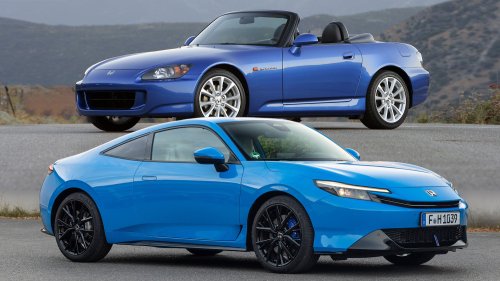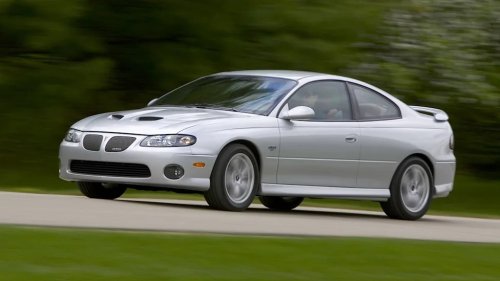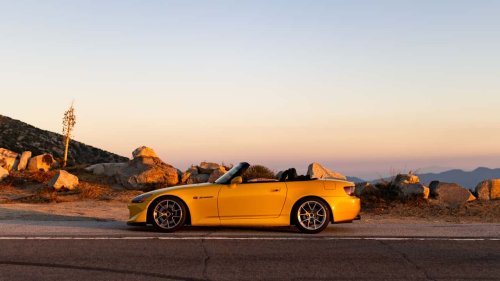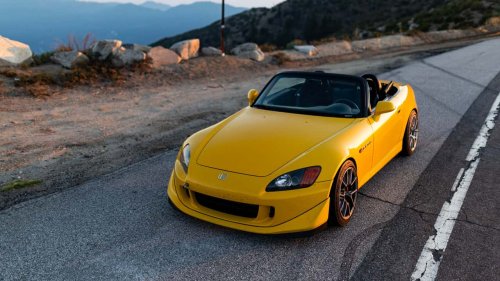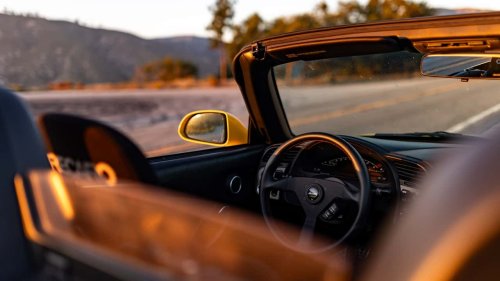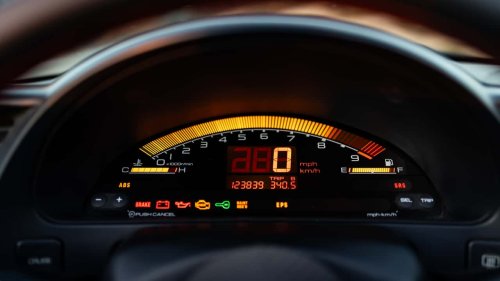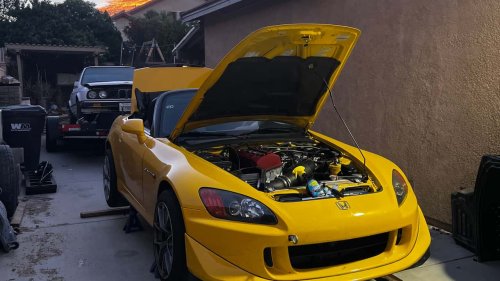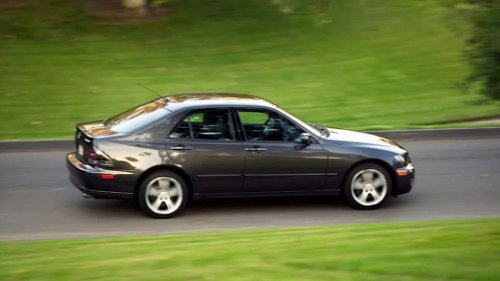
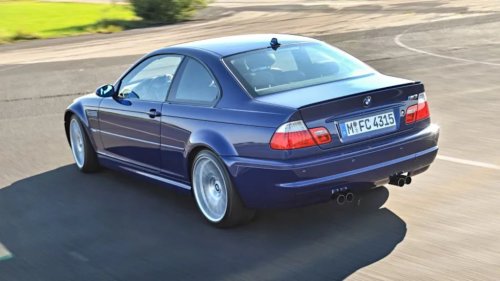
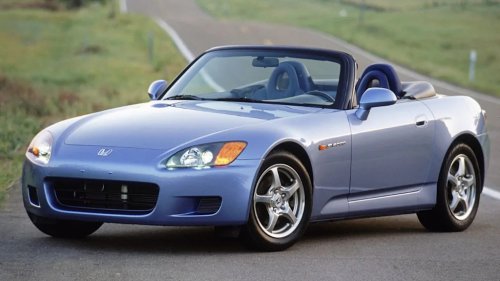
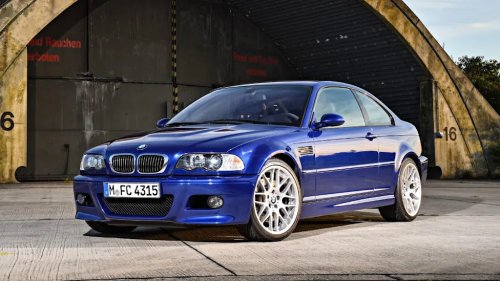
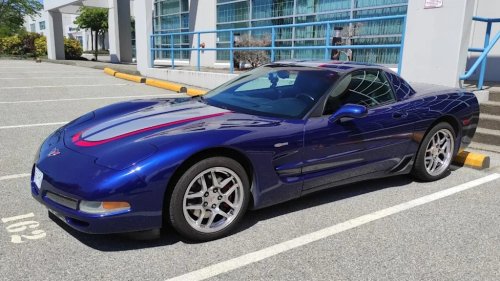


















Image Credit: Lexus.The 2000s have moved out of ordinary used-car territory. For many enthusiasts, the decade now feels like the next modern-classic hunting ground, especially as clean, unmodified examples become harder to find.These cars came from a useful middle period. They are old enough to feel mechanical and distinctive, but not so old that every drive requires vintage-car patience. Manual gearboxes were still common, naturally aspirated engines still had strong personalities, and many performance cars remained compact enough to feel connected on normal roads.The appeal is not only nostalgia. A good 2000s enthusiast car can still handle daily use, parts support is often strong, and the best examples deliver the kind of steering feel, sound, size, and simplicity that newer cars have gradually traded away.AdvertisementAdvertisementThe five cars below have moved well beyond disposable used-car status. Each one has a clear reason buyers keep chasing it now: a special engine, a manual gearbox, a strong chassis, a loyal community, or a personality that looks better with every passing year.Where The Modern Classic Momentum Is Coming FromImage Credit: BMW.The strongest candidates from this era needed more than age on their side. A car had to offer real enthusiast substance, whether through its engine, transmission, chassis, tuning culture, long-term ownership appeal, or the way it captured the mood of performance cars in the 2000s.Affordability also mattered. The focus here stays away from exotic dream cars and collector pieces that were never realistic for most buyers. These are the kinds of cars regular enthusiasts have been watching, saving, restoring, and buying before the cleanest examples disappear into long-term ownership.Performance plays a role, but character carries just as much weight. A modern classic needs to feel worth keeping, not merely quick in a straight line. Parts support, community knowledge, usability, and a strong identity all help separate a future keeper from an old performance car that simply became cheap.2000 To 2009 Honda S2000Image Credit: Honda.The Honda S2000 has already made the jump from cult roadster to modern classic. Its formula remains unusually pure: rear-wheel drive, a compact two-seat body, a close-ratio 6-speed manual, and a high-revving VTEC engine that asks the driver to stay involved.AdvertisementAdvertisementHonda’s original press material listed the early 2.0-liter DOHC VTEC engine at 240 hp and 153 lb-ft of torque. For 2004, displacement grew to 2.2 liters, output stayed at 240 hp, and torque rose to 162 lb-ft. The later engine made the car easier to use at lower rpm, while the early cars kept the wilder high-rpm personality that helped build the legend.Clean S2000s are getting harder to find for a simple reason: many were modified, tracked, or driven exactly as Honda intended. Originality now carries real value. A well-kept car still feels perfectly sized for modern roads, with enough speed to entertain and enough simplicity to remind drivers why Honda’s best engineering earned such loyalty.2001 To 2006 BMW M3Image Credit: BMW.The E46 BMW M3 sits near the center of BMW’s modern-classic reputation. It has the shape, sound, size, and mechanical balance many enthusiasts still associate with the brand’s best era.BMW M identifies the E46 as the third-generation M3, built from 2000 to 2006, with a high-revving inline-six at its core. European-market cars were rated at 343 PS, or about 338 hp, while U.S.-market M3 coupes were rated at 333 hp. For American buyers, the familiar formula was simple and effective: rear-wheel drive, a screaming six-cylinder engine, and an available 6-speed manual transmission.AdvertisementAdvertisementThe E46 M3 has become more desirable as buyers learn which maintenance items matter and which examples have been properly cared for. The car still looks elegant, still sounds expensive, and still delivers a level of connection that later performance cars often softened. Good cars no longer feel like used BMW bargains. They feel like cars people should have bought sooner.2001 To 2004 Chevrolet Corvette Z06Image Credit: Chrishw89 - Own work, CC BY-SA 4.0/Wiki Commons.The C5 Corvette Z06 has moved beyond bargain-performance status. It now looks like one of the key American enthusiast cars of the 2000s, with a fixed-roof body, a 6-speed manual transmission, and an LS6 V8 that still feels serious today.The 2001 Z06 launched with 385 hp, but Chevrolet raised output to 405 hp for 2002. Chevrolet’s 2002 Corvette brochure called that version the quickest and most agile Corvette yet, with 0 to 60 mph performance under 4 seconds. Those numbers still carry weight, especially in a relatively light, rear-drive coupe with huge parts support.The Z06’s second life comes from more than speed. It is direct, durable when maintained properly, and simple by modern performance-car standards. Clean, unmodified examples are becoming more meaningful every year, partly because so many cars were tracked, altered, or treated as cheap speed before the market fully recognized their importance.2004 To 2006 Pontiac GTOImage Credit: Pontiac.The reborn Pontiac GTO made more sense once the showroom arguments faded. It did not look like the retro muscle car many buyers expected, but underneath the calm body sat an Australian-built, rear-drive coupe with serious V8 hardware.AdvertisementAdvertisementThe 2004 model used a 350-hp LS1 V8. For 2005 and 2006, Pontiac moved to the 6.0-liter LS2, rated at 400 hp and 400 lb-ft of torque. Manual cars are especially appealing because they turn the GTO into a discreet long-distance muscle coupe rather than a loud styling exercise.The Holden Monaro connection now works in the GTO’s favor. It gives the car American V8 power, Australian grand-touring bones, and styling subtle enough to age better than many expected. What looked too quiet in period now feels like part of the appeal.2001 To 2005 Lexus IS 300Image Credit: Lexus.The first-generation Lexus IS 300 has become one of the quieter winners from the 2000s sport-sedan market. It was never the fastest car in its class, but it had the right ingredients: rear-wheel drive, compact proportions, Toyota engineering depth, and the naturally aspirated 3.0-liter 2JZ-GE inline-six.Lexus listed the 2002 IS 300 at 215 hp and 218 lb-ft of torque. Those numbers were not shocking even then, but the engine family’s reputation, tuning potential, and smooth character gave the car staying power. Manual sedan examples are especially desirable because they make the IS 300 feel more like a genuine driver’s car.AdvertisementAdvertisementThe SportCross wagon adds another layer of collector interest, though U.S.-market SportCross models used an automatic transmission. Clean sedans and wagons are both becoming harder to find, and the best examples now stand apart from the ordinary used luxury cars around them. The IS 300 works because it feels useful, durable, and just special enough to keep enthusiasts looking.Why These 2000s Cars Feel Ready For Their Second LifeImage Credit: MercurySable99, Creative Commons Attribution-Share Alike 4.0/Wiki Commons.The best modern classics usually show their value before the wider market agrees. Owners start preserving clean examples, buyers become more selective, and the cars that once seemed like normal used performance machines begin to feel difficult to replace.These five already have that momentum. The S2000 delivers pure roadster energy. The E46 M3 carries BMW’s classic performance balance. The C5 Z06 brings focused American speed. The Pontiac GTO hides big power behind calm styling. The Lexus IS 300 gives everyday sport-sedan charm a lasting enthusiast foundation.The 2000s have become a strong era for buyers who want something special without stepping fully into old-car ownership. These cars still feel usable, emotional, and mechanically honest, which is exactly why the cleanest ones are no longer staying quiet.If you want more stories like this, follow Guessing Headlights on Yahoo so you don’t miss what’s coming next.