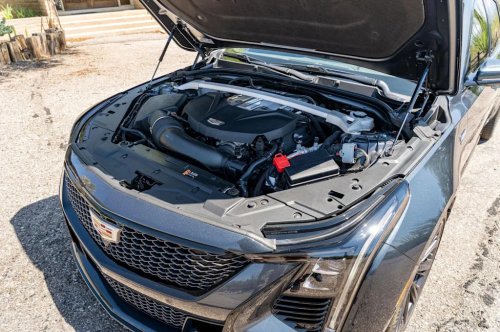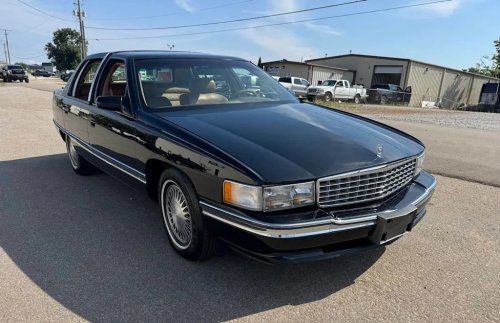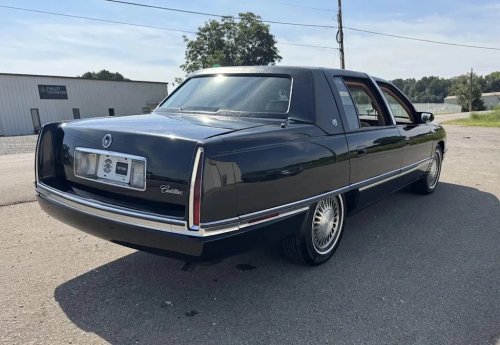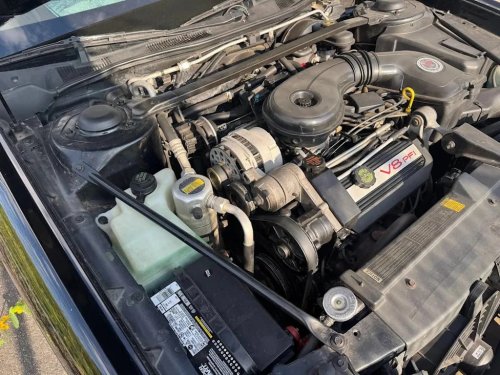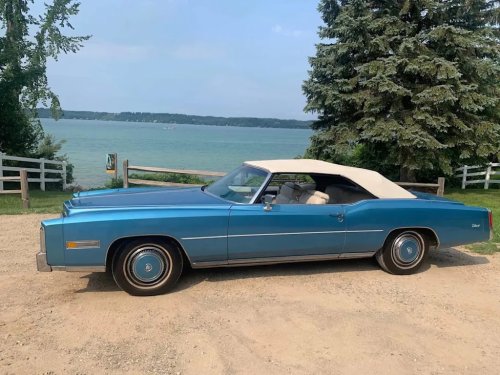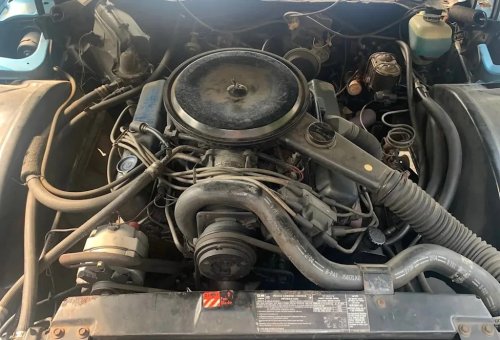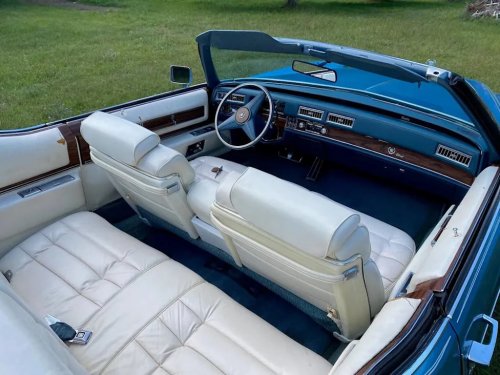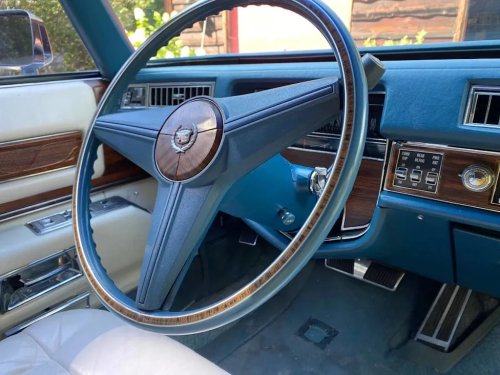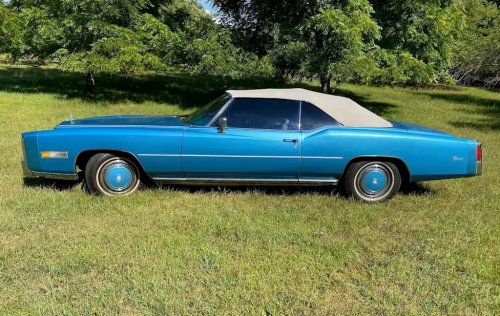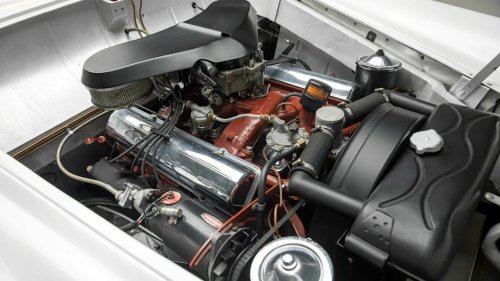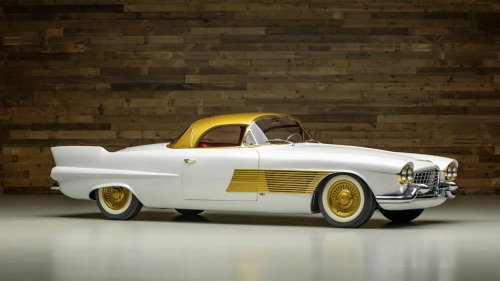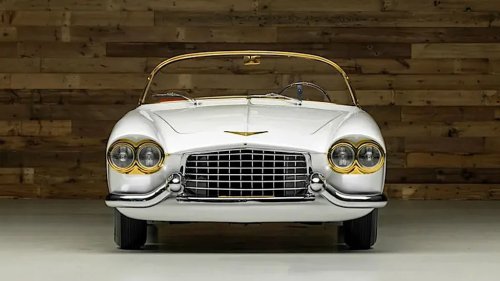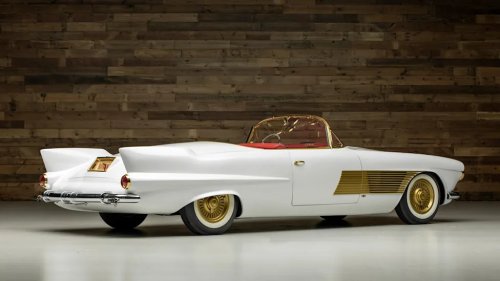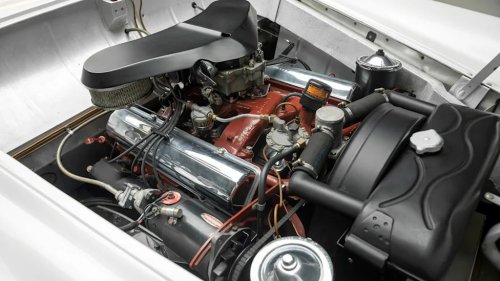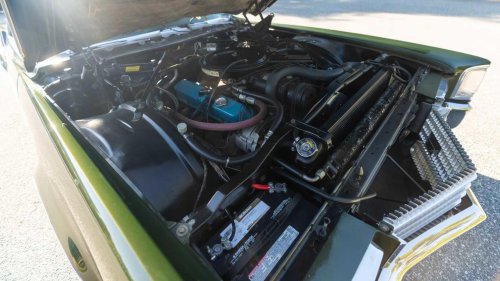
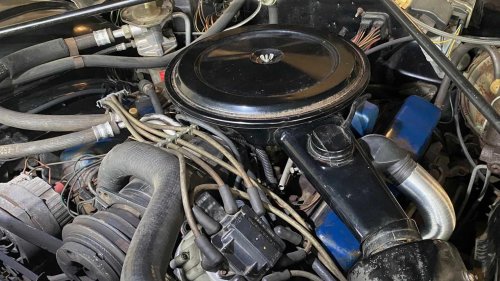
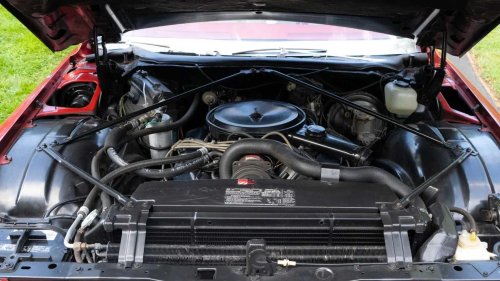
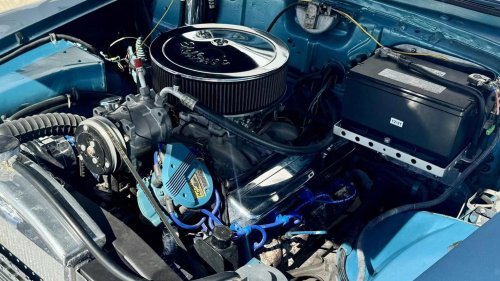
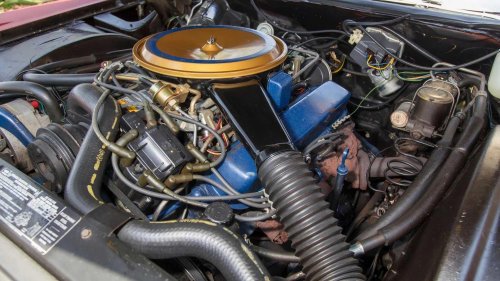



















Let’s imagine a builder walking past a fresh 454 crate motor at a swap meet without slowing down. Imagine he ignores the next pallet, which has the Mopar 440 sitting on it as well. Then, he stops cold when he reaches a dusty Cadillac 472 V8 from an old Eldorado. Now, why’s that? A growing cult of hot rodders seems to know something the mainstream often misses. For years, builders have been digging out Cadillac 472 and 500 V8 engines from forgotten luxury vehicles and fitting them into rat rods, street machines, El Caminos, and trucks, with these torque monsters producing shocking results.But let’s focus on the 1968–1970 high-compression 472 and the 1970–1976 500, which are the builder's preferred versions, the variants that enthusiasts loved before the de-tuning that came with the emissions era dulled their edge. The thesis is simple: in American hot rod history, one of the most undervalued performance engines may just be the Cadillac 472/500 family, and the builders who know this, know it well. The Engine GM Built For Luxury That Accidentally Became A Hot Rod Secret Weapon Mecum Auctions In 1968, Cadillac debuted the 472 V8 as the company’s new flagship powerplant, in models like the Fleetwood, the world's biggest Cadillac, and the DeVille. In these vehicles, this engine produced smooth, effortless authority, and not necessarily quarter-mile heroics. In 1970, the 500 broke onto the scene in the Cadillac Eldorado as the production V8 with the largest displacement ever offered in an American passenger car. That alone was enough to make it notable, but its torque made it legendary. Straight from the factory, the 472 produced 525 pound-feet of torque, while the 500 hit 550 pound-feet of torque at its release in 1970. Those numbers were enough to embarrass many other dedicated performance engines of the era.These engines ran for many years, but these incredible power figures were available in specific years only. From 1968 to 1970, the 472 engines carried roughly 10.5:1 compression, enough for them to be the most desirable early versions. From 1971, these compression ratios fell sharply due to the tightening of emissions rules, which inevitably muted performance and throttle response. Architecturally, these engines were designed for heavy cars and long service life, with oversquare bore/stroke dimensions, strong bottom-end construction, and cross-bolted main caps. This was overengineering aimed at luxury durability, but it was also accidentally the ideal foundation for performance builds. While Cadillac intended to build silent torque for boulevard cruisers, hot rodders saw its usefulness in hidden muscle instead. Torque Per Dollar — Why The Math Makes Cadillac The Smarter Build Via: Bring a TrailerThe Cadillac 500 V8 is hard to ignore. Between the late 1960s and early 1970s, compared with donor cars carrying more famous engines, these Cadillacs usually traded hands for modest money. Fleetwoods, DeVilles, and Eldorados in well-maintained conditions often cost less than a rebuilt mainstream big block alone. That's enough to change the equation dramatically because instead of going for the engine alone, a Cadillac donor car can provide you with the complete engine, accessory brackets, a well-functioning transmission, ancillary parts, and core rebuild value. This is a better option than sourcing the more expensive period-correct 454 or 440.Now, let’s consider its torque-per-dollar. A stock Cadillac 500’s low-end grunt can rival or exceed many stock 454 combinations. When you’re making a street build, that instant shove off idle, easy cruising power, and tire-smoking mid-range matter more than peak dyno bragging rights. But there are trade-offs. The Cadillac big block can initially be cheaper, but when building it for high power, it can end up being more expensive due to the limited volume of performance parts. However, it's 85 pounds lighter and reaches its peak torque much earlier than the 454, making it a great choice for full-size GM cars, trucks, A-bodies, and traditional hot rod projects. On these vehicles, packaging is often manageable with available swap knowledge and aftermarket support.The next question is whether anyone has made this gamble work in the real world. From Cadillac Couches To Quarter Miles — Real Builders Who Made It Work Via: Bring a Trailer For a while, people have considered the Cadillac big block just an internet myth, but builders have been proving the concept for decades. For instance, you may expect to see a Chevrolet big block in an El Camino only to find a Cadillac mill instead. Such builds matter because they demonstrate intentional choice, not desperation, because with all the other options available, the builders picked the Cadillac anyway. But why? So does the formula really work? A representative street build usually includes the Cadillac 500 V8, a mild camshaft, a four-barrel carburetor, headers, proper gearing, and reasonable compression. With that combination, you can produce brutal street torque with surprisingly little drama.The truck world has started to embrace these engines in full-size GM trucks, squarebody pickups, and even older utility platforms; they respond especially well to torque-heavy powerplants. Then, the resale markets noticed too. Enthusiast auction platforms have increasingly rewarded unusual and well-executed swaps, especially those involving more authentic engine choices rather than gimmicky swaps, because hot rodding has always been about ingenuity over catalog spending. While anyone can buy a predictable combination, choosing to work with a Cadillac big block says something else about the builder. It shows that you understand leverage and found performance where others saw only old luxury iron, and that mindset is keeping the 472/500 subculture alive. What You’re Actually Getting Into — The Builder’s Honest Assessment Via: Bring a Trailer However, this doesn’t make the Cadillac route effortless. In fact, it shows you're willing to work through the required challenges. For the Cadillac 472/500 subculture, year selection matters most. It’s best if you prioritize the 1968–1970 high-compression 472 or desirable 1970–1976 500 variants. You can also work with the later low-compression engines, but you'd often need to do more tuning or internal changes to achieve the same baseline excitement. Another problem is that available aftermarket support for these Cadillac engines is much thinner than on a Chevy 454. You may find intakes, cams, and swap solutions, but you’d never get the same endless shelf options.Also, consider the weight. If you’re working with lighter cars, you’d have to do suspension upgrades, spring rates, and braking as part of the plan. Additionally, consider the quality of the donor car itself. Although many surviving Cadillacs lived long, some didn't age well, so run oil pressure checks, compression tests, and check visible maintenance history. The upside is also quite real. With these engines in well-preserved condition, builders routinely report needing surprisingly modest machine work. Alongside other Cadillac V8 engines, these motors had originally been engineered by Cadillac for quiet, long-term durability in heavy luxury cars, which makes them an excellent raw material decades later. In other words, the more homework required up front, the less drama you face later. Why The Cadillac 472 And 500 Are Overdue For Their Hot Rod Moment Bring a TrailerThe scarier and pricier the 454 and 440 donor engines become, the more the logic behind the Cadillac mill gets stronger. Outside mainstream attention, the Cadillac 472 V8 and Cadillac 500 V8 have developed a cult following, making them among the last true insider engines in domestic hot rodding. With the market beginning to notice, good donor cars are beginning to thin out. Clean engines are becoming even harder to find, and builders who once laughed at Cadillac swaps are beginning to ask practical questions more frequently. Now, we return to the swap meet, to the guy who walked past the obvious engine options and stopped at the Cadillac. Why? He’s calculating all the torque, rarity, and value at once. Guess what? He’s probably right.