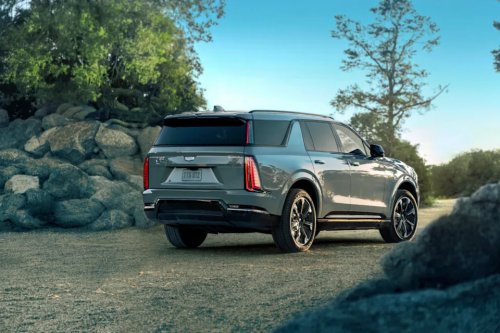
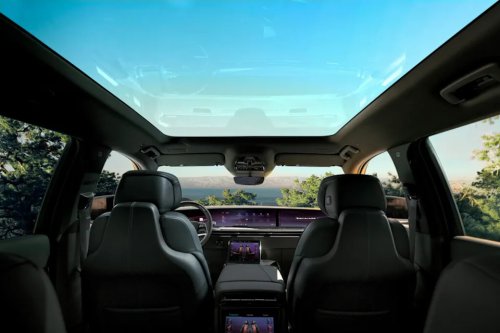
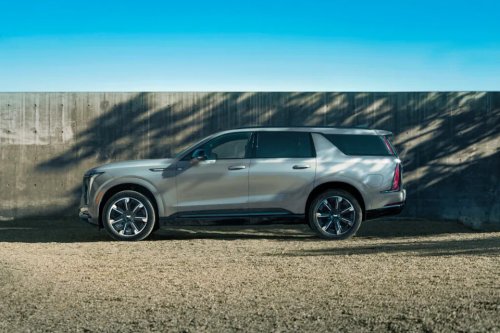
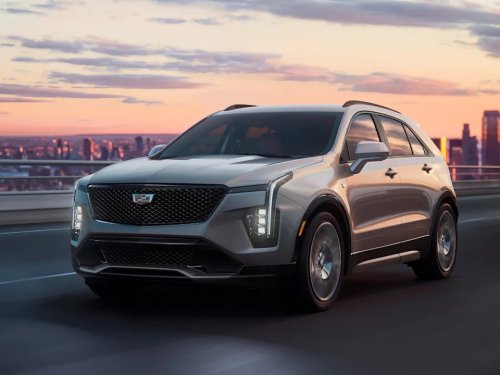
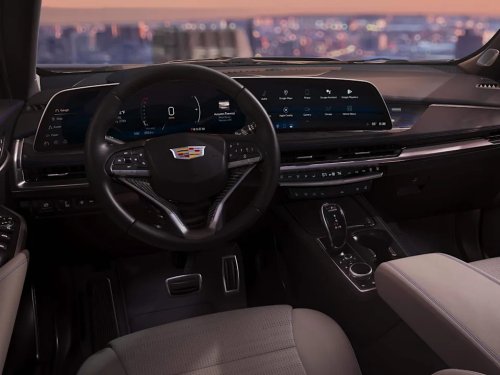
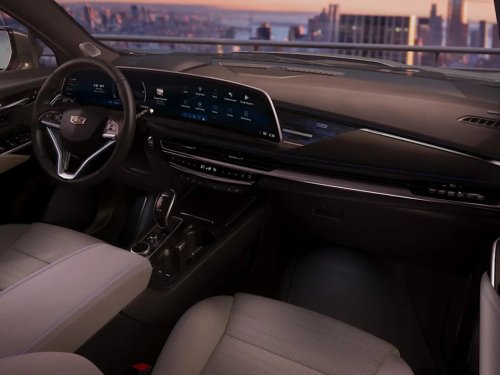
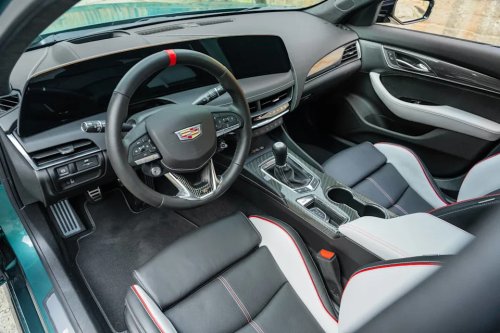
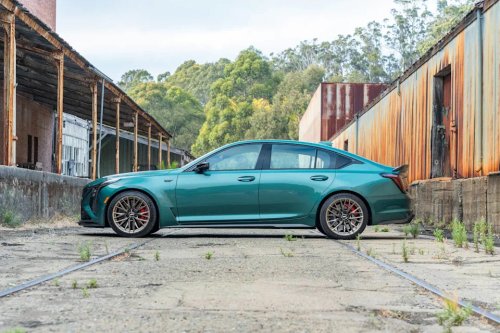
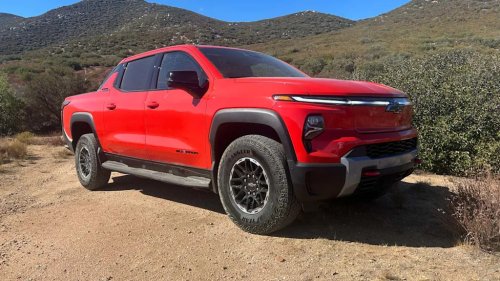
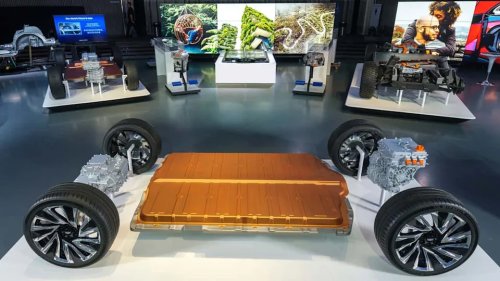
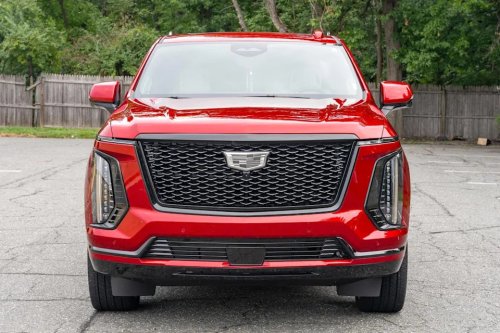
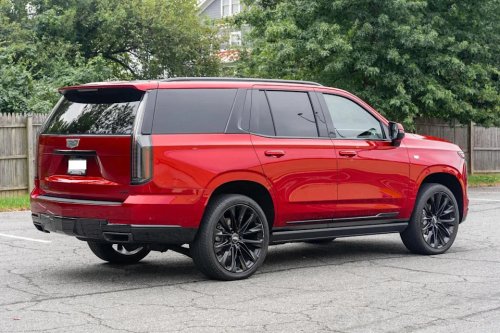
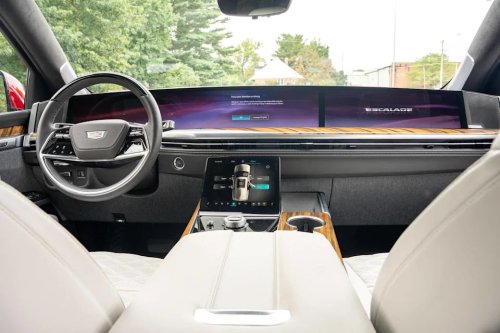
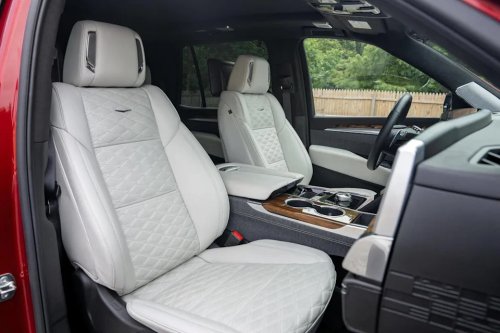
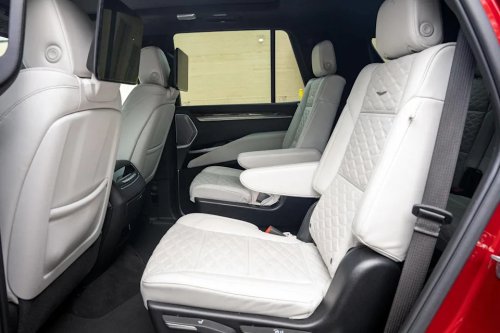
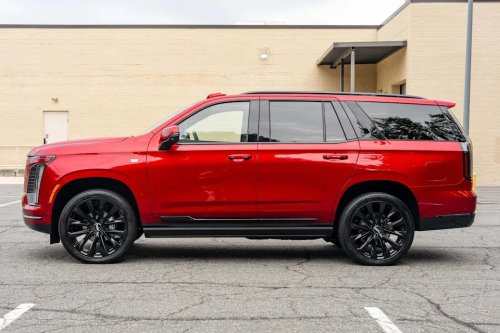
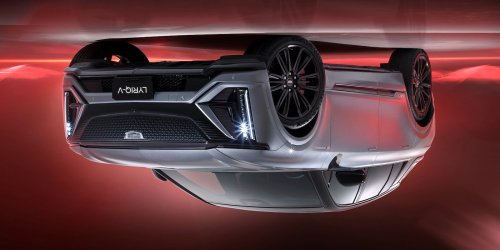
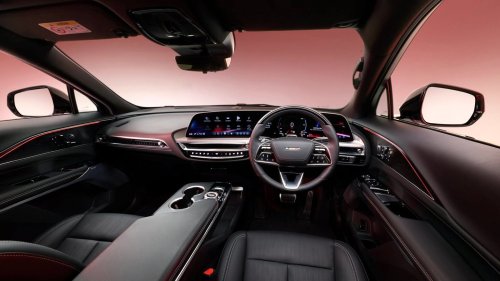
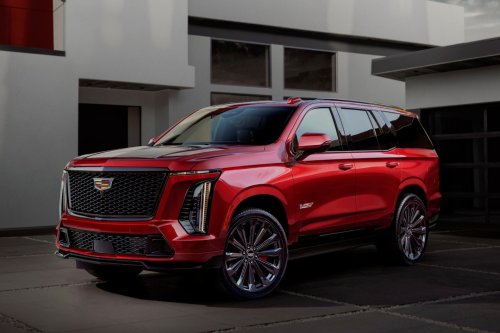
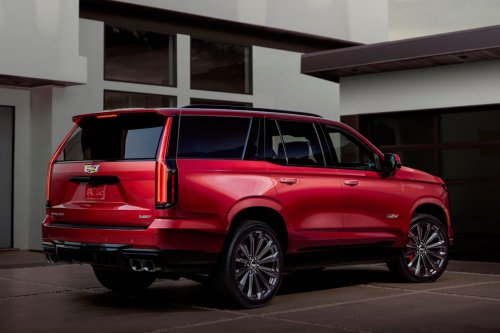
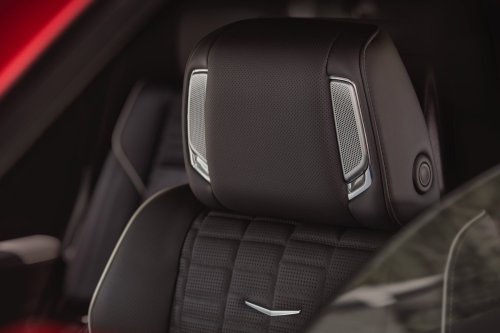
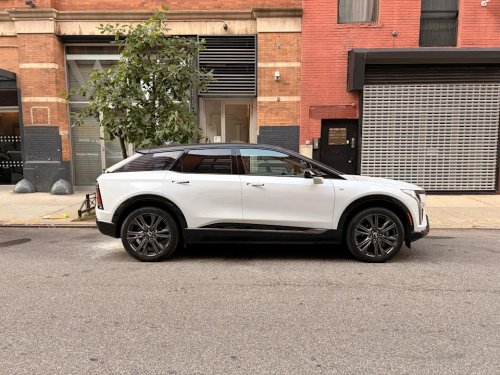
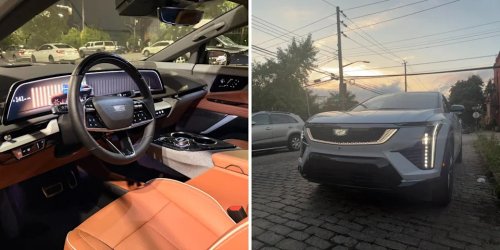
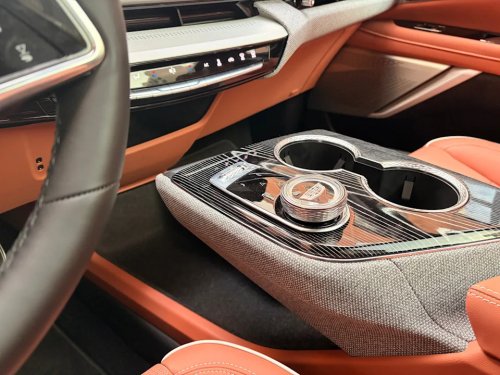
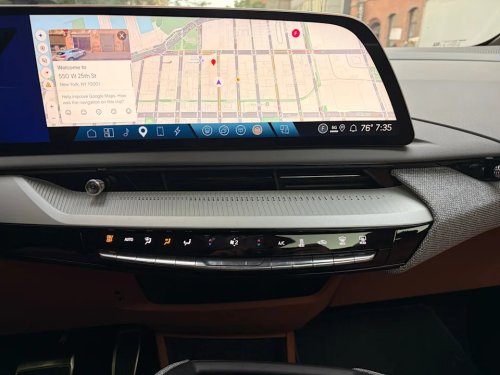
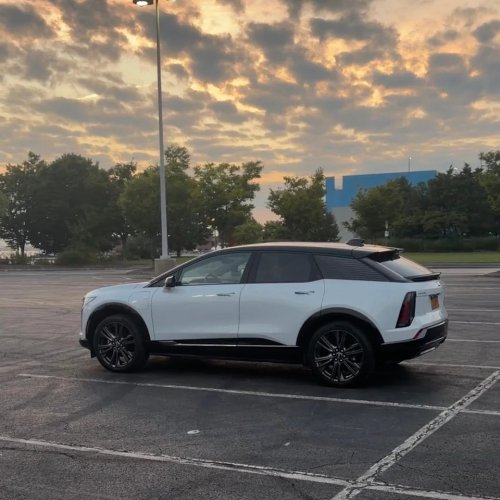
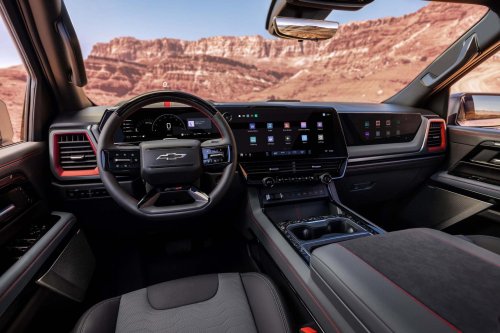
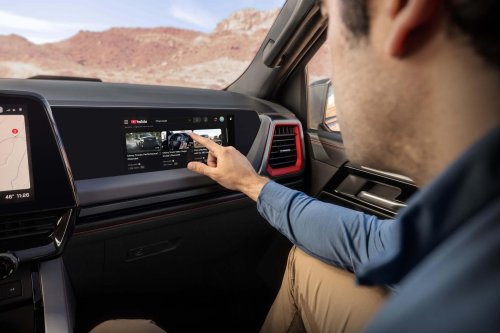
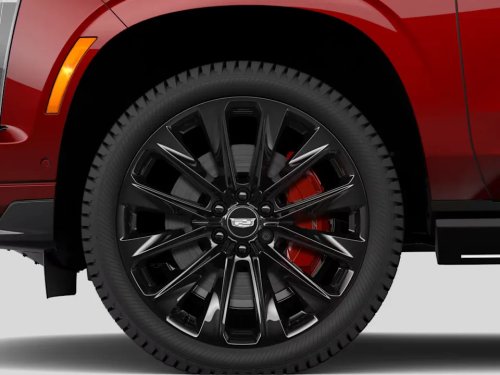
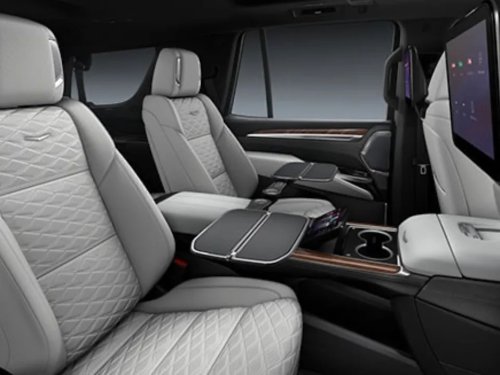
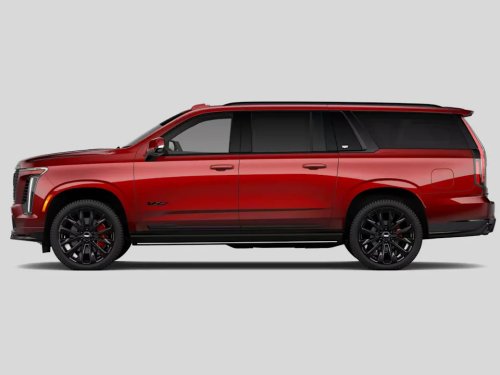
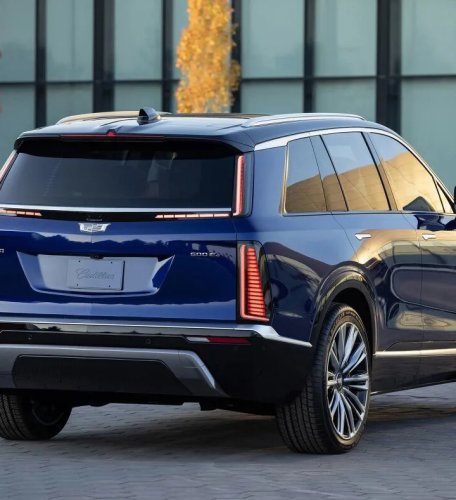
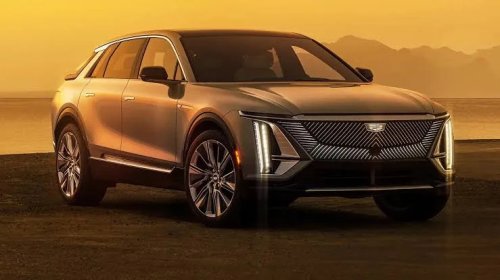
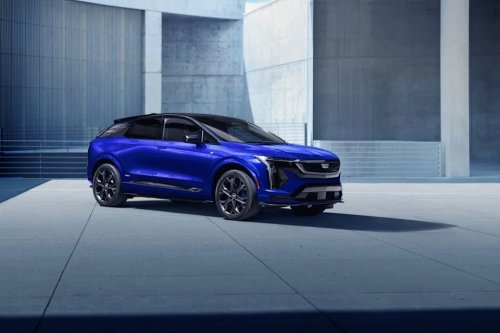
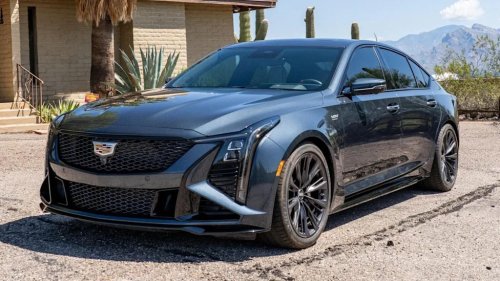
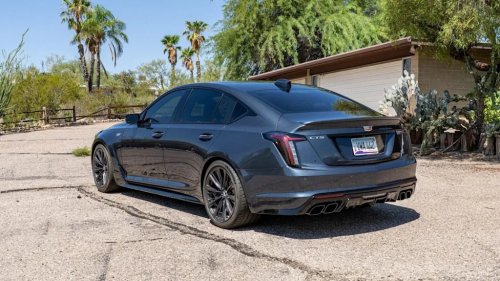
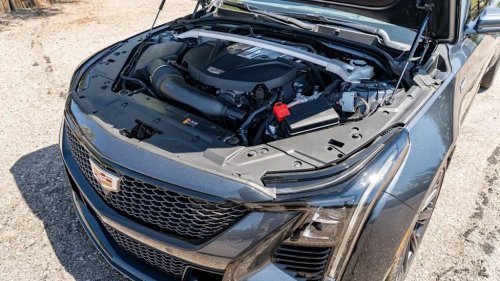
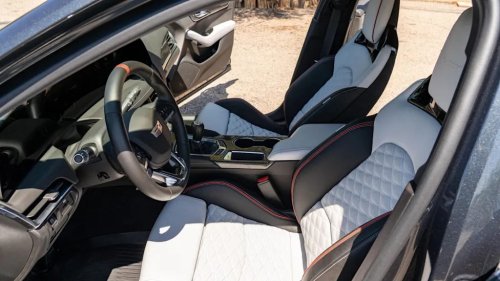
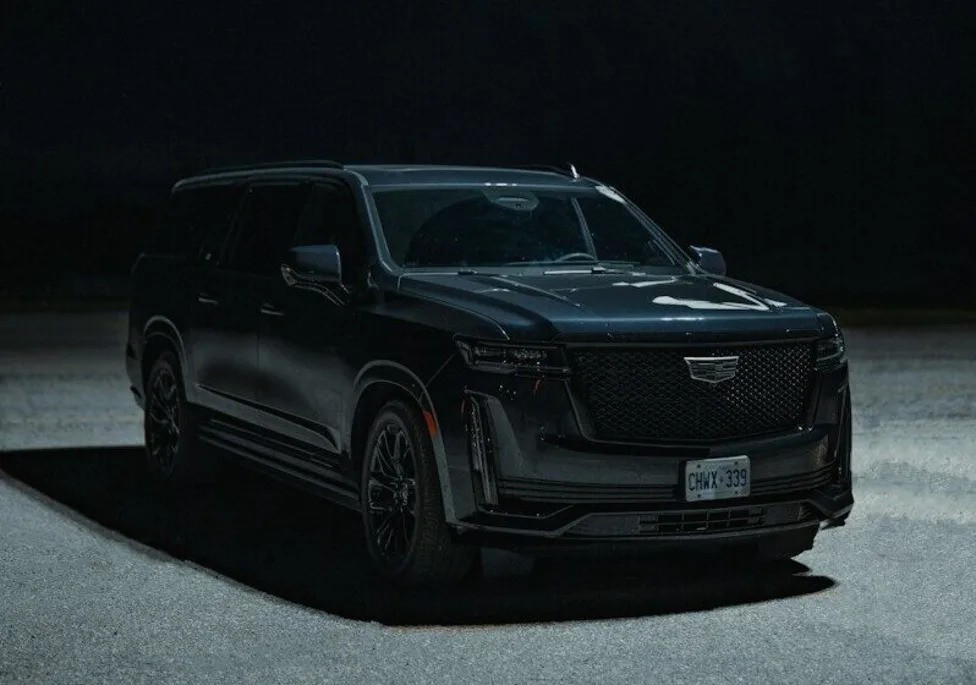
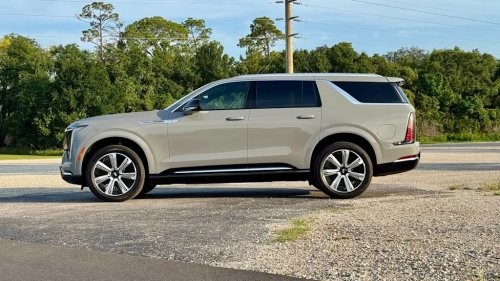
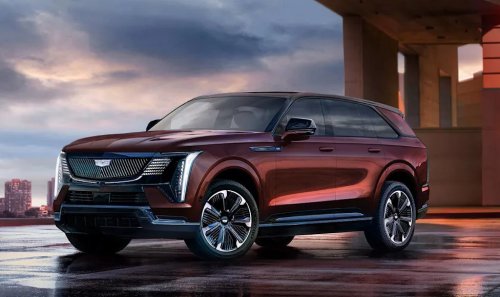
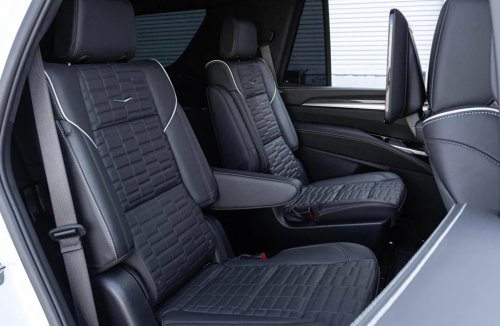
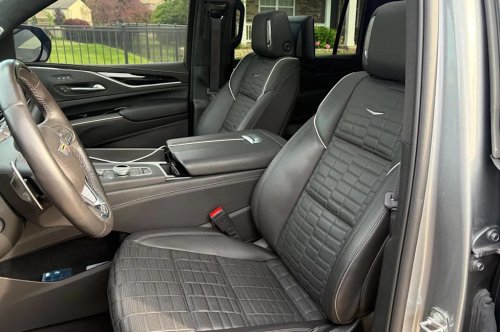
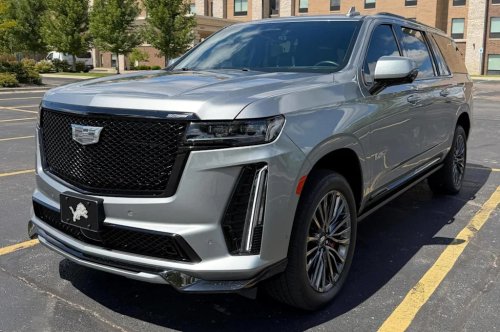
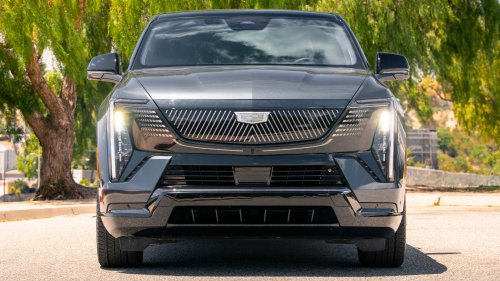
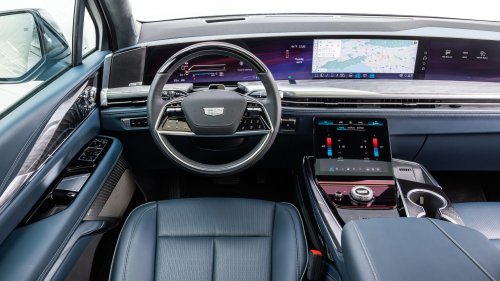
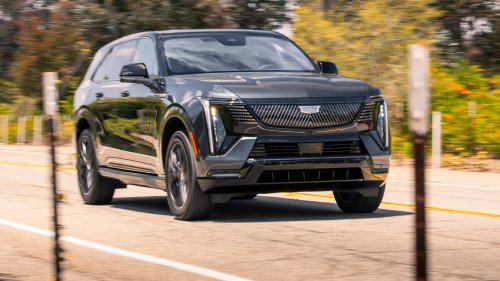
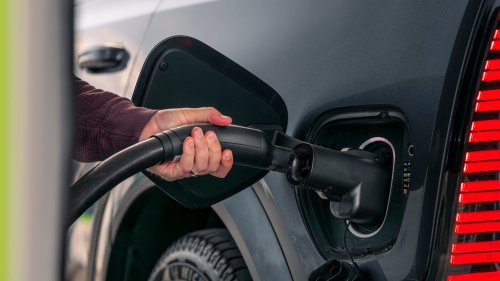
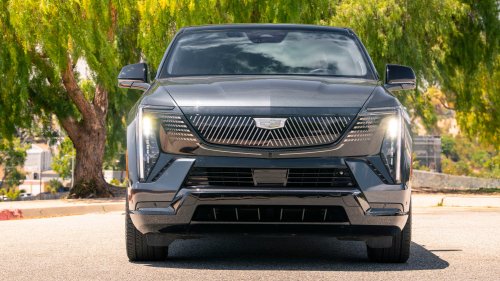
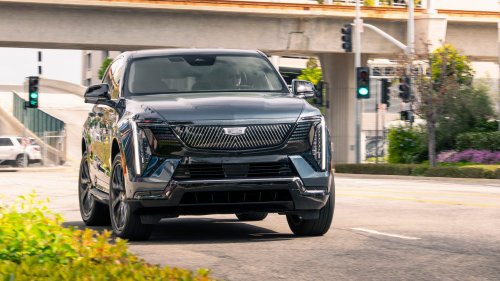
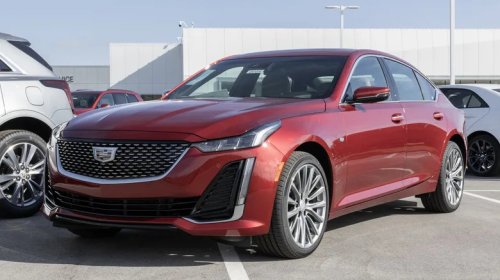
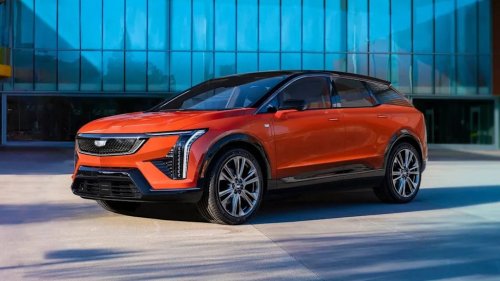
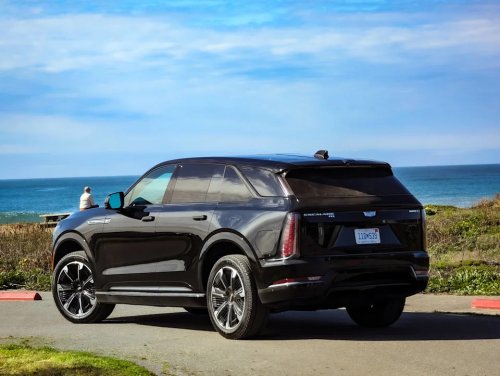
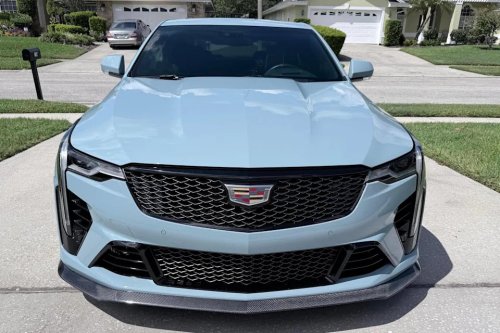
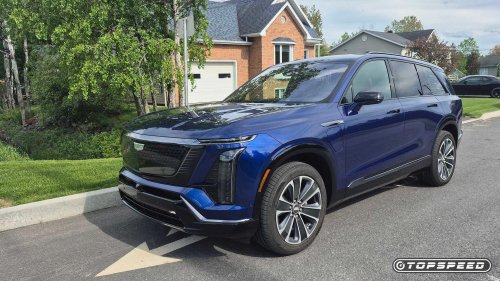
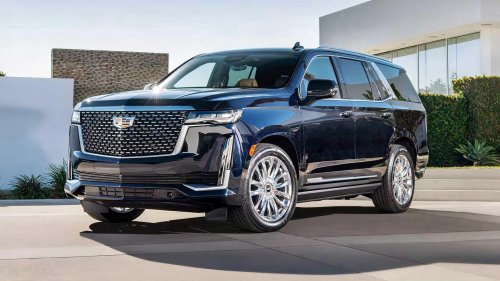
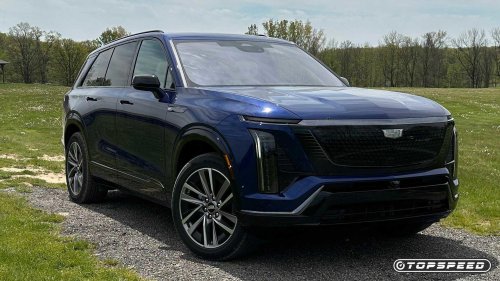
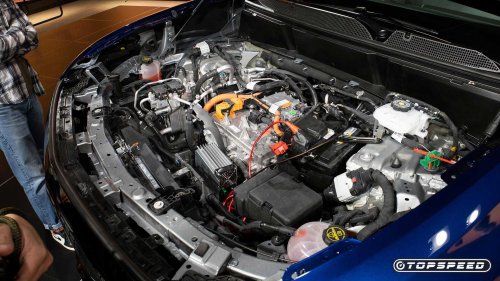
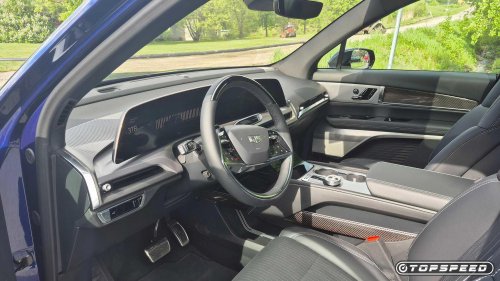
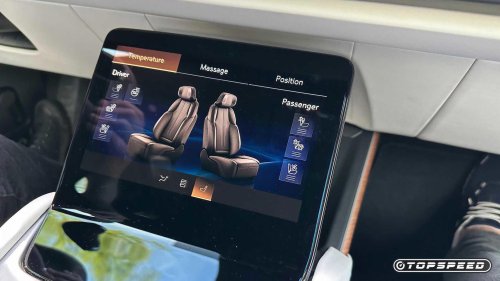
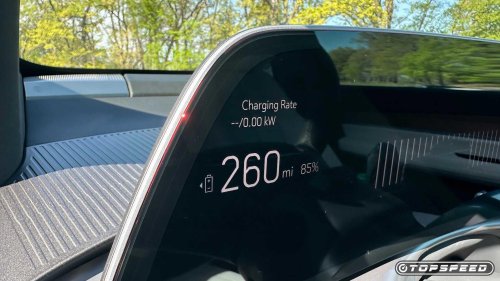
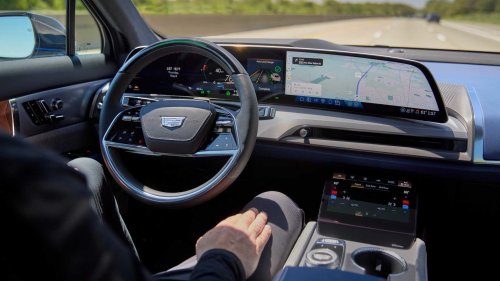
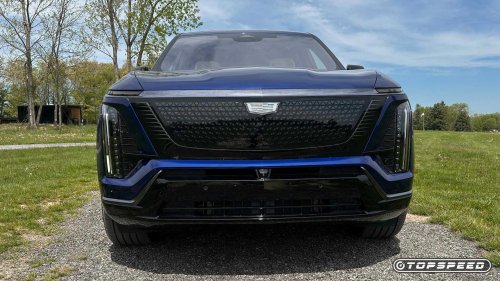
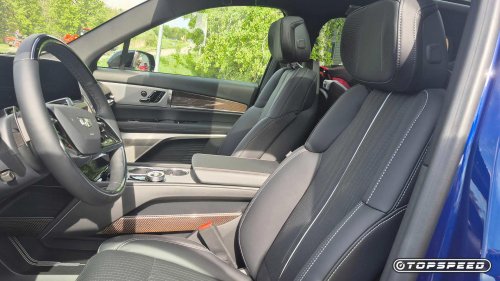
For more than two decades, the Cadillac Escalade has dominated the American luxury SUV conversation through sheer size, V8 power, and unmistakable road presence. Buyers associated it with a very specific formula: a body-on-frame chassis, naturally aspirated or supercharged V8 engines, massive towing capacity, and a cabin loaded with premium features. But the arrival of the Vistiq introduces a dramatically different interpretation of what a flagship luxury SUV should be. Rather than focusing on displacement and traditional SUV toughness, the Vistiq leans heavily into battery technology, software integration, instantaneous torque delivery, and next-generation chassis engineering. Built on General Motors’ Ultium EV architecture, it represents a clean-sheet approach that changes everything from weight distribution to interior packaging. For Escalade buyers accustomed to 6.2-liter V8 power and 10-speed automatic transmissions, the Vistiq presents an alternative that feels fundamentally more futuristic.What makes the Vistiq especially interesting is how closely it overlaps with Escalade buyers in terms of price, luxury appointments, passenger space, and daily usability. Yet it achieves those goals using entirely different engineering solutions. Instead of relying on traditional mechanical excesses, it uses electrification, advanced suspension tuning, and digital integration to create its luxurious experience. The result is a Cadillac that may force even loyal Escalade customers to rethink what matters most in a modern premium SUV. How The Cadillac Vistiq Rewrites Escalade Expectations William Clavey | TopSpeed The 2026 Cadillac Vistiq fundamentally changes expectations because it delivers flagship-level performance and refinement without depending on the traditional full-size SUV formula. While the Escalade rides on GM’s T1XX body-on-frame truck platform shared with the Chevrolet Tahoe and GMC Yukon, the Vistiq uses a dedicated EV skateboard platform specifically engineered around battery packaging.That single engineering decision changes nearly everything about how the SUV behaves. The Ultium platform positions the battery pack beneath the cabin floor, creating a significantly lower center of gravity than the Escalade.In a conventional SUV, the heavy V8 engine, transmission, driveshaft, and rear differential sit higher in the chassis, contributing to body roll during aggressive cornering. By comparison, the Vistiq’s battery pack acts almost like ballast mounted directly beneath passengers. This dramatically improves stability. Even though the Vistiq weighs well over 6,000 pounds, the low-mounted battery placement helps minimize pitch and roll movements that traditionally affect large SUVs.Power delivery also transforms the driving experience. The Escalade’s standard 6.2-liter naturally aspirated V8 produces 420 horsepower and 460 pound-feet of torque, while the supercharged Escalade-V increases output to 682 horsepower and 653 pound-feet. However, both engines require revs and gear changes to access peak performance.Cadillac The Vistiq’s dual-motor setup delivers maximum torque instantly. That means immediate acceleration without transmission lag or downshifts. Technically, this changes how the SUV feels in real-world driving. Electric motors can modulate torque thousands of times per second, allowing far smoother throttle response and traction management than combustion-powered systems. In urban traffic or highway passing situations, the Vistiq will feel more responsive than many gasoline-powered luxury SUVs despite carrying similar mass.Cadillac also has integrated rear-wheel steering technology. At low speeds, the rear wheels turn opposite the fronts to reduce turning radius, making the large SUV easier to maneuver in parking structures and tight urban environments. At higher speeds, the rear wheels turn in the same direction as the fronts to improve stability during lane changes. Adaptive air suspension further separates the Vistiq from traditional luxury SUVs. Air springs continuously adjust ride height and damping characteristics based on speed, road conditions, and drive mode selection. Combined with magnetorheological dampers similar to GM’s Magnetic Ride Control technology, the system can alter suspension stiffness in milliseconds using electromagnetically controlled fluid. Ultium Architecture And What It Means For Escalade Buyers Ty Duffy | TopSpeed The Cadillac Vistiq’s most important technical feature is its Ultium battery architecture. Unlike older EV platforms adapted from gasoline vehicles, Ultium was engineered specifically for large-scale electrification. Battery capacity is 102 kWh, placing the Vistiq among the larger-capacity luxury EVs currently on the market. The battery modules use large-format pouch-style cells developed through GM’s Ultium partnership, designed to maximize energy density while improving thermal efficiency. Battery chemistry matters enormously in luxury EV applications because vehicle weight, range, and charging speed are directly tied to cell performance. GM’s nickel-rich chemistry reduces cobalt usage while increasing energy storage capability.The platform also supports advanced battery preconditioning. Before arriving at a DC fast charger, the thermal management system can automatically heat or cool the battery pack to its ideal charging temperature. Lithium-ion batteries charge fastest within specific temperature windows, so preconditioning significantly improves charging consistency. Fast charging capability exceeds 190 kW under ideal conditions. Technically, this could allow the Vistiq to recover roughly 75 to 80 miles of range in about 10 minutes using a compatible DC fast charger. A 10-to-80 percent charge may take approximately 35 minutes depending on charger output and battery temperature.William Clavey | TopSpeed For comparison, a gasoline Escalade can refuel in under five minutes, but EV charging introduces different ownership habits. Most Vistiq owners will likely rely heavily on Level 2 home charging systems operating at 240 volts. A typical 11.5-kW Level 2 charger can add roughly 30 to 35 miles of range per hour. Overnight charging therefore becomes more practical than frequent public charging visits. Another major advantage of the Ultium platform involves structural rigidity. The battery pack itself functions as part of the chassis structure, increasing torsional stiffness substantially compared to traditional ladder-frame SUVs. Higher rigidity improves ride quality, handling precision, and crash performance because the structure flexes less under load.Cadillac also benefits from advanced torque vectoring capability. Since electric motors respond almost instantly, the system can distribute torque more precisely between axles to improve traction and cornering stability. This allows the Vistiq to maintain composure even under aggressive acceleration on slippery surfaces. Software integration is equally critical. The Vistiq uses a centralized vehicle intelligence architecture capable of processing enormous amounts of data from sensors, battery systems, driver assistance technologies, and infotainment features simultaneously. Over-the-air software updates allow Cadillac to optimize efficiency, improve charging algorithms, and introduce new features after delivery. This software-defined approach represents a major philosophical shift from traditional luxury SUVs, which typically receive only minor updates throughout their production lifecycle. A Cabin Focused On Screens, Software, And Digital Luxury William Clavey | TopSpeed Inside the Vistiq, Cadillac replaces traditional luxury excess with high-end digital integration and advanced interface technology.The centerpiece is a curved 33-inch LED display system with ultra-high pixel density similar to the unit already used in the Cadillac Lyriq and Escalade IQ. This display integrates driver instrumentation, infotainment controls, navigation, energy management data, and vehicle diagnostics into a single panoramic interface. Unlike conventional LCD screens, the curved OLED technology offers deeper contrast ratios, improved color accuracy, and superior visibility under varying lighting conditions. OLED displays also allow thinner packaging, helping Cadillac create a cleaner dashboard layout. Processing power becomes increasingly important in modern luxury vehicles, and Cadillac’s infotainment systems rely on high-speed processors capable of managing multiple simultaneous functions without lag. This matters because luxury buyers now expect smartphone-level responsiveness from vehicle interfaces.Google Built-In functionality provides native access to Google Maps, Google Assistant, and downloadable applications. Navigation systems in EVs are especially important because route planning must account for charging stops, battery state of charge, terrain changes, and traffic conditions simultaneously. The Vistiq also includes augmented reality navigation overlays, head-up display integration, and multi-zone voice recognition. Advanced microphones combined with noise-canceling algorithms improve voice-command accuracy even at highway speeds.Ty Duffy | Top Speed Acoustic engineering has become especially technical in EVs because the absence of engine noise exposes smaller sounds passengers would normally ignore. Cadillac engineers therefore focus heavily on aerodynamic optimization, active noise cancellation, laminated acoustic glass, and sound-absorbing insulation materials. Aerodynamic efficiency directly affects range as well. Flush door handles, active grille shutters, underbody paneling, and carefully sculpted body surfaces help reduce drag coefficients. Even small aerodynamic improvements can significantly impact highway efficiency in large EVs.Super Cruise remains one of the Vistiq’s biggest technical advantages. Using lidar-mapped highways, radar sensors, cameras, and GPS positioning, the system allows hands-free driving on thousands of miles of compatible roads. Unlike simpler adaptive cruise systems, Super Cruise continuously monitors driver attention using infrared cameras. For long-distance travel, this dramatically reduces fatigue and reinforces Cadillac’s emphasis on effortless luxury. Range And Charging Concerns In A Full-Size EV Shift Ty Duffy | TopSpeed Despite its technological sophistication, the Vistiq still faces unavoidable EV limitations that Escalade buyers will immediately notice. Weight remains one of the largest challenges. A battery pack exceeding 100 kWh can weigh well over 1,500 pounds by itself. Combined with dual motors, structural reinforcements, and luxury features, the Vistiq could exceed 7,000 pounds curb weight. That mass impacts tire wear, braking distances, and energy consumption. While regenerative braking recaptures kinetic energy during deceleration, physics still applies. Large EVs require enormous braking capability, which is why manufacturers often use oversized brake rotors combined with regenerative systems.Highway efficiency also declines significantly at speed because aerodynamic drag increases exponentially. At 80 mph, a large SUV consumes substantially more energy than at 60 mph, meaning real-world highway range can differ notably from EPA estimates. Cold weather creates additional complications. Lithium-ion batteries lose efficiency in low temperatures because electrochemical reactions slow down. Cabin heating also consumes energy directly from the battery pack, unlike gasoline vehicles that use waste engine heat.Cadillac Towing presents another challenge for Escalade buyers accustomed to pulling boats or trailers. Aerodynamic drag from trailers can reduce EV range dramatically, sometimes by nearly 50 percent depending on weight and shape. Charging infrastructure also varies enormously by region. While urban luxury buyers may have reliable charging access, rural travel remains more complicated. Cadillac’s integration with expanding public charging networks helps, but charging consistency still depends heavily on station reliability.Yet EV ownership introduces advantages gasoline SUVs cannot replicate. Home charging eliminates routine fuel station visits entirely for many owners. Regenerative braking reduces brake wear substantially, while EV drivetrains contain far fewer moving parts than V8-powered SUVs. There is no engine oil, no spark plugs, no transmission fluid changes, and no exhaust system maintenance. Pricing Overlap Between Vistiq And Cadillac Escalade Buyers Ty Duffy | TopSpeed The Vistiq becomes especially disruptive because its pricing overlaps directly with high-trim Escalade models. A well-equipped Escalade Platinum Luxury can easily exceed $110,000 once options are added. The supercharged Escalade-V pushes pricing even higher. Cadillac is positioning the Vistiq directly within that premium territory, starting at $78,790. For buyers spending six figures, the question becomes less about affordability and more about technological value. The Vistiq offers dual-motor all-wheel drive, advanced air suspension, rear-wheel steering, a 100-plus-kWh battery pack, fast-charging capability, OLED displays, Super Cruise, and next-generation software architecture within a package likely priced similarly to upper-tier gasoline Escalades.William Clavey | TopSpeed Operational economics also begin favoring the EV. Electricity costs are typically lower than premium gasoline expenses, especially considering the Escalade’s real-world fuel economy often falls below 20 mpg. Maintenance savings accumulate further over time due to reduced drivetrain complexity. Younger luxury buyers may also place greater importance on sustainability and digital sophistication than traditional SUV prestige. For them, silent acceleration, massive fast-acting screens, and software-defined functionality may feel more modern than a naturally aspirated V8.Sources: Cadillac U.S.



















 +20 others