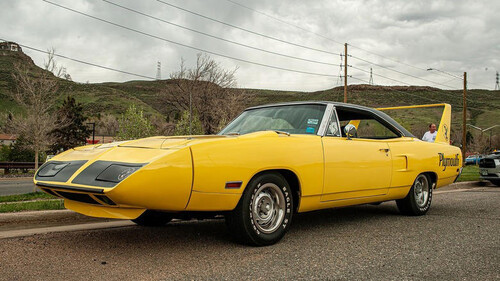
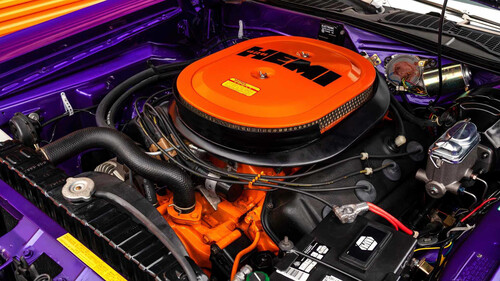
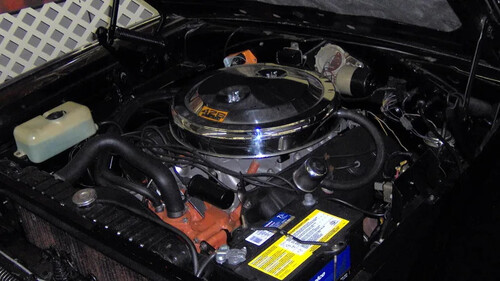
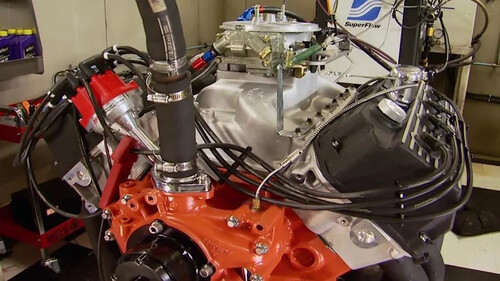
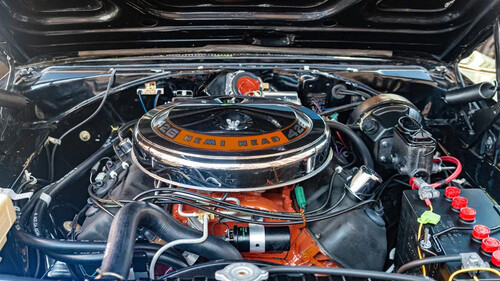
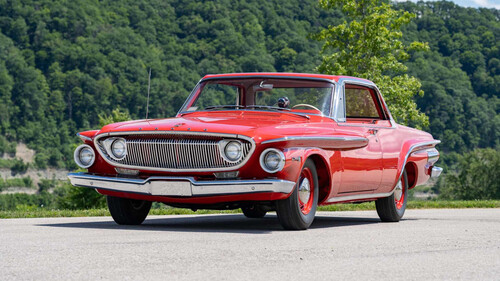
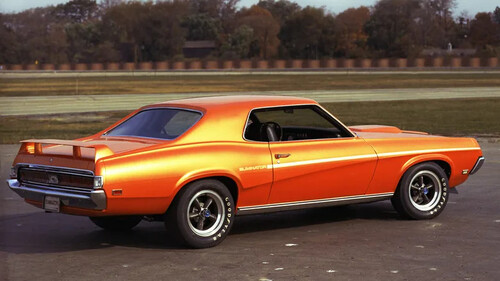
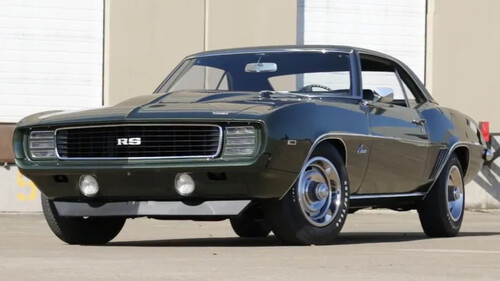
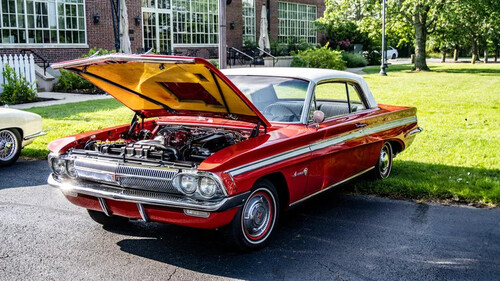
The Mopar 426 Max Wedge engine, often overshadowed by its louder, more notorious competitors, was a powerhouse that redefined performance in the muscle car era. Despite its legacy fading over time, this remarkable engine left an indelible mark on automotive history, proving that power doesn’t always have to be loud. The Rise of Mopar Performance Engines Mopar’s foray into the high-performance engine market in the late 1950s marked a significant turning point for the American automotive industry. With competitors like Chevrolet and Ford dominating the scene, Chrysler sought to carve out its niche by offering innovative and powerful engines. The late 50s and early 60s saw the birth of a new generation of muscle cars, and Mopar was ready to compete head-to-head with its rivals. The competitive landscape during the 1960s was fierce, with manufacturers pushing the boundaries of power and performance. Iconic models like the Ford Mustang and Chevy Camaro were gaining popularity, forcing Mopar to respond with equally impressive offerings. The introduction of performance-oriented vehicles such as the Dodge Charger and Plymouth Barracuda showcased Mopar’s commitment to high horsepower and speed, setting the stage for the legendary engines that would follow. The Birth of the 426 Max Wedge The development of the 426 Max Wedge began in the early 1960s, driven by a desire to create an engine that could dominate the racing scene. Chrysler engineers focused on maximizing performance through innovative engineering solutions. By 1963, the 426 Max Wedge was officially introduced, boasting a host of features that set it apart from its competitors. With a displacement of 426 cubic inches, this V8 engine was designed for power. Its impressive specifications included a 10.25:1 compression ratio and a dual-quad carburetor setup, which allowed it to produce a staggering 425 horsepower. The marketing strategy employed by Chrysler emphasized the Max Wedge’s racing pedigree, showcasing its prowess on the drag strip and in professional racing circuits. This combination of performance and marketing helped the Max Wedge gain early traction among enthusiasts and racers alike. Design Features That Made a Difference One of the standout features of the 426 Max Wedge was its unique cross-ram intake manifold, which provided improved airflow and enhanced engine response. This design allowed the engine to breathe better at high RPMs, a crucial factor for performance on the track. Additionally, the engine’s high compression ratio contributed to its impressive power output, enabling it to outperform many of its contemporaries. When comparing the Max Wedge to rival engines such as the Chevy 427 and Ford 427, the advantages become clear. While the Chevy engine was known for its raw power, the Max Wedge offered a more balanced combination of torque and horsepower, making it a formidable competitor in various racing formats. The engineering innovations behind the Max Wedge set a new standard for performance, influencing future generations of Mopar engines. Performance Metrics: Numbers That Matter The 426 Max Wedge was not just about impressive specifications; it delivered real-world performance that left competitors in the dust. With horsepower ratings often exceeding 425, the Max Wedge established itself as a serious contender on the drag strip. Its torque figures, peaking at around 480 lb-ft, provided the necessary thrust to launch vehicles like the Plymouth Belvedere and Dodge Polara into the 11-second quarter-mile range. In head-to-head performance benchmarks against rivals like the Chevy 427 and Ford 427, the Max Wedge often outperformed its counterparts, particularly in drag racing scenarios. Real-world tests demonstrated its ability to accelerate quickly and maintain high speeds, which was a testament to its engineering excellence. Drag racing results from the 1960s show that cars equipped with the Max Wedge consistently achieved top rankings, solidifying its reputation as a high-performance powerhouse. Racing Legacy and Achievements The racing legacy of the 426 Max Wedge is rich with notable victories and achievements that underscore its significance in the automotive world. Cars like the Plymouth Fury and Dodge Dart, equipped with the Max Wedge, dominated various racing series, including NHRA events. The engine’s success on the track helped establish it as a favorite among professional racers, leading to numerous championships and accolades. Famous racers such as Don Garlits and Dick Landy were known for their prowess behind the wheel of Max Wedge-powered vehicles. Their contributions to the racing scene not only showcased the engine’s capabilities but also helped elevate Mopar’s status in the competitive landscape. The influence of the Max Wedge extended beyond its immediate success; it paved the way for future Mopar engines, inspiring innovations that continue to resonate in the automotive industry today. The Decline of the Max Wedge Era Despite its impressive performance and racing pedigree, the 426 Max Wedge began to decline in the late 1960s due to a combination of factors. One of the primary reasons for its waning popularity was the introduction of new regulations in professional racing that favored smaller, more fuel-efficient engines. As the landscape shifted, manufacturers turned their focus toward producing engines that could meet these new standards. Additionally, the rising concerns over fuel economy and emissions led to a broader industry trend that favored smaller displacement engines. As consumers became more environmentally conscious, the demand for high-performance muscle cars dwindled. The transition away from the Max Wedge marked the end of an era, as Mopar and its competitors adapted to the changing market demands, ultimately leading to the discontinuation of the Max Wedge by the early 1970s. The Max Wedge’s Cultural Impact The cultural impact of the 426 Max Wedge extends far beyond the racetrack. This engine has become a symbol of the golden age of American muscle cars, celebrated by enthusiasts and collectors alike. Events like the Muscle Car and Corvette Nationals highlight the enduring legacy of the Max Wedge, showcasing restored vehicles and sparking conversations about its historical significance. In popular media, the Max Wedge has made appearances in various films and television shows that celebrate the muscle car culture of the 1960s and 70s. Social media platforms like Instagram and Facebook have become hubs for enthusiasts, where they share their experiences and showcase their Max Wedge-powered vehicles. Posts highlighting the engine’s history and performance continue to circulate, ensuring that the Max Wedge remains a topic of discussion among car enthusiasts, just as it was decades ago. For example, a recent post by Jonathan Wick on Facebook offers insights into the Max Wedge’s uncompromising design and performance capabilities here. Modern Revival and Restoration Efforts In recent years, there has been a resurgence of interest in restoring and modifying Mopar vehicles equipped with the Max Wedge engine. Enthusiasts and restorers are increasingly seeking out original components and aftermarket parts to bring these classic muscle cars back to their former glory. This trend reflects a desire to preserve automotive history while also enjoying the thrill of driving a piece of performance engineering. The availability of aftermarket parts has made it easier for enthusiasts to enhance the performance of their Max Wedge-powered vehicles. Companies specializing in vintage Mopar parts offer everything from performance upgrades to aesthetic enhancements, allowing owners to tailor their cars to their preferences. Enthusiasts often share their restoration journeys on platforms like Instagram, where photos and stories capture the challenges and triumphs of bringing a classic back to life. One such post showcases a beautifully restored Max Wedge engine, highlighting the dedication of its owner here. Why the 426 Max Wedge Deserves More Recognition The 426 Max Wedge deserves recognition alongside more famous rivals for several compelling reasons. Its engineering innovations and performance metrics set a standard in the muscle car era that still resonates today. While other engines may have garnered more fame or notoriety, the Max Wedge’s balanced approach to power and torque demonstrates that it was not only a competitor but a trailblazer in automotive performance. Remembering lesser-known automotive innovations, like the Max Wedge, is crucial for understanding the evolution of performance engineering. It serves as a reminder that, while louder engines may dominate the spotlight, quieter yet powerful alternatives have shaped the industry in profound ways. The 426 Max Wedge’s legacy endures through the passion of enthusiasts and the ongoing efforts to preserve its story, ensuring that this remarkable engine remains a vital part of automotive history. More from Fast Lane Only Unboxing the WWII Jeep in a Crate 15 rare Chevys collectors are quietly buying 10 underrated V8s still worth hunting down Police notice this before you even roll window down *Research for this article included AI assistance, with all final content reviewed by human editors.