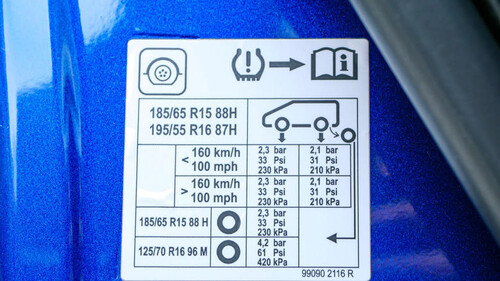
My new tires are louder than the old ones and the shop says that’s normalYou finally do the responsible adult thing: buy a fresh set of tires. The car feels tighter, grips better in the rain, and the steering has that “new shoes” confidence. Then you get on the highway and—wait—why does it sound like you’ve adopted a small swarm of bees under the floorboards? If the shop shrugged and said, “Yep, that’s normal,” they might not be brushing you off. New tires really can be louder than the worn-out ones you replaced, and there are a few surprisingly sensible reasons why. The trick is knowing what counts as “normal loud” and what’s a hint something’s off. Why new tires can sound louder (even when they’re better) Worn tires don’t just lose tread depth—they also lose their crisp edges. As tread blocks wear down, they can become smoother and less “grabby,” which sometimes reduces certain frequencies of road noise. It’s not that old tires are inherently quieter; they can just be quieter in a very specific way right before they become unsafe. New tires have deeper tread, sharper edges, and more void space (the grooves) to move water and slush out of the way. That extra structure can create more air pumping noise as the tread rolls, especially on smooth asphalt where you notice it most. In other words, some of what you’re hearing is the sound of functional tread doing functional tread things. Tread pattern: the “drumbeat” you didn’t order Not all tires sing the same song. Aggressive all-terrain tires, winter tires, and some performance tires use chunkier tread blocks and wider grooves, which tend to be louder than a typical touring tire. Even within the same category, different tread designs can create different tones—one tire might “hum,” another might “whir,” and a third might make you question whether a wheel bearing is starting a side hustle. There’s also something called pitch sequencing, where manufacturers vary tread block sizes to spread noise across frequencies. When that’s done well, noise blends into a softer background sound. When it’s not (or when your car’s cabin resonates at that frequency), you can get that steady highway drone that makes you turn the radio up two clicks without realizing it. Rubber compounds: quiet vs. grippy is a real trade-off The rubber itself matters. Softer compounds can grip well but may generate more noise depending on the road surface and temperature. Harder compounds can sometimes roll quieter, but they might not have the same wet traction or cold-weather performance. This is why two tires with the same size and speed rating can feel totally different. One is engineered to be comfy and hushed for commuting. Another is built to bite into corners or handle snow, and it’s less shy about announcing its presence. New tires sometimes need a “break-in” period People don’t always talk about it, but tires can change a bit after the first few hundred miles. Fresh tread edges wear in, and any mold-release residue from manufacturing disappears. The sound can mellow out as the tire settles into its working life. A typical rule of thumb is 300–500 miles, though it’s not magic. If the noise is slightly annoying but not alarming, it’s reasonable to give it a little time. If it’s loud enough that passengers are commenting on it without being prompted, that’s worth a closer look sooner. Inflation pressure can turn “normal” into “why is it screaming?” Overinflated tires tend to feel harsher and can transmit more road noise into the cabin. Underinflation can also create noise, along with heat and uneven wear, so it’s not a “just go softer” situation. The sweet spot is whatever your vehicle’s door-jamb sticker recommends, not what’s molded into the tire sidewall. It’s also common for shops to inflate a bit high after installation, especially if tires were cold and they wanted to ensure you’re not leaving low. A quick check at home with a reliable gauge—when tires are cold—can make a noticeable difference. Sometimes the fix is as simple as letting out a few PSI and suddenly your car stops sounding so dramatic. Alignment and suspension: the sneakier noise amplifiers New tires can reveal problems you didn’t notice before. If your old tires were worn unevenly, they might’ve been “masking” an alignment issue because you’d already gotten used to the sound and feel. Put fresh, even tread on the car, and now you hear everything clearly—like swapping out fuzzy speakers for new ones. A bad alignment can cause feathering (a saw-tooth feel on the tread), which often comes with a growl or hum that builds with speed. Worn shocks or struts can also let the tire bounce slightly, adding noise and causing irregular wear. If the shop didn’t do an alignment check, it’s a smart next step, especially if the steering wheel isn’t perfectly centered or the car pulls. Could it be installation-related? Sometimes, yes Most of the time, tire noise is just tire noise. But if the sound appeared immediately after installation and it’s extreme or weirdly rhythmic, it’s fair to ask whether something else is going on. Some tires are directional and must rotate a specific way; others have an “inside/outside” orientation, and mounting them wrong can affect performance and sometimes noise. Also worth checking: did they torque the lug nuts properly, and are all wheel weights secure? A missing weight usually shows up as vibration rather than noise, but odd combos happen. If the sound changes when you gently weave within your lane (on an empty road, safely), that could hint at something like a wheel bearing—unrelated to the tires but suddenly more noticeable. How to tell “normal louder” from “something’s wrong” Normal tire noise is usually a consistent hum that rises with speed and changes a bit with road texture. It shouldn’t feel like grinding, clunking, or pulsing, and it shouldn’t come with steering shake. If the volume spikes suddenly, or the car vibrates at certain speeds, that’s your cue to investigate rather than tolerate. Pay attention to where the sound seems to come from. Front-end noise that changes during turns can suggest a bearing or alignment issue. A rear drone that’s constant may just be the tire design interacting with the car’s cabin acoustics (yes, cars have “favorite” noise frequencies, unfortunately). What to ask the shop (without sounding like you’re starting a debate club) You can keep it simple: “Are these tires known to be louder than my previous type?” Ask what category they are—touring, all-season, performance, all-terrain—and whether there’s a quieter alternative in the same size. If they have a road force balance machine, it’s also reasonable to ask if balancing was standard or road-force checked. Request an alignment printout if they did one, or schedule an alignment if they didn’t. Ask them to verify inflation pressures match the door sticker. And if the tire model has a treadwear and traction focus, ask whether that design typically trades a little noise for grip or longevity. If you want quieter tires next time, here’s what actually helps Look for tires marketed as “touring” or “grand touring,” which usually prioritize comfort and low noise. Check reputable tire tests and reviews that specifically mention cabin noise, because a tire can be excellent in the rain and still hum like it’s proud of itself. Some manufacturers also use foam inserts to reduce resonance—great for quiet, though sometimes pricier. Also remember: your car matters. A small hatchback with minimal sound deadening will broadcast tire noise like a podcast you didn’t subscribe to. The same tires on a heavier sedan might sound perfectly calm, which is both unfair and totally normal. If your new tires are only a bit louder and everything else feels solid, the shop’s “that’s normal” might be accurate—if not especially comforting. But if the noise is intense, getting worse, or paired with vibration or pulling, you’re not being picky by asking for a re-check. You’re just making sure your “new shoes” aren’t tied on wrong. More from Fast Lane Only Unboxing the WWII Jeep in a Crate 15 rare Chevys collectors are quietly buying 10 underrated V8s still worth hunting down Police notice this before you even roll window down The post My new tires are louder than the old ones and the shop says that’s normal appeared first on FAST LANE ONLY.