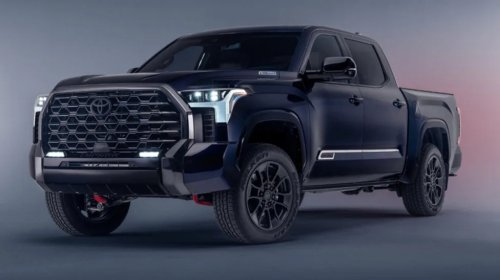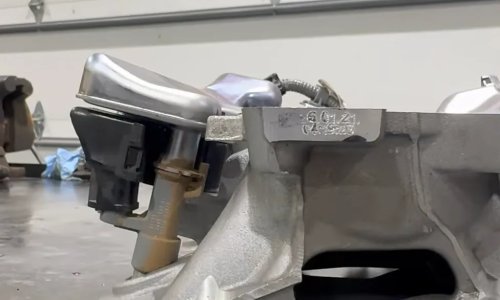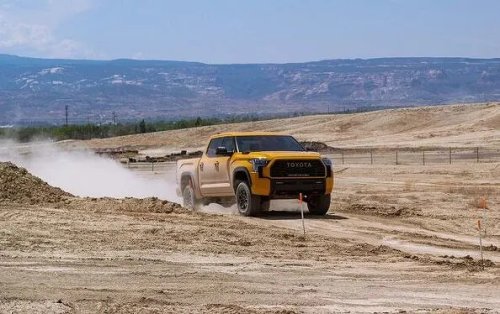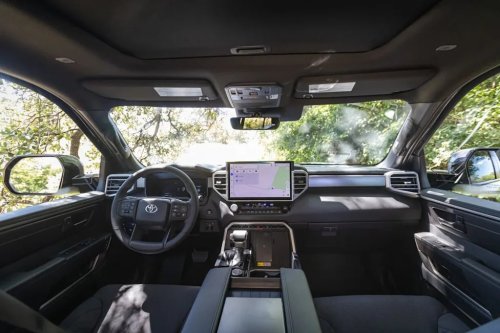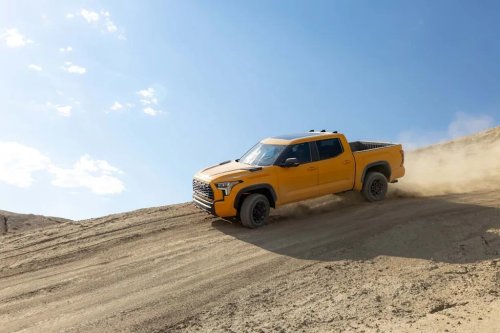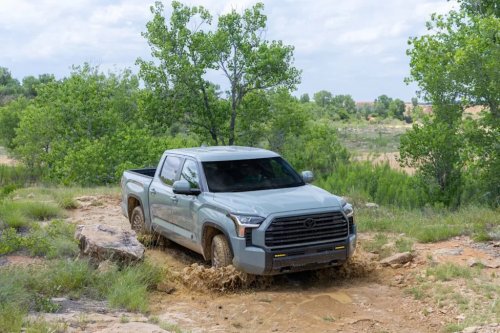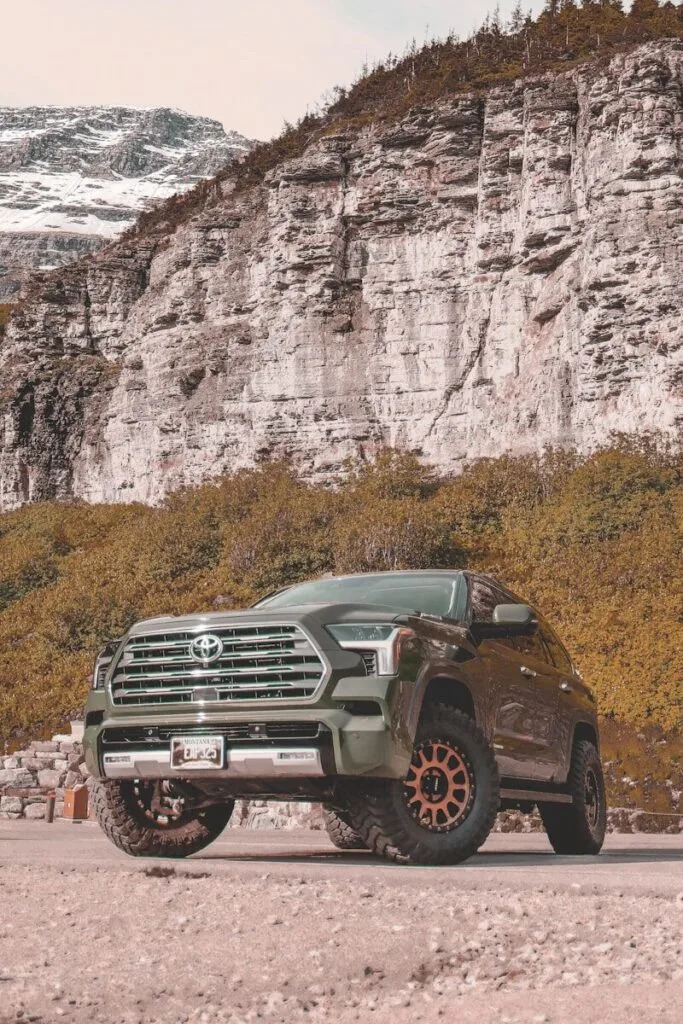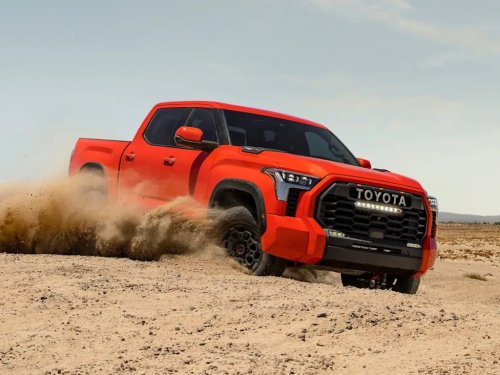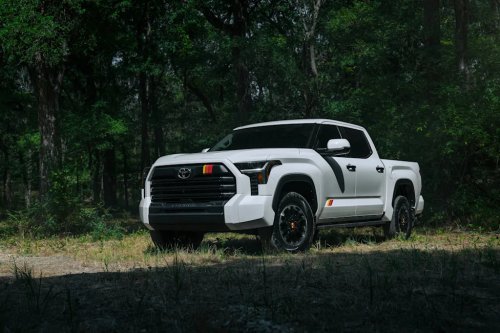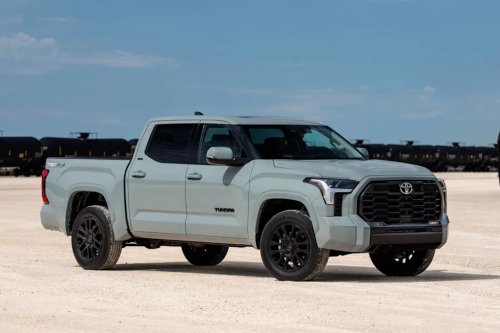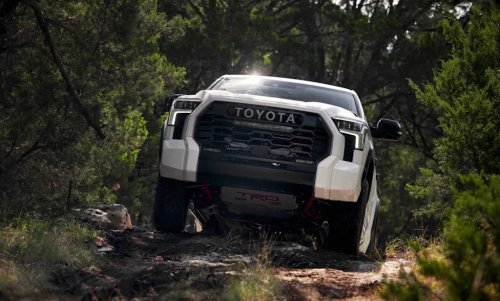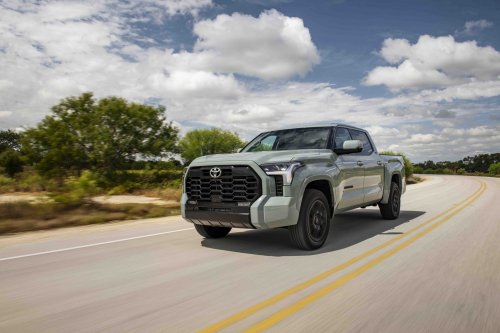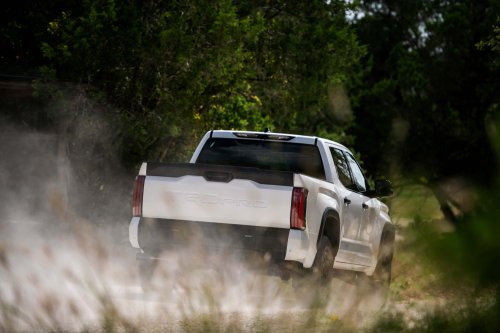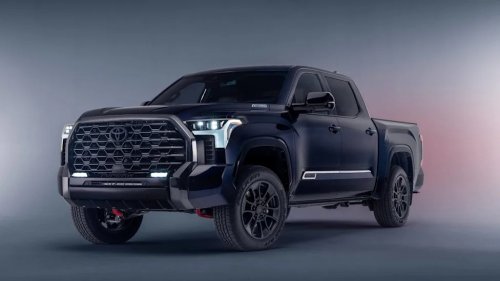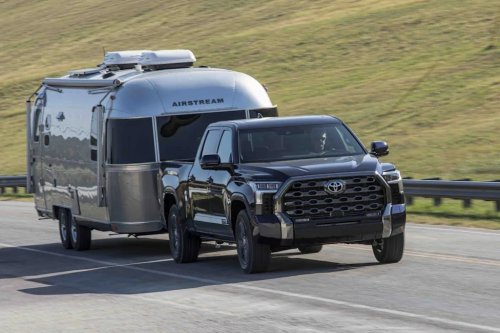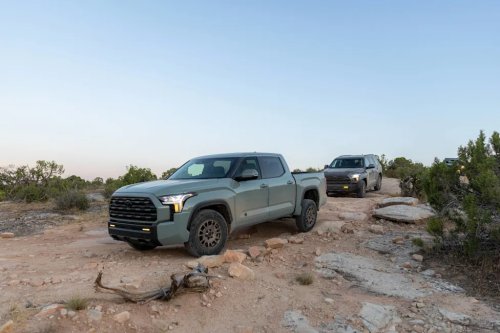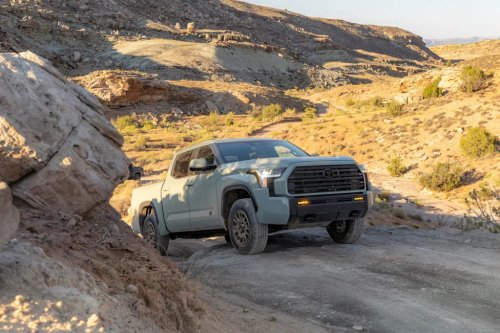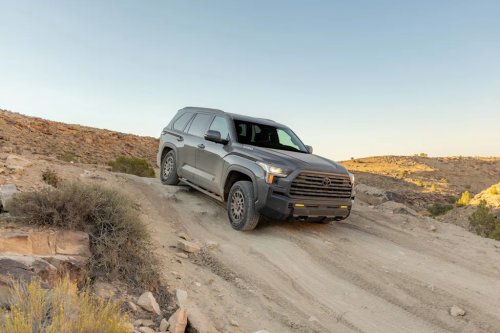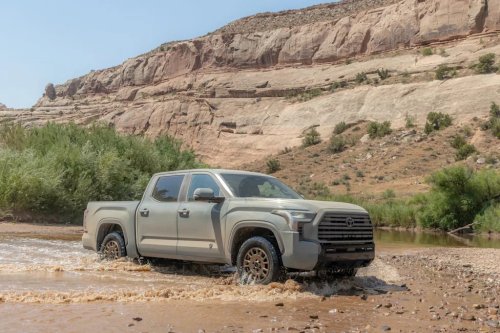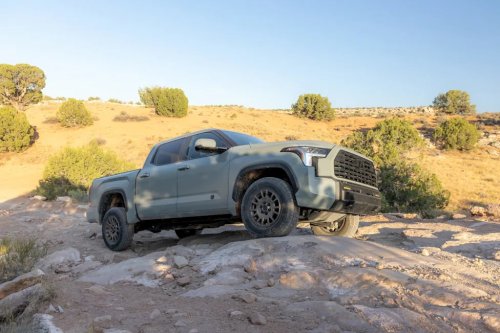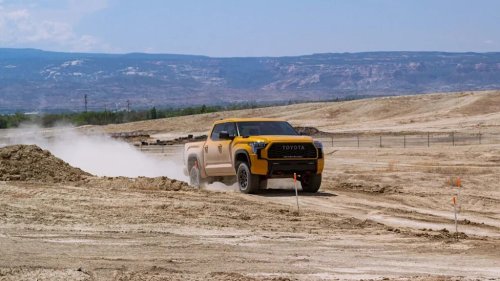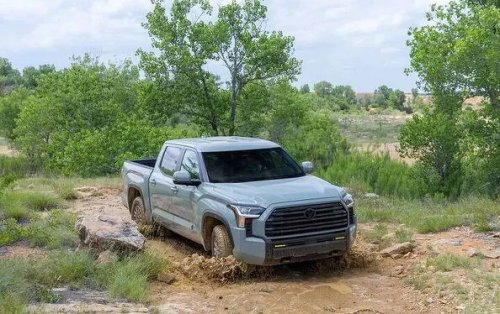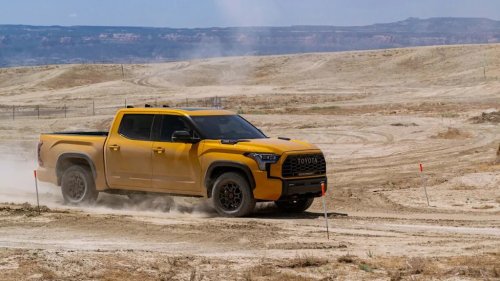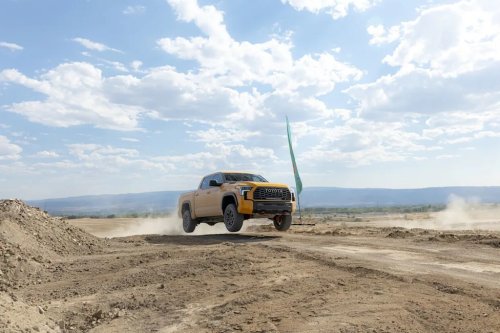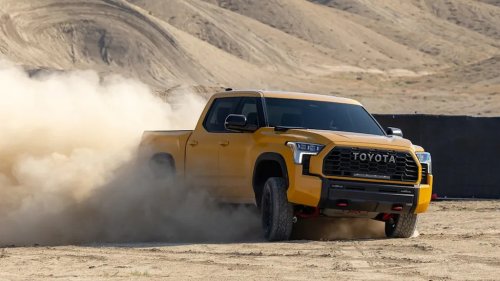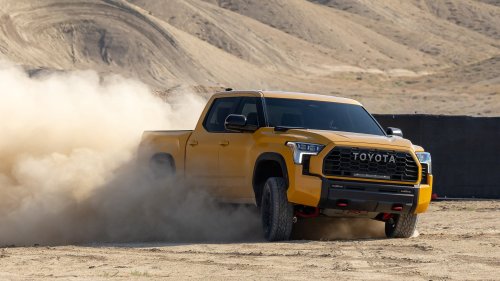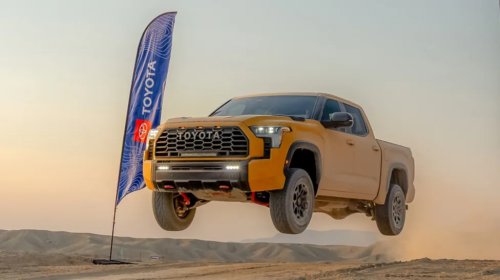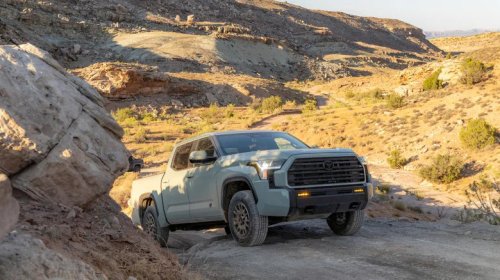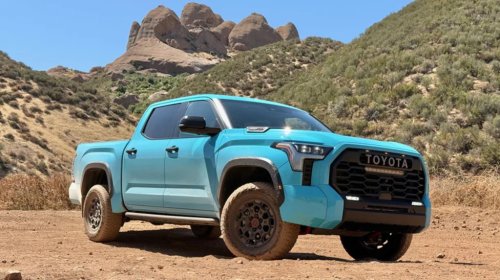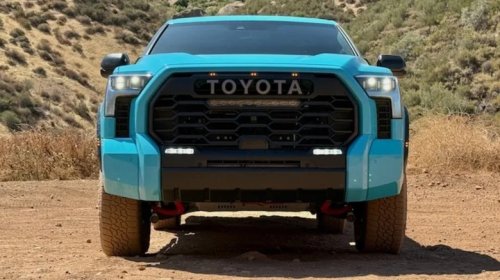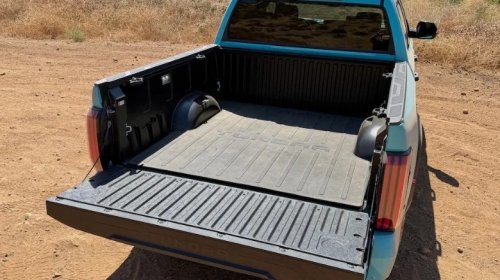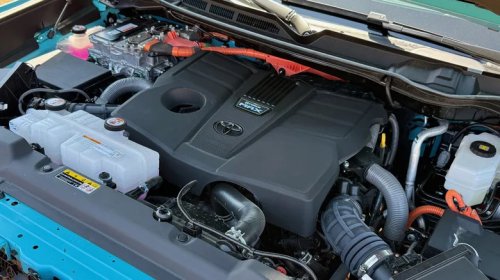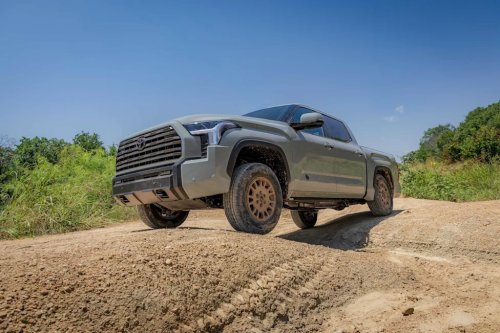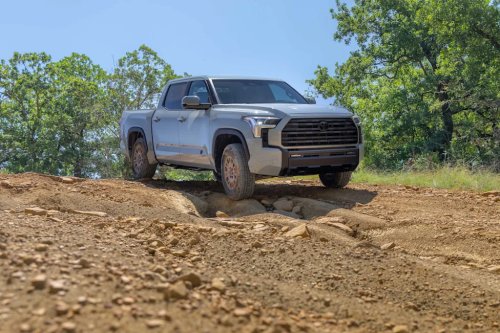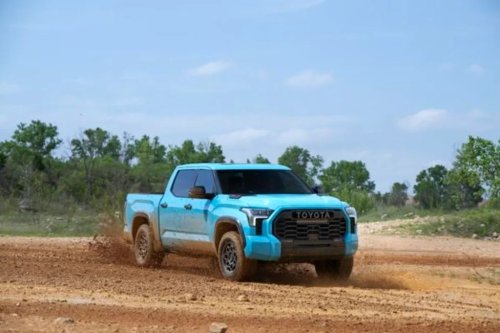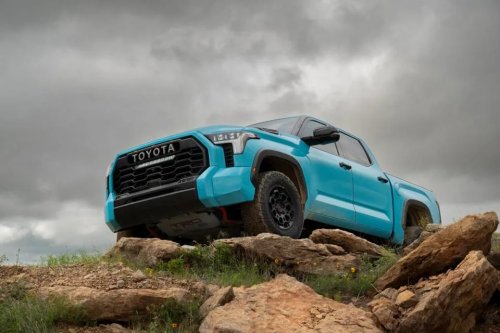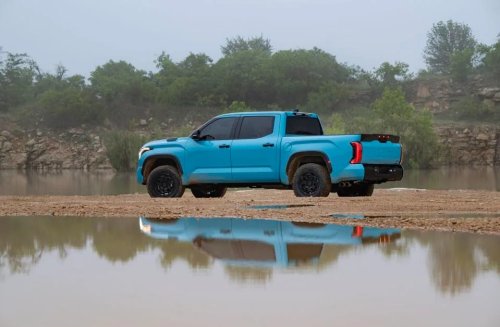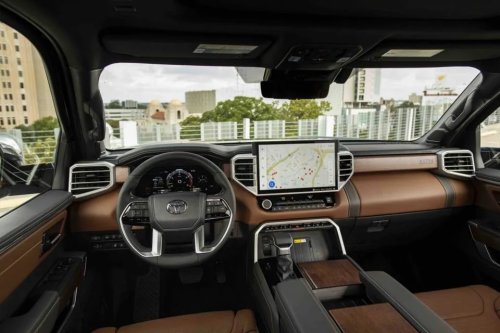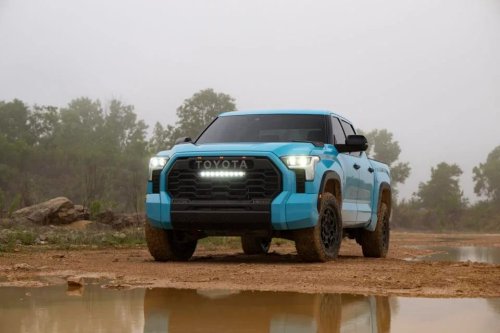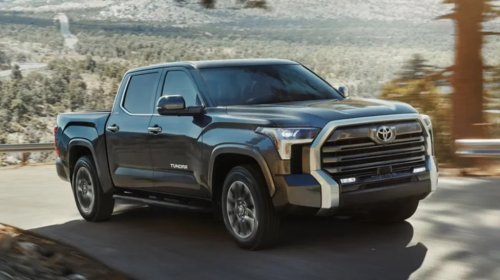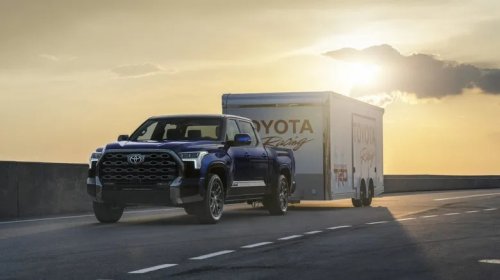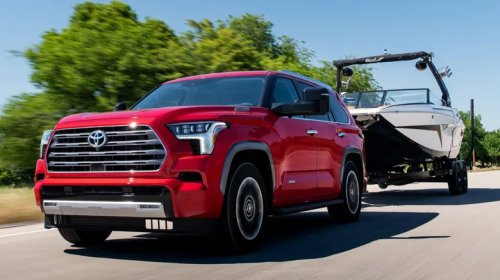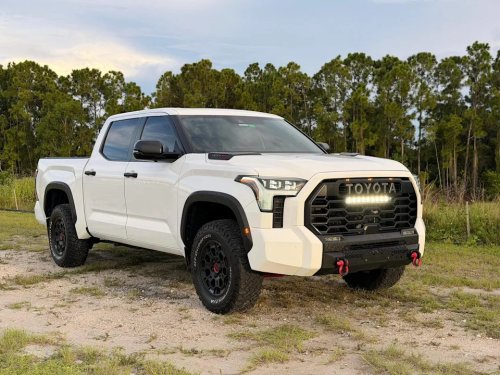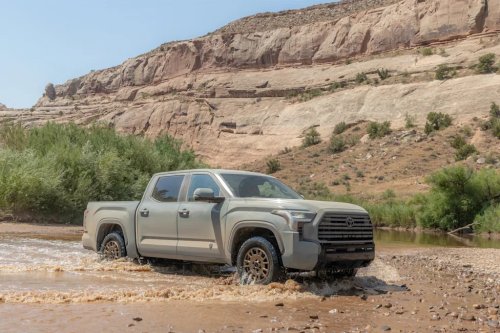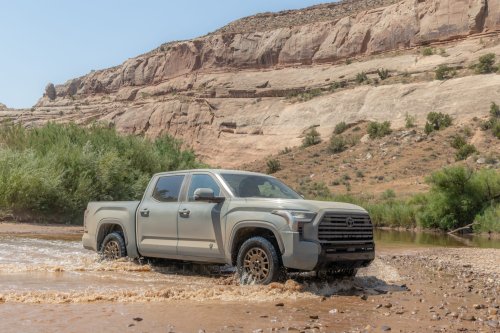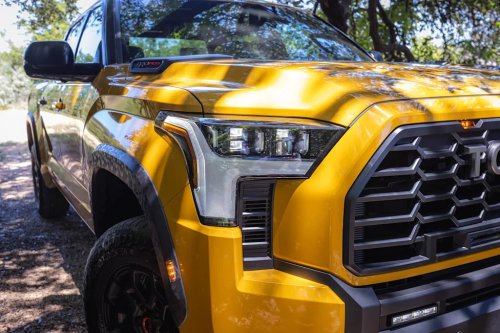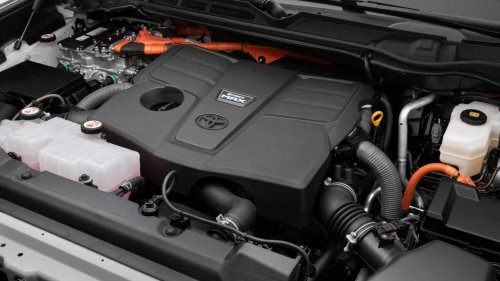
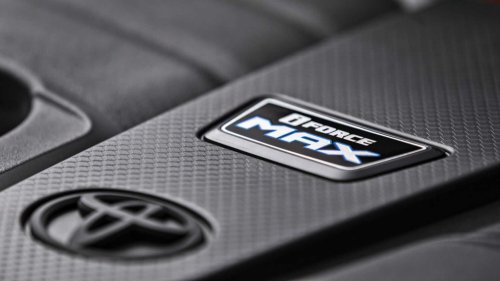
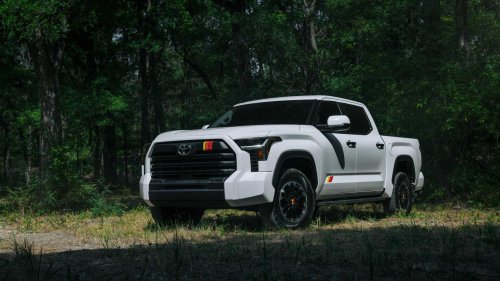
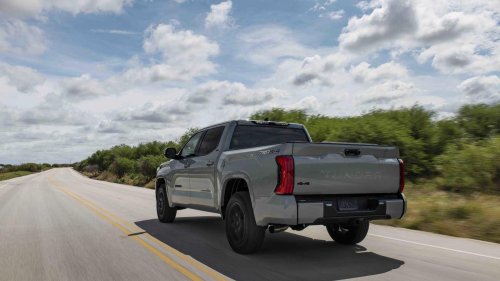
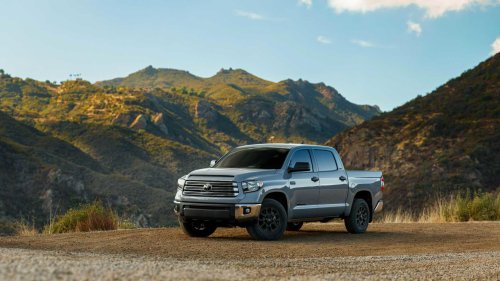
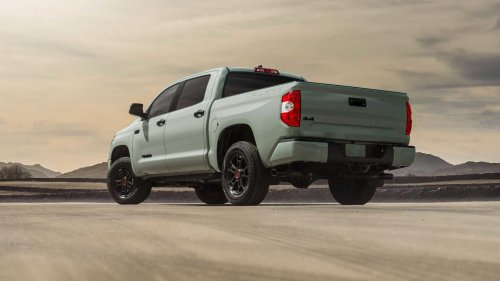



















It's always tough for manufacturers when the time comes to replace their trusty old models with a new one. Not only do they need to pack it with more modern technology and extra power, or perhaps efficiency, to ensure it remains competitive against its rivals, but they also need to make sure it retains its reliability. This last point is particularly pertinent for Toyota, which has crafted a commanding reputation for providing a range of dependable vehicles over the years.One of the best was its second-generation Tundra full-size pickup truck, which was equipped with the legendarily bulletproof 3UR-FE V8 engine for over a decade. It was replaced by Toyota's new V35A-FTS twin-turbocharged V6 powerplant when the time came to introduce the third-gen model in 2021, but it has been far from smooth sailing for the model. It's been so bad that the used values of older V8 models are increasing, and even starting to threaten those of equivalent V6 Tundras at similar mileages. The V35A-FTS Has Proven Troublesome Early In Its Life Toyota On the face of it, the V35A-FTS provided a considerable upgrade over the 3UR-FE V8 that it replaced. Power was up a touch, while the peak torque output was increased by an impressive 78 lb-ft, which ensured it was more adept at towing than its forerunner. As the cherry on the cake, the new powerplant was also much more efficient, with it capable of achieving 20 combined MPG, whereas the V8 could only muster 14 MPG. Common Issues With V35-FTS V6 Engine Engine failure due to ingested debris Fuel leak as a result of chafing fuel pipes Performance is only one part of the equation though, and the V6 has committed the cardinal sin of a Toyota engine. It has proven pretty unreliable. In May 2024, over 100,000 Tundra V6 examples produced between 2022 and 2023 were recalled due to severe issues with the engine, which could lead to complete failure if not rectified. Symptoms included loud engine knocking, the unit running rough, and in some cases, refusing to fire at all. The cause was put down to debris being left inside the engine during construction, according to Toyota, though mechanic Eric Berg felt that this was incorrect when he stripped the engine down in a video uploaded to his I Do Cars YouTube channel. He felt that the main bearings likely had a design flaw. In any case, Toyota replaced the engine in all the affected models. The Engine Also Came With A Fire Risk ToyotaThe issues didn't stop there, either. A year earlier in 2023, just shy of 170,000 Tundras built between 2022 and 2023 were recalled by Toyota due to a fuel line issue that could cause a fuel leak, and potentially lead to a fire in unfortunate circumstances. The issue regarded the fuel tubes chafing, which would eventually lead to a leak and the spillage of fuel as the vehicle drove along. Protective materials and clamps were added to prevent the tubes from chafing in the future, but the damage had already been done. The result of all this is the Tundra becoming the most recalled Toyota of the last 10 years; hardly an accolade a full-size pickup needs. Wider Issues Have Been Afflicting The Third-Gen Tundra ToyotaAlongside this, he found that the tailgate assembly on the truck only tended to work around "50% of the time", which is far from ideal on a vehicle where valuable materials or cargo could be transported in its bed. The owner claimed that Toyota had replaced all the internal parts of the assembly to try to help, though he noticed little change. These concerning issues with newer Tundras aren't doing Toyota's reputation any good, and are part of the reason why the company slipped from fourth to eighth between the 2025 and 2026 J.D. Power Dependability Studies. Used Values Of Low Mileage Specimens Are Suffering Because Of This ToyotaThis is in stark contrast to the experiences of most owners with the old 3UR-FE V8, which was so solid that it could easily eclipse the one-million-mile barrier when properly maintained. This level of dependability has now led Tundra buyers to start turning their attention towards securing a tidy V8 version, which was built up until 2021, as opposed to dealing with the various challenges the newer V6 versions are throwing at their suitors. Over the past three years, the average used value of low-mileage third-gen Tundras has dropped from around $56,000 to just over $51,000, showing that used buyers are prepared to pay less for the once-solid truck.Given how Toyota's reputation for building reliable machines is starting to be challenged by the likes of J.D. Power's Dependability Study, the model may struggle to regain the trust of those looking for a new full-size truck. V8-Powered Tundras Are Starting To Rise In Value ToyotaAt the same time, the values of low-mileage V8 Tundras are starting to go the other way. While their used value was steadily working its way down over time, as is normal for an aging model, this has started to reverse over the last year or so. Having dipped as low as $43k by early 2024, the value of 2020-2021 Tundra V8s has now recovered to an impressive $46,408 just two years later. If this trend continues, the two vehicles could end up meeting in the middle over the next 24 months. This Case Illustrates How Important Good Reliability Is For A Vehicle's Value ToyotaThe converging values of the old and new Tundra models show how crucial it is that a manufacturer constructs a dependable machine. The whole idea of building a new model is that you tempt those who purchased the old one to upgrade and welcome the new one into their daily life, which in turn provides the manufacturer with the profit needed to keep the wheels turning. This cycle gets wrecked if the new one is objectively more problematic than its predecessor, as those buyers will simply stick with their old car for longer and hold onto their money.Even worse, those looking to enter into the Toyota full-size truck family may overlook a new Tundra completely, and instead opt for a used version purely to get their hands on the more durable V8. Toyota needs to prevent this from becoming a regular occurrence, as that route will only become more common should its reliability standards continue to slip the way they have over the past few years. This story can also prove to be a lesson for other manufacturers, in that the public won't sit idly by and deal with the issues thrown at them. They'll go elsewhere, which can quickly erode any kind of reputation and customer base that a marque enjoys.Toyota has at least been proactive in rectifying the issues with the third-gen Tundra, but it needs to ensure that they don't crop up at all with future models if it wants to prevent its older used machines from grabbing the limelight.Sources: 2023-2026 Toyota Tundra Owners Group/Facebook, Toyota.