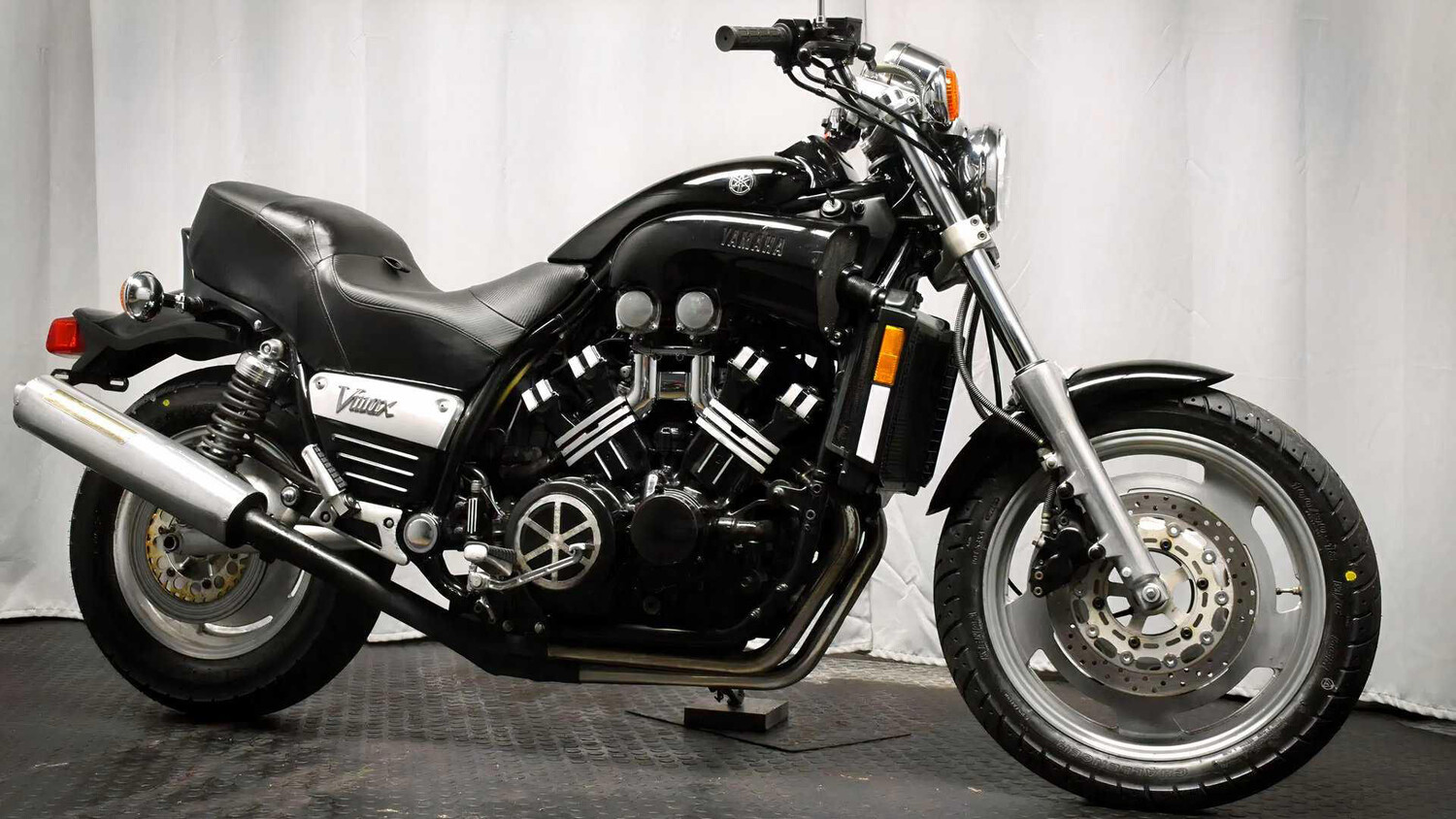
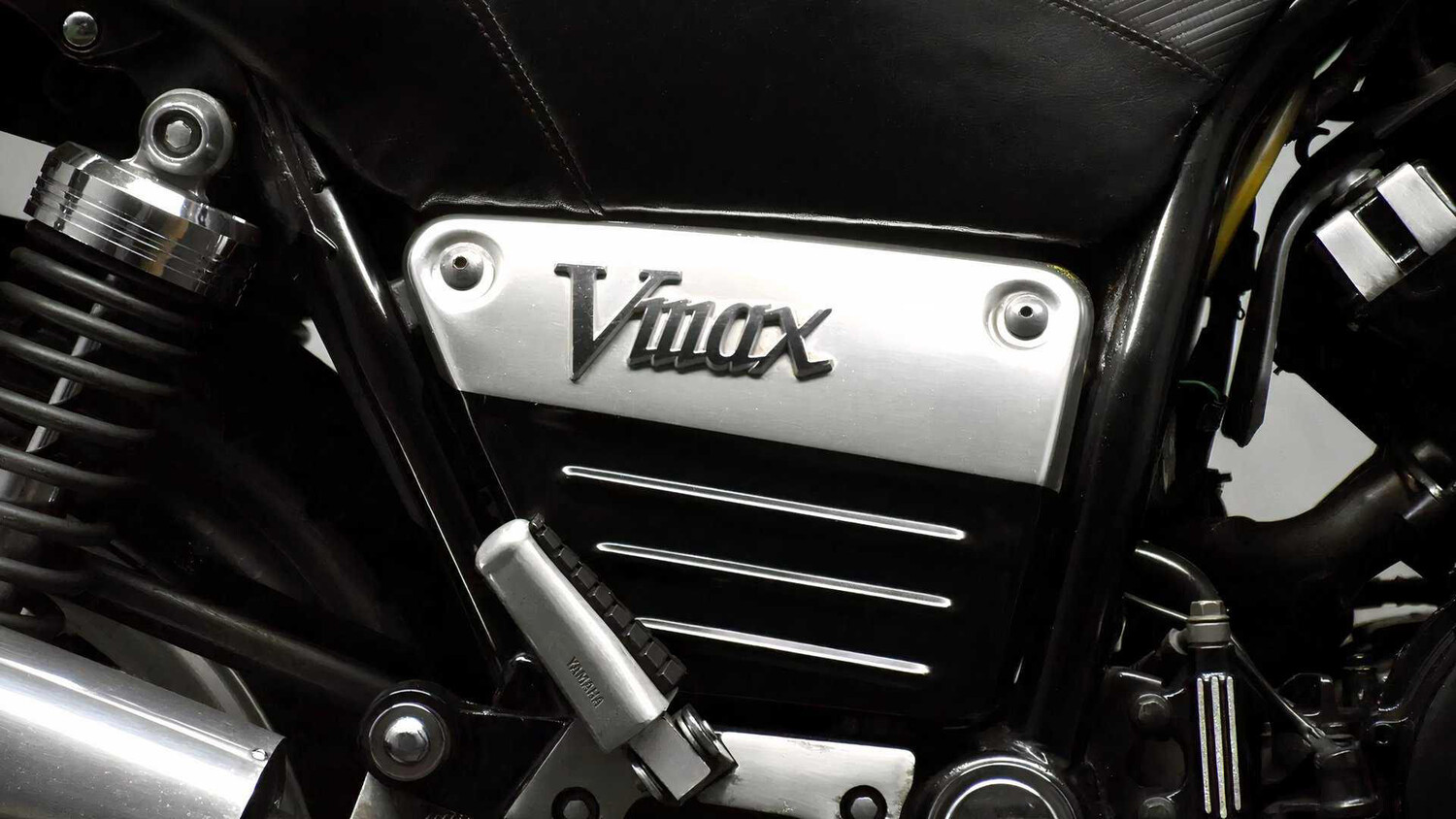
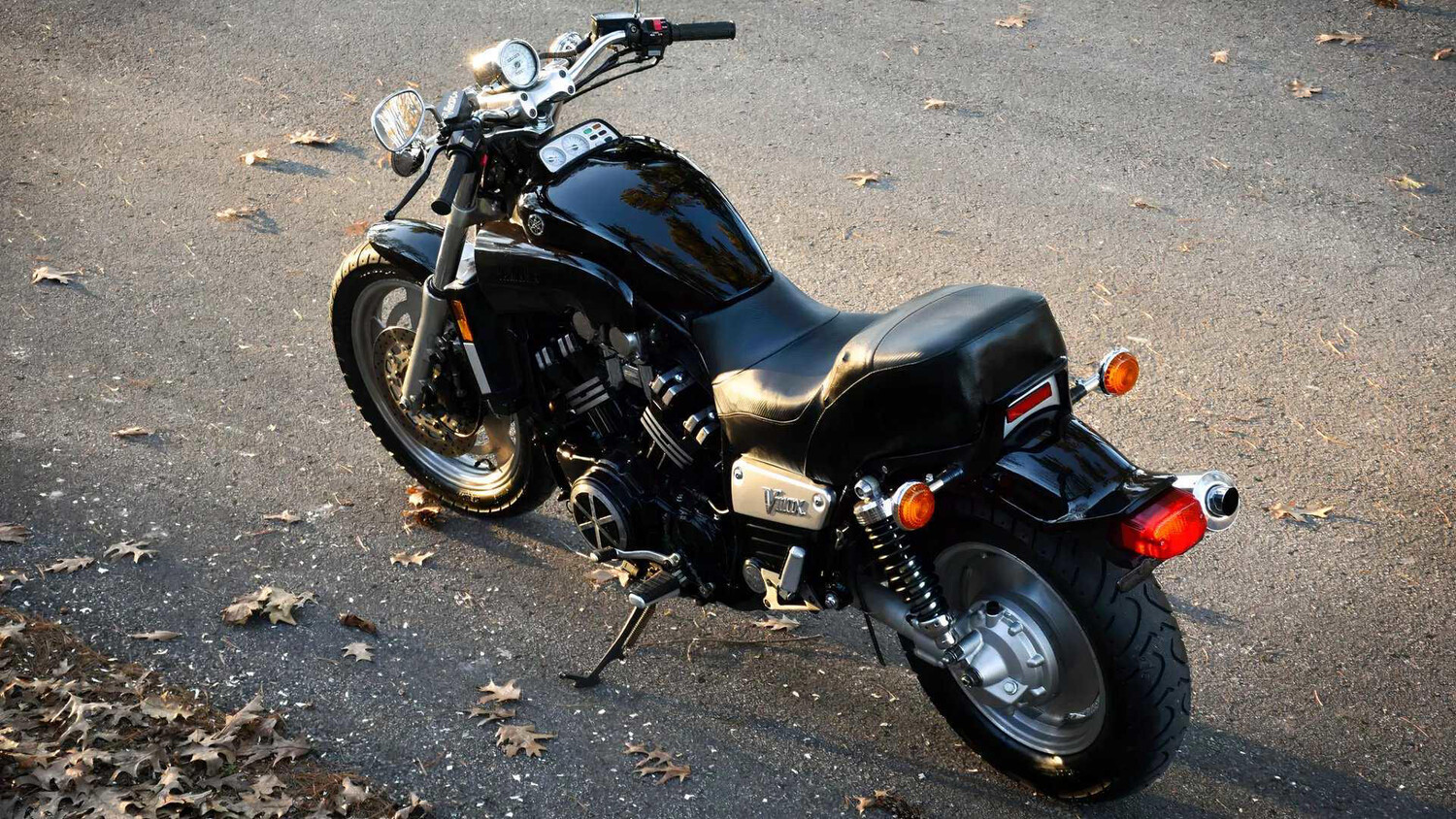
A fair few decades ago, Yamaha built a bike with all the restraint of a lit firecracker in a coffee can. It arrived with a 1,198cc V4, fake side scoops, a dummy tank, and the kind of attitude that made perfect sense to anyone who’d ever admired big-cube muscle car. It looked theatrical because Yamaha wanted it to, and it accelerated like it had been personally offended, because Yamaha wanted that too.That’s why it still sits so well with car people. Its whole personality was built around straight-line violence, visual drama, and a charming lack of interest in being delicate. It came out of Japan, but the idea behind it was heavily shaped by the American market, American drag-racing culture, and a design process that even ran through Yamaha’s Santa Monica office. In other words, this thing may have worn a motorcycle badge, but it thought like a hot rod. The Yamaha V-Max Was Built Like A Quarter-Mile Problem Bring a TrailerDon't be fooled into thinking that Yamaha stumbled into the V-Max by accident. The bike was engineered around power first, manners second, and that order never really changed. Its liquid-cooled, DOHC, 1,198cc V4 was already unusual before you got to the way the V-Max delivered its punch, and in its time, it stood out as a spectacularly brutal machine.That mission shaped the bike’s layout as much as its engine. The fuel tank lived under the seat, while the piece that looked like a tank mostly served as cover for electronics and a place to stage those giant aluminum scoops. Don't let them fool you, either. They looked like ram-air hardware, but they were largely theater, which honestly only makes the V-Max more lovable. Muscle cars have spent decades pretending every bulge, stripe, and scoop is a matter of national importance. The V-Max simply joined the tradition on two wheels.Then there was the riding position and bodywork. A stepped saddle helped keep the rider planted when the throttle got pinned, and the long, low, drag-bike posture made the V-Max look like it was already halfway through a launch even when parked. That visual was key, because this bike sold a feeling before it ever sold a spec sheet. It promised force, swagger, and a little bad judgment, which is pretty much the recipe for any memorable muscle machine. Yamaha Gave The V-Max A Muscle Car Brain Bring a TrailerThe V-Max story gets even better once you look at where the idea came from. Yamaha conceived it largely for the United States, and that wasn’t some vague export strategy. The bike was built with American tastes in mind, at a time when drag racing, hot rods, and big-power street machines still carried serious cultural weight. That’s why the V-Max feels like a deliberate translation of American straight-line obsession into motorcycle form.Lead engineer Akira Araki was refreshingly clear about what he wanted. Recalling illegal bridge-to-bridge street races in Japan, he described the goal as building a bike that was strong in a straight line and seriously fast. It’s the same logic that shaped classic street bruisers from Detroit: make the launch count, make the power obvious, and let somebody else worry about finesse later. It’s a wonderfully immature idea in the best possible way. Adding American Flavor Bring a TrailerThe project also spent time at a design office in Santa Monica, where Araki worked with designers and a Yamaha product planner to develop the concept. That little bit of California in the V-Max’s DNA helps explain why the final machine had so much American flavor despite being built in Japan. V-Boost Was The Big-Cube Trick Bring a TrailerIf the V-Max had one feature that turned the whole thing from quick to completely feral, it was V-Boost. Yamaha linked paired carburetor intakes so that at high rpm, each cylinder could draw from two carbs instead of one. It was a clever way to feed the engine harder when the revs rose, and it gave the bike the kind of step-change in character that performance people adore. Everyone loves a moment when the machine suddenly feels like it found another room in the house.That extra rush arrived at about 6,000 rpm, when V-Boost kicked in and the V4’s attitude sharpened dramatically. Yamaha had already toughened the engine with bigger valves, hotter camshafts, and lighter pistons, so V-Boost was the finishing move. The result was a claimed 145 hp at 8,000 rpm, which was mighty stuff for the era and a big reason the V-Max earned its fearsome reputation. Keeping Your Right Hand Honest Bring a TrailerWhat makes that setup so easy to explain to a car audience is how familiar the philosophy feels. Yamaha took an existing V4 basis, turned it into a performance engine, then added a system that made the power delivery more dramatic and more addictive. It’s the motorcycle equivalent of giving a big engine more air, more cam, and one very good reason to keep your right hand honest. Or dishonest. Depends who’s asking. It Won Hearts By Being Stupidly Unhinged Bring a TrailerThe V-Max became a cult machine because it was exciting in a way that felt slightly irresponsible. Hammer the throttle and the bike storms forward like a rampaging buffalo. That’s hardly the sort of phrase you'd use for a tidy all-rounder. It's more what you'd say when a machine feels alive, a little rowdy, and very interested in rearranging your priorities.The flip side, of course, was that the rest of the bike never quite matched the engine’s appetite. On a curve, the front brake could feel wooden at first and spongy with harder use, and the bars could twitch under load. Even the overall dynamic leaned into the same truth. Open straights were where the V-Max made sense, while hard braking into bends was where it reminded you that this was not a surgeon’s scalpel. That mismatch should have hurt its reputation, but it arguably helped. Outlaw machines rarely get remembered for their composure. Goofy, Brilliant, And A Bit Nuts Bring a TrailerStyling did the rest of the work. The V-Max looked outrageous, and it knew it. The side scoops, dummy tank, stepped saddle, and ducktail rear fender all pushed it further away from sober motorcycle convention and closer to the visual language of automotive excess. Somewhere, a Trans Am was probably nodding in approval.That formula aged surprisingly well. Yamaha didn't seriously overhaul the bike for years, only substantially updating the brakes and suspension in 1993, yet the V-Max still became a cult vehicle across major markets and ultimately lasted until 2008, selling roughly 100,000 units before an all-new model replaced it. All in, the V-Max was goofy, brilliant, and a little bit nuts. Which, come to think of it, is also why muscle cars still matter.