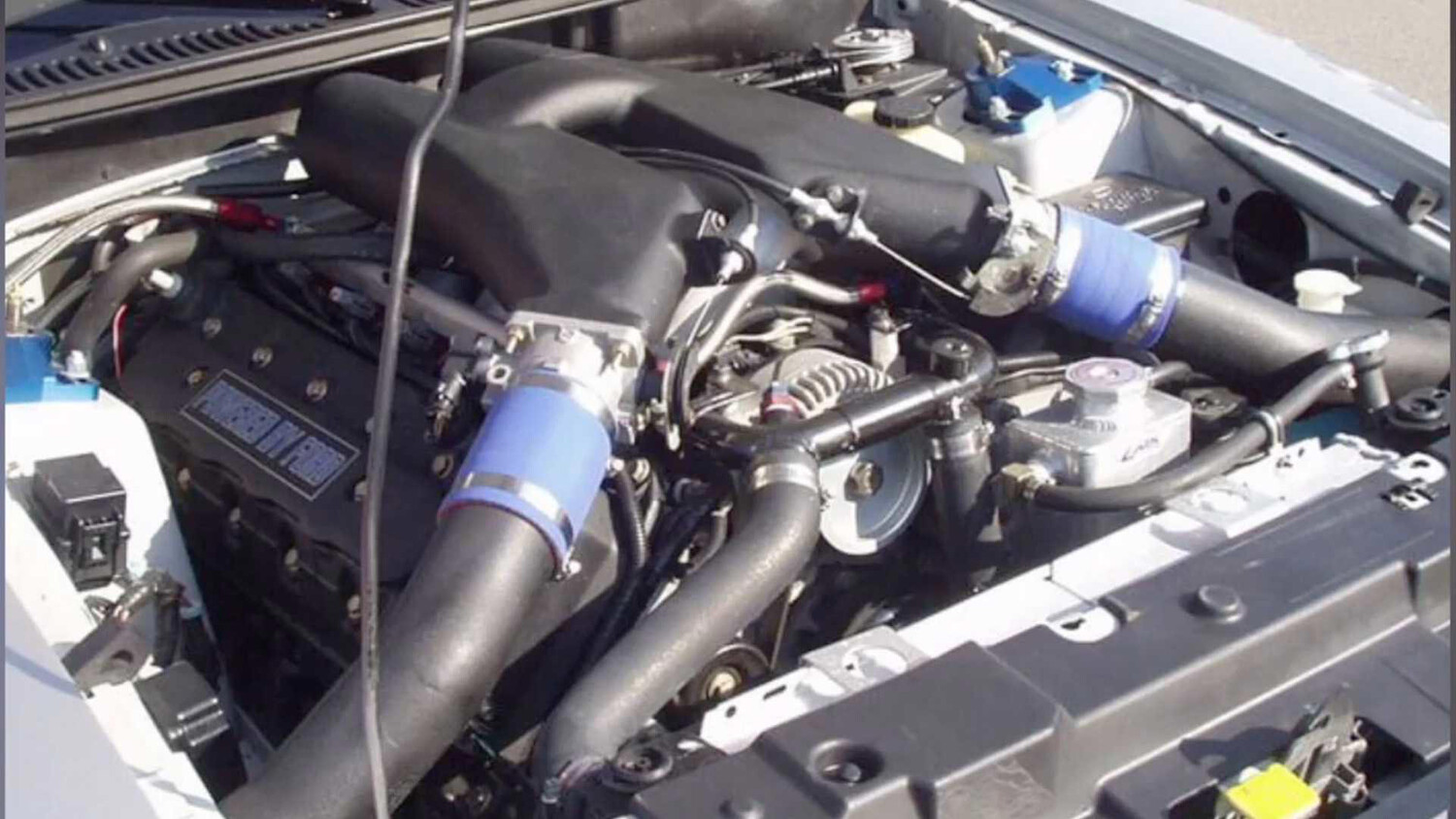
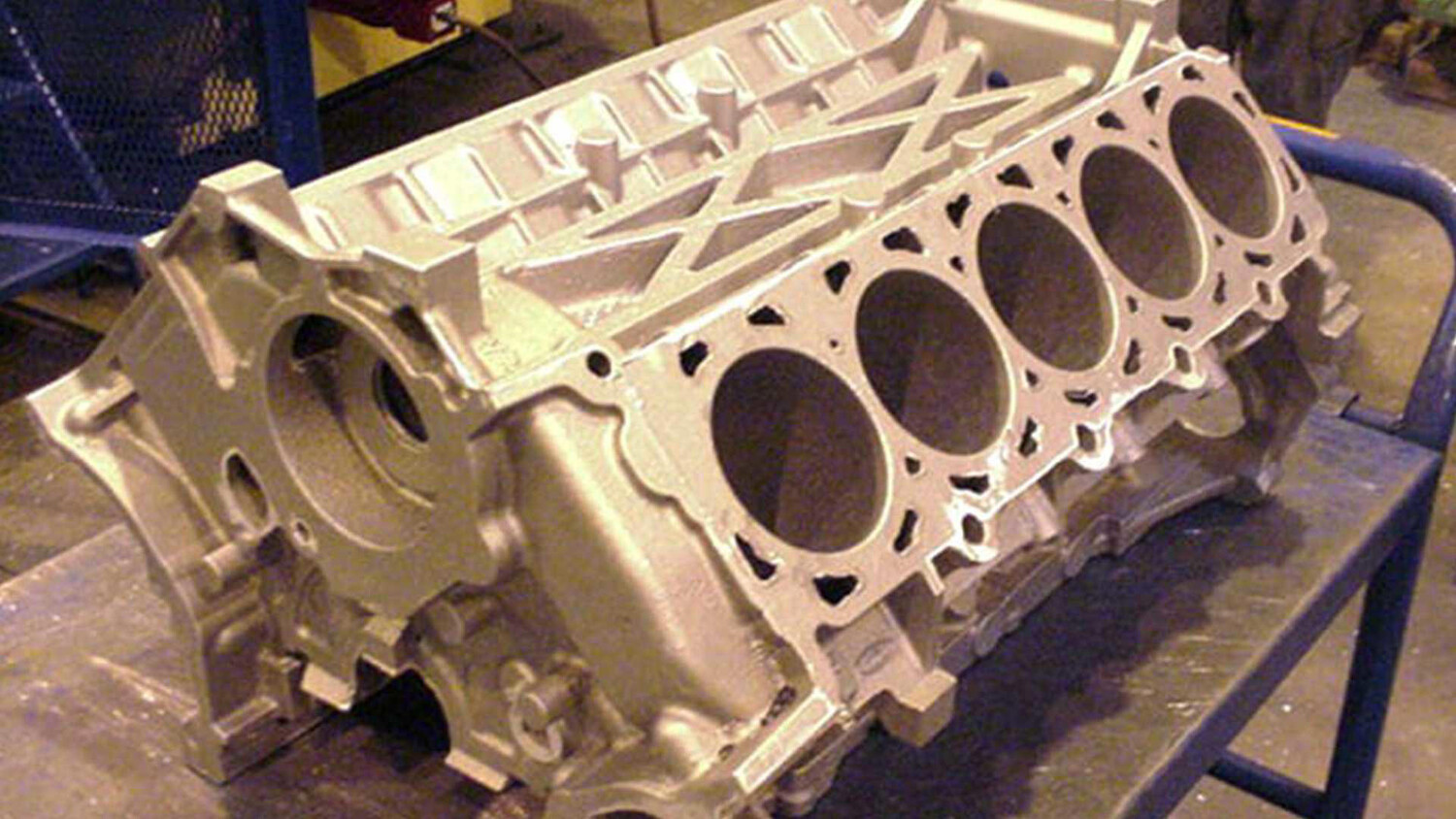
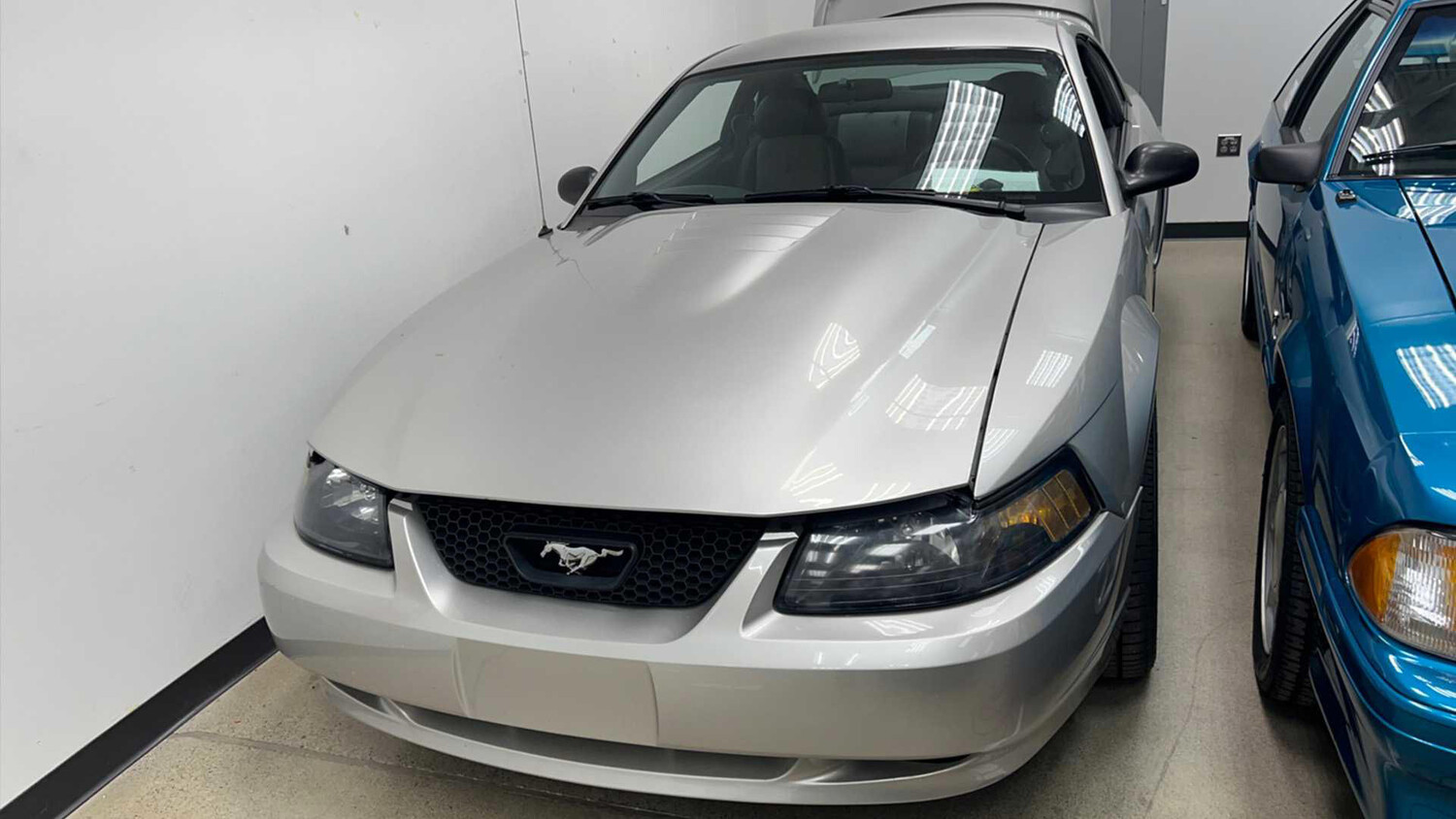
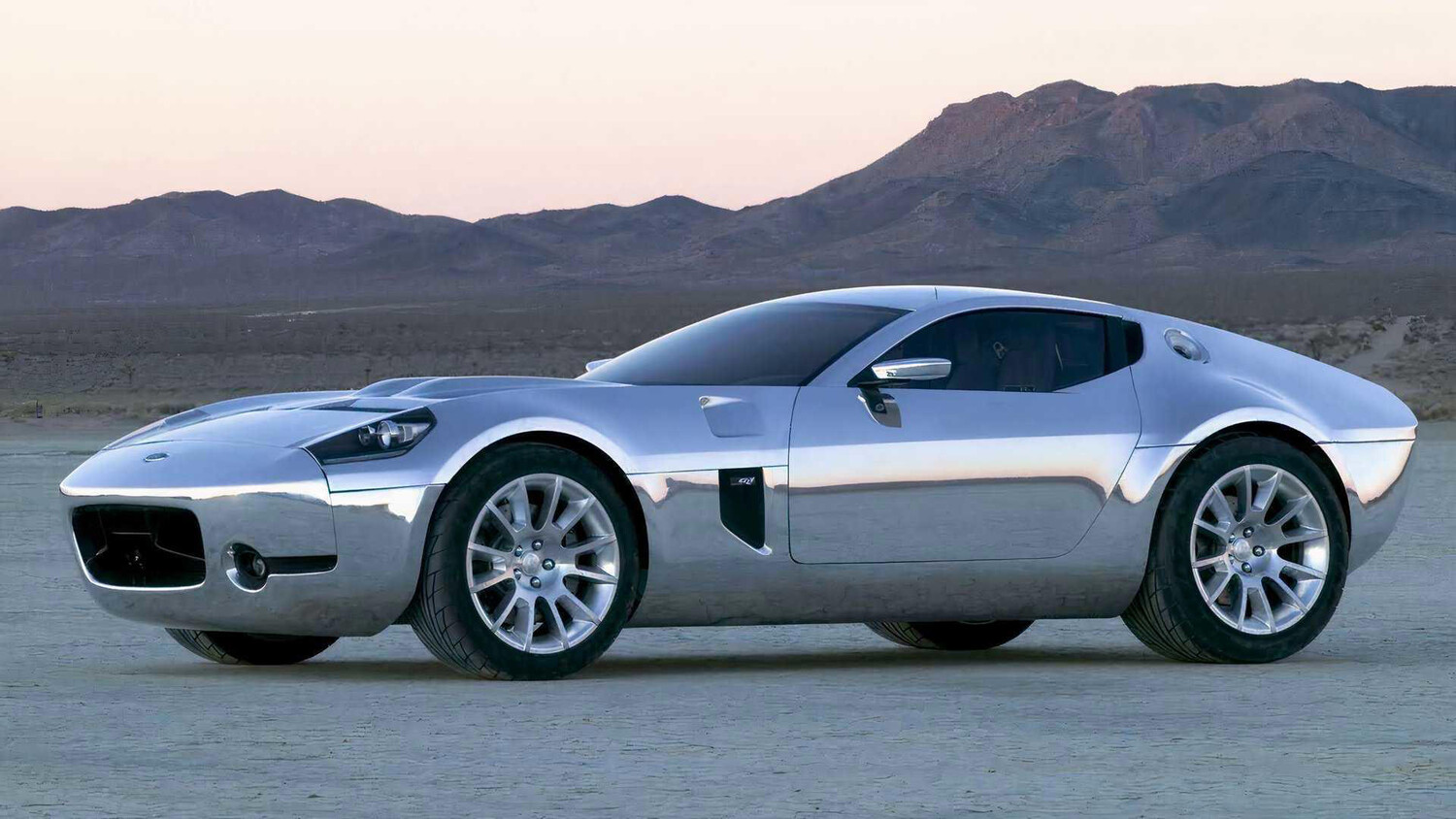
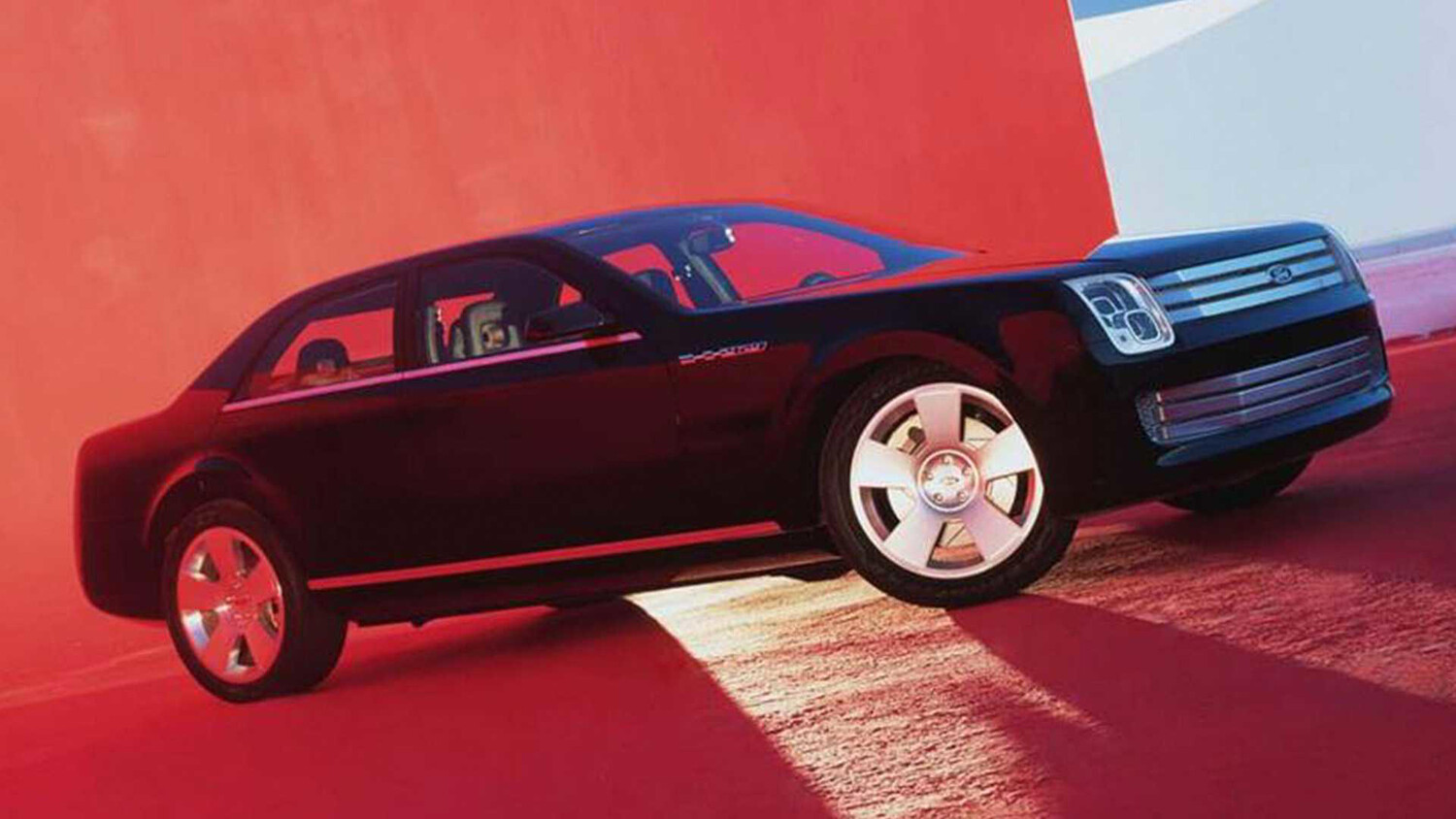
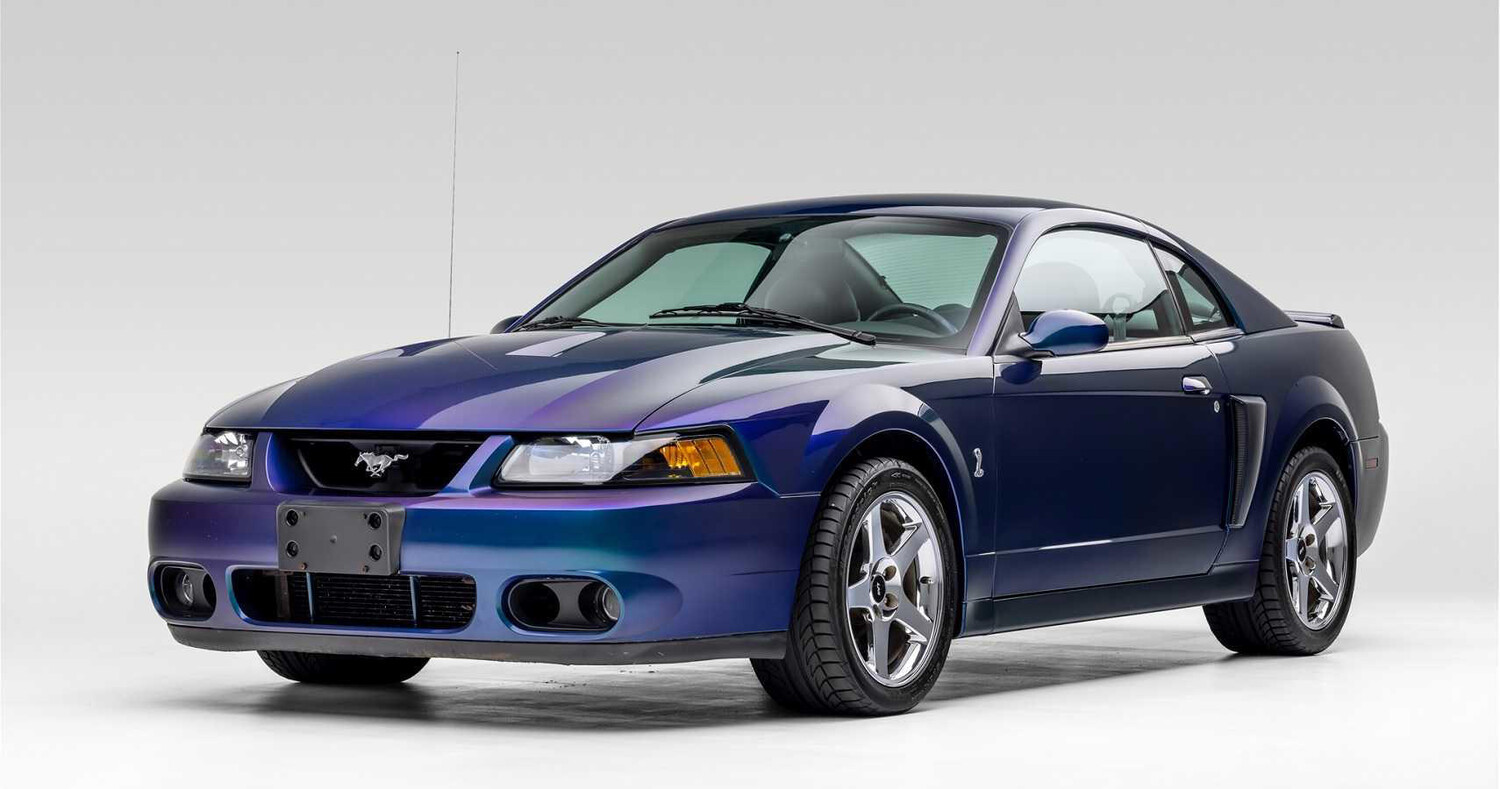
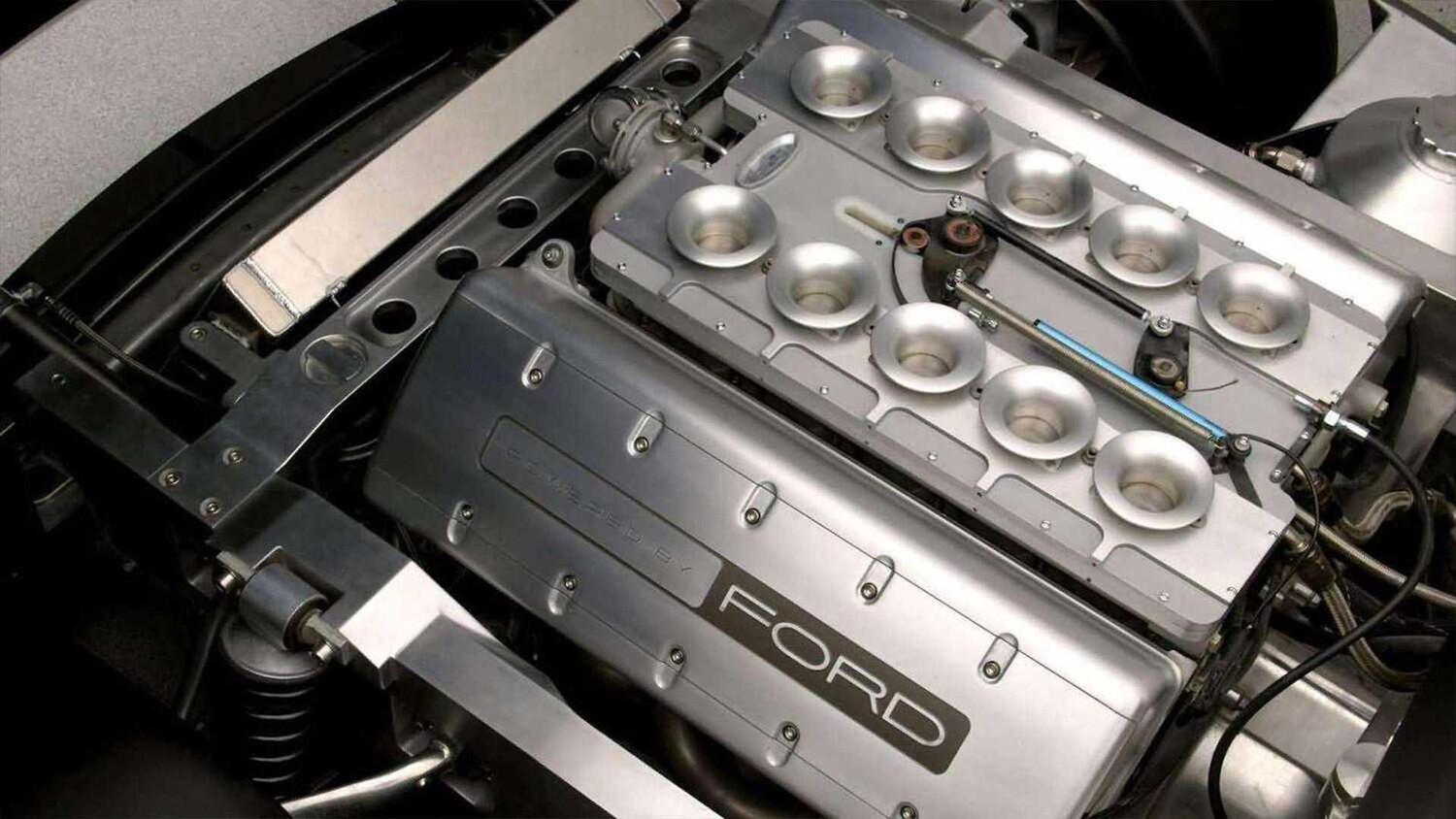
Ford has built legends out of their V8s, from the high-revving Coyote to the Shelby GT500 bruisers. Even the big Triton V10 gave Ford’s trucks a Viper-style flex. Hidden inside that same Modular family sat something far rarer, a secret engine that roared through Mustang culture without ever reaching a showroom.This V10 engine packed serious power, ran deep into the 11s at the drag strip, and sounded unlike anything to roll out of Dearborn. It carried a mission to challenge supercar rivals from Detroit and Europe, backed by SVT-bred engineering. The wild part is that it never powered a production car, and almost nobody really knew it existed. Ford’s Forgotten 5.8-Liter Modular V10 Engine Is Extremely Rare Via: Ford Ford engineers got the idea for a big-bore, high-revving Modular V10 as a way to give the company a naturally aspirated “supercar-ready” engine without starting from scratch. Instead of using the cast-iron V10 from Ford’s trucks (the Triton 6.8), they stretched their familiar 4.6 Modular architecture using the aluminum block and heads, compact short-deck dimensions and added two extra cylinders. The result: an all-aluminium 5.8-liter V10 with a 90-degree layout and a common-pin billet crank. That crank produced an odd-fire 90/54 firing order that gave the engine a distinct rasp, more exotic than any typical Mustang V8.On top, the heads were drawn from the 2000 Cobra R 4-valve DOHC design. The team kept the 3.55-inch bore and 3.54-inch stroke, inheriting nearly all the critical dimensions from the 4.6, keeping internals like Manley H-beam rods, forged pistons at 10:1 compression, and a lightened crank. Ford Mustang 5.8-Liter Modular V10 Specs Via: FordOn paper and on test benches, the 5.8-liter Modular V10 looked legit. It aimed for roughly 500 hp and an estimated 450+ lb-ft of torque. The engine pulled strongly and revved hard to about 7,000 rpm. In real use, the V10 ended up being about 60 pounds lighter than the aluminum-block 5.4 Cobra R, even with two extra cylinders. That weight saving, plus the broad torque curve and high-revving nature, meant this V10 would have outpaced nearly every factory Ford Mustang of its day, but without forced induction, with just a naturally aspirated howl.By building on the existing Modular engine family, including the 4.6 and 5.4, and avoiding the tall-deck 6.8 Triton, Ford’s secret V10 could slot cleanly where V8s live, while delivering muscle worthy of supercar aspirations. The design proved the Modular architecture had more in store than the company ever officially admitted. The Mustang V10 Prototype That Ran 11s And Then Vanished Via: Ford The only known home for the 5.8-liter Modular V10 was a 1999 Mustang GT chopped aside as a test mule, later dubbed internally as the "Mustang Boss 351 V10 Concept." Engineers borrowed a Mustang that had served under the hood of a Cobra R test mule, kept its Tremec T-56 6-speed manual and a Ford 9-inch rear axle, and dropped the V10 straight in with minimal chassis surgery.According to Hot Rod, when the car finally hit the drag strip it turned heads. On Mickey Thompson ET Street slicks, the Mustang laid down an 11.51-second quarter-mile pass at 118 mph, revving into the 7,000 rpm limiter and pulling hard through gears with the torque and sound no V8 could match. On stock-style radial tires, it still cracked the high 12s, which was significantly quicker than the average Mustang GT of the era.Reportedly, the V10 under the hood roared with a distinctive odd-fire growl which was raw enough to rival a Viper V10’s rasp, but with a Modular smoothness. Despite having more weight in the front, road behavior reportedly felt close to a Cobra R, but with a sharper edge, thanks to the massive torque delivery from low RPM. The prototype even received praise from internal test drivers; company leadership got their turn behind the wheel, with the car making rounds on dynos and demonstration runs through Ford facilities. Why This Mustang Never Reached Showrooms Via: Ford The main hurdle was electronics: no production-ready ECU could handle the odd-fire 10-cylinder configuration. The solution was to use two EEC-V computers; one ECU per bank worked for a mule, but was not cost-effective and reliable for a mass-production car. However, Ford opted to pursue forced-induction V8s, and the supercar project that might have carried the V10 forward got finalized around a supercharged 5.4 instead. Tight budgets, stricter emissions rules, and changing market priorities squeezed the V10 project out. The prototype mule survived only because the engineers quietly hid it in garages, preserving what they believed was something special.Even decades later, the Mustang Boss 351 V10 Concept stands as a hidden chapter in Ford history. It was fast, loud, but stands totally forgotten. Ford Nearly Built A Family Of V10 Supercar Engines Via: Ford What started as a one-off 5.8-liter experiment led to a full-blown exploration of Modular V10 supercar powerplants inside Ford’s Advanced Powertrain group. That 5.8-liter V10 mule eventually inspired larger-displacement V10 engines destined for more exotic projects, serving as an early proof-of-concept. Most notably the 6.4-liter V10 that powered the Ford Shelby Cobra Concept and was officially rated at 605 hp and 501 lb-ft of torque, naturally aspirated.Ford The next year that same V10 design language appeared in the Ford Shelby GR-1 concept, underscoring Ford’s ambition to use a modular V10 family across multiple halo projects. Ford saw real potential in scaling the Modular architecture, particularly for low-volume halo cars where cost, emissions compliance, and NVH constraints were less restrictive than mass production. The 5.8 V10 used 4.6-based spacing and aluminum internals, which kept weight down while retaining high-rev capability.The 6.4 and even 7.0-liter versions followed the same philosophy: big-bore, short-stroke, aluminum heads, dry-sump lubrication and high rev ceilings. Engineers built these as low-volume engines under the Romeo Niche Line concept; a cost-contained way to produce premium performance engines for speciality builds.Via: Ford Ford's V10 Concepts 5.8 V10: Mustang Boss 351 V10 Concept mule – 500 hp 6.4 V10: Shelby Cobra Concept / GR-1 – 605 hp, 501 lb-ft 7.0 V10: Ford 427 Concept – roughly 590–605 hp (depending on spec) These performance V10s shared no major components with the tall-deck 6.8 Triton truck V10. Ford leveraged the existing Modular engine design elements like bore spacing, head casting tooling, intake and accessory mounts. They effectively demonstrated how a V10 family could provide supercar-grade output without needing a full clean-sheet program. The existence of multiple concept cars using this engine architecture makes the 5.8-liter prototype not just a “what-if” but the cornerstone of a serious performance vision that nearly became reality. The 5.8-liter V10 Could Have Changed Ford’s Performance Future Bring a Trailer When you compare the 5.8 V10 to the 2003–2004 Ford Mustang SVT Cobra (Terminator), the differences are striking. The V10’s all-aluminium block, high-revving DOHC 40-valve heads, and naturally aspirated broad torque curve would have given Mustang fans a factory-built engine with far more than just more cylinders and a richer exhaust note. It was less complex than using forced induction.The V10’s better weight bias (lighter engine than an equivalent iron block) and smoother power delivery at high RPM could have redefined what a Mustang could be. Add the rev limit around 7,000 rpm and estimated 500 hp output, and this V10 offered a genuine naturally aspirated supercar feel in pony car skin.Via: Ford What stopped it from going further wasn’t performance, but timing and corporate direction. When budgets tightened and emissions rules pressed harder, the 5.8 V10 ended up on the chopping block. The prototype mule was spared only because engineers quietly archived it rather than recycling it. Enthusiasts still talk about it today because it remains a rare example of what might have been: a V10 Mustang that could reshape Ford’s performance legacy. If The Mustang Got A V10, What Else May Have Followed? A high-output V8 or V10 halo for future Mustang GT500 models Track-ready V10 Mustangs with lighter noses and sharper cornering Broader performance branding under Ford Performance using a truly distinct engine lineage Modern Mustang fans still cling to the thought: if Ford had committed to the Modular V10, the GT, the Cobra, even the GR-1 may have carried forward its legacy. Only a handful of people actually heard that engine sing at full chat.Sources: Ford, Hot Rod, SAE