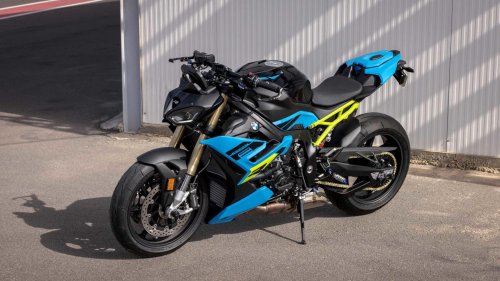
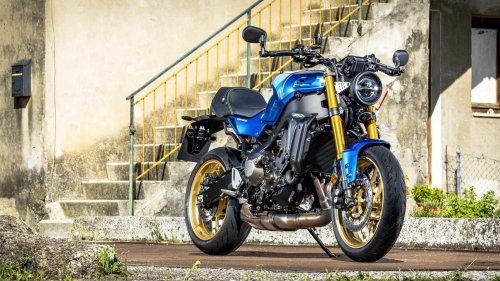
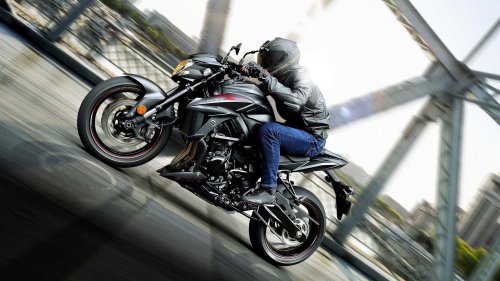
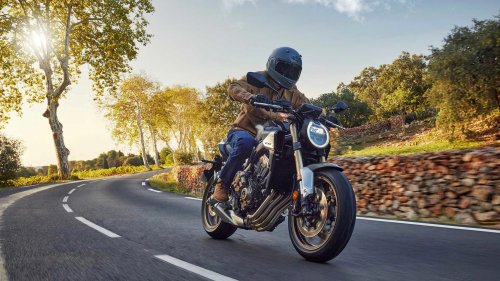
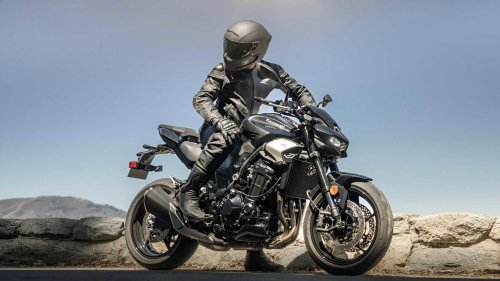
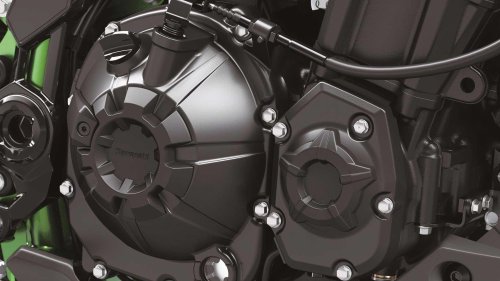
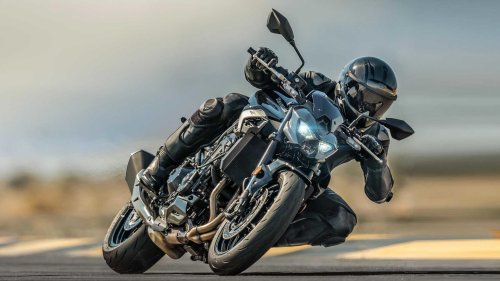
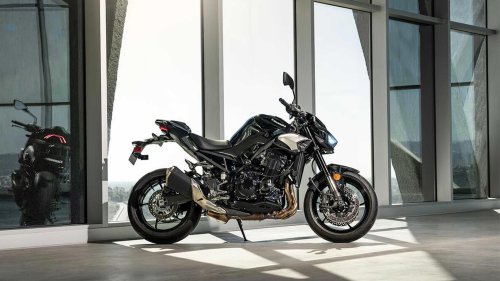
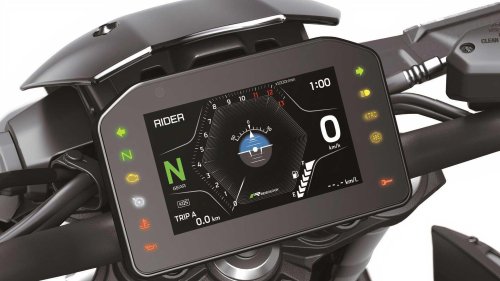



















There was a time when inline-four naked bikes sat firmly in the “if you know, you know” tier of motorcycling. These weren’t entry points or even stepping stones. They were stripped-down versions of flagship superbikes, often carrying over high-strung engines, premium components, and price tags that made you pause. If you wanted that signature inline-four scream and top-end rush, you had to pay for it, and you had to be ready to handle it. Big Power Often Comes With Big Trade-Offs BMW Those early naked inline-fours weren’t exactly friendly, either. You got serious horsepower, but also weight, heat, and a riding experience that could feel overwhelming in everyday situations. Low-speed fueling could be snatchy, ergonomics leaned aggressive, and insurance plus maintenance costs weren’t exactly beginner-friendly. They made sense on fast roads and track days, but for commuting or weekend rides, they often felt like too much bike for not enough real-world payoff.And that mismatch became more obvious the more people actually lived with these bikes. Sitting in traffic, dealing with heat soak, or trying to ride smoothly at low speeds highlighted just how compromised they could be outside of ideal conditions. Even experienced riders found themselves dialing things back, not because the bike couldn’t deliver, but because it wasn’t always enjoyable to use all that performance. It created this gap where the capability was there on paper, but in daily riding, you were only ever tapping into a fraction of it. The Middleweight Class Gradually Took Over Yamaha As the market matured, riders started asking a different question. Instead of chasing the biggest numbers, they wanted bikes that were fast where it actually mattered. That's where the middleweight naked segment began to rise, with bikes in the 700cc to 900cc range stepping in to fill the gap between beginner machines and full-blown liter bikes.What made this shift stick is how those bikes actually felt on the road. You didn’t need to rev them to the moon or ride like you were chasing lap times just to have fun. They delivered usable thrust right where you live most of the time, in the midrange, with chassis setups that felt lighter, more flickable, and less intimidating in traffic or tight corners. For a lot of riders, that meant more confidence, more time on the bike, and ironically, more real-world speed. It wasn’t about giving up performance, it was about accessing more of it, more often. Real-World Performance Started To Matter More Than Peak Numbers Suzuki What really shifted things was the focus on usable performance. Midrange torque became more important than peak horsepower, and lighter chassis setups made bikes feel quicker and more engaging even if the spec sheet said otherwise. Riders realized that a well-tuned middleweight could feel just as exciting on the street as aliter bike, without the intimidation factor. This shift opened the door for bikes that delivered strong performance without demanding expert-level commitment. This Is Where Japanese Brands Got It Right HondaJapanese manufacturers saw this shift coming and leaned into it hard. Instead of detuning old superbike engines or building watered-down versions of flagship machines, they developed purpose-built middleweight platforms that balanced performance, cost, and usability. The result was a new breed of naked bikes that felt refined, fast, and accessible all at once. They kept the soul of high-revving inline-fours alive, but packaged it in a way that made sense for everyday riders.And you can see that philosophy in how these bikes are engineered from the ground up. The engines aren’t just chopped-down superbike units, they’re tuned for smoother fueling, stronger midrange, and less heat, which makes a huge difference in daily riding. The chassis geometry is more forgiving, the ergonomics are more upright, and maintenance doesn’t feel like a commitment you have to plan your life around. It’s a smarter kind of performance, one that still gives you that rush when you want it, but doesn’t punish you the rest of the time. The Kawasaki Z900 Is A Budget-Friendly Inline-Four With Serious Performance Kawasaki Right in the middle of that movement sits the Kawasaki Z900, a bike that feels like it shouldn’t exist at its price point. It runs a 948cc inline-four engine that produces around 125 horsepower and 74 pound-feet of torque. That puts it fairly close to liter-bike territory in terms of output, yet it’s positioned as a middleweight naked. It’s quick, it’s responsive, and it delivers that unmistakable inline-four character without the financial sting usually associated with it. The Engine That Defines The Experience Kawasaki The heart of the Z900 is what makes it special. The 948cc inline-four is tuned for strong midrange performance, but it still pulls hard all the way to redline. Power delivery is smooth and linear, which makes it approachable, but there’s enough urgency when you twist the throttle to remind you that this isn’t a beginner bike. It’s the kind of engine that feels alive without being unpredictable, giving you confidence to push harder without punishing mistakes. Built To Be Fast, But Easy To Live With Kawasaki What makes the Z900 even more compelling is how manageable it feels. The ergonomics are upright and neutral, with a seat height of around 32.3 inches that works for a wide range of riders. Wet weight sits at approximately 467 pounds, which is reasonable given the engine size. The bike feels planted without being heavy, and the throttle response is tuned in a way that doesn’t intimidate. It’s fast, but it doesn’t demand constant attention just to keep things under control. Easy-Going Underpinnings And Dimensions Kawasaki Underneath all that performance is a chassis that’s designed to be approachable. The Z900 uses a high-tensile steel trellis frame paired with a 41 mm inverted front fork and a horizontal back-link rear suspension. Wheelbase measures 57.1 inches, which helps strike a balance between stability and agility. Braking duties are handled by dual 300 mm discs up front with four-piston calipers, offering strong stopping power without feeling overly aggressive. Modern Tech Without Overcomplicating Things KawasakiKawasaki keeps the electronics suite straightforward but effective. You get traction control, multiple riding modes, and a full-color TFT display with smartphone connectivity depending on the variant. It’s enough to enhance safety and usability without turning the bike into a tech-heavy experience. The controls are intuitive, and nothing feels buried under layers of menus, which keeps the focus where it should be, on the ride itself.What really stands out is how the tech feels like it’s working with you, not trying to impress you. The traction control steps in smoothly when you need it, ride modes actually change the character of the bike in a noticeable way, and the TFT display gives you everything at a glance without overwhelming you with data. It’s the kind of setup you can just hop on and understand within minutes, which matters more than having a long list of features you’ll rarely use. In a segment where some bikes lean too far into complexity, the Z900 keeps things refreshingly rider-focused. Strong MSRP For A Near-Liter-Class Naked Bike What really seals the deal is the pricing. The Z900 consistently undercuts many of its rivals while offering comparable performance. It starts at around $9,999, which is significantly less than many liter-class naked bikes and even somepremium middleweights. That kind of pricing puts a high-performance inline-four within reach of a much wider audience.For riders who want the sound, feel, and performance of an inline-four without stepping into full liter-bike territory, the Z900 hits a rare sweet spot. It delivers big-bike thrills in a package that’s easier to ride, easier to own, and easier to justify.Source: Kawasaki