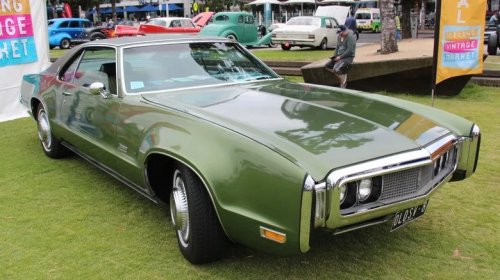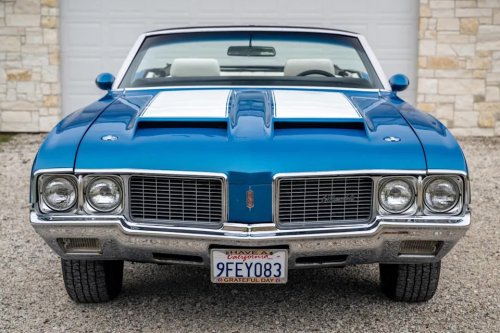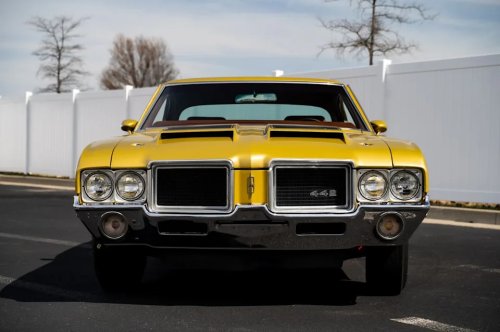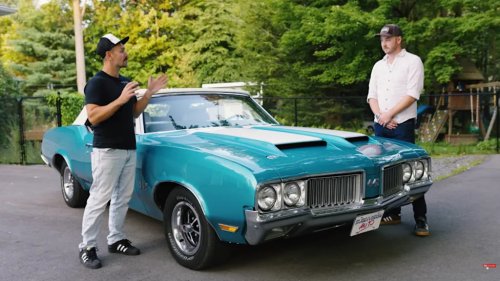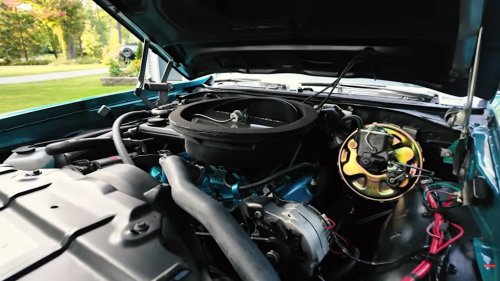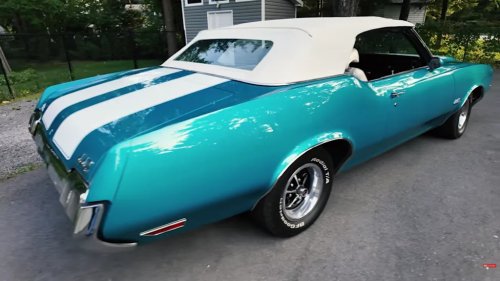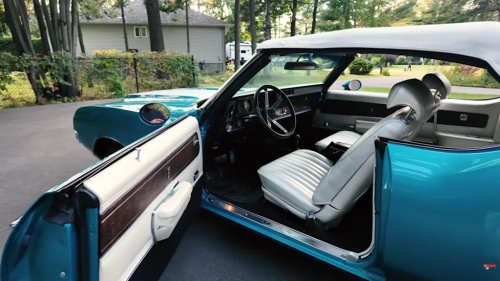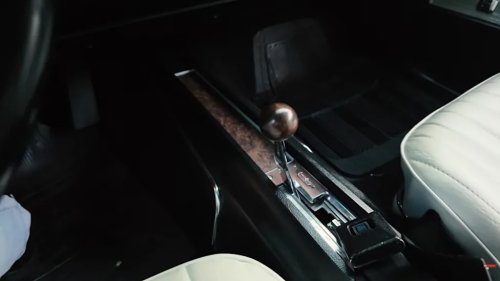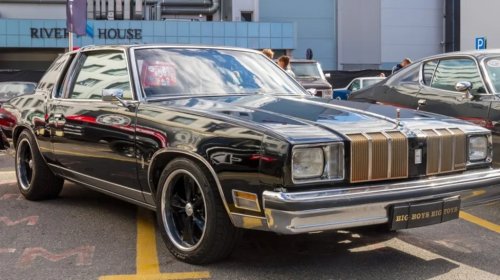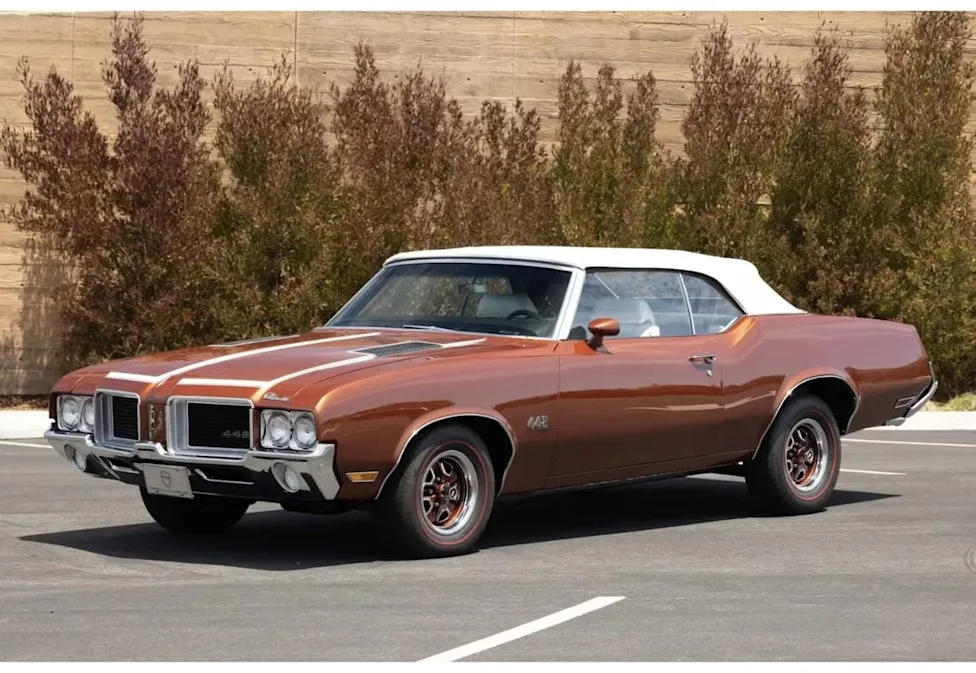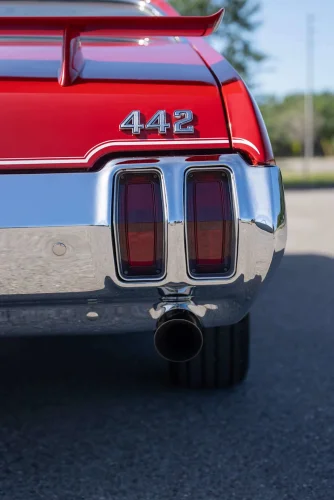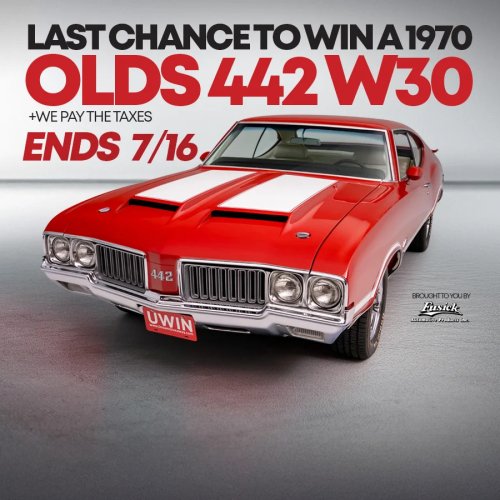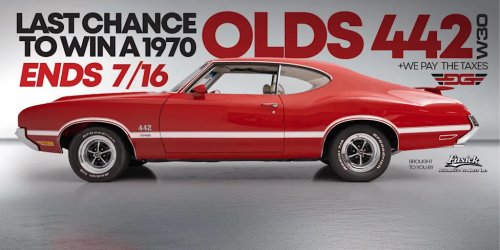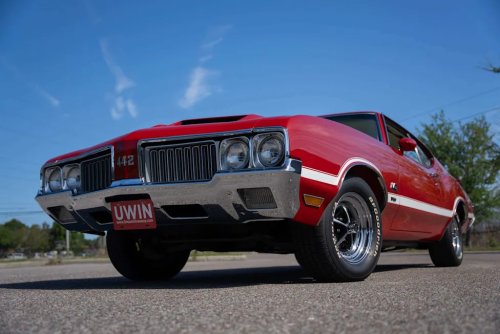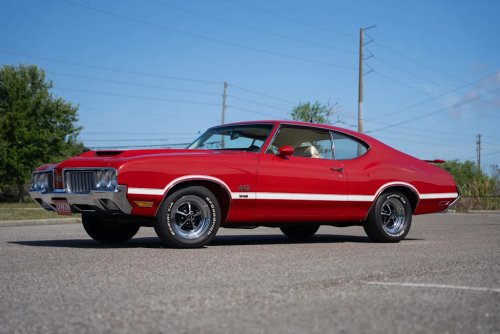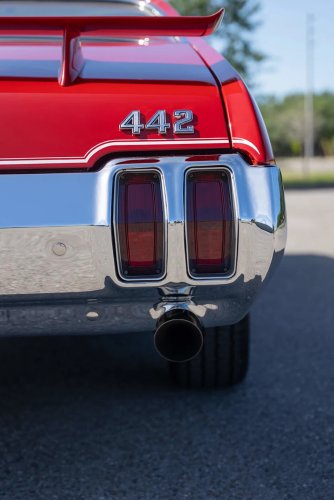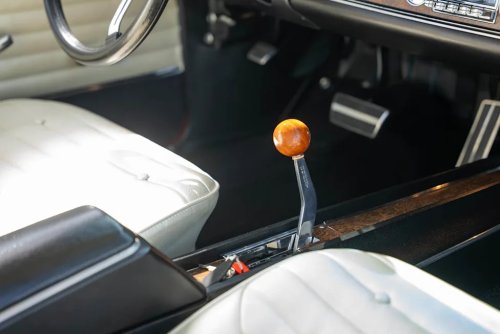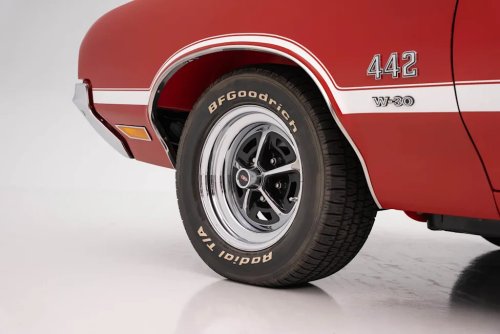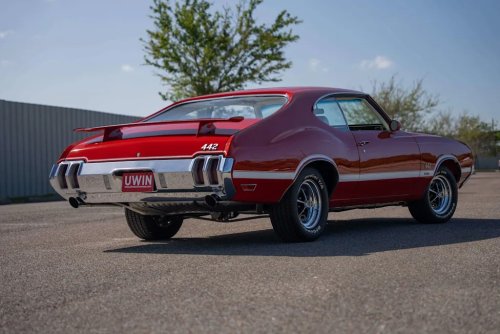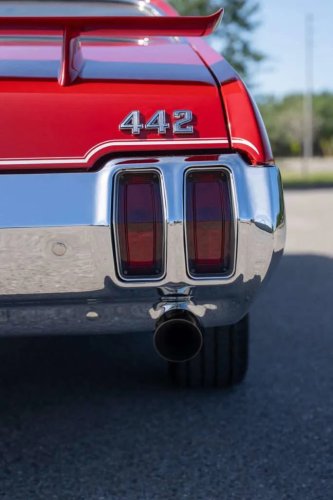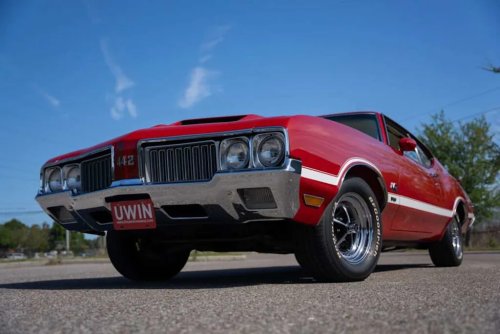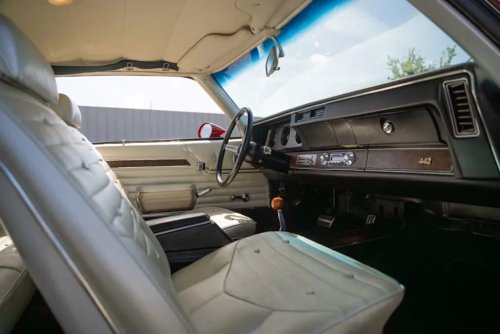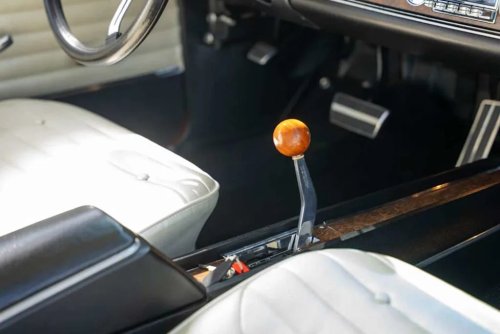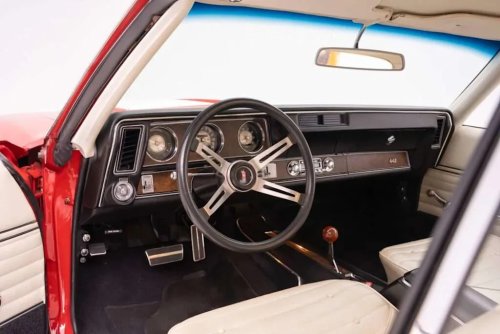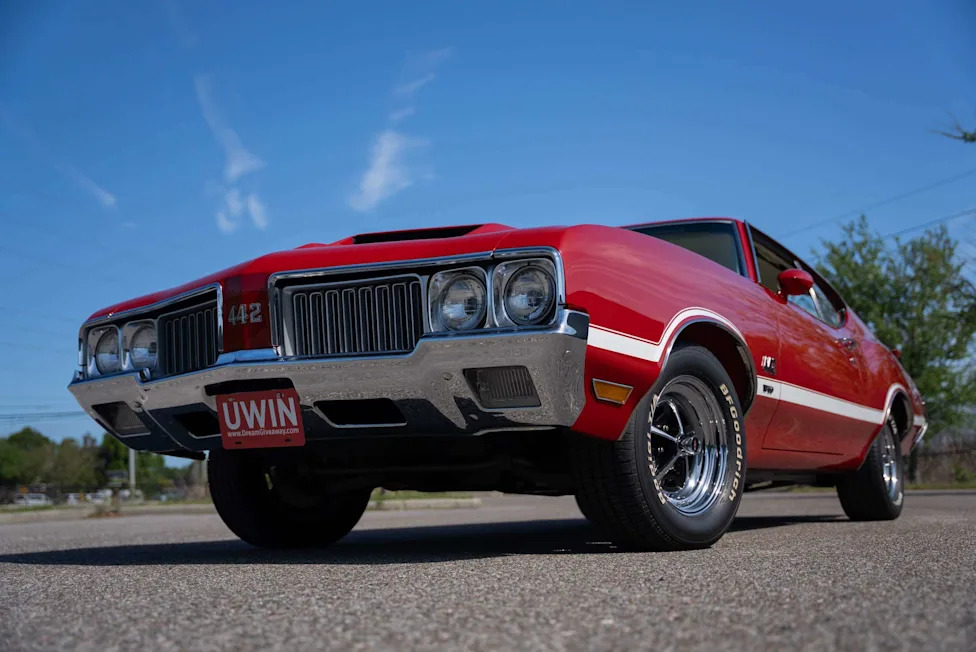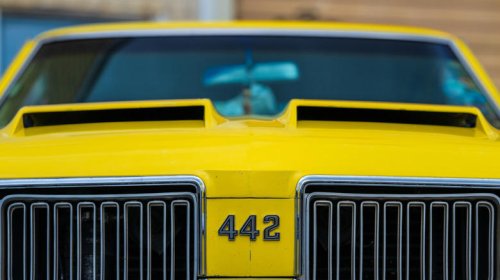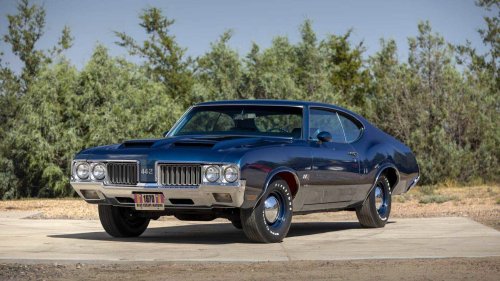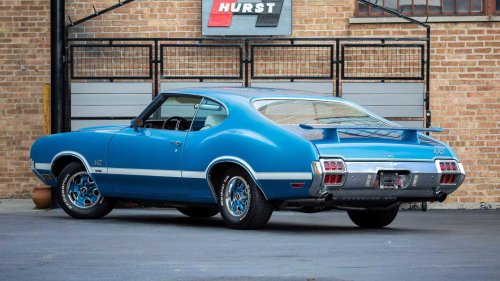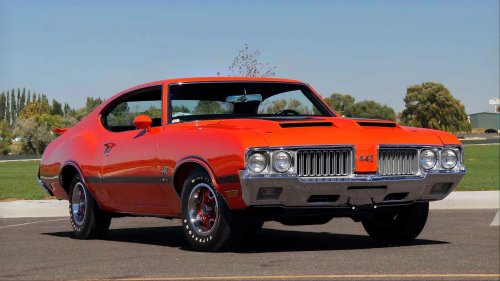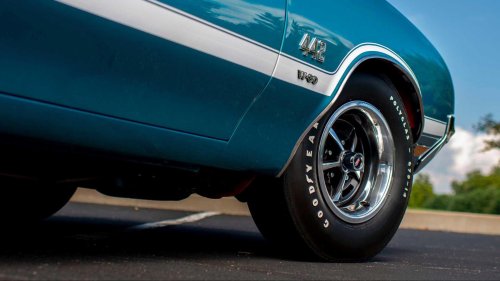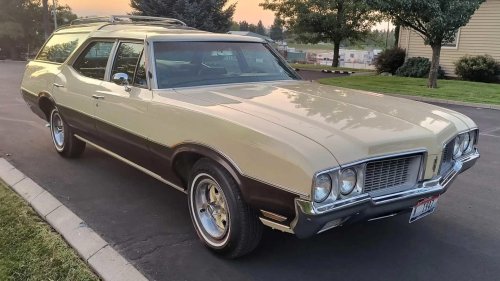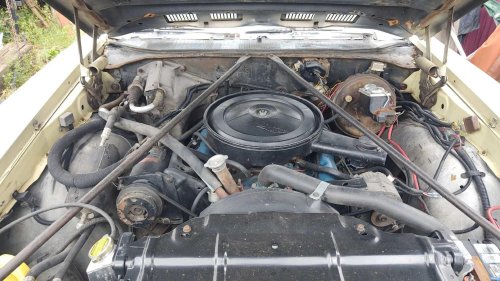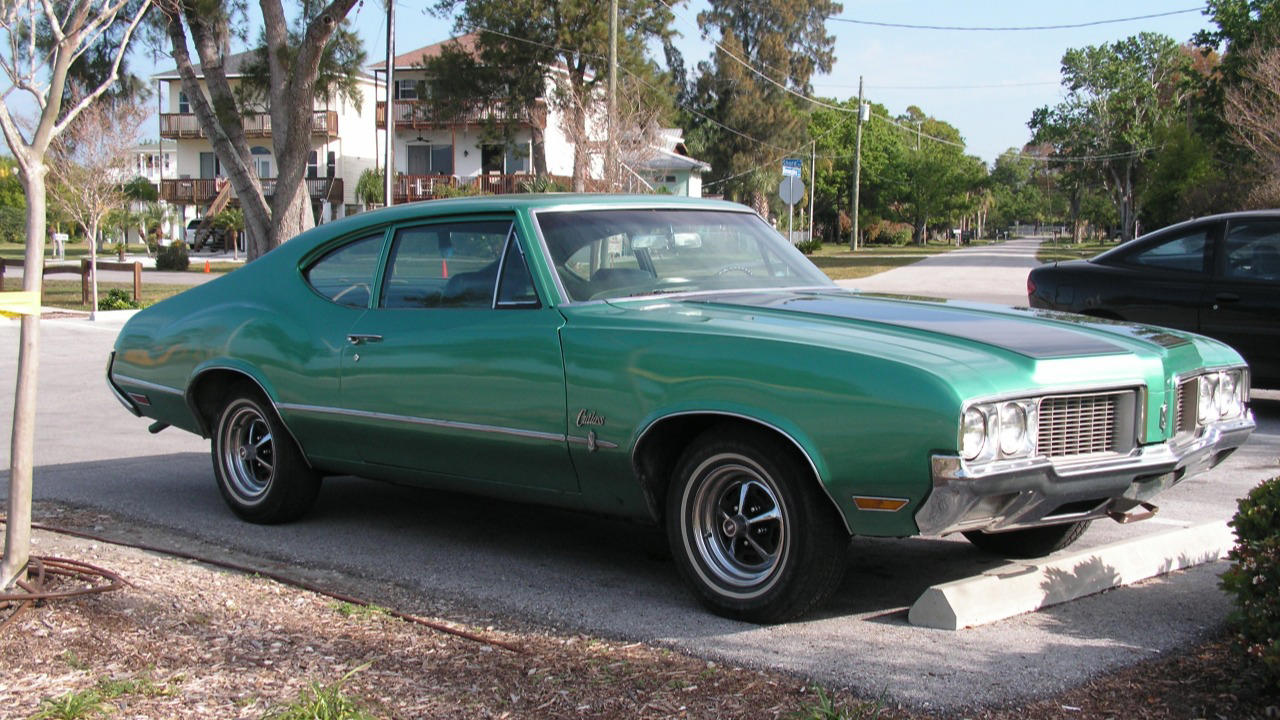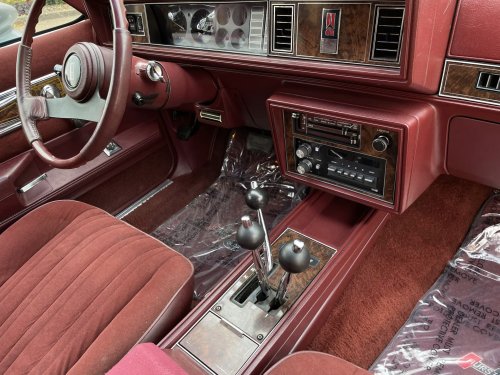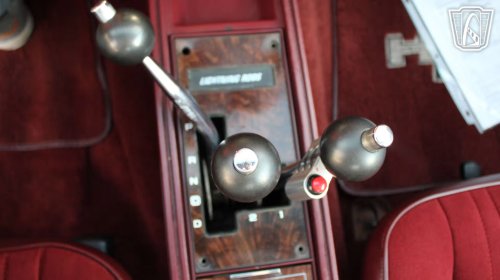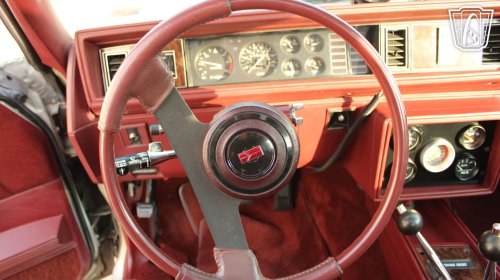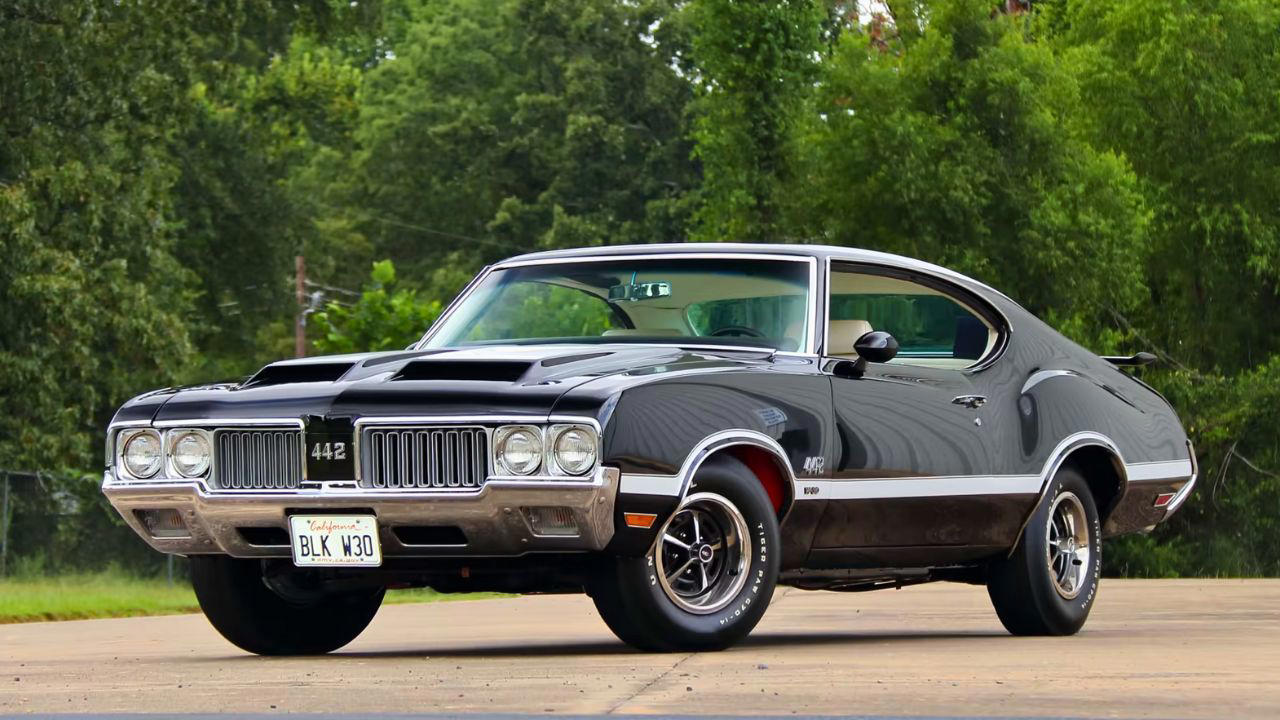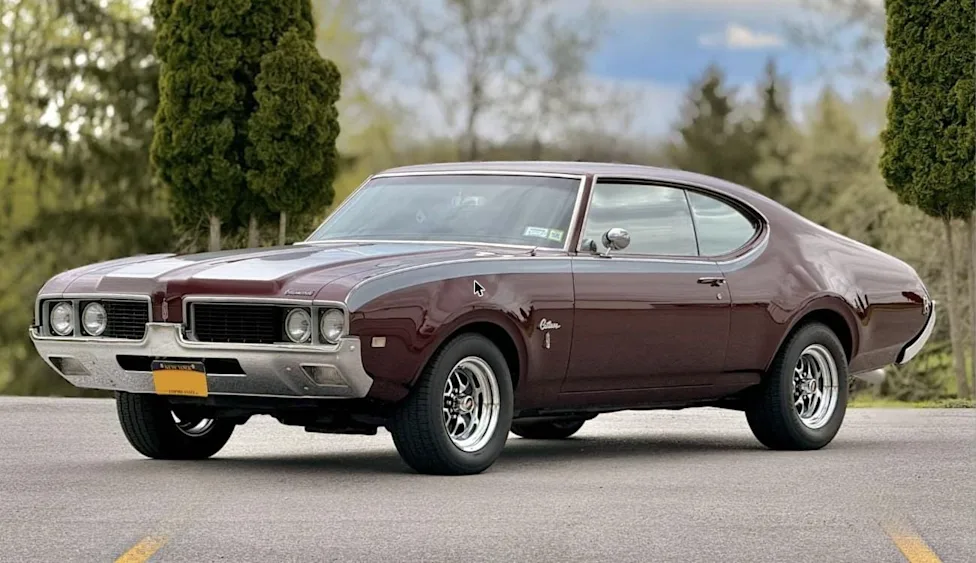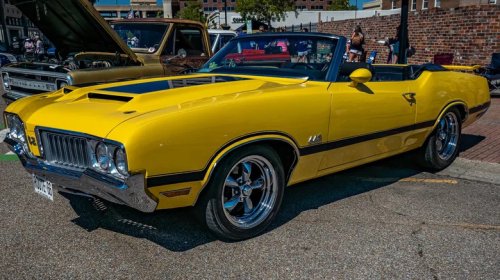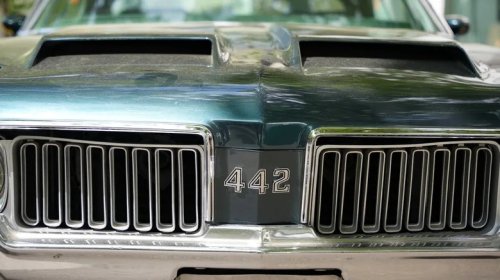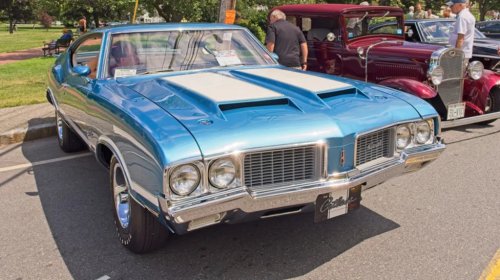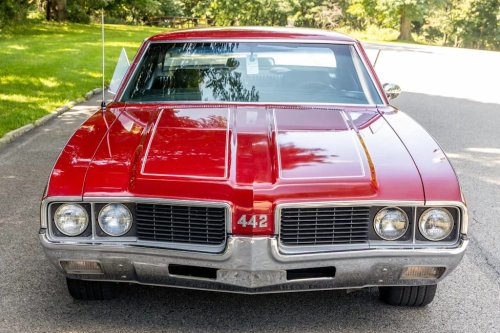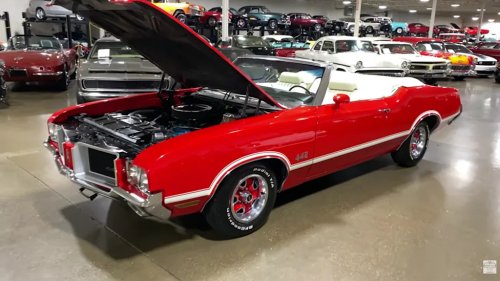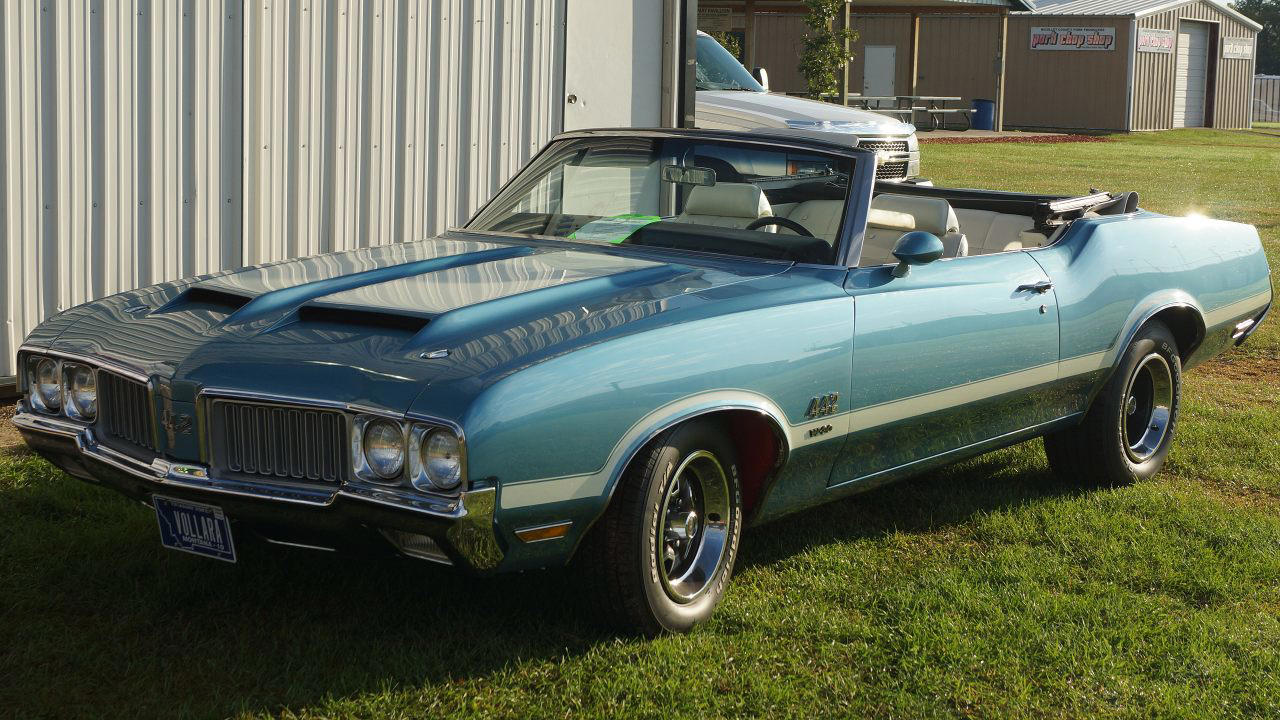



















Oldsmobile’s 1970 442 W-30 backed its name with serious big-block performanceOldsmobile’s 1970 442 W-30 arrived at the peak of Detroit’s horsepower wars with the attitude to match its name. Built around a thundering big-block V8 and a carefully curated package of drag-strip hardware, it turned a comfortable A-body coupe into one of the most serious street machines of its era. More than five decades later, collectors still treat the W-30 badge as shorthand for factory-built performance that did not need aftermarket help to dominate. What happened By 1970, Oldsmobile had already transformed the 442 from a trim package into a standalone model, and the W-30 option pushed that foundation into specialist territory. The core of the package was a 455 cubic inch V8 with a hotter camshaft, higher compression, and freer-breathing induction and exhaust compared with the standard 442 engine. Period factory ratings put output at 370 horsepower and 500 pound-feet of torque, figures that were impressive on paper and conservative in real-world testing. The W-30 was not just about raw displacement. Engineers specified a distinctive fiberglass hood with twin scoops feeding a functional cold-air system that sealed to the air cleaner. At speed, the setup delivered cooler, denser air to the big-block, a measurable advantage in both power and consistency during repeated runs. Many cars also received low-restriction exhaust components that helped the 455 pull hard through the upper midrange, where quarter-mile sprints are won or lost. Underneath, the 1970 442 W-30 combined that power with a chassis tuned for traction. Buyers could pair the engine with a close-ratio four-speed manual or a heavy-duty automatic, both backed by stout rear axles with aggressive final-drive ratios. Limited-slip differentials, reinforced driveshafts, and heavy-duty cooling hardware turned the Oldsmobile into a car that could survive repeated hard launches without complaint. Suspension tuning leaned toward firm springs and performance shocks, with front and rear anti-roll bars that kept the A-body platform flatter in corners than its luxury image suggested. Visual cues made sure the W-30 did not hide its intentions. The red plastic inner fenders that became a signature of the package stood out when the hood was open, while stripes, specific badges, and optional rear spoilers signaled that this was more than a standard 442. Inside, the car blended performance and comfort, with available bucket seats, a console-mounted shifter, and full instrumentation that included a prominent tachometer. Oldsmobile pitched the car as a muscle machine that could still serve as a refined daily driver, a contrast to more stripped-down rivals. Production volumes for the 1970 W-30 remained relatively low compared with mainstream Oldsmobile models, which has become part of its modern appeal. Limited build numbers, combined with the car’s reputation at the drag strip, helped cement the W-30 as a halo variant. Surviving examples with original drivetrains, correct induction hardware, and documentation now occupy a rarefied corner of the muscle car market, especially when ordered with desirable combinations such as a four-speed transmission and performance axle ratios. The car’s competitive context sharpened its image. Pontiac’s GTO Judge, Chevrolet’s Chevelle SS 454, and Buick’s GS Stage 1 all chased the same buyers who wanted full-size comfort with quarter-mile bragging rights. Within that crowded field, the 1970 442 W-30 distinguished itself as a more understated but no less capable alternative, a car that looked at home in a corporate parking lot but could still run with the loudest, most flamboyant rivals. That contrast continues to shape how enthusiasts talk about the car today. Modern comparisons often place the 1970 Oldsmobile 442 W-30 alongside icons like the 1969 Pontiac GTO Judge when asking which classic muscle machine represents the better long-term buy, a debate that highlights just how seriously collectors now regard the Oldsmobile package and its specific blend of performance and refinement. One such comparison of the GTO Judge and underscores how closely matched these cars remain in both performance lore and collector interest. Why it matters The 1970 442 W-30 matters today because it captured the moment when Detroit’s muscle car formula reached its most polished form before emissions rules, insurance pressures, and changing tastes began to erode the segment. Oldsmobile, often viewed as a conservative, middle-of-the-road brand, used the W-30 to prove that it could build a car with the same raw capability as anything from Pontiac, Chevrolet, or Dodge. That shift in perception still shapes how enthusiasts see the brand’s legacy. From a performance standpoint, the W-30’s big-block torque defined the era. With 500 pound-feet on tap, the car delivered effortless acceleration from low rpm that made it feel quick in everyday driving, not just on a prepared drag strip. Owners could roll into the throttle at highway speeds and feel the car surge forward without a downshift, a trait that separated large-displacement Oldsmobile and Buick engines from some of the more peaky small-block rivals. That character has become a key part of the car’s nostalgia appeal. The W-30 also demonstrated how factory engineering could produce a cohesive performance package rather than a loose collection of go-fast parts. The cold-air induction, camshaft profile, ignition tuning, and gearing were all chosen to work together, which gave the car a level of drivability that many aftermarket builds struggled to match. In an era when some muscle cars sacrificed idle quality, low-speed manners, or reliability for headline horsepower numbers, the Oldsmobile struck a more balanced approach. That balance helped the 442 W-30 age gracefully. While some muscle machines from the period feel crude or one-dimensional by modern standards, the Oldsmobile’s combination of comfortable interiors, relatively refined ride quality, and genuine straight-line performance makes it easier for contemporary drivers to enjoy. Collectors who want to log real miles rather than store a car as static art often gravitate toward models that can handle long drives without fatigue, and the W-30 fits that brief better than many of its peers. In the collector market, the 1970 W-30 has grown into a benchmark for Oldsmobile performance. Cars with original drivetrain components, correct W-30 hardware, and strong documentation command a significant premium over standard 442s. Convertibles and four-speed hardtops sit near the top of the value curve, especially when finished in period-correct high-impact colors. Auction results and private sales track the car’s steady climb into six-figure territory for top examples, a reflection of both rarity and reputation. The car’s significance also extends to how enthusiasts interpret the muscle car era overall. The 442 W-30 complicates the narrative that only Chevrolet, Pontiac, and Mopar brands produced the most desirable performance hardware. It reminds collectors that Oldsmobile, often remembered for later front-wheel-drive sedans, once stood at the forefront of big-block engineering. For younger enthusiasts, that history can be surprising, which gives the W-30 a storytelling edge at shows and events. From a design perspective, the 1970 442 W-30 captures the subtle aggression that defined many GM A-bodies of the period. The long hood, short deck proportions, broad shoulders, and restrained use of stripes and spoilers created a car that looked muscular without resorting to cartoonish cues. That visual restraint has aged well, and it helps explain why the 1970 model year, in particular, is so prized among Oldsmobile fans compared with earlier or later versions. The W-30’s legacy also influences how modern manufacturers think about performance sub-brands. The idea of taking a mainstream model and layering on a focused package of engine upgrades, chassis tuning, and visual identifiers now appears in everything from European sport sedans to American pickups. While the market has moved on from carbureted big-blocks, the underlying formula that Oldsmobile refined in 1970 still resonates: build a car that looks special, feels cohesive, and delivers performance that drivers can access every day, not just in ideal conditions. Finally, the 1970 442 W-30 serves as a time capsule for a very brief window in automotive history. Within a few years, compression ratios dropped, horsepower ratings fell, and insurance companies cracked down on high-performance models. The W-30 represents the high-water mark before that shift, which gives it a symbolic weight that extends beyond its spec sheet. For many enthusiasts, owning or even driving one is a way to connect with that final, unrestrained phase of American muscle. What to watch next Looking ahead, the 1970 Oldsmobile 442 W-30 is likely to remain a key reference point in discussions about classic muscle performance and collectability. As more cars from the 1960s and early 1970s transition from enthusiast ownership into long-term collections, scarcity of correct, numbers-matching W-30 examples will continue to influence values. Buyers are already scrutinizing build sheets, engine stampings, and factory option codes to separate genuine W-30 cars from clones, and that trend will only intensify as prices climb. Restoration quality will be another focal point. The W-30’s specific hardware, from its fiberglass hood and cold-air system to its red inner fenders and unique engine components, can be difficult and expensive to source in original form. As a result, restorers face choices between period-correct reproduction parts and the hunt for scarce original pieces. The market increasingly rewards cars that retain as much factory material as possible, especially in highly visible areas such as the engine bay and interior. At the same time, a growing segment of enthusiasts is embracing sympathetic upgrades that improve safety and drivability without erasing the car’s character. Disc brake conversions, modern radial tires, upgraded cooling systems, and discreet electronic ignition modules are becoming common on W-30 drivers. How the collector market values these modifications compared with strict factory-correct restorations will shape both prices and preservation strategies over the next decade. The broader shift toward electrification and tighter emissions standards in new vehicles may also enhance the 442 W-30’s appeal as a symbol of a bygone era. As modern performance cars rely on turbocharging, hybrid systems, and complex electronics, the simplicity of a carbureted, naturally aspirated big-block V8 grows more distinctive. For some enthusiasts, that contrast increases the emotional pull of cars like the W-30, which deliver their performance through mechanical sound and feel rather than digital modes and configurable settings. On the cultural front, the 1970 W-30 is likely to remain a fixture at major concours events, muscle car gatherings, and drag racing reunions. As event organizers look to tell more complete stories about the muscle era, Oldsmobile’s contribution through the 442 and W-30 packages will receive more attention alongside the usual Mopar and Pontiac headliners. That visibility, in turn, can introduce the car to new audiences who may have grown up with different performance benchmarks. Media representations will play a role as well. Appearances in films, television, and digital content can raise the profile of specific models, and the 442 W-30’s combination of visual presence and authentic performance makes it an attractive candidate for storytellers seeking period-correct hardware. Each time the car appears on screen or in a high-profile build series, interest tends to ripple through enthusiast circles, sometimes triggering short-term spikes in search activity and market chatter. More from Fast Lane Only Unboxing the WWII Jeep in a Crate 15 rare Chevys collectors are quietly buying 10 underrated V8s still worth hunting down Police notice this before you even roll window down