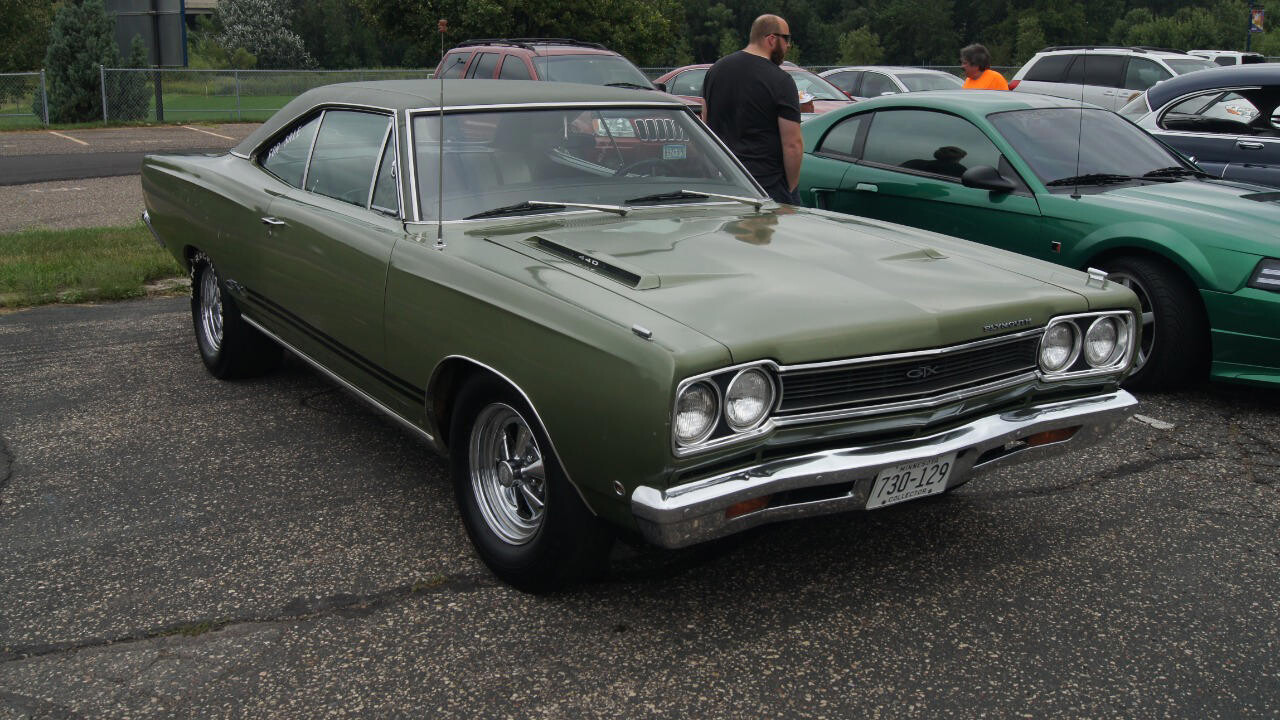
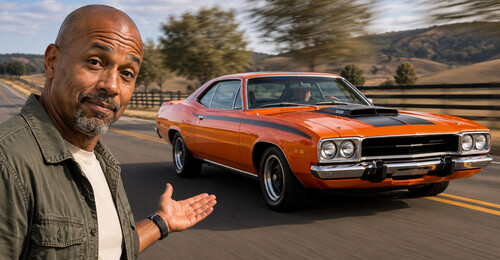
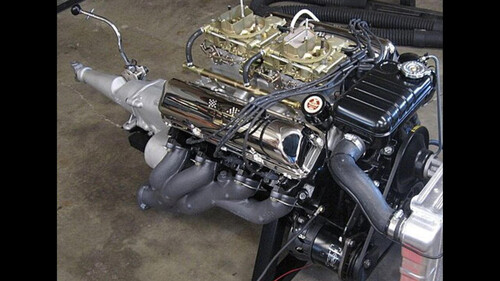
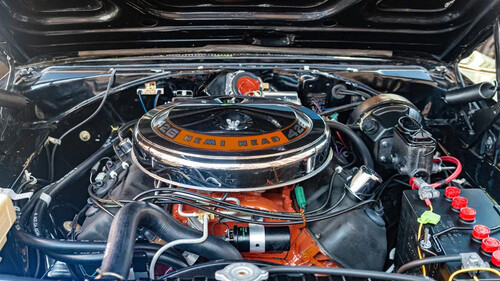
Plymouth’s 1968 GTX delivered refined muscle car performance with serious big-block powerThe 1968 Plymouth GTX arrived at the height of the muscle car wars with a different pitch from many of its rivals. Instead of a bare-bones street brawler, Plymouth wrapped serious big-block power in a more polished package that mixed straight-line speed with comfort and style. That blend of refinement and brutality has turned the 1968 GTX into one of the most respected Mopars of its era among collectors and drivers alike. More than half a century later, the car’s mix of luxury cues, heavy-hitting engines, and understated aggression still resonates. The GTX did not chase the absolute cheapest price or the wildest graphics, yet it delivered performance that could stand beside the fiercest Detroit offerings while giving its owners a more grown-up way to go fast. What happened When Plymouth introduced the GTX for 1967, it positioned the car as a higher-trim performance model built off the midsize Belvedere. For 1968, the GTX moved onto Chrysler’s redesigned B-body platform and adopted the cleaner, Coke-bottle styling that defined late-sixties Mopars. It sat on a 116-inch wheelbase, with crisp character lines, a broad grille, and a wide, planted stance that signaled performance without resorting to gimmicks. The 1968 model year brought a more cohesive look, with a sculpted hood, modest brightwork, and optional dual racing stripes that emphasized the car’s length and low profile. In contrast to the cheaper Road Runner that joined the lineup that same year, the GTX kept a more restrained appearance. Subtle badges, tasteful trim, and a well-finished interior made its point that this was a muscle car for buyers who wanted speed without sacrificing comfort. Under the hood, Plymouth made big-block power standard. Every 1968 GTX left the factory with a 440 cubic inch V8 or the legendary 426 Hemi. The base 440, marketed as the Super Commando, used a four-barrel carburetor, high-flow heads, and aggressive cam timing to deliver strong torque throughout the rev range. The 426 Hemi option, derived from Chrysler’s race program, added hemispherical combustion chambers, massive valves, and dual four-barrel carburetors for even more top-end power and a harder-edged character. Those engines placed the GTX firmly in the top tier of American performance cars of its day. The 440-equipped cars were known for brutal midrange pull that made highway passing effortless, while Hemi versions were built in smaller numbers and quickly became legends on the street and strip. Period road tests consistently recorded quarter-mile times that put the GTX among the quickest factory offerings of 1968, even when weighed down with the extra sound deadening and comfort features that set it apart from more bare-bones rivals. The chassis backing up that power used Chrysler’s familiar torsion-bar front suspension and leaf springs in the rear, tuned for a balance between ride quality and control. Power front disc brakes were available, and heavy-duty components helped the car cope with the torque of its big-block engines. Buyers could choose between a 4-speed manual with a Hurst shifter or a 3-speed TorqueFlite automatic, both well regarded for durability and responsiveness. Inside, the GTX leaned into its “gentleman’s hot rod” identity. Bucket seats, a center console, full carpeting, and upgraded trim were all part of the package. A tachometer and performance-oriented gauges gave the driver useful information, while options such as air conditioning, an upgraded radio, and vinyl roof treatments allowed owners to tailor the car to their tastes. Compared with the same-year Road Runner, which stripped out many amenities to hit a low base price, the GTX felt more like a premium coupe that just happened to run the quarter mile like a drag car. Modern builds and restorations continue to highlight the platform’s potential. One high-profile project, nicknamed “Thumper,” takes a 1968 Plymouth GTX and fits it with a supercharged 409-cubic-inch version of the Chrysler big-block, an 8-barrel carburetion setup, and extensive chassis upgrades. The car, described as an “overly manly” interpretation of the original idea, illustrates how far enthusiasts can push the basic GTX formula when they start with a solid factory performance base and then add modern tuning to the big-block architecture. That project’s focus on a blown, multi-carb engine and reinforced drivetrain underscores how capable the underlying design remains for high-power builds, even decades after the last GTX left the assembly line, as shown by the extreme specification of Thumper. Why it matters The 1968 GTX occupies a distinct place in muscle car history because it blended big-block performance with a more upscale mission. While many manufacturers chased young buyers with stripped interiors and cartoonish marketing, Plymouth carved out a space for drivers who wanted serious power in a car that still felt substantial and well finished. That strategy foreshadowed later performance models that combined speed with comfort, from personal luxury coupes of the 1970s to modern high-performance sedans. At the heart of the GTX story is the big-block engine. In the late 1960s, Chrysler, Chevrolet, Ford, and others were locked in a race to produce the most potent large-displacement V8s, and the GTX arrived with some of the strongest options available. The 440 and 426 Hemi engines placed the car among the era’s most respected big-block machines, alongside other heavy hitters such as Chevrolet’s 427 and 454, Ford’s 428 Cobra Jet, and Pontiac’s 421 and 455. Enthusiasts and historians consistently group the GTX with these icons when discussing classic muscle cars that were factory equipped with serious big-block engines, a category that includes several of the most valuable and sought-after American performance models, as highlighted in modern rundowns of classic big-block muscle. The GTX’s emphasis on refinement also changed how some buyers thought about performance. Rather than forcing enthusiasts to choose between comfort and speed, Plymouth showed that a car could deliver both. That approach broadened the muscle car audience beyond teenagers and weekend racers, drawing in older buyers and professionals who wanted a fast car that still looked appropriate in a company parking lot or at a nice restaurant. In that sense, the GTX anticipated the later trend of “executive hot rods” that combined luxury features with serious horsepower. From a design standpoint, the 1968 GTX helped define the visual language of late-sixties Mopar performance. The combination of a long hood, short deck, and subtly flared fenders became a template for other Chrysler products. The car managed to look muscular without excessive scoops or spoilers, relying instead on proportion and stance. That restraint has aged well, and many collectors today see the 1968 body as one of the cleanest expressions of Chrysler’s B-body design. The car’s market position also explains why it holds particular interest for enthusiasts today. The Road Runner, with its lower price and cartoon tie-ins, sold in much higher numbers and became a pop-culture fixture. The GTX, built in smaller quantities and aimed at a narrower audience, is rarer and often better equipped. That combination of scarcity and specification has helped lift the GTX’s status in the collector market, especially for well-documented 440 and Hemi cars with original drivetrains and desirable options. Performance credibility remains central to that appeal. Period tests showed that a 440 GTX could run the quarter mile in the low 14-second range in stock form, with trap speeds that matched or exceeded many rivals. Hemi cars, when properly tuned, pushed into the 13s on factory tires. Those numbers, while modest by modern supercar standards, were formidable in 1968 and still translate into a very quick classic today. The engines’ durability and tuning headroom also mean that many surviving cars have been upgraded with hotter cams, better exhausts, and improved ignition systems, all without losing the character that made the GTX special. The GTX’s role in Mopar culture extends beyond raw numbers. Among enthusiasts, it often serves as a bridge between the stripped-down Road Runner crowd and the luxury-oriented Chrysler 300 owners. The car’s mix of big-block strength, upscale trim, and understated styling has created a dedicated following that values both performance and presentation. At shows and auctions, a clean 1968 GTX tends to attract attention from people who appreciate originality and detail as much as they enjoy the sound of a loping cam at idle. The modern restomod movement has only amplified that interest. Builders frequently choose the 1968 GTX as a starting point for high-end projects that combine vintage looks with updated drivetrains, brakes, and suspension. The strong factory structure and generous engine bay make it relatively straightforward to fit stroker big-blocks, fuel injection systems, and modern overdrive transmissions. Projects like the supercharged “Thumper” GTX show how far the platform can be taken, with power levels that would have been unthinkable in period yet still rooted in the original big-block concept. At the same time, purists continue to seek out cars that retain their original engines and factory-correct details. The tension between preservation and modification reflects the broader muscle car hobby, but the GTX’s premium positioning gives originality particular weight. A numbers-matching 440 or 426 Hemi GTX with its original interior and paint colors can command strong prices, while tastefully modified cars appeal to buyers who want to drive their classics hard without worrying about concours judging sheets. The 1968 GTX also matters as a snapshot of a brief moment before insurance costs, emissions rules, and shifting buyer tastes began to squeeze the muscle car market. Within a few years, compression ratios dropped, power ratings fell, and large-displacement engines became harder to justify for everyday use. The GTX of 1968 represents the high-water mark of the original muscle era, when manufacturers could still sell a full-size big-block coupe with minimal compromise. What to watch next Interest in the 1968 Plymouth GTX is likely to remain strong as the classic car market evolves. Several trends suggest how the car’s story may develop in the coming years, both for collectors and for the broader performance community. First, the ongoing shift toward restomod builds will continue to shape how many GTXs are restored. As original parts become harder to source and modern components offer clear gains in drivability, more owners may choose upgrades such as fuel-injected big-blocks, electronic overdrive transmissions, and four-wheel disc brakes. These changes can make the car more usable on long trips and in modern traffic, which in turn keeps interest alive among younger enthusiasts who want to drive rather than simply display their cars. Second, the supply of unmodified, numbers-matching cars will only shrink. That scarcity is likely to push values higher for well-documented 1968 GTXs that retain their original drivetrains and interior trim. Collectors who prioritize authenticity may focus even more intently on build sheets, fender tags, and historical documentation to verify that a given car left the factory as a true GTX with its original big-block engine. Auction results already show a clear premium for such cars compared with less complete or heavily altered examples. More from Fast Lane Only Unboxing the WWII Jeep in a Crate 15 rare Chevys collectors are quietly buying 10 underrated V8s still worth hunting down Police notice this before you even roll window down