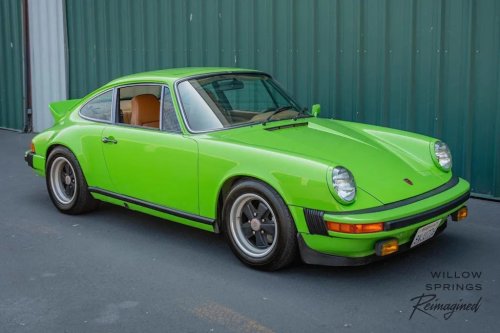
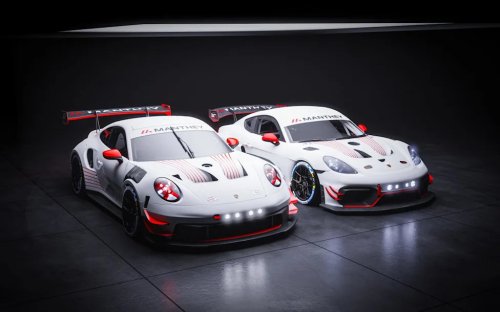
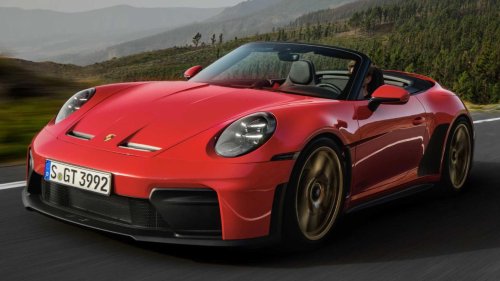
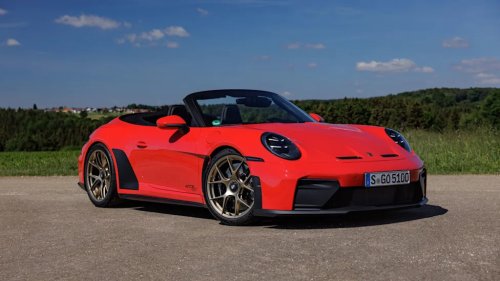
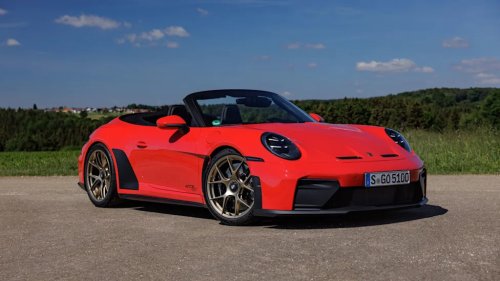
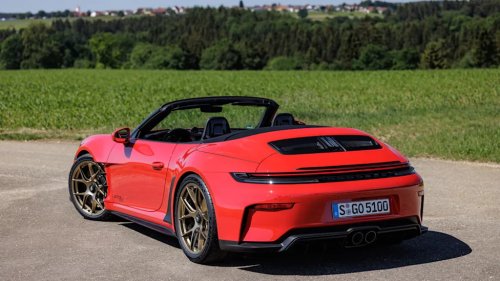
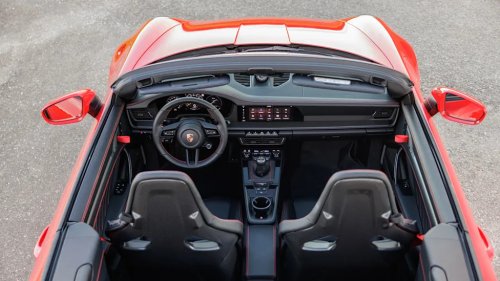
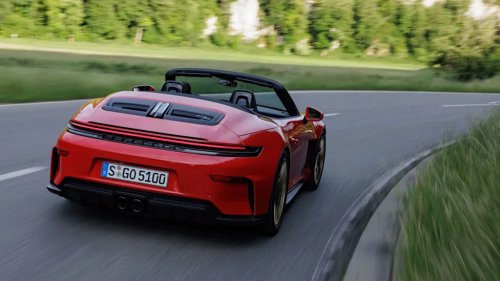
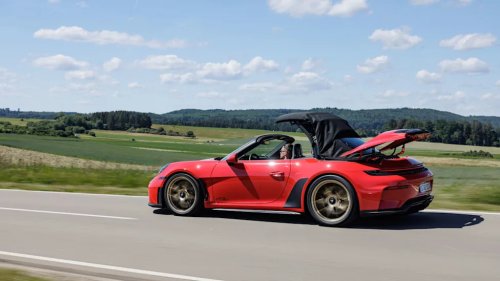
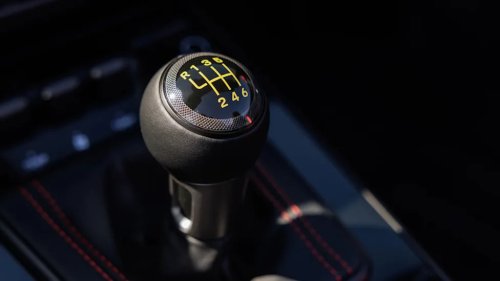
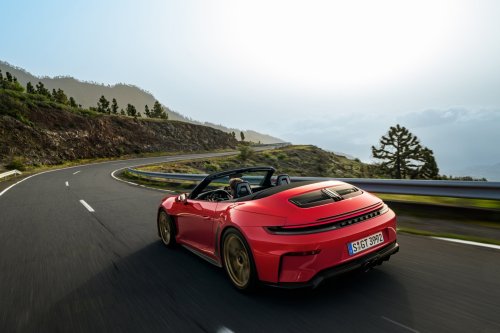
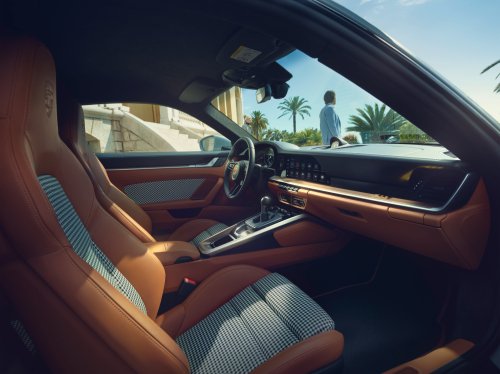
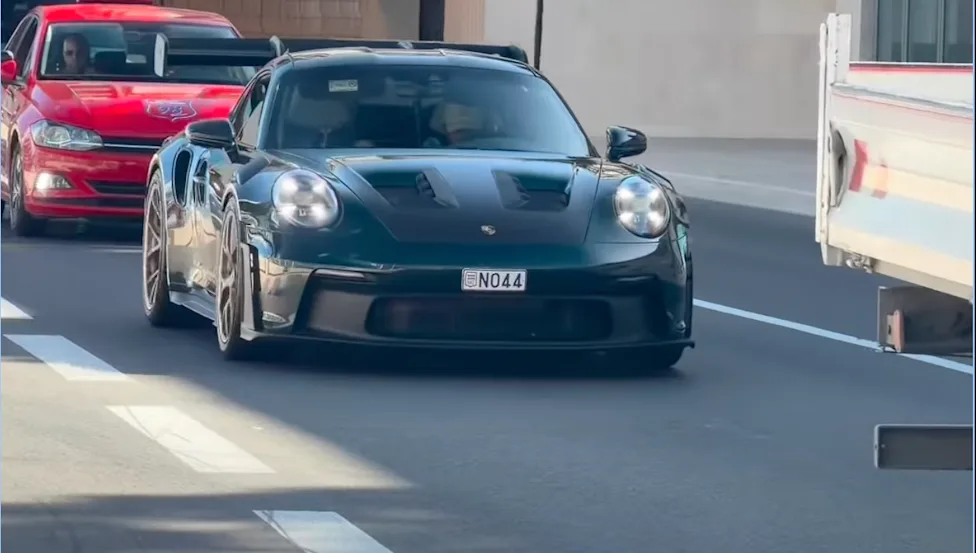
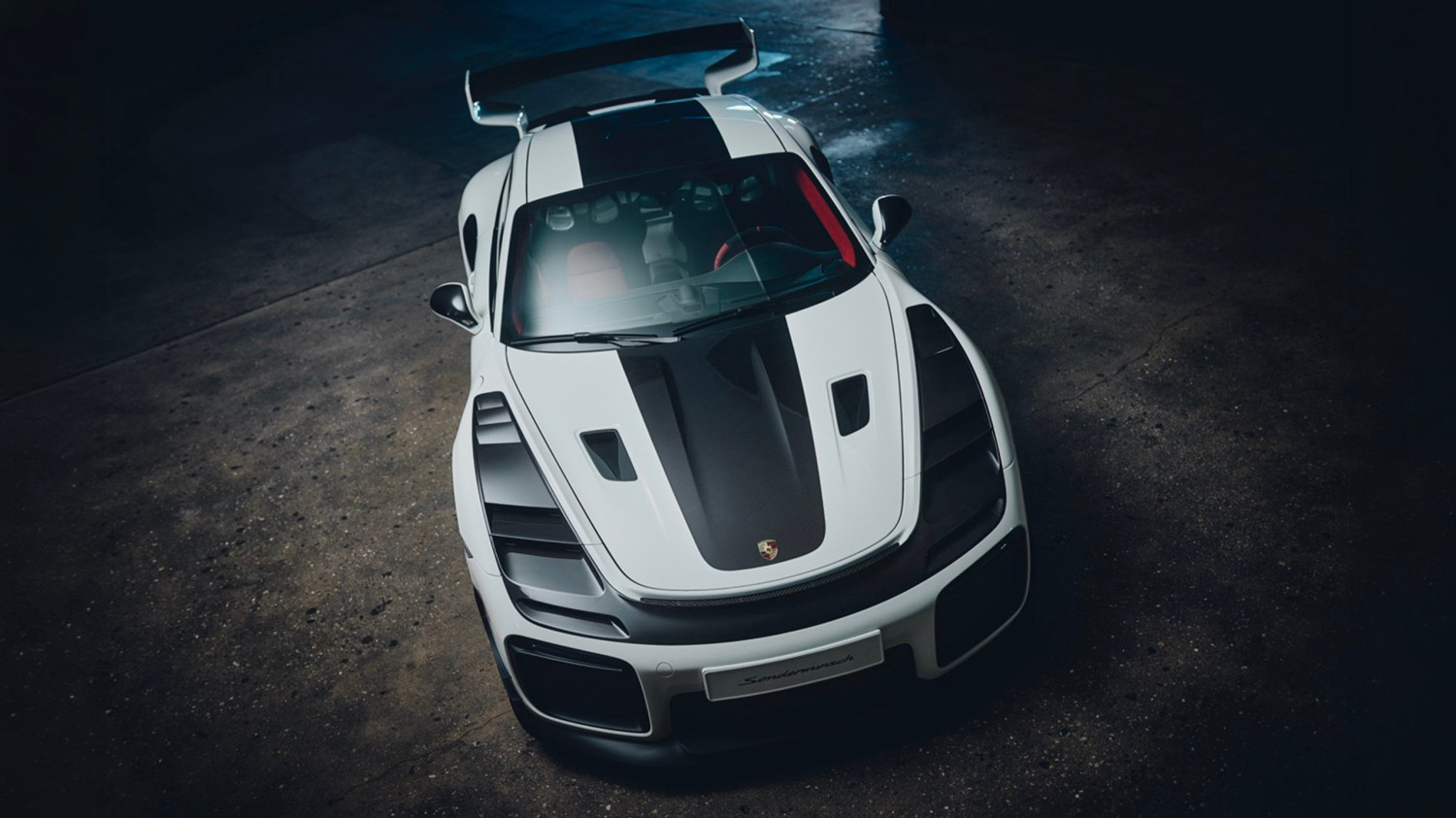
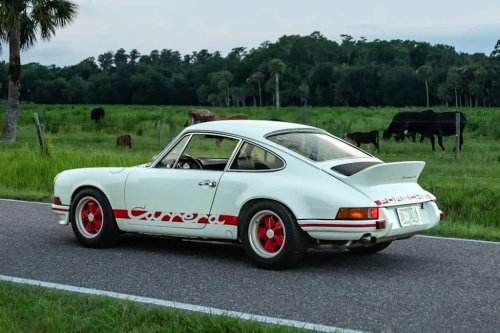
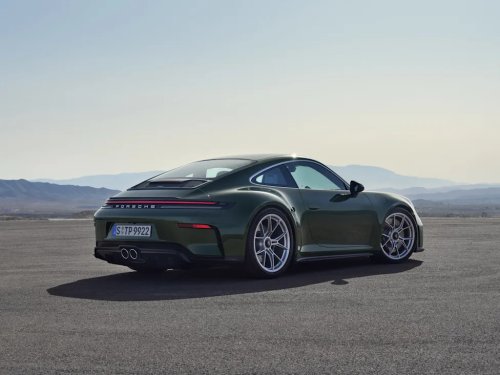
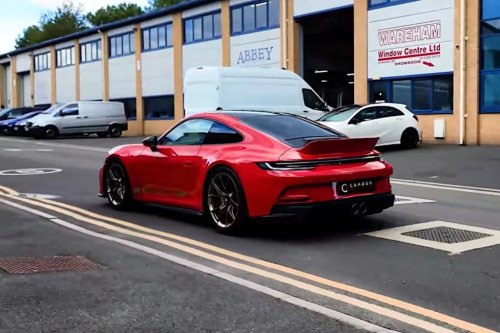
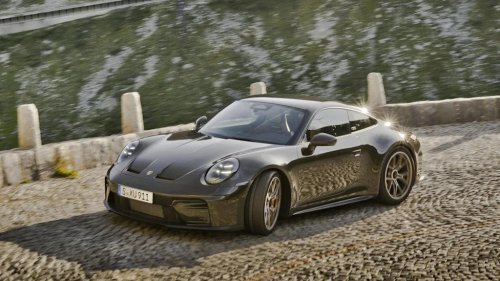
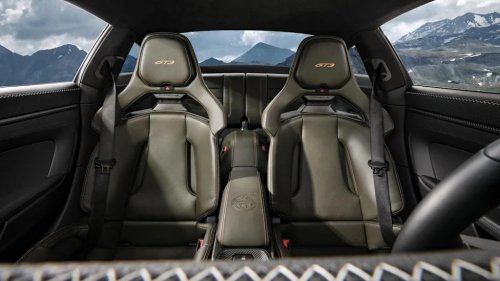
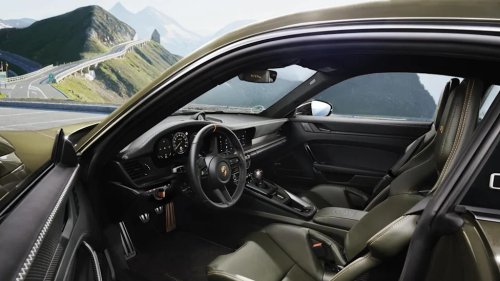
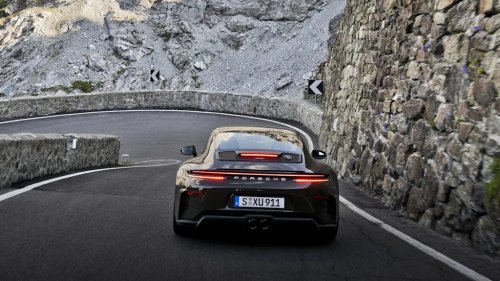
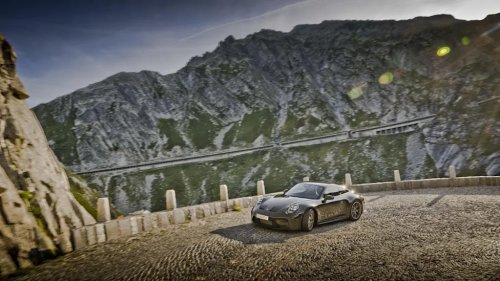
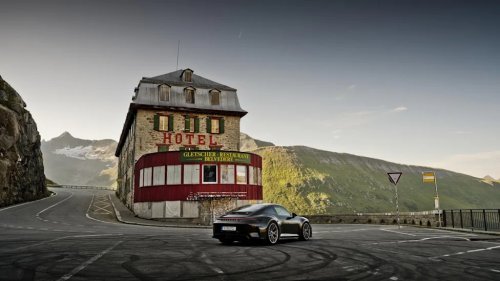
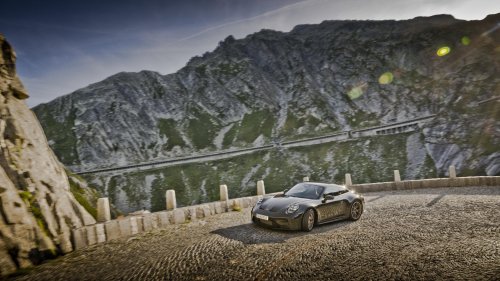
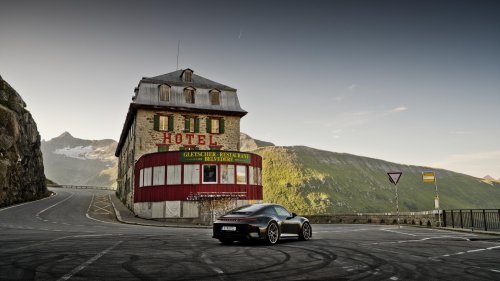
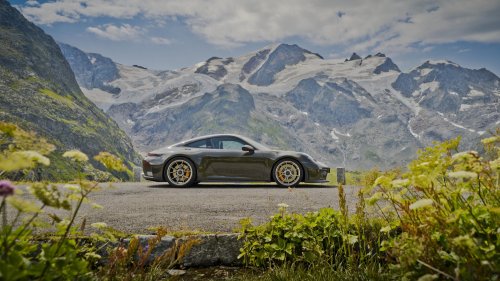
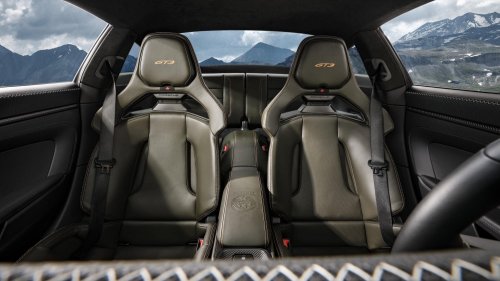
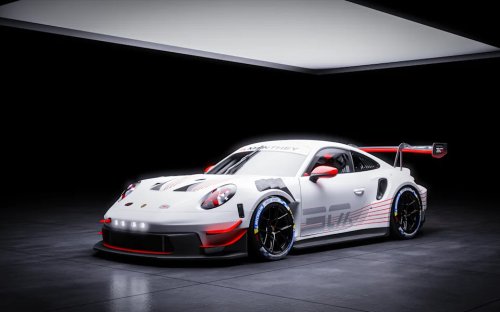
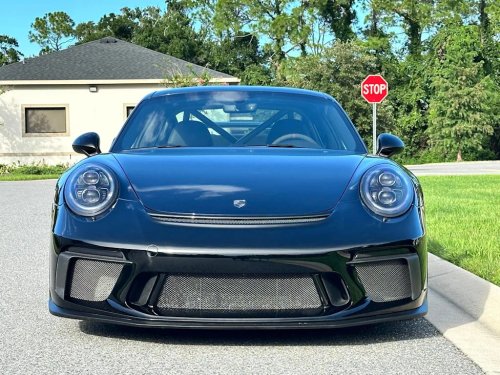
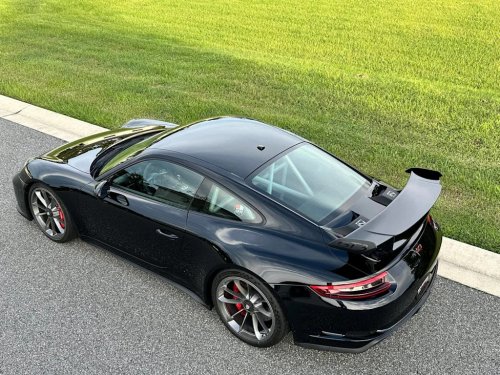
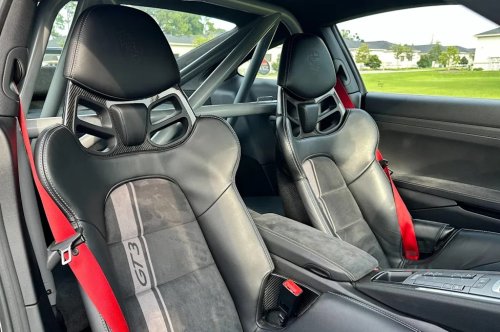
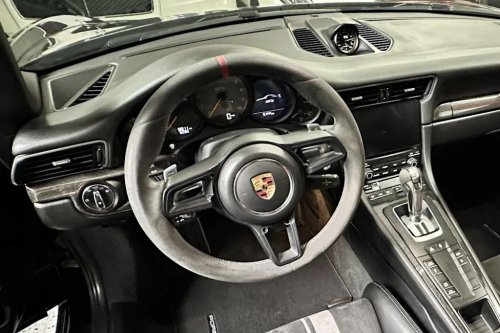
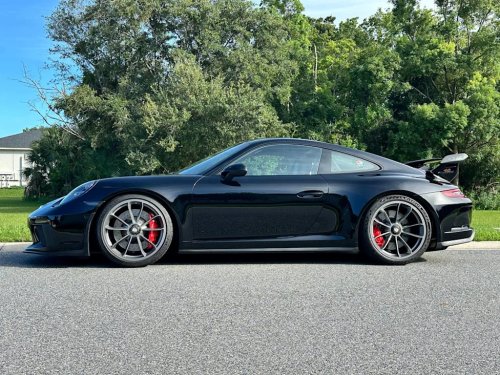
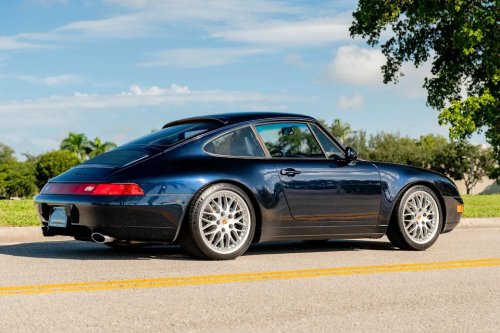
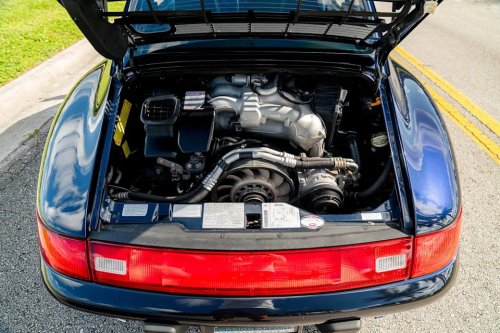
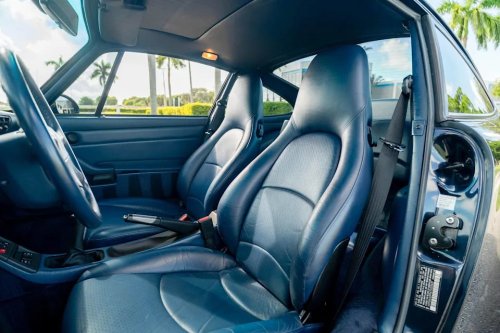
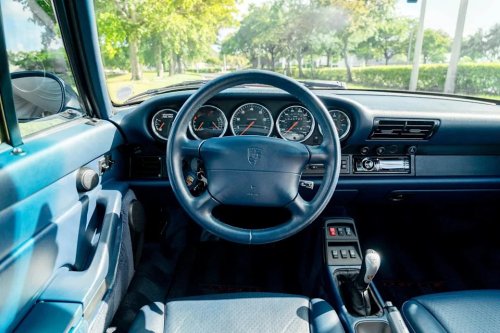
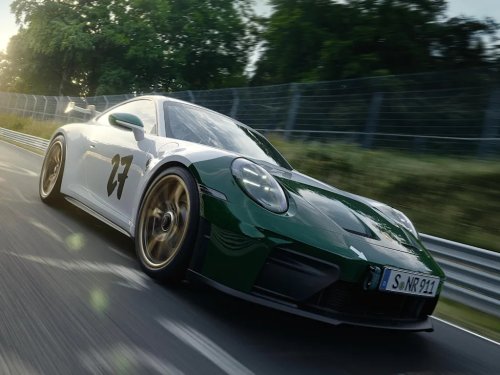
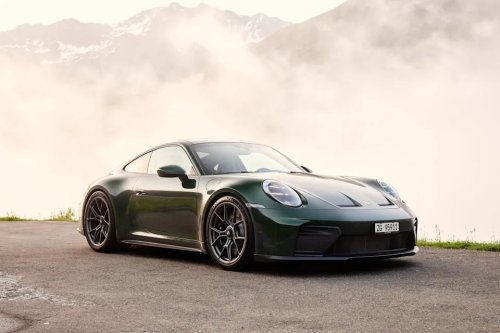
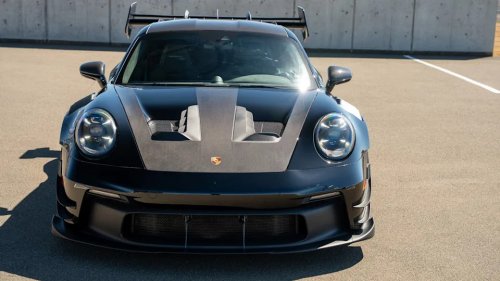
Porsche 911 GT3 still delivers one of the purest drives on earthThe Porsche 911 GT3 has long served as a benchmark for how a road car can still feel like a precision instrument, and the latest evolution keeps that reputation intact. While other supercars emphasize higher numbers and digital aids, the GT3 focuses on feel, response, and a direct driver‑to‑machine connection. The result is a car that still offers one of the most focused and engaging driving experiences available, regardless of price or badge. Rather than reinventing itself, the 911 GT3 refines a formula honed over decades of motorsport and road testing. Its naturally aspirated engine, meticulous chassis tuning, and obsessive approach to weight and aerodynamics are all aimed at preserving that purity. The headline figures attract attention, but the appeal of this car lies in how those numbers are delivered through the steering wheel, pedals, and seat. Heritage of a singular driving philosophy The GT3 badge on a 911 carries more than just performance bragging rights; it represents a lineage that has been evolving for over a quarter of a century. Earlier factory material on the 911 GT3 describes how modified air guide elements on the underbody increase downforce at the front axle and how the brand has spent 25 years building what it calls pure, uncompromised sports cars, a philosophy that continues to shape the current car’s identity through its focus on mechanical grip and aerodynamics rather than excess power alone, as detailed in the 25 years overview. That long gestation means each new GT3 is less a clean-sheet design and more a careful iteration, with engineers carrying over lessons from racing programs and previous road versions. This continuity also explains why the GT3 occupies such a distinct place within the broader 911 family. While the wider 2026 Porsche 911 range is pitched as delivering Experience Precision and Prestige and is marketed as a way to blend exclusivity with extreme output across multiple variants, the GT3 narrows that mission to focus on lap-time capability and driver feedback, as can be seen when the wider 2026 Porsche 911 specifications are set beside the GT3’s more specialised brief. In that context, the GT3 is less about being the fastest on paper and more about preserving a specific kind of interaction that many modern performance cars have started to dilute. Engine and performance that favour feel over forced induction At the heart of the current 911 GT3 sits a naturally aspirated 4.0 liter flat six that is powered by race-bred hardware rather than turbochargers, a configuration that shapes the car’s entire character. Dealer specifications for the 2026 GT3 list 502 horsepower from the naturally aspirated engine, encouraging drivers to exploit high‑rev performance rather than low‑end torque. That same material notes that the car is less luxurious than some other 911 variants, which again reflects the priority given to performance hardware over comfort features. Manufacturer figures list the 911 GT3 at $235,800, 0‑60 mph in 3.2 seconds, and 502 horsepower, excluding optional charges. Those numbers place the GT3 firmly in supercar territory, yet the way the engine responds, with linear throttle mapping and a willingness to rev, is what sets it apart from many similarly priced rivals that rely on turbocharged torque for their drama. Chassis, aerodynamics, and the pursuit of precision The latest 992.2 generation of the GT3 continues to refine how a 911 can behave at the limit, with small but significant changes to suspension geometry, aero, and braking hardware. Track focused testing of the 992.2 Porsche 911 GT3 notes that the updates bring more speed and an extra helping of response without resorting to headline grabbing gimmicks, and that the car rewards drivers who are willing to lean on its immense grip and then trust the stability when they stomp on the middle pedal at the end of a straight, as described in a track test of the 911 G in 992.2 form. The assessment emphasizes that the GT3 remains responsive yet approachable, suitable for both track enthusiasts and road drivers. A separate review of the 992.2 GT3 describes it as properly exciting and endlessly entertaining, while reminding readers that the formula has remained fundamentally consistent since the first GT3 arrived, an observation made in a detailed 992.2 overview. That continuity shows up in the way the car communicates through its steering and chassis, relying on a carefully tuned balance between front axle bite and rear traction rather than electronic trickery to keep the driver informed and engaged. Lightweight obsession and design that serves the driver The GT3’s body and cabin are shaped by a relentless focus on weight reduction, even in areas that many owners might never notice at first glance. The official description of the Lightweight door panel makes clear that, on the verge of perfection, every detail is crucial, and explains how the door design and associated components are shaped to save grams while still integrating necessary safety and usability features, with this Lightweight specification offered as an option at no extra charge on the factory configurator. The description highlights how the brand optimizes every component to push the limits of a road‑legal car. Inside, the GT3 balances this weight saving mindset with ergonomics that prioritise the driver above all. Reviews of the 2026 Porsche 911 GT3 992.2 highlight how the modest size and focused driving position make the car feel more compact and wieldy than some rivals, and how options such as the Weissach Package further strip out comfort features in favour of exposed carbon and track focused hardware, as described in an Oct review. That same material points out that, although the GT3 is not a cushy daily driver, its usability remains surprisingly high for a car that wears its motorsport roots so openly. Manual purity, Touring variants, and the wider 911 context Part of what keeps the GT3’s driving experience so special is the variety of ways drivers can tailor how involved they want to be. Video coverage of the 992.2 GT3 compares PDK and manual models, both with bucket seats, showing the car as sharper yet approachable, offering drivers a choice between rapid automatic shifts or an engaging clutch rhythm. A long‑term review of the 2025 GT3 Touring shows how the high‑revving engine influences everyday driving, even in the more relaxed Touring specification. More from Fast Lane Only Unboxing the WWII Jeep in a Crate 15 rare Chevys collectors are quietly buying 10 underrated V8s still worth hunting down Police notice this before you even roll window down