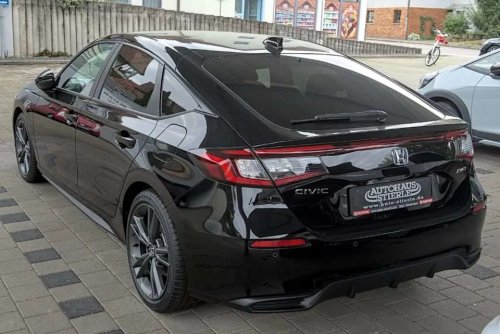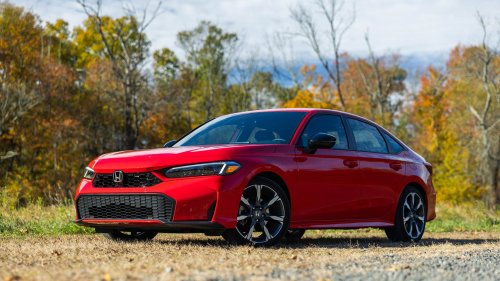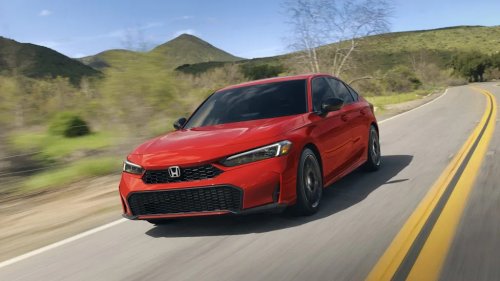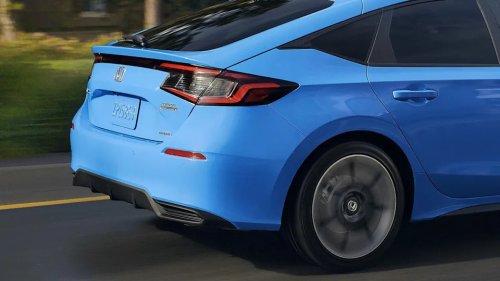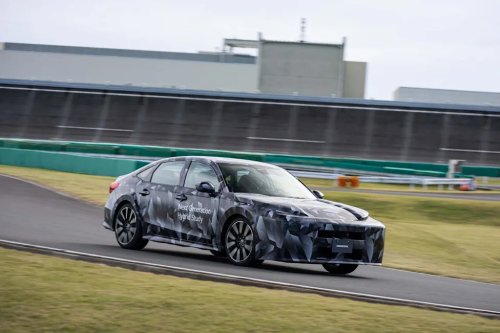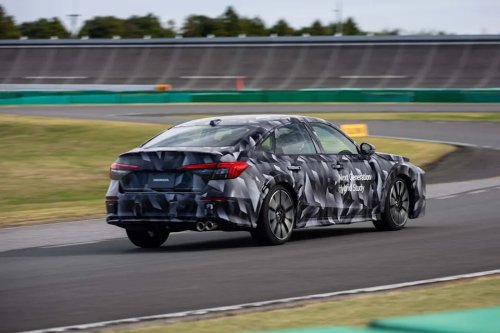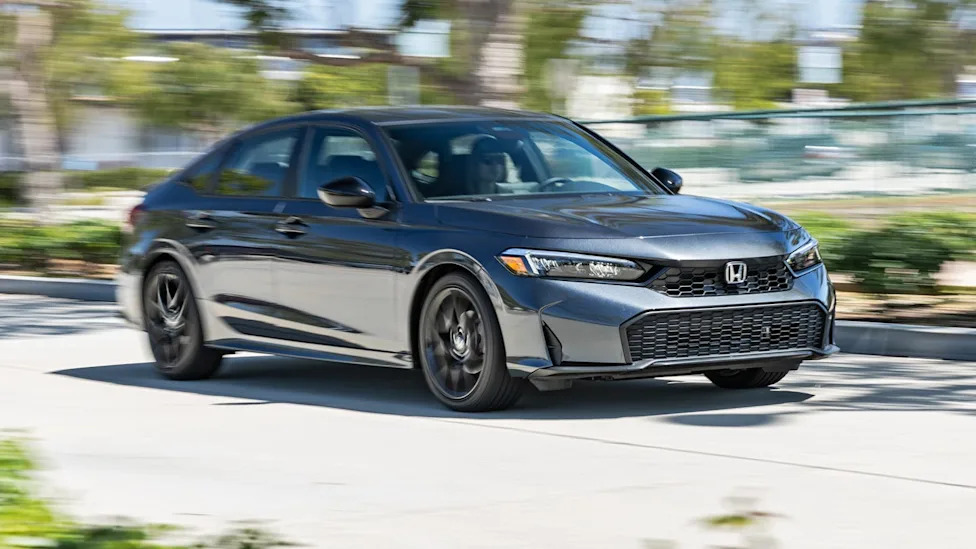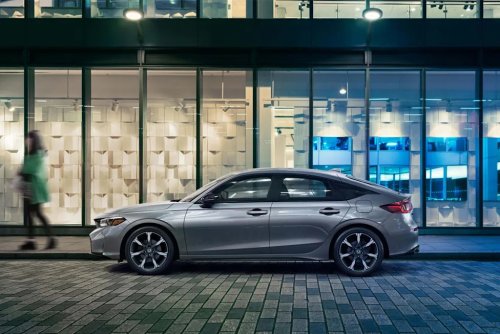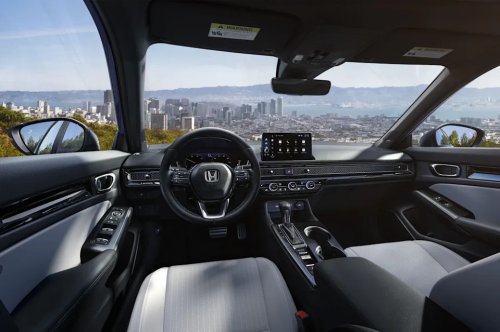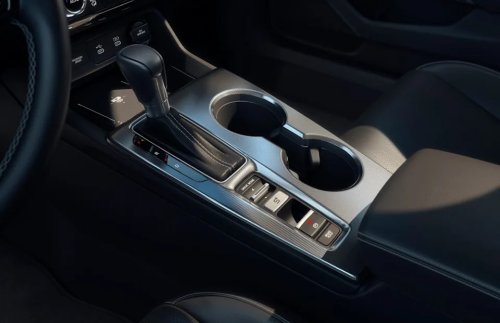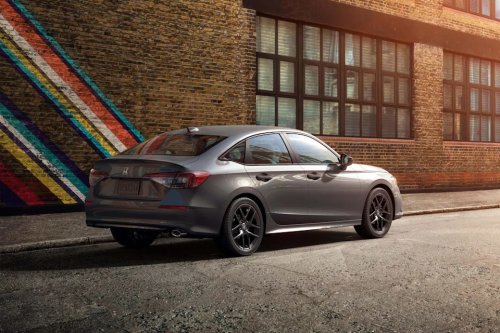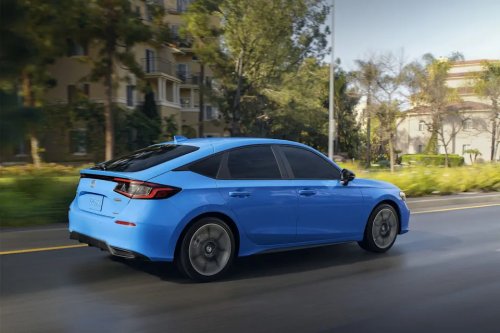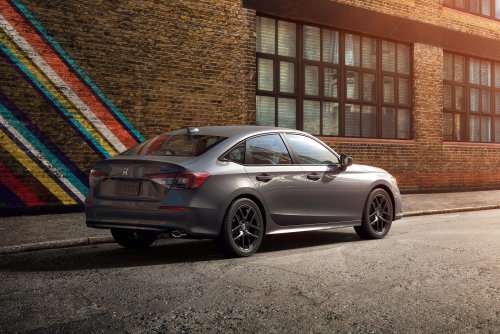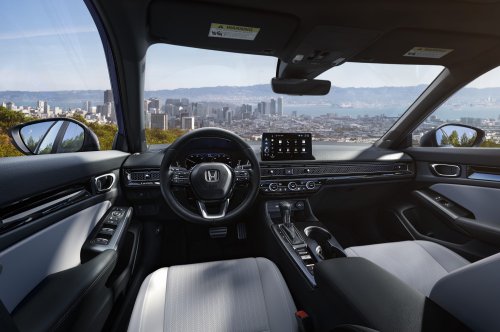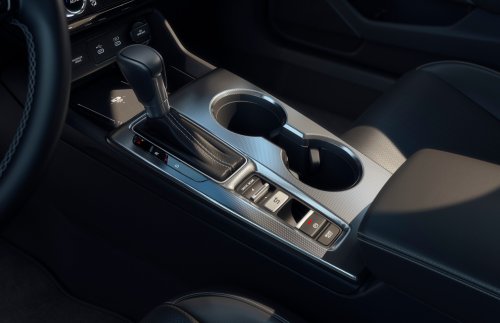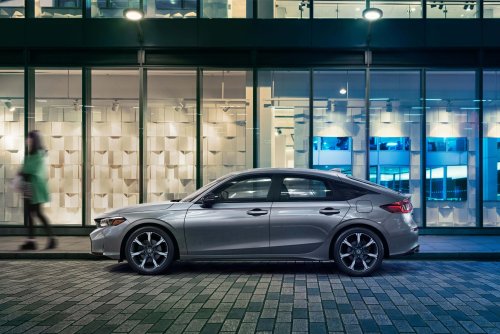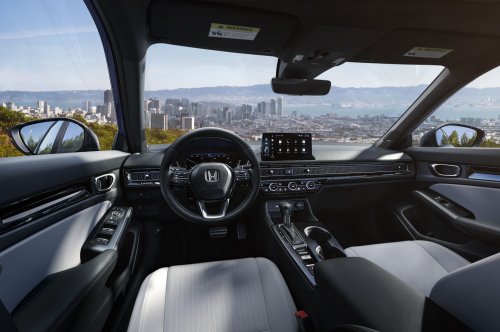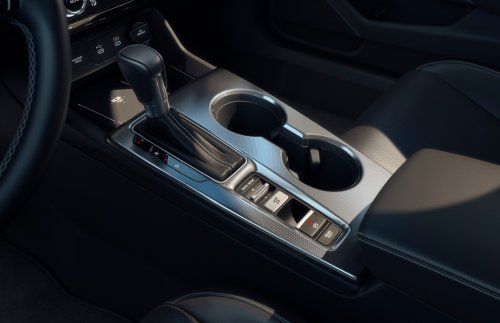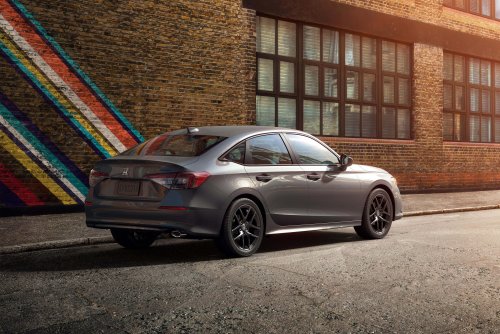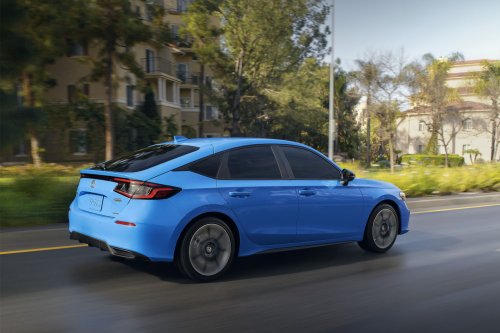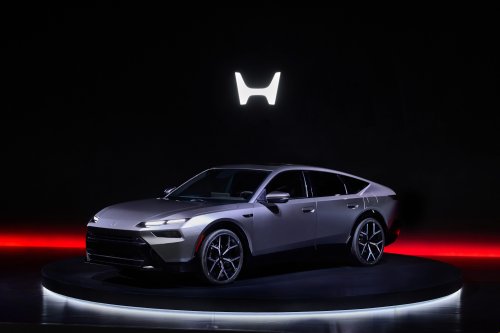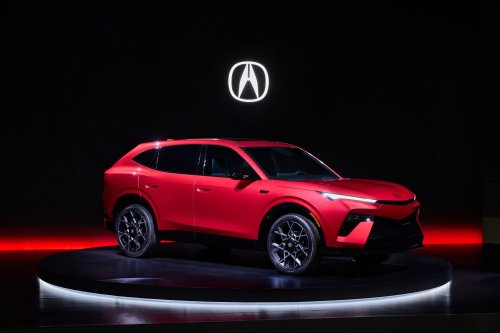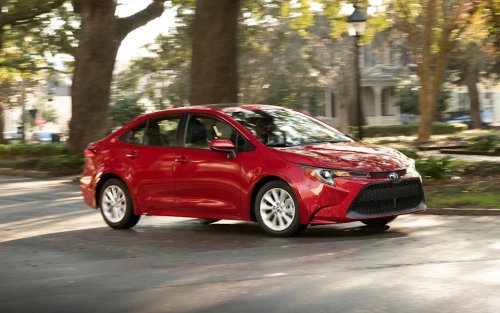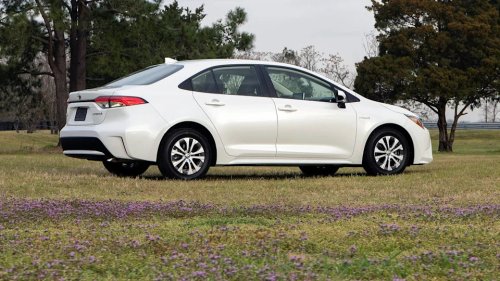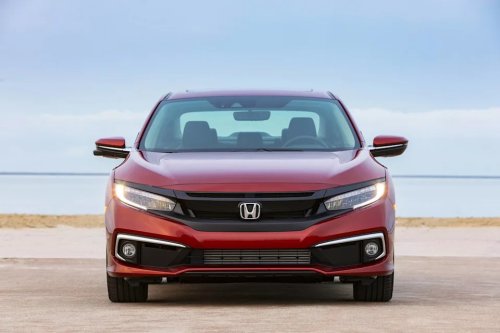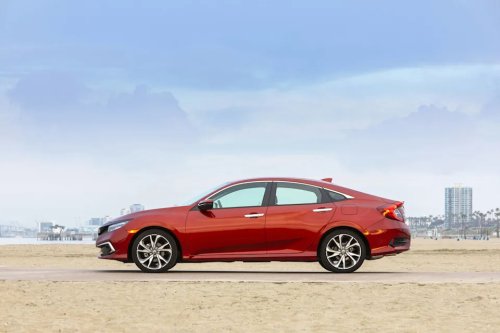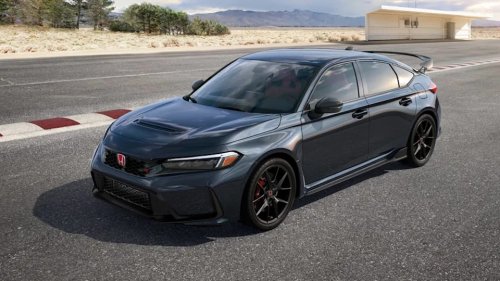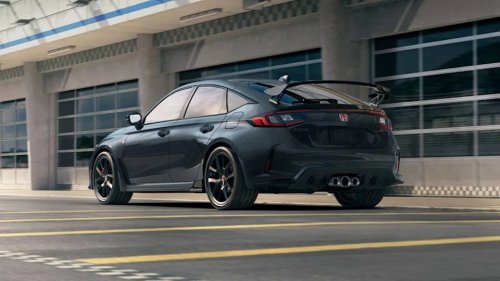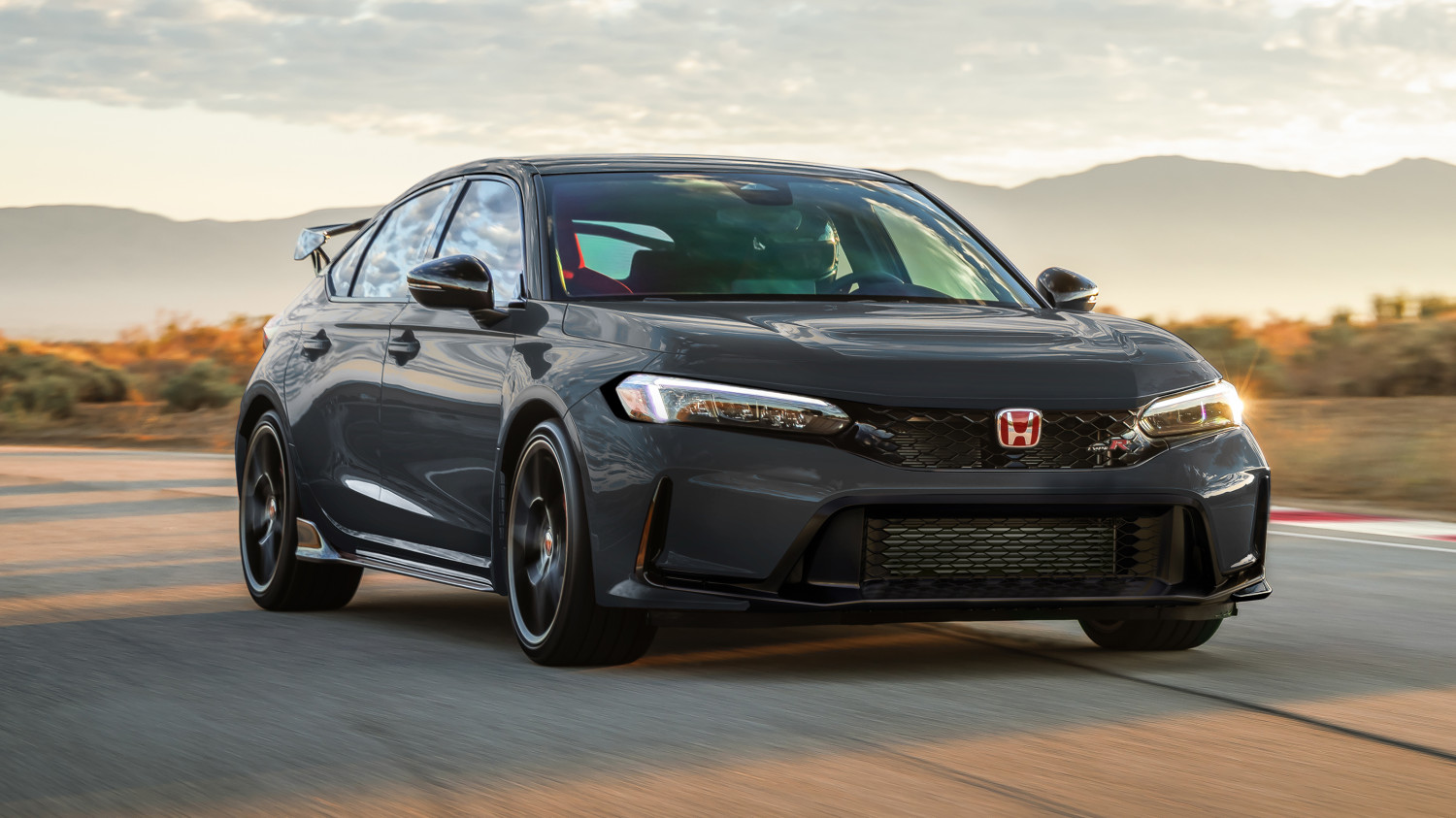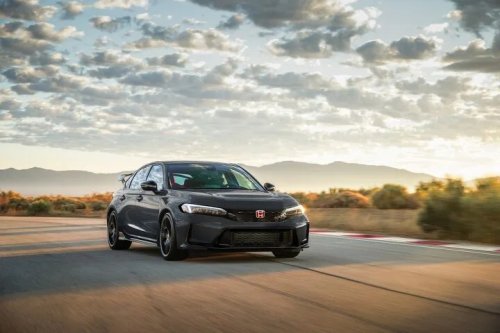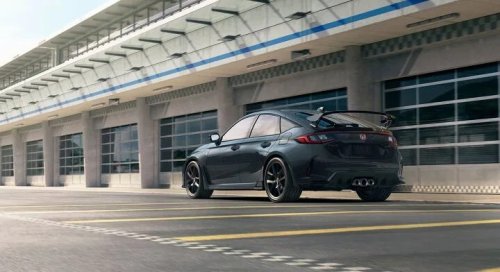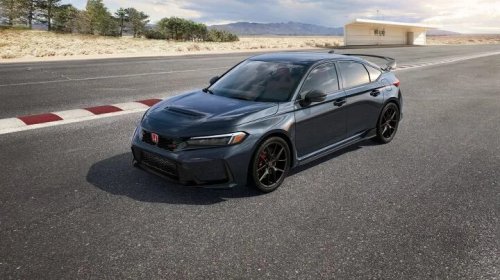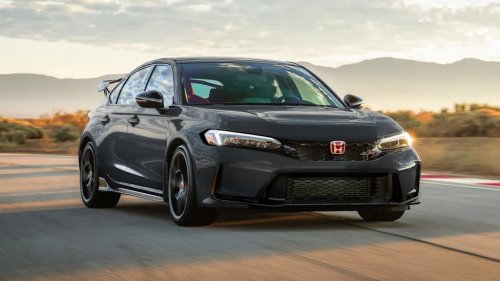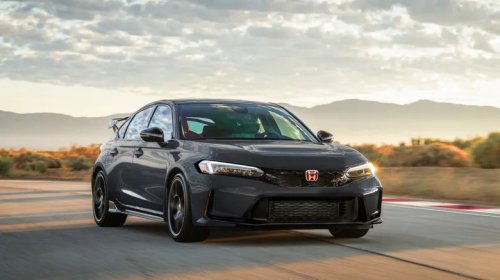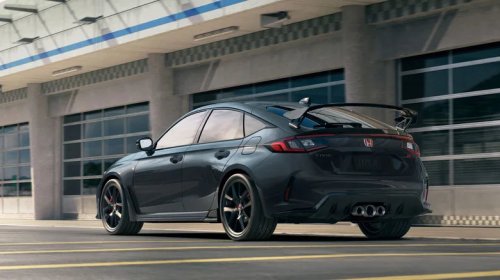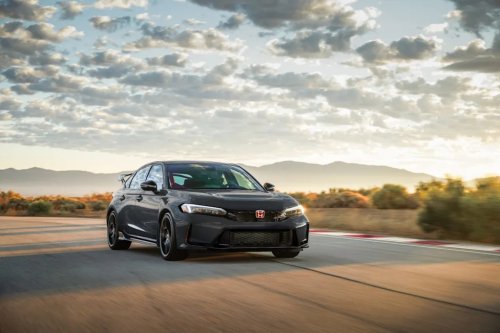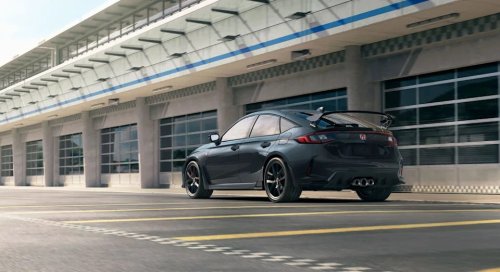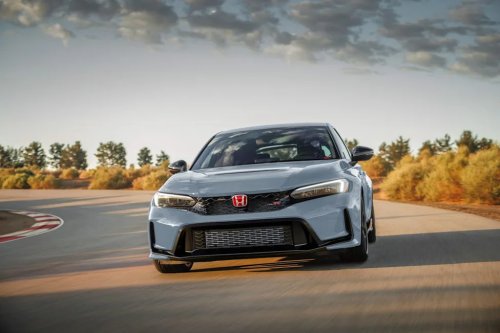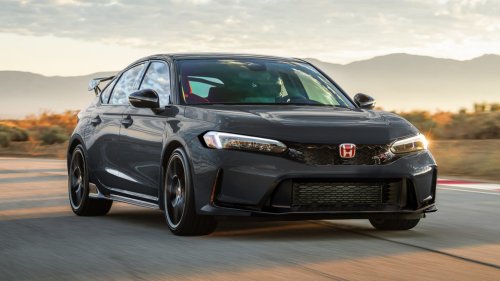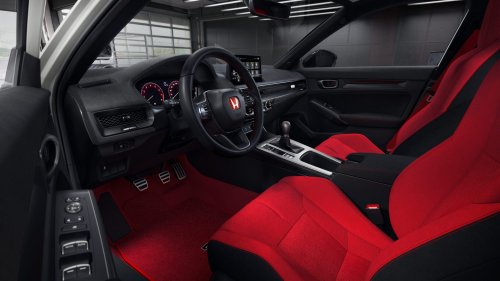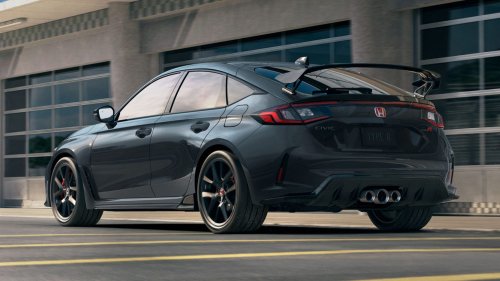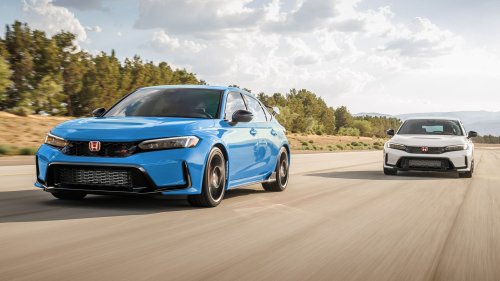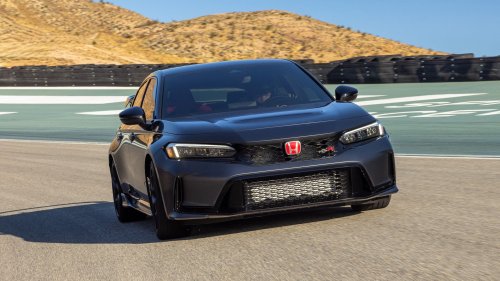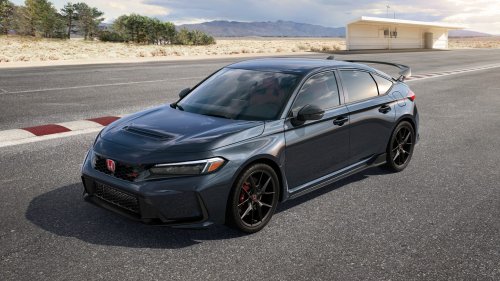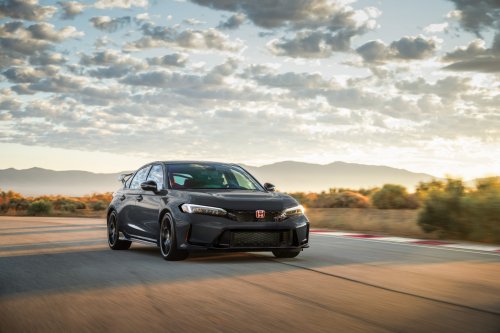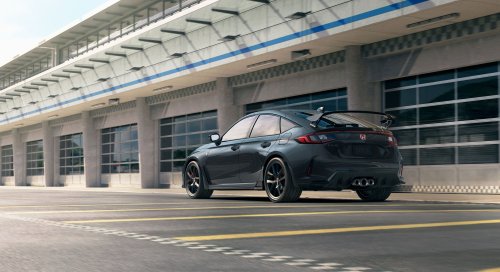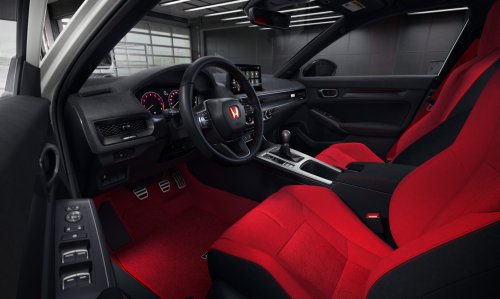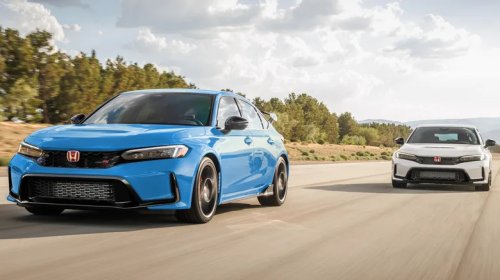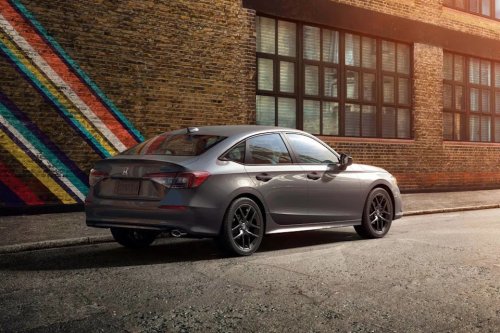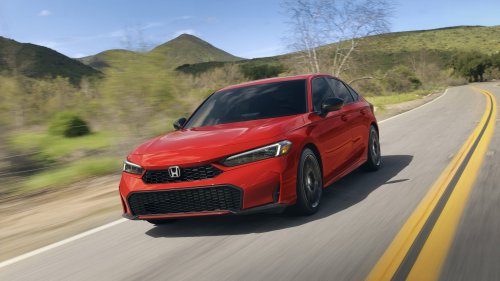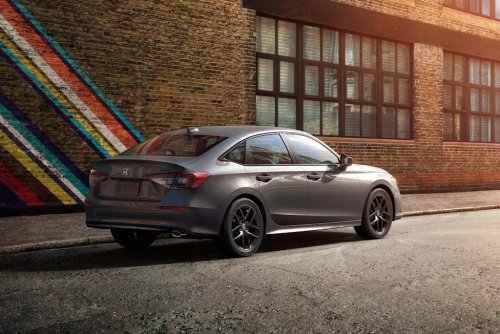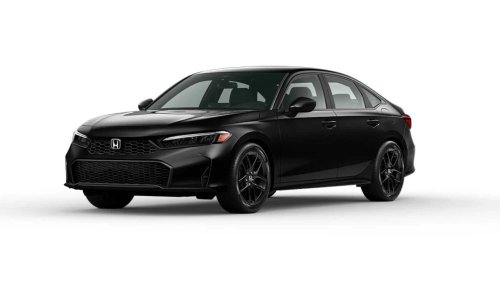
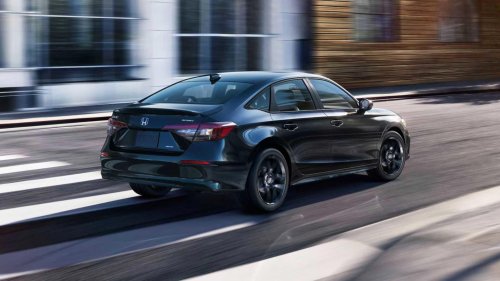
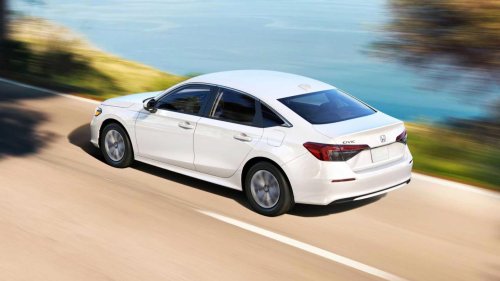
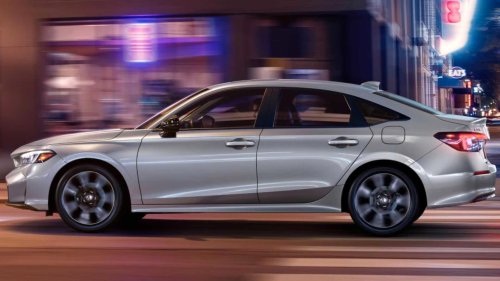
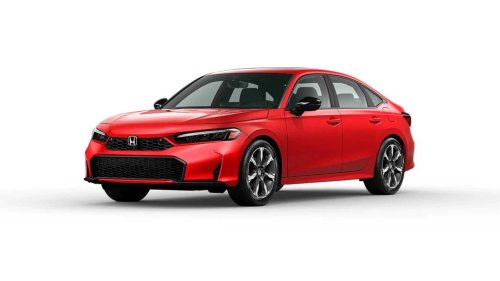
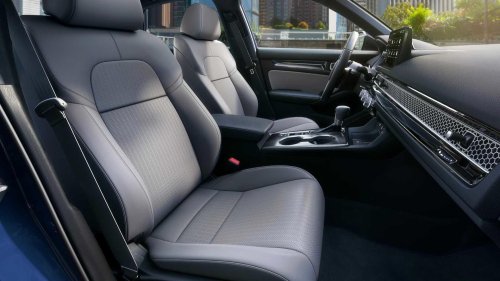
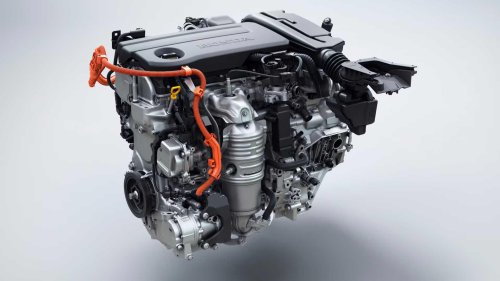
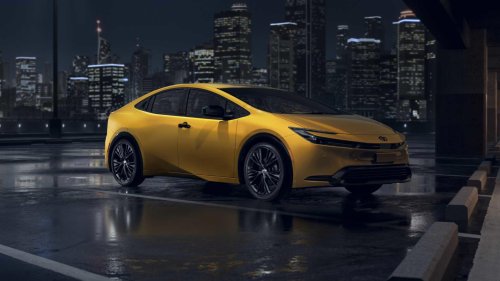



















The Toyota Corolla and Hyundai Elantra are both remarkably fuel-efficient, but one small sedan beats them both when it comes to delivering the best MPG performance from a non-hybrid four-cylinder engine on the road today. That sedan is the Honda Civic, and in particular, models running the standard-kit two-liter inline four-cylinder. This engine's roots trace back to the original launch of the K-Series in 2001, and is well known as one of the most reliable engines in an affordable car today.Impressively, the Civic's base-level engine achieves its leading fuel economy performance without any particularly exotic technologies or add-ons, though there is a clever fuel-saving trick employed, which we'll cover below. We'll also see how things stack up against key competitors, and run some numbers to see if it's worth stepping up from the Honda Civic's base engine to its powerful hybrid engine instead. UPDATE: 2026/03/16 13:40 EST BY GERHARD HORN What About The Prius?This feature was updated with a short comparison to the Toyota Prius. Here's How Efficient It Is HondaBelow, we've arranged the most fuel-efficient non-hybrid sedans on the road today by combined MPG, according to 2026 model year data from the EPA. It's a close race for first place, with the Honda Civic and Toyota Corolla running a virtual dead heat. The Corolla actually gets slightly better 'city' fuel economy than the Civic, though the Honda leads for highway and overall figures, good for first place. The Hyundai Elantra and Volkswagen Jetta follow closely behind the Civic, by 2MPG at most. Note that the Jetta is the first entry in the list below with a turbocharged engine, and basically ties the Kia K4 on fuel economy metrics.The new Nissan Sentra, Honda Accord, and Acura Integra round up the low thirties, with the Mazda 3 landing at 30 MPG combined. That's a tick ahead of the Subaru Impreza, which takes up last place on our list at 29 MPG, not surprising given that it's the only AWD-equipped vehicle on your page.Honda As a shopper checking out the marketplace in 2026, here's what you can take away from the information above. First, the Impreza's AWD fuel economy penalty is real, but not major. Second, naturally-aspirated engines dominate with the highest overall efficiency, coming in first, second, and third place on our list. The Honda Accord's 33 MPG combined rating proves that the efficiency gap between compact and midsize is shrinking, meaning shoppers can access larger cars with minimal fuel consumption penalties. Finally, the Civic is particularly fuel efficient on the highway (42 MPG), which is the best figure on your page and helped push the Civic into first place as our most efficient non-hybrid. If you're shopping in this segment as a driver who will spend plenty of time on the highway, keep that figure in mind. Here's Where The Most Efficient Non-Hybrid Four-Cylinder Fits Into Honda's Lineup HondaThe 2-liter four-cylinder engine is standard kit in the base-model Honda Civic for 2026, with a starting MSRP of $24,695. It delivers a modest 150 horsepower at 6,400 RPM. The Civic Sport ($26,695) runs the same engine as well, though it's heavier on fuel by 2 MPG (combined) than the base-model car because of wheels, tires, and equipment differences.The rest of the Civic lineup is switching to an increasing use of hybrid power, with the Civic Sport Hybrid ($29,395) and Sport Touring Hybrid ($32,395) models outputting a combined 200 horsepower and 232 lb-ft of torque from the gas-hybrid version of the standard 2-liter engine.Those two hybrid models flank the sporty Civic Si ($31,495) in pricing. That's the only Civic variation running the 1.5-liter four-cylinder turbo engine in 2026, and it delivers 200 horsepower and comes only with a six-speed manual transmission. Though it exists outside of the scope of this feature, the hottest Civic engine this year goes into the Type R ($46,895). This specialized, track-tuned Civic variation doesn't come in a sedan configuration or sell at volume, though the 2-liter turbo engine generates 315 horsepower that propels the highest-performing Civic experience available. A Special Trick Helps This Engine Save Fuel HondaWhen it originally launched in 2001, the Honda K-series engine was intended to be strong and durable enough to support high-performing applications, while also keeping physically compact and light in weight. Two decades later, the efficiency-specialized version you see in the latest Civic arrived. For this K-series configuration, the engine needed to be relatively simple, relatively cheap, and extremely fuel efficient. The required changes focused keenly on fuel efficiency and emissions performance, with engineers adding a new calatlyst, equipping an Idle Stop system for the first time, and bolting up a newly recalibrated Continuously Variable Transmission (CVT).The die-cast aluminum block uses a bed-plate main bearing design for added rigidity, to the benefit of noise and vibration performance. Iron cylinder liners were selected for long-lasting durability. Microfinished crankshaft journals reduce friction and improve smoothness, and special coatings and assembly processes were employed to optimize the performance of the piston rings while strengthening the connecting rods. The exhaust manifold is cast directly into the cylinder head, rather than bolted up externally, saving weight. The dual camshafts are driven by a maintenance-free chain.Honda As has long been the case with Honda engines, some impressive things happen in the valve timing system to unlock maximum efficiency. Two systems are at play. The first is Dual Variable Timing Control (VTC), which can manipulate the phasing of the intake and exhaust cams in real time and independently of one another. The Variable Valve Timing and Lift Electronic Control (VTEC) system acts on the intake valves, themselves driven by the VTC-controlled camshaft just overhead. With both VTC and VTEC systems combined, the result is an engine with dual variable camshafts, and the additional benefit of intake valves whose duration, timing, and lift can all be manipulated on the fly.Honda The key fuel-saving trick we mentioned above? In certain conditions where full power isn't needed, the engine's intake valves can be left open during part of the compression stroke. This creates an intentional leak, allowing the piston to push some air back out of the combustion chamber before the intake valve closes. This effectively lowers the engine's compression ratio on the fly, making life much easier on the engine, which doesn't have to pump as hard to compress incoming air. The result is a reduction in power output, but a major improvement in fuel efficiency. When the driver presses the accelerator, the engine seamlessly switches back to its regular operating mode immediately, and full power output is regained. This is a simplified and highly effective version of a similar system used in numerous competitor models, including the Toyota Corolla. Is It Worth Stepping Up To The Hybrid? HondaIs it worth stepping up from the Civic's base 2-liter engine to the Civic Hybrid, with its electrified punch? Maybe so, maybe no. Let's compare the cheapest (and most fuel-efficient) gas-only Civic ($24,695) to the cheapest hybrid variation, the Civic Sport Hybrid ($29,395). That's a $4,700 premium, an increase of about 19 percent from base Civic to base Civic Hybrid. The hybrid uses 31 percent fewer of your fuel dollars annually, a savings of about $300 per year in this example.If you're counting, that's a nearly 16-year payback period before the hybrid engine saves enough fuel to cover its added cost in this particular example. Still, there are numerous other benefits to be had along the way. That additional 19 percent spent on the Civic Hybrid gets you 33 percent more horsepower, 74 percent more torque, and to 60 MPH a full 2.5 seconds faster than the base-model car, 28 percent faster if you like.ToyotaBut what about the poster boy for hybrid, the Toyota Prius? It remains the most efficient non-PHEV hybrid on sale in America at $28,550 for the base spec LE model. This is cheaper than the Civic Hybrid, the Prius achieves a combined gas mileage of 57 mpg. The most efficient model also happens to be the cheapest, which is good for the consumer. What we also like about the Prius is that it's no longer an odd-looking car like all its predecessors. The current Prius is a pretty rad car, and it drives well, too. Like the Civic Sport Hybrid, you'd have to put in a lot of miles before you reach that break-even point, so if you are on a tight budget, the non-hybrid Civic still makes the most sense.