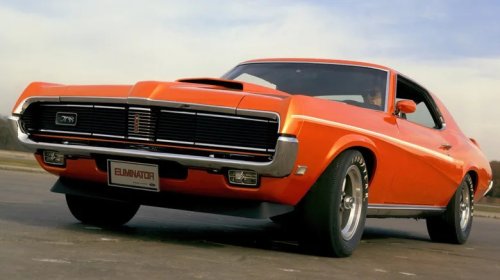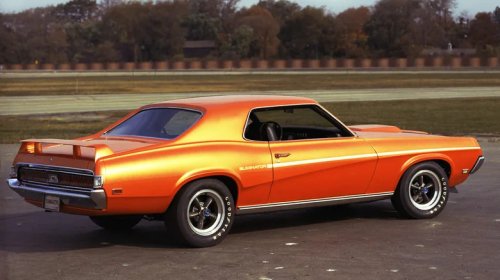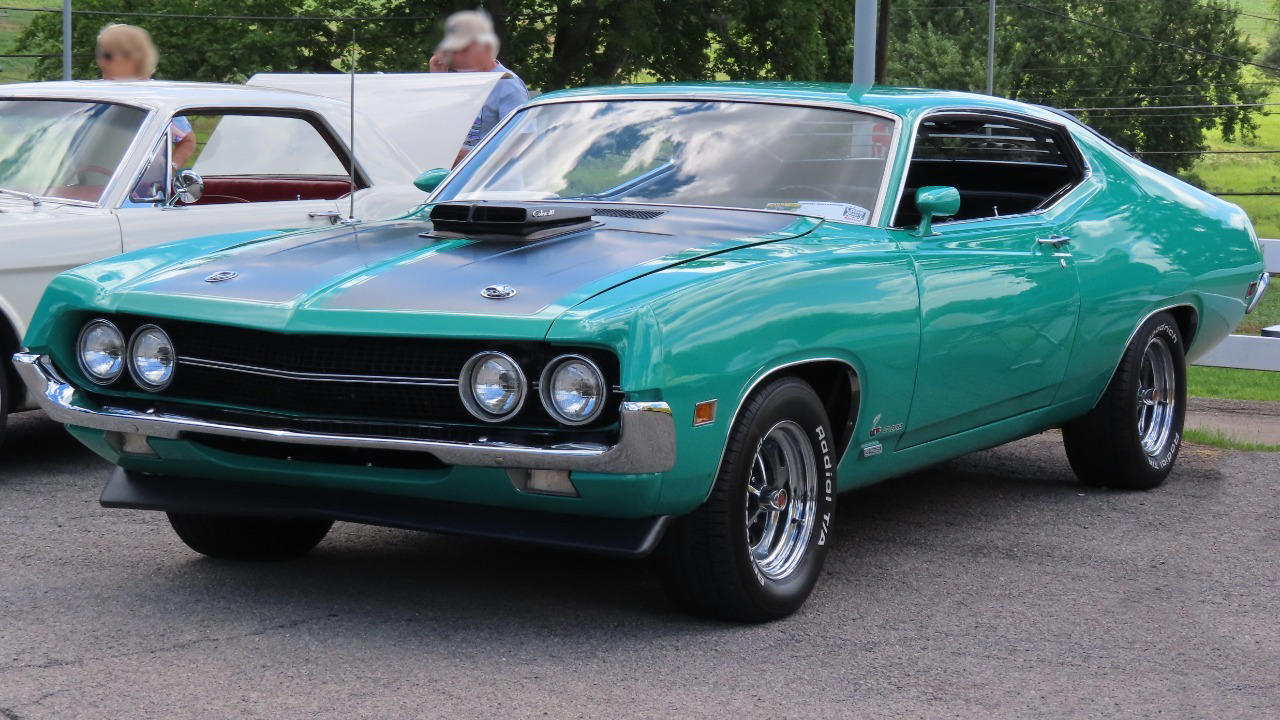



















1970 Ford Torino Cobra delivered serious big-block performanceThe 1970 Ford Torino Cobra arrived at a turning point for Detroit performance, just as insurance companies and regulators started closing in on the muscle car era. Ford responded with a mid-size coupe that could be ordered with some of the most serious big-block hardware it ever put on the street, wrapped in a body that looked ready for NASCAR. More than half a century later, the Torino Cobra has become a touchstone for fans of factory drag packages and big-inch V8s, especially in its 429 Cobra Jet and Super Cobra Jet forms. Its mix of brute force, clever option combinations, and racing intent makes it one of the clearest examples of how far Ford was willing to go in the pursuit of quarter-mile glory. What happened For 1970, Ford reshaped the Torino line with a long, low fastback profile and a pointed nose that made aerodynamic sense on the high banks. The Torino Cobra slotted in as the performance flagship of this range, built on the two-door SportsRoof body and stripped of luxury trim in favor of speed-focused equipment. Marketed as a street car, its engineering brief leaned heavily toward stock-class drag and oval-track racing. The centerpiece was the 429 cubic inch big-block, available in several distinct flavors. In Cobra trim, buyers could choose the 429 Cobra Jet, a performance-tuned version of Ford’s 385-series V8 with big-port heads, a hotter cam, and specific induction and exhaust pieces. The most aggressive configuration, the 429 Super Cobra Jet, was bundled with the Drag Pak option, which added a shorter 4.30 or 3.91 rear axle, heavy-duty cooling, and internal upgrades aimed at sustained high-rpm use. Period road tests and factory documentation linked the Cobra Jet engines with quarter-mile times that put the Torino squarely in the company of the quickest showroom cars of its day. Production numbers for the most extreme combinations stayed low, which helps explain why a 1970 Torino Cobra equipped with the 429 Super Cobra Jet and Drag Pak is described in modern coverage as a super-rare configuration. Cars built with that package combined the high-compression Super Cobra Jet short block with functional ram-air, competition cooling, and driveline parts shared with Ford’s dedicated drag machinery. Many were ordered with minimal comfort options and manual transmissions, further underlining their purpose. The Cobra Jet family had already proved itself by the time the 1970 Torino Cobra arrived. Earlier versions of the 428 Cobra Jet had powered a range of Ford and Mercury models, from Mustangs and Fairlanes to Cougars and Rancheros, creating a lineage of street and strip machines that leaned on the same basic engineering. A detailed registry of every car powered by a Cobra Jet V8 shows how widely Ford spread this performance brand across its lineup, and the 429 variant in the Torino represented the next step in that evolution. Under the hood, the 429 Cobra Jet and Super Cobra Jet differed from Ford’s more sedate big-blocks in meaningful ways. Contemporary technical breakdowns emphasize that the Cobra Jet used larger valves, revised combustion chambers, and a specific cam profile compared with the 429 ThunderJet, which was tuned for smoothness and torque rather than peak power. The Super Cobra Jet added stronger rods and other durability upgrades for high-rpm drag use, a contrast that modern analysis of Cobra Jet versus hardware makes clear. On the outside, the Torino Cobra package included visual cues that matched its intent. The SportsRoof body wore blackout trim, simple badging, and functional or at least functional-looking hood scoops when ordered with ram-air. Many cars sat on wide steel wheels with dog-dish caps, a combination that signaled performance without the flash of full wheel covers or elaborate brightwork. Inside, the cabin was basic, with bench or low-back bucket seats and a straightforward dashboard, but crucial options such as a tachometer and Hurst shifter hinted at the car’s priorities. Ford’s option sheet allowed buyers to tailor the Torino Cobra to different forms of competition. The Drag Pak and Super Cobra Jet combination turned the car into a quarter-mile specialist, with deep rear gears and reinforced driveline parts. Other buyers chose milder axle ratios and automatic transmissions, effectively building a high-speed highway car that still carried the big-block’s authority. In both cases, the underlying chassis, with its heavy-duty suspension and available power front disc brakes, was designed to handle the weight and speed of the 429. Why it matters The 1970 Torino Cobra matters because it captures the peak of Ford’s factory big-block performance before tightening emissions rules and insurance surcharges reshaped the market. It represents a moment when a mainstream manufacturer was willing to sell a mid-size coupe that could be ordered with a drag strip oriented engine, aggressive gearing, and minimal creature comforts, straight from the showroom. Within Ford’s own history, the Torino Cobra stands at the intersection of street muscle and organized racing. The body shape and chassis were closely related to the cars Ford used in stock-car competition, while the Cobra Jet and Super Cobra Jet engines drew heavily on drag racing development. This dual heritage gave the Torino Cobra a credibility that went beyond marketing slogans, since the same basic components were being tested at high speed on both the quarter-mile and the high banks. The distinction between the 429 Cobra Jet and the more sedate 429 ThunderJet illustrates how far Ford was willing to push the same basic displacement in different directions. Where the ThunderJet focused on smooth power delivery for full-size sedans and personal luxury coupes, the Cobra Jet specification prioritized airflow, compression, and cam timing that favored high-rpm horsepower. The Super Cobra Jet went further, with internal strengthening aimed at repeated hard launches and extended operation near redline. This approach showed that Ford was not content to rely on a single big-block tune, but instead created a spectrum of engines tailored to specific performance roles. That strategy helped shape how enthusiasts and collectors think about factory performance packages today. The presence of a particular suffix on a fender badge or build sheet, such as Super Cobra Jet, can transform a Torino Cobra from a quick street car into a historically significant artifact. The rarity of high-spec combinations, especially those ordered with the Drag Pak, has driven intense interest among collectors, who see these cars as tangible links to an era when manufacturers treated the drag strip as an extension of the showroom. The Torino Cobra also reflects the broader shift from torque-rich big-blocks to lighter, higher revving small-blocks that followed in the 1970s and 1980s. As fuel economy and emissions standards tightened, large displacement engines like the 429 became harder to justify in mainstream models. The 1970 car therefore occupies a narrow window in which its size, weight, and power were still acceptable in a mid-size chassis. Later performance Fords would rely more on small-blocks and eventually overhead-cam designs, leaving the big-block Torino as a snapshot of an earlier philosophy. From a cultural standpoint, the Torino Cobra has gained recognition more slowly than some of its contemporaries, such as the Mustang Boss 429 or Chevrolet Chevelle SS. That relative underdog status has made it especially appealing to enthusiasts looking for something more unusual than the typical poster-car choices. The combination of a long, fastback roofline, broad shoulders, and subtle badging gives the car a purposeful look that aligns well with its mechanical character. As coverage of surviving examples has increased, particularly those with well-documented Drag Pak and Super Cobra Jet options, the Torino’s profile in the collector community has risen accordingly. The engineering choices behind the car also help explain why it continues to attract attention from people who care about mechanical detail. The use of a high-flow big-block in a mid-size body, combined with specific suspension and driveline upgrades, shows a level of integration that goes beyond simply dropping a large engine into an existing platform. The fact that these cars could be driven to the track, raced, and then driven home speaks to the balance Ford achieved between raw performance and basic street usability. In modern terms, the Torino Cobra can be seen as an early example of a homologation-style build for American buyers. While it was not a limited-production homologation special in the strict European sense, its configuration clearly supported Ford’s competition efforts and gave privateers a strong starting point. The Drag Pak and Super Cobra Jet options in particular provided a near turnkey path to competitive performance in stock and super stock classes, reducing the amount of aftermarket modification required to be competitive. What to watch next Interest in the 1970 Ford Torino Cobra is likely to keep growing as collectors look beyond the best known muscle cars and focus on models that combine real competition pedigree with relative rarity. The limited production of Super Cobra Jet and Drag Pak examples, especially those with original drivetrains and documentation, means these cars will probably remain highly sought after in auctions and private sales. As more detailed registries and build records surface, enthusiasts can expect clearer data on how many Torino Cobras were built with specific engine and axle combinations. That information will help refine valuations and may bring greater recognition to configurations that have been overlooked. For example, cars ordered with less aggressive gearing but still equipped with the Cobra Jet engine may gain attention as more street friendly alternatives that still deliver authentic big-block character. Restoration trends will also shape how the Torino Cobra is perceived in the coming years. Owners face choices between period-correct restorations that preserve factory specifications and sympathetic upgrades that improve drivability without erasing the car’s identity. Decisions about retaining original carburetion, ignition systems, and exhaust components versus adopting modern equivalents will influence both performance and long-term value. The most prized examples are likely to remain those that stay closest to their original build sheets, particularly when they carry rare combinations such as Super Cobra Jet and Drag Pak equipment. On the performance side, the technical differences between Cobra Jet and ThunderJet engines continue to attract attention from builders who want to recreate period-correct powertrains. Understanding how Ford achieved the airflow and durability improvements in the Cobra Jet family helps modern engine shops rebuild or replicate these units with confidence. As more detailed technical documentation becomes available, expect renewed interest in correct casting numbers, head designs, and internal components that separate a true Cobra Jet from a standard big-block. The Torino Cobra’s place in Ford’s broader performance story is also likely to be revisited as the company continues to trade on historic nameplates and heritage themes. While recent performance models have leaned on Mustang and F-series branding, the Torino’s mix of mid-size practicality and serious power offers a different template. Even if the nameplate does not return, the idea of a relatively understated coupe with a focus on straight-line speed could influence how future performance projects are framed for enthusiasts who appreciate historical continuity. More from Fast Lane Only Unboxing the WWII Jeep in a Crate 15 rare Chevys collectors are quietly buying 10 underrated V8s still worth hunting down Police notice this before you even roll window down