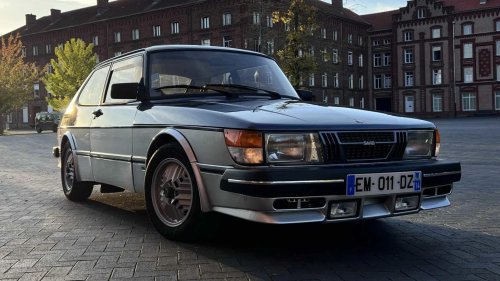
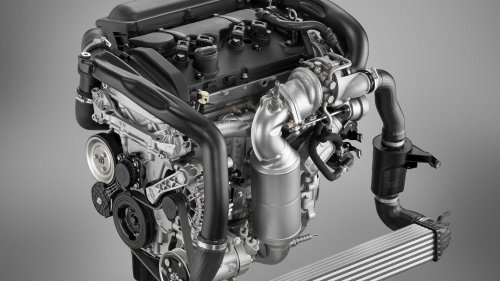
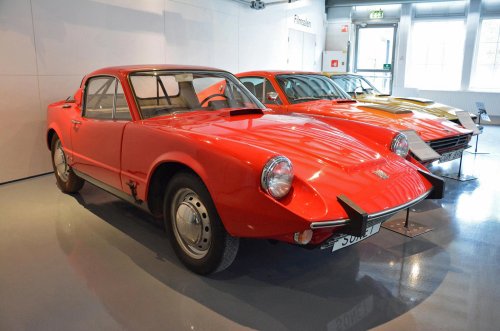
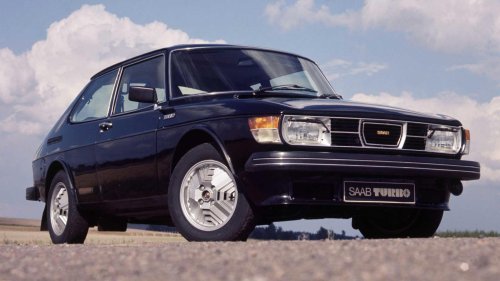
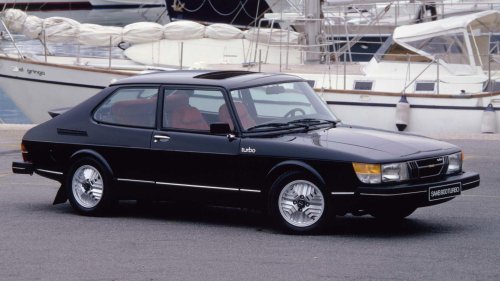
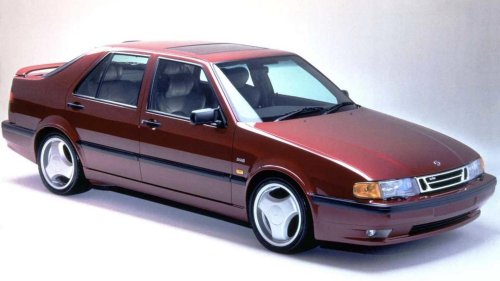
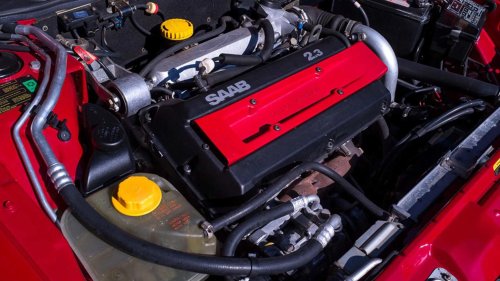
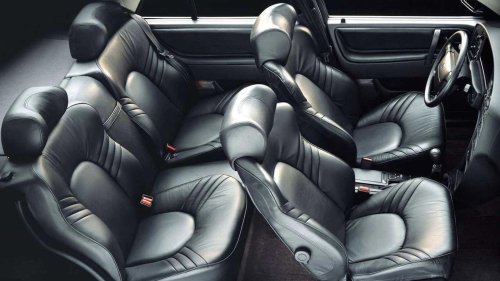
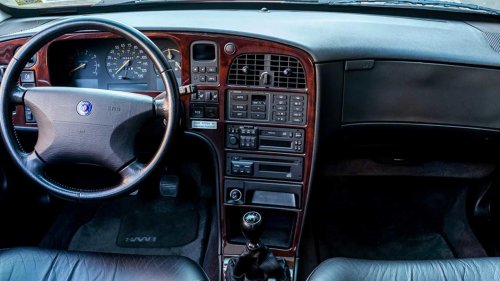
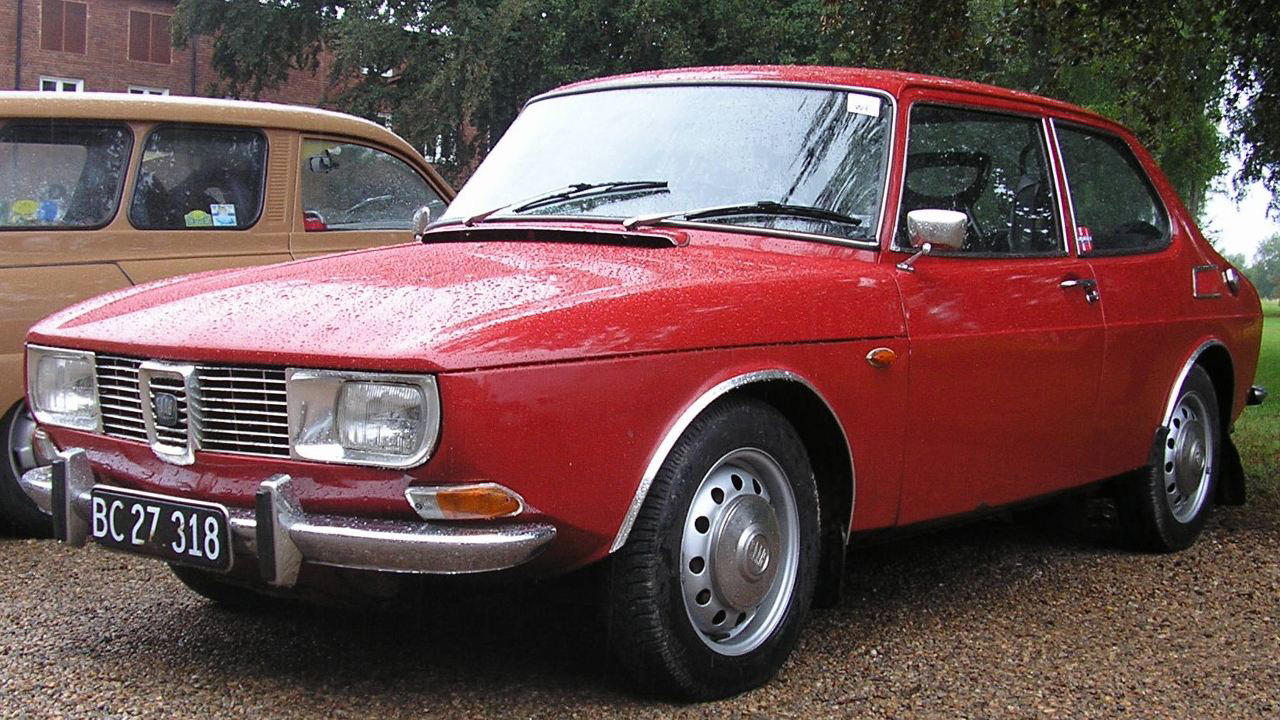
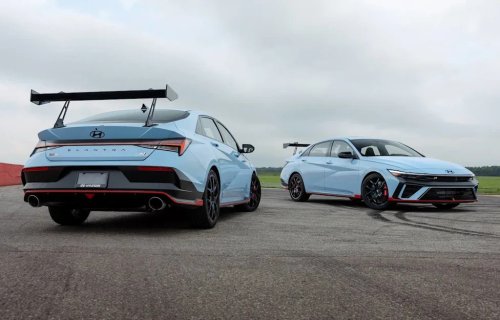
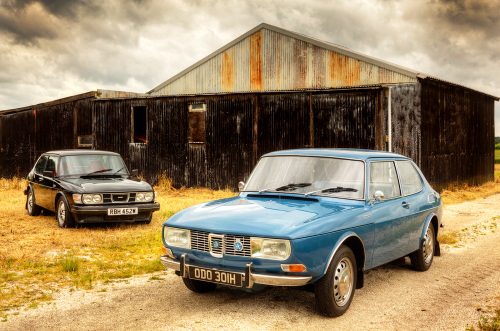
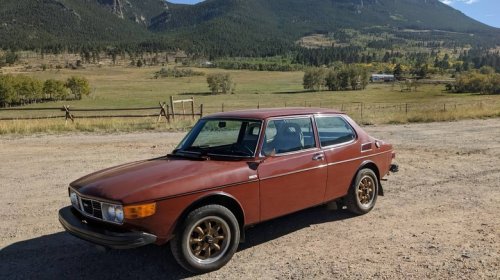
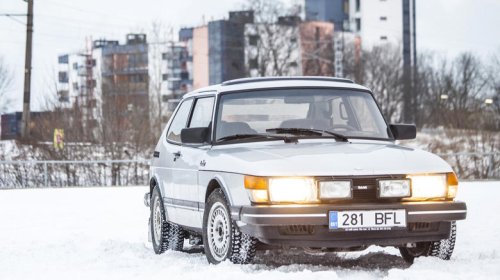
If you were a rational person in the 1980s, you didn’t buy a turbocharged coupe. You bought a Camry, maybe a Civic, and congratulated yourself on outsmarting the car industry. But if you were a bit more curious about the world and what it had to offer, you bought a Saab 900 Turbo, a car that ignored convention, disproved norms, and arguably pioneered the inline-four turbo engine for the masses.No, Saab didn’t invent turbocharging. And no, it didn’t build the fastest or most luxurious coupe of the era. In fact, most people would say that Saab built strange cars for strange people. And be that as it may, the 900 Turbo, way back in 1978, when people were still terrified of carbs and radial tires, was making turbocharging reliable, affordable, and actually drivable. And it did so with a funky little front-wheel-drive, aircraft-inspired hatchback-coupe from Sweden. Saab Made Turbos Cool—And Practical 1985 Saab 900 Turbo front 3/4To appreciate the Saab 900 Turbo, you need to forget what you know about modern turbo engines. Today, turbo-fours are boring. They’re what you get in your Honda CR-V or Malibu when the V6 gets cut for emissions. But in the late ’70s, a turbocharged four-cylinder was witchcraft. Turbochargers had been bolted to cars before, mostly by people with mustaches who used words like “boost threshold” and “blow-off valve.” BMW tried it. Porsche did it with the 911 Turbo, but that was about as daily driver as a wild boar in a tuxedo. Saab, on the other hand, took the humble B-series four-cylinder from the 99 and re-engineered it with Bosch fuel injection, a Garrett turbo, and real-world reliability.What they created in the Saab 900 Turbo was a car that could haul your groceries on Friday and make your neighbor’s Datsun (Nissan) 280ZX look like it was missing cylinders by Saturday morning. It had 143 horsepower, which may not sound like much now, but in 1980, that was more than a Porsche 924, more than a Volvo 240 Turbo, and roughly double what most American compacts made. Performance Stats (And A Whole Lot Of Quirk) Turbocharging For The Rest Of Us Bring A Trailer When Saab engineers first tested their new turbo in the Saab 99 (the 900's predecessor), they were told it would never work. Turbo lag was too unpredictable. Fuel economy was spotty. Engines would explode, or worse—burn oil. Saab responded like any true Scandinavian design house: by ignoring everyone. The 900 Turbo proved that an inline-four turbo engine could be more than a gimmick. It could be affordable, fuel-efficient, and durable. The car was quiet. The boost came on smoothly. It didn’t need an oil change every week. And thanks to a new wastegate design and intercooling later on, it didn’t cook itself every time you got on the gas.The result? A car that launched Saab into the performance conversation without sacrificing the brand’s sensible DNA. You could buy a 900 Turbo and not be a lunatic. You could be a dentist, a professor, or someone who wears tweeds for fun. The Drive: Odd, Grippy, And Way More Fun Than It Should Be Bring A Trailer Driving a Saab 900 Turbo today feels a little like piloting a fighter jet made of Lego. The steering is quick and light. The clutch is forgiving. The turbo takes a second to build boost, but once it kicks in—usually around 3,000 rpm—it’s a wave of torque that lasts until the redline. The front tires might clamor for grip, the chassis leans into corners like a big puppy, and yet somehow the whole thing feels controlled. The car’s weird proportions—a long nose, upright windshield, and fastback rear—make it feel roomier than most sedans. The driver sits up high, like in a crossover, with a panoramic view of the road ahead. Every button is a hunt, never-ending where you expect it. The ignition is on the floor, the climate knobs are like submarine controls, and the wipers could sweep a runway. It was absurd. It was awesome. The 900 Turbo Created A Cult—And Then A Category Bring A Trailer Thanks to its unique engineering and personality, the Saab 900 Turbo became the car of choice for quirky professionals and anti-BMW types. It had the performance to back up its image, but it never felt like it was trying too hard. There was no spoiler-measuring contest. No fake vents. Just Swedish restraint with a dash of jet-age speed.More importantly, it opened the floodgates. After the 900 Turbo proved that small-displacement turbos could be civilized, other manufacturers jumped in. The VW GTI 1.8T, the Dodge SRT-4, the Subaru WRX, and even today’s Civic Type R—all owe something to Saab’s experiment. This was the inline-four turbo engine made usable, long before it became mandatory. Affordable Turbo Cars Are Still Chasing This High Bring A Trailer Today, if you want a cheap turbocharged car, your options are endless—but your soul might be less full. The modern crop of affordable turbo cars is more about emissions and marketing than spirit or performance. Sure, a new Elantra N is fast. A Civic Si is practical. But none of them are like the 900 Turbo, because none of them come from a company that also made airplanes and believed that cars should be both eccentric first and excellent second.What’s wild is that the 900 Turbo is still relatively affordable. Clean examples can be found for under $10,000. Some are even cheaper. You get classic European styling, vintage turbo flair, and a front-row seat to 1980s Swedish engineering. Should You Actually Buy One? Bring A TrailerIf you’re the kind of person who enjoys rebuilding a vacuum system on a Saturday and isn’t afraid of sourcing parts from eBay Germany, the Saab 900 Turbo is still a surprisingly usable classic. Early models (’78–’85) are rawer, while later models added more luxury, more power, and better corrosion resistance.And unlike many ‘80s coupes, you can actually fit people in the back. There’s a hatchback. There’s cargo space. There’s even an option for a three-door or five-door layout.But here’s the real hook: The 900 Turbo feels unlike anything else, even 40 years later. It’s not just a car you drive. It’s a car you operate, like a machine designed by people who thought steering columns were too obvious. The Car That Did It First Also Did It Right The Saab 900 Turbo didn’t just pioneer the inline-four turbo engine. It made turbos reliable. It made them daily drivable. And it did so with grace, charm, and just enough weirdness to keep things interesting. It was an affordable turbo car that never sold out. It never tried to be a sports car. It just wanted to go fast, intelligently. And if you ask us, that’s more radical than any Nürburgring lap time.