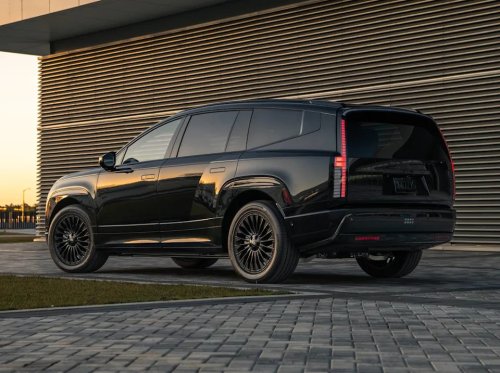
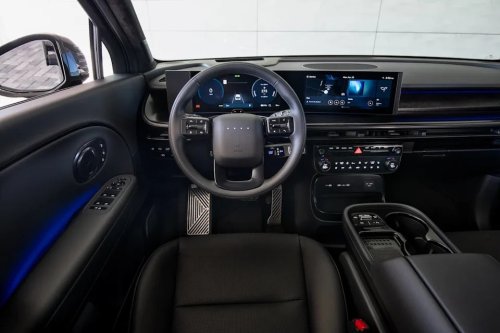
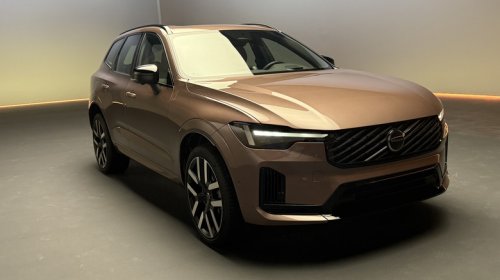
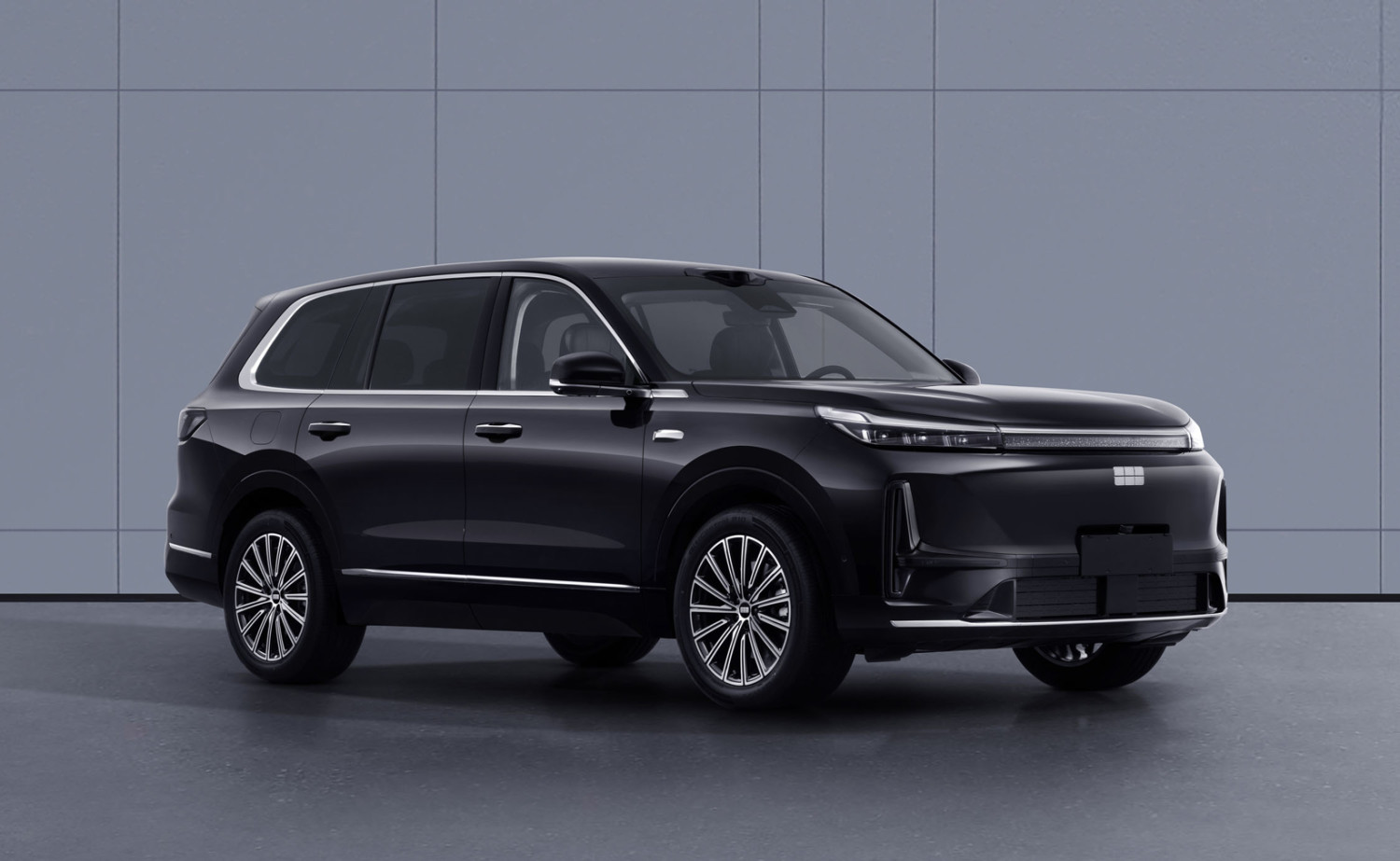
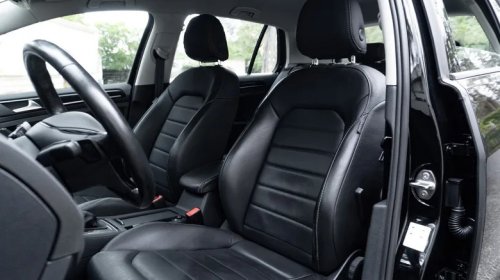
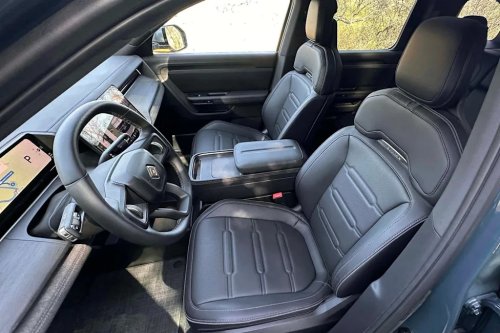
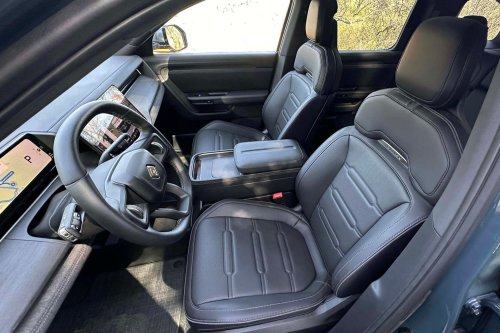
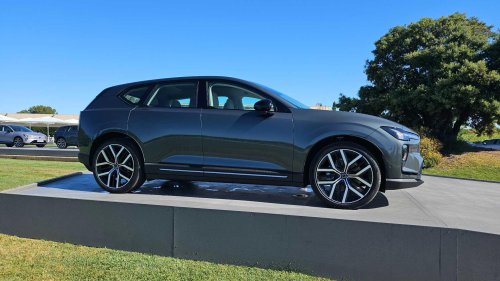
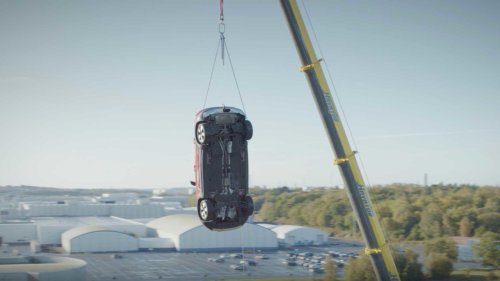
Some might consider seatbelts a nuisance, but there's no denying they have saved tens of millions of lives since Volvo introduced the three-point harness in 1959. Two-point lap belts had been around for many years by then, initially to keep occupants from falling out of open-air cars on bumpy roads before smooth interstates existed. But it was Volvo that evolved seat belts and built a stronger foundation for vehicle safety, a foundation which every other automaker followed. Tom Murphy / CarBuzz / ValnetNow, Volvo is ready to evolve seat belts once again. The Swedish automaker takes very seriously its role as a pioneer in safety, and its latest technology, appearing this year for the first time in a production vehicle, dispels any myth that seatbelts are a low-tech device that merely hold an occupant in place while the car absorbs extreme crash forces. Seatbelts Just Got Way Smarter VolvoVolvo's new multi-adaptive seatbelts, debuting in the front seats of the 2027 Volvo EX60 all-electric crossover going on sale this year, are intelligent belts that go way beyond basic settings. With the help of radar and cameras in the cabin, as well as sophisticated controllers, these belts are designed to recognize the infinite variations in occupant size, shape, height, and weight, and adapt the belt's retracting force accordingly.Previously, Volvo's most advanced seatbelts could adjust retracting force based on three distinct passenger profiles. The new multi-adaptive seatbelt uses 11 different profiles when a collision occurs. Additionally, the new belt is designed to react more quickly and more precisely.The multi-adaptive belt gets its advanced intelligence from the EX60's new HuginCore central processor (pronounced HUGH-gin-CORE). This processor responds based on information gathered by radar sensors and cameras already installed as part of the "No One Left Behind" passenger occupant technology. The multi-adaptive seatbelts now share that information as well, and the technology can improve over time.Tom Murphy / CarBuzz / Valnet"We get data from the cars, and then we can learn more, and then with over-the-air technology, we can evolve the functionality over time and basically improve safety over the lifetime of the car."–Thomas Broberg, Volvo senior technical advisorDuring recent media test drives of the EX60, Volvo set up a simple demonstration to show the difference between existing seatbelts and the new multi-adaptive offering. The demo involved standing upright with your back against a board and then strapping in with the three-point harness. Then, with your feet stationary, you lean forward – and trust that you won't land on your face. The older belt did its job, cinching up and preventing you from hitting the ground.The functionality of the multi-adaptive belt felt largely the same, except for a key difference: It cinched up with gradual force, so the sensation is much less jarring. Speaking to CarBuzz, Volvo Senior Technical Safety Advisor Thomas Broberg saysthat new retractors were designed for the new seatbelt, but beyond that, there was not much additional cost in terms of vehicle development.But just how critical is this advancement? The answer becomes clear when you consider what happens in crashes without any seatbelt protection at all. Imagine Crash Severity Without Belts Volvo Sure, crash forces can be so extreme that a belt across the chest or the waist can bruise ribs, cause abrasions, damage soft tissue, and even fracture collarbones. But if soft, flexible restraints cause that kind of injury, imagine what a steering wheel, dash, or touchscreen might do. The multi-adaptive technology is Volvo's effort to improve the overall intelligence of seatbelts and further refine how they will respond and retract, for instance, in the case of a pregnant woman or a frail, elderly driver. This technology springs from Volvo's own research, which started in the 1970s, by visiting real-world crash sites to determine how Volvos hold up in collisions in every way, from bumper to bumper, from structural to mechanical aspects.Broberg says the data gathered has been critical in helping the automaker improve safety. For instance, Volvo's earlier seatbelts could not recognize differences between genders. "We have no differences like that today," Broberg says.This research continues as Volvo studies the impact of, for instance, an EV with a tree or pole, to ensure the high-voltage battery is not pierced. And Volvo Cars will continue using cranes to hoist cars 100 feet in the air and then dropping them in spectacular fashion, for the purpose of crash research.And, of course, seatbelt development.



















 +5 others