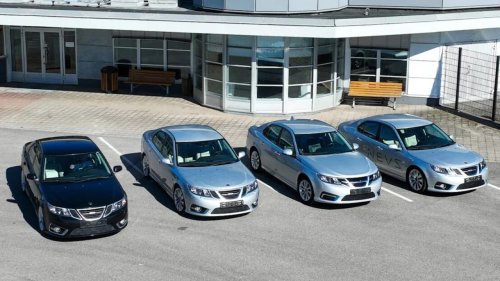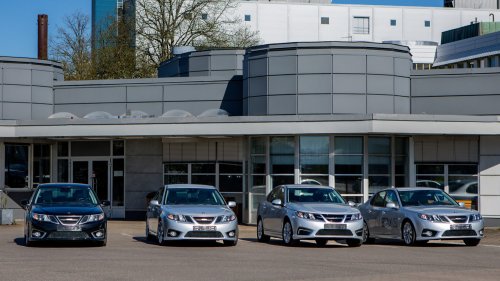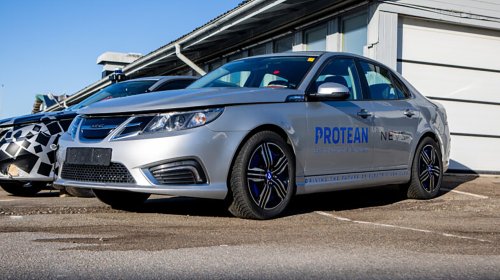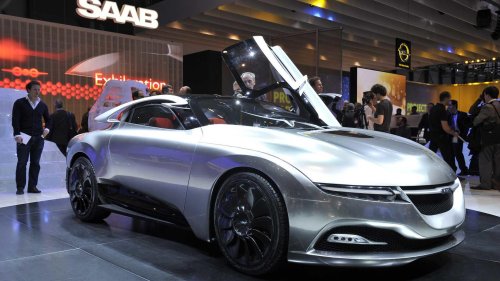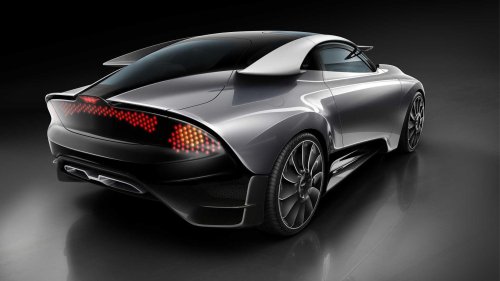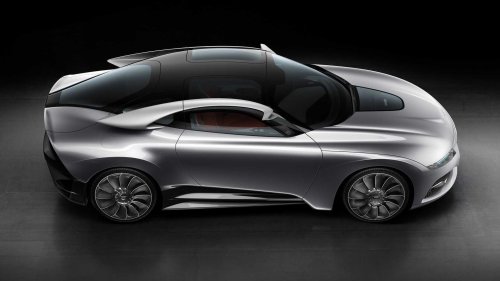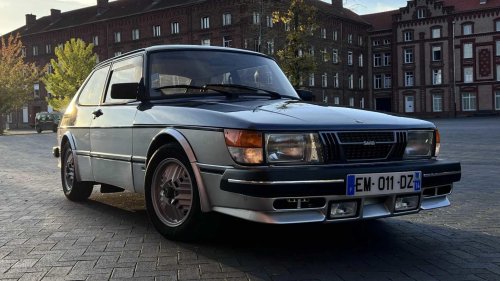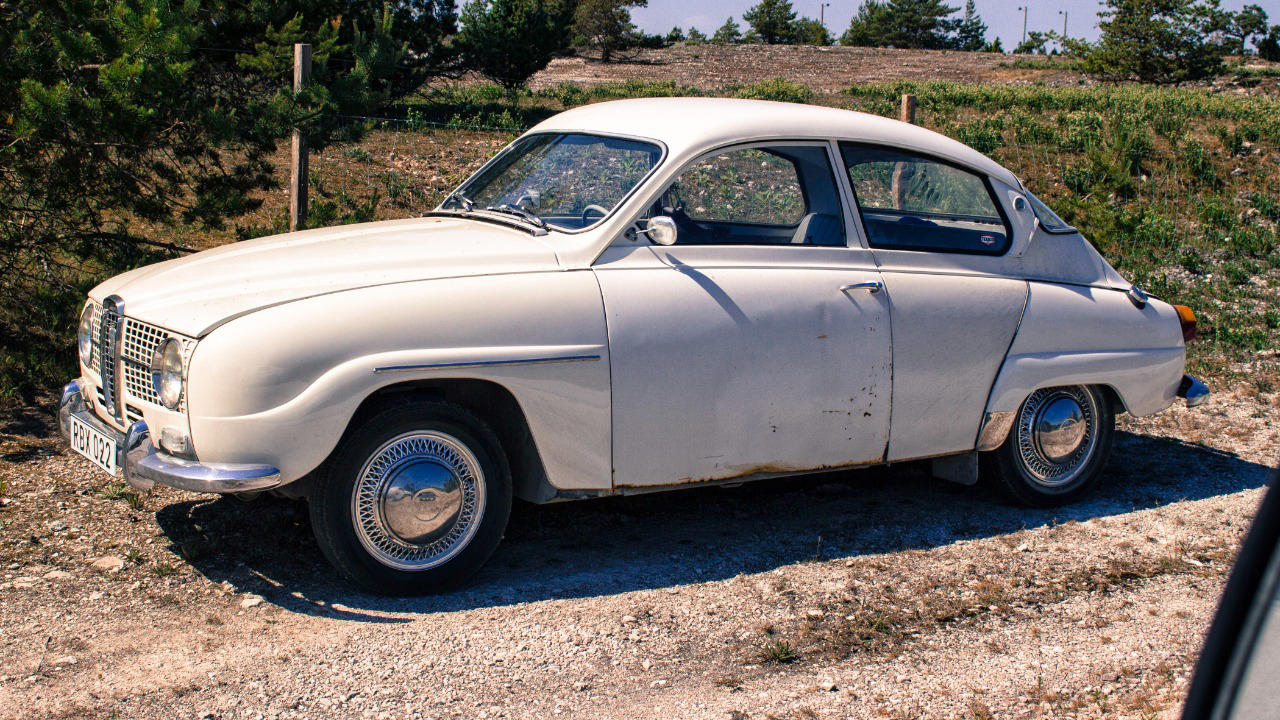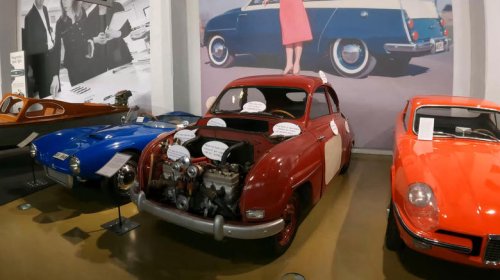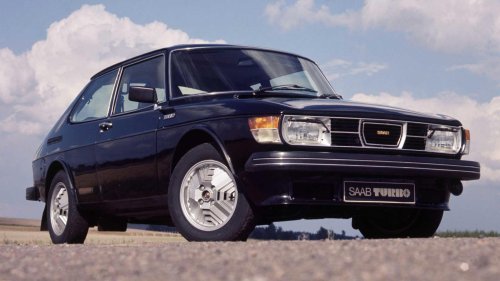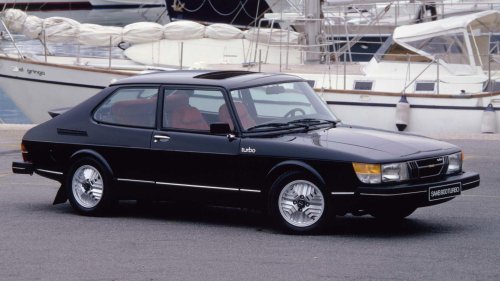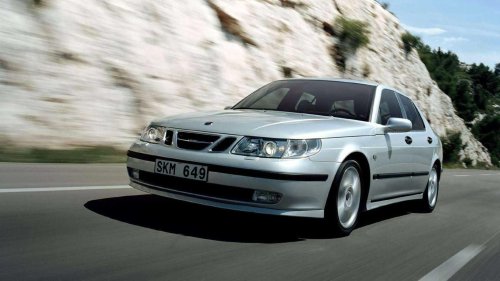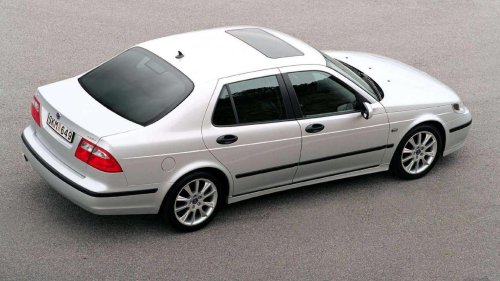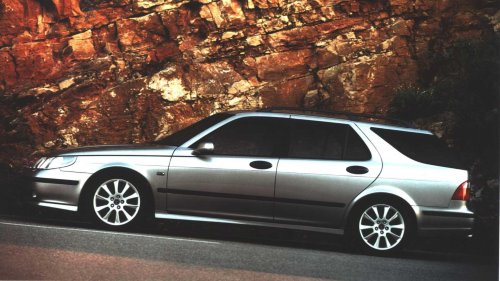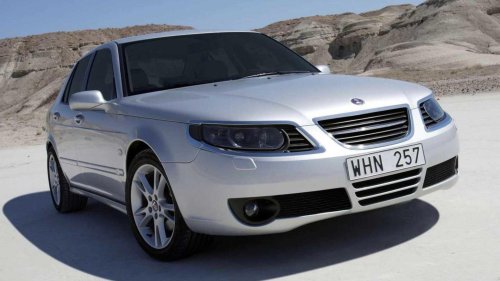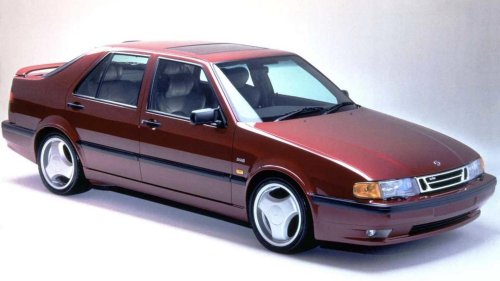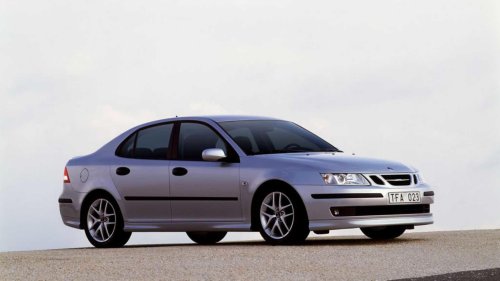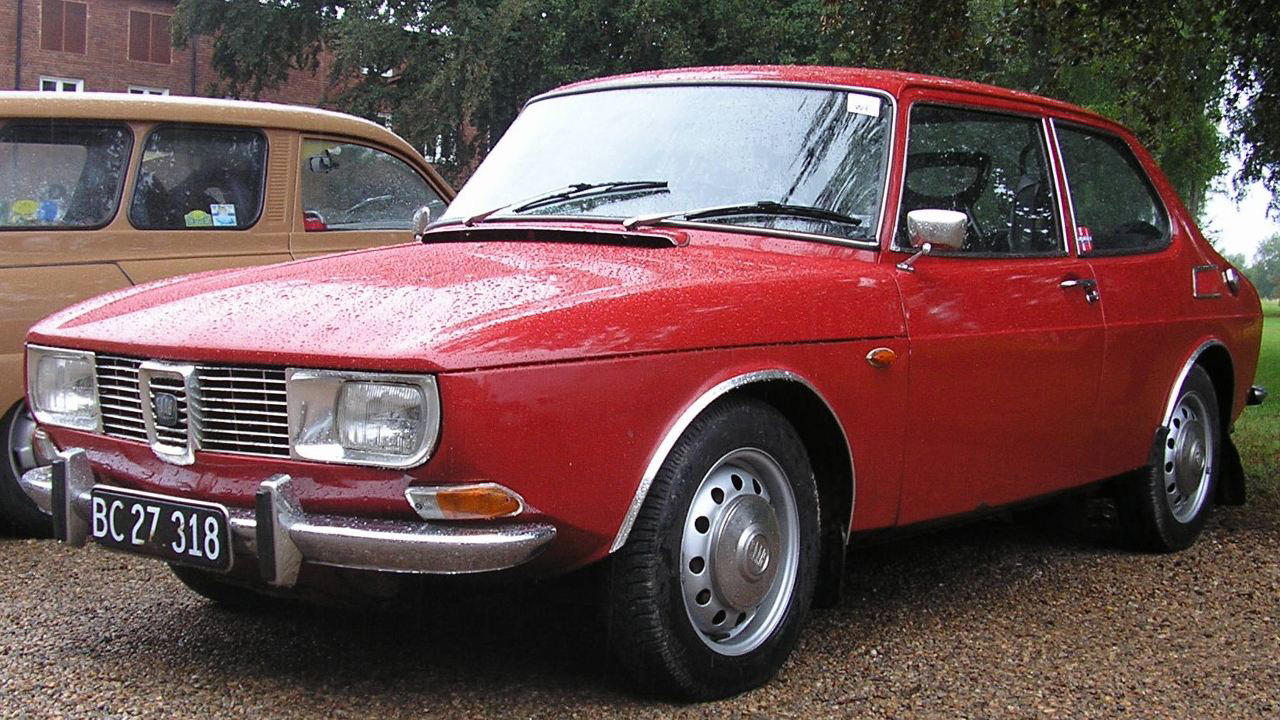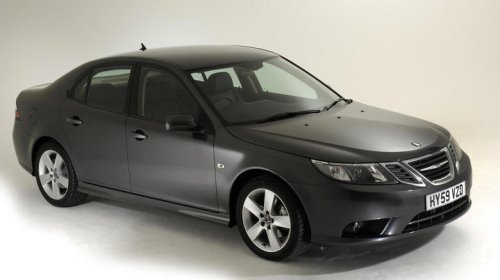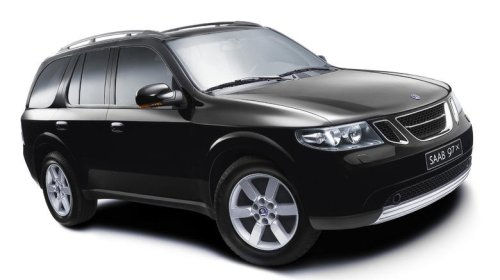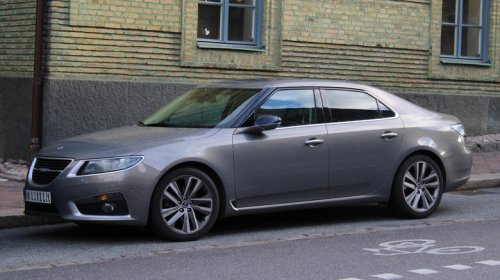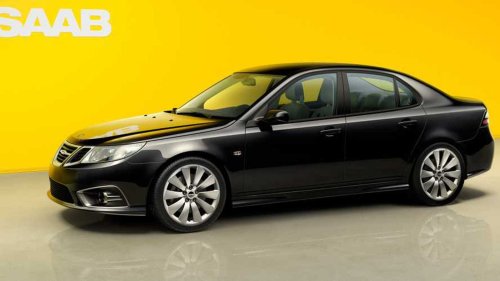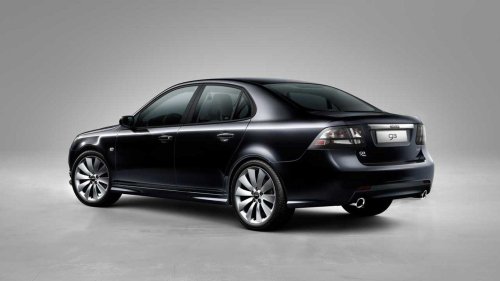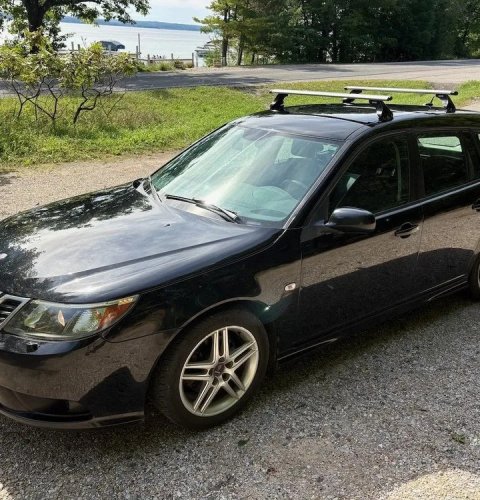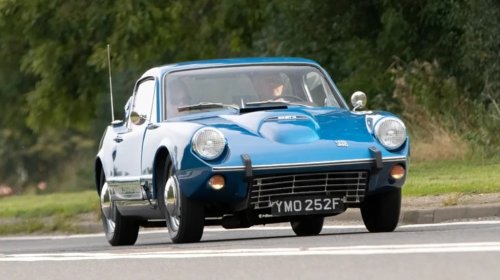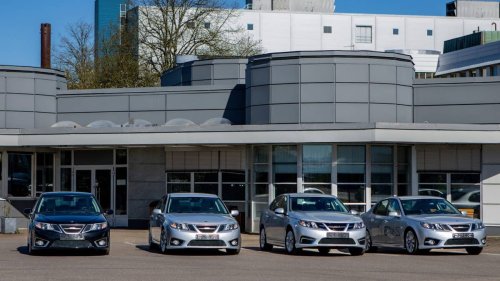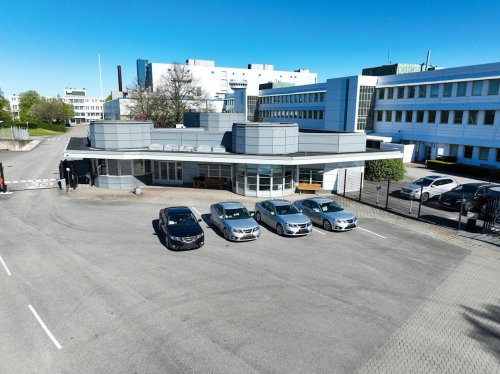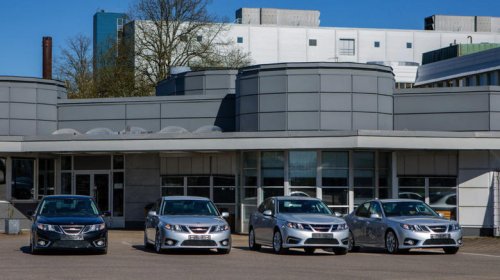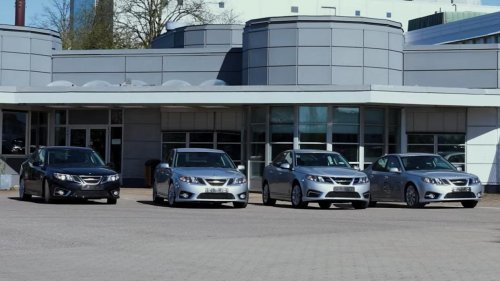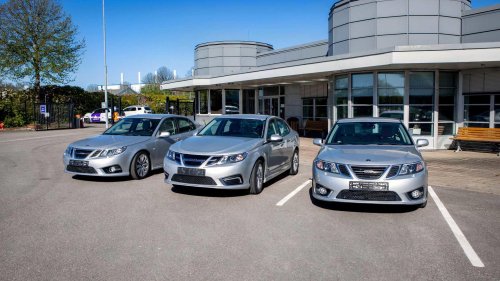
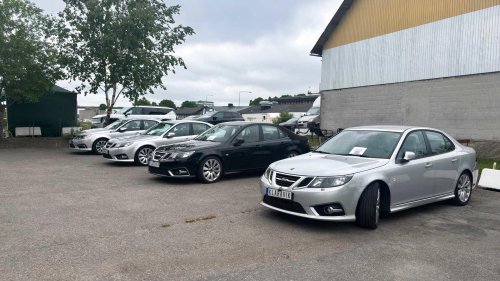
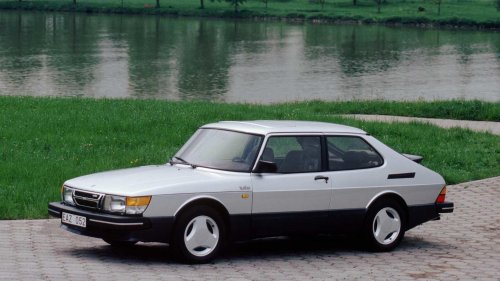
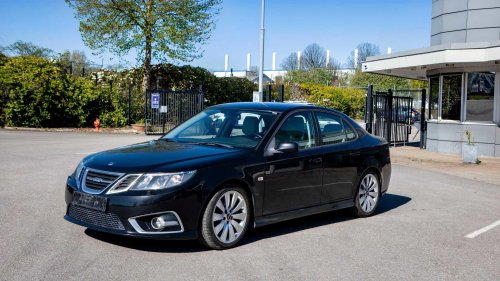

















The sale of the last seven Saab cars at its factory site in Trollhättan, Sweden, wasn't just a run-of-the-mill auction – it was a ceremonial event that drew enthusiasts as well as bidders. Technically, the vehicles for sale were all Saab 9-3 cars, despite four being branded as NEVS (National Electric Vehicle Sweden), the company that acquired the assets of Saab Automobile from a bankruptcy estate in 2012.Considering the long history of Saab and the level of enthusiasm it generates with people around the world, it was probably a banger of an auction, right? Yeah, not exactly. And that makes us sad. The Final Saab Models Have New Homes KlaravikUltimately, NEVS failed to carry the Saab name forward, hence the sale of these final vehicles. The last batch is made up of mainly prototype and pre-production cars, but they didn't stay together as a one-bidder-takes-all event. All seven cars were purchased by Swedish private individuals or companies, with the 2018 NEVS 9-3 electric car fetching the highest price of them all. It was an electrified and facelifted version of Saab's compact 9-3 sedan, which was itself an update of the iconic Saab 900 and 9000. The Combined Selling Price For All Cars Was Barely $100,000 The 2018 NEVS 9-3 fetched 252,000 kronor, which is just short of $27,000 using the current exchange rate. If that sounds like a deal, the others must've been absolute steals because the entire lot sold for $107,000 combined. If we subtract the NEVS 9-3, the remaining six cars sold for an average of just $13,300. The full lineup of cars for sale looked like this: NEVS 9-3 electric car Saab 9-3 Aero pre-production car Saab 9-3 Aero pre-production car Saab 9-3 pre-production car NEVS 9-3 electric car prototype, pre-production NEVS 9-3 electric car prototype (autonomous) NEVS 9-3 electric car prototype (Range Extender) Saab's Last Stand The third generation of the Saab 9-3 was developed under the ownership of General Motors, with the design and bulk of the engineering completed when Saab filed for bankruptcy in December 2011. The third generation 9-3 mainly needed an interior, but NEVS bought the bulk of Saab's assets with plans of putting an electric variant of the second generation 9-3 into production."The fact that the cars and the auctions have been covered in 47 countries around the world speaks to the legendary status Saab still holds. We are also proud to have been able to demonstrate the broad reach and visibility that Klaravik brings to a sale of this kind."– Carita Nero, Chief Commercial Officer, Klaravik.Klaravik Despite Saab leaving the automotive industry with a sputter, several hundred people turned out to celebrate the brand, including people from all over Europe and as far away from Sweden as the US. For many, it was an opportunity to connect with fellow Saab enthusiasts and see the final cars on display. CarBuzz Insight – Why This Matters: Saab Saab was a global automotive icon throughout the 1980s and 1990s, but dated back to 1945 when the brand started building its reputation for engineering and innovation under its aerospace-based parent company. The Saab 900 is the car most remembered, not just for its unusual shape with a long, low hood, but for its turbocharged engines, aggressive aerodynamic packages, and even more aggressive marketing campaigns claiming close association with fighter jets.Ultimately, this is a sad end for the Saab brand after a long, drawn-out spiral into failure. It could have been a much different story if Koenigsegg had followed through with its intention to buy the company in 2009, or if Spyker had been able to afford to buy and run Saab in 2011. Ultimately, NEVS bought the assets, intending to build EVs but ultimately failed financially. Now, Saab can finally rest in peace.Nevs and Saab 9-3 car5