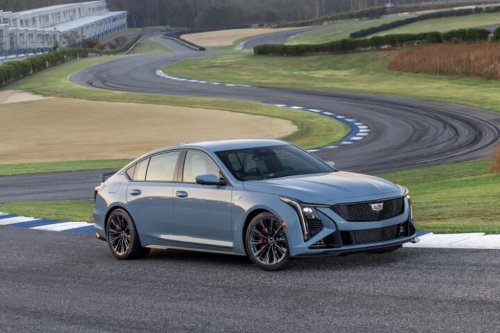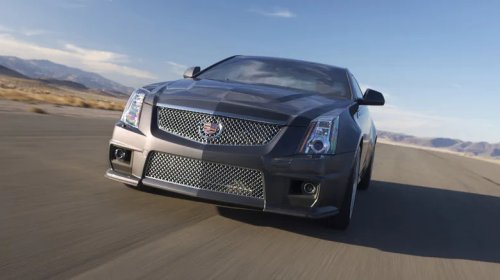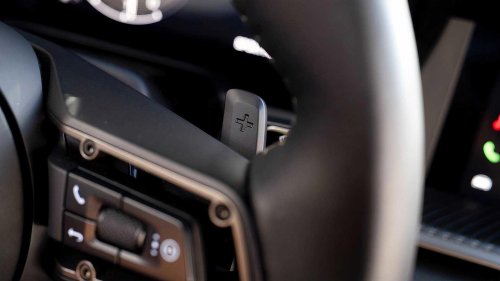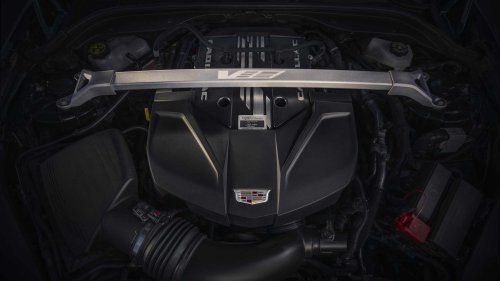
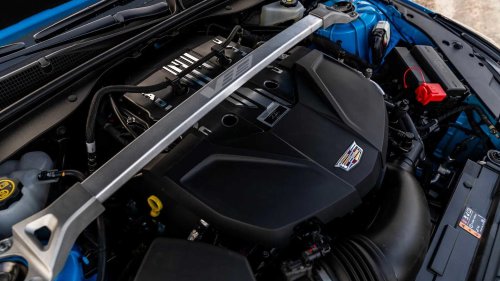
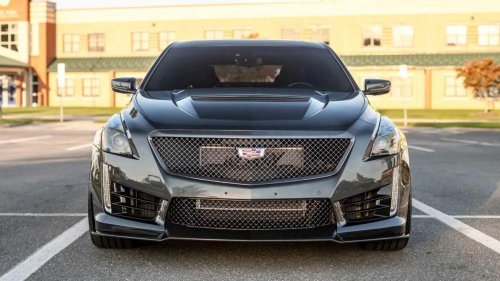
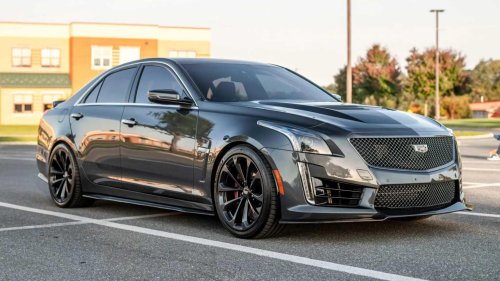
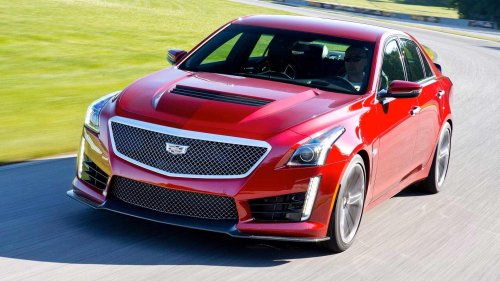
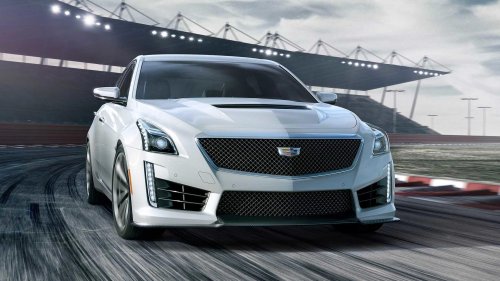



















Manual transmissions didn’t disappear overnight. First, they disappeared from luxury cars, then from high-performance sedans, and finally from anything with real power. Automatics got faster, easier, and more consistent, and buyers followed that. At some point, the manual stopped being part of the conversation entirely. It wasn't a dramatic exit; you pretty much just stopped seeing them on order sheets.Fewer options, fewer configurations, and then eventually nothing at all. But right before that door closed, there was one car still doing it properly. This Cadillac was a full-size sedan with a supercharged V8, rear-wheel drive, and a 6-speed manual you could actually order like it was no big deal. Not a special edition, not something you had to hunt for, just there if you wanted it. And once it disappeared, that combination didn’t come back in any form. The Cadillac CTS-V Was The Last V8 Sedan You Could Buy With A Manual CadillacBy the time the third-generation CTS-V showed up, most of its competition had already made the decision for you. BMW had moved the M5 to automatic-only, and Mercedes-AMG had done the same with the E63. Even buyers who preferred manuals had begun to accept that if they wanted a fast sedan, they would have to compromise on that aspect of the experience. Cadillac didn’t follow them right away, and that’s what makes this car stand out now.CadillacYou could still walk into a dealership and order a CTS-V with a 6-speed manual. Not a different trim, not a detuned version, not something stripped down to justify it. Same 640-horsepower supercharged V8, same chassis, same everything. It wasn’t some last-ditch effort to keep enthusiasts interested; it was just part of the car. It wasn't really a huge deal at the time, but it does set the CTS-V apart now that we are looking back.Fun Fact: Cadillac built fewer manual CTS-Vs than you’d expect, with estimates suggesting the take rate was under 10%, making them significantly rarer than the automatics today. It Delivered Supercar-Level Performance In A Full-Size Sedan The numbers still sound slightly unreal when you say them out loud: 640 hp in a four-door sedan with a top speed over 200 mph, and a 0–60 mph in the mid-three-second range if you’re really pushing it. That’s not just fast for a sedan, that’s fast compared to cars that were never meant to carry passengers in the first place. The LT4 doesn’t feel complicated because it doesn’t need to build into power or wait for anything. You roll into the throttle, and it responds immediately, with torque that shows up low and stays consistent. That's what we expect from the last true American V8.And then there’s the size of the car. You expect something with four doors and a usable back seat to feel heavier, less precise, maybe a little disconnected. The CTS-V doesn’t really fall into that. It’s still a big car, but it carries itself well enough that you stop thinking about the size once you’re actually driving it.Via: Bring a TrailerCadillac CTS-V (2016–2019) Key SpecsThe manual forces you to stay engaged with what the car is doing. You’re choosing your gears, managing the power, paying attention in a way that just doesn’t exist with the automatic. That's part of the fun, though. Why It Disappeared Even While Demand Was Still There Bring a TrailerThe easy answer is that manuals stopped selling, and that’s part of it. Even in a car like this, where you’d expect buyers to care about how it drives, most people still chose the automatic. It was quicker, easier to live with, and just made more sense day to day. That’s where the demand was, and that’s what most of these cars ended up being built around.At the same time, building something like this got more complicated every year. Emissions tightened, engineering constraints grew stricter, and offering two transmission options meant more testing, more certification, and higher costs for something only a small percentage of buyers actually chose. Eventually, it stops being about preference and starts coming down to whether it makes sense to keep offering it at all. For Cadillac, and really everyone else in this space, it didn’t. The manual didn’t disappear because it didn’t work (it worked quite well); it disappeared because everything around it changed.Fun Fact: The CTS-V’s LT4 engine is hand-built at GM’s Performance Build Center in Kentucky, the same place where Corvette Z06 engines are assembled. Nothing Replaced It, And Nothing Really Will Once the CTS-V left, nothing really stepped in to take its place. No other brand picked up that formula, and there wasn’t a follow-up waiting in the background to carry it forward. The segment didn’t evolve in that direction, it just moved on.Performance sedans today are faster than ever, but they get there in a completely different way. Dual-clutch transmissions, all-wheel drive, hybrid systems, even full EV setups all focus on delivering speed as efficiently as possible. That works, but it changes the experience. The CTS-V sat in that middle ground where the car was fast, but you still had to be part of it, and that’s the piece that didn’t carry over. Now It’s One Of The Last True Driver Sedans Left Bring a TrailerThis is where the car starts to get looked at a little differently. For a long time, it just sat in that used performance sedan space. It was quick, it was good, but it wasn’t something people were really chasing. It was just another option in a group that all kind of overlapped.That’s changing now, mostly because everything around it went in a different direction. The BMW M5 dropped the manual and went all-wheel drive. The E63 did the same. Even the newer stuff that replaced those cars doesn’t come close to offering this kind of setup anymore. So when you go back and look at what this actually was, it stands out a lot more than it used to.CadillacThe manual cars are where it really starts to separate. They weren’t common to begin with, and most of them got used the way you’d expect. Once you start looking for cleaner ones that haven’t been messed with, the options get pretty limited pretty fast.Fun Fact: Even though it’s a four-door sedan, the CTS-V was tested at over 200 mph at the Nürburgring, which is something most cars in this segment were never even pushed to attempt.Cadillac Recent Market Values – Cadillac CTS-V (Manual & Auto Mix) The cleanest cars are already pushing into the $90K range, and when a manual shows up, it tends to sit at the top of that spread. That's a tale as old as time. The cars that offered something different at the time don’t always stand out right away, it takes a few years before people realize what they actually were.Looking back, the CTS-V doesn’t come across like it was trying to close anything out. It was just another car in the lineup at the time. But now that there’s nothing else that does the same thing, it feels a little different. What do they always say, we don't know how good we had it? They just don't make 'em like they used to? Something like that, but it rings true even when talking about manual V8 sedans.