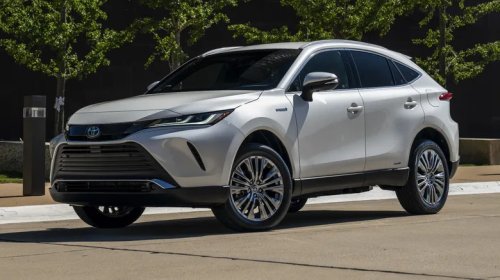
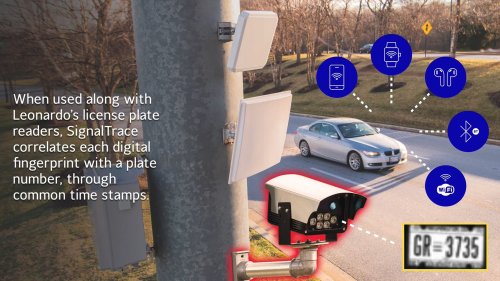
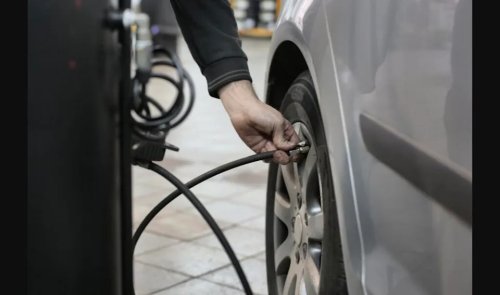
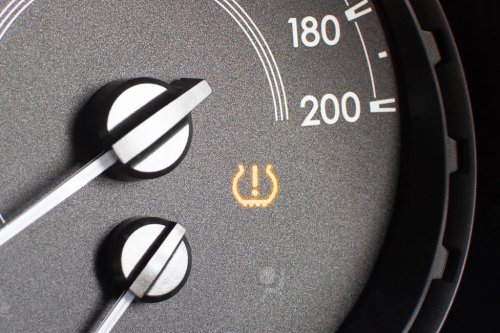
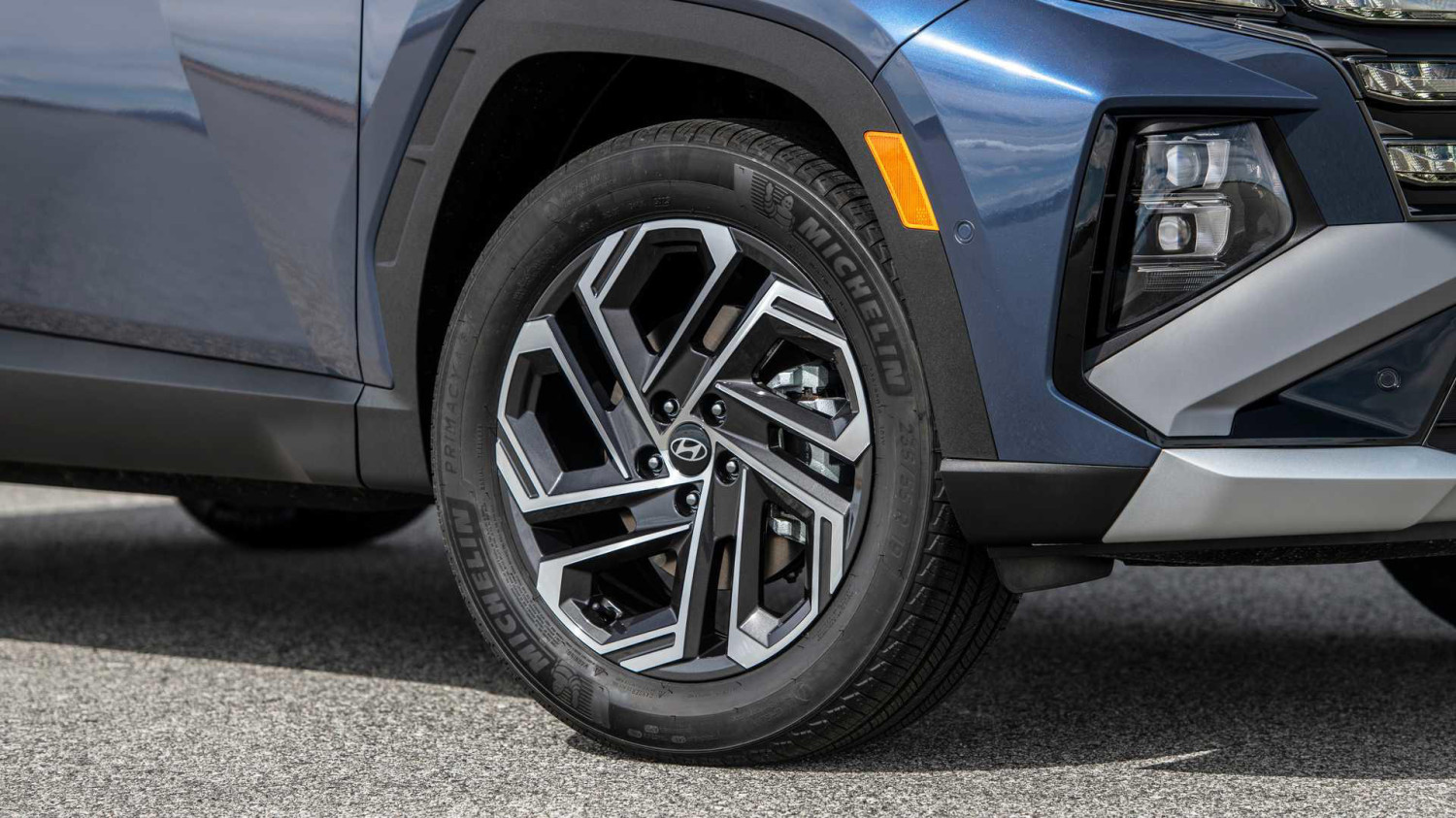
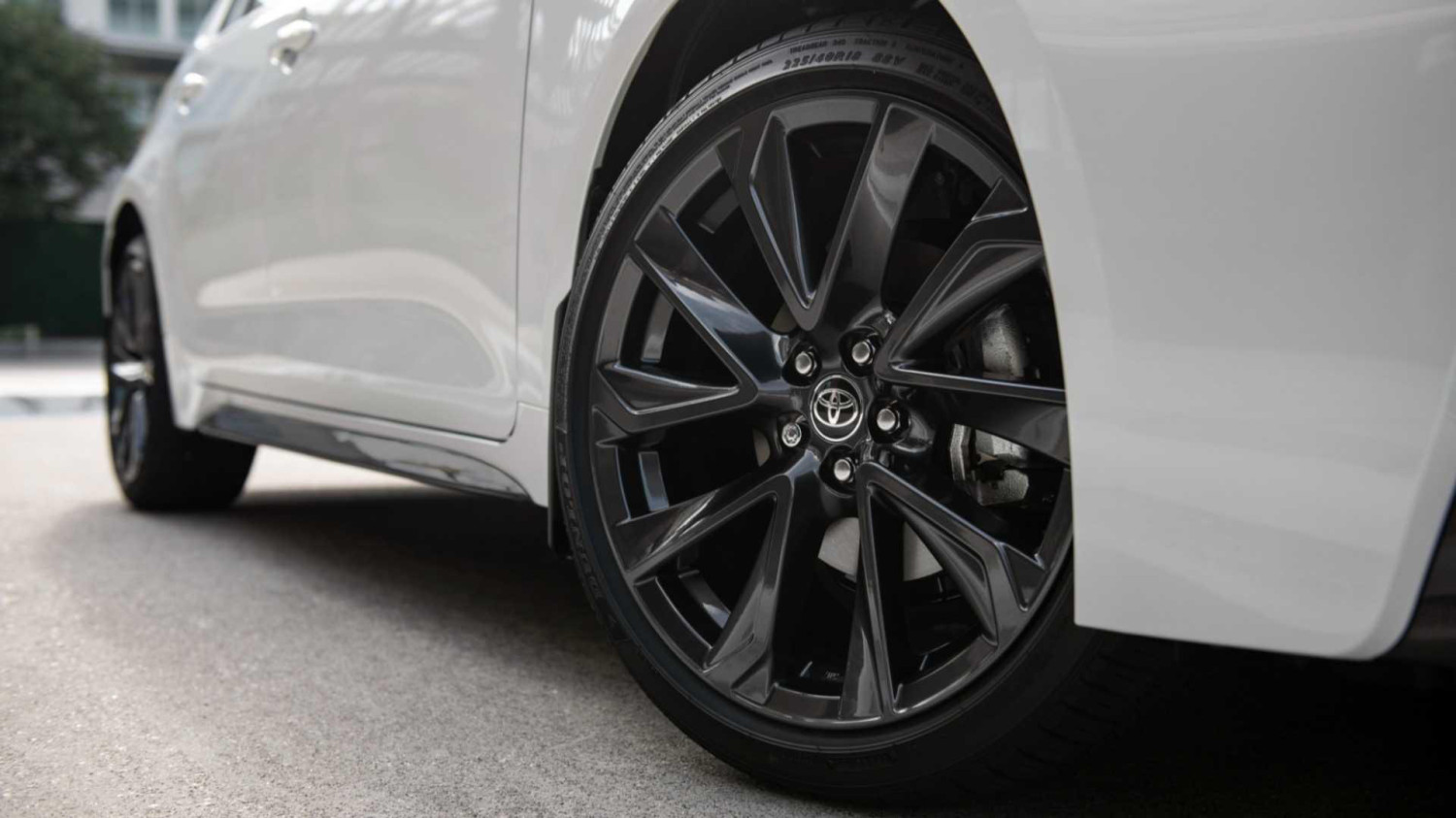
Modern cars are technological marvels with how they're able to keep us safe and comfortable while traveling faster and more efficiently than ever before. They're also bringing more and more concerns about personal privacy and security. Some of those concerns have to do with the cars and manufacturers themselves, others with the surrounding infrastructure. Many of them are high-tech, but this latest concern is comparatively low tech, as it has to do with the ability to track vehicles via their tire pressure monitoring systems. It Turns Out Tire Pressure Sensors Have No Security Spain-based research company IMDEA, and more specifically their network-focused division, came across this security issue. The team there realized that many tire pressure systems rely on sensors mounted to the insides of the tires, and those sensors broadcast information to the car wirelessly. They also include IDs, so the vehicle knows which tires it's hearing from, and to filter out information from other tires. IMDEA found that the IDs for these sensors do not change, nor are they encrypted in any way.HyundaiOf course, with these little sensors broadcasting, any other wireless receiver set up to pick up those signals could also record them. That's exactly what IMDEA did. The team bought off-the-shelf radio receivers and connected them to tiny, cheap (under $100 all-in for each) Raspberry Pi computers, and started testing to see what they could learn.As it turns out, their little receivers could pick up signals from vehicles as far away as 164 feet and at speeds up to 31 mph. They could also pick up the IDs for all four tires of various vehicles. No line-of-sight was needed, either, meaning the receivers could be easily hidden. In total, the team was able to receive signals from 20,000 vehicles over the full 10 weeks.Stellantis North AmericaIt's not hard to piece together the various dangers. IMDEA notes that this could be used in a targeted manner by burglars who could set up a receiver at a home, start recording when the signals were or weren't present, and figure out when to break in. It wouldn't be hard to also find out the numbers for a specific car, and watch various suspected locations for that vehicle to show up, potentially for blackmail or other nefarious purposes. They could even be used for unwarranted mass surveillance with large networks of tire signal receivers. IMDEA Is Asking For Legislation IMDEA's proposed solution is for governments to require some amount of security for these tire pressure systems. It's entirely possible that some tire manufacturers and automakers may work on a more secure system, but individual solutions could be proprietary, patchwork, and expensive. Getting companies to work together on a standard isn't easy or cheap, either, so it isn't especially likely to happen without some legal impetus. Also, a new system may not fix the security issue on existing cars, since they won't have been designed for, say, encrypted sensor broadcasting.ToyotaNot all tire pressure systems are susceptible to this security risk. Some automakers use systems that rely on a vehicle's speed sensors to tell tire pressure. The circumference of the tire will vary depending on pressure, and that will be reflected in the speeds recorded by the sensors, so something unexpected will indicate an improperly inflated tire. Of course, the downside to these systems is that they lack the precision of wireless sensors. You should be able to check your owner's manual to find out what system your car uses.Hypothetically, if you're extremely concerned about this issue, you could run your tires without pressure sensors. Your car will show an error light because it won't be picking up a signal, and obviously, you won't have tire pressure information. However, the odds of having low tire pressure that either leads to a flat or premature tire wear are much higher than being tracked maliciously via your tire pressure sensors. So it's probably best to still have functional sensors for your tires.


















 +63 others