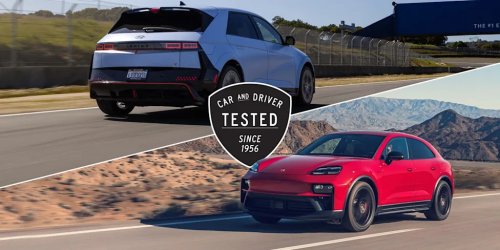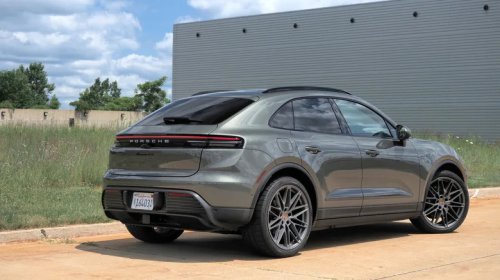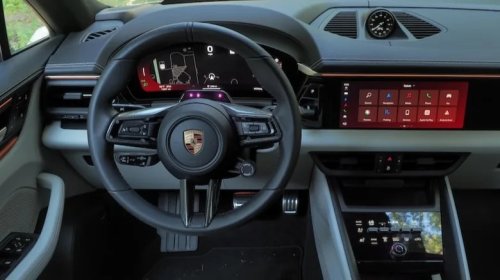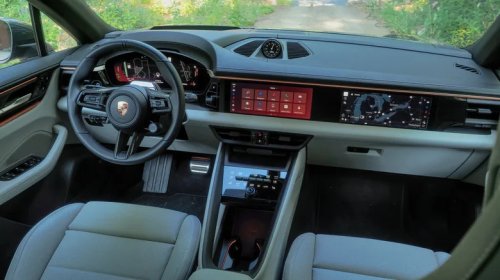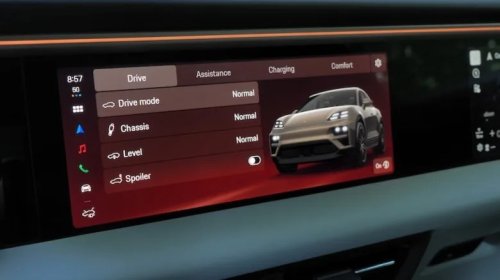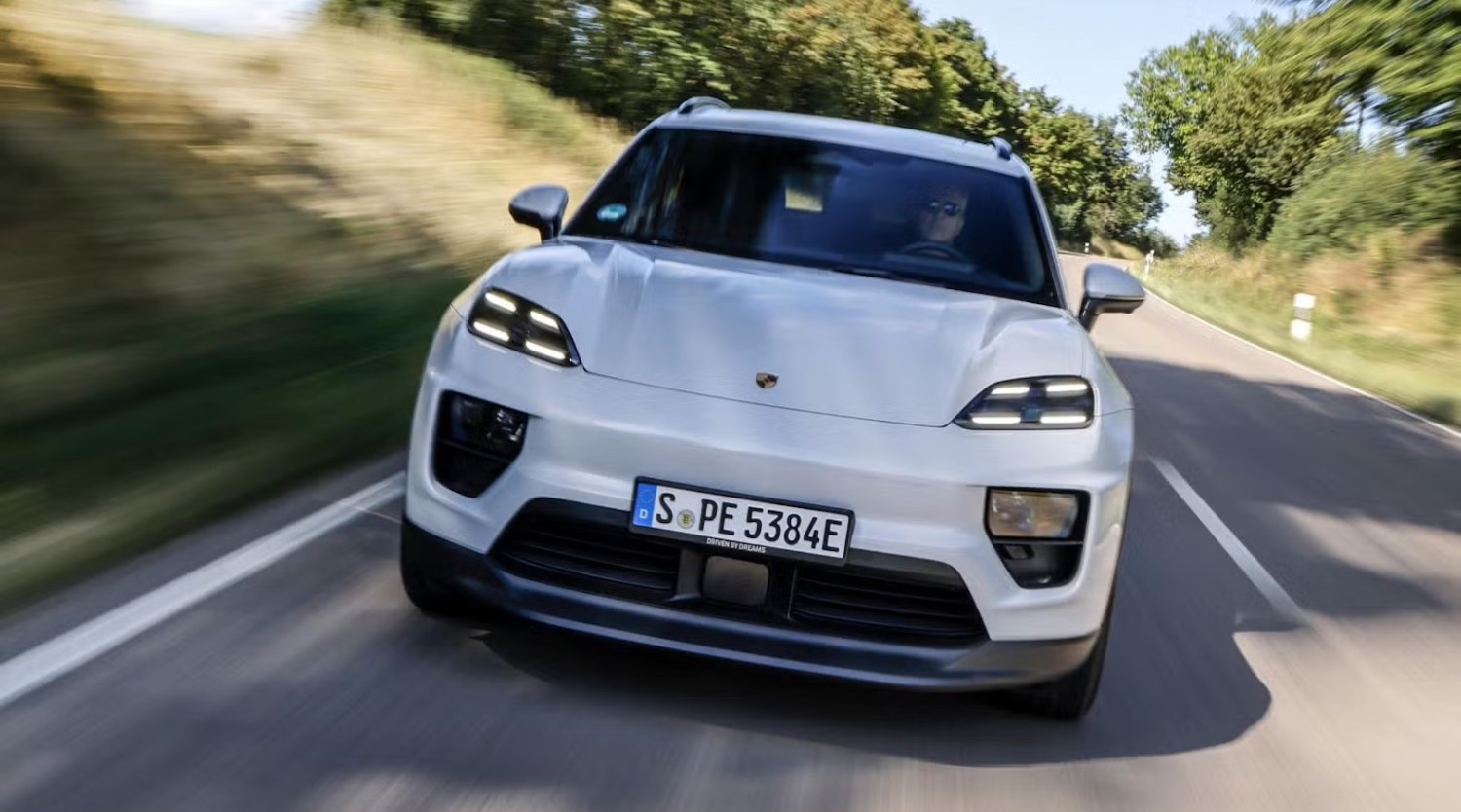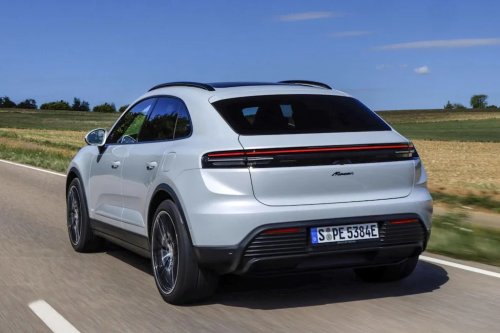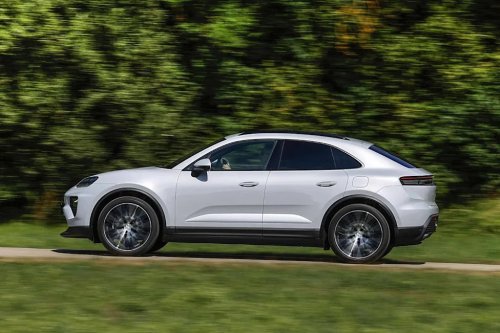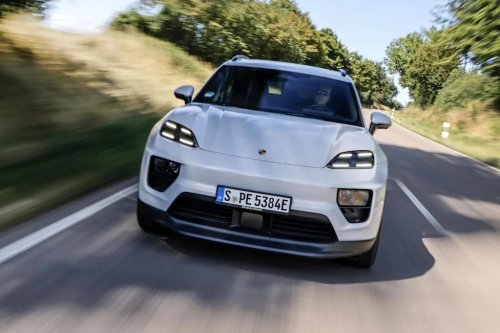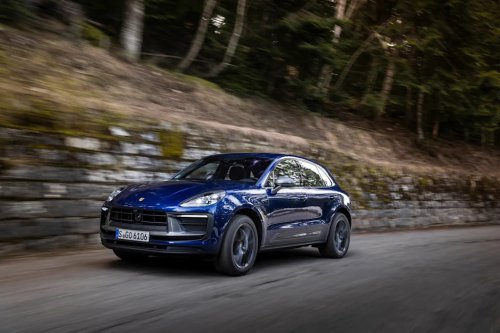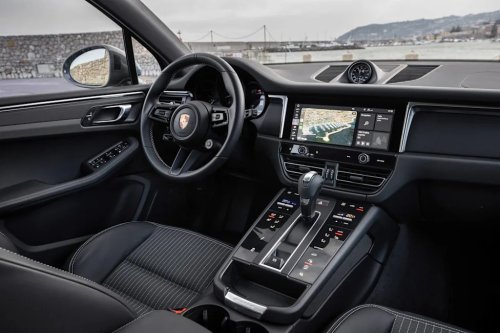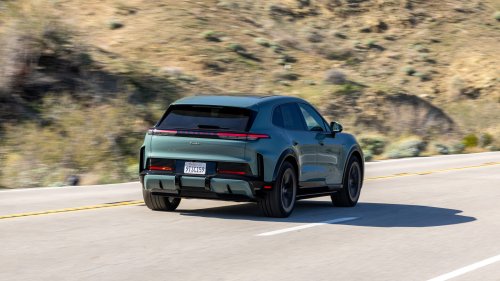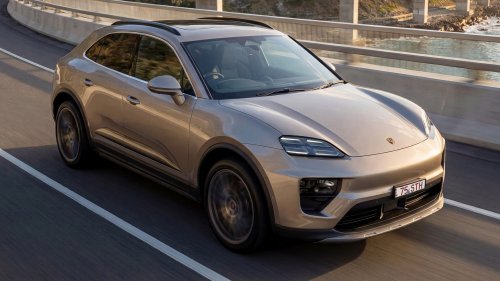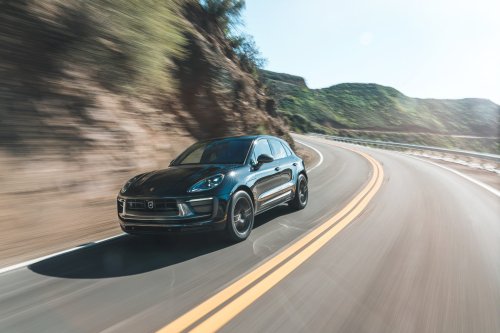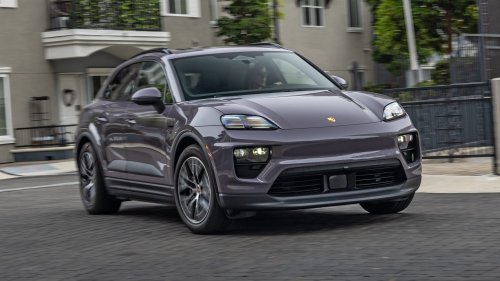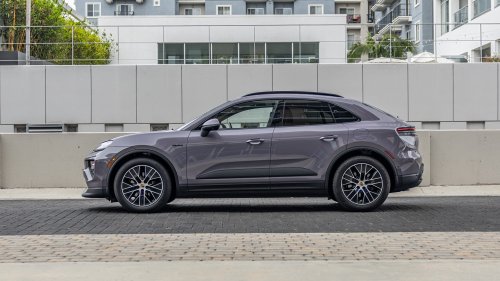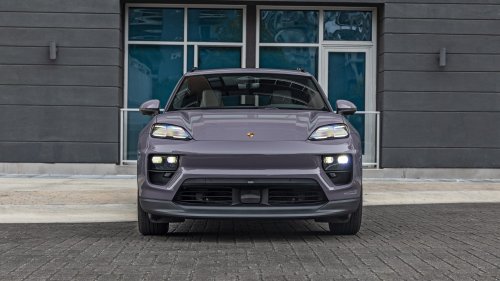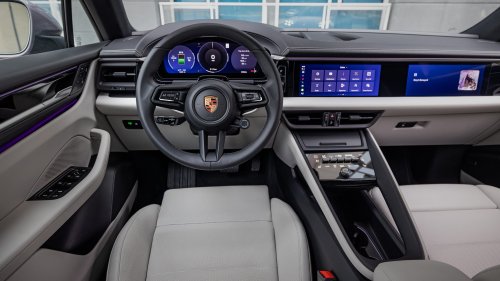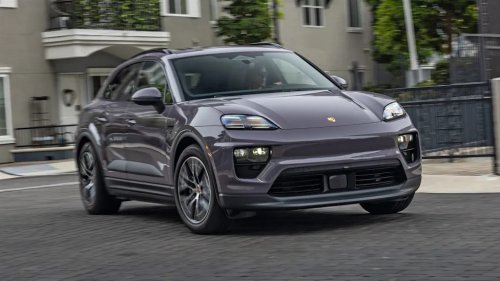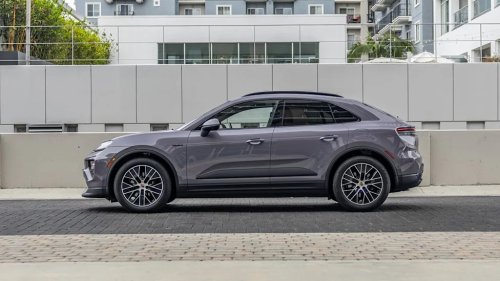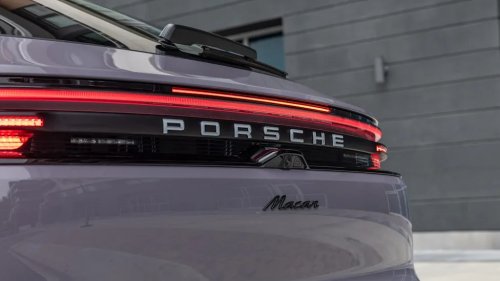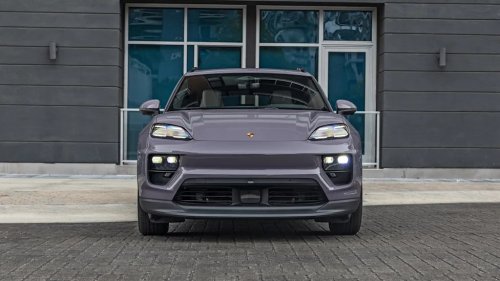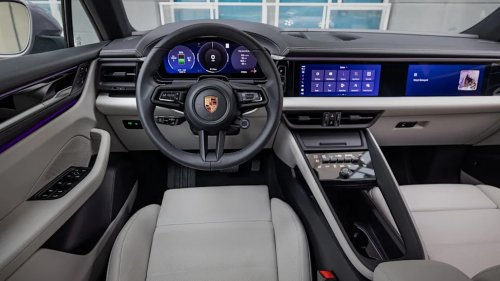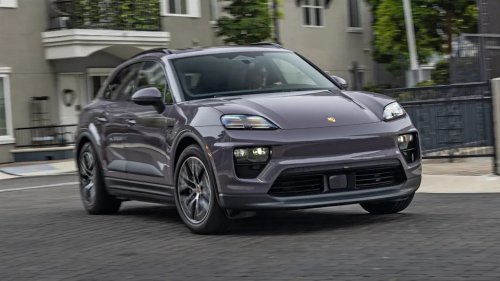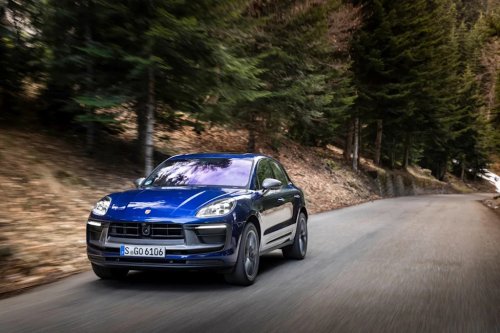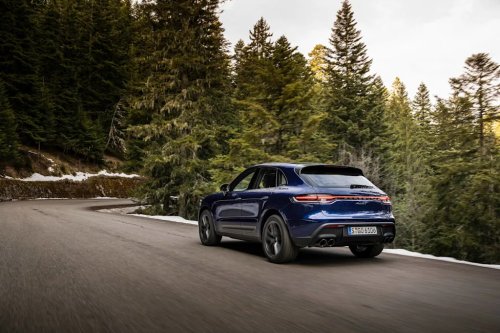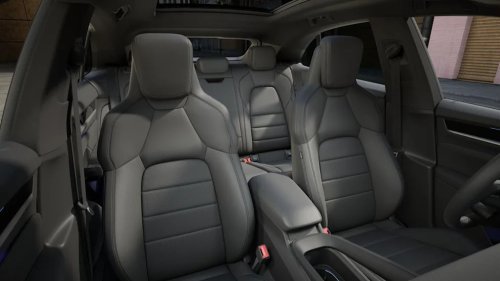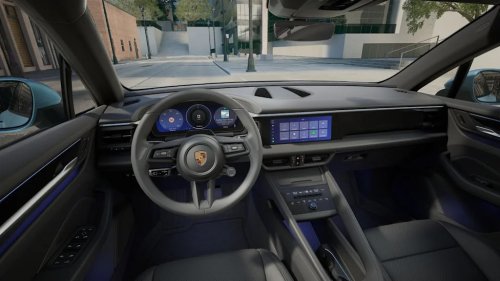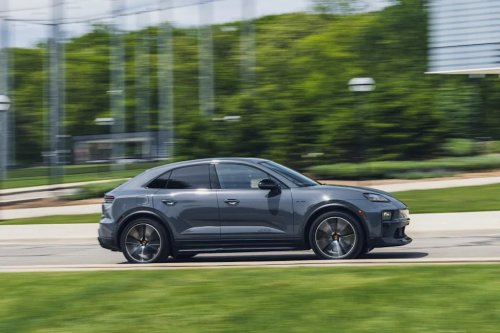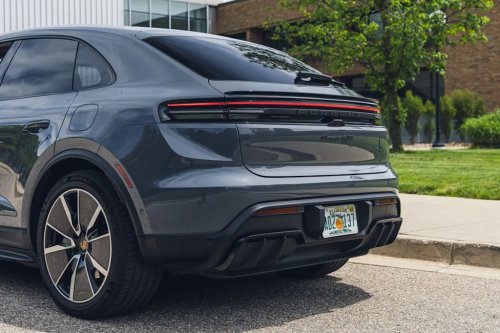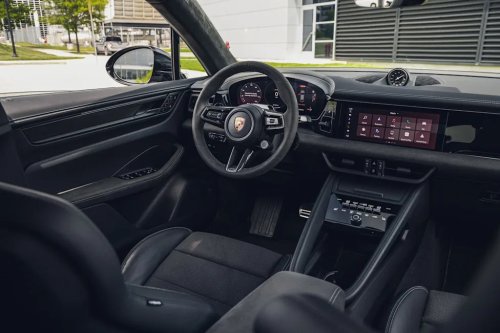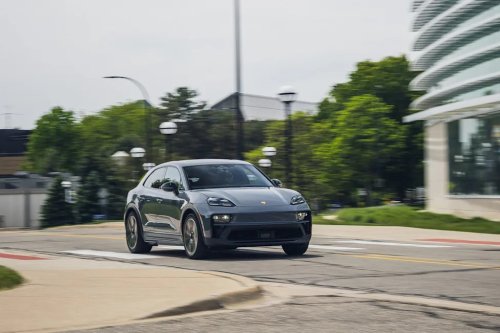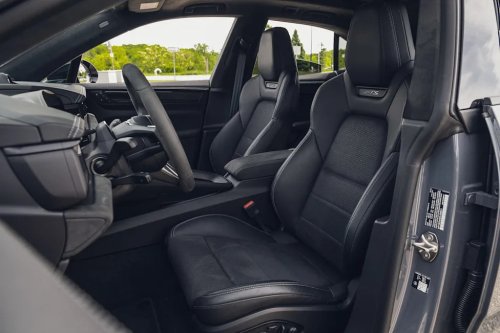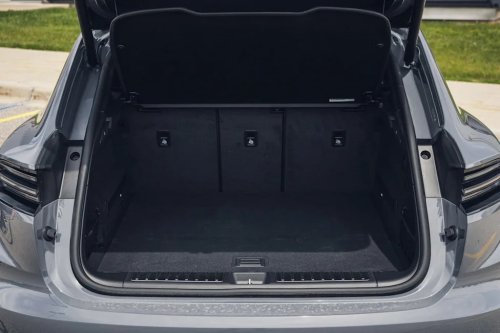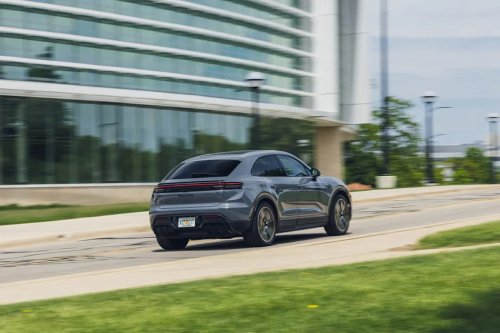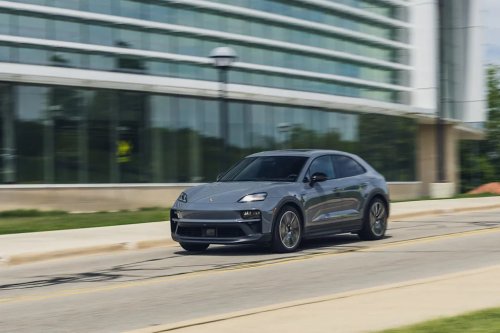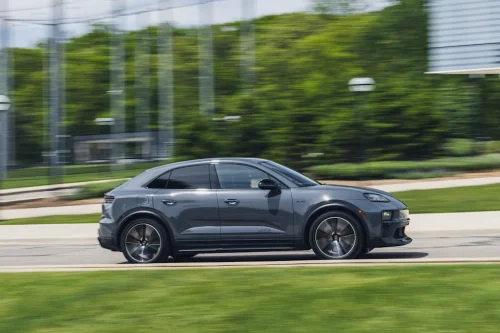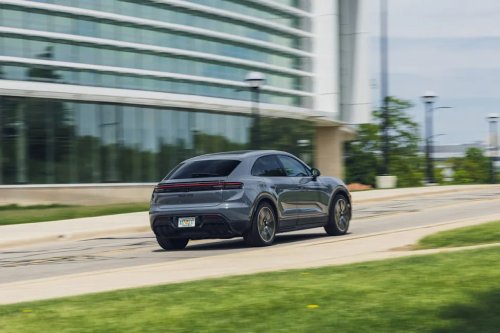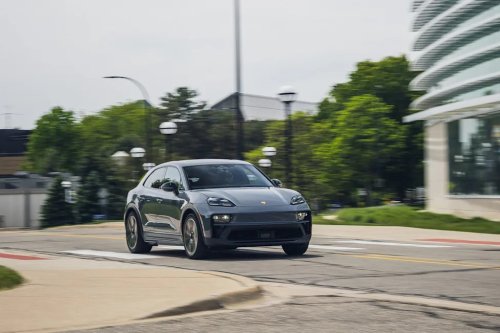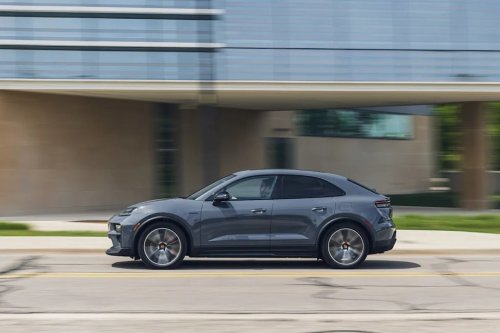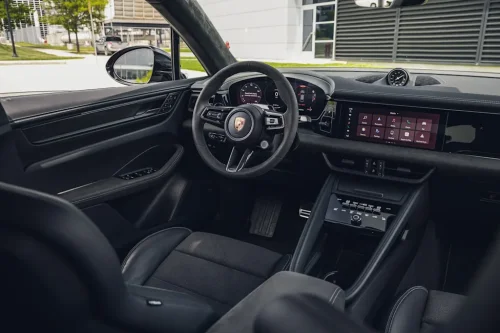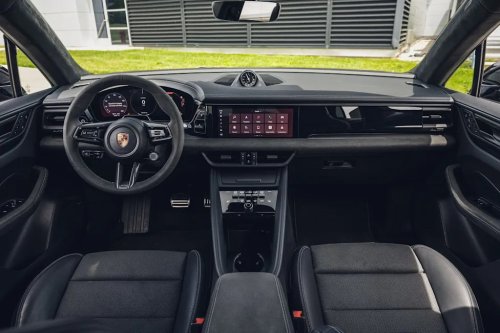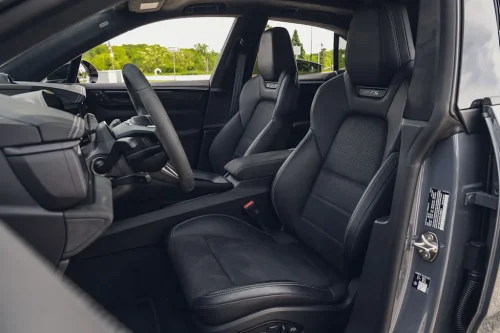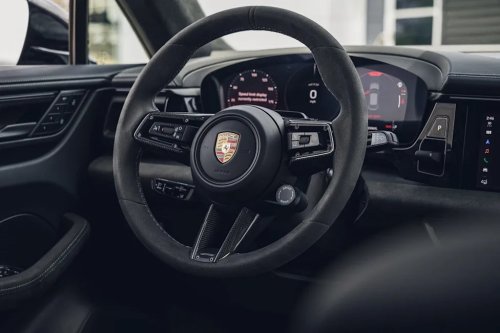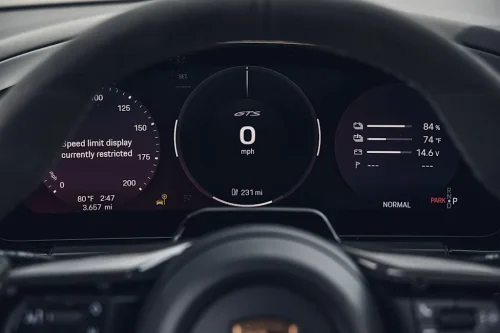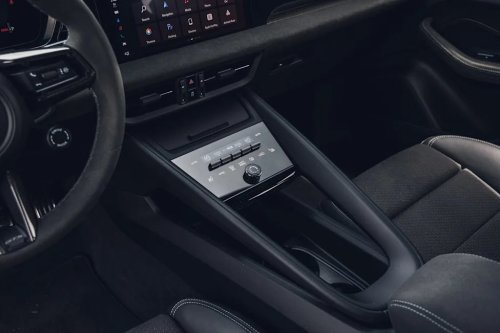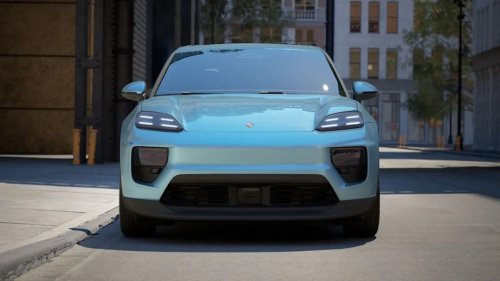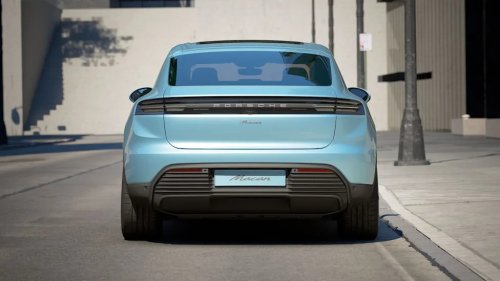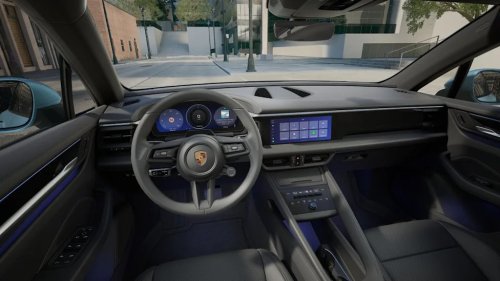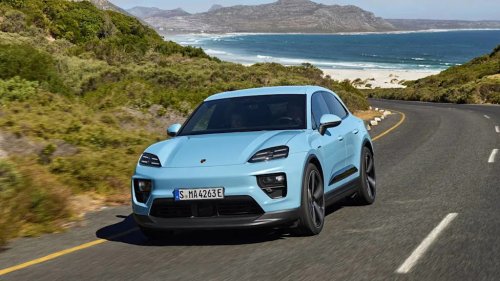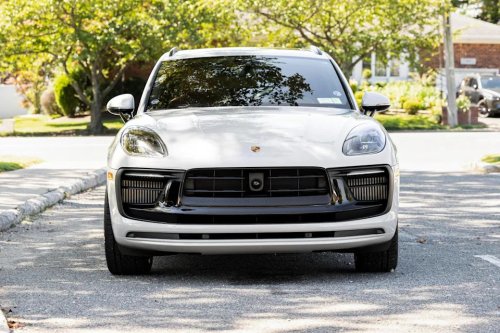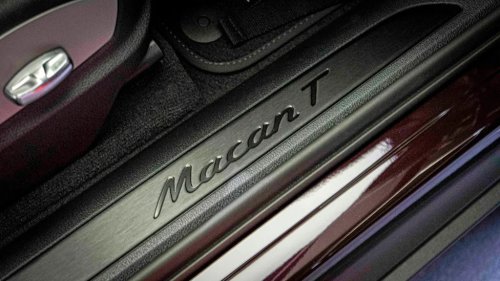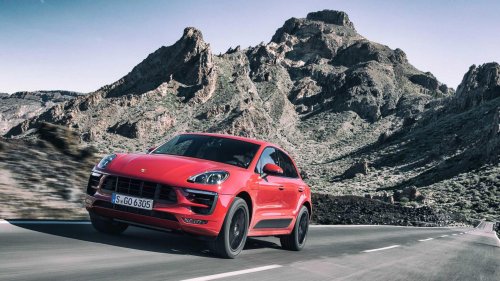
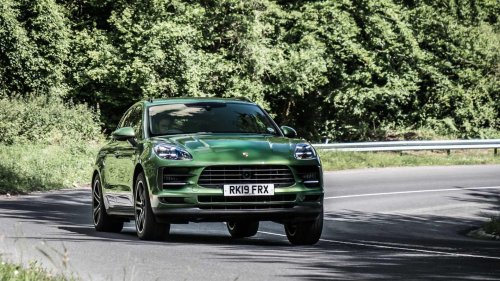
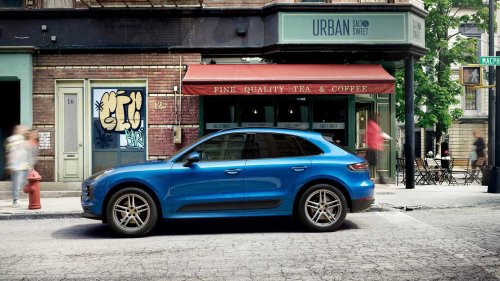
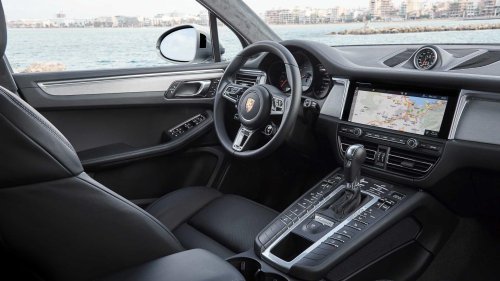
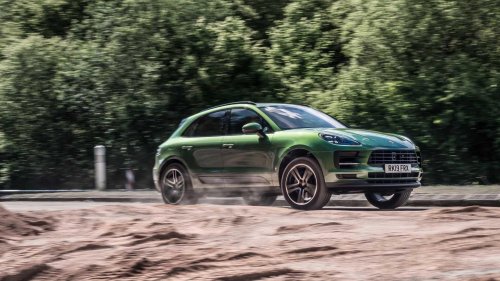
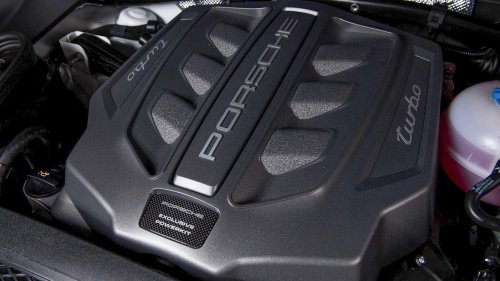
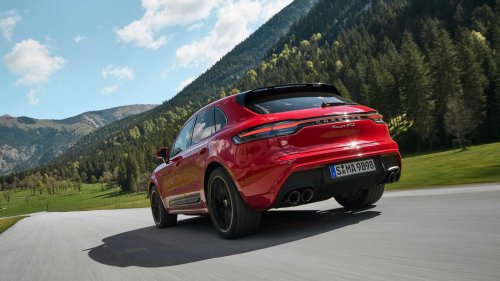
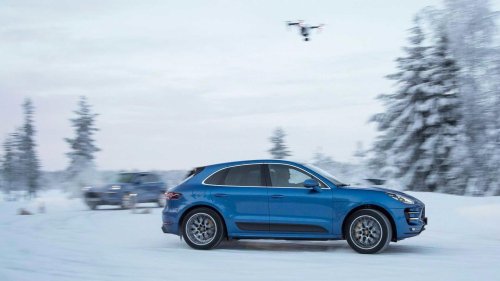

















When news broke that the second-generation Macan was going all-electric, many, your writer included, felt this to be an ignominious ‘end’ for one of Porsche’s most underrated performance models. How wrong we were. Yes, that all-electric platform adds significant weight. The soundtrack is colder and more synthesized than before, and the latest arrival – the Macan GTS Electric – apparently lacks the emotional punch expected of that lauded ‘Gran Turismo Sport’ badge. According to CarBuzz's latest review, however, the Macan EV is as measured and precise as a Porsche should be, is as refined as a sporty Porsche should be, and is certainly as quick as any self-respecting GTS should be. Tick tick, Stuttgart.No doubt, plenty of Porsche purists will still be unconvinced. Handily though, the used car market is awash with near-pristine, internal combustion-engined examples of the first-generation Porsche Macan. Plus, with prices ranging from surprisingly good to genuinely astonishing, and with plenty of trim options from which to choose, there’s arguably no better time to experience luxury Porsche performance.This feature was updated with additional comments about the entry-level four-cylinder Porsche Macan. The 2014 Porsche Macan. A ‘Baby Cayenne,’ Or A ‘Cayman On Stilts’ ? PorscheOff the back of the phenomenal success of the first-generation Cayenne – oh how we mocked until the luxurious sports SUV wiped our collective faces right in it – Porsche stepped out of its well-worn lane once again in 2011 by announcing that a second, smaller, more dynamic SUV would join its line-up for 2014. Known internally as Cajun, this ‘Junior Cayenne’ (get it?!) not only looked the part, but proved to be genuinely exceptional through the corners for a two-ton luxury family hauler.Yes, underneath – in patches anyway – was a bog-standard Audi Q5, but the pair shared just one-third of their componentry. Ingolstadt’s front-wheel drive-only layout, for example, was rejigged with a new rear-wheel transmission, allowing the longitudinal engine to be mounted much further back on the chassis than on the Cayenne. A seven-speed dual-clutch gearbox sent 80% of the torque to the rear wheels – which, incidentally, were slightly bigger than the front for added traction – with the rest redirected to the front axle on this ‘4WD’ by… look, basically, weight distribution on the Macan was incomparably better than on its bigger brother, meaning this ‘Junior Cayenne’ was actually more like a ‘Cayman on stilts.’ Enter The S PorscheWhile Porsche would eventually introduce an entry-level, four-cylinder-engined Macan in 2019, the German brand leaned heavily on its illustrious racing heritage for the first two years. Its launch models, therefore, were the sprightly Macan S – more than enough to keep the BMW X4 M40i and, yes, Audi SQ5 wolves from Stuttgart’s door – and a nuclear warhead in a tuxedo christened the Macan Turbo, which we’ll come back to later. As a strategy, it worked too. During the summer of 2015, the new Macan repeatedly outsold the flagship Cayenne in the United States. Power, Performance, and Practicality Of The Macan S PorscheInitial grunt in the Macan S – all 340-horsepower of it – came from a 3.0-liter twin-turbo V6 (or turbodiesel, in the 258 hp Macan S Diesel). Torque was a similarly robust 339-pound feet, meaning this still 4,100-plus pound SUV could hit 60 mph from standstill in five seconds flat. Not ‘Porsche’ rapid, true, but quick enough to out-peg a Ford Mustang GT in 2014. A model refresh for 2019 upped power yet further to 348 hp, and by 2021, even with its slightly smaller capacity 2.9-liter inline-six, the facelifted Macan S was now producing 375 hp and 383 lb ft, and had shaved almost half a second off its zero to 60 mph sprint time.Surprisingly plush ride quality for this ‘Sport’ model (ironically, the Porsche-tuned suspension was lifted from the Audi) was coupled with 18-inch alloys, quad-exhaust pipes, a powered tailgate, and additional aluminum trim on the inside as standard. Moreover, despite the smaller proportions, Porsche’s typically premium cabin design – which, even after more than a decade, still looks the part – somehow felt less claustrophobic than the Cayenne. Indeed, oversized B-pillars, an enormous transmission tunnel, and questionable rear legroom were the only real blemishes. The Entry-Level Outlier PorscheBy 2019, the short-lived Macan S Diesel had been replaced by the new, entry-level Macan (no ‘S’) as the range’s low-fuel burner. Beneath the hood, the twin-turbo V6 had been jettisoned for a 2.0-liter turbocharged four-cylinder. And, yes, said four-pot boasted ‘only’ 248 hp and 273 lb ft, some 100 hp and 81 lb ft less than the Sport model. It also trailed its more dynamic alter-ego to 60 mph by more than a second. It did so smoothly, however, those four-cylinders having been lifted from the tried-and-tested Volkswagen Golf GTI. Moreover, when bought new, the baby Macan was almost $9,000 ‘cheaper’ – this was still a near $50,000 luxury SUV, we’re talking about – than the Macan S. A tempting prospect for aspiring Porsche owners, both then, and, given current second-hand prices, even now.What we found odd about the entry-level Macan is the fact that Porsche did not use the turbocharged flat-four engine it developed for the 718. This engine was despised in the Boxster and Cayman, but since there was no history tying the Macan to a certain engine, it would have gone down better. What we can tell you is that the GTI-powered Macan wasn't as dull as we expected. Honestly, it feels like a GTI on stilts, and the handling is actually quite good. The four-cylinder engine weighs a bit less than the V6, so the turn-in was sharper. But in terms of speed, it had no chance of keeping up with its bigger brother. If you're only looking for the badge, the four-cylinder is the way to go. Second-Hand Prices For The Macan And The Macan S Today PorscheThat you’re likely to find less four-cylinder Macans on the second-hand market isn’t that surprising. The allure of that ‘S’ badge has been a marketing gold mine for Porsche for decades, and the four-cylinder Macan only being available through special request at dealerships didn’t help their numbers either. Still, plentiful pre-facelift entry-level Macans can still be found for just a shade under $15,000 USD with not unreasonably high mileage, while facelifted models – which included an 11 hp hike for 2022 and beyond – have been sold for $41,500 and up. True afficionados may be intrigued by one late-2024 model we found with just 51 miles on the clock, and a stiff $78,000 asking price.PorscheWe’re guessing most of you, however, will look more closely at the twin-turbocharged Macan S, a staggering number of pre-2019 examples of which we found for less than $18,000. True, most will either have been driven hard – it’s what the Macan S was designed for, after all – or ‘boast’ moderately high mileage and/or between seven and 12 years of wear and tear. Even so, that’s still less than a bog-standard, not-quite-dead-yet Nissan Versa. Pay particular attention to examples kitted out with the Performance Plus package, which added comfort options like a panoramic sunroof, heated seats, and a Bose surround sound system. Many we found also featured the optional Sport Chrono package, which gave customers a dash-mounted stopwatch and knocked a few tenths off the zero to 60 mph run.Flaws? Aside from the usually astronomic prices for servicing and maintaining a Porsche, electrical issues on the Macan S were a big, but by no means consistent, complaint, while front and rear springs on the optional air suspension tended to wilt over time. So it may not be all sunshine, rainbows, and perfectly placed apexes with your ‘new’ Cayman on stilts. The Trims That Completed The Macan Line-Up PorscheOne name that’s been noticeably absent so far is the Macan GTS, which was introduced for 2016. Granted, in terms of sheer pace, the GTS stood no chance against the almighty Turbo. The latter’s slightly larger 3.6-liter twin-turbo V6 produced a mighty 400 hp to the GTS’ ‘paltry’ 380 hp in 2016, and 406 lb ft to the latter’s 369 lb ft. By 2019, although both now shared the downsized 2.9-liter twin-turbo V6, grunt in the already ballistic Turbo had been upped to 434 hp and 405 lb ft respectively. With launch control, the Macan Turbo could hit 60 mph in an asphalt-folding 4.1 seconds, nearly half a second quicker than the now-375 hp / 383 lb ft GTS, and quicker even than Audi’s smaller, and incredibly nippy RS Q3. In short, the Turbo was an admittedly handsome and refined sledgehammer to the GTS’ more meticulous surgical knife. That the Turbo was discontinued for 2021, and was supplanted by the GTS – now also packing 434 hp and 405 lb ft of torque – was almost brutally ironic.PorscheThere was method to this apparent madness, however, since most Porsche customers were enamored by that GTS badge. Said Gran Turismo came equipped with stiffer suspension and anti-roll bars for better road holding, plus a lower ride height for reduced bodyroll, as well as a more aggressively tuned Sport/Sport Plus driving mode and soundtrack. It was, easily, the most dynamic example of the Macan available. It also cost a whopping $12,600 less than the Turbo. …And The Prices You Can Pay For Each Today PorscheThat cavernous price gulf is less of an issue today, admittedly. Ironically, most of the top end, post-2019 facelift Macan Turbos we found are actually less expensive than the equivalent GTS,’ with 2022MY-plus examples of the latter going for upwards of $10,000 more at auction. That’s not to say that earlier GTS’ aren’t competitively priced, however. Some well-stocked examples we found went as little as $18,750, or $23,000 if you fancied the Premium Plus model. Put simply, you could theoretically buy one of Porsche's best-handling daily drivers to-date for less than the price of a brand-new-and-basic Hyundai Elantra.Admittedly, mileage on all but the $14,000 to $18,000 second-hand Turbos is a lot higher. But we’d understand if the allure of the Turbo’s brutal acceleration, plus standard features like 19-inch alloy wheels, larger infotainment screens, and a bigger Bose stereo – all optional extras on the lower-spec models – is too much to ignore. Even more tantalizingly, prices today for the previously top-of-the-range, $100,000-plus Turbo Performance Pack, which hiked power and torque to a first-generation high 440 hp and 442 lb ft respectively, can be found for less than half that price. And, in some cases, even a quarter. Fair warning though, examples are few and far between, so don’t be too picky.Source: Porsche / Classic.com