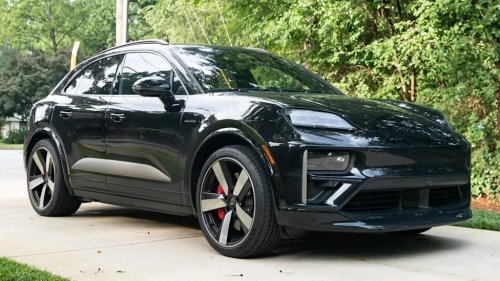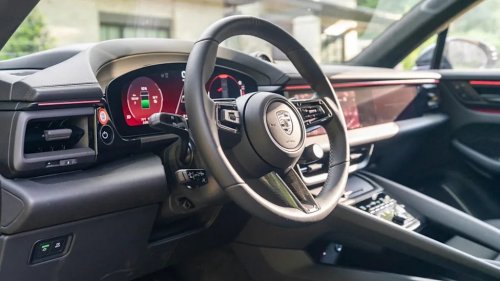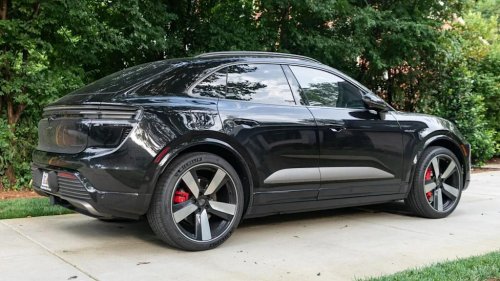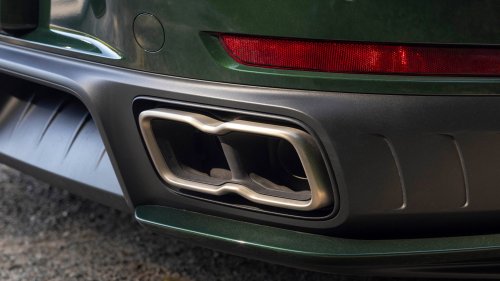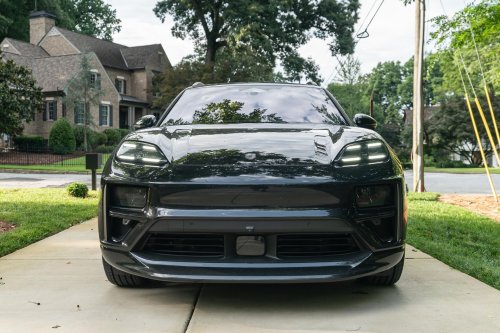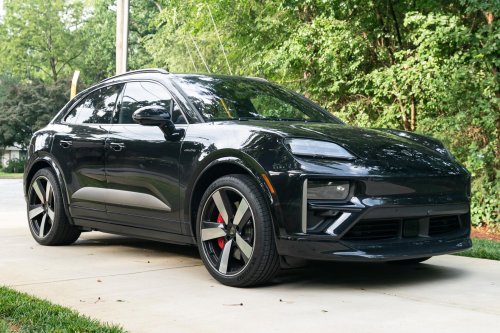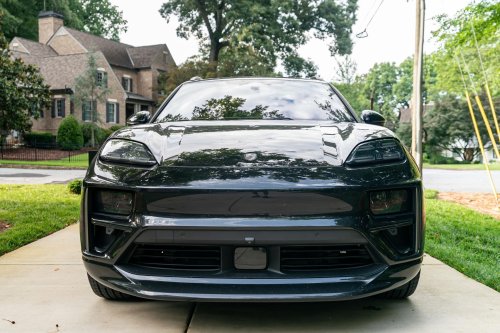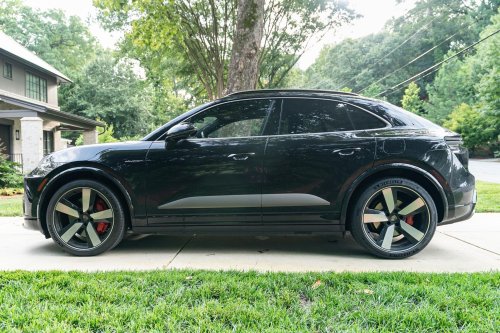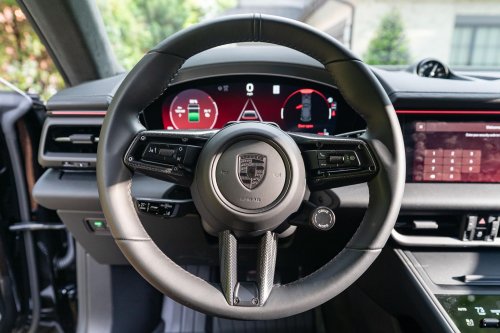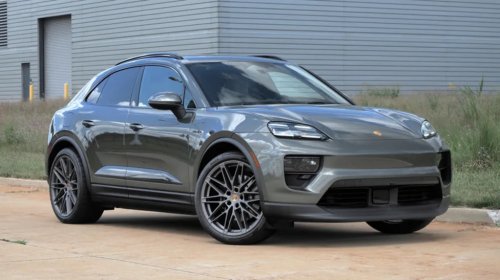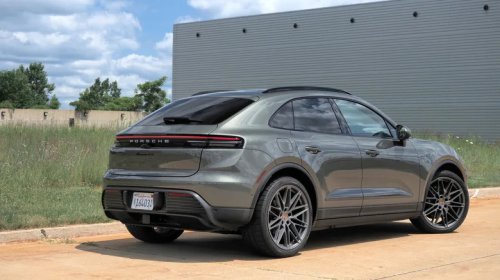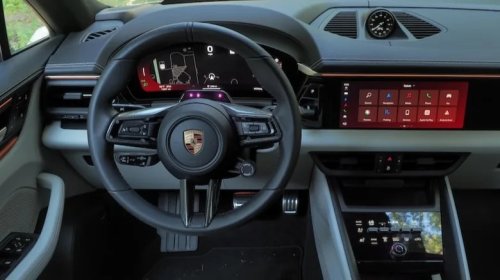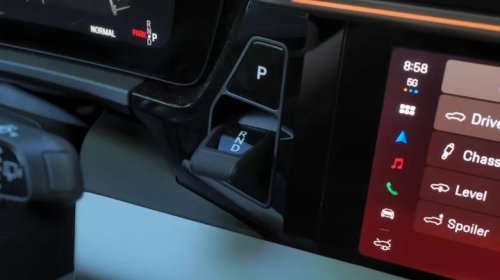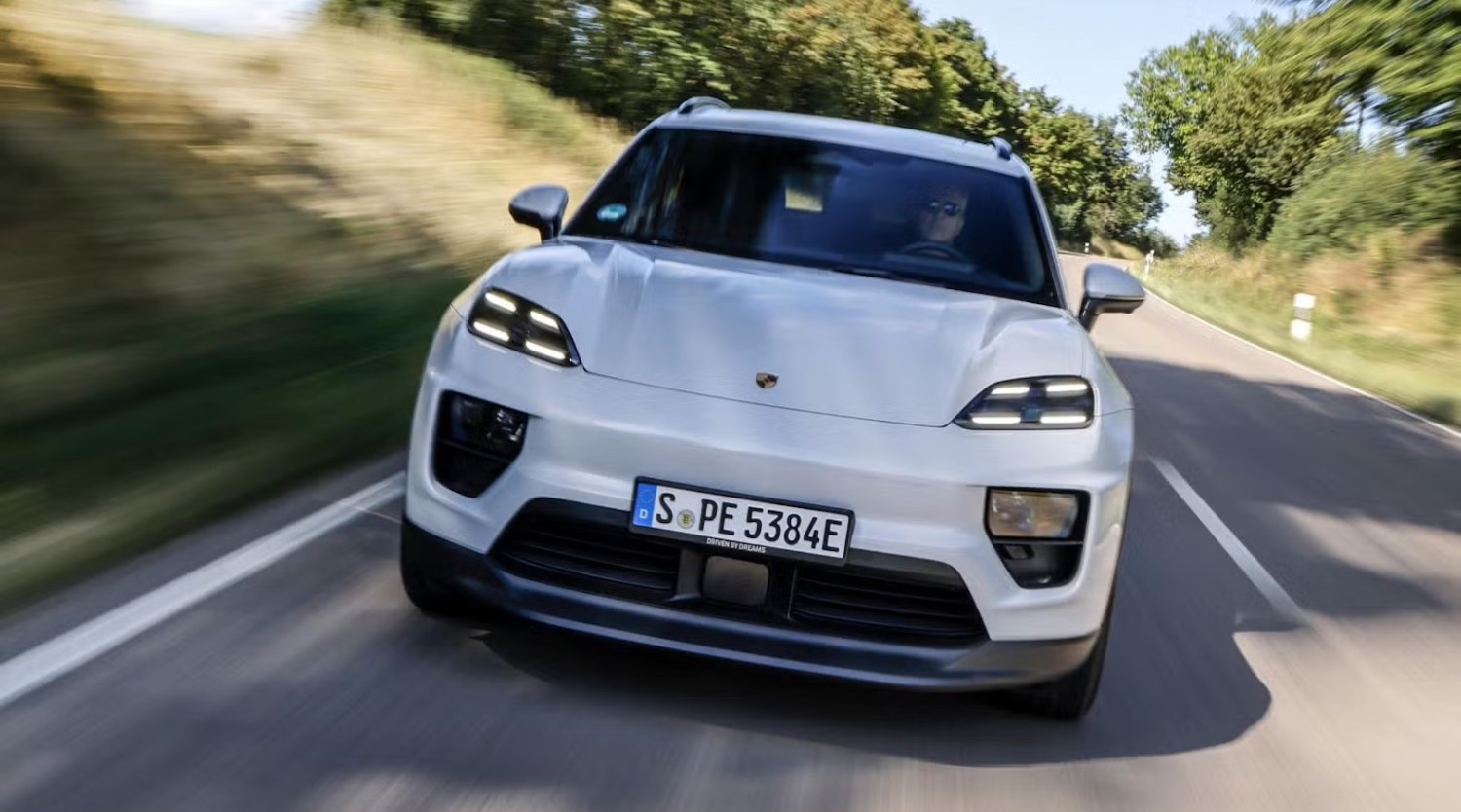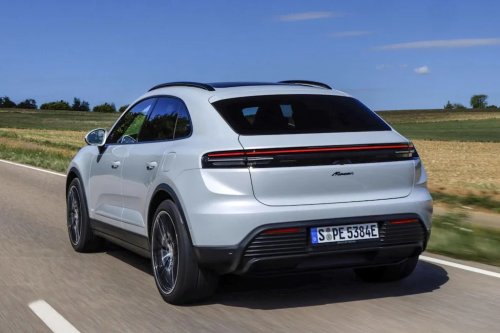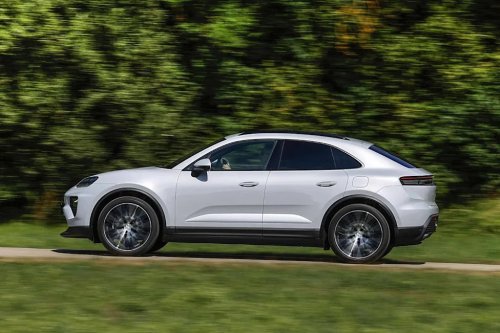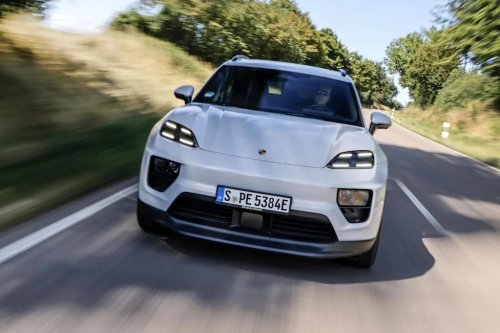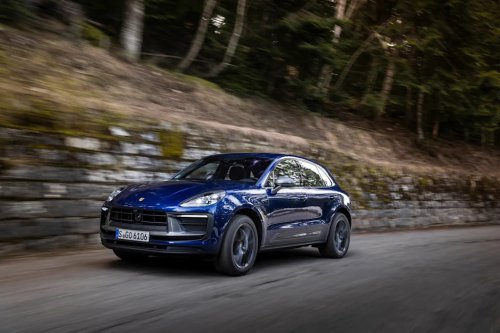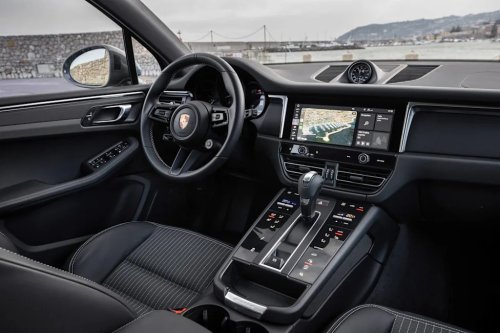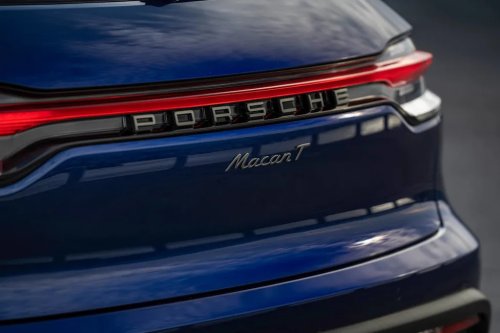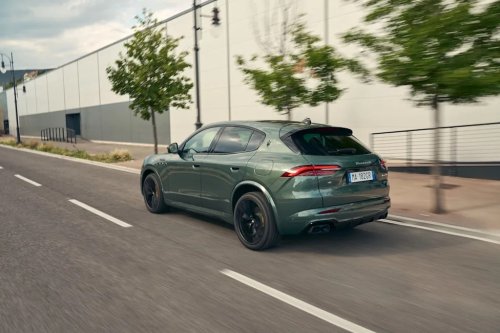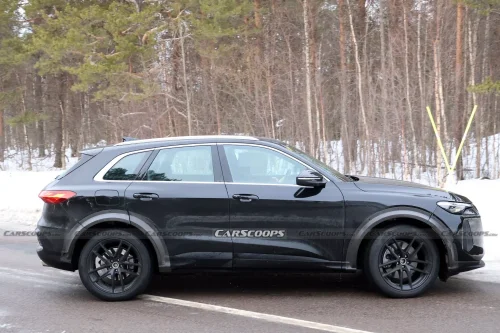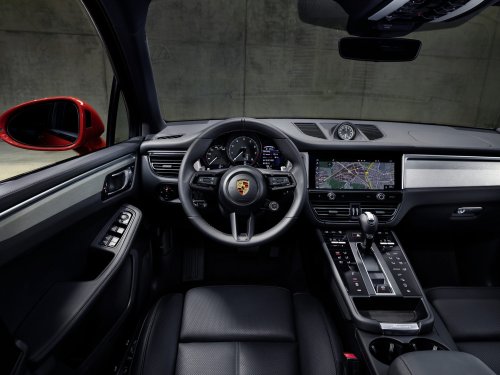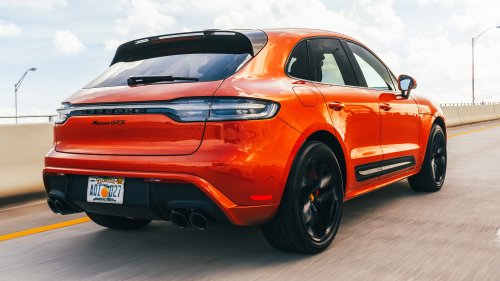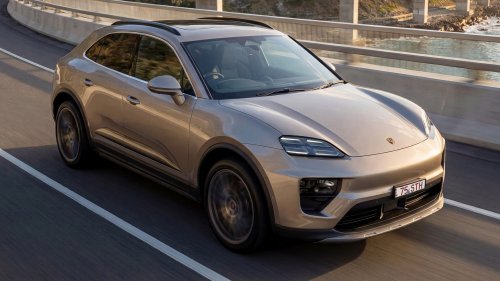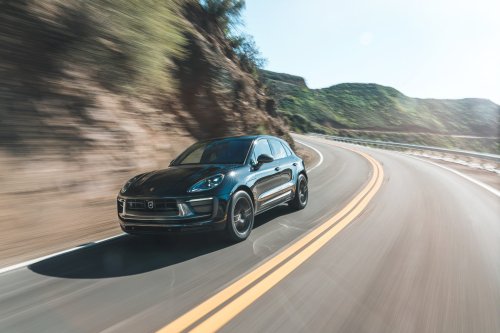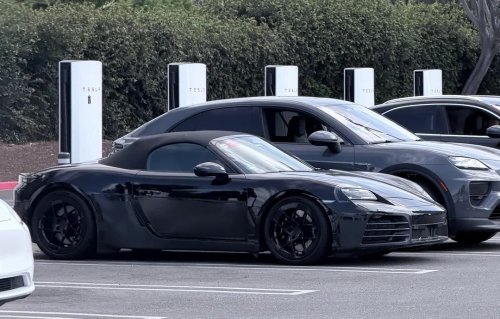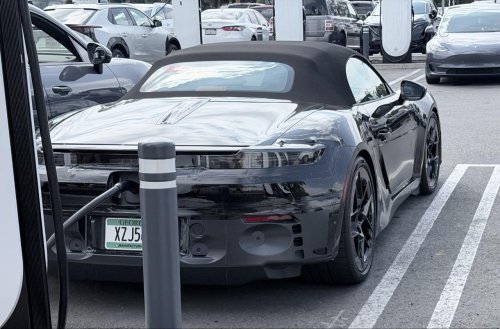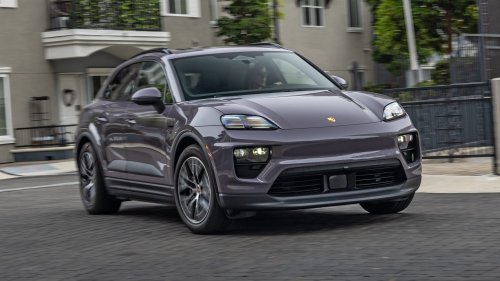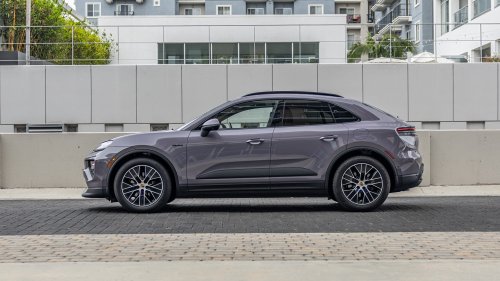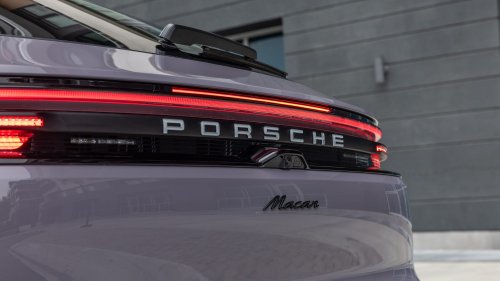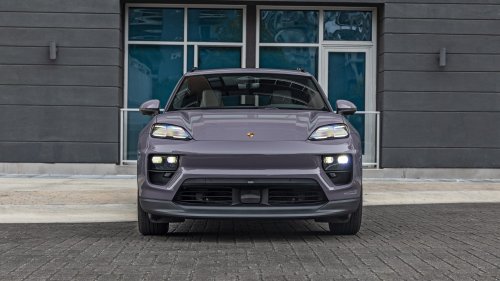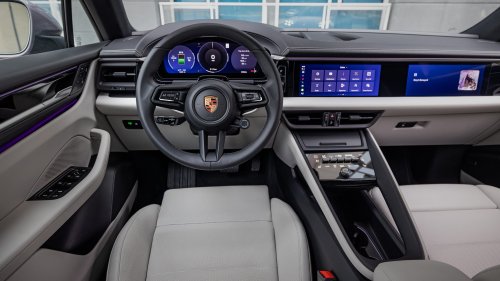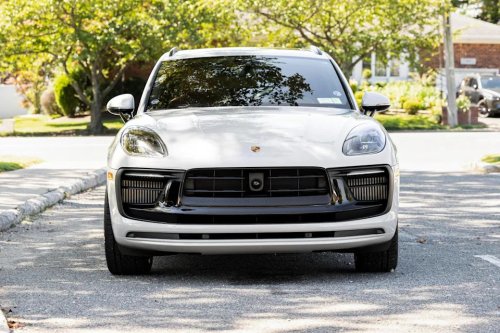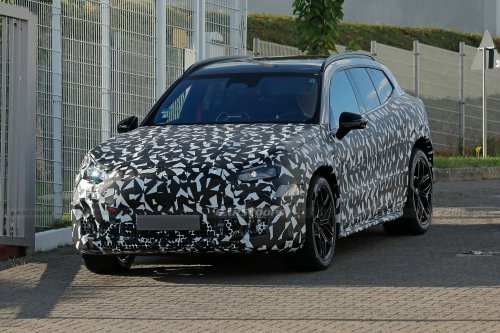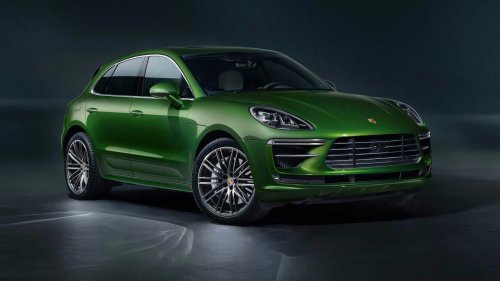
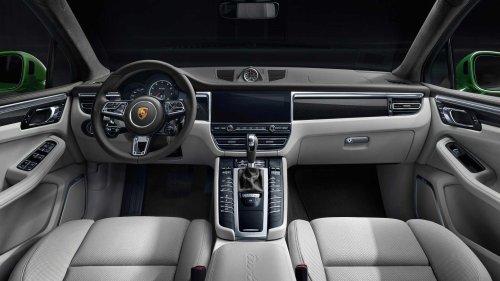
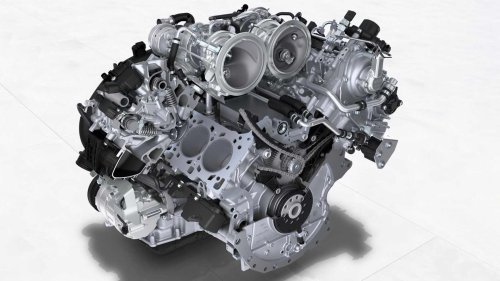
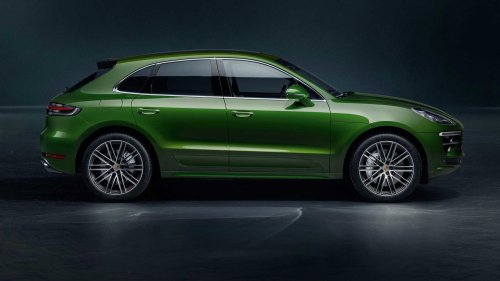
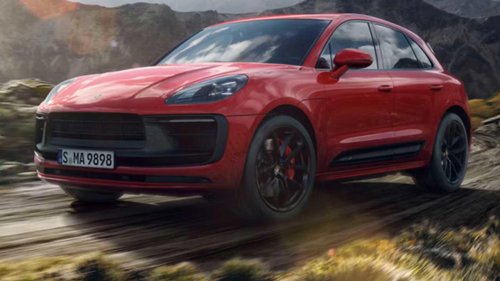
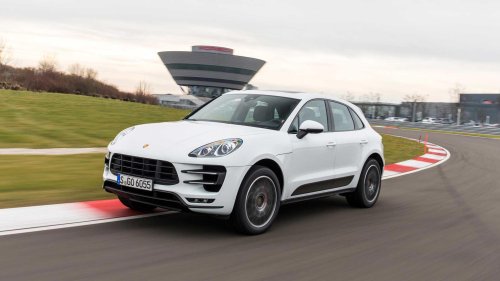
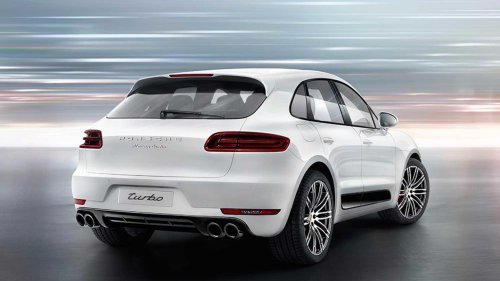
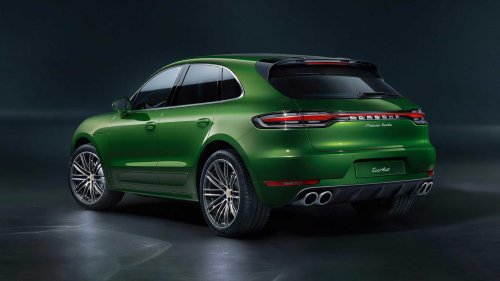
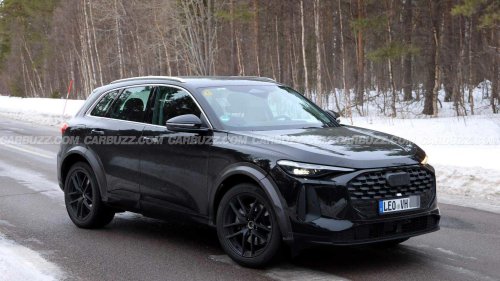
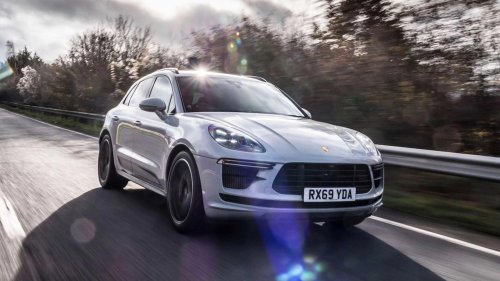



















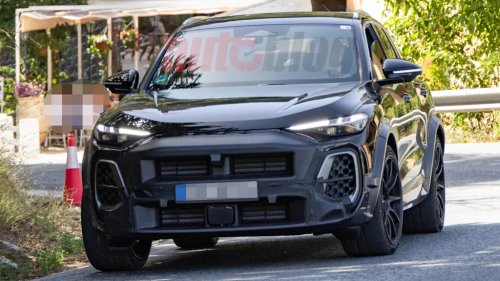
With new car prices climbing past $50,000 and showing no signs of slowing, the used market is looking better every day. Hidden among the listings are some real gems, and one of the best bargains right now is the 2020 Porsche Macan Turbo.For about $40,000, or several thousand less than a new Honda Civic Type R or Volkswagen Golf R, a used Macan Turbo delivers a level of performance far beyond those popular hot hatches. And these are not high-mileage examples. Many come with under 50,000 miles on the odometer, offering plenty of life for spirited driving. With Porsche handling, power, and refinement, this high-performance compact SUV is a second-hand steal in today's market.Pricing and market details were accurate at the time of writing, but are subject to change. UPDATE: 2026/04/06 17:00 EST BY GERHARD HORN The Macan TurboThis feature was updated with more information on why the Macan Turbo is such a special machine. The Sports Car Of SUVs Porsche Key Facts To Know Gas-powered Porsche Macan now over a decade old Macan name comes from an Indonesian word for "tiger" Macan Turbo with a gas engine only lasted until the 2021 model year Macan will soon be EV-only, but a new gas-powered compact SUV is coming The Porsche Macan helped broaden the brand’s appeal without compromising its reputation for serious performance, especially in the top Turbo trim. Riding a decade of success with the Porsche Cayenne in the midsize SUV segment, Porsche introduced the compact Macan for the 2015 model year, and it quickly became the company’s bestselling model worldwide. Its combination of sporty handling, strong engines, and everyday usability made it a favorite among enthusiasts and newcomers alike.The 2020 model year saw the Macan receive a thoughtful mid-cycle refresh that refined both its appearance and interior. While earlier models remain competent, the updated version features cleaner styling along with improved headlights. Inside, Porsche upgraded the cabin with a larger 10.9-inch infotainment touchscreen that improved usability and integrated more modern connectivity options. For the Turbo trim, the update also introduced a new powertrain that boosted performance while maintaining fuel efficiency.PorscheThe 2020 Macan Turbo adopted a twin-turbocharged 2.9-liter V6 in replacement of a 3.6-liter V6 that was also turbocharged but produced a lower 400 horsepower and 406 pound-feet of torque. The power bump shaved three-tenths of a second from the 0–60-mph sprint, bringing it to 4.3 seconds in standard form and 4.1 seconds with the Sport Chrono package. Top speed also climbed slightly, reaching 167 mph.Porsche also boosted standard equipment for the 2020 Turbo, giving drivers more performance-oriented hardware straight from the factory. The list includes 20-inch wheels, active dampers, a sports exhaust, and tungsten carbide-coated rotors that reduce brake dust by up to 90% compared to conventional steel rotors. Porsche even fitted white calipers to highlight how little dirt shows up. Available features include height-adjustable air suspension, brake-based torque vectoring, and carbon-ceramic brake rotors. Note, those brake rotors are horrendously expensive to replace if you're planning on keeping them.Porsche Behind the wheel, the Macan Turbo delivers a proper Porsche experience. Its responsive engine, paired with a quick-shifting dual-clutch transmission and standard all-wheel drive, makes acceleration feel more akin to a hot hatch than a luxury SUV. The suspension balances performance with comfort, keeping daily driving composed, while steering is sharp and precise with minimal body roll, giving the Turbo remarkable agility. Where it falters is in interior space: the nearly coupe-like roofline restricts rear headroom and cargo capacity, leaving it tighter than many rivals. How Much To Pay Today Porsche A scan of popular classifieds shows the 2020 Porsche Macan Turbo has settled into a surprisingly attainable price bracket. Entry-level examples now start at around $40,000, and even at that price point it’s still possible to find some with fewer than 50,000 miles on the odometer. Step up to around $50,000, and the market opens to cleaner, lower-mileage examples, often in the 30,000 to 40,000-mile range, making the Turbo feel like a serious performance bargain. That’s especially true when you consider the original base price of $83,600, which in most cases would have been well below what buyers actually paid given the notoriously expensive options offered by Porsche.The Macan Turbo’s run was relatively short-lived, ending after the 2021 model year as Porsche began preparing an electric successor, even though the Macan Electric didn’t arrive until 2024. From 2022 onward, the Macan GTS took over as the top gas-powered variant, even gaining the Turbo's 434-hp rating. Interestingly, comparable Macan GTS models from the same era are often trading at slightly higher prices than the Turbo, underscoring the GTS’ stronger enthusiast appeal and its reputation as the sharper, more driver-focused choice.Porsche Reliability for the 2020 Macan Turbo lands in a more mixed, reality-check territory, helping explain why used examples are such a steal. Data from CarComplaints shows relatively few reported issues overall, with complaints spread thinly across categories like electrical systems, brakes, and engine components, and no major pattern of catastrophic faults emerging. However, RepairPal paints a less flattering picture, giving the Macan a low reliability score and noting higher-than-average repair cost, which isn't unusual for a Porsche. The most expensive repair listed is an oil pump replacement, which averages between $3,455 and $4,480. The "Hidden" Engineering of the Macan Turbo PorscheWhile the headline figures for the 2020 Macan Turbo focus on its 434-hp heart and blistering 0-60 mph times, the real magic—and the reason it feels more like a tall 911 than a standard SUV—lies in the granular engineering details often overlooked.One such detail is the "organic sheet" brake pedal. Porsche didn't just carry over parts from the Audi Q5 parts bin; they developed a pedal made of fiberglass-reinforced thermoplastic. It is 300 grams lighter than the previous steel unit and utilizes a shortened lever arm. This sounds like minutiae until you’re on a backroad; the result is a significantly more immediate and precise brake response that allows for the kind of trail-braking usually reserved for sports cars.PorscheFurthermore, Porsche addressed the physics of a heavy SUV engine by introducing a new "driving dynamics support" for the engine mounts. Under high lateral load, this system suppresses engine roll, ensuring the mass of the 2.9-liter V6 doesn't "swing" and upset the chassis mid-corner. It makes the steering feel more direct and the turn-in noticeably more agile than its predecessor.Finally, for those who opted for the Sport Chrono package, the "Sport Response" button on the steering wheel acts as a 20-second "overboost" party trick. It pre-conditions the PDK and turbos for maximum responsiveness, providing a surge of passing power that reinforces why the Macan Turbo—even on the used market today—remains the benchmark for a one-car garage that refuses to compromise on soul. Porsche Working On A New ICE-Powered Compact SUV Porsche The gas-powered Porsche Macan isn’t long for this world. Introduced for the 2015 model year, it now stretches into its 11th year, which in modern product-cycle terms makes it feel positively ancient. Porsche has already rolled out its successor in the form of the Macan Electric, which debuted for 2024 and, in many global markets, including Porsche's home market of Germany, has replaced the combustion model outright. In the US, however, the story lingers a bit longer. Buyers can still order a gas-fed Macan, but Porsche has confirmed that the 2026 model year will be its last here, with production slated to wind down by midyear.That end, though, comes with an unexpected twist. Porsche had originally planned for the Macan Electric to carry the nameplate forward on its own, but softer-than-expected EV demand has forced a rethink. Rather than retrofit the electric Macan to accept an internal-combustion powertrain, an approach that would have compromised packaging and performance, Porsche is developing an entirely new compact SUV. This model will lean on the mechanicals of the latest Audi Q5, albeit with the extensive re-engineering you would expect from Stuttgart. Early prototypes, thinly disguised in makeshift Q5 bodywork, have already been spotted undergoing testing.Carbuzz/Valnet The new SUV is expected to arrive around 2028, and it will not wear the Macan badge. Porsche has made it clear that the Macan name will be reserved exclusively for electric models going forward, signaling a clean split in its lineup. Instead, this upcoming crossover will introduce a fresh identity while offering a mix of gas and hybrid powertrains. That approach reflects a broader strategic pivot. Where Porsche once aimed for EVs to account for around 80% of its global sales by as soon as 2030, it is now hedging its bets, committing to offer combustion, hybrid, and electric options across its key segments. Superb Value With A Catch Porsche The 2020 Macan Turbo stands out as a genuinely thrilling compact SUV, blending sports car dynamics with everyday usability at a surprisingly accessible used price. It’s a standout value in today’s market. However, ownership isn’t cheap. Maintenance and repairs can be costly, so buyers should budget accordingly to fully enjoy this high-performance Porsche experience.