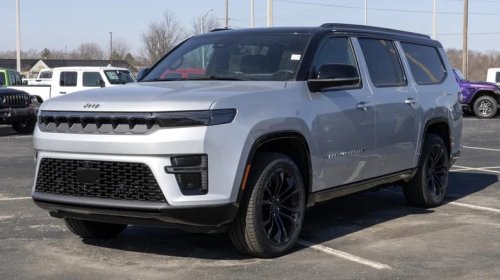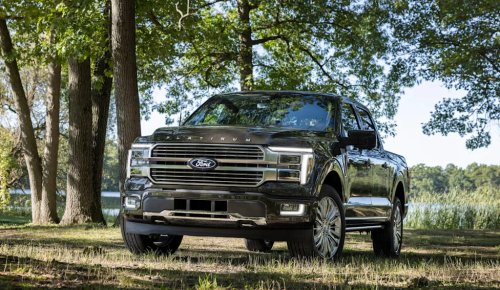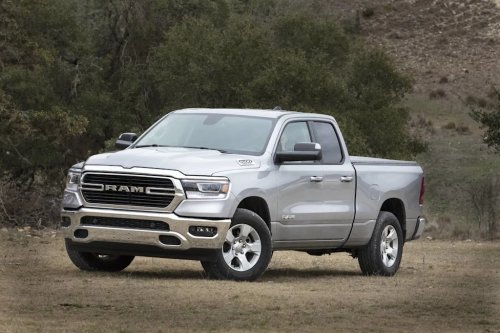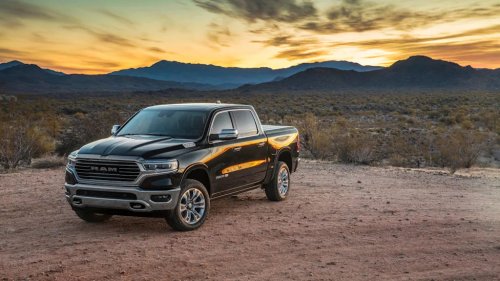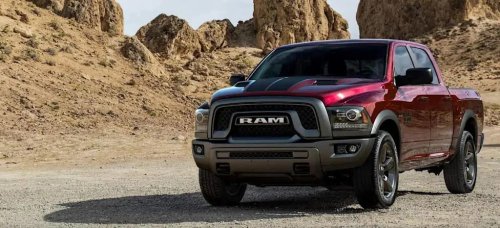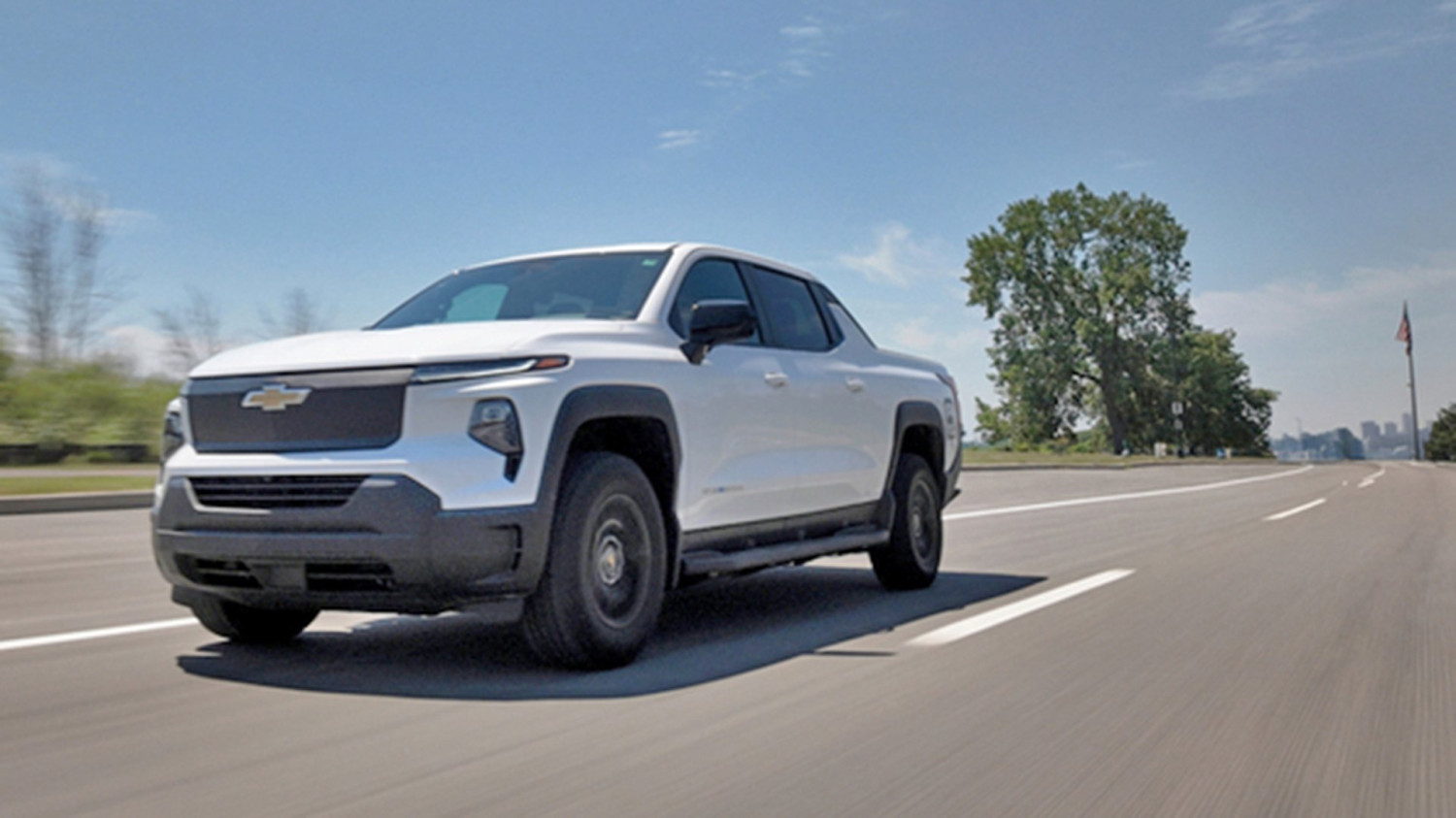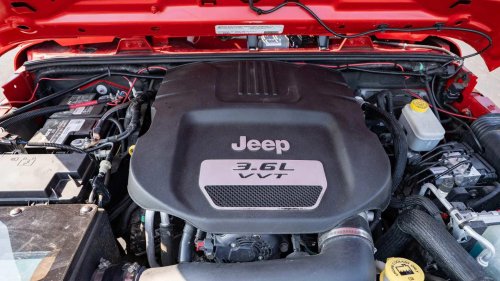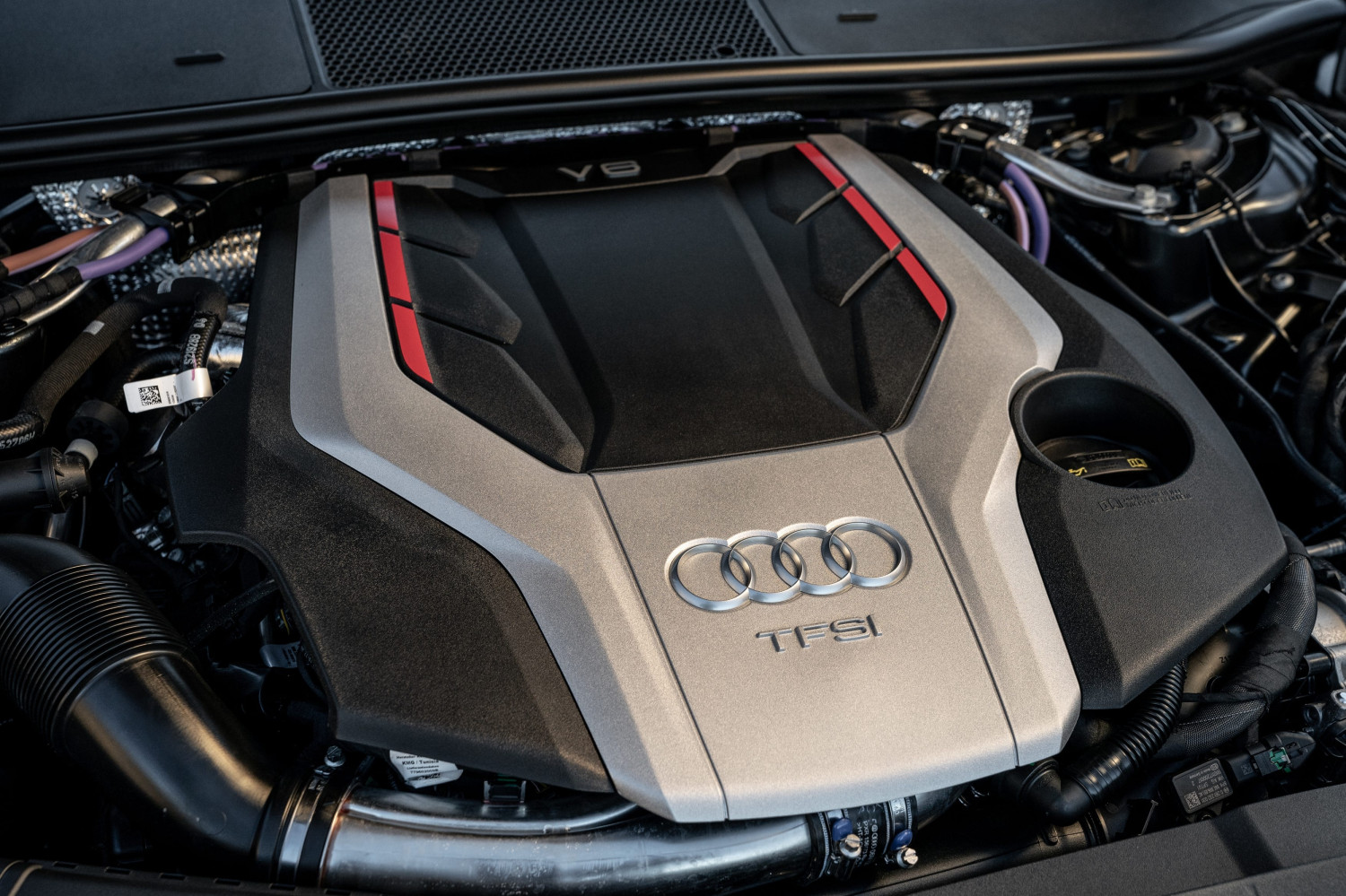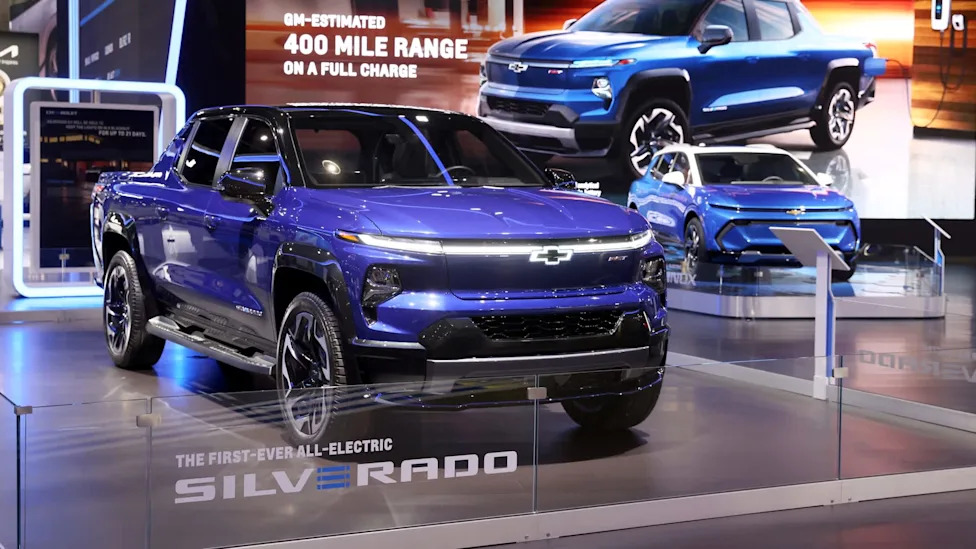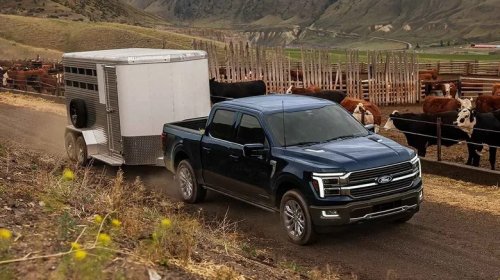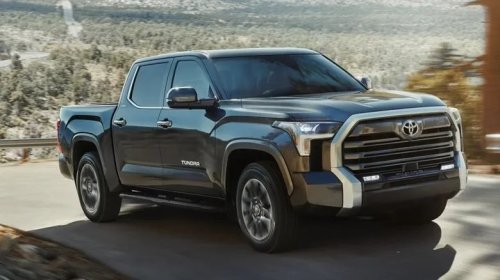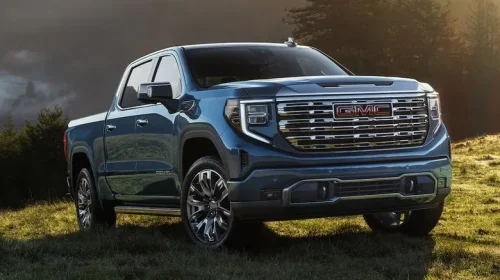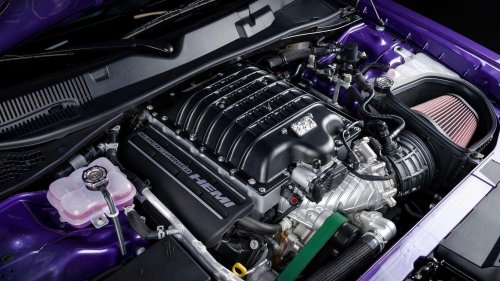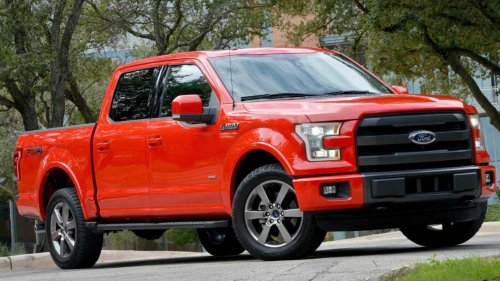
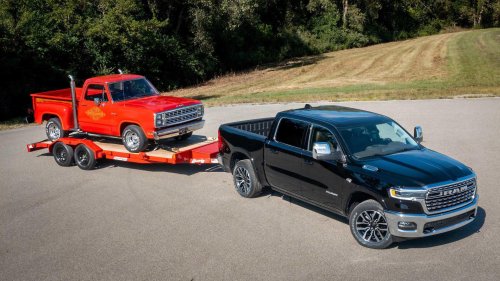
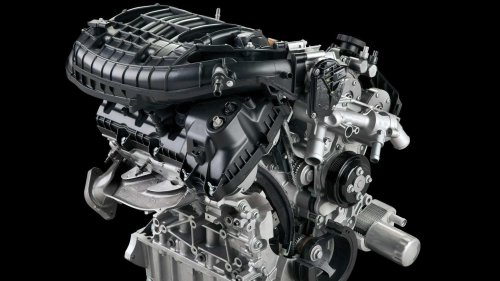
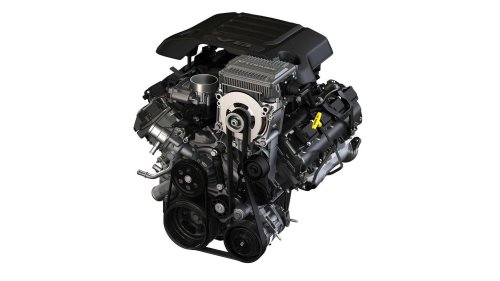
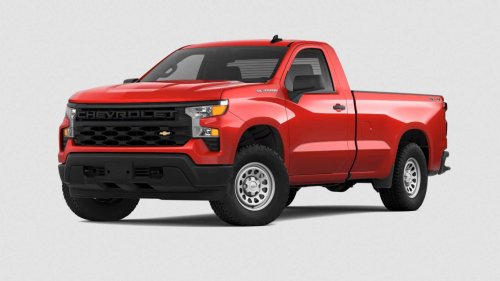
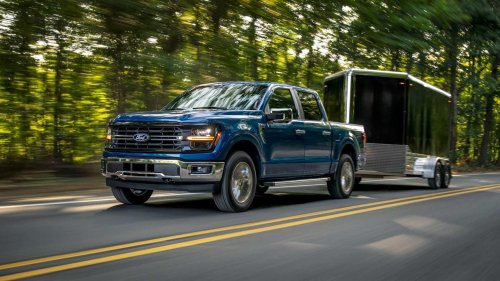
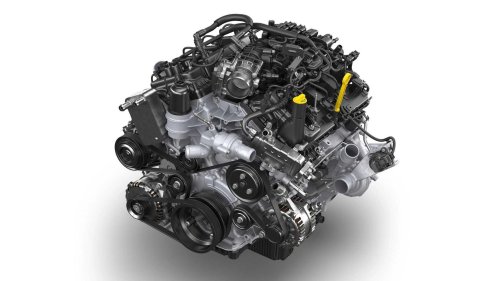
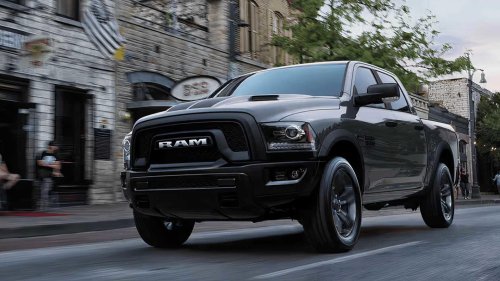
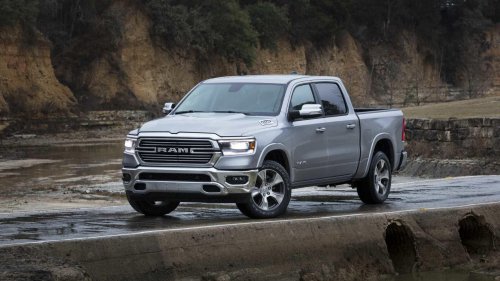
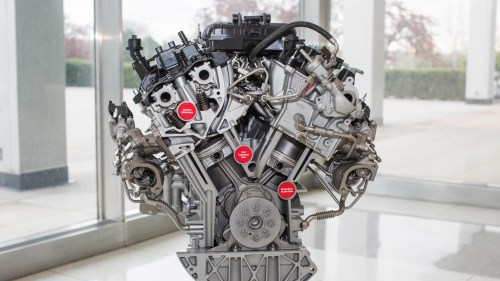
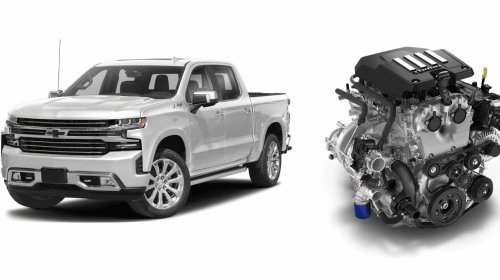



















Some of the biggest advances in pickup truck powerplants over the past few years can be found under the hood of the lowliest base-model units. Consider the Ford F-150, Ram 1500, and Chevrolet Silverado / GMC Sierra: of these four models, three have recently booted the naturally aspirated V6 from base engine position on the options roster in favor of more modern solutions.That leaves just a single naturally aspirated V6 remaining under the hood of a half-ton truck in 2025, and it's under the hood of the 2026 Ram 1500. Below, we'll see how it stacks up to its freshly turbocharged competition, and what might be next for one of the most mass-produced V6 engines on the road today. The V6 Base Engine Is Pretty Much Dead FordTrucks – and the engines that power them – are changing before our eyes. Unstable fuel prices, changing market conditions, and an increasingly cost-conscious pickup shopper have pushed automakers to innovate and deliver the increasingly in-demand combination of improved performance and improved fuel efficiency.Toyota recently switched out long-running pickup V6 and V8 engines in favor of modernized turbocharged engines with available hybrid power. A new, high-efficiency range of Hurricane straight-six turbo engines has now rolled out across the Ram 1500 lineup as well. Ford brought the first EcoBoost engines to market back in 2011 with the F-150 and has built on them ever since.Stellantis Looking towards base model engines in the most popular half-ton trucks, advancements are being rolled out with similar urgency. Back in 2014, the base engine for the GM pickup range was a V6 engine with a familiar displacement of 4.3 liters. Unlike the previous Vortec unit of the same size, this new EcoTec3 V6 would roll out the very latest technologies to improve performance and cut fuel consumption.The all-aluminum engine was based on the small-block V8 architecture, and ran direct injection, variable valve timing, and cylinder deactivation to push efficiency to new levels. By 2022, the final copies of this 285-horsepower 4.3-liter V6 engine had been built, and it was officially replaced by a high-tech successor that we'll meet a little further down your page.Ford Over at Ford, the 2018 model year brought a major overhaul to the F-150's long-running V6 base engine. The new V6 was downsized to 3.3 liters (from 3.5), given an all-new fuel injection system, and made 290 hp with improved efficiency and smoothness. Since this engine was designed to appeal to customers and fleet managers alike, it was also the last F-150 engine paired with the proven six-speed automatic transmission, even as other trim grades switched to the more complex 10-speed box.By the end of production for 2023, the last copies of the 3.3-liter V6 had been built, and a potent successor arrived from further up the model range.That leaves just one naturally aspirated base engine in a half-ton today: the 3.6-liter Pentastar V6 in the Ram 1500. This long-running V6 was first seen in 2011 when it debuted in the all-new Jeep Grand Cherokee. By 2013, it was available in the Ram 1500, where it's been around ever since. In 2019, the Pentastar V6 gained eTorque mild hybrid technology as standard, adding an electric power and efficiency boost while leaving the core engine itself unchanged.Stellantis That's an interesting approach. Instead of developing a new engine, Ram just added a hardware upgrade. The e-Torque hardware adds a storage battery to the rear firewall of the Ram 1500, and replaces its starter and alternator with a single device called an Integrated Starter Generator (ISG). The ISG starts the engine, recharges its own battery, acts as a powerful generator, and can apply electric torque directly to the engine's crankshaft via a belt, for an electric power boost. Importantly, this bolt-on solution allowed Ram to improve their V6 engine without changing any internal parts. Here Are The Replacements ChevroletNow, for the replacements. Let's start with GM. In 2021, the Silverado's basic 4.3-liter V6 made 285 hp and 305 lb-ft of torque, a leading figure amongst naturally aspirated V6 engines. The replacement had rolled out in full by the time the 2022 model arrived, in the form of a new turbocharged four-cylinder base engine that was specifically engineered for pickup truck use and built like a gas version of a diesel engine.The 2.7-liter four-cylinder "TurboMax" engine represented a major step up in performance and efficiency compared to the V6 it replaced. Power was up by nine percent, torque was up to 41 percent, and the new turbo four also used about $400 less fuel annually in the process. That's the sort of win-win shoppers were after.FordFor the 2024 model year, availability of the F-150's smallest EcoBoost engine, the 2.7-liter EcoBoost V6, expanded downwards to cover for the now-retired 3.3-liter V6. Unlike the TurboMax engine from GM, the EcoBoost 2.7-liter twin-turbo V6 was widely familiar to shoppers from other applications. Now, the base-model F-150 had 12 percent more horsepower, 51 percent more torque, and would even save you a hundred bucks a year on gas versus the previous 3.3-liter unit.FordRamWe don't know if or when the Pentastar V6 engine will be replaced by something turbocharged in the Ram 1500 lineup. Remember: some shoppers like the simplicity of naturally aspirated engines with conventional fuel injection. What we do know is that in other applications, the 3.6-liter V6 will be phased out in favor of the new Stellantis Hurricane 4 Turbo engine, a next-generation four-cylinder with a revolutionary injection system that's designed to push efficiency and power to all-new heights. We're talking about 35 pounds of boost and 320-plus horsepower on regular grade gas.The figures below are for speculative purposes only, but show what that transition might look like by the numbers. We're using specs from the 2026 Jeep Grand Cherokee for comparison, though fuel costs aren't yet available. The gist? A powerful four-cylinder with a great big turbocharger may one day find its way under the hood of a Ram 1500 as a new base engine as well, delivering more power and torque than its predecessor, and probably, a lower fuel bill.Ram Why Turbocharging Is Taking Over FordWhen the first turbocharged engine found its way under the hood of the Ford F-150, it had a lot of perceptions to change. Age-old convention meant that many shoppers wanted the simplicity of a big, lazy V8, not a small, stressed-out V6 with two potentially pricey turbochargers to deal with.Turbocharging continued to proliferate as more and more shoppers caught onto the key advantages of the technology, some of which don't show up on the spec sheet. Modern turbocharged engines are also usually direct-injected. When used alongside elevated compression ratios, these two technologies allow modern gas engines to extract maximum power from their fuel supply at very low revs, where torque is plentiful, and noise levels are low. In most driving, there's little need for lots of revs. In fact, turbocharged and direct-injected engines do some of their most efficient work at very low revs, where the engine is nearly lugging, and the low-rev torque is gliding things along.From the driver's seat, there are multiple benefits: more thrust with less noise, more torque with less revs, and less need for the transmission to hunt for the proper gear on hilly terrain. The result is a drive that's quieter and more composed, more of the time, with a dramatic increase in throttle response across the rev range. These are major contributors to overall refinement and NVH characteristics.Chevrolet Of course, each of the automakers listed on your page will happily sell you a non-turbo engine if you like. It's always nice to have choices.