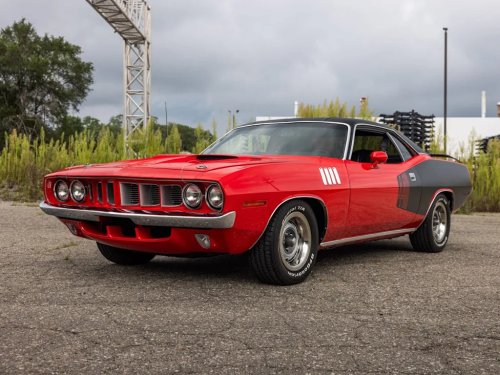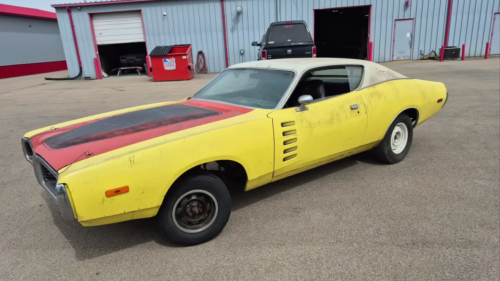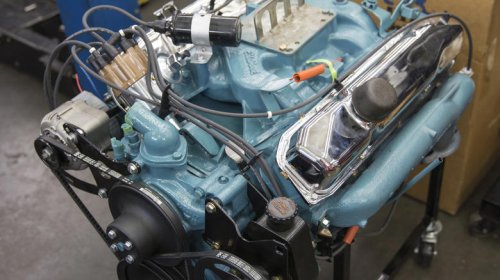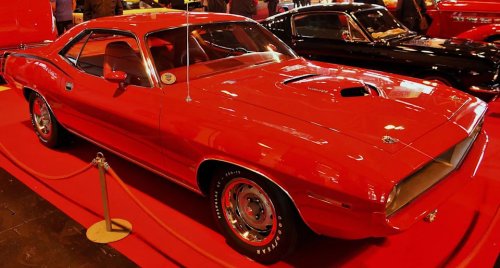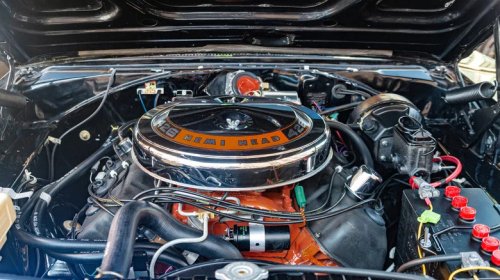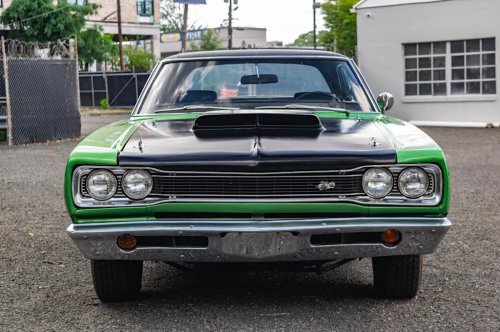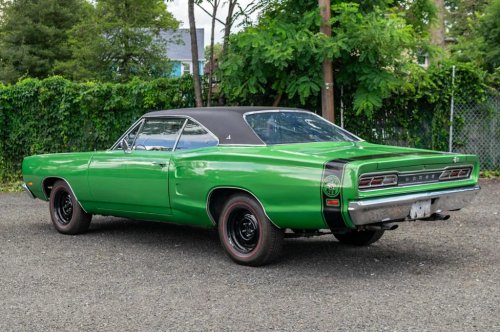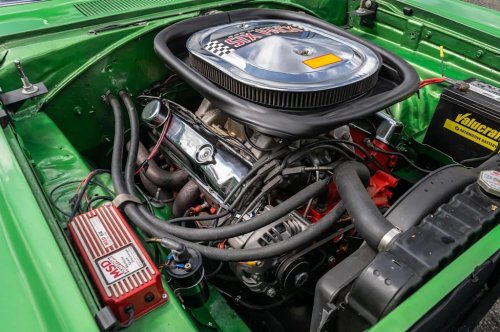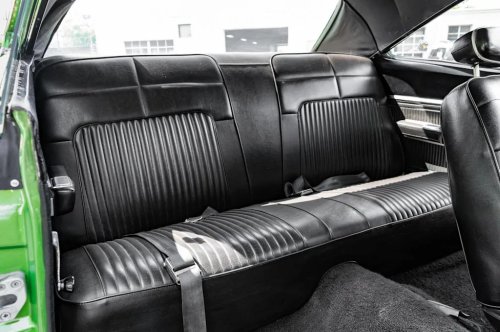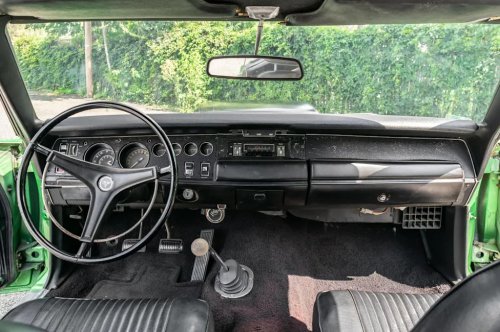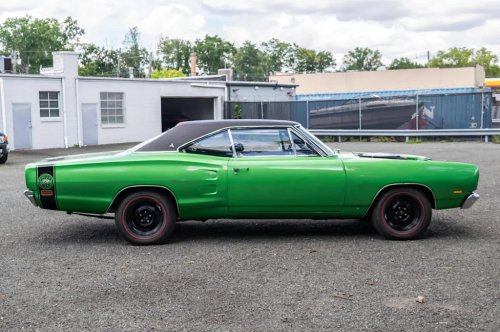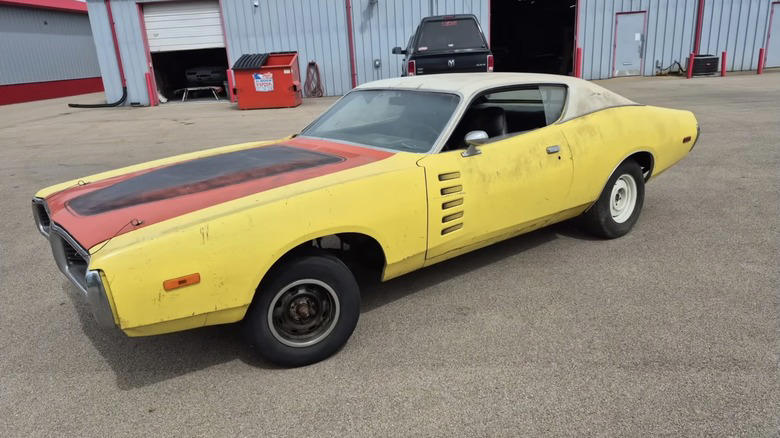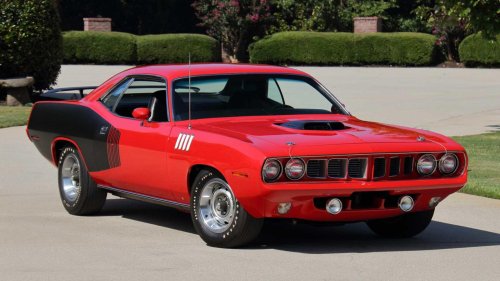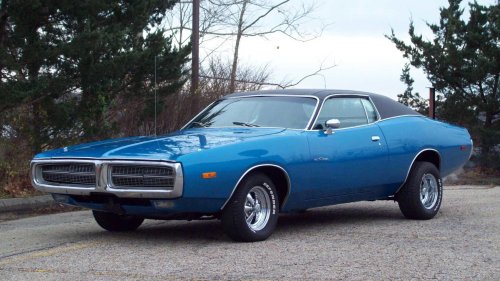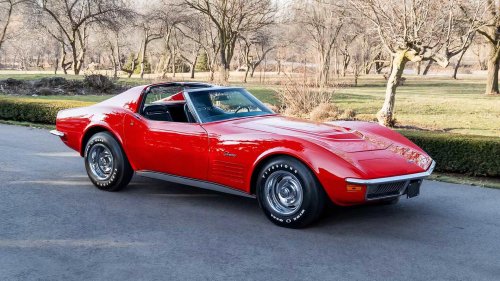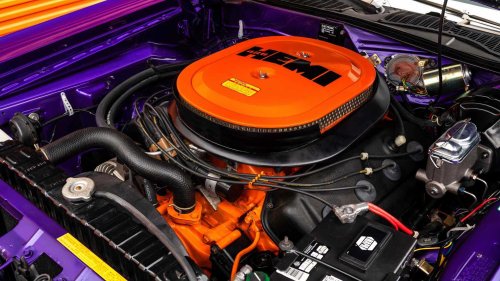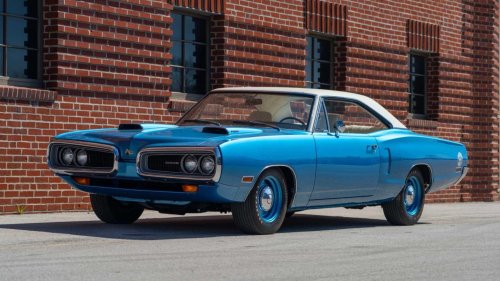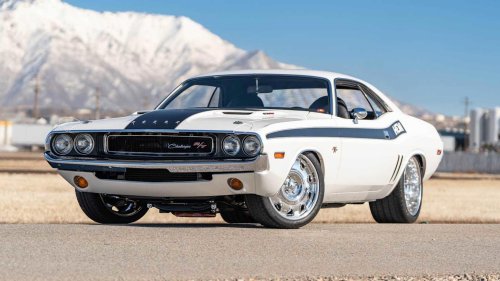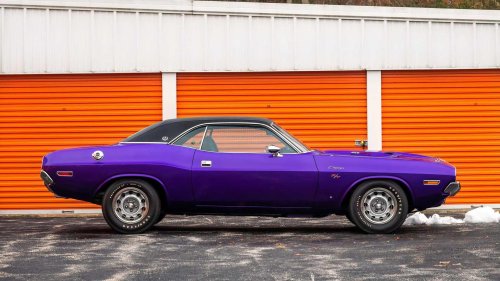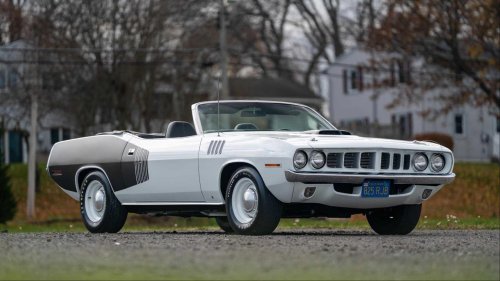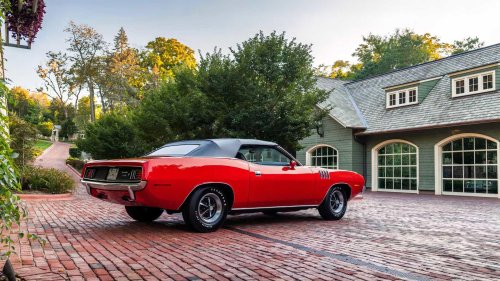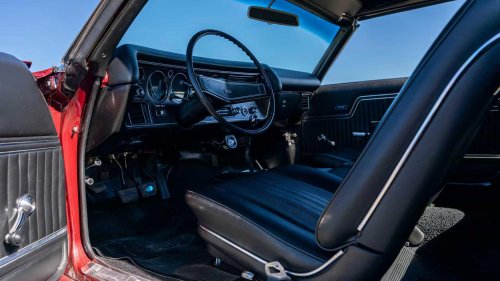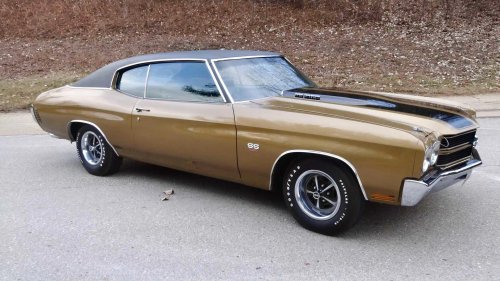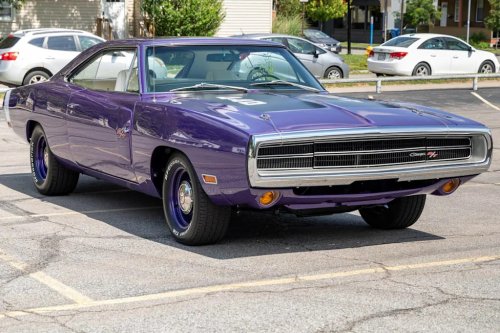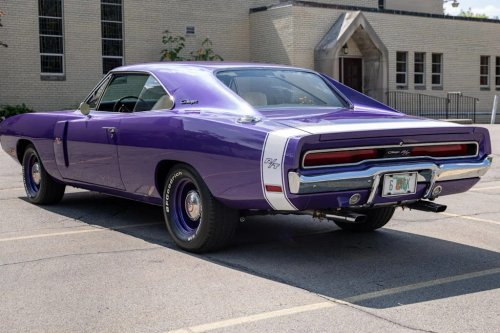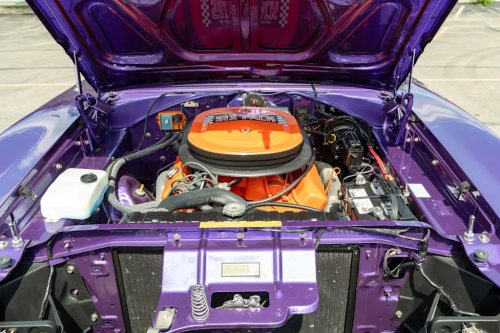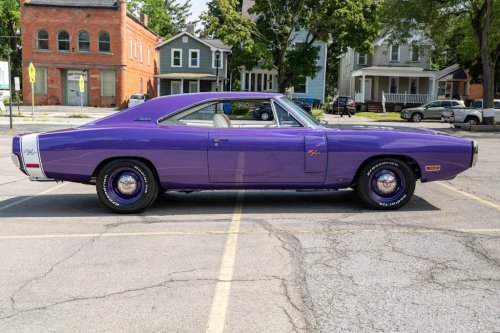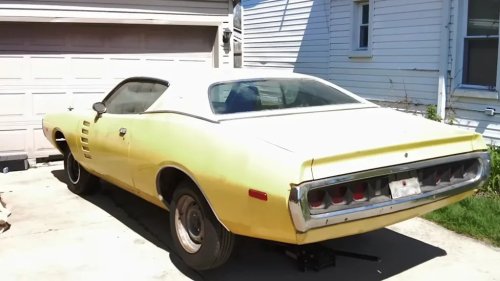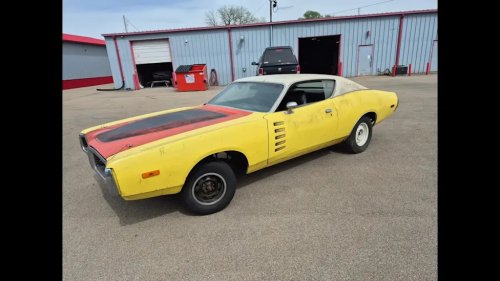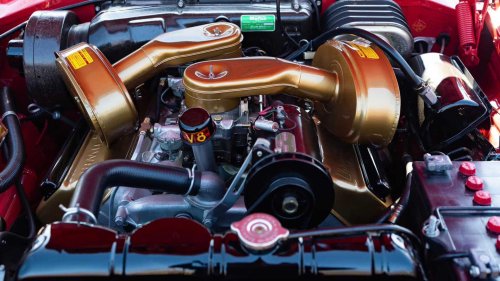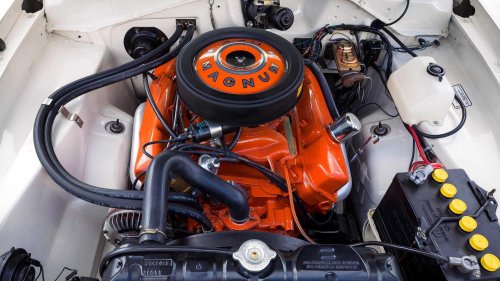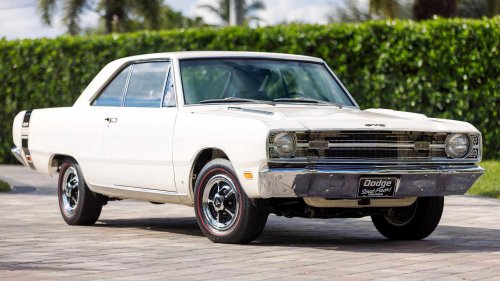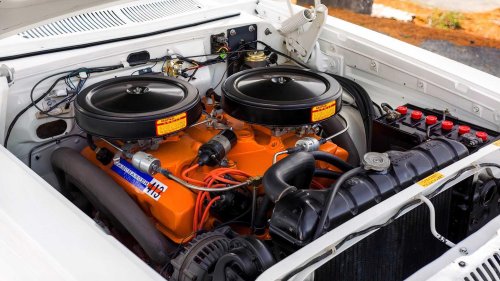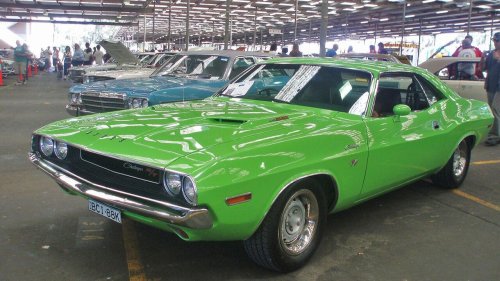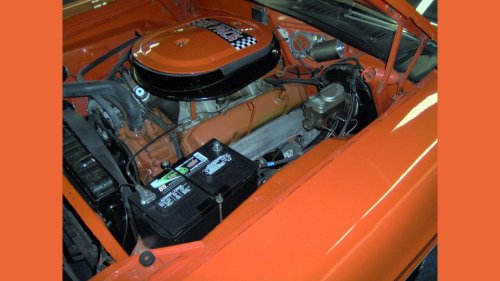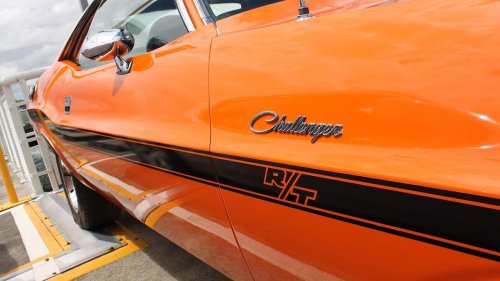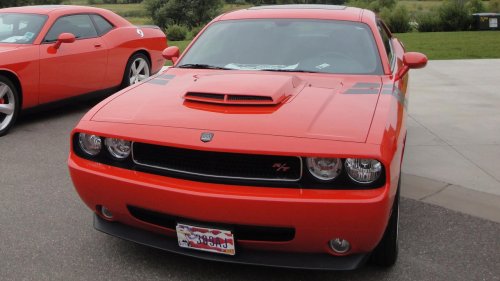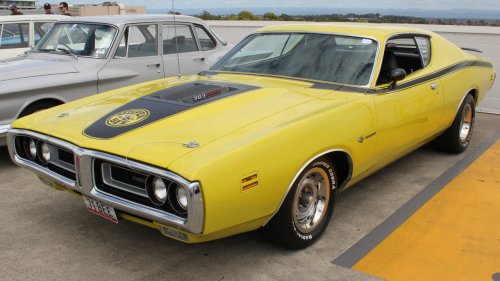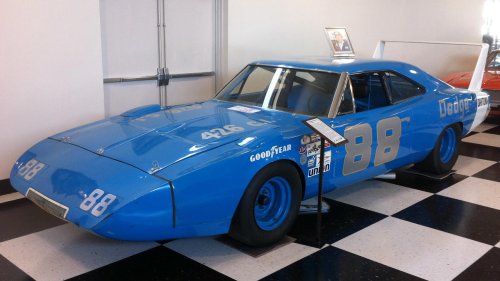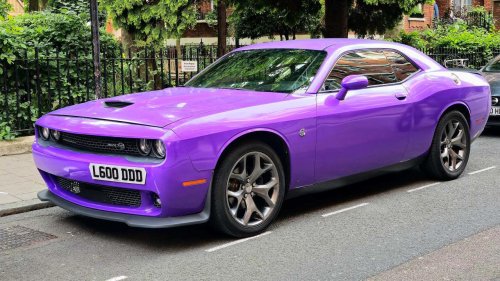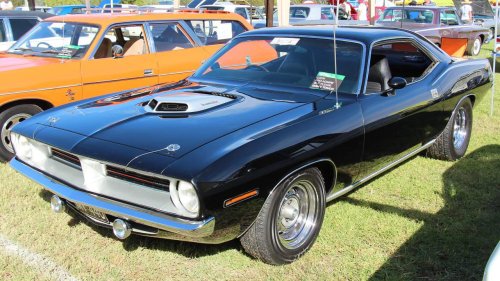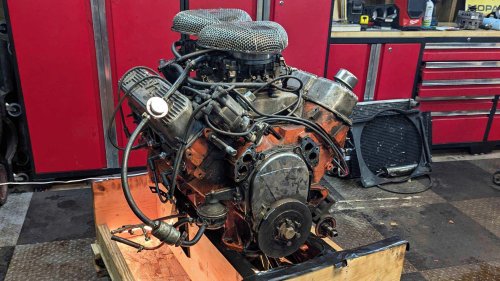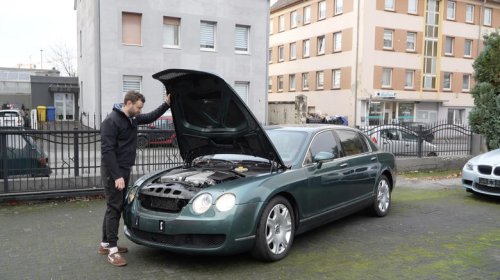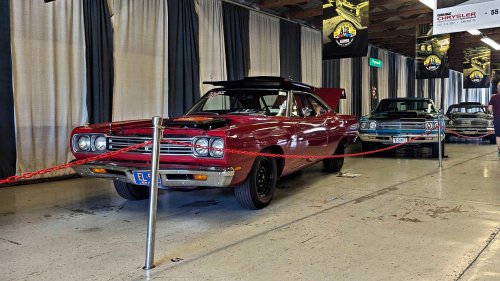
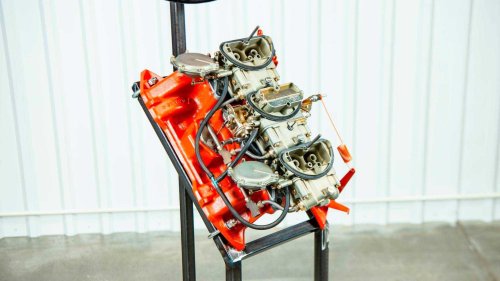
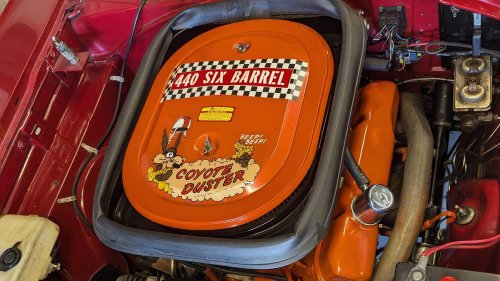
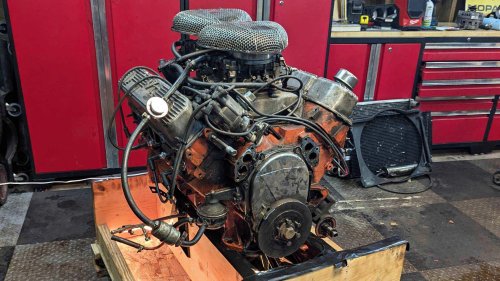
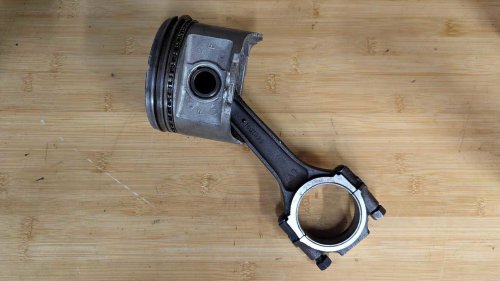





















The legendary426 Hemi is Mopar's mightiest engine. Its racing dominance is celebrated around the world. To this day, its basic architecture is still used in the fastest, most powerful race cars on the planet. It's not uncontested, though. Many engines have risen and put Chrysler's "Elephant" in check over the half-century since its introduction. While all the major automakers have gone toe-to-toe with the 426 Hemi, one of its fiercest competitors comes from the same stable.In 1969, Chrysler built what may very well have been the greatest street engine ever produced for muscle cars. It took the already torque-happy 440 cubic-inch V8s and equipped them with a Holley carburetor setup that allowed them to breathe fire. This was the birth of the 440 Six-Pack. As mean as the 426 Hemi is in all-out race trim, this wedge-headed titan beats the brakes off it in the street. To add insult to injury, the 440 offers way more bang for your buck, rivaling and surpassing Hemi power for pennies on the dollar, making it the obvious choice for budget-oriented builds. The 440 Six Pack Powered The Fastest Muscle Cars Of The ‘60s Hank O'Hop / Valnet The 426 Hemi helped Mopar achieve racing dominance across various circuits. It famously powered many of its factory race cars, like the A990 Dodge and Plymouth B-bodies, and even pushed the fabled Daytona and Superbird to immortality in NASCAR. What was offered in street cars was actually a de-tuned version of those legendary race engines. As cool as that is and as much potential as they have, it also means the 426 Hemi made lousy street engines in stock form. They were lazy downstairs and ultimately disappointed many motorists.As such, the fastest factory-equipped muscle cars of the horsepower wars weren't equipped with Hemi engines. And while Chevrolet, Ford, Buick, Oldsmobile, and Pontiac all tried their best to take that crown, it ultimately was another Chrysler engine that snatched it. As a matter of fact, it was the performance engine that often came at the price point just below the Hemi itself.The 440 Magnum is the spiritual successor of the earlier Max Wedge engines that earned Mopars a reputation as fierce drag engines in years prior. Out of the box, the 4-barrel models have a ton of potential. Halfway through the 1969 model year, Dodge and Plymouth introduced the legendary Six-Pack, or A12, cars. Ronnie Sox of Sox and Martin famouslydrove a 1969-1/2 Plymouth Road Runner into the 12.90 range in the quarter mile, making it the fastest factory-equipped muscle car of the era. What Is A Six Pack? Mecum Auctions There are a few things that separate Six-Pack engines from regular 440s. The most obvious is the induction system, which it is named after. Regular 440 cubic-inch V8s came standard with 4-barrel carburetors. These work really well, but these big V8s really like to breathe. To unlock its full potential, Mopar decided to up the ante for the '69 model year.Six-Pack engines get their name from the three two-barrel Holley carburetors sitting atop the intake manifold. These debuted on the '69-1/2 "A12" cars, which were Plymouth Road Runners and Dodge Super Bees with the A12 code on the fender tag. This designation signified special fiberglass hoods, black 15-inch wheels, a Dana rear, and the 440 equipped with the triple Holley Carburetors. For the record, Dodge referred to them as Six-Pack engines while Plymouth called them Six-Barrels, but they were the same thing anatomically.These Six Pack engines were rated to produce 390 horsepower and 490 lb-ft of torque. While a nice bump over the Magnum's and Super Commando's ratings of 375 horsepower and 480-lb-ft of torque, this is an instance where the factory was being dishonest about power ratings, as the Six-Pack engines routinely produce more on the dyno.There is a difference between the initial Six-Pack engines and the later versions that appeared in '70 and later models. The original Six-Pack engines were essentially 440 HP engines outfitted with the Holley carburetors and a cam, and bumped up compression ratios. Later versions adopted the famous "Six-Pack" heavy-duty connecting rods that were needed to help these engines withstand the abuse they'd inevitably face. Tuning the Six-Pack to Perfection Hank O'Hop / Valnet Six-Pack engines were known to be total monsters when they were tuned right. However, the experience of driving one with a factory tune has often been described as frustrating. As with any car, Chrysler sent these out with a conservative tune. The carburetors wouldn't open up fully until late in the power curve, when it was time to shift. This might be linked to the many rod failures these engines suffered.The fact of the matter is that getting the most out of a 440 Six-Pack takes someone who knows what they're doing in getting the vacuum-operated outboard carburetors to open at just the right time. This is an involved process that includes swapping the springs in the vacuum pods, rejetting the carburetors, and addressing the timing so everything is synced. It can be tedious with a regular single four-barrel, but it is especially difficult when dealing with three carburetors. The results speak for themselves, though, as these machines would beat the brakes off anything in their path, making the person who can master the Six-Pack as much of a legend as the cars they came in. Taking A 440 To Its Full Potential Hank O'Hop A big part of what makes 440s so much more desirable than the 426 Hemi for budget-oriented builds is the cost difference. The 426 Hemi was expensive even when it was a factory option. Production costs were significantly higher than wedge engines, which is ultimately why so many more 440s were built. The 440 also outlived the Hemi with a 13-year production run to the 426's seven.The popularity of 440s in the '60s and '70s means they're still very easy and very affordable to find and purchase. Six-Pack engines are about the only exception, with just the carburetors and intakes selling for around $3,000 on average. Thankfully, unlocking the potential of the 440 isn't only possible with the legendary Holley tri-power setup. You can build a very respectable alternative on the cheap with the right parts.If you have a '68-'70 engine to start with, you're in a very good position to build a seriously mean 440 V8. The compression isn't quite as high as the Six-Pack's, but you're close enough to make up the difference elsewhere. If you're dealing with a later model, you'll want to consider swapping to high-top pistons, as compression really starts to taper off as you venture late into the '70s. If you’re worried about rod strength, don’t go nuts trying to find Six-Pack rods. Instead, you can move to chromoly studs on the factory LY rods that add strength where it’s actually needed. Common thought is that the Six-Pack rods were only used because they were heavier and slowed the engine down to prevent over-revving it, rather than actually addressing the common failure point, which was the rod bolts.Hank O'Hop / Valnet You can also stand to bump up compression with closed chamber heads, just know that "915" castings are the better choice than the more affordable "516" heads. However, as with any 440 heads, a set of valves and port work can really wake up the latter. Otherwise, 906 castings like the heads the Six-Pack engines came with are the way to go.As for the induction side, you can achieve Six-Pack flow with a standard four-barrel. The Six Pack engines featured a 350 CFM center carb with two 500 CFM outboards. Common sense indicates that these added up to supply the engine with 1,350 CFM of flow potential. However, real-world performance typically shows these setups to flow similarly to a Holley 950-1,000 CFM four-barrel carburetor.Lastly, there is a cam. Though, unless you're doing a factory-correct build, there's no reason to go with the original bump stick. Instead, moving to an aftermarket cam with a more aggressive grind can take power further than what the A12 cars achieved. Stack on headers and a proper intake, and you've got an engine that's even meaner, and, most importantly, a fraction of the cost of a 426 Hemi. Similar Treatment To The Hemi Does Change Things Hank O'Hop / Valnet We're not just blowing smoke when we say the 440 Six-Pack was faster than the 426 Hemi cars. Going back to Ronnie Marin's 12.90 run with an A12 Plymouth Road Runner, a similarly equipped 426-Hemi-powered model achieved a 13.6 quarter-mile run. There have been several official side-by-side runs conducted over the years, and the 440 Six-Pack routinely beats the 426 off the line. The difference becomes even greater when you spend time tuning the Six-Packs to perfection.That's not to say the 426 is an inferior engine. While a well-built 440 will typically land around 500-550 horsepower, a race-spec Hemi would turn out 650 horsepower without breaking a sweat. Giving the Elephant the same treatment as the 440 as we've outlined above would ultimately lead to the Hemi taking the win with ease.The difference is that it'll cost much, much more to achieve. Just a bare 426 Hemi block can easily bring in $5,000 or more, while complete 440s can be purchased for half that, if not cheaper. Heck, I picked up the 440 I ran in my own '69 Charger for $500. Even after adding a cam, headers, some used worked over heads, and a dual-quad intake setup, I was into the entire engine for less than $2,000. If I put another $3,000 into it, I can easily land in that 550-horsepower range. Pick Your Poison Hank O'Hop At the end of the day, there's no arguing that the Hemi is the superior race engine. It's performance potential truly knows no bounds and there's a reason it's still the dominant force in top fuel racing. It's simply not the most practical choice, though. The fact of the matter is that the 440 is the better option for most builds because they're far more abundant and affordable. That's all without getting into packaging, with the 440 being much smaller in size than the 426 Hemi, meaning it's easier to shoehorn into just about anything.As for the Six-Pack engines, they truly are the superior street engine. In any trim, they offer better low-end performance, which translates to better street manners and quarter-mile times. Dollar for dollar, it offers way more bang for your buck than the Hemi. That potential is well within reach of any 440.