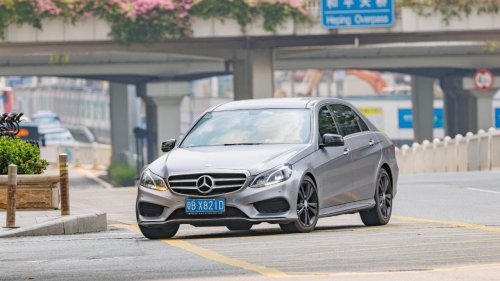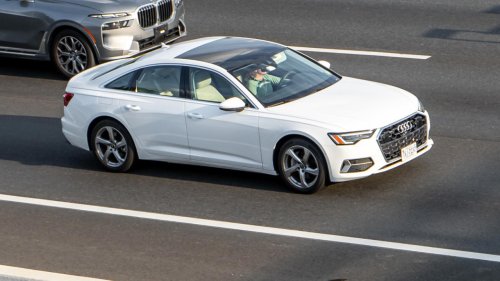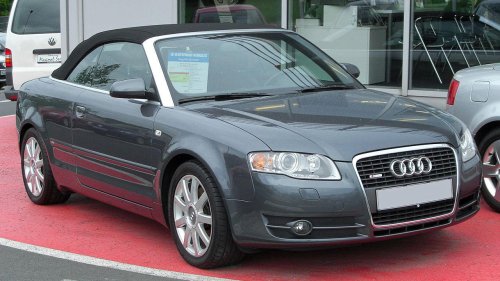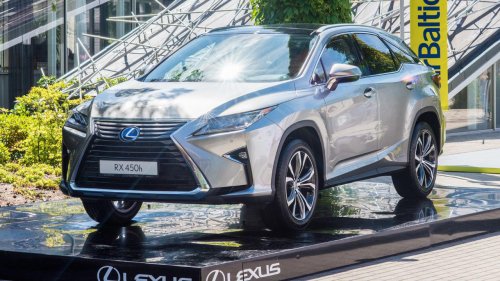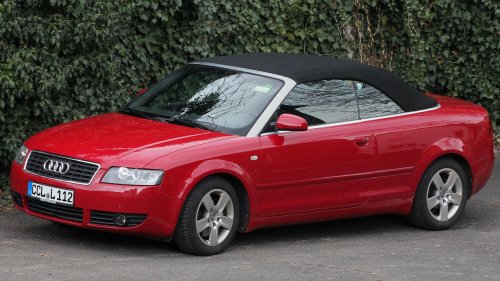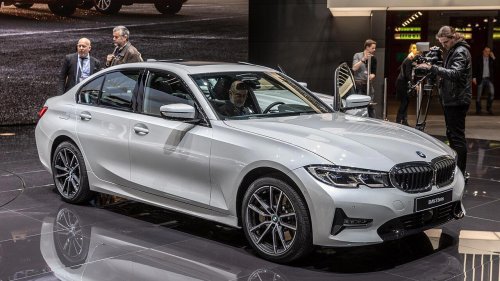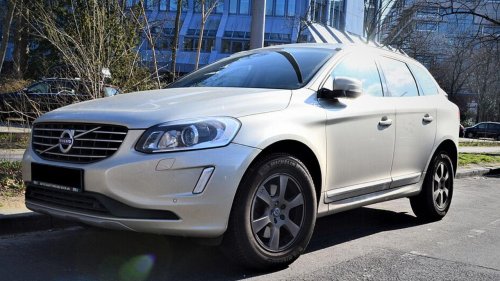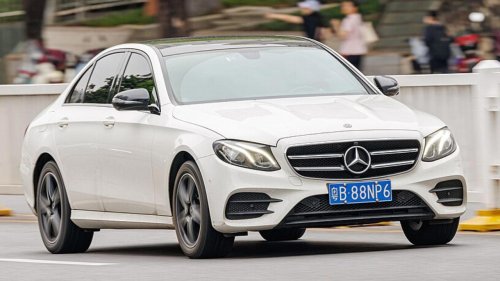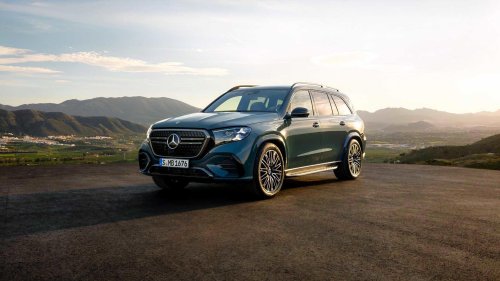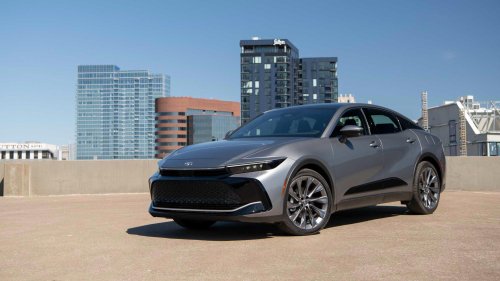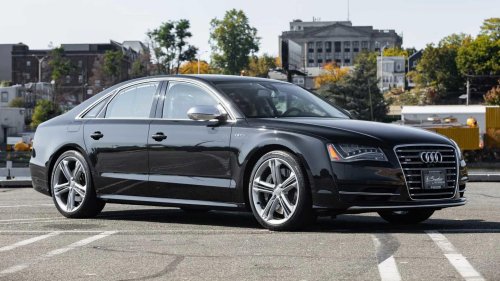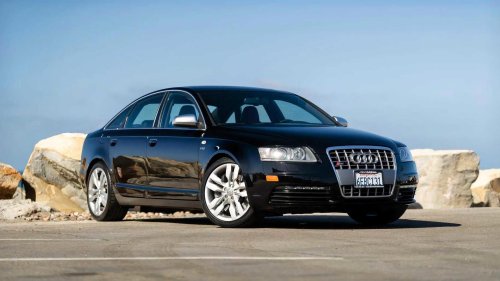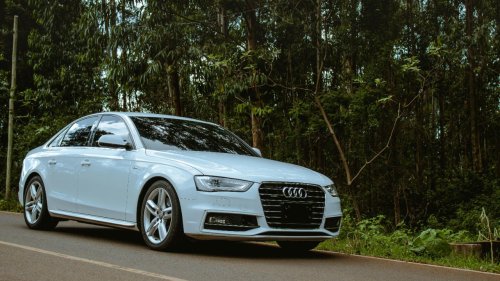
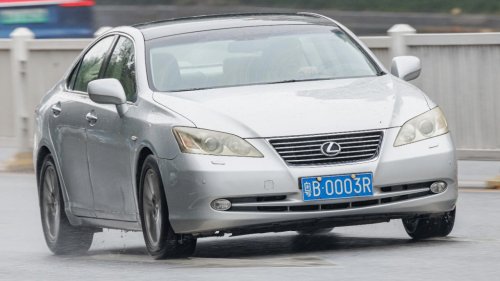
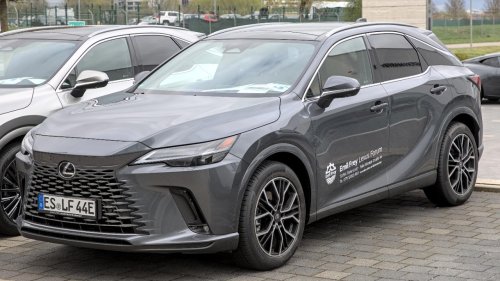
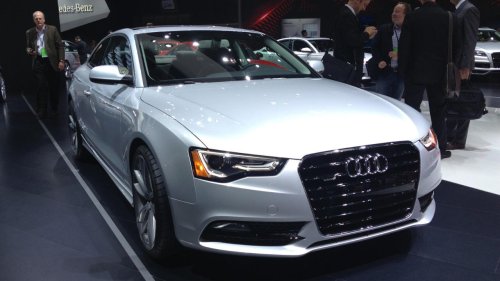
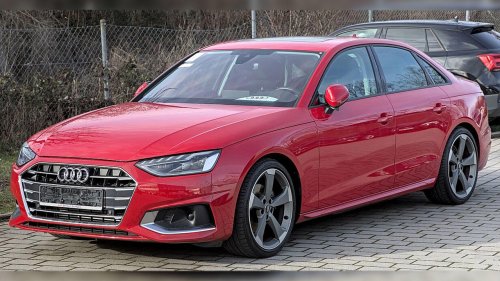
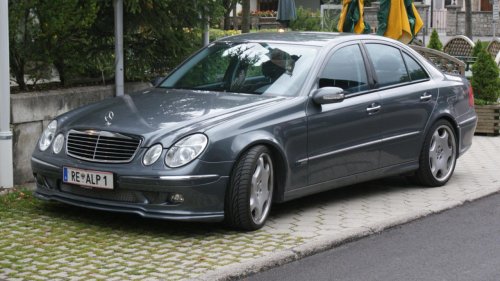
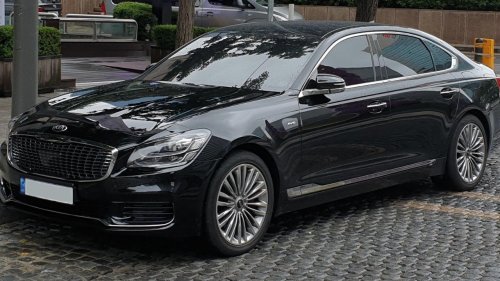
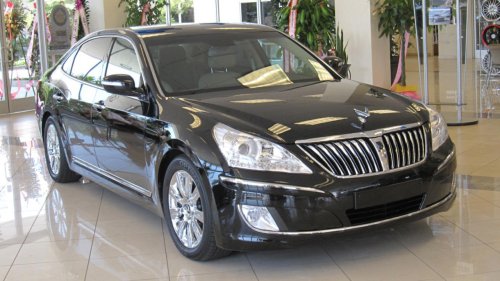



















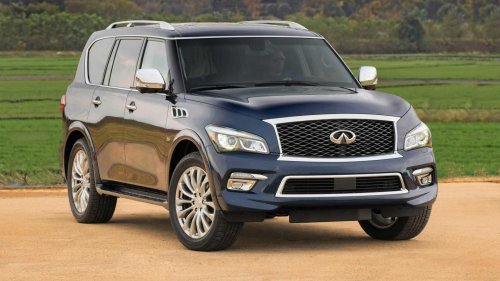

Luxury badges often signal painful repair bills, yet several specific models quietly undercut that stereotype. Data on 10 year costs for luxury brands shows an average maintenance burden close to $13,000, which makes the standouts on this list especially compelling. By focusing on models with strong reliability scores, modest parts prices, and gentle depreciation, shoppers can secure an upscale badge that is shockingly cheap to own over the long term.Lexus ES 350The Lexus ES 350 is a textbook example of a luxury sedan that keeps ownership costs in check. An analysis of 10 year expenses reports that owners can expect to spend $5,926 on maintenance for the Lexus ES 350, a figure explicitly described as low compared with many other luxury brands. That gap is significant when the average 10 year maintenance cost for a luxury car is almost $13,000, which means the ES 350 can save thousands over a decade while still delivering a quiet cabin and upscale features. Low mechanical stress and conservative engineering help explain why the ES family appears frequently in rankings of used luxury cars with the lowest maintenance cost. One breakdown of ownership factors notes that purchase price is only one piece of the puzzle, and that models like the Lexus ES tend to shine once long term repair risk is considered. For buyers who want leather, advanced safety technology, and a serene ride without premium shop invoices, the Lexus ES 350 stands out as one of the safest bets.Lexus RXThe Lexus RX combines SUV practicality with a reputation for durability that directly supports low ownership costs. A guide to the most reliable luxury vehicles states that the Lexus RX is widely regarded as one of the most dependable luxury vehicles, a result of its conservative powertrains and careful quality control. Even when hybrid versions such as the Lexus RX 500h appear on lists of the most expensive luxury cars to maintain, the 10 year maintenance cost of $8,005 still sits close to, and not dramatically above, the $13,000 luxury average. That balance of reliability and cost makes the RX a standout among used luxury crossovers. Owners often benefit from long component life and fewer unexpected repairs, which matters more than headline service prices. For families who need cargo space and a higher driving position, the Lexus RX offers a way to enjoy premium comfort while keeping long term maintenance predictable. The model’s track record also helps it retain value, which further reduces effective cost of ownership for careful buyers.Audi A5 (2013)The 2013 Audi A5 shows that a German coupe can be stylish and relatively affordable to keep on the road. A ranking of reliable used luxury cars lists the 2013 Audi A5 with an Avg Price of $15,778 and a Reliability Score of 86 out of 100, which places it among the stronger performers in its class. That combination of a mid tier purchase price and above average reliability helps offset the perception that every Audi will automatically carry punishing maintenance bills. Although parts and labor for European brands can be higher than for some Japanese competitors, the A5’s strong Reliability Score suggests fewer large repairs over time. For shoppers who want a premium interior, confident highway manners, and coupe or cabriolet styling, the 2013 Audi A5 offers a realistic path into luxury ownership. The key for cost conscious buyers is to prioritize documented service history and avoid heavily modified examples, which helps preserve the reliability advantage that the data already reflects.Audi A4 Premium (2020)The 2020 Audi A4 Premium brings modern technology and safety equipment to the used market at prices that undercut many new mainstream sedans. Reporting on slightly used luxury cars notes that the 2020 Audi A4 Premium carries an Average Price of $25,000 to $30,000, with the Front three quarter view of the car used to highlight its contemporary design. That pricing reflects early depreciation, which means second owners enjoy a relatively low entry cost for a late model luxury sedan. Because the A4 Premium trim already includes a rich feature set, owners avoid the temptation to chase costly option packages. The Audi A4 platform also benefits from a large parts supply and wide service familiarity, which can moderate repair costs compared with rarer luxury models. For drivers who want a modern infotainment system, advanced driver assistance, and solid fuel economy, the 2020 Audi A4 Premium delivers a sophisticated experience without the financial shock often associated with German badges.2012 Mercedes-Benz E-ClassThe 2012 Mercedes-Benz E-Class appears in discussions of used luxury cars that do not destroy a budget with repairs, which is notable given the brand’s traditional association with high service costs. Analysis of ten year estimated maintenance figures highlights that this generation of E Class avoids the most complex electronics and powertrains that later models adopted. That relative mechanical simplicity, combined with widespread parts availability, helps keep long term ownership more manageable than many shoppers expect from a Mercedes. For buyers, the appeal lies in pairing a prestigious badge with a chassis known for comfort and highway stability. The 2012 E Class offers classic sedan proportions, a refined interior, and strong safety credentials. When purchased with a thorough pre purchase inspection and a clear service history, it can provide an executive level driving experience at a fraction of its original price while avoiding the worst repair scenarios that plague less proven luxury models.Kia K900 (2015 and newer)The 2015 and newer Kia K900 demonstrates how extreme depreciation can create a bargain in the used luxury market. One review of reliable luxury sedans under $20,000 notes that the Kia K900 carried an MSRP up to $65,000 M when new, yet examples now fall into the high teens and low twenties. That drop allows buyers to access a full size, rear wheel drive luxury sedan with generous equipment for the price of a modest compact car. Because Kia shares components across its lineup, many mechanical parts for the K900 are not as exotic as the badge suggests, which can reduce maintenance costs compared with traditional European flagships. Features such as leather upholstery, advanced audio, and driver assistance systems arrive standard or widely available, so owners do not need to chase rare options. For shoppers who value space and comfort over brand prestige, the Kia K900 offers a quietly rational choice that is surprisingly cheap to own.Hyundai Equus (2009 to 2014)The 2009 to 2014 Hyundai Equus follows a similar pattern, trading badge recognition for exceptional value. Coverage of reliable luxury sedans under $20,000 reports that the Hyundai Equus once carried an MSRP up to $78,000 M, yet now often sells in the same price bracket as economy cars. That scale of depreciation dramatically lowers the financial risk for second or third owners while still delivering features that rival more familiar luxury marques. Hyundai’s strategy of using proven engines and transmissions across multiple models helps keep repair complexity in check. Many independent shops are comfortable servicing these powertrains, which can hold labor costs down. For owners, the Equus offers a limousine like rear seat, soft ride tuning, and a long list of amenities. Those traits make it an appealing option for buyers who prioritize comfort and low running costs over the social cachet of a European emblem.