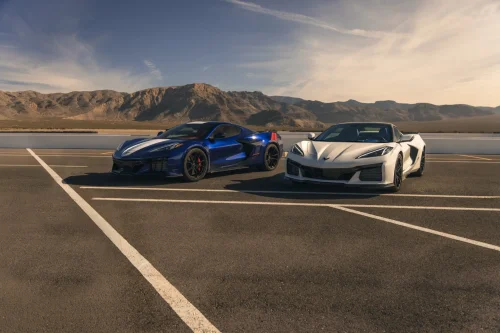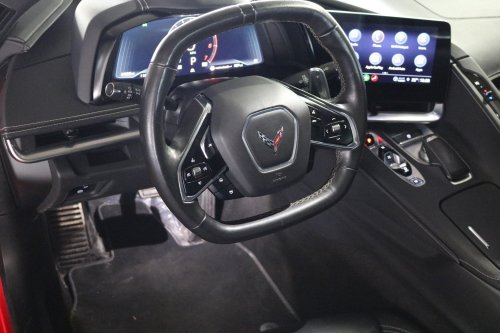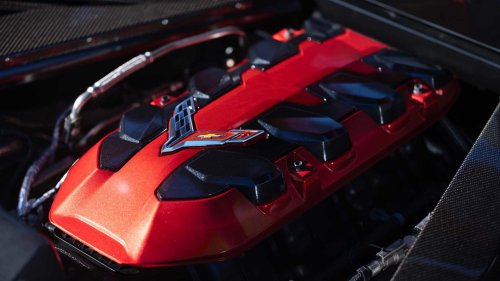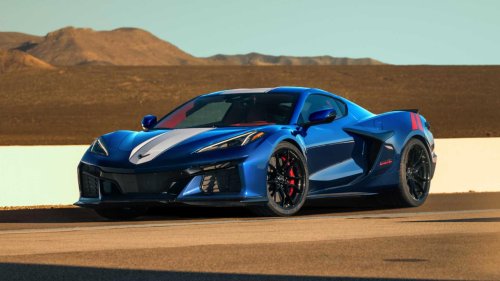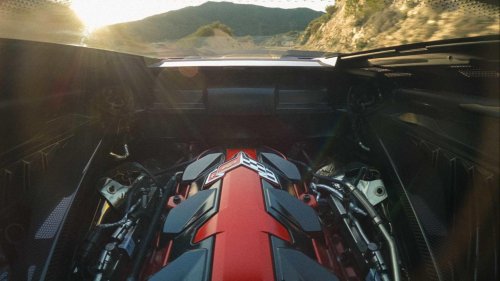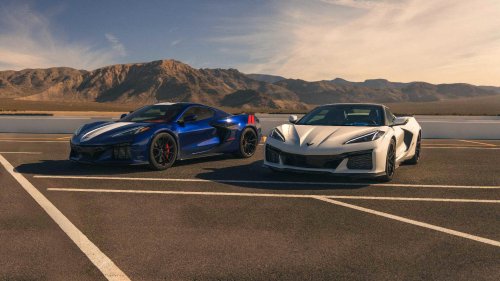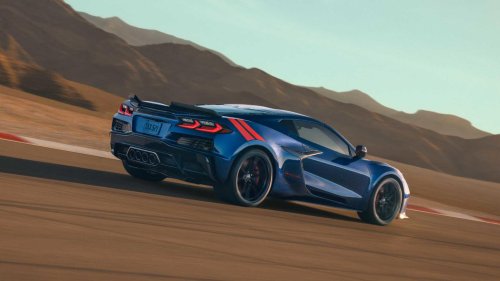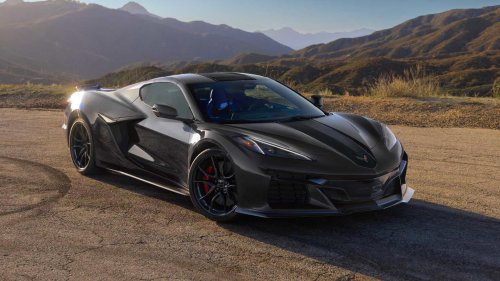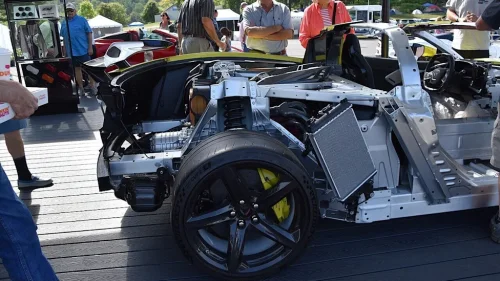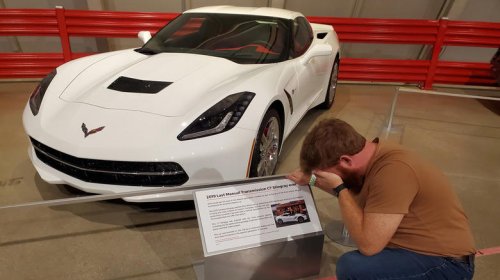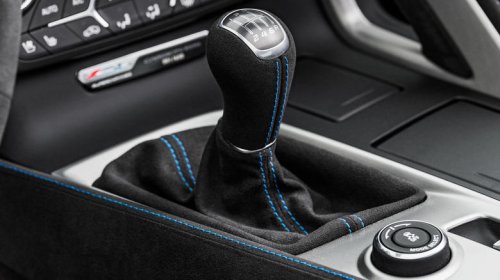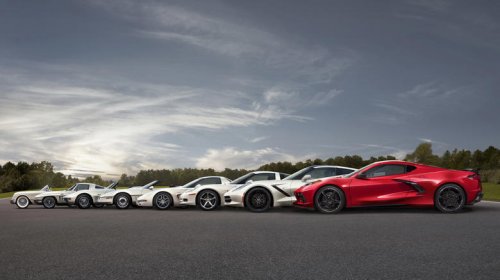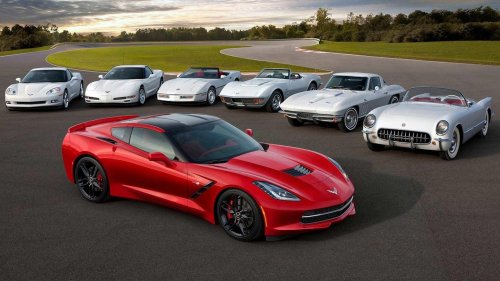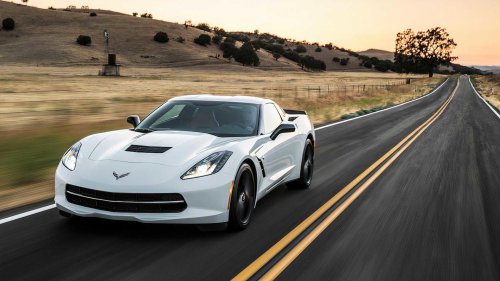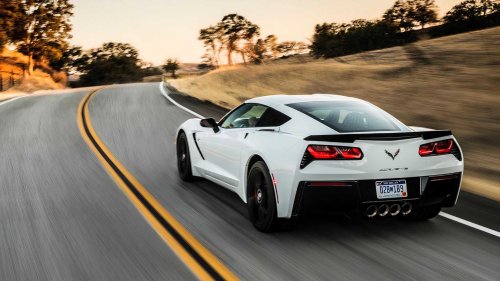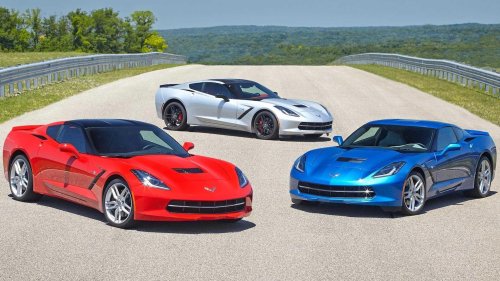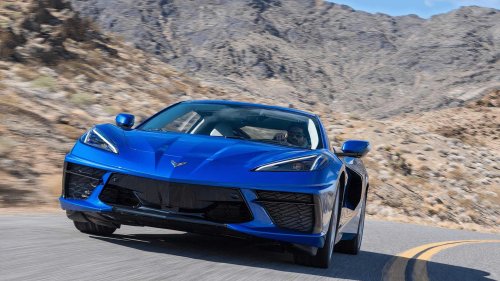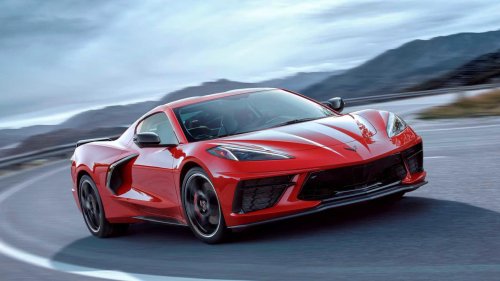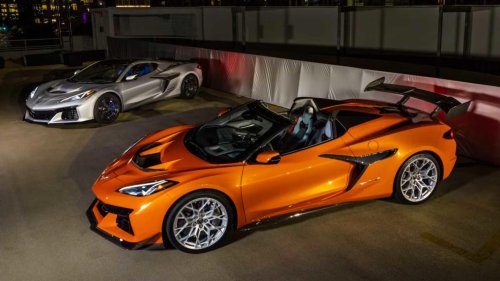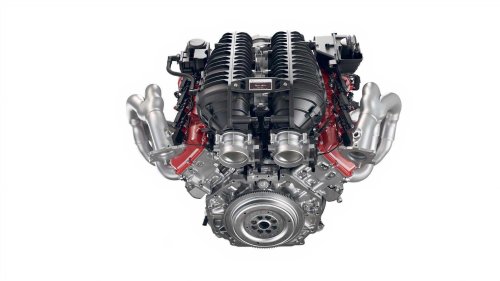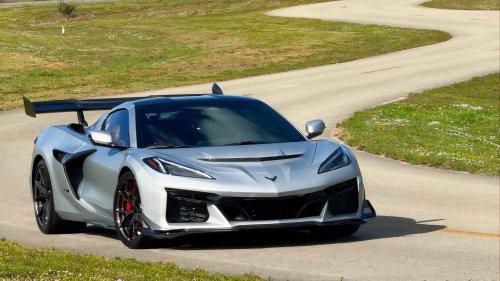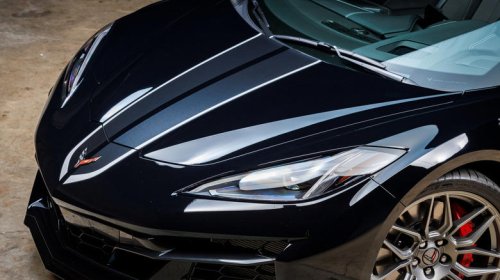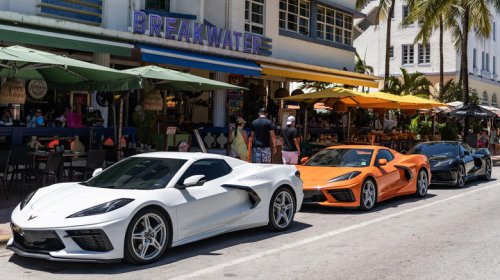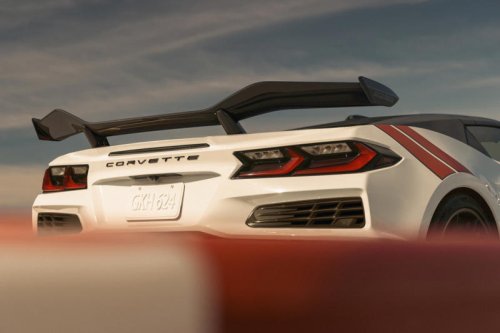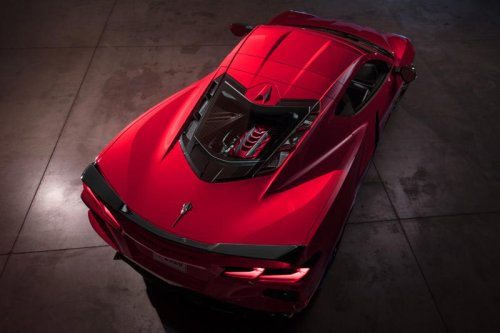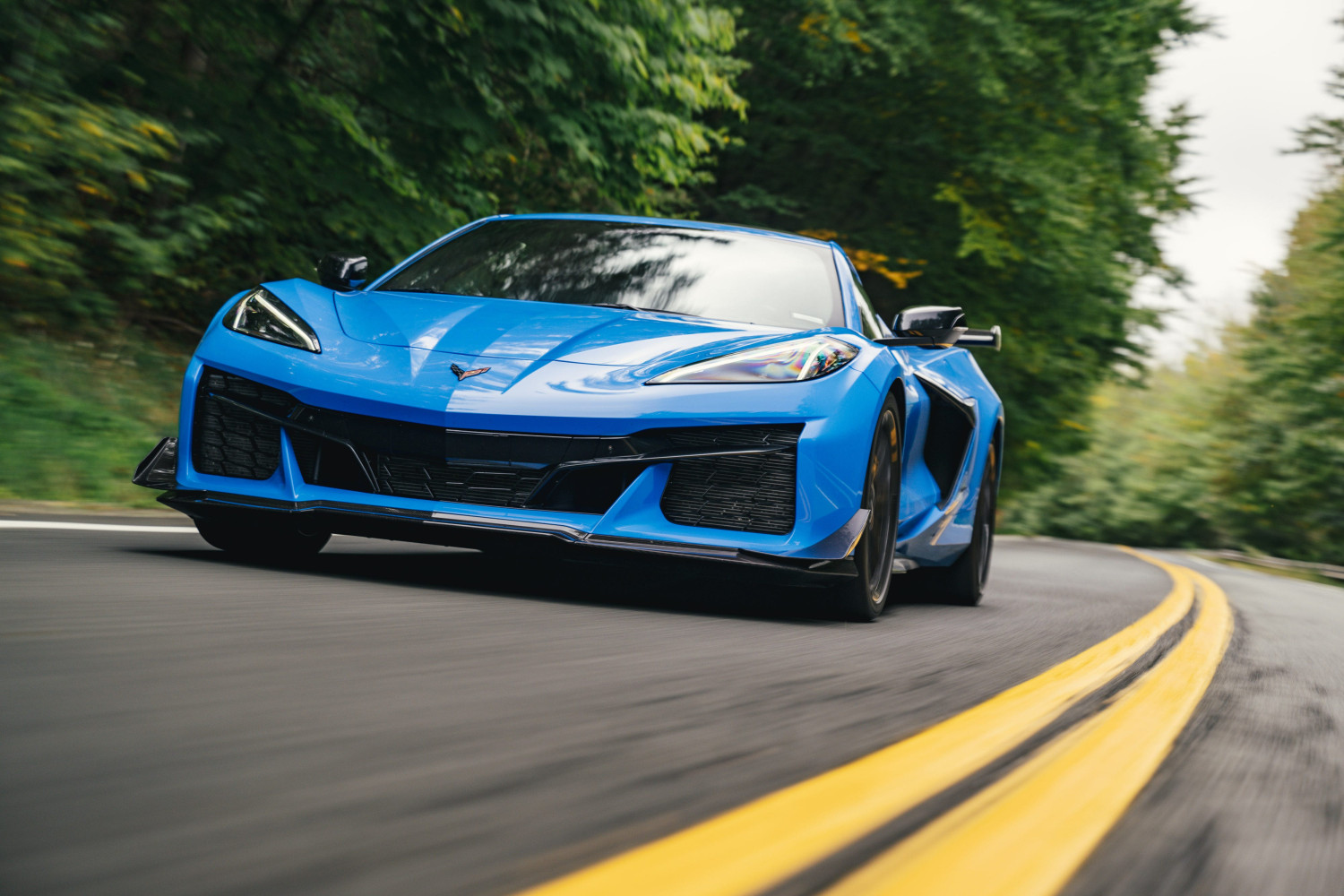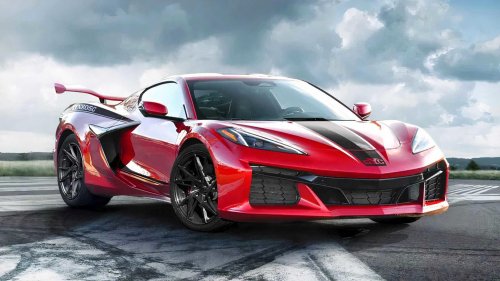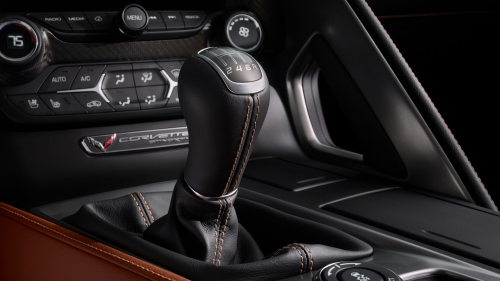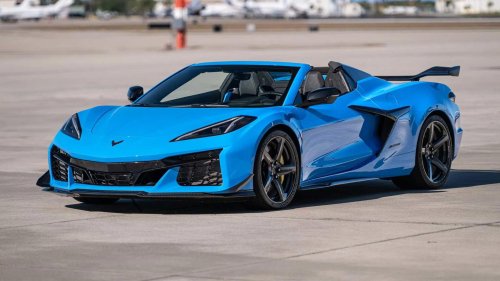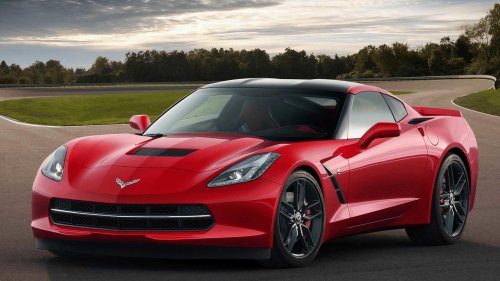
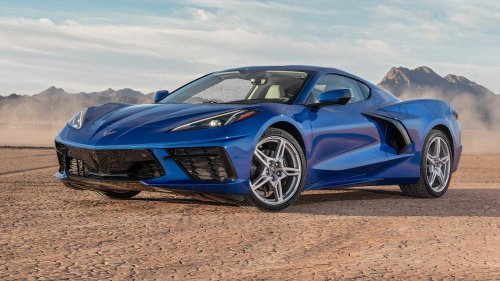
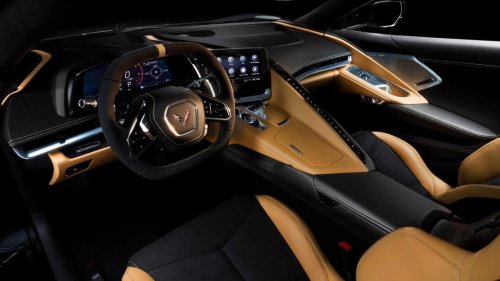
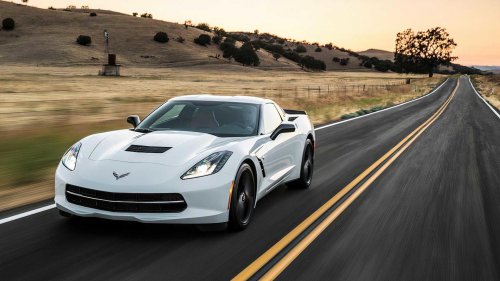
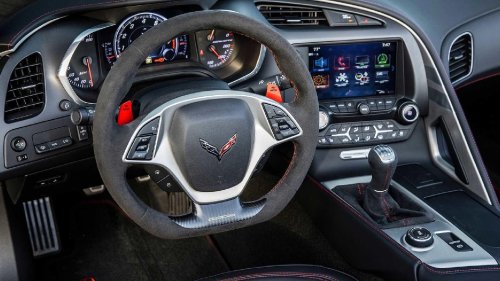



















Chevrolet really upset the applecart when it launched its C8 Corvette in 2020. It completely changed the appearance of this famous car, with a new layout, different proportions, and a fresh mid-engined package to tempt its market. In doing so, it replaced the front-engined C7, which then came to represent the end of a long-established formula, and the C8 gave promise of a more exotic future to come.In many eyes, the C8 is at the top of the pecking order when you look at Corvette evolution, but for used car buyers today, there’s a lot more to consider. Could the C8 be the more significant buy across the board or does the final C7 sit in a more attractive part of the market? After all, the C7 still delivers some serious Corvette pace and identity and could yet have the last laugh when you look at the bigger picture. Two Corvettes, Two Eras ChevroletThe 2019 Chevrolet Corvette had everything people knew and loved about the Corvette formula, confidently closing out that particular chapter. It presented a front-mounted naturally aspirated V8 with that long hood and great rear-drive balance, and a cockpit that positioned the driver behind the mechanical drama, not ahead of it. Chevrolet made a significant number of these Corvettes in 2019 at 34,822, with Stingrays making up 39.3% of that tally. And the company had certainly established the Corvette by that time as a major-volume sports car, with a broad buyer base.When the 2020 Corvette arrived, it became the first production mid-engined version, and Chevy was asking buyers to accept something quite distinct. The C8 now had mid-engine proportions, a fresh architecture, and an entirely different type of visual presence. Chevrolet was clearly trying to turn the page with this new offering, to start a brand new chapter.From a market perspective, there's no doubt that Chevrolet was being brave in tinkering with an established formula. After all the C7 was the last and most developed version of a proven idea, while the C8 was the first tentative and more dramatic version of the next. Some congratulated Chevrolet for taking the Corvette across a line it had flirted with for decades, while others prized the C7 because it represented maturity and continuity. What Current Values Actually Look Like Chevrolet Six years later, used values add a twist to the conversation when comparing these two side by side. CarBuzz Marketplace suggests that 2020 C8 Corvettes average about $63,300, with the lowest around $51k, putting the car well above ordinary used sports car territory. These cars are commanding a substantial premium in the market, which suggests that Chevrolet was on the right track with its bold move.When you look at the 2019 C7, the picture is not quite so clean because Chevrolet produced high-value variants in the final year, which can distort broad averages. In this case, the point of focus for a comparison should probably be a normal Stingray Coupe, and when you look at a 2019 Stingray 1LT Coupe RWD you'll see average values hovering around $55,340 with the lowest at just under $39k. And as a straight comparison to the 2020 C8, those price differences are notable.It's also important to look at these prices in the context of their initial presentation. The 2020 Stingray started at $59,995 including destination, while the 2019 Corvette range was typically in the mid-$50,000 bracket, depending on market and trim. And this suggests that buyers are attaching a premium to the C8's architecture and positioning today and still appear to be willing to pay for access to the LT2 engine. So, for those who are simply looking for a Corvette to call their own, the final front-engined car starts to look more attractive. Performance Affects The Argument Chevrolet The C8’s performance may help explain why its used values today carry so much gravity. Its Stingray turned out 490 hp and 465 lb-ft of torque in standard form, rising to 495 hp and 470 lb-ft with the performance exhaust. It could reach 60 mph in as little as 2.9 seconds with the right package, and a Z51-equipped 2020 car recorded 11.2 seconds to the quarter mile at 121 mph.By comparison, the 2019 Stingray was a little less frenetic. Equipped with the available performance exhaust or Z51 package, it turned out 460 hp and 465 lb-ft of torque and could get to 60 mph in 3.7 seconds. That still frames it as a serious performance contender, and you could argue that it was already fast enough. But the C8 rewrote expectations and suggested that this new chapter was about more than just a routine update after all.In this type of used car market, buyers look at the picture from several angles. They may see that the C8 is clearly quicker and more modern in how it goes about its business, and much more exotic in the way it combines layout and performance. But they also look at those prices, averaging in the mid-60s, and compare them to a late C7, which seems to be hovering in the low 50s. They might then conclude that the C8’s extra performance comes with a very obvious price tag. And while the C8 may win on the statistics front, is that performance worth the premium once you consider the rest of the ownership experience? The C7 Has Qualities The C8 Can't Repeat Chevrolet For some real enthusiasts, the C8 comes with an asterisk next to its name, because the 2019 C7 came with an available seven-speed manual transmission, as well as an eight-speed automatic. To those purists, the C7 therefore has a mechanical character that the C8 simply doesn't have. After all, Chevrolet never gave C8 buyers the chance to pair a naturally aspirated big V8 with a manual, in the way that they could with the final C7.Buyers may also consider platform maturity as they are mulling over their choices. And they'll know that by 2019, the C7 was part of a fully developed package, with no uncertainty in the equation. It had a rear-transaxle layout, an electronic limited-slip differential (on the Z51), launch control, performance traction management, and many years of refinement. By contrast, the 2020 C8 may have been brilliant out of the gate, but it represented a brand-new approach to both architecture and transmission.The C7 also has something else going for it in that it was the last front-engine Corvette. It closed out a long-running formula and therefore represents the final clean expression of something significant. Certainly, that doesn't make these cars full collectibles in their own right, but it does change how the market understands them. And you can now buy a late C7 not only as a discounted way into Corvette ownership, but as the last full-strength version of a beloved format too. These factors add weight to the deal argument because the cheaper car is distinct as well as being less expensive. The Payoff Sits In The Overlap Chevrolet If your shopping list favors cars that are more transformative, faster, or more technically ambitious, then the mid-engined C8 Corvette would come out on top. Chevrolet certainly changed public perception of the Corvette with this car, and its performance numbers justify its solid position today.But still, the better deal for a shrewd buyer might be in the overlap between speed, cost, character, and total budget. And the C7 starts to become very compelling through this lens with that naturally aspirated V8, real Corvette theater, and an available manual gearbox that the C8 never got. It also does all of that from a much lower pricing position to underline its argument.Still, there’s no doubt that the first mid-engined Corvette deserves all the attention it gets. It represented a real leap for Chevrolet, not simply a gimmick, and the market is continuing to price it on that basis. But when you look at current asking prices carefully, you'll see that the final front-engined C7 is more appealing. And while it's no longer the headline Corvette, it could be the more interesting answer for a value-minded buyer, with a price distinction that matters more than the architecture alone.