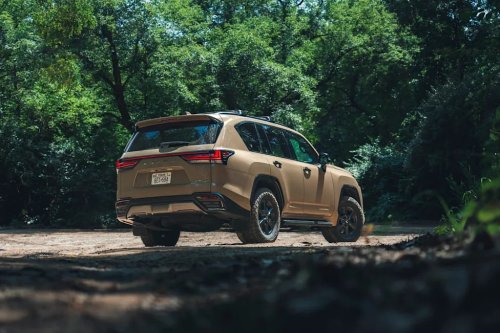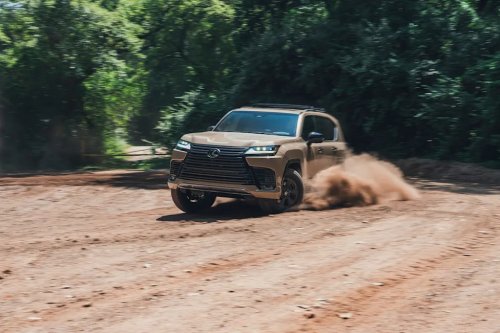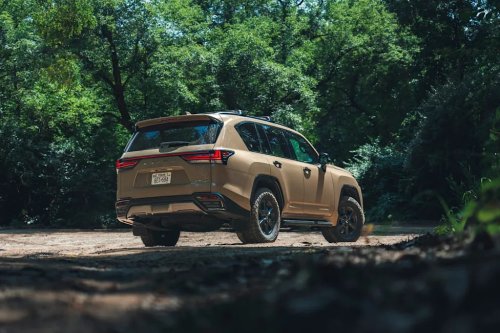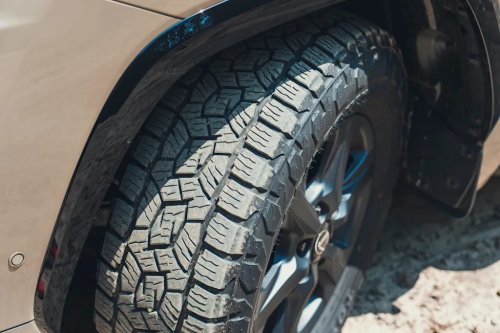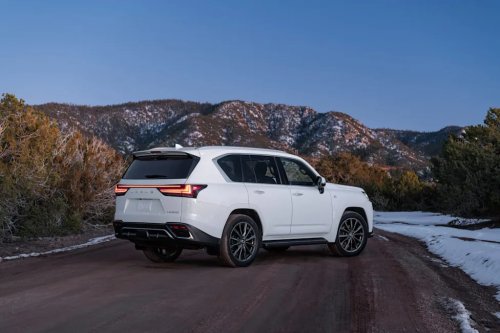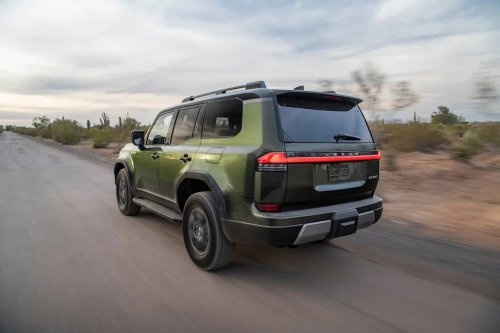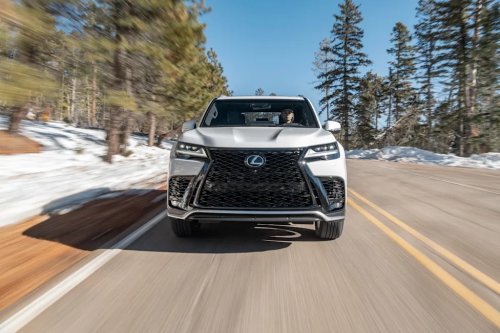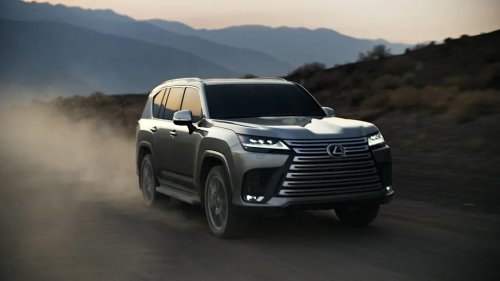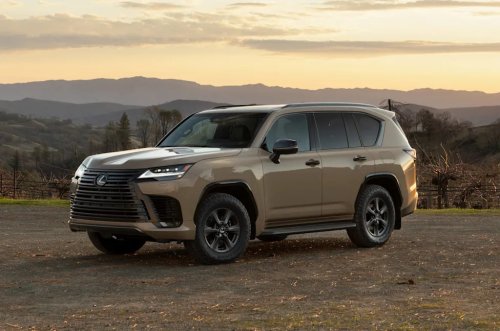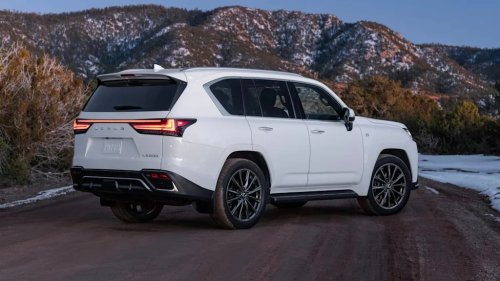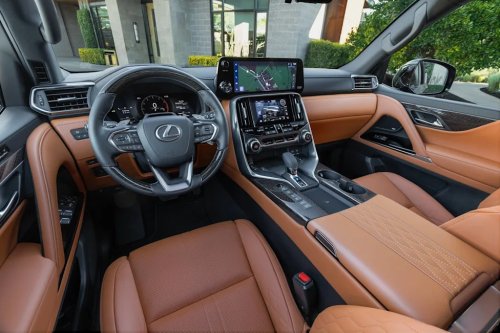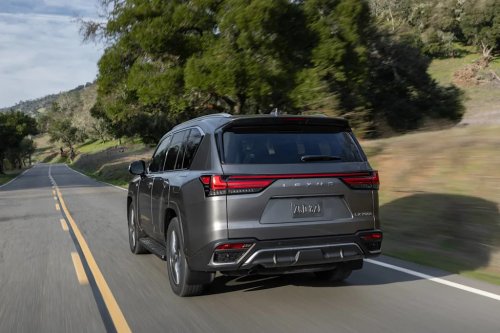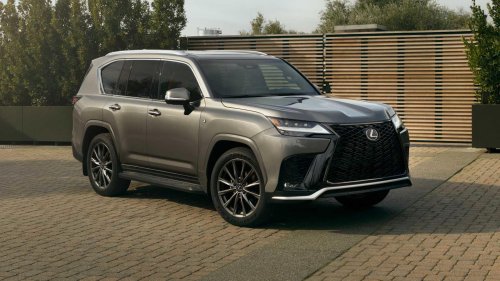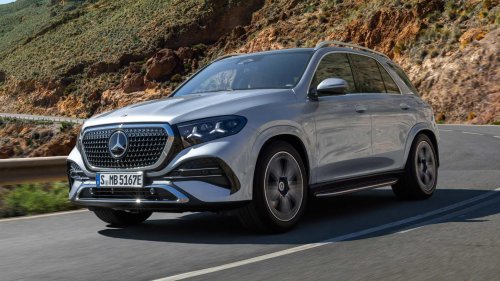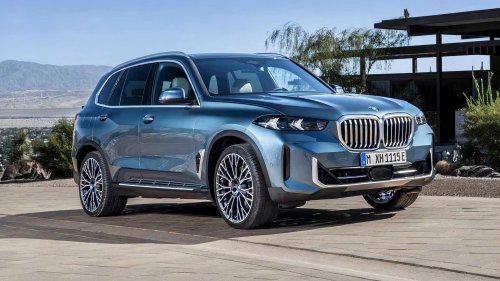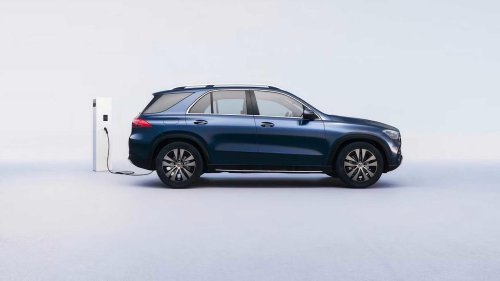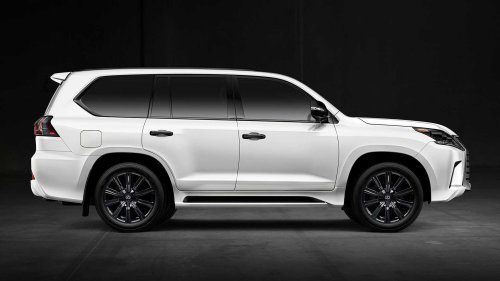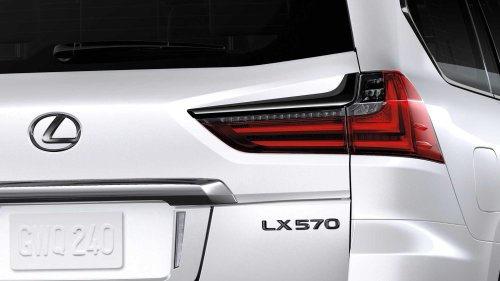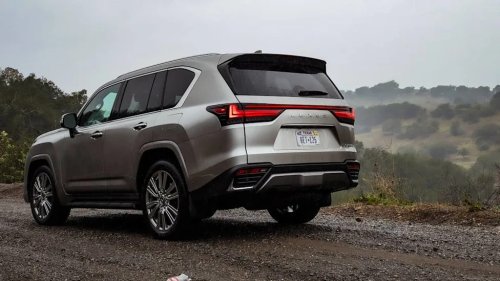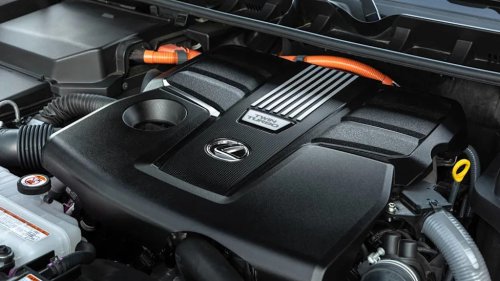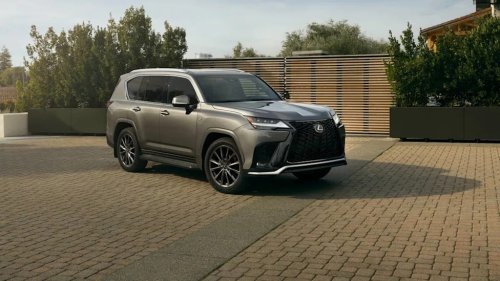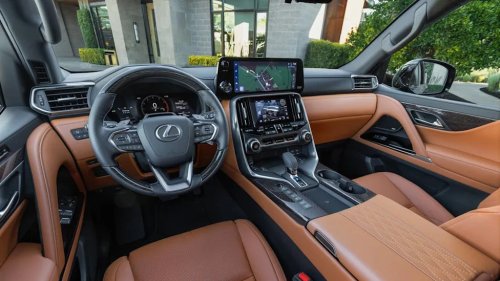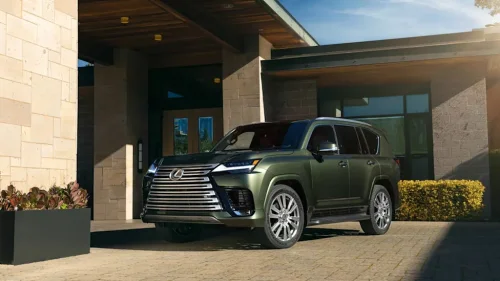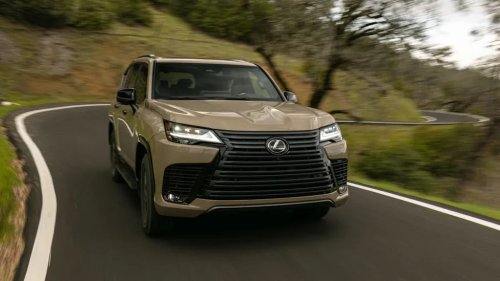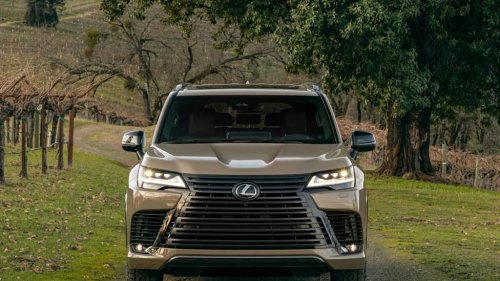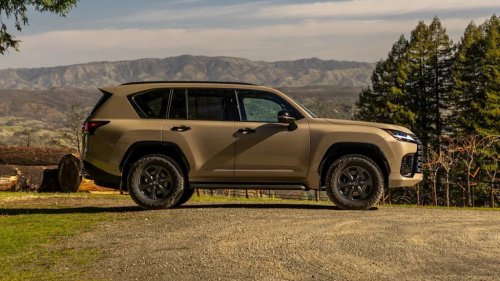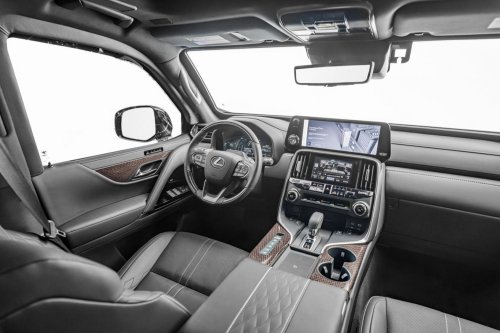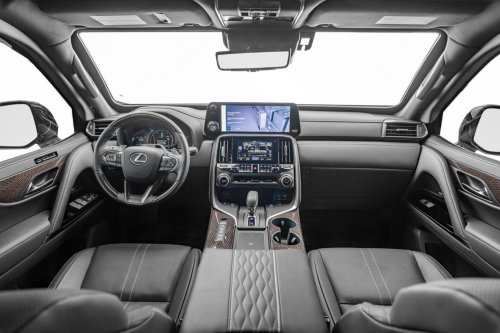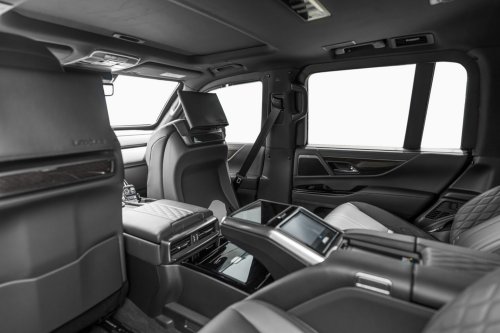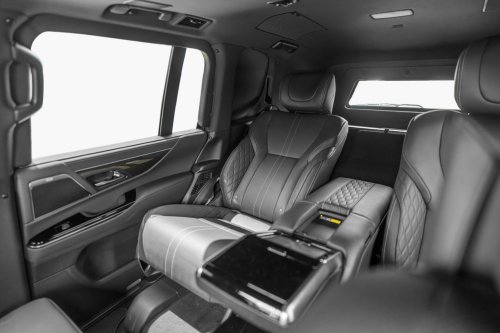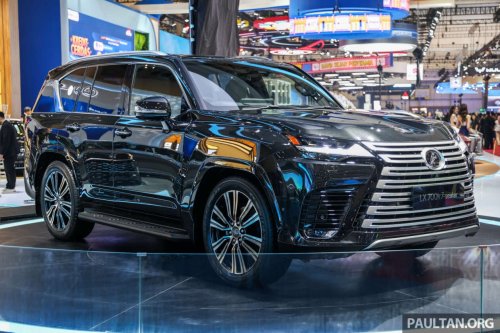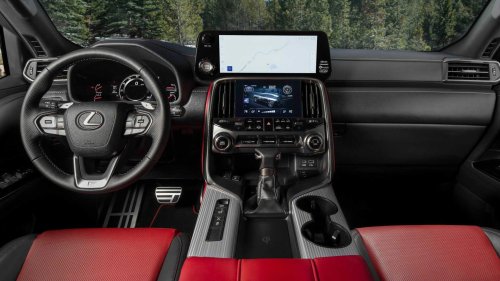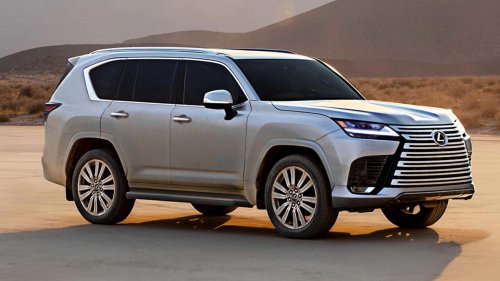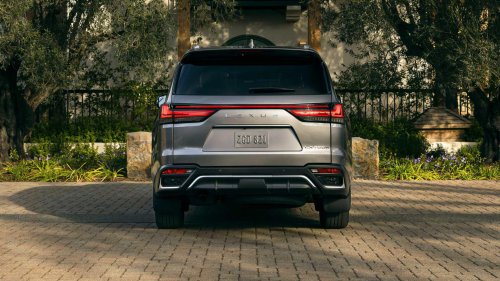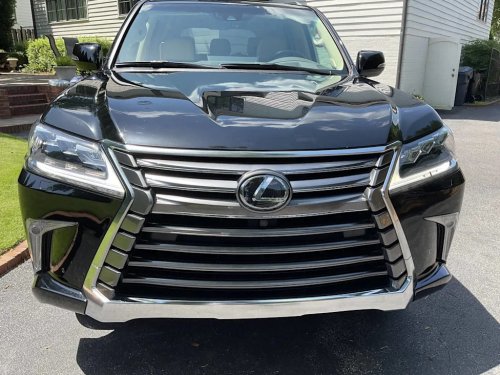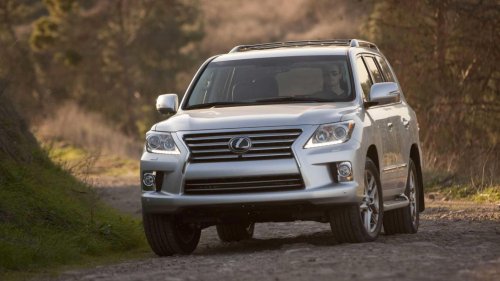
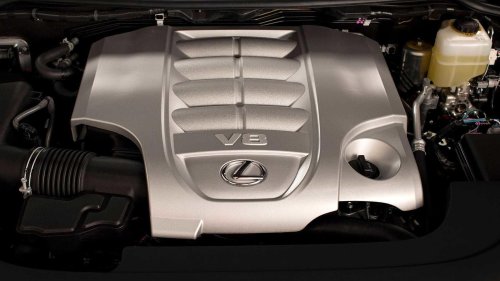
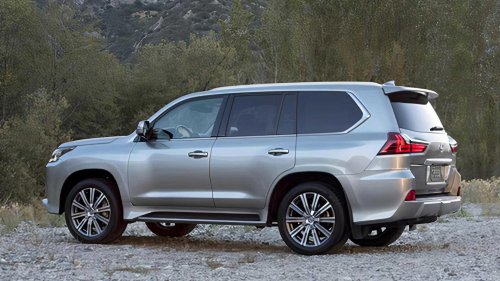
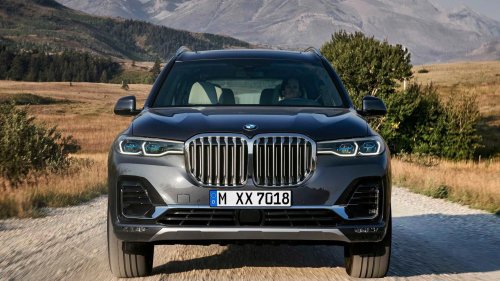
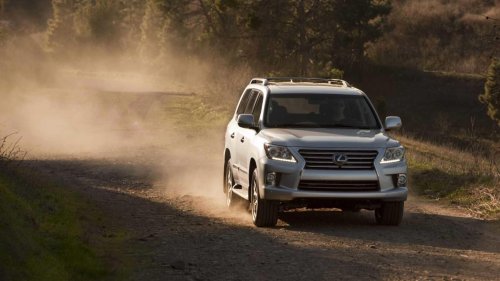
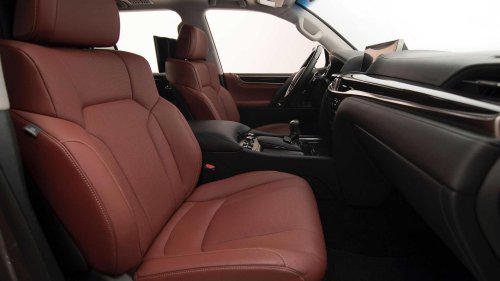
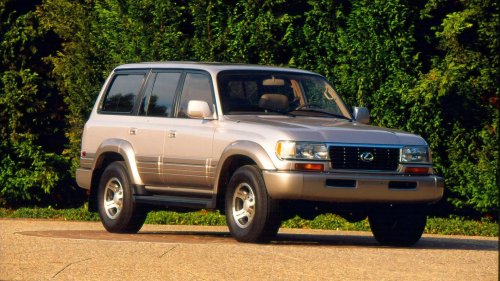



















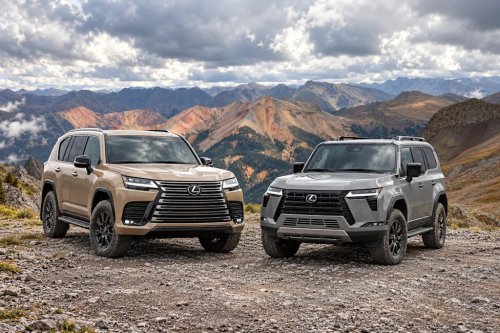
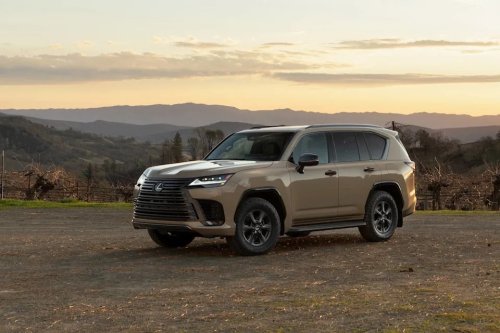
While all cars tend to be depreciating assets, luxury vehicles are among the worst offenders when it comes to resale value. Whether due to elevated maintenance costs, a propensity among high-dollar buyers to want something brand-new, or cutting-edge technology that suddenly seems out of date five years later, the most expensive cars on the market paradoxically tend to lose value the quickest. That includes the likes of the BMW X7 (including the pricey Alpina XB7 model) and the Mercedes-Benz GLS, whether you go for the mainstream version, the opulent Maybach, or the sporty AMG.One premium automaker tends to wreck the depreciation curve for everyone else, though. Since its beginnings in 1990, Lexus has consistently ranked near the top for residual values, not just among luxury cars but across the entire auto industry. Like its Toyota parent company, Lexus has built a longstanding reputation for mechanical reliability and long-term quality, meaning an IS 350, UX 300, or LC 500 with 30,000 miles is going to be pretty comparable to a brand-new model. And if one Lexus model stands out above the others when it comes to resale, it's the mighty LX 570, the twin of the 200-Series Toyota Land Cruiser, which was offered from 2008 to 2021. What's So Special About The Lexus LX 570? LexusThe third-generation Lexus LX occupied an odd space in the luxury SUV segment. In its final model year before being replaced by the fourth-gen LX 600, the 570's base price of $86,930 made it more expensive than an entry-level X7 or GLS, despite being smaller inside than either. The big Lexus came standard with a hunky 5.7-liter V8 that made 383 horsepower and 403 pound-feet of torque, but BMW and Mercedes' base six-cylinder SUVs still delivered better performance owing to their lighter weight. Adding insult to injury, the 2021 model was rated by the EPA at a mere 14 miles per gallon combined, while the BMW X7 xDrive40i and Mercedes-Benz GLS 450 get slighly over 20 mpg combinedLexusStill, that thirsty V8 is probably one of the most significant selling points for a pre-owned customer. The Toyota UR engine found in the LX 570 is legendarily reliable; reportedly, Toyota's durability testing went for 800,000 miles to ensure nothing would fall apart during that time. The engine block was even scanned with an X-ray when new to ensure there were no metallurgical flaws hidden inside the cylinder walls or crankcase. The Lexus LX 570 and Toyota Land Cruiser's 3UR-FE engine was also found in the Tundra pickup, which proved the 5.7-liter V8's robustness when one of its owners drove 1 million miles on the original engine.The Lexus LX 570 also came very well-equipped from the outset. While BMW and Mercedes showrooms presented discerning buyers with an overwhelming amount of extra-cost options, a Lexus salesperson would typically only ask an LX buyer what color they liked best.Leather was standard across the 570's entire lifespan – something that can't be said of the GLS or X7 – with options limited to a Mark Levinson audio system, higher-grade semi-aniline leather, ventilated seats, and not much else. That means that on the used market, it's pretty easy to assume you've got a loaded model no matter what; so-called "monospec" cars tend to retain their value better as a result. How Expensive Is A Used Lexus LX 570? LexusOn average, a 2021 Lexus LX 570 that's been driven 12,000 miles a year will have an average resale value of between $68,000 and $71,000, depending on the region – mountain dwellers value these capable SUVs more than their counterparts in downtown Los Angeles or Miami Beach. That's only about 12% less than the 2021 LX cost when it was new – most cars suffer that much depreciation the moment it's driven out of the showroom.The LX's impressive secondhand-buyer performance is consistent no matter the year, although obviously, newer SUVs tend to be more valuable. Still, let's look at the average values for the big Lexus over time, assuming a decent maintenance record and 12,000 miles per year. The original third-generation LX debuted in 2008, and an 18-year-old example with a staggering 216,000 miles on the odometer costs between $16,000 and $18,000 in market-average condition. Find us another two-decade-old SUV that's worth 25% of its original purchase price. We'll wait.Moving forward, the first major facelift, introduced in 2013, is now a $26,000 SUV, which is about a third of its original value despite having more than 150,000 miles on the clock. A 2016 model – representing the LX's second major facelift that carried through to 2021 – with the same 12,000 miles a year is worth around $42,000 today, roughly half of its original purchase price, and a perfectly respectable result for a decade-old car with 120,000 miles on the odometer.If you want proof of the LX's dominant performance on the used market, look no further than some of its German rivals. A 2021 BMW X7 with the same 60,000 miles as the Lexus is worth a mere $38,500 – $32,000 less than the LX 570. A 2021 Mercedes GLS doesn't fare much better, with an estimated value of just under $40,000.2019 BMW X7 (3)Things get exponentially worse as the Germans age. A 2019 X7 – its first model year – with only 84,000 miles costs about $30,000, roughly the same price as an LX with nearly 150k miles. Meanwhile, a 2008 Mercedes-Benz GL-Class, the precursor to today's GLS, with the same 216,000 miles as its LX 570 equivalent, is worth $6,000, a third of its LX 570 counterpart. The cost of maintenance is an easy culprit for the laggard values; late-model X7 and GLS SUVs cost around $1,500 a year in maintenance, while a similar LX is only about $800. Why Does The Lexus LX 570 Hold Its Value So Well? LexusThe Lexus LX 570 enjoys such a sterling reputation among pre-owned car buyers because of its absolutely legendary reputation for quality. That 3UR-FE engine is one of the most reliable in the world, and the rest of the SUV surrounding it isn't far behind in terms of dependability. Common problems on the LX are few, with a handful of owners reporting oil leaks around the V8's valve covers and valley plate.These issues tend to reveal themselves when enduring thermal shock, i.e., a borderline overheating event that otherwise does no damage to the engine. Fixing the oil leaks can run you a $3,000 bill from your mechanic if you're unlucky. Consistent maintenance and a diet of high-quality gasoline and oil should delay most problems until 200,000 miles or more.If the powerplant doesn't convince you, the assembly plant might. Every Lexus LX 570 was built at the legendary Toyota Auto Body facility in Yoshiwara, Japan, the longtime ancestral home of the Land Cruiser. Yoshiwara is an aspirational assignment for many Toyota and Lexus assembly employees, and only those with the finest attention to detail had the chance to put an LX 570 together. Inside the cabin, materials are plush, tolerances are tight, and every stitch and panel is applied with masterful artisanship, meaning that things still tend to be tight and squeak-free years and years down the road. Should I Buy A Lexus LX 570? LexusYour author's personal bias will show, as I am an owner of a first-generation Lexus LX 450 that I love. But whether it's the right luxury SUV for you depends on your priorities. Folks trading up from a BMW 5 Series, for example, will be disappointed in the LX's thirst for fuel, floaty ride, and lackluster on-road handling – blame the softly sprung suspension and weighty ladder frame. For buyers who value balanced handling and reasonable fuel economy, an X7 or a GLS will be a much better fit. The Lexus LX Through The Years 1996 Lexus LX 450 exterior front three-quarterLuxury buyers who want the utmost in comfort or capability will be pleased with the Lexus, however. Despite the solid rear axle, the LX 570 absolutely smothers road bumps as if its tires were stuffed with marshmallows, and long-distance comfort in the wide, supportive seats is first-rate. Cabin space for four passengers is commodious, with 41.6 cubic feet of cargo space with the third row stowed, making the big Lexus flagship a solid option for weekend adventures (but for the dismal EPA numbers).There's also the confidence that comes with a locking center differential and low-range transfer case, plus neat off-road features like low-speed Crawl Control. The 2013 update also brought a few more toys via Multi-Terrain Select traction management and Trail Turn Assist, which locks the brakes on the inside rear wheel when navigating tight off-road switchbacks to improve maneuverability – the Ford Bronco offers a similar feature.And despite the higher cost of entry when purchasing a used Lexus, it's almost undeniably a much better "investment" than its three-row German counterparts. For example, if you bought a 2021 LX 570 today for $70,000 and sold it in half a decade, you'd maybe lose $20,000 in vehicle value over those five years and 60,000 miles. Do the same math with a GLS, and you'd find yourself flushing an additional $3,000 each year down the toilet – that's a lot of gasoline.There's also a certain X factor with the big Lexus. When the automaker announced that its LX 600 replacement would have a (problematic) twin-turbocharged V6 engine, many longtime 200-Series Land Cruiser fans bemoaned the change and decided to hang on to their V8-powered luxury liners instead. Snap one of them up, and you've got access to a very cool club, one that eschews the flash of a kidney grille or three-pointed star in favor of quiet, luxurious capability that taxes neither your comfort nor your wallet.Sources: BMW, Mercedes-Benz, Lexus, and iSeeCars