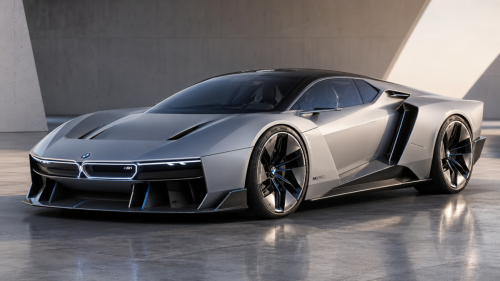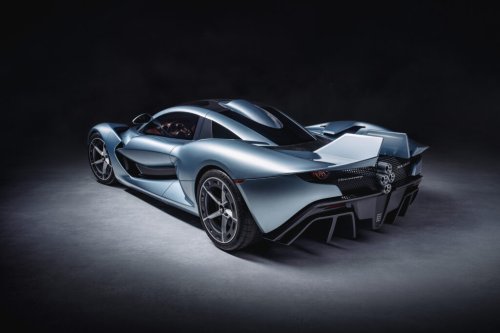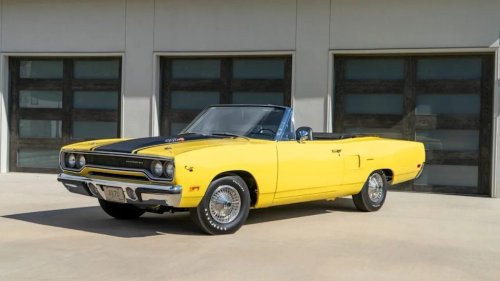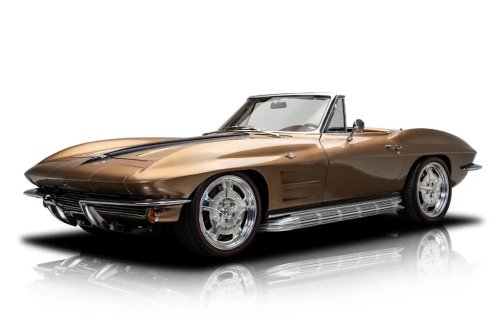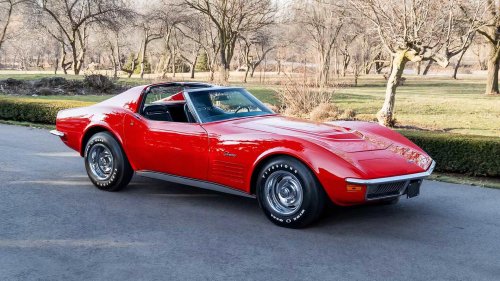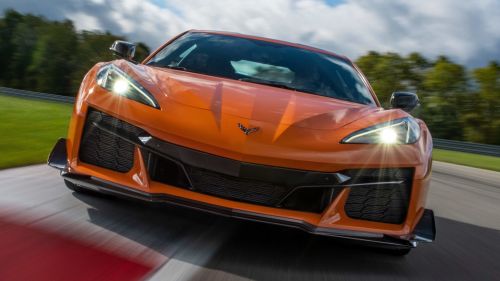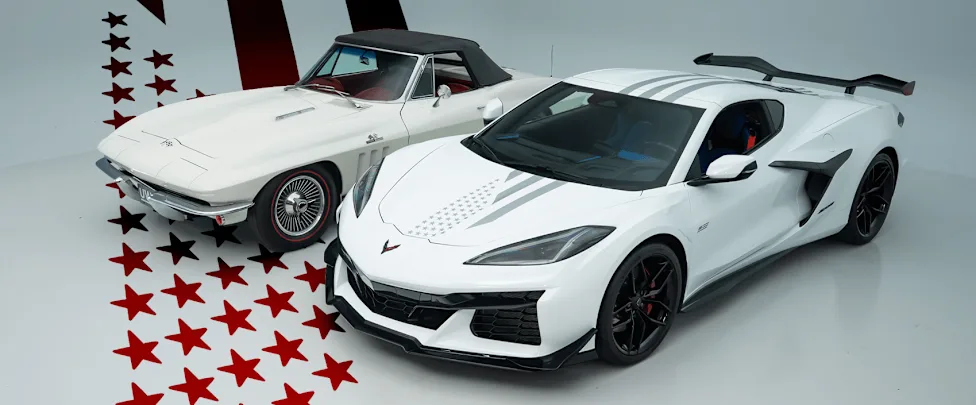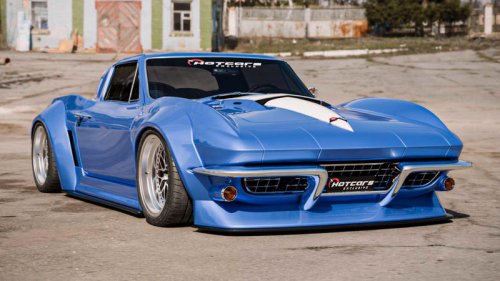
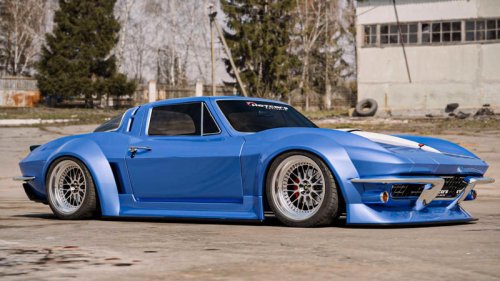
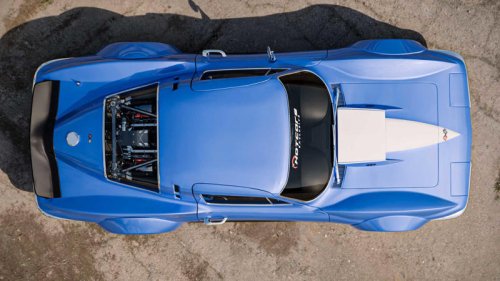
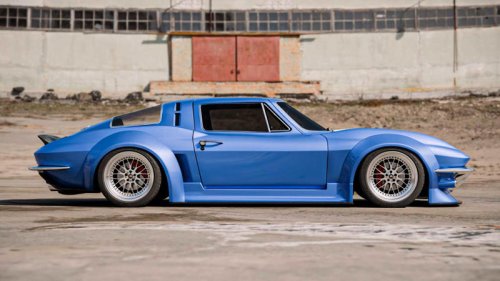
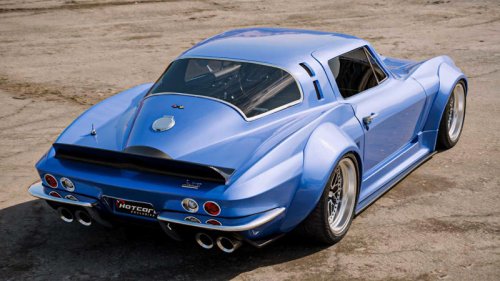
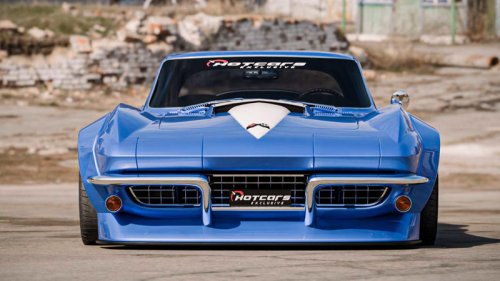
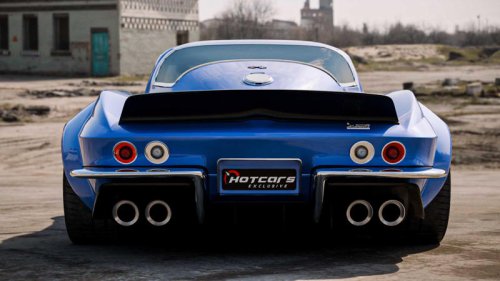



















The year 1967 marks the finale of the second-generation Chevrolet Corvette. With Chevy fixing all the issues that plagued the C2 models before it, the 1967 Sting Ray launched as the perfected version of what many consider to be the most beautiful Corvette ever. However, aside from the looks, what most gearheads remember about the '67 'Vette are the optional L71 and race-spec L88 427ci big-block V8s that debuted that same year, turning the Sting Ray into arguably the craziest muscle car of the decade.But what if Chevy had gone even further in 1967 and dared to do what took them another five decades to realize? What would have happened had they decided to turn the '67 Corvette into a mid-engined sports car instead? We'll never really know. What we do know is that most purists associate the Corvette with a front-engined layout, and to some, the mere idea of putting the C2's engine behind the driver sounds like sacrilege. The worst part is, it's such a crazy concept that we doubt anyone would dare build one today. But we're here to argue that it not only works, but that it also makes complete sense.As a proof of concept, HotCars render artists got to work designing a mid-engined '67 Sting Ray restomod, giving it a modern widebody treatment, and stuffing the C8's 6.2-liter LT2 in for good measure. The result is...hard to ignore. Bringing The 1967 Corvette Into 2026 Mid-engined 1967 Corvette C2 HotCars render The C8 is arguably the best Corvette yet, but it could hardly stand shoulder to shoulder with a mid-engined C2 Sting Ray like this one, with all of its gorgeous curves, iconic stinger hood, and pop-up headlights. Our render retains all the most important visual identifiers of the original but makes some clever design changes to adapt the model to a mid-engined layout. First, the five vertical fender vents behind the front wheels are gone. Instead, the 'Vette's doors stretch to the fenders for easier access and open in the supercar-esque butterfly fashion.Mid-engined 1967 Corvette C2 HotCars render Original chrome bumpers still decorate the front and back, but the entire stance of the car now sits a full ten inches closer to the ground. Massive widebody fender flares hug the new low-profile Michelins, connected by body-matching side skirts, while bulging bodywork over all four wheels gives the 'Vette a muscular look and provides the necessary shock tower clearance.For additional downforce, a carbon fiber spoiler sits atop the fastback, which has been stretched to fit Chevy's new naturally aspirated 6.2-liter LT2 V8. It's the standard engine in the new Corvette Stingray, so we think it makes perfect sense as the modern engine of choice for a mid-engined '67 Corvette restomod.The engine sits right under the large rear window, but due to the '67 Corvette's unique fastback design, it barely clears the rear axle, resulting in a nearly rear-engined layout.Mid-engined 1967 Corvette C2 HotCars render Everything else, from the iconic pop-up headlights and quad tail lights to the door handles, badges, and even the fuel cap, is kept original.The slammed 'Vette even retains the iconic white stinger hood with a large hood scoop, but instead of providing clearance for the big block 427 V8, it now feeds air into the cooler and brakes.Mid-engined 1967 Corvette C2 HotCars render Looking at the proportions from the side, the car is a sight to behold. With its slammed look and wide stance, the mid-engined '67 Sting Ray makes the contemporary Lamborghini Miura – popularly considered the world's first supercar – seem less exotic by comparison. And while the car looks and sounds like a menace on the roads, it still perfectly fits into 2026 traffic. It's almost a shame Chevy never made it that way to begin with. The Performance Worthy Of A Mid-Engined Supercar Mid-engined 1967 Corvette C2 HotCars render Now that it's been on the market for six years, we know there are many advantages to having a mid-engined Corvette. For example, it puts down power much better thanks to 60% of its weight being above the rear axle, and the weight distribution allows it to turn on a dime. It even looks more exotic. The layout makes just as much sense in a '67 Corvette as it does in the new one, especially when it's powered by a near-500-horsepower engine – whether that's a new LT2 V8 or one of the original 427 big blocks.Mid-engined 1967 Corvette C2 HotCars renderWith a 495-hp V8, the Sting Ray's performance would be off the charts. For reference, the new Corvette C8 Stingray with the optional Z51 performance package launches to 60 mph in just 2.8 seconds and covers a quarter-mile in just 11.2 seconds. It also weighs around 3,500 lbs. Meanwhile, our widebody '67 Sting Ray restomod would be slightly lighter and therefore likely even quicker. But that's pretty conservative considering the other engines Chevy has on offer for the Corvette today.Mid-engined 1967 Corvette C2 HotCars render For example, there's the 5.5-liter LT6 V8, which is reserved for the Z06 Corvette and pushes 670 horsepower to the rear wheels. Meanwhile, sitting at the top of the lineup is the twin-turbocharged LT7 V8 producing 1064 hp in the Corvette ZR1 and 1250 hp in the hybridized ZR1X. Still, swapping a 1064-hp ZR1 engine in a small Chevy with no safety systems would be crazier than putting an engine in the back to begin with, so we'll save that for another day.Sources: Chevrolet, Car and Driver.