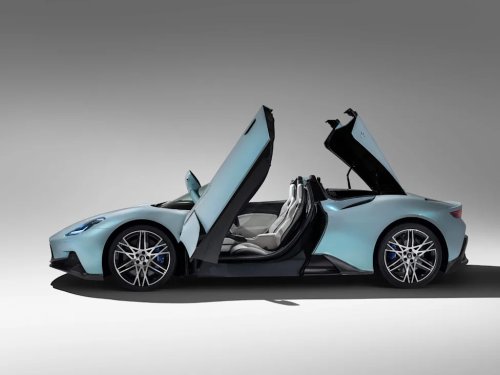
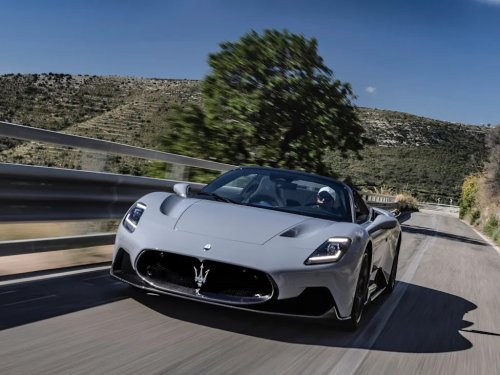
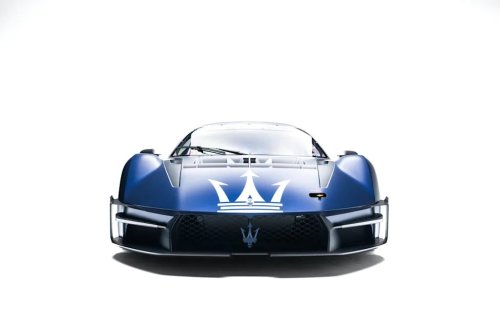
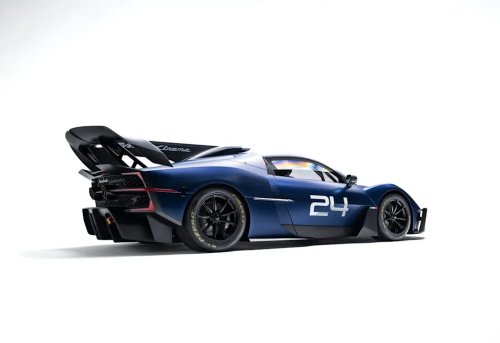
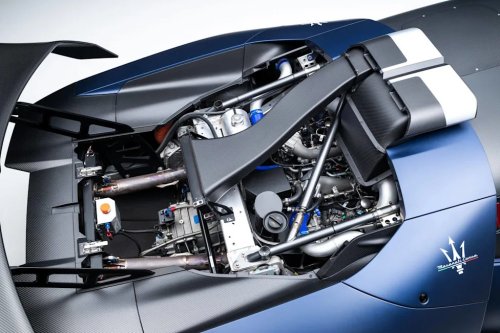
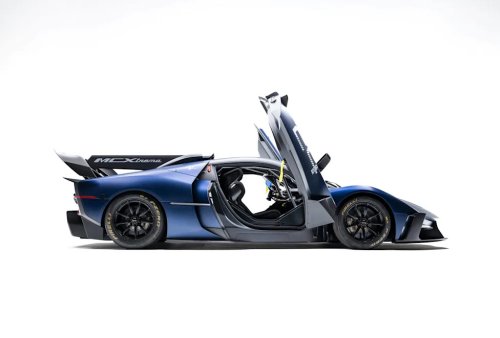
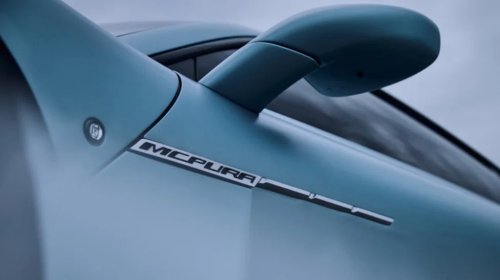
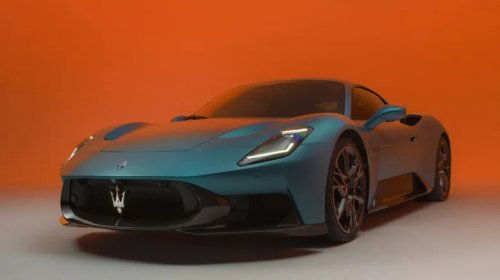
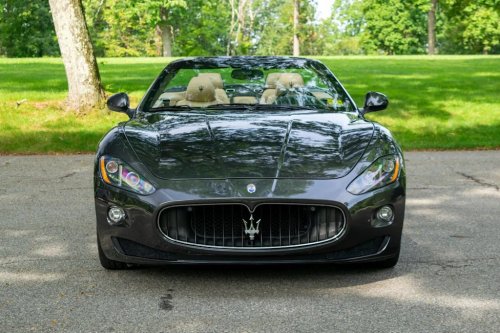
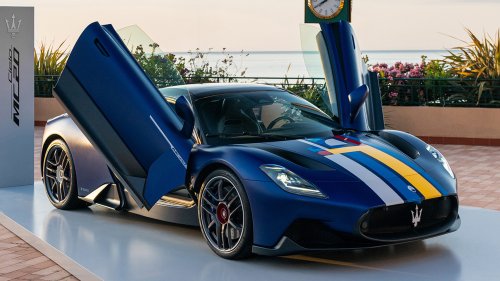
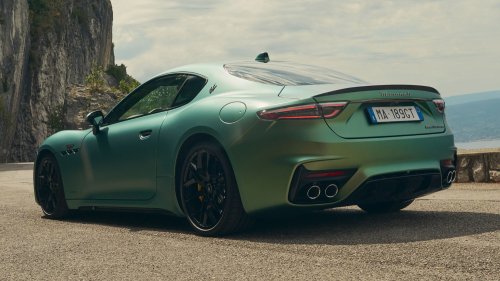
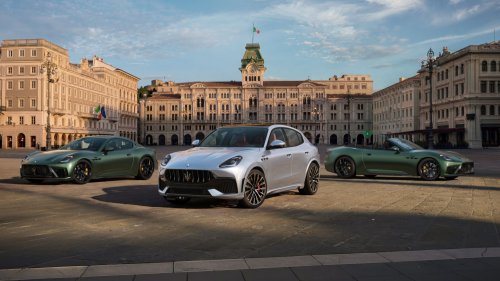
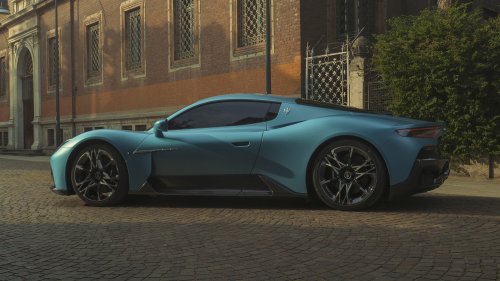
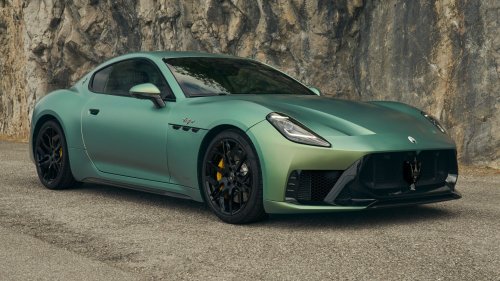
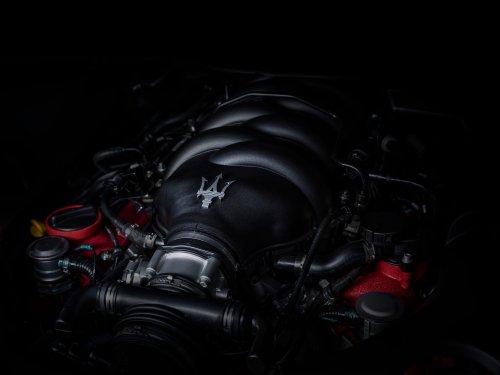
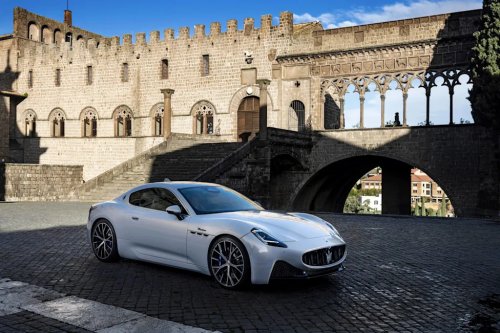
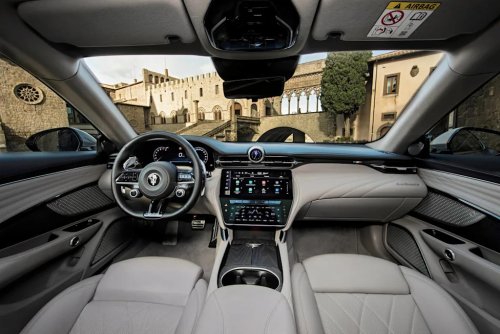
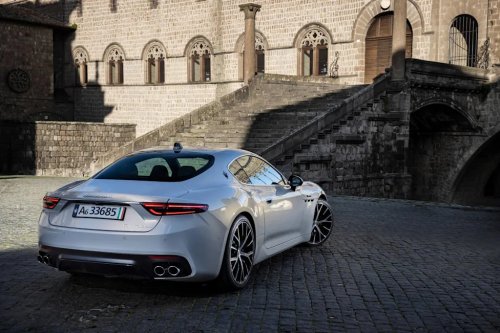
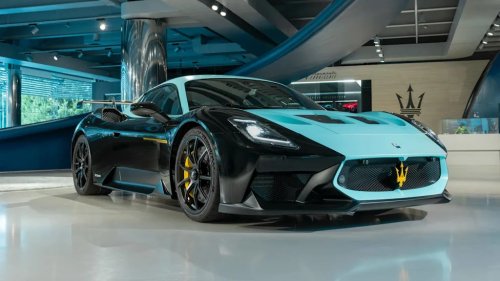
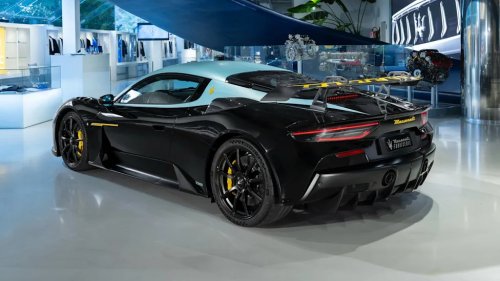
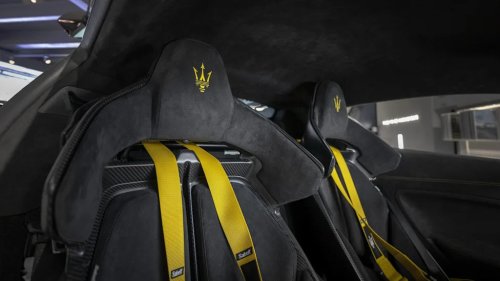
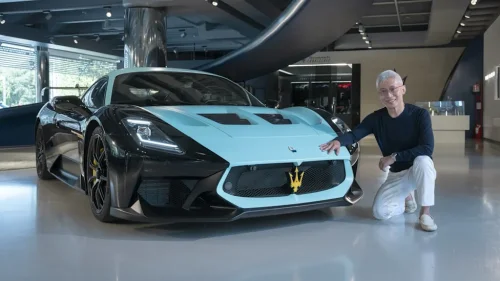
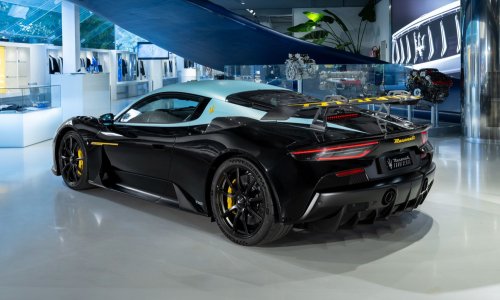
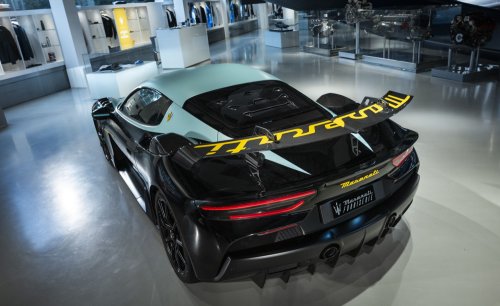
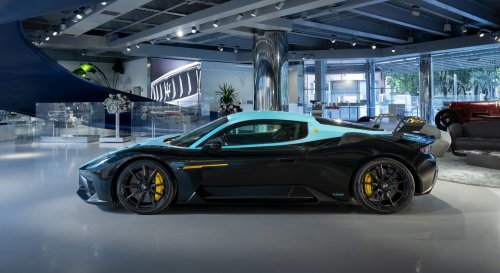
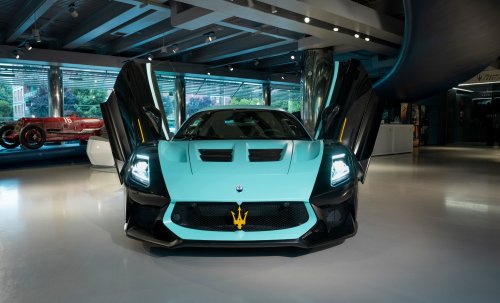
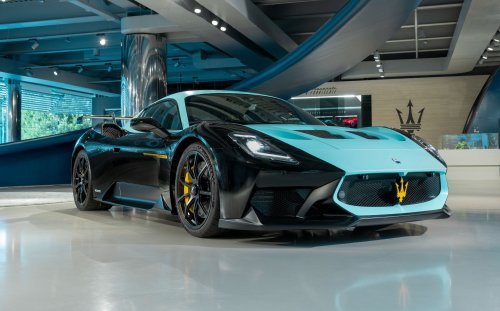
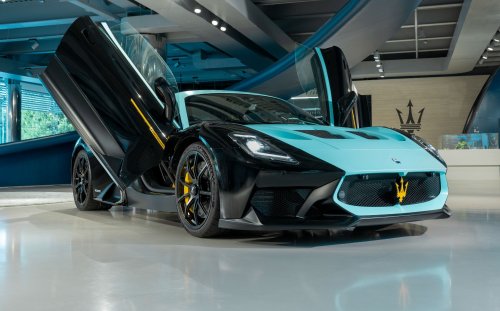
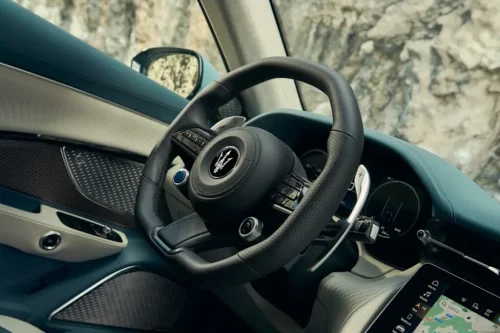
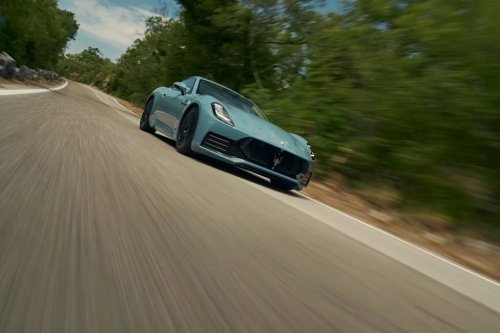
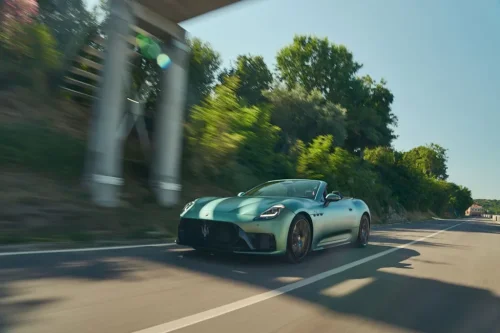
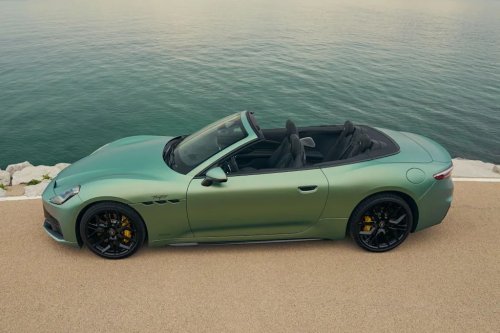
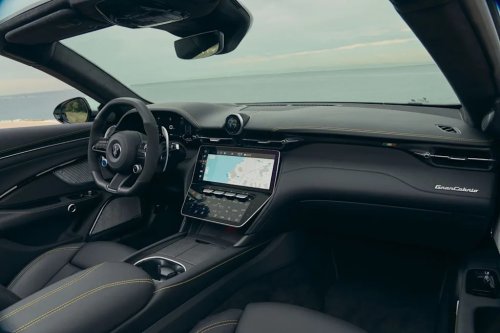
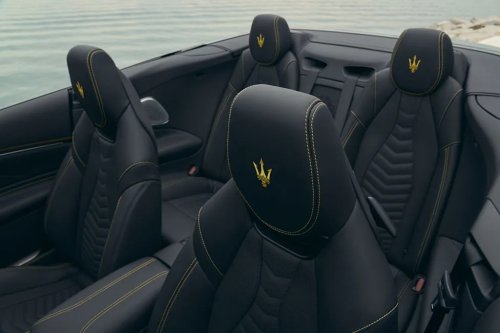
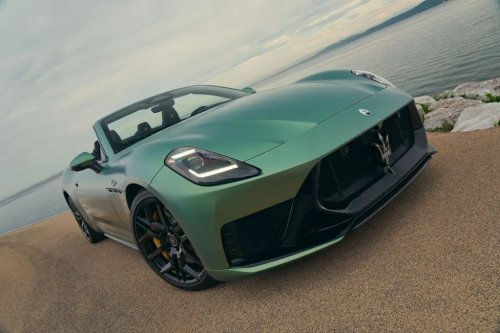
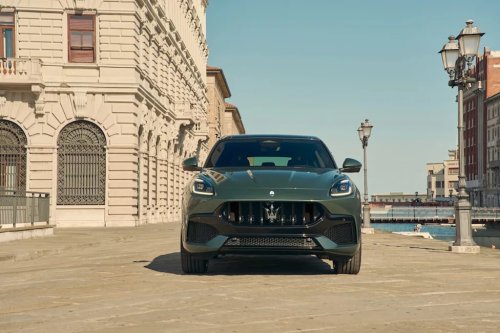
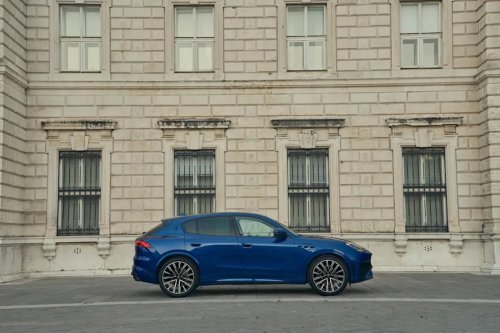
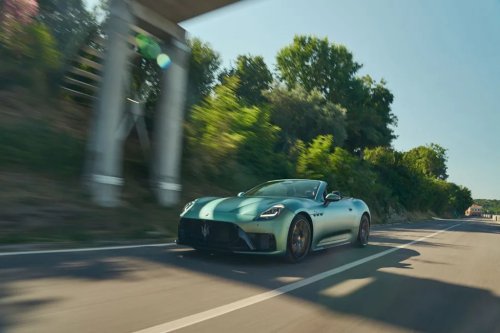
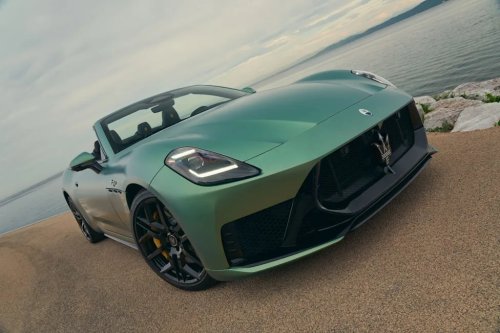
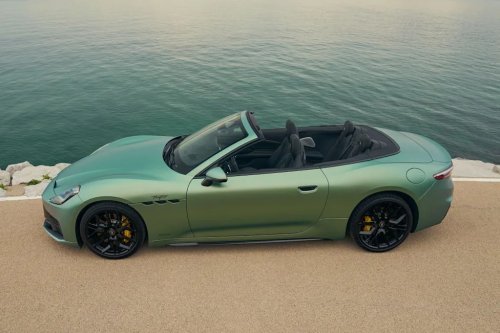
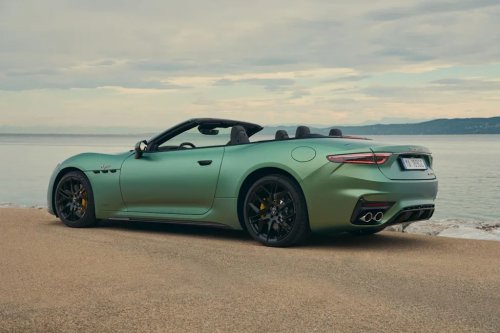
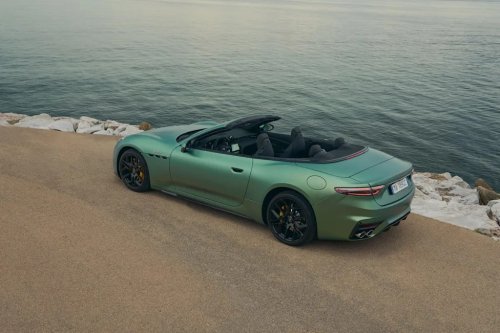
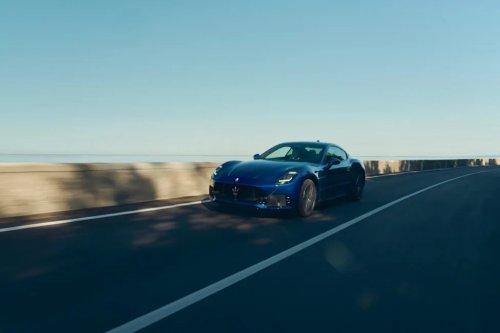
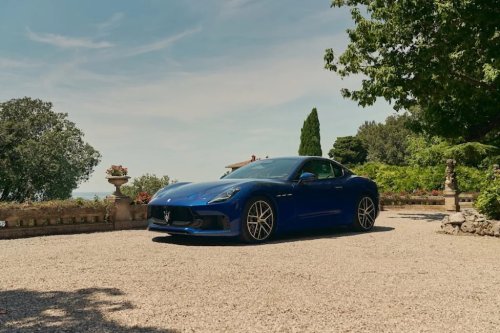
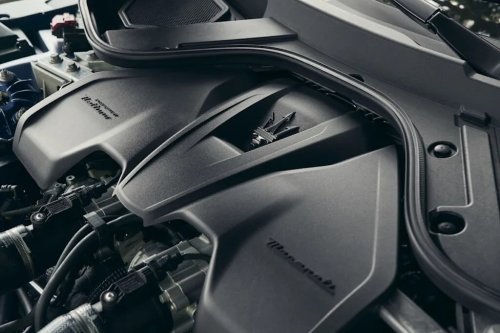
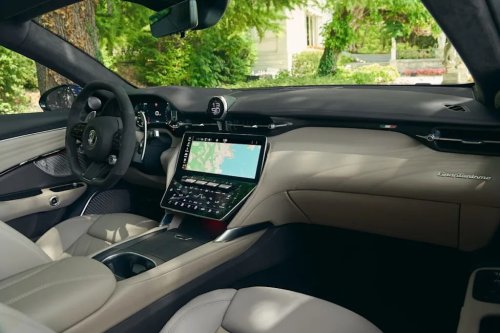
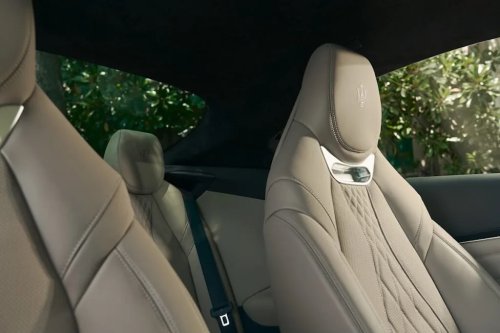
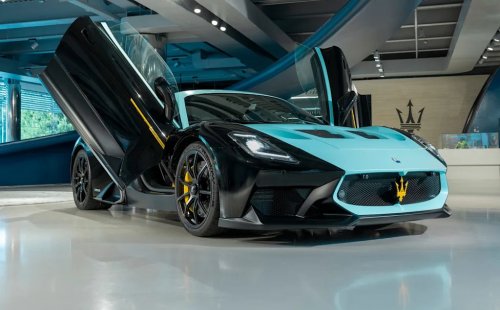
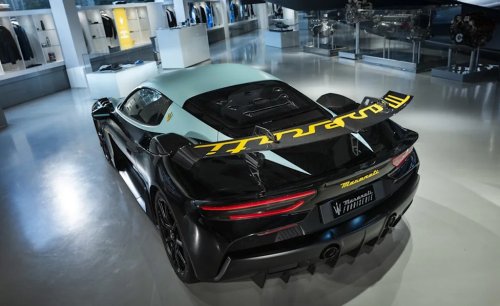
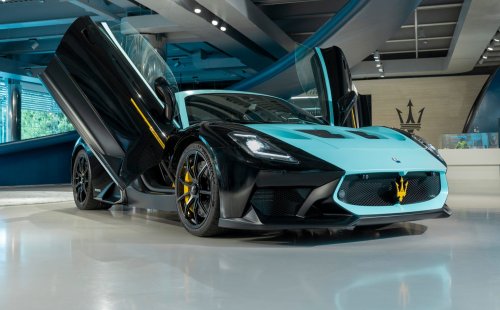
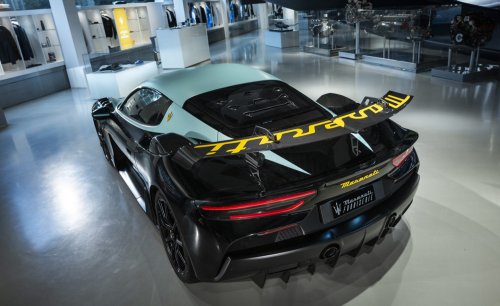
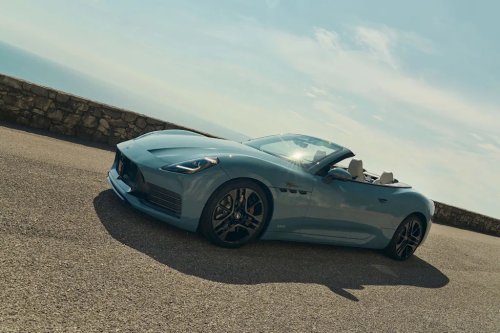
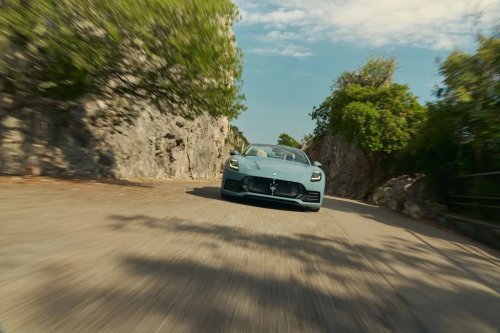
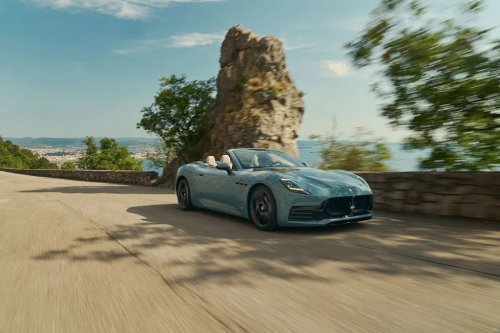
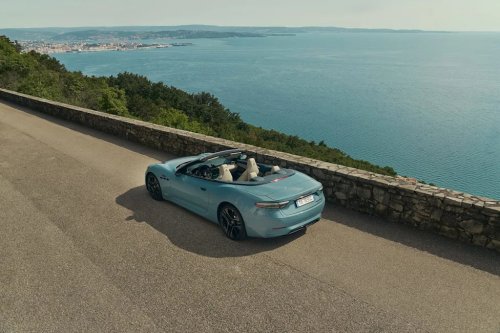
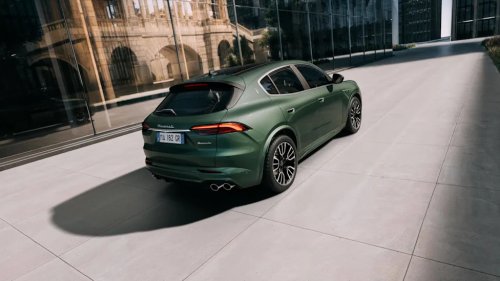
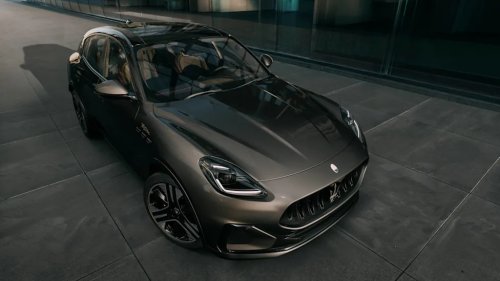
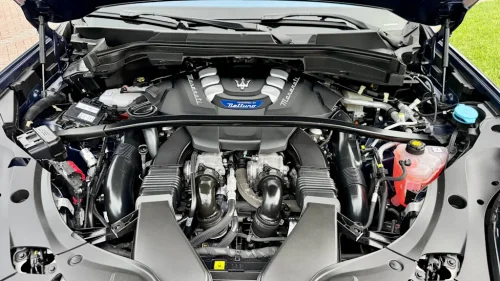
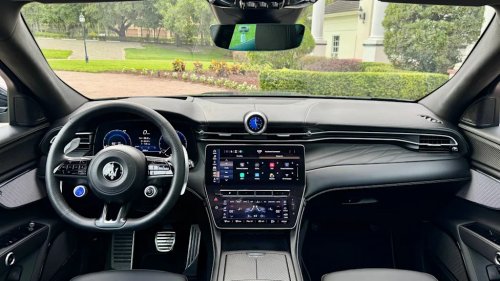
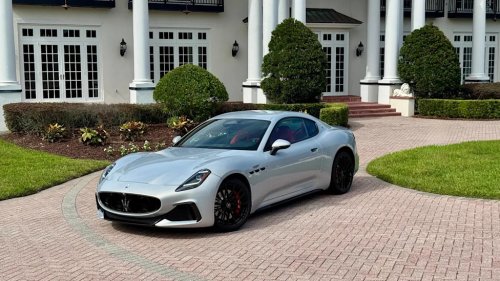
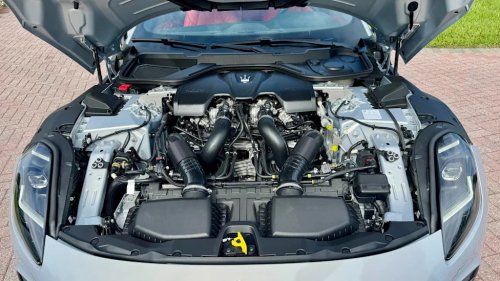
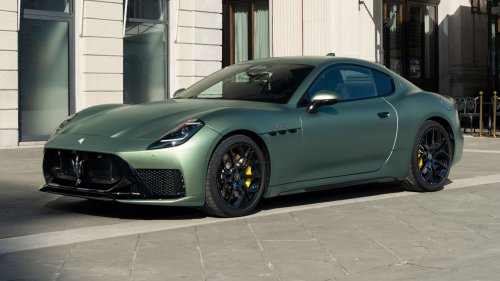
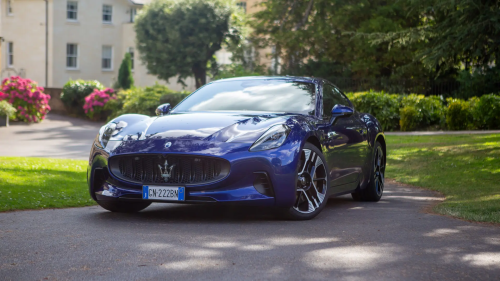
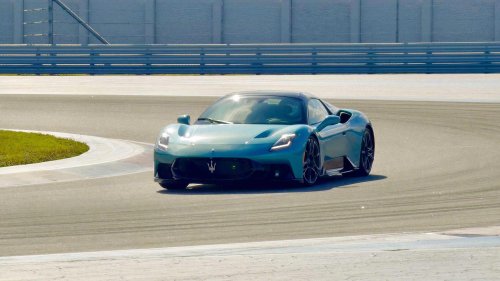
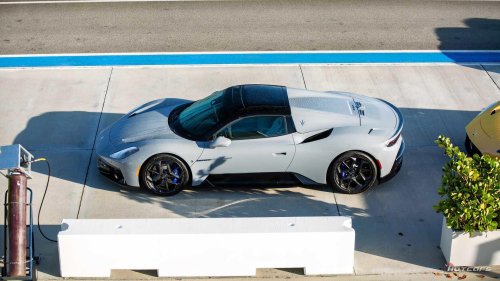
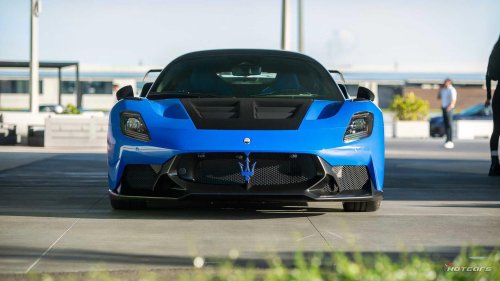
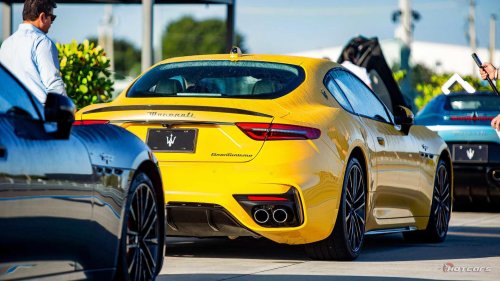
I've been lucky enough to experience the Maserati MC20 a few times, but both were while reviewing it from home. I have my usual routes and testing areas for press cars, none of which can compare to The Concours Club. Maserati is going full speed ahead with its current lineup, which consists of vehicles like GranTurismo, GranCabrio, MCPURA, and the ever-comfortable Grecale SUV. And the cool thing about those models is they all have something in common: they all utilize the twin-turbo Nettuno V6. The MCPURA Is The Next Generation In Maserati's Super Sports Cars Maserati MCPURA on track at The Concours ClubThe MCPURA is mechanically pretty similar to the outgoing MC20 (read about how the MC20 blew my mind here), but the emphasis here is on the connection between car and driver. Regardless of the changes, one very important thing stayed the same: the 3.0-liter twin-turbo Nettuno V6. This Nettuno at the heart of the MC20 and MCPura is a true showpiece of modern Italian engineering. Built entirely in Modena by Maserati, it features a 90-degree bank angle, dry-sump lubrication, and an 11:1 compression ratio, usually reserved for race engines. What truly sets it apart is the pre-chamber combustion system, essentially a mini-furnace that ignites a concentrated mixture and launches it into the main chamber to ignite the bulk of the fuel-air mix more uniformly, resulting in faster combustion, a higher rev ceiling (8,000 rpm), and cleaner emissions. Thus, 620-horsepower and 538 lb-ft of torque give you noises and rev response you rarely find in a modern twin-turbo V6. Hitting The Track In The Maserati MCPURA David Alpert / HotCarsHaving the chance to drive the MCPURA at The Concours Club was a great way to get acquainted with some of the changes. Maserati spent more than 2,000 hours in the wind tunnel to ensure the MCPURA was as aerodynamic as possible. The MCPura’s aero work carries over the MC20’s core idea: a car divided into two parts, including an elegant, sculpted upper body and a precision-engineered lower half. Every surface above the middle of the car is shaped to move air cleanly without the need for dramatic wings or vents. Even the hood and side intakes disappear into the design, feeding the intercoolers while keeping the car’s profile smooth. A subtle rear spoiler handles downforce. The floor is fully faired and loaded with vortex generators that channel air toward the rear diffuser. Maserati even reshaped the carbon-fiber monocoque and wheel arches to improve airflow and front-end stability. The result is a supercar that stays planted at high speeds, manages heat flawlessly, and keeps the open-roof coupe just as efficient as the hardtop. This was evident as we went around the track at The Concours Club, taking the corners at high speeds and braking late when my pro driver instructed me to. You could really feel how these small changes made a big difference in practice, not just as words in the press release. Hot Laps In The GT2 Stradale Maserart GT2 Stradale at the Concours ClubTwo years ago, I was at Monterey Car Week for the world premiere of the Maserati GT2 Stradale, the brand's most powerful road-going ICE model to date. It combined two world's Maserati is very familiar with: elegance and racing. Since the reveal, we've seen the GT2 Stradale a few times, but this time we actually got to ride along in the "barely road-legal super sports car," as Maserati likes to call it. The GT2 Stradale is essentially the road-legal version of the GT2, which is a non-road-homologated GT2-class race car. No big deal. It uses the Nettuno V6 and sharpens it into something track-ready yet still drivable. With about 631 horsepower and a sub-2.8-second sprint to 60 mph, the GT2 Stradale feels right at home on a fast lap. The aero package does a lot of the heavy lifting, with a big adjustable rear wing, a deep front splitter, and a flat underbody working together to keep the car planted. All of that adds up to more than 1,100 pounds of downforce at speed, giving it the kind of confidence you normally only get from a full race car. While I didn't get to drive, being the passenger princess was good enough. The non-racecar-racecar handled the corners with precision and really unleashed all of that Nettuno power on the straights. The GranTurismo Is Last But Not Least David Alpert / HotCarsAfter our time with both the MCPURA and the GT2 Stradale, we also did a couple of laps in the GranTurismo Trofeo. Not to beat a dead horse, but I reviewed the GranTurismo Trofeo earlier this year and had a blast driving it. It certainly isn't the same as the MCPURA, but it still handles quite well on the track. Let's face it, most people are probably not tracking the GT, but the good news is: you can if you want to! After a full day swapping between the MCPura, the GT2 Stradale, and everything Maserati brought to the table, the takeaway was pretty simple: the Nettuno V6 is doing the heavy lifting for the lineup. Each car interprets it differently, but the character is unmistakable: sharp throttle response, a clean powerband, and a sound that never gets old. The aero work, the chassis tuning, the little engineering choices you only notice at speed… they all add up once you’re behind the wheel or strapped into the passenger seat. Driving these cars on a proper track really connected the dots for me. Maserati is building a family of vehicles that feel consistent, intentional, and performance-first. And if this is the direction the brand is heading, the future is looking very, very fun.



















 +72 others