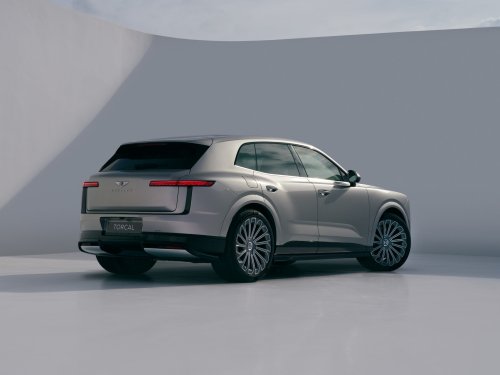
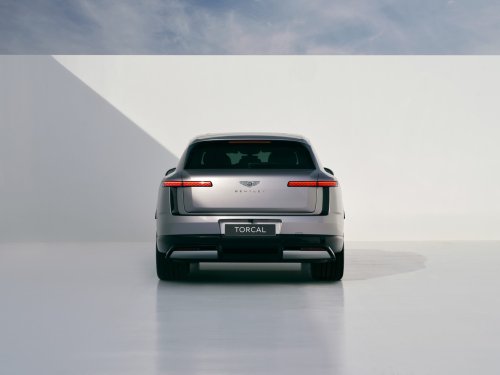
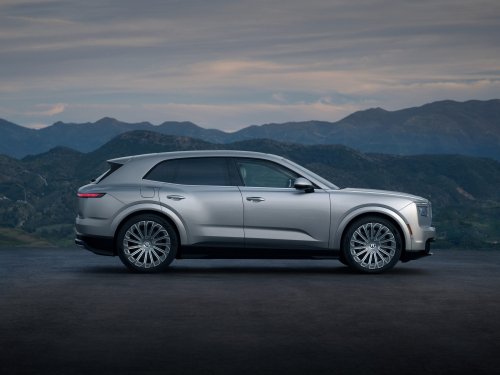
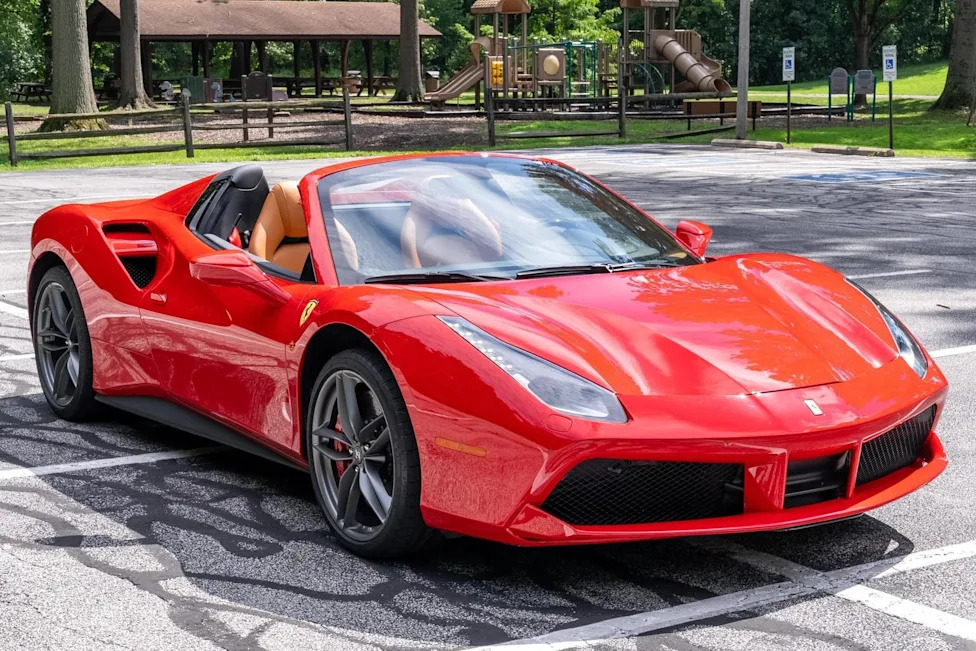
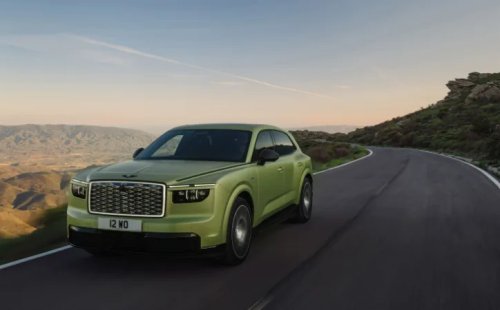
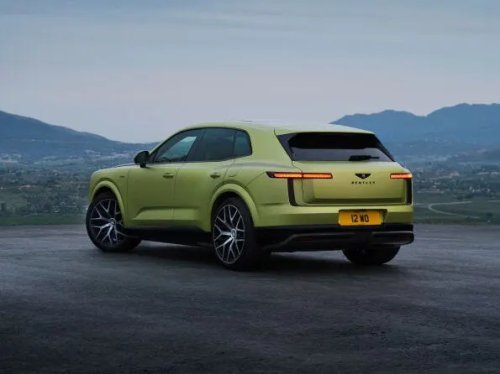
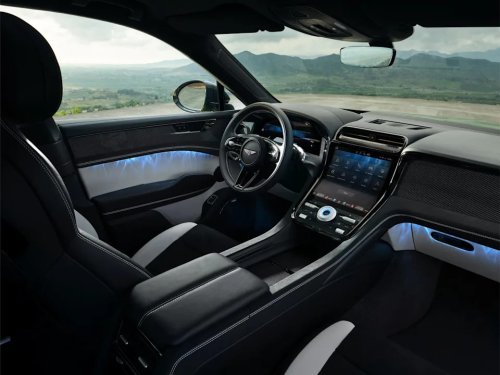
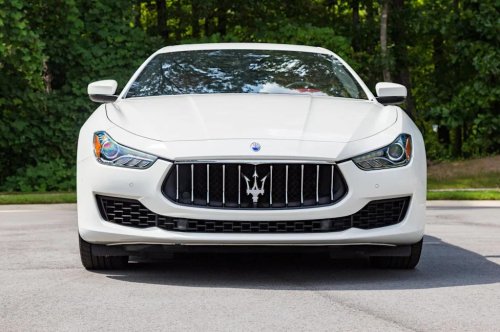
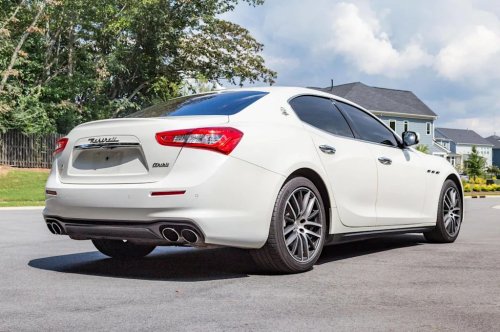
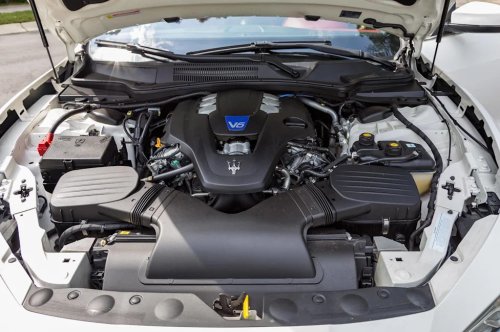
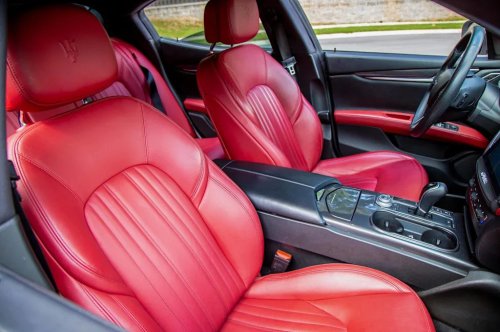
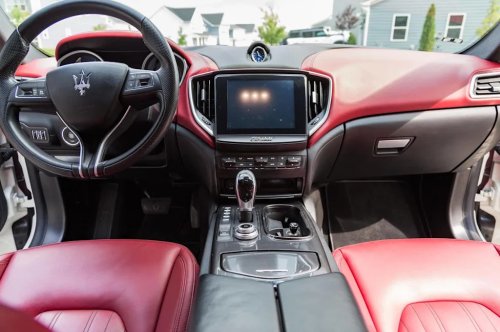
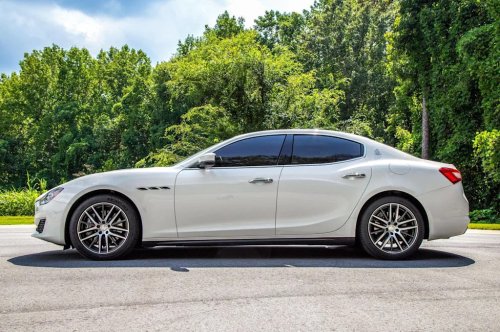
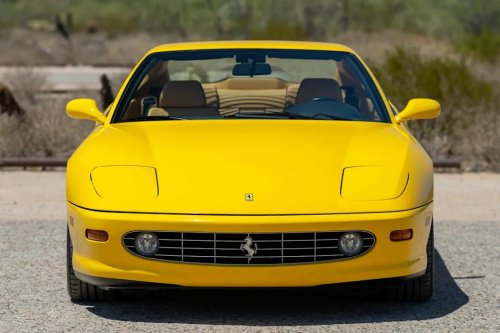
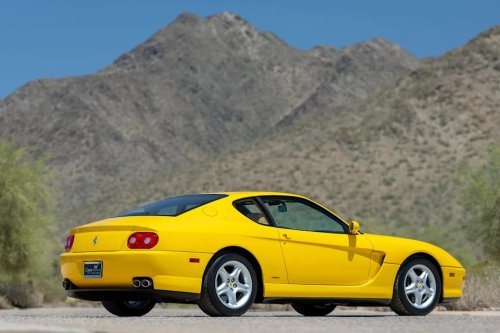
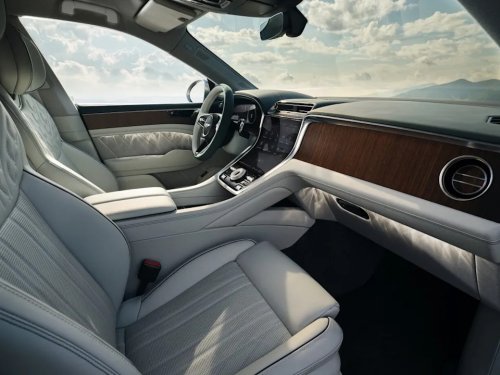
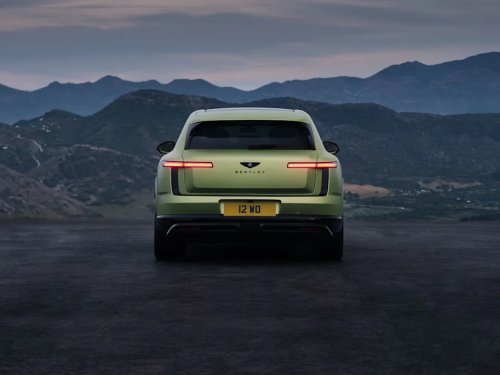
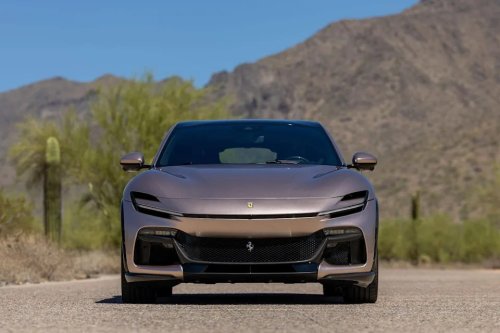
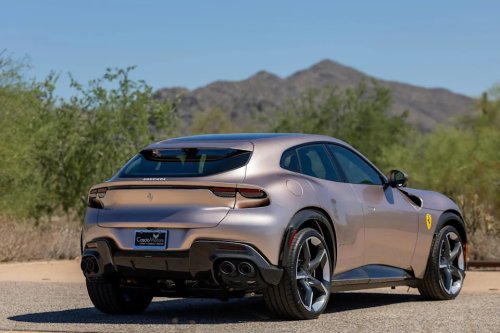
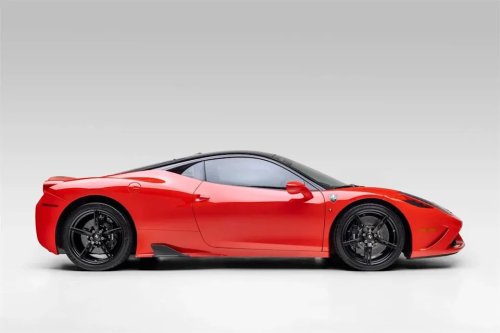
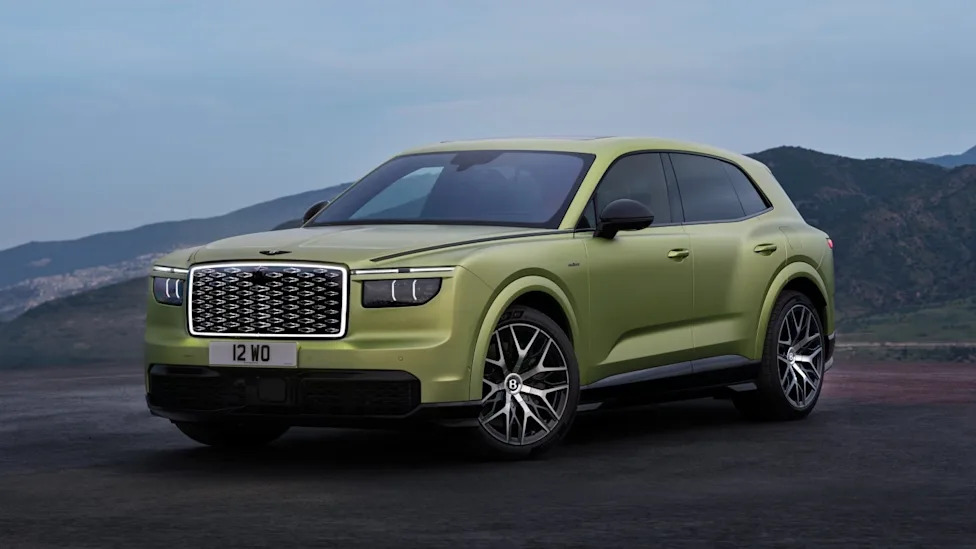
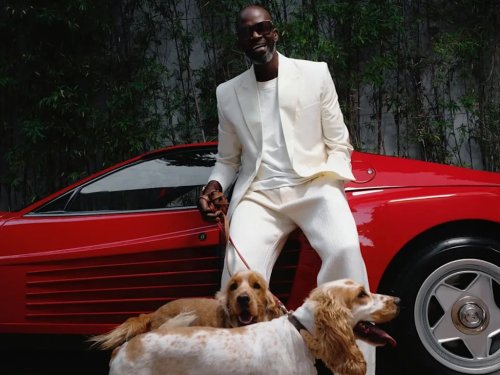
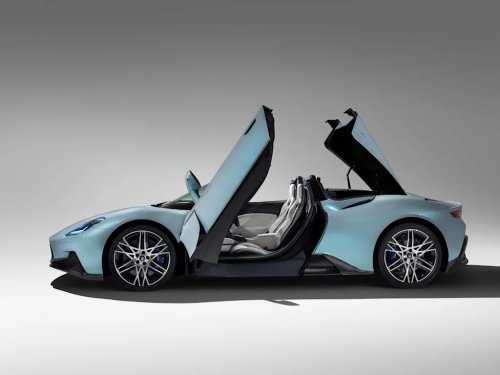
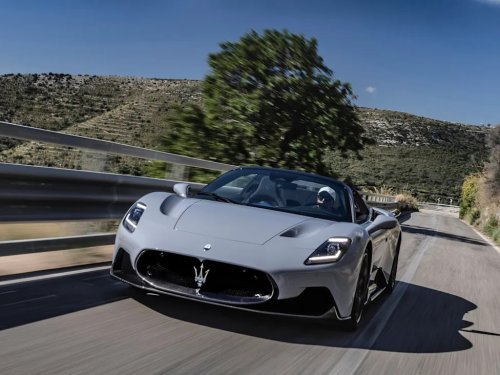
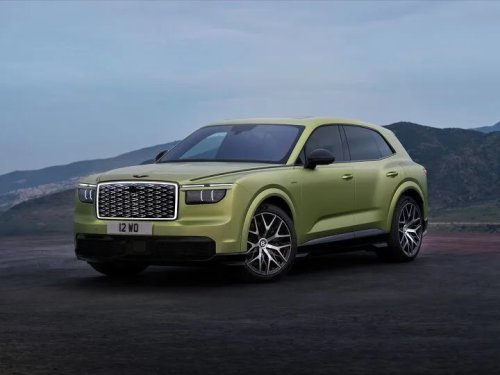
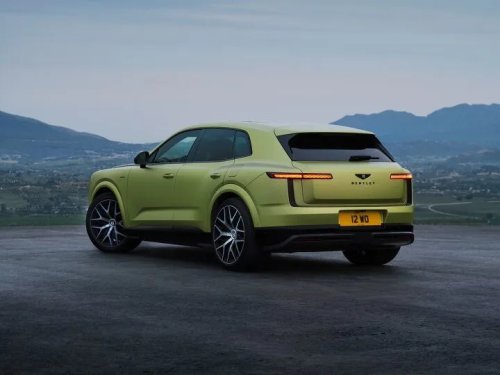
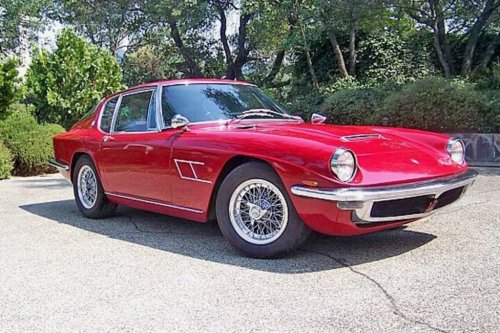
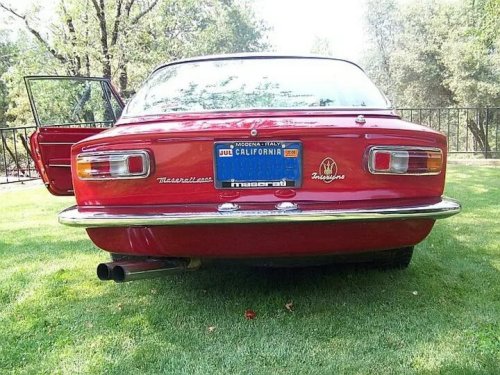
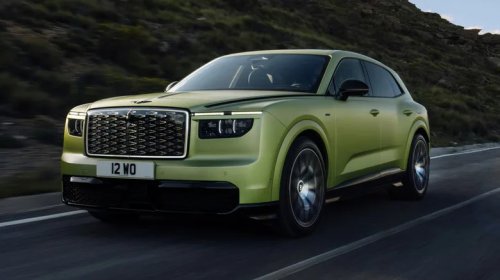
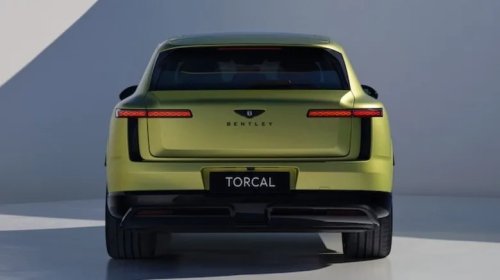
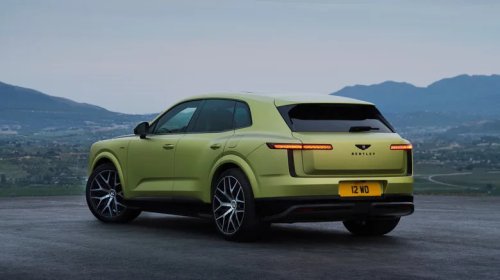
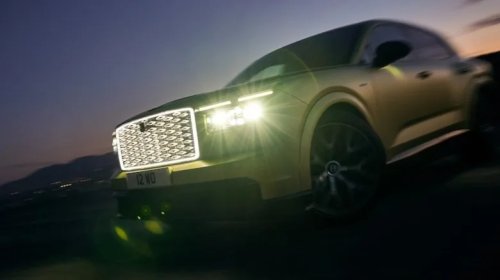
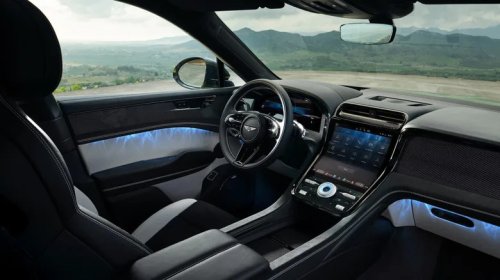
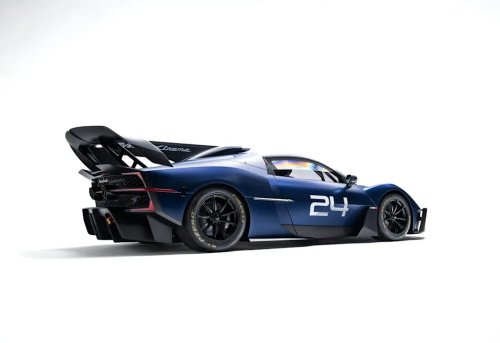
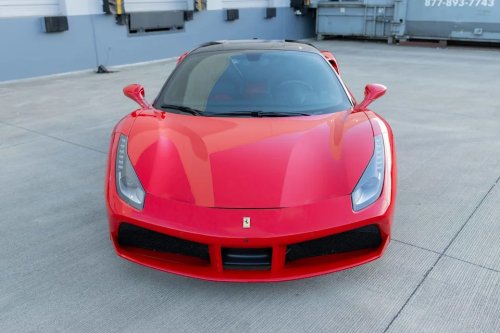
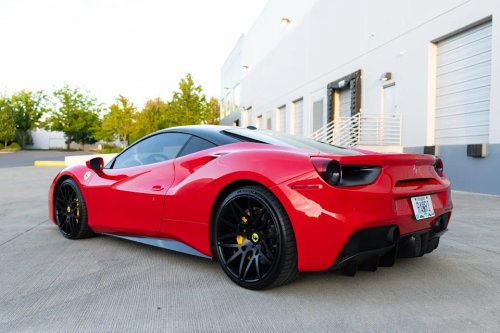
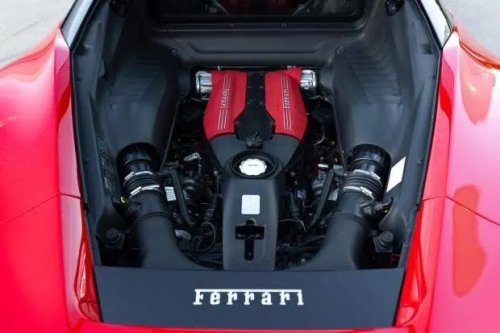
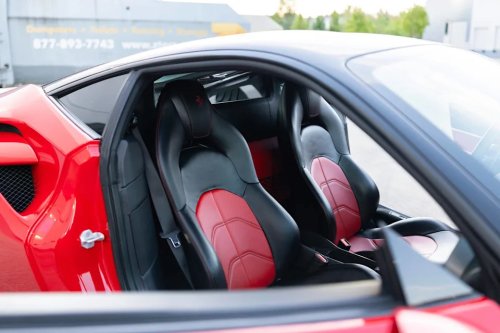
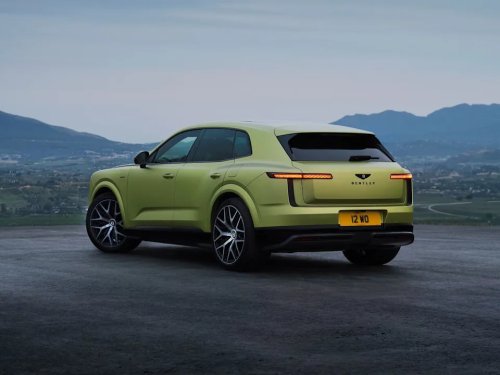
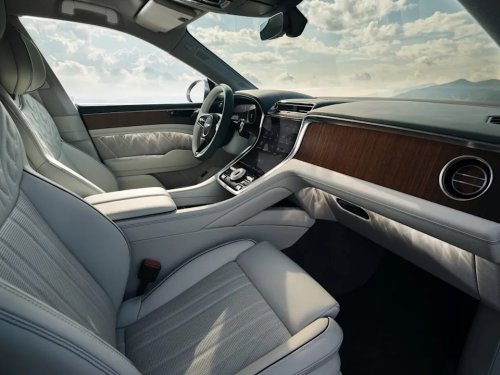
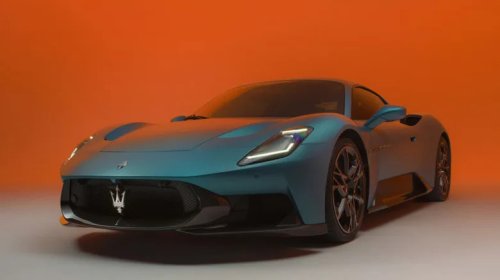
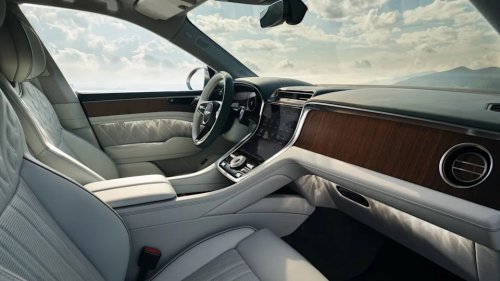
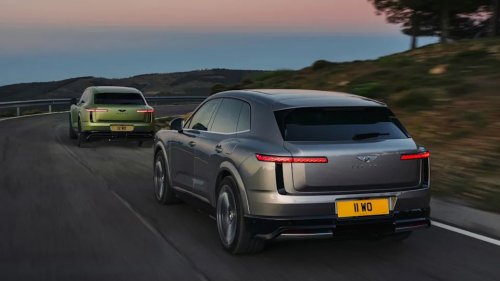
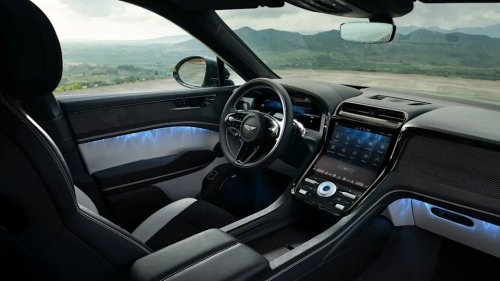
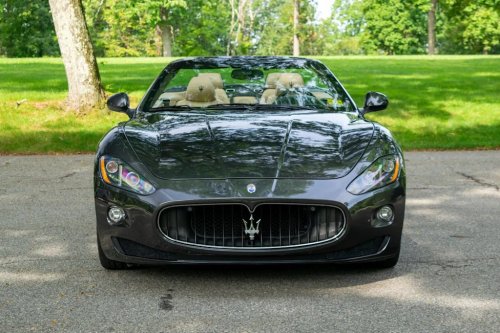
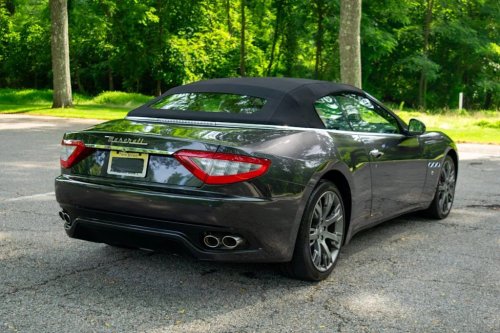
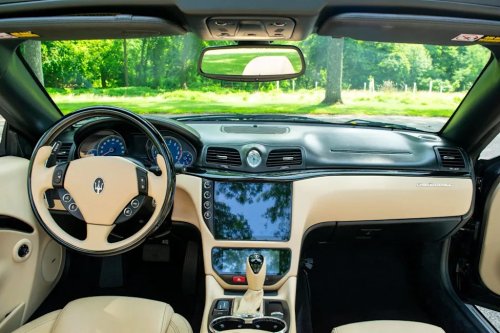
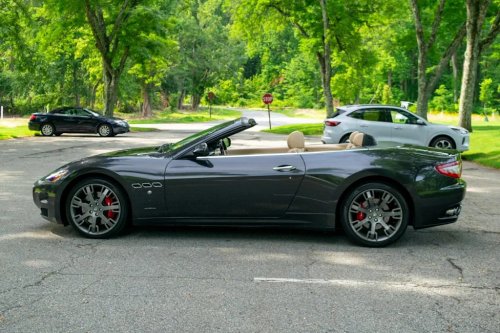
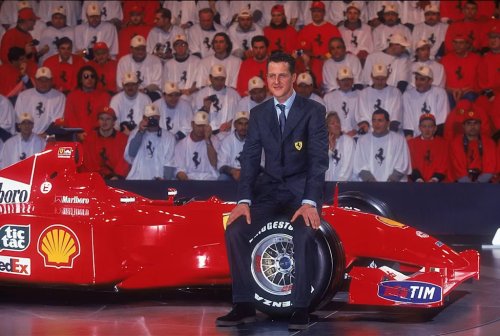
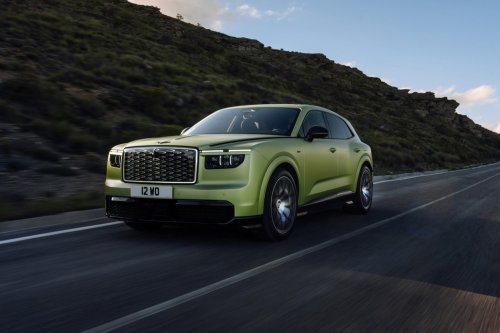
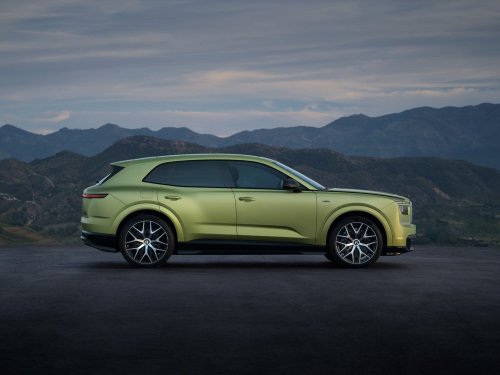
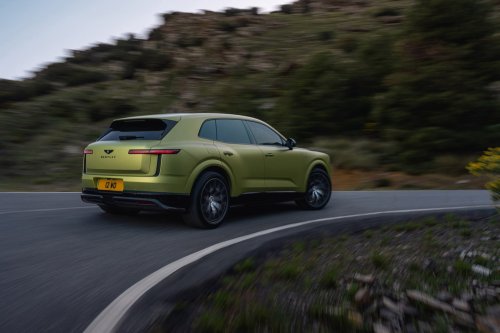
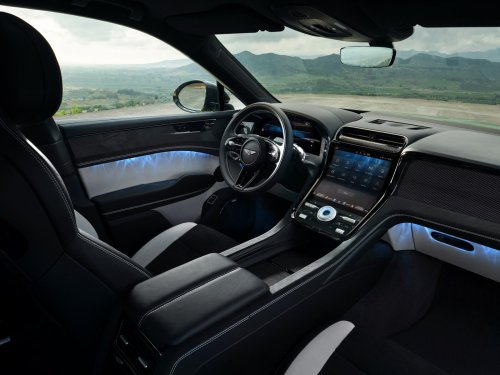
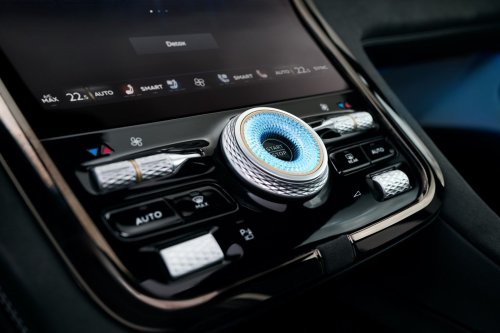
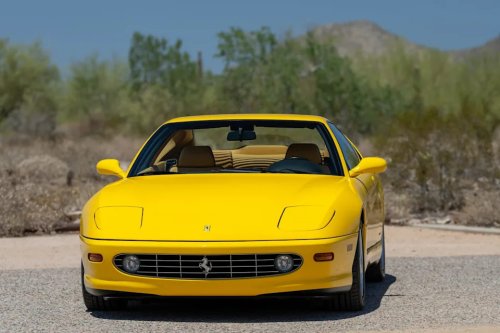
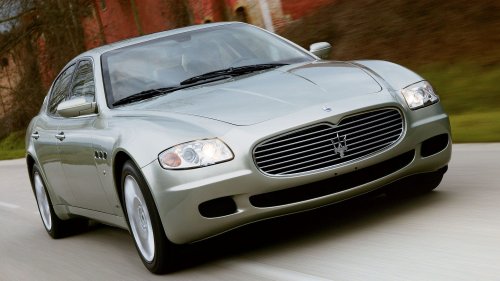
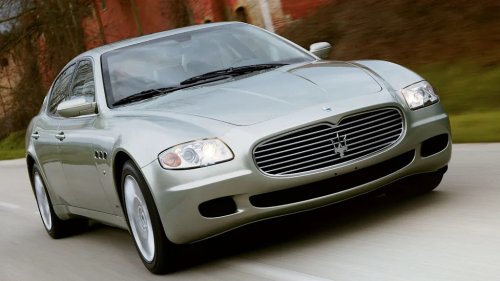
Ferrari, Bentley, and Maserati pause Middle East deliveries amid warFerrari, Bentley, and Maserati have all halted vehicle deliveries to the Middle East as conflict in the region disrupts shipping routes and raises security risks. For you as a buyer, investor, or distributor, the pause turns a distant geopolitical crisis into an immediate question about supply, pricing, and long-term brand strategy in one of the world’s richest luxury car markets. What might once have looked like a niche logistics issue has become a live test of how far high-end manufacturers will go to protect people and assets, even when that means stepping back from a region that has helped fuel their growth. The decision to hit pause Italian luxury sports car makers Ferrari and Maserati have both confirmed that they temporarily stopped delivering vehicles to the Middle East, citing the impact of war on transport routes and regional security. According to Reuters in ROME, the companies framed the move as a suspension rather than a withdrawal, with an explicit intention to resume once conditions improve. Ferrari NV, which trades on the NYSE, has described the conflict as a direct threat to the safe movement of its cars, with shipping lines and insurance providers reassessing exposure to the region. That same concern is reflected in the way Maserati, operating under the Franco Italian group Stellantis, has aligned its policy with Ferrari and halted deliveries across affected markets. For you, the key point is that this is not a production problem. The factories are still building cars. The bottleneck lies squarely in the ability to move vehicles into ports and across borders without exposing staff, partners, and cargo to heightened risk. How Bentley joined Ferrari and Maserati Like Ferrari, Bentley has paused shipments of vehicles to the Middle East, even though it has not reported any disruption inside its plants. Reporting on how Bentley followed makes clear that the British marque is reacting to the same combination of route closures, insurance pressures, and uncertainty around the war’s trajectory. One account notes that, at the moment, Bentley does not see an impact from a production standpoint, which tells you the decision is primarily about risk management rather than capacity. The brand is effectively choosing to leave finished cars in Europe and the United Kingdom rather than push them into a region where onward distribution has become unpredictable. For regional dealers and customers, that creates an abrupt gap. Your allocation of Bentayga EWB, Flying Spur, or Continental GT models may already be built, yet you cannot get them unloaded at Jeddah, Dubai, or Doha until the company judges the situation safe enough to restart flows. What the war is doing to transport routes Ferrari has been explicit that conflict in and around the Middle East has disrupted the main corridors you rely on for high-value vehicle logistics. One analysis of how conflict disrupts points to rerouted shipping, longer transit times, and rising insurance premiums as central reasons for the pause. When you ship a Ferrari SF90 Stradale or a Maserati MC20, you are moving a product that can easily exceed six figures in value before options. That cargo typically travels on carefully chosen carriers, through ports with strong security, and under insurance policies calibrated for low risk. Once a war zone sits along those paths, the cost and complexity of a single shipment can spike enough to wipe out margins or expose you to unacceptable danger. The brands are effectively telling you that, under current conditions, they cannot guarantee the kind of controlled, predictable journey that these cars require. Until shipping lanes, air corridors, and regional insurance markets stabilize, they prefer to keep inventory closer to home. Why the Middle East matters so much to luxury brands Despite the current pause, the Middle East remains one of the most important regions for performance and luxury car manufacturers. As Saajan Jogia explains, you are looking at a market where oil wealth, sovereign investment funds, and a deep culture of high-end car collecting have made Ferrari, Bentley, and Maserati staples on city streets and in private garages. For you as a dealer, the Gulf Cooperation Council states often deliver some of your highest per-unit profits, driven by custom specifications, exclusive series, and a steady appetite for limited editions. For the manufacturers, these buyers help support global pricing power and justify programs such as Ferrari’s Tailor Made service or Bentley’s Mulliner commissions. That is why the decision to pause deliveries is so striking. You are seeing companies walk away, at least temporarily, from some of their best customers. The calculation suggests that reputational and safety risks, if something went wrong during shipment or handover, outweigh the short-term revenue loss. Maserati, Stellantis, and the wider corporate picture Maserati, which operates under the larger Stellantis umbrella, has taken a stance that closely mirrors Ferrari’s. The brand has described the transportation environment as too unstable to support normal operations, a position highlighted in coverage of how Ferrari, Bentley, and to the region. For Stellantis, which also controls brands such as Jeep, Peugeot, and Alfa Romeo, the Maserati decision slots into a broader risk framework. You can infer that if a relatively low-volume, high-value brand is pausing shipments, the group is likely scrutinizing exposure across its entire portfolio, even if mass-market models continue to move. That matters to you because the corporate parent has more levers to pull. Stellantis can redirect Maserati production toward Europe, North America, or Asia, smoothing out some of the financial hit. Independent or smaller luxury players do not have that option, which is why the choices of Ferrari and Maserati set a benchmark that others may feel pressured to follow. How the pause hits you on the ground If you are a customer in Riyadh, Abu Dhabi, or Kuwait City, the most immediate impact is simple. Your ordered Ferrari, Bentley, or Maserati may be delayed indefinitely. Dealers are already warning that estimated delivery dates no longer apply, because they cannot secure shipping slots into regional ports while the war continues to disrupt routes. For distributors and showrooms, the hit is more complex. You face a squeeze between fixed costs in prime real estate and a supply line that has suddenly dried up. Reporting on how Ferrari, Bentley halt notes that the brands still see strong global demand, which means your allocation could easily be diverted to other regions if the pause drags on. You also have to manage your existing client base. High-net-worth buyers who are used to near-instant gratification may now wait months, with no firm restart date. That tests loyalty and could push some customers toward brands that keep shipping, even if those alternatives do not carry the same prestige. Signals for investors and the luxury market From an investment perspective, you should read the suspension as a sign of how sensitive luxury demand is to geopolitical risk. As one analysis of how war jitters argues, the wealth that fuels supercar purchases is often tied directly to energy markets and regional stability. If conflict persists, you could see not only logistical disruption but also a psychological cooling among buyers who prefer to sit on cash. At the same time, scarcity can support pricing. With fewer cars reaching the Middle East, secondary market values for in-demand models such as the Ferrari 296 GTB, Bentley Bentayga EWB, or Maserati Grecale Trofeo may rise, at least in the short term. You might see more cross-border arbitrage, as buyers source cars from Europe or Asia and import them privately if official channels stay frozen. For now, the message from Ferrari, Bentley, and Maserati is consistent. They are prepared to sacrifice near-term sales in the Middle East in order to protect people, products, and brand reputation. If you have money tied up in an order, or capital invested in dealerships and related businesses, your next move depends on how long the war keeps shipping lanes unstable and whether these companies decide to prioritize your market again once the routes reopen. More from Fast Lane Only Unboxing the WWII Jeep in a Crate 15 rare Chevys collectors are quietly buying 10 underrated V8s still worth hunting down Police notice this before you even roll window down



















 +17 others