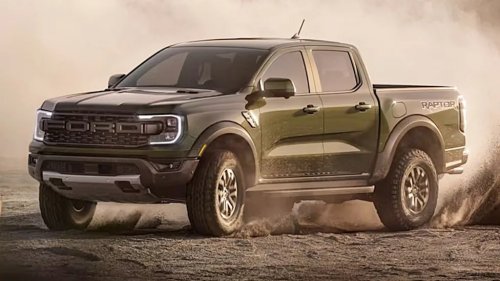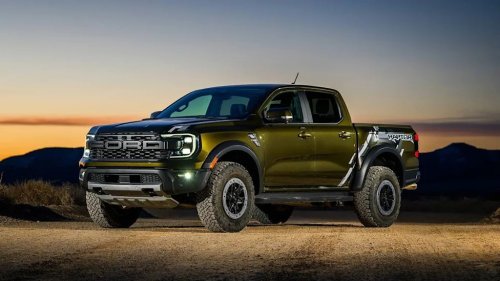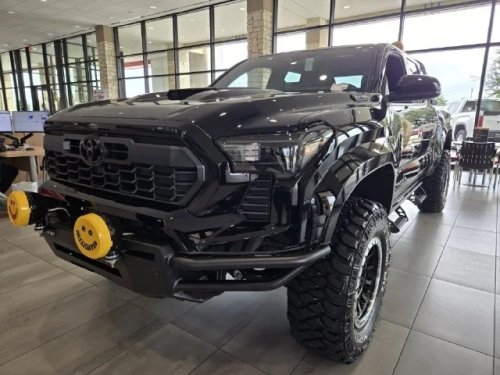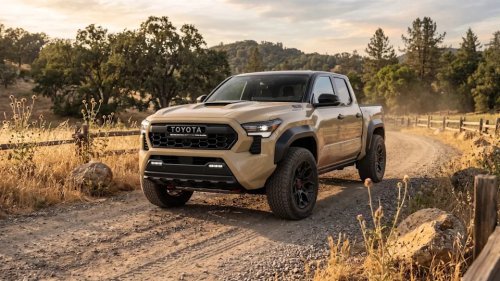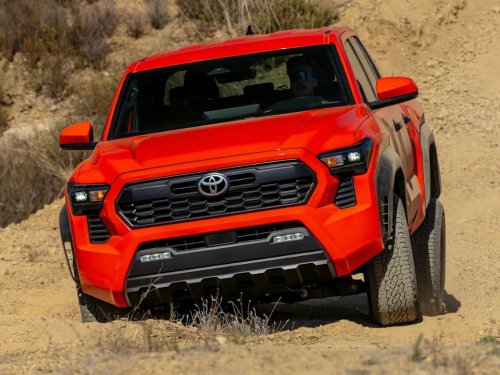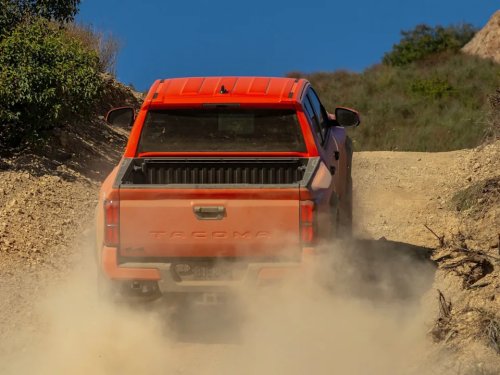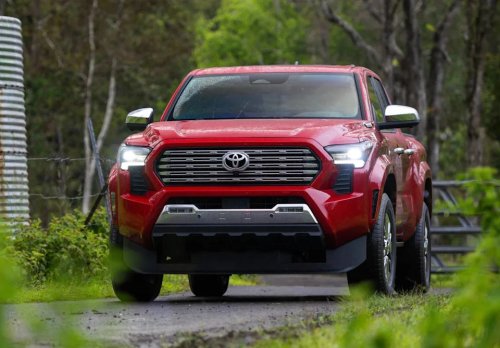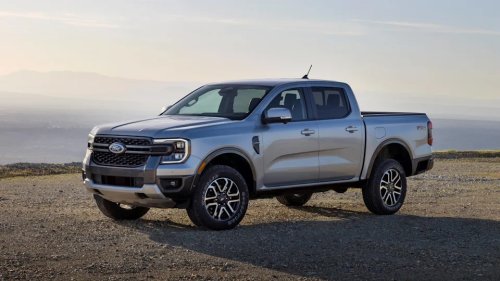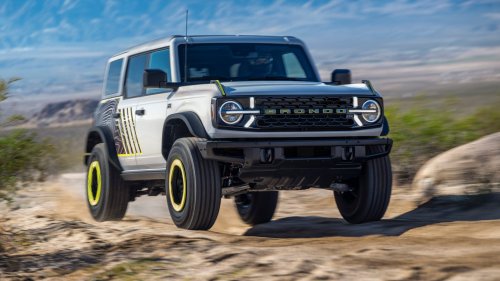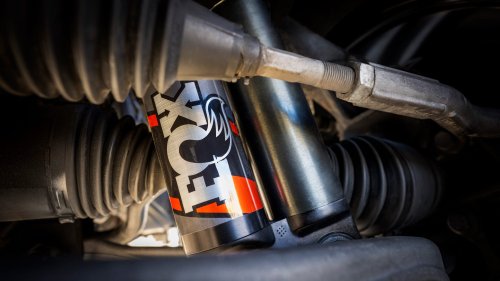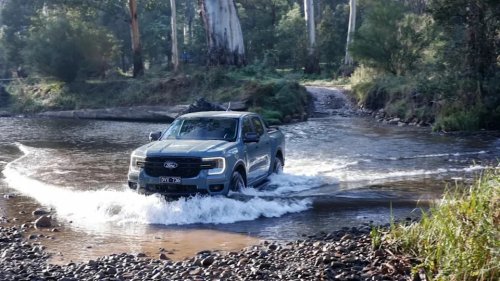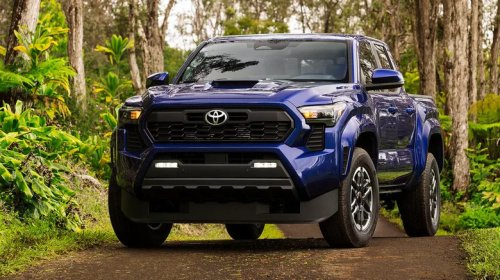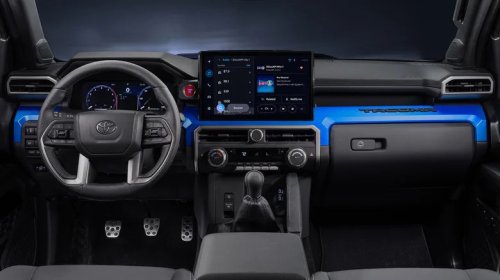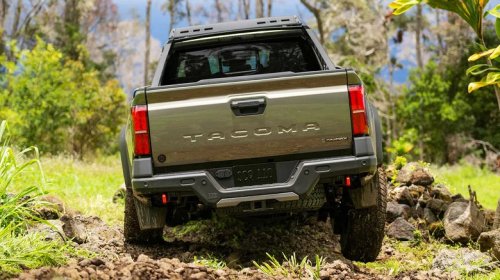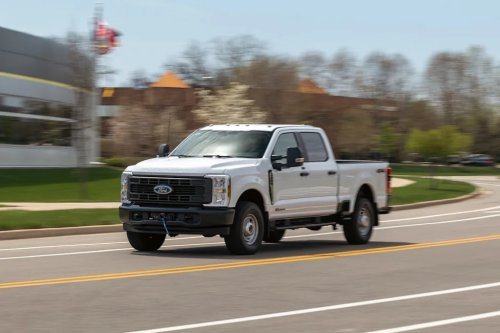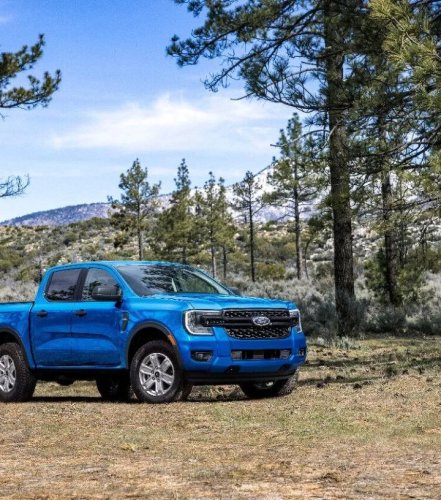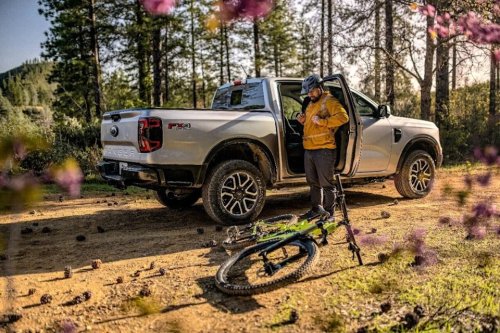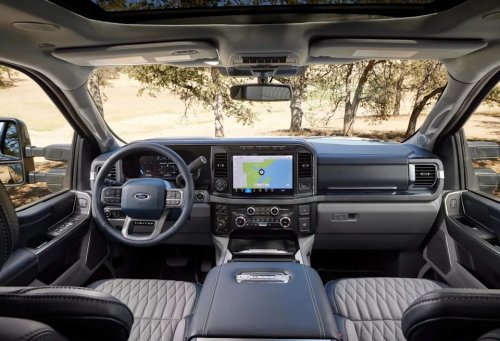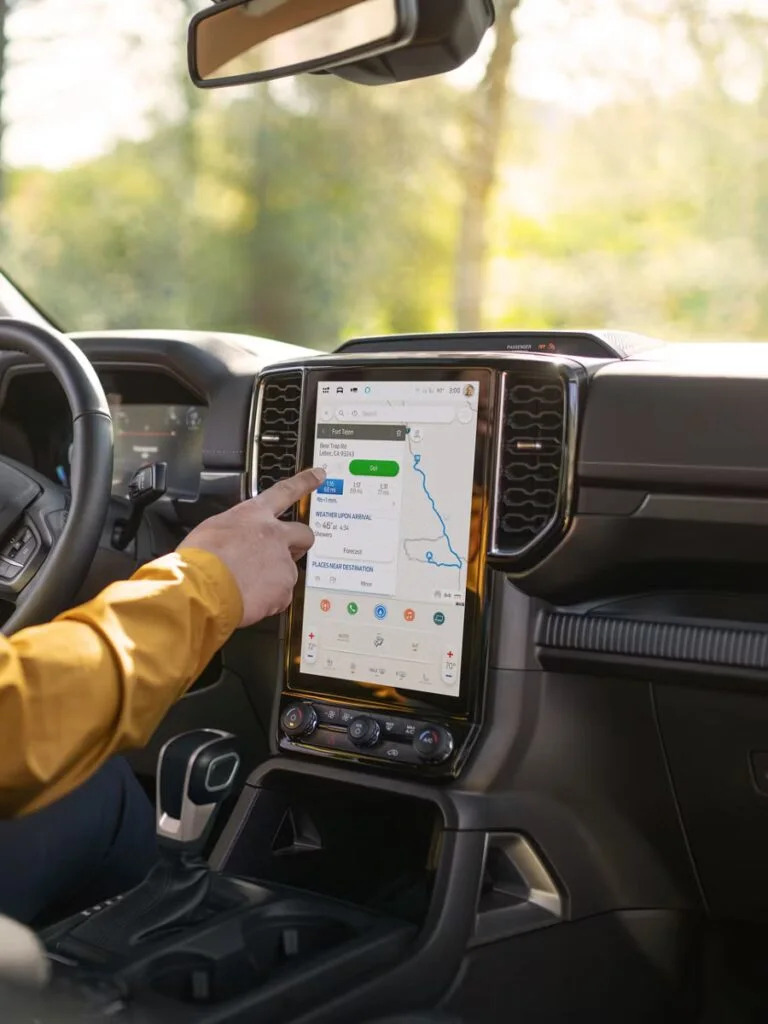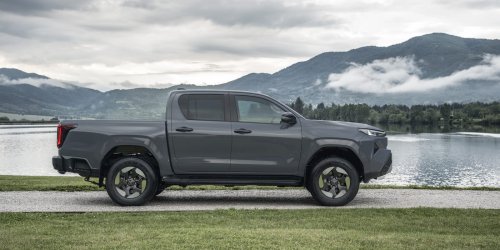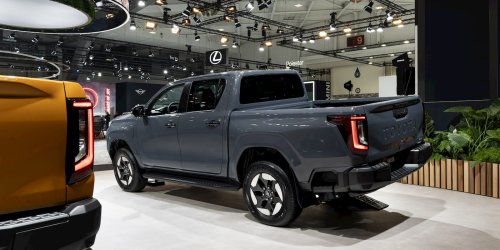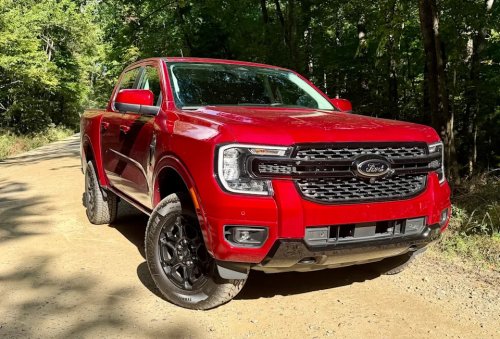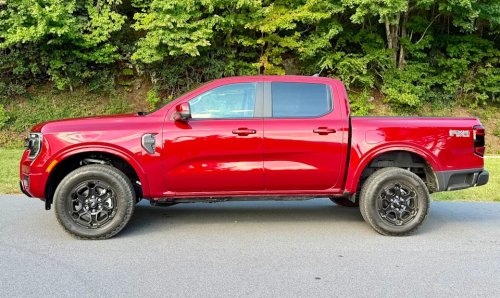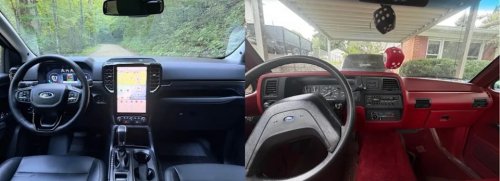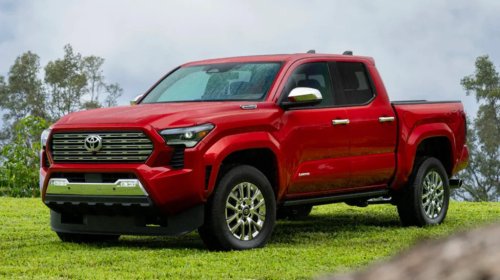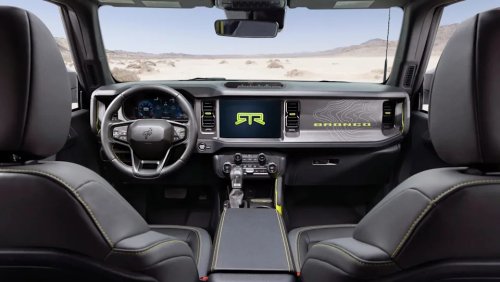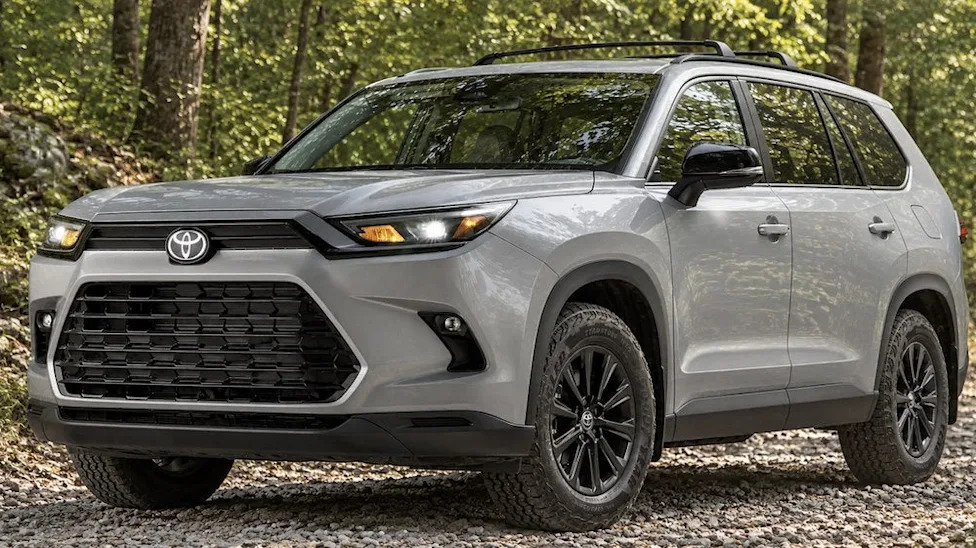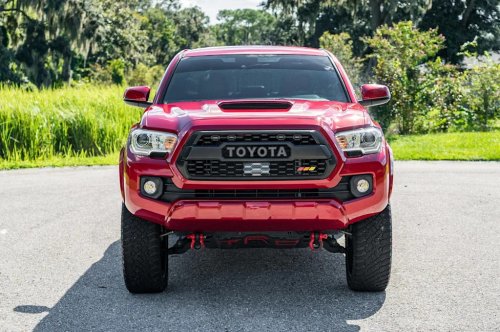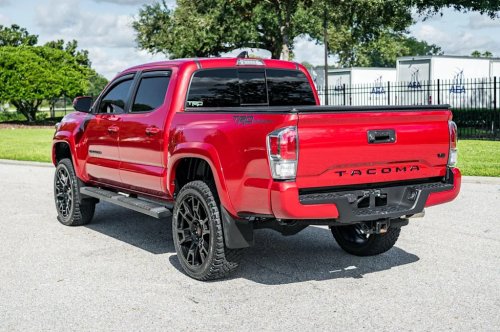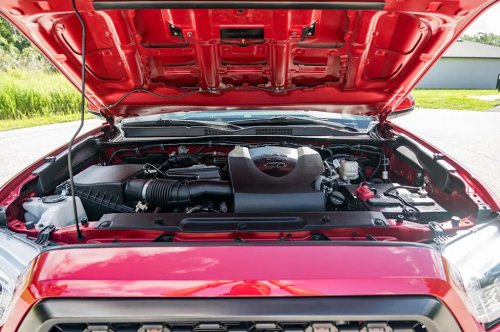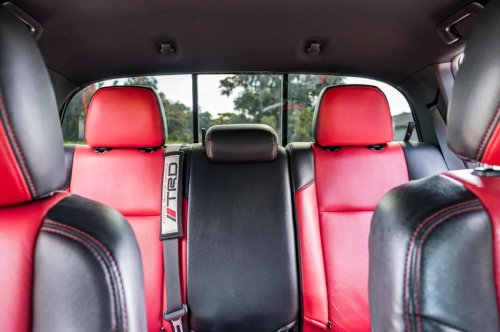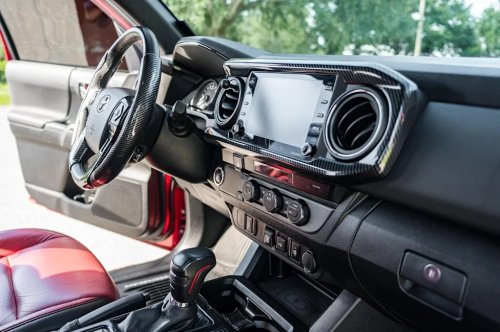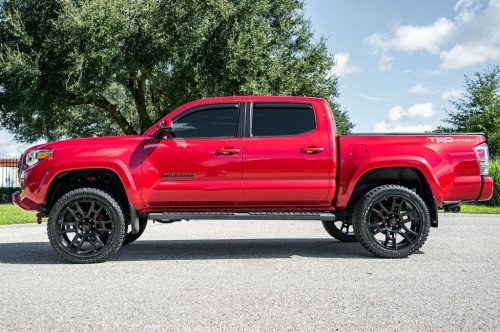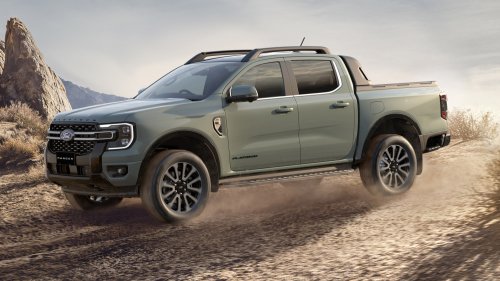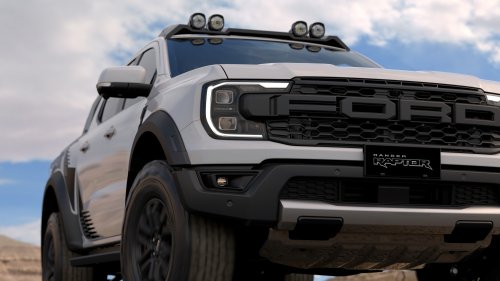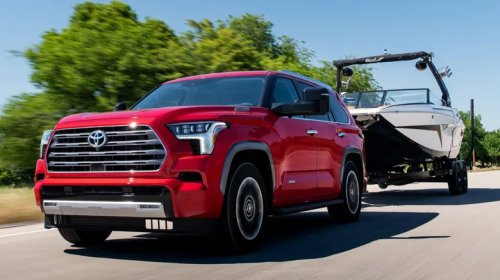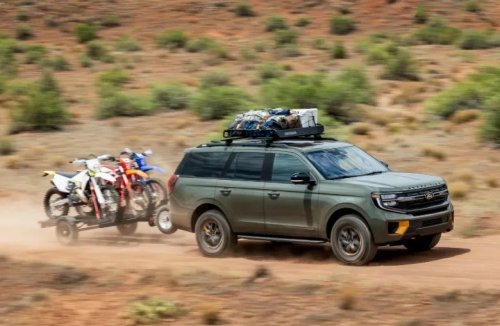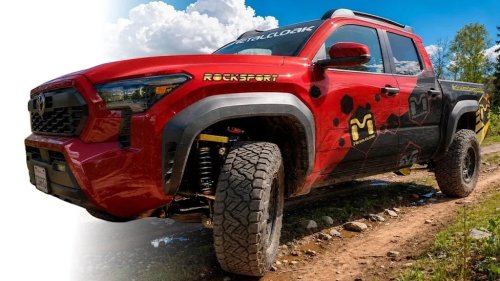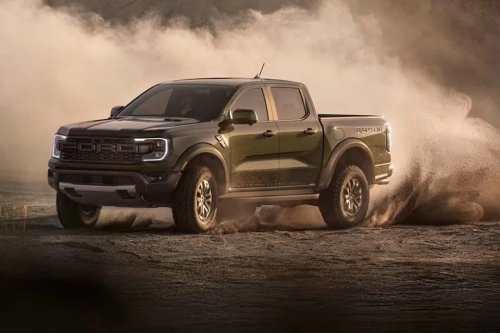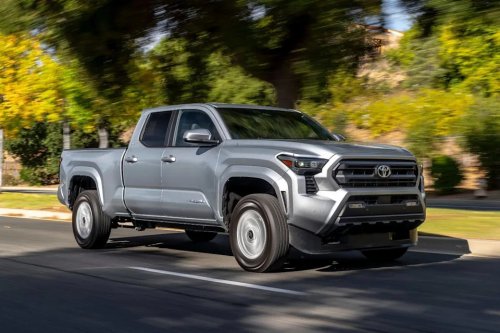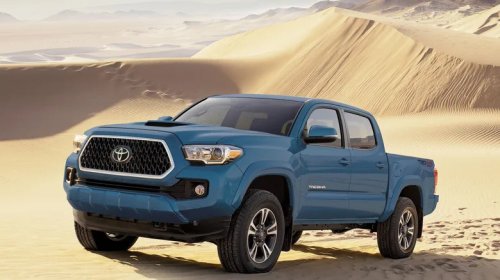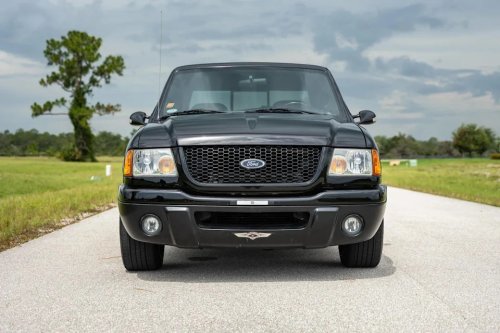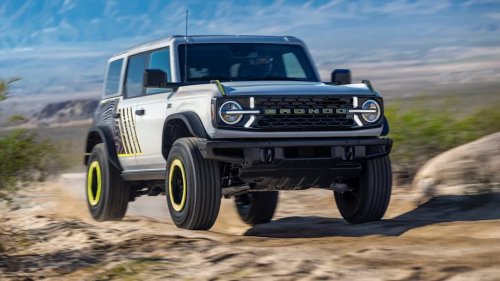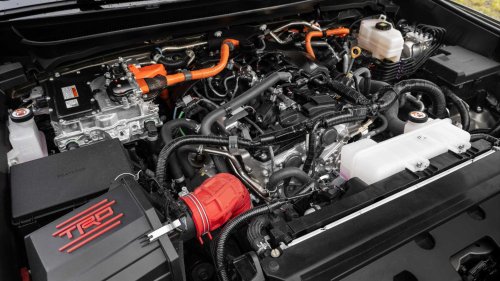
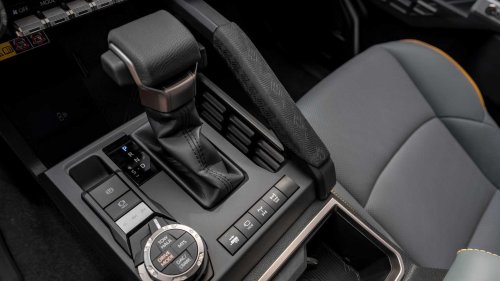
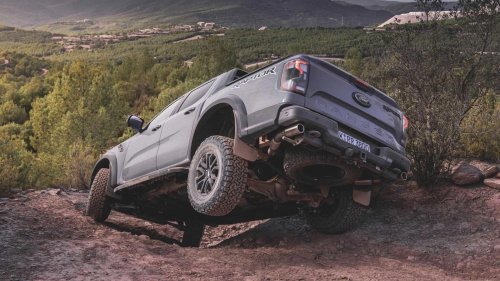
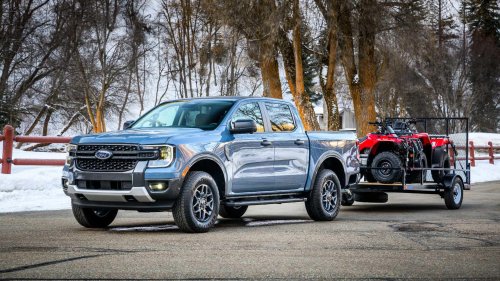
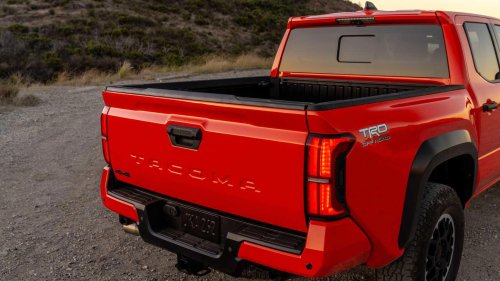
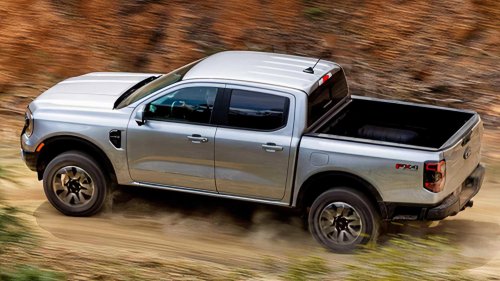
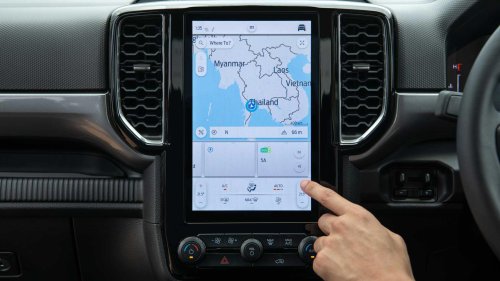
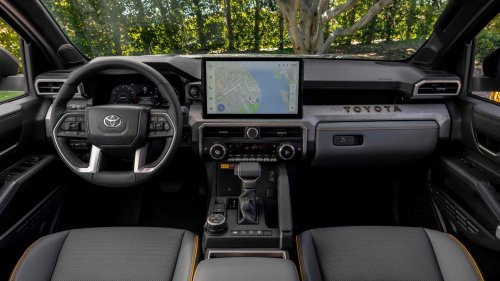
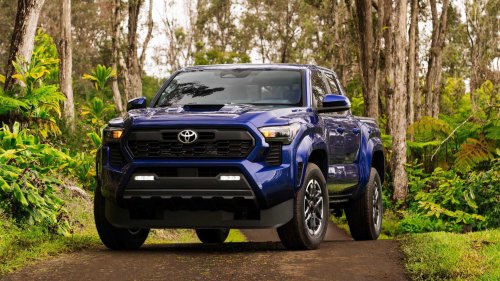



















Jump LinksFour Cylinders & A V6Gearboxes: Two Autos, One ManualWhich Of These Trucks Tow The Most?Which Payload Is The Highest & Most Versatile?Bed Space & Cab ConfigurationsThe Trucks' Dashboards & Digital TechCreature Comfort Offered By Each TruckThe most contested rivalry in the midsize truck segment goes to Ford and Toyota, because the Ford Ranger vs Toyota Tacoma debate is no longer just about brand loyalty, but about engineering philosophies. With both platforms receiving ground-up redesigns recently, the stakes have never been higher. Buyers demand relentless reliability, digitized cabins, and payload capacities that punch above their weight class. If you are serious about dropping money on a rig that will work as hard as it plays, these two trucks may just be what you’ve been looking for.The information in this article was correct at the time of writing. The base MSRP (manufacturer's suggested retail price), where mentioned, excludes destination fees and other costs. Brands reserve the right to change pricing without notice. Under The Good: Gas vs. Hybrid Power Four Cylinders & A V6 Toyota When analyzing the modern Tacoma vs Ranger powertrain clash, you are confronted by two very different strategies: traditional forced-induction displacement versus electrified torque. And in this conversation, Ford prioritizes proven turbocharged architectures. The Ranger’s base 2.3-liter EcoBoost inline-four delivers 270 horsepower and 310 lb-feet of torque. It is a workhorse engine that feels urgent. The game-changer, though, is Ford’s 2.7L EcoBoost V6, which generates 315 hp and 400 lb-ft. For desert runners, the Raptor’s 3.0L twin-turbo V6 pushes an absurd 405 hp!Toyota bet the farm on four-cylinder engines and abandoned the previous Tacoma’s V6. The base Tacoma utilizes a 2.4L i-FORCE turbocharged four-cylinder producing 278 hp. But the crown jewel is the i-FORCE MAX hybrid powertrain. By integrating an electric motor, Toyota extracts a massive 326 hp and 465 lb-ft. If you want raw top-end speed, the Ford 2.7L V6 appeals (if you’re not after the mad Raptor). But if you need low-end grunt, the hybrid Tacoma reigns supreme. Gearboxes: Two Autos, One Manual Toyota Transmissions dictate how effectively a truck puts power to the dirt, and this is where the Toyota Tacoma vs Ford Ranger specs reveal a stark contrast. Ford relies on its 10-speed automatic transmission across the entire Ranger lineup. This incredibly complex, fast-shifting gearbox is designed to keep the turbocharged engines perpetually in the meat of their powerbands, and the tightly packed ratios ensure you are never starved for boost when overtaking on a steep grade.Toyota takes a different route with its Tacoma. The truck utilizes an eight-speed automatic that feels more deliberate than Ford’s 10-speed. It shifts smoothly and relies on the immense low-end torque of the 2.4L engine. But the massive differentiator is the manual transmission. Toyota listened to purists, retaining an available six-speed manual gearbox with rev-matching technology for the non-hybrid models. Ford simply does not offer a manual option. Tacoma vs. Ranger: Off-Road Capabilities 2023 Ford Ranger RaptorBoth manufacturers have invested heavily in suspension geometry and underbody armor, because midsize buyers frequently push vehicles beyond the pavement. Ford’s FX4 Off-Road Package serves as the entry point, adding off-road-tuned shocks, an electronic-locking rear differential, and a Terrain Management System. The apex predator is the Ranger Raptor. It rides on a wider track and utilizes a sophisticated Watts-link rear suspension paired with 2.5-inch FOX Live Valve internal bypass shocks. These adaptive dampers process terrain inputs instantly, which allows you to hit jumps at highway speeds.Toyota counters with an overwhelming variety of specialized trims. The TRD Off-Road utilizes Bilstein remote-reservoir shocks, while the TRD Pro steps up to FOX QS3 adjustable bypass shocks. Toyota’s genius is the overlanding-focused Trailhunter trim. Factory-equipped with Old Man Emu forged monotube shocks and an ARB steel rear bumper, it is built for methodical rock crawling. Toyota also replaced the old leaf-spring rear suspension with a multi-link coil-spring setup on higher trims, which dramatically improves wheel articulation. Towing & Payload Comparison: Ranger vs. Tacoma Which Of These Trucks Tow The Most? Ford When you need to hitch up a camper or a flatbed loaded with side-by-sides, raw capacity dictates your limitations, and the Ford Ranger claims a decisive victory here in maximum pulling power. Equipped with the Advanced Towing Package - which includes a Class IV hitch and a factory trailer brake controller - the Ranger pulls a highly competitive 7,500 pounds. This maximum rating applies to both the 2.3L four-cylinder and the 2.7L V6 engines, meaning you do not have to purchase the most expensive motor for top capability.The Toyota Tacoma cannot quite match the Ford’s peak numbers. The maximum towing capacity caps out at 6,500 lbs on SR5 and TRD PreRunner XtraCab configurations utilizing the standard i-FORCE engine. Interestingly, stepping up to the powerhouse i-FORCE MAX hybrid actually drops the maximum tow capacity to 6,000 lbs due to the added curb weight of the battery packs. Which Payload Is The Highest & Most Versatile? Toyota Payload capacity determines how much gear or passenger weight you can drop into each truck’s bed before bottoming out the suspension. The Ford Ranger utilizes its robust, fully boxed high-strength steel frame to deliver impressive carrying capabilities. The lightest rear-wheel-drive 2.3L Ranger configurations shoulder a maximum payload of up to 1,767 lbs. Even 2.3L four-wheel drive models offer around 1,763 lbs. This makes the Ranger highly versatile for private owners and contractors alike.The Tacoma remains fiercely competitive but falls slightly short. Its maximum payload capacity is 1,705 lbs, which is typically found on the i-FORCE MAX models. However, outfitting the Tacoma with heavy off-road armor drops that figure significantly. From a versatility standpoint, Ford’s integration of the Pro Power Onboard system gives it an edge, and the Ranger can deliver up to 400 watts of electrical power directly from bed-mounted outlets to run power tools or charge batteries without a secondary generator. Cabin Layout: Ranger vs. Tacoma? Bed Space & Cab Configurations Ford Ford has simplified its manufacturing process and consumer choice. For the US market, the Ranger is exclusively available in a SuperCrew (four-door) configuration with a five-foot bed. You cannot buy an extended cab, nor a six-foot bed. While this streamlines production, it alienates buyers requiring a long bed for extended cargo. The Ranger's bed is, however, two inches wider than the previous generation, which allows it to carry a standard four-foot sheet of plywood flat between the wheel wells.Toyota still puts the traditional truck buyer front of mind, and the Tacoma lineup offers far more modularity. The Tacoma can be optioned as a Double Cab (four-door) with either a five-foot or a six-foot bed. Buyers can also select the XtraCab (two-door extended cab) paired only with the six-foot bed. The XtraCab ditches the rear seats in favor of lockable rear storage compartments and a flat cargo floor that serves as the ultimate two-person work rig. The Trucks' Dashboards & Digital Tech 2026-ford-ranger-interior-2 Step inside the Ranger, and you’re greeted by a digitized command center that prioritizes vertical screen real estate. The dashboard is dominated by a portrait-oriented center touchscreen - either standard 10.1-inch or available 12-inch - running Ford’s SYNC 4A software. The vertical layout is exceptional for rendering navigation maps and utilizing the 360-degree camera system. Ahead of the driver sits a fully digital instrument cluster that dynamically changes its layout based on the selected drive mode.The Tacoma’s cabin feels significantly tougher than the Ranger’s, utilizing geometric, blocky design elements that look military-grade. Toyota offers a 14-inch landscape-oriented touchscreen on higher trims, dwarfing the Ranger’s display in sheer width. The system runs Toyota's latest Audio Multimedia software that supports wireless Apple CarPlay and Android Auto seamlessly. The Tacoma’s cabin is loaded with chunky, rubberized physical switches and knobs that can be easily operated while wearing heavy work gloves. Creature Comfort Offered By Each Truck Toyota The Ford Ranger’s cabin is a very refined space, with soft-touch materials being used on the upper door panels and dash. Available features like power-adjustable, heated ActiveX-trimmed seats, a premium B&O sound system, and Zone Lighting elevate the Ranger to a luxury commuter of sorts. The seats offer excellent lumbar support, and the cabin remains impressively quiet at highway speeds, with good levels of external noise isolation.Toyota matches the Ford’s luxury appointments with available heated and ventilated seats, a JBL premium audio system with a removable Bluetooth speaker, and a power up/down tailgate. But Tacoma’s best trick is specific: the TRD Pro’s IsoDynamic performance seats. These front seats utilize an internal air-over-oil shock absorber system to dampen vertical and lateral body movements over rough terrain. They absorb impacts before they reach your spine, keeping your head stable while the truck bucks underneath you. It is a wildly over-engineered feature that works like a charm. Which Truck Gets Your Vote - Ranger Or Tacoma? 2025-toyota-tacoma-trd-sport When the dust settles, deciding which truck gets the nod hinges on your intended use. The four-model Ford Ranger lineup starts at $31,503 and maxes out at $57,270 for the Raptor. This pickup dominates in raw specifications, offering higher towing capacities, slightly better payload ratings, and a blistering top-tier engine that makes it the undisputed king of high-speed desert off-roading.The Toyota Tacoma commands a slightly higher entry fee, starting at $32,445 and easily climbing to $64,650 for the TRD Pro. While it loses the on-paper towing war, it counters with unmatched configuration modularity, the pavement-wrinkling torque of the i-FORCE MAX hybrid, a manual transmission option, and unparalleled low-speed rock-crawling technology.The choice may seem difficult, but it’s actually quite an easy one. If you often haul loads and prefer your truck with niceties and refined tech, buy the Ranger. But if you are building a dedicated overland rig or demand absolute configuration flexibility, then the Tacoma absolutely earns your vote.