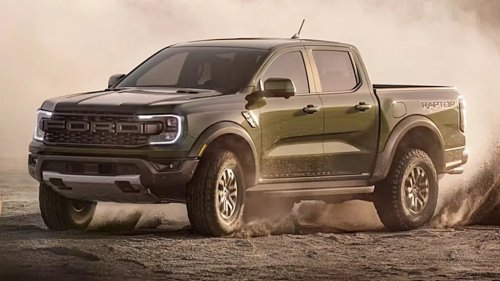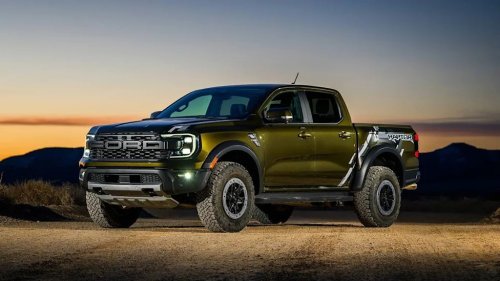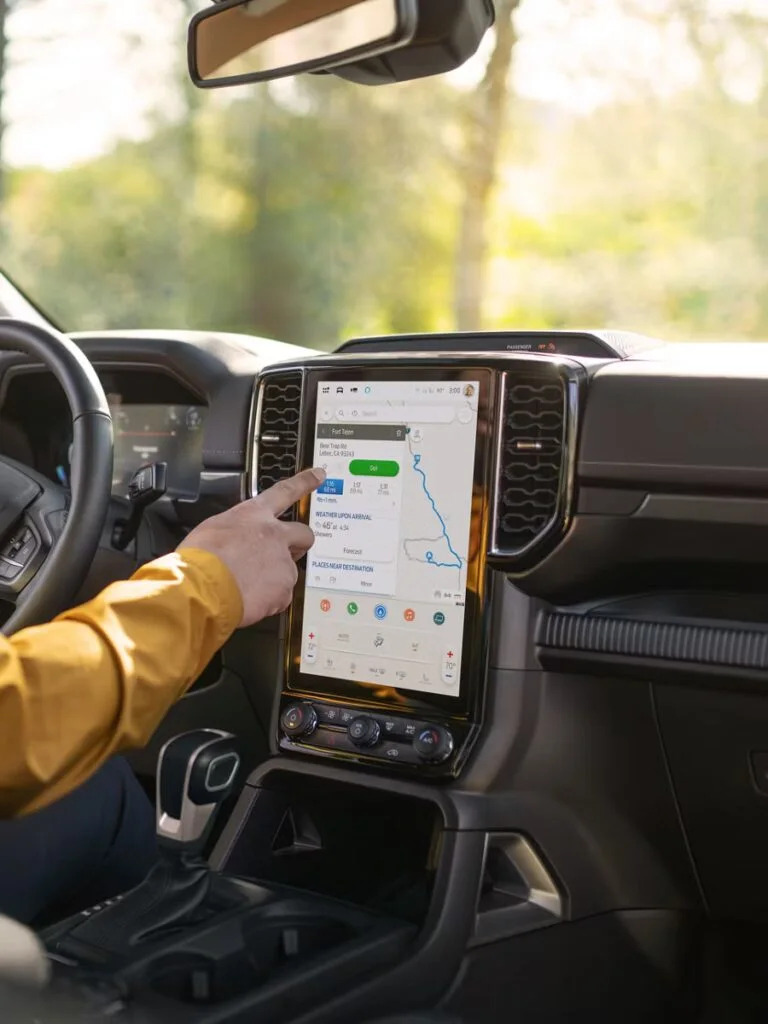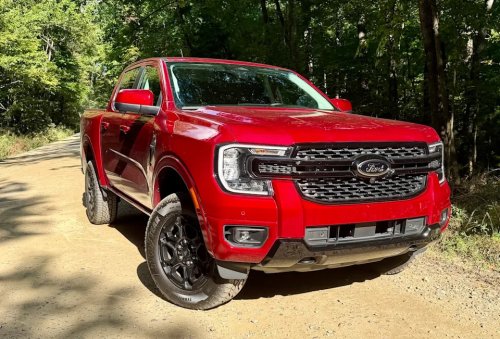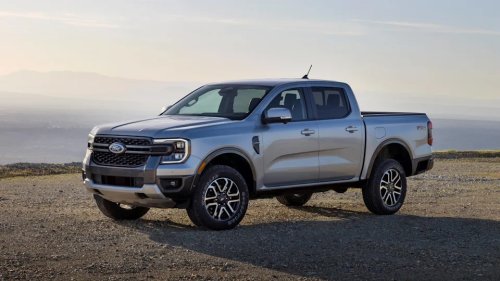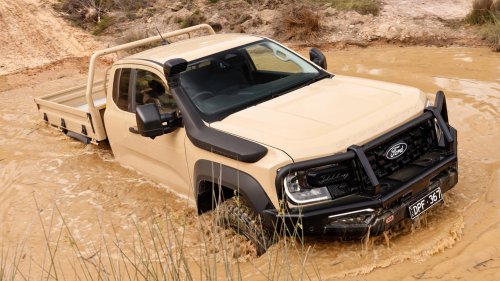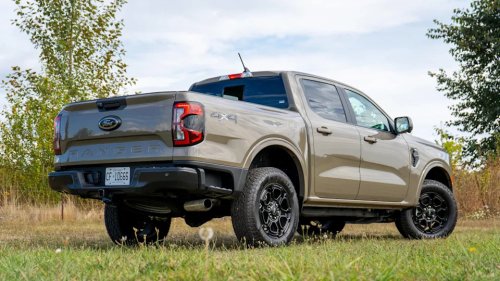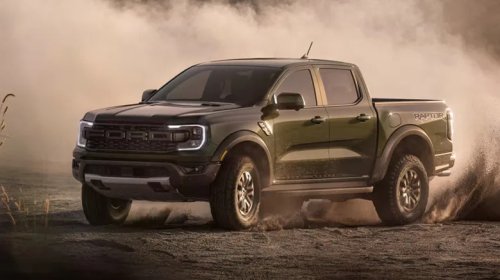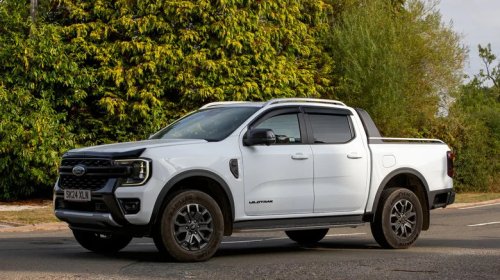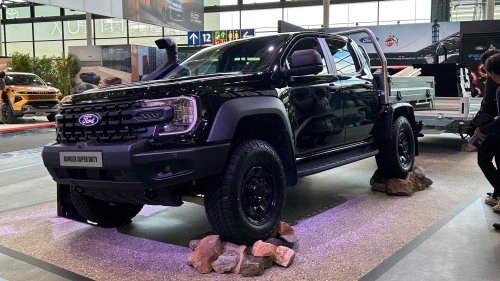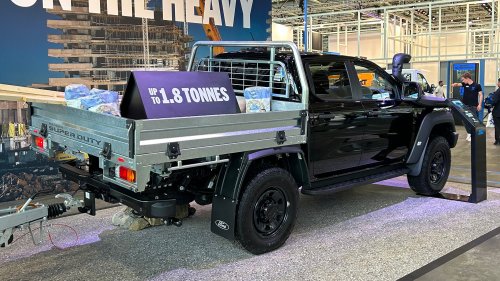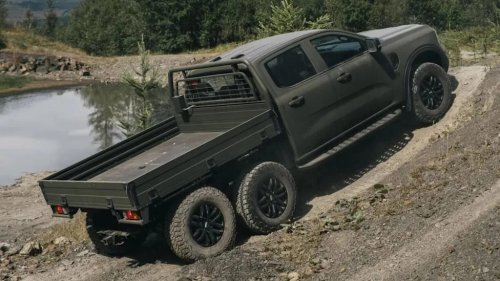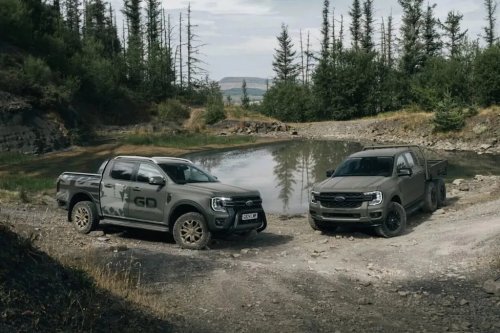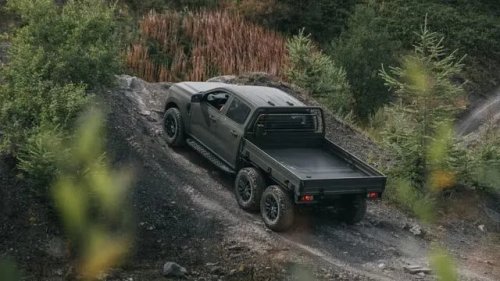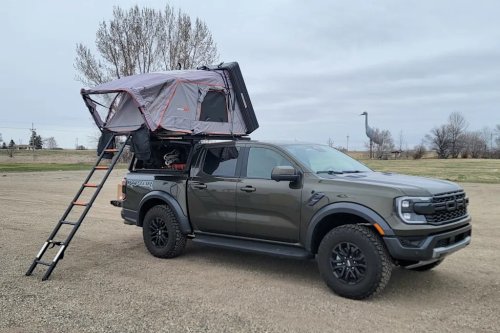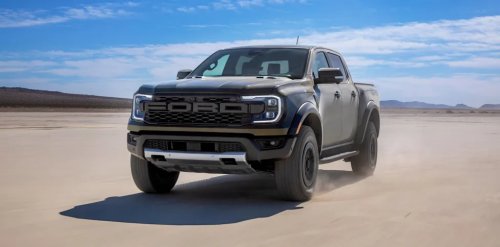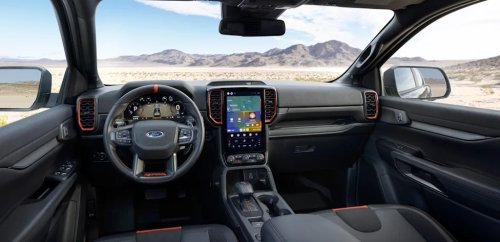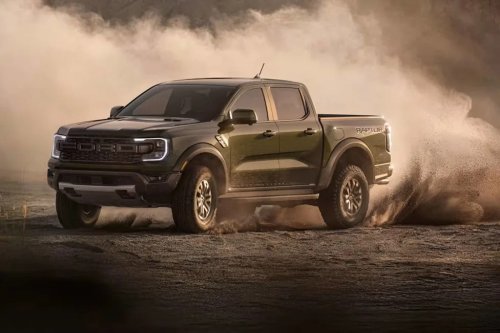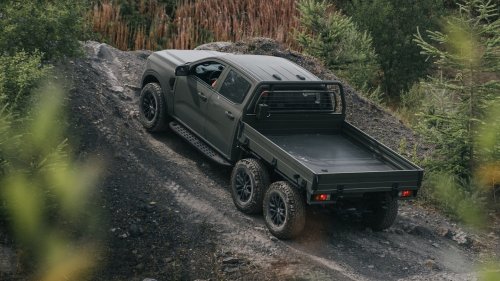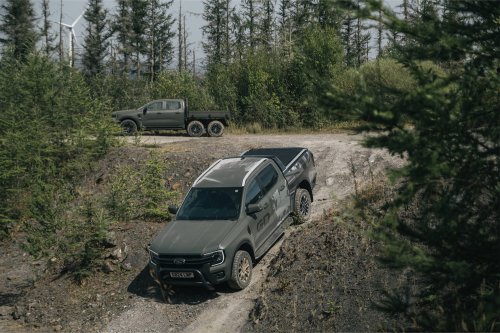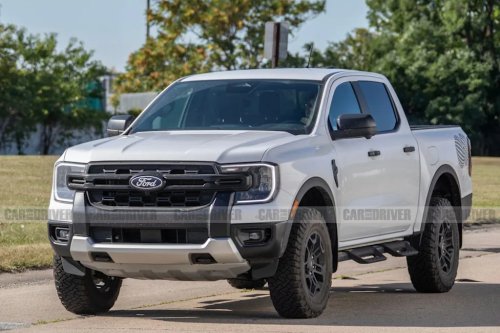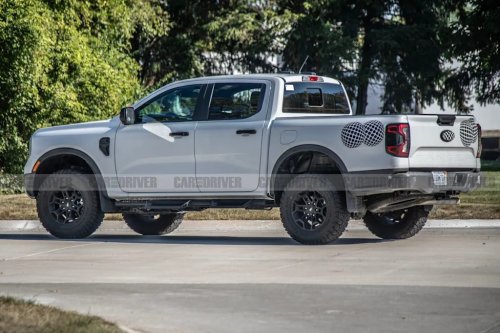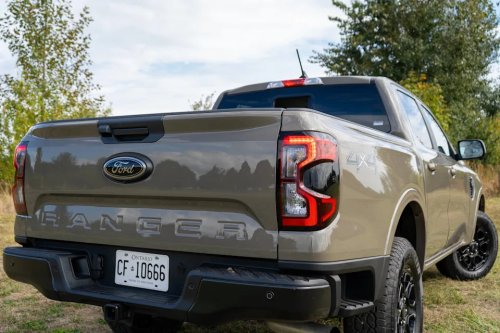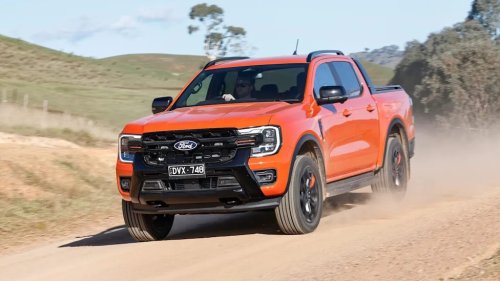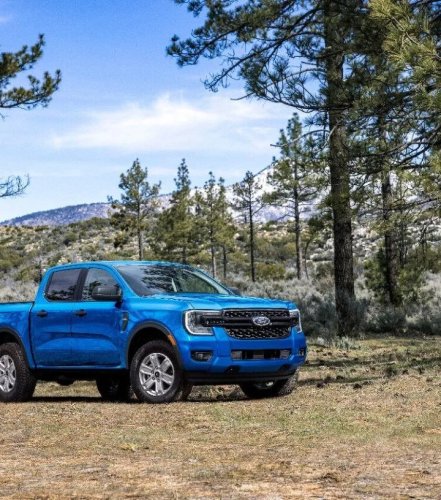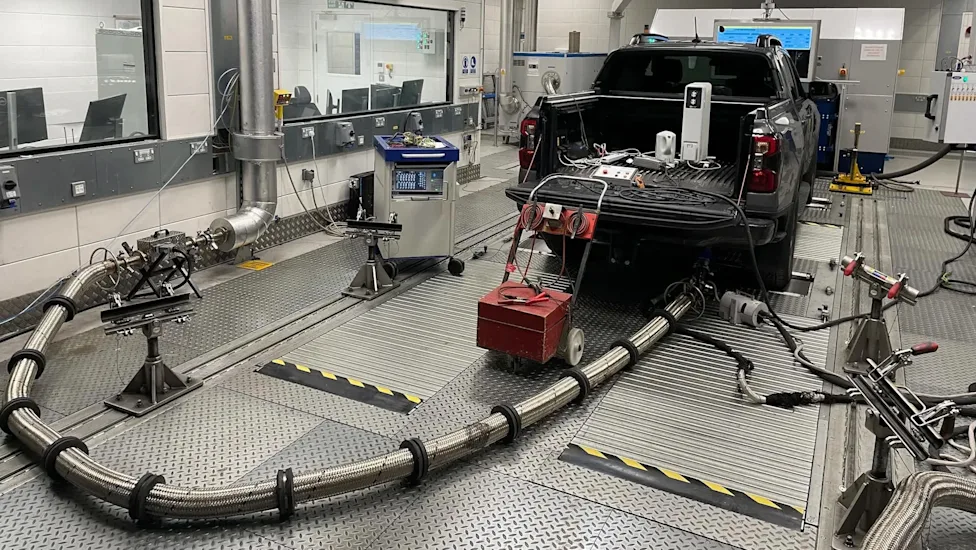



















Photo Credit: FordRecent tests indicate Ford's Pro Power Onboard may be more than a handy source of electricity in a pinch. The built-in system, already known for helping during disasters and on work sites, now appears to top a conventional gas generator in some important areas.For drivers considering a plug-in hybrid pickup, that means a single vehicle could handle transportation, worksite power, and emergency electricity while offering lower operating costs and producing fewer emissions.What's happening?At Ford's Dunton Engineering Center in the U.K., the automaker used its advanced emission test facility to compare a Ranger PHEV with a similar standalone gasoline generator, Ford Authority reported.AdvertisementAdvertisementThe evaluation centered on the Ranger plug-in hybrid's 6.9-kilowatt Pro Power Onboard setup, which lets the truck supply electricity externally. Ford has sold versions of Pro Power Onboard for years, and the feature has stood out most in situations where portable power is critical, such as disasters and job sites.Results showed the Ranger PHEV's onboard power was cheaper to operate and generated far fewer emissions than the gasoline generator used for comparison.That means the Ranger PHEV may provide a cleaner option than hauling, fueling, and maintaining a separate generator.Why does it matter?For many people, portable generators are a backup solution that comes with tradeoffs. They can be bulky, hard to move, and dependent on a steady gasoline supply, an especially frustrating limitation during power outages or when fuel is hard to find.AdvertisementAdvertisementA plug-in hybrid truck could provide the same kind of on-demand electricity for less money while generating fewer emissions. It could simplify emergency preparedness while also reducing some of the pollution associated with gas-powered equipment.Lower running costs may also make the built-in system cheaper over time for people who regularly rely on mobile power.And because the generator is integrated into the vehicle, users may be able to avoid buying and storing another machine altogether. That could reduce clutter, cut maintenance demands, and eliminate some of the hassle of keeping separate equipment ready to use.What's being done?Ford's latest testing puts measurable evidence behind the argument for using vehicle-based power systems instead of standalone generators.AdvertisementAdvertisementElectrified or partially electrified trucks may be more appealing, particularly for people who already need a pickup for work or frequent travel. A plug-in hybrid model adds another layer of usefulness by turning the truck into a mobile power source when needed.Operating costs, fuel needs, emissions, and ease of use all shape the real value of a power solution.As automakers continue expanding onboard power features, buyers may have more opportunities to choose vehicles that can pull double duty, serving as everyday transportation while also acting as a lower-emission electricity source during outages, projects, or off-grid activities.A truck's built-in power outlet may be replacing the standalone gas generator for more drivers.AdvertisementAdvertisementGet TCD's free newsletters for easy tips, smart advice, and a chance to earn $5,000 toward home upgrades. To see more stories like this one, change your Google preferences here.