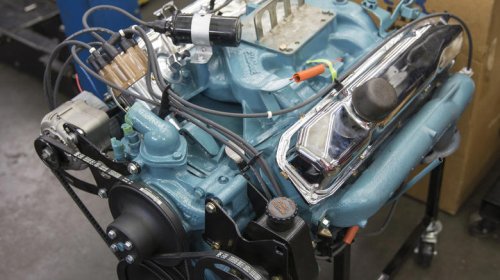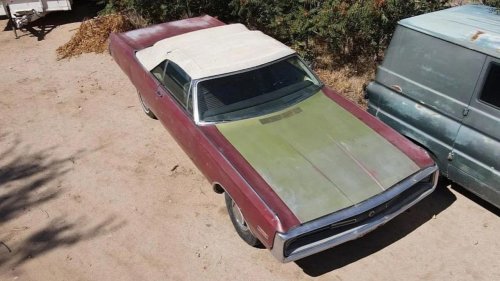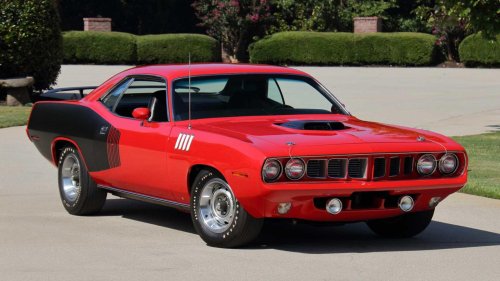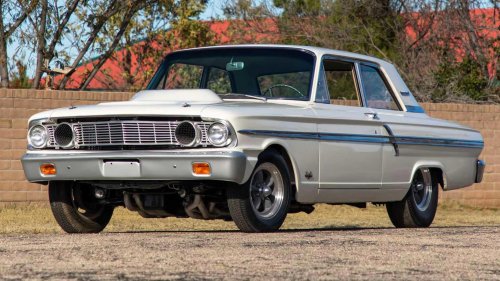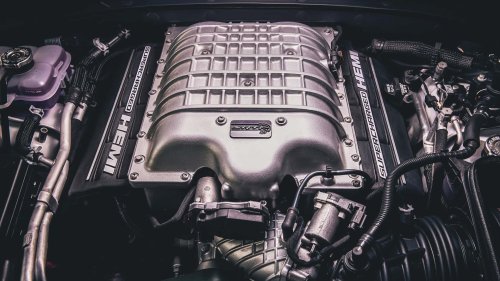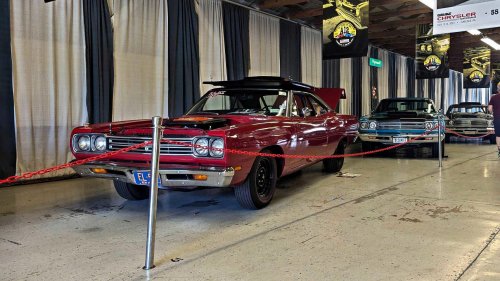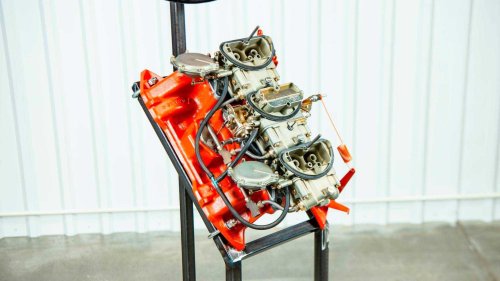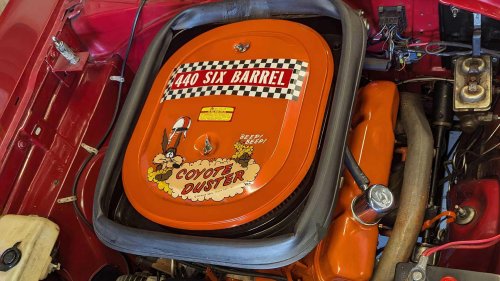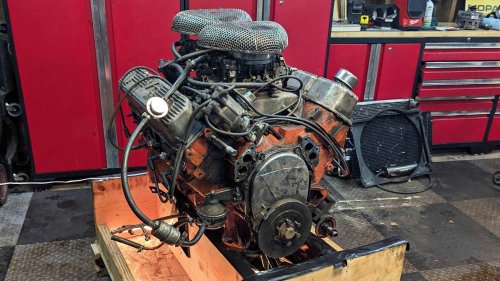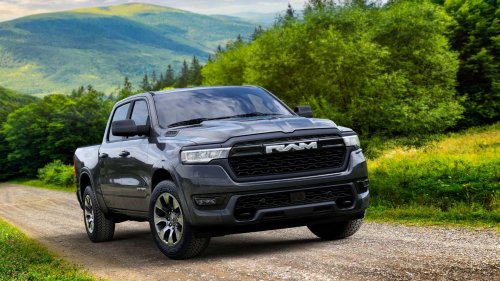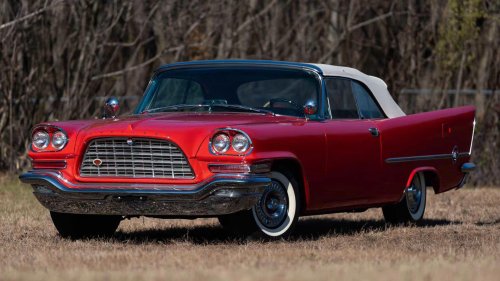
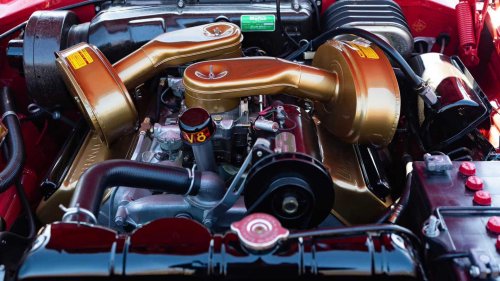
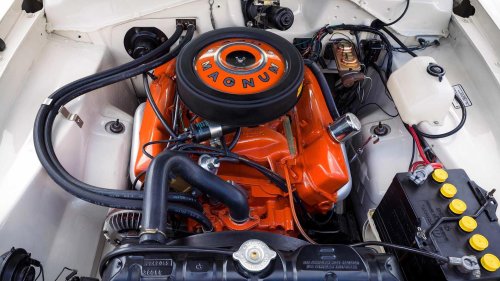
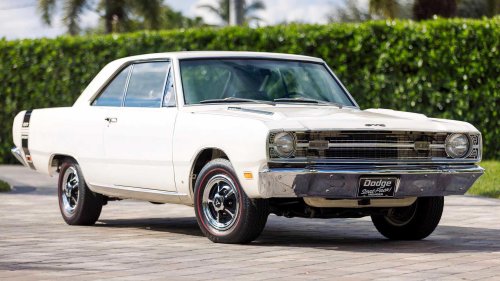
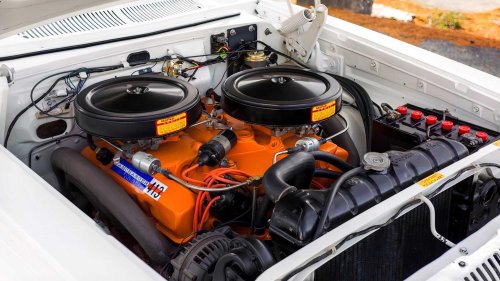
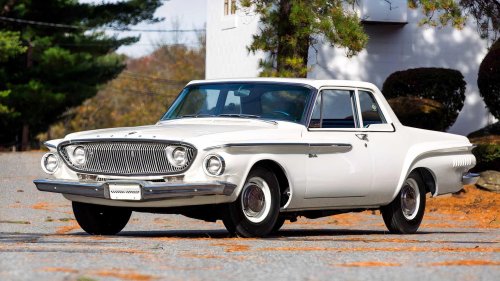
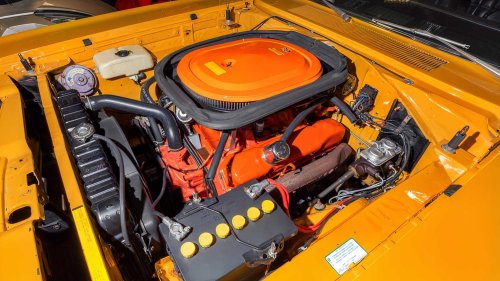
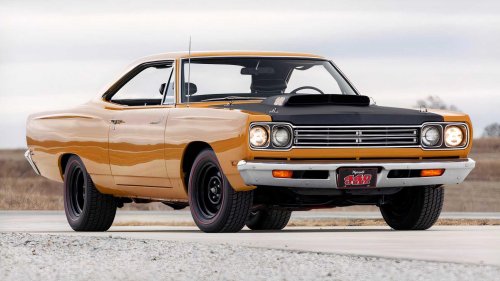
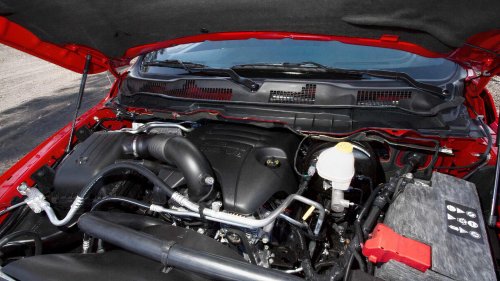
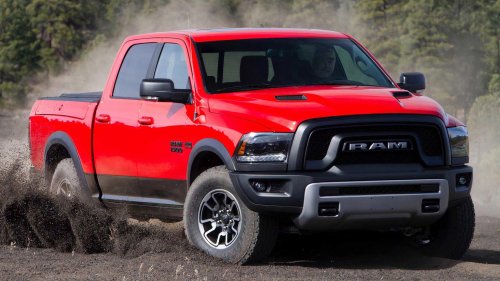
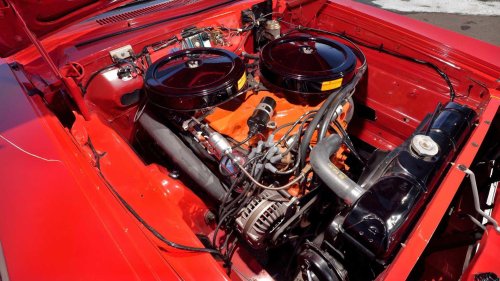
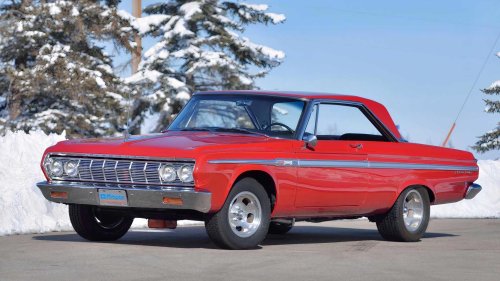
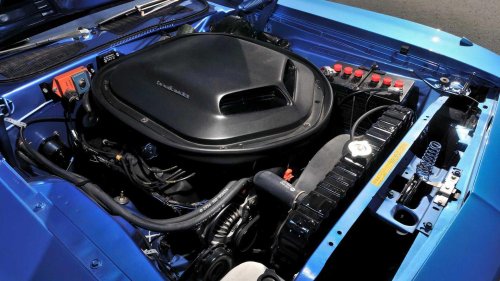
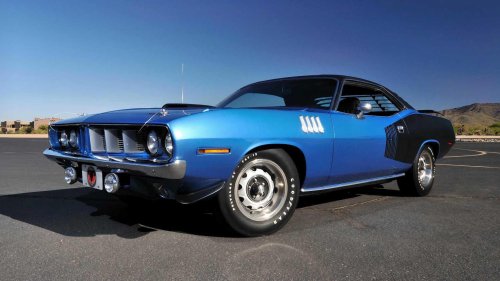
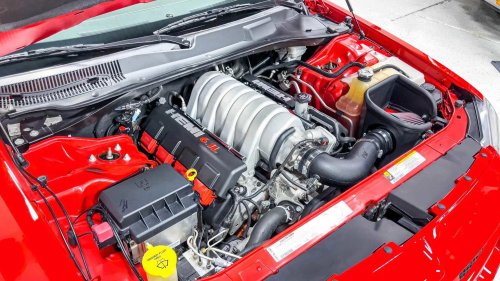
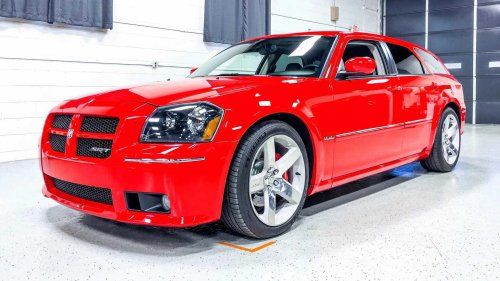
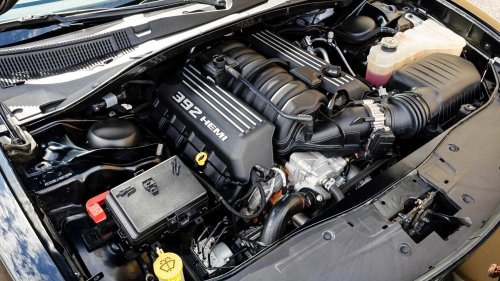
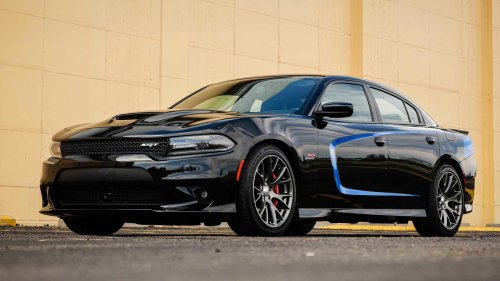
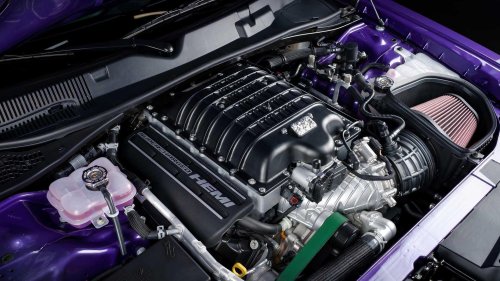
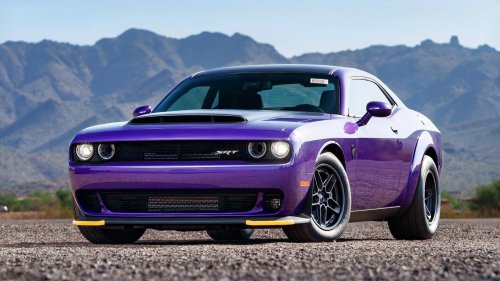



















Since the dawn of American performance, Chrysler and its divisions, collectively known as Mopar, have led the way, and it can be argued that they actually ushered it in. While everyone else was churning out road slugs, Chrysler V8s delivered the kind of horsepower that was usually reserved for the racetrack directly to the people. In the 1950s, Chrysler fired the first shot in the horsepower wars and never relented, dominating the streets in every era since, based on the strength of their unbeatable eight-cylinder engines.In the pre-1964 proto-muscle era, Dodge and Plymouth ruled the streets and the tracks with Max Wedge big-blocks that had no equal. During the Golden Age of American Muscle, Mopar once again reigned supreme with the 426 Street Hemi, for which neither Chevy nor Ford had an answer. In the modern muscle car age, the rebooted Hemi and its supercharged variants were, and still are, the most ferocious internal combustion engines ever equipped in a factory ride. Here's a look at the iconic Mopar V8s that made street legends out of the cars that were packing them under their hoods.These mighty Mopar V8s are ranked by their factory horsepower ratings, from lowest to highest. 392 Firepower V8 Maximum Power: 375 HP Via: Mecum AuctionsIn 1957, the 287ci "Fuelie" small block produced 297 horsepower for the Bel Air and Corvette, marking the most powerful V8 Chevy made. That same year, Ford's top engine was the 300-horsepower 312ci turbocharged V8 of the F-Code Thunderbird and Fairlane 500. Chrysler looked at those cars and laughed as they unleashed the 375-horsepower '57 300C, which was the fastest and most powerful ride of the entire decade. The 300C achieved this title with a 392ci FirePower V8 that is still a legend almost seven decades later. Engine Specifications And Applications Via: Mecum Auctions The Chrysler FirePower engines were first developed during WWII for fighter planes and tanks, but made their debut in passenger vehicles in 1951. The engines featured hemispherical combustion chambers that allowed for cleaner burns and more power than conventional heads. These were the first Hemi engines, though they weren't marketed as such. The best of the FirePower V8s came in 1957 with the dual-quad 392 that made the 300C the first real muscle car. There was a fuel-injected 390 pony 392 for the 1958 300D, but it was such a mess that 15 of the 16 cars that came equipped with it were recalled, so we're not going to count it.Production Years: 1957-1958 Displacement: 392ci Power: 375 HP Torque: 345 LB-FT Noteworthy Applications: 1957 Chrysler 300C 440 Magnum/Super Commando V8 Maximum Power: 375 HP Mecum In 1966, Chrysler made the awesome 426 Street Hemi available to all Dodge and Plymouth intermediate rides, which was the exact moment that Mopar won the Golden Age of American Muscle. As a compact, the Dodge Dart was locked out of the Hemi sweepstakes, though there was a limited edition Hurst factory drag car in '68, but nothing mass-produced. In fact, the Dart was limited to the 383ci V8 for most of the classic era, until 1969, when the GTS finally got a 440 big-block that did wonders for the Mopar junior muscle car. With ETs in the low 13s and even high-12s, the diminutive Dodge had Hemi-like performance. Engine Specifications And Applications MecumThe Chrysler RB 440ci V8 was first used in 1965, but in 1967 got a 375-horsepower high-performance version that formed the backbone of Mopar performance. This was the third most powerful engine for Dodge and Plymouth muscle cars, but was actually better than the top GM offerings as well as the Ford Cobra Jet big-blocks. Hemis and Six-Packs were pretty rare back then, but cars with the 440 were ubiquitous and kicked most of the ass on behalf of Mother Mopar. In a Charger or Coronet, the 440 was an engine not to be fooled with, but under the hood of the much smaller '69 Dart GTS, made for an unstoppable force.Production Years: 1965-1978 Displacement: 440ci Power: 375 HP Torque: 480 LB-FT Noteworthy Applications: 1969 Dodge Dart GTS 413 Max Wedge V8 Maximum Power: 390 HP 1962 Dodge Dart 330 413ci Max Wedge V-8Surf rockers The Beachboys released a song that was the B-side to the "Surfin' USA" single, which told the allegedly true story of a 1963 Corvette smoking a 1962 Dodge Dart Max Wedge 413 in a drag race. This is, of course, a complete work of fiction, as the far more powerful Dart, even with the greenest of noobs behind the wheel, would take the 'Vette on any day. Even the song's lyrics back this up as the Dart got a clean launch, while the Corvette spun its wheel,s and there's no way it could possibly recover from that bad start. In the real world, a 1962 Dart 330 with a 413ci Max Wedge V8 never lost a red light challenge to anything with a bowtie logo. Engine Specifications And Applications MecumWhile the Chrysler Hemi engines have a hemispherical combustion chamber, the B and RB V8s are wedge-shaped, hence the name "Max Wedge." Actually, they only get "Maxed" with 413 equipped with two four-barrel carburetors, which is also known as the "Ramcharger 413." There are actually some conflicting reports on the performance of this engine, with sources rating it from 380-420 horsepower, with anywhere from 410-530 pound-feet of torque. That '62 pictured above claims in its Mecum Kissimmee 2018 listing that it's a 410-horsepower car, but it's likely a race version, while the production 413 Max Wedge was almost certainly rated at 390 ponies. Whatever the case may be, it could blow the doors off of a 360-horsepower '63 'Vette with a 327 L84.Production Years: 1959-1965 Displacement: 413ci Power: 390 HP Torque: 410 LB-FT Noteworthy Applications: 1962 Dodge Dart 330 440 Six Pack/6BBL V8 Maximum Power: 390 HP Mecum The original mission statement for muscle cars was to provide a cool-looking set of wheels that went fast and was affordable, but as the Golden Age rolled on, factory street machines were getting loaded with features and becoming increasingly expensive. Plymouth set out to right the ship in 1968 with the stripped-down Road Runner that was all killer and no filler. Starting at $2,870, it was already cheap, but could be ordered without backseats or carpets to save a few extra bucks. The engine options started with the base 383ci V8 and stretched to the awesome 426 Street Hemi, and in 1969, got the budget-friendly high-performance 440 6BBL. Engine Specifications And Applications MecumChrysler took their already amazing 440 RB V8 and made it even better with the addition of a three two-barrel carburetor intake system that squeezed another 15 horsepower and 10 pound-feet of torque out of it. At Dodge, this new working-class powerplant was known as the "Six Pack," while Plymouth called their version the "6BBL" or "Six BBL." The brilliance of this engine, besides its power, was that it offered Hemi-like performance for nearly half the price, which went along great with the budget vibe of the Road Runner or Dodge's Super Bee. In '69, the Hemi option added $714 to the price of a Road Runner, while getting the nearly-as-good 440 6BBL was just $462.Production Years: 1969-1971 Displacement: 440ci Power: 390 HP Torque: 490 LB-FT Noteworthy Applications: 1969 Plymouth Road Runner A12 5.7-Liter Hemi V8 Maximum Power: 395 HP Stellantis Most people probably don't know that when Dodge resurrected the Hemi V8 in the new millennium, it wasn't intended as a muscle car engine, but rather to power trucks. The 5.7-liter Hemi was available for the Ram 1500 and 2500HD, as well as the Durango SUV, and was introduced in 2003 as a replacement for the 5.9-liter Magnum V8. It was an instant hit, as its 345-horsepower gave the trucks a lot more zip over the Magnum's 245 ponies and made the Ward's 10 Best Engines list from 2003-2007, with a return in 2009. Because of the inherent greatness of this engine it made whatever vehicle it was installed in a blast to drive, including the gonzo 2015 Ram 1500 Rebel. Engine Specifications And Applications StellantisWhen Dodge rebooted the Charger in 2006, it was the perfect opportunity to reunite the legendary nameplate with the iconic Hemi V8. The 5.7-liter Hemi is a bulletproof performance engine that continues powering Mopar rides to this day. Starting out at 245 horsepower, the engine got a refresh in 2009 with Variable Camshaft Timing and higher-flow heads that increased output. Intake manifolds are model-specific, so the 5.7-liter Hemi is different in every application. It generates 370 horsepower in the Charger R/T but is five ponies better in the Challenger and 10 hp weaker in the Durango. For reasons that no truck owner will argue with, the 5.7-liter Hemi is tops in the Ram 1500, cranking out 395 horsepower.Production Years: 2003-present Displacement: 5.7 Liters Power: 395 HP Torque: 410 LB-FT Noteworthy Applications: 2015 Ram 1500 Rebel 426 Max Wedge V8 Mecum Maximum Power: 425 HP The 426 Street Hemi was such an iconic engine during the Golden Age of American Muscle that many people have forgotten about its predecessor, the 426 Max Wedge, which was every bit as powerful. Developed as a race engine, the 426 Max Wedge took countless checkered flags in the early 60s on the NASCAR circuit and blew off all the doors at drag strips. While this was intended as a professional racing engine, it was too hard to resist putting it under the hoods of production Mopars, so in 1963 they made for some of the baddest Dodge and Plymouth intermediates to ever tear up the streets. The 1964 Pontiac GTO is credited as the first muscle car, but that same year, a Plymouth Sport Fury with a 426 Max Wedge was 77 ponies more muscular. Engine Specifications And Applications Mecum The RB-series 426ci Max Wedge V8 was fitted with dual Carter AFB 4-barrel carburetors, high-flow heads, and had a cross-ram aluminum intake that helped this sucker pump out 425 glorious horses, with 480 pound-feet of torque to boot. This is about the same output of the 426 Hemi, but with slightly less torque, and in drag racing applications made an 11-second car. On the streets, a '64 Sport Fury could run in the low 13s, which was good enough to smoke the 14 and 15-second GM or Ford rides of the day. There was also a 365-horsepower 426 Street Wedge with a single four-barrel car,b which still would have been the top V8 of '64, but it seems so puny compared to the 426 Max Wedge.Production Years: 1963-1964 Displacement: 426ci Power: 425 HP Torque: 480 LB-FT Noteworthy Applications: 1964 Plymouth Sport Fury 426 Street Hemi V8 Mecum Maximum Power: 425 HP The Chrysler 426ci Hemi V8 was the defining engine of the classic muscle car era and powered the fastest, coolest rides of the period. This is another engine that was meant for the track, with the singular purpose of ensuring Richard Petty's Plymouth Belvedere kicked all the ass in NASCAR, which it most certainly did. The problem was, it was too awesome, and Ford went crying to NASCAR, which banned the engine until it was homologated, or sold to the public in a ceratin number. In 1966, Chrysler made the 426 Street Hemi available to all Dodge and Plymouth intermediate cars, and suddenly, everything else on the street became irrelevant. Any Hemi-equipped Mopar was a 13-second car, but for reasons that don't entirely make sense, was quicker under the hood of the 1971 Plymouth Hemi 'Cuda with an era-best 13.1-second ET. Engine Specifications And Applications Mecum The debut of the 426 Street Hemi was kind of a free-for-all with it being an option on things as weird as a 1966 Dodge Coronet station wagon, but in 1968, Chrysler limited it to dedicated muscle car nameplates like the Charger or Road Runner. Like its predecessor, the 426 Max Wedge, the Hemi had a dual-quad carburetor set-up to feed its furious 425 horsepower output. While it seems like classic Hemis are everywhere, cars equipped with them are incredibly rare, with only 9,778 ever leaving the factory. As such, Dodge and Plymouth Hemi cars are among the most collectible and command prices in the six-figures and even millions. Once again, the '71 Hemi 'Cuda leads all Mopars with one selling for $3.5 million back in 2014 and another that was bid up to $4.8 million in 2021 but failed to hit the reserve and didn't sell.Production Years: 1966-1971Displacement: 426ciPower: 425 HPTorque: 490 LB-FTNoteworthy Applications: Plymouth Hemi 'Cuda, Dodge Charger, Dodge Coronet, etc. 6.1-Liter Hemi V8 BaT Maximum Power: 425 HP The 6.1-liter V8 is the forgotten engine from the third-gen Hemi family, but no less awesome or significant than the others. Developed initially for the 2005 Chrysler 300C SRT8, it only ran until the 2010 model year, when it was replaced by the 392 HEMI. In its short existence, it found a home under the hoods of the 2006–2010 Dodge Charger SRT-8, 2006–2010 Jeep Grand Cherokee SRT8, and 2008–2010 Dodge Challenger SRT8, any of which would qualify as a noteworthy application. However, because the 6.1-liter Hemi is amazing, yet overlooked, we're going to give the nod to the tragically slept-on 2008 Dodge Magnum SRT8, which was a killer muscle car that came with some practicality as well. Engine Specifications And Applications BaT The thing that makes the 6.1-liter Hemi important is its output, which is 425 horsepower. That, if you will recall, is the same number of ponies the legendary 426 Street Hemi pumped out, so for the first time in almost four decades, a Dodge muscle car finally had a 425-horsepower Hemi V8. 1971 was the final year for the OG 426 Hemi, which actually marks the official end of the Golden Age, ushering in the Dead Horsepower Era, which lasted into the 1990s.When Dodge brought the Hemi V8 back in 2004, there was much rejoicing in Moparville, but in the back of every fan's mind was the fact that it wasn't as powerful as the original. With the 6.1-liter Hemi hitting the 425 horsepower benchmark, all was right in the Dodge universe, with bitter memories of K-Cars and Omnis all but erased.Production Years: 2005-2010 Displacement: 6.1 Liters Power: 425 HP Torque: 420 LB-FT Noteworthy Applications: 2008 Dodge Magnum SRT-8 6.4-Liter Hemi 392 V8 Maximum Power: 485 HP Bring a Trailer During the modern muscle car era, Dodge leaned heavily on its classic roots, most notably, bringing the Challenger and Charger back from the dead. They also gave a lot of shout-outs to their heritage with special edition Super Bees, Swingers, and Daytonas, as well as resurrecting the Scat Pack. In 2011, however, they paid the ultimate tribute with the 6.4-liter Hemi V8. To casual observers, this would seem to be fairly unremarkable, but the hardcore Mopar nuts know that 6.4 liters translates to 392 cubic inches, which is the displacement of the original FirePower engine with hemispherical combustion chambers. The original Hemi, updated for modern times, was never better than in the 2015 Dodge Charger SRT 392, which itself was a reimagining of a classic. Engine Specifications And Applications Bring a TrailerSince the FirePower 392 made the '57 300C a legend, it was a natural fit for the modern Chrysler 2012 300 SRT8 and later the 2023 300C, but this was the new-school muscle car era, so it had more impact in the Charger. In 2011, the 6.4-liter Hemi 392 was rated at 470 horsepower, but in 2015, that was bumped up to 485, making it the most powerful naturally-aspirated Hemi as well as muscle car engine until the Ford 5.0-liter Coyote V8 overtook it in 2024.While the original FirePower 382 was exclusive to the Chrysler Letter-Series cars of the late '50s, the 6.4-liter Hemi 392 was, and is, an equal opportunity destroyer, transforming Chalengers, Chargers, Durangos, as well as Jeep Grand Cherokees, Grand Wagoneers, and Wrangler Rubicons into soul-taking street assassins.Production Years: 2011-present Displacement: 6.4 Liters Power: 485 HP Torque: 475 LB-FT Noteworthy Applications: 2015 Dodge Charger SRT 392 6.2-Liter Hemi Hellcat/Demon V8 Maximum Power: 1,025 HP Bring a Trailer In the Golden Age, there was allegedly a horsepower war with the Detroit automakers trying to outdo each other with increasingly more powerful muscle cars. We use the term "allegedly" because this war was effectively over in 1966 when Chrysler unleashed the 425-horsepower 426 Street Hemi, for which GM and Ford had no equal. Yes, the 1970 Chevy Chevelle SS 454 LS6 had 450 horsepower, but by that year, the classic era was effectively over. In the modern era, there was a bona fide horsepower war with the Dodge muscle cars, Chevy Camaro, and Ford Mustang all vying for King of the Streets status. Once again, Mopar chose the nuclear option and dropped the 707-megaton 6.2-liter supercharged Hemi Hellcat V8 in 2015. Engine Specifications And Applications Bring a TrailerHaving settled the modern horsepower conflict, Dodge then began a civil war against itself to one-up the sheer power of its muscle cars. There was a Redeye version of the Hellcat that escalated things to 797 horsepower and, of course, the 2018 Challenger SRT Demon that exploded the 6.2-liter supercharged Hemi to 808 horsepower on pump gas or 840 running 100-octane racing fuel. When it seemed like this ultimate Hemi had reached its peak, Dodge said, "hold my beer" and countered itself with the 2023 Challenger SRT Demon 170, which churned out a mind-bending 1,024 horsepower. It would take the combined power of 2.73 Firepower 392 V8s or 2.4 426 Street Hemis to equal the insane performance of the Demon 170. Unfortunately, the rebooted Challenger was discontinued in 2023, but with the SRT Demon 170, it got to go out as the greatest muscle car of all time.Production Years: 2015-present Displacement: 6.2 Liters Power: 1,025 HP Torque: 945 LB-FT Noteworthy Applications: 2023 Dodge Challenger SRT Demon 170 Sources: Chrysler, Mecum, and Ward's