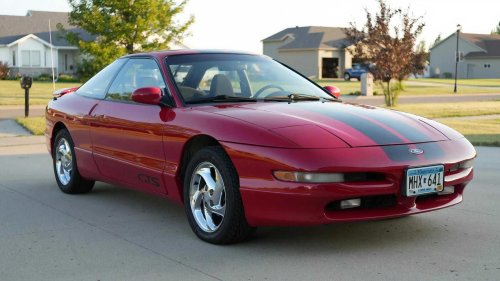
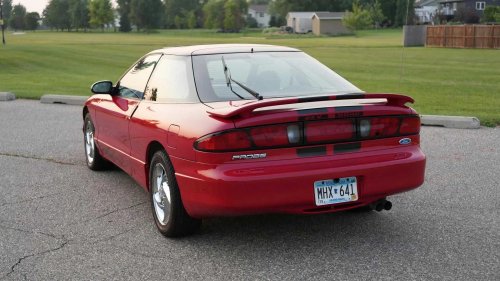
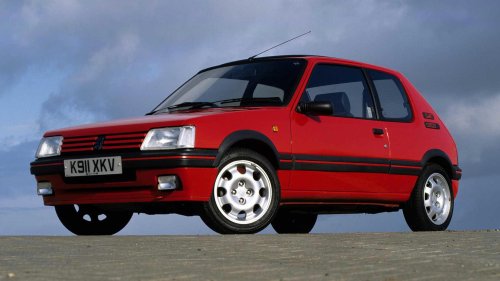
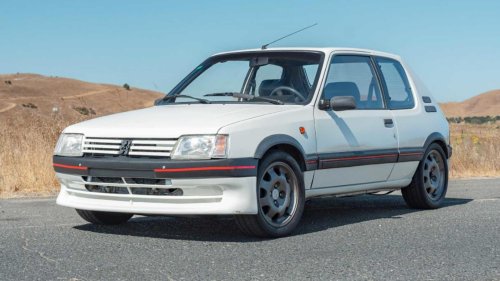
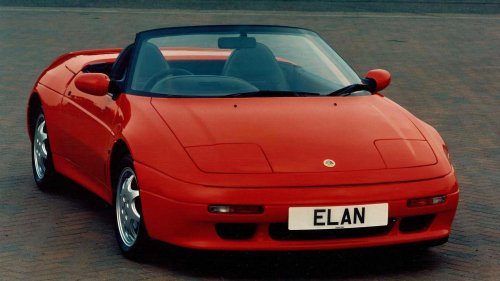
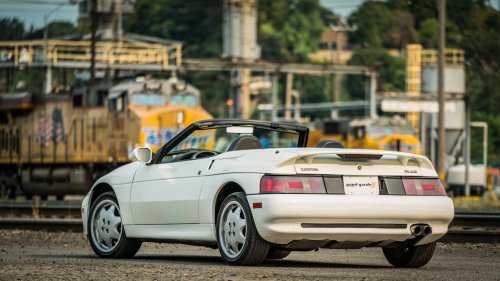
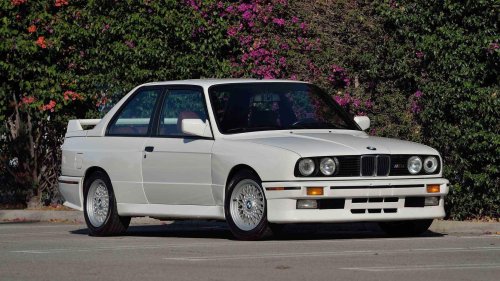
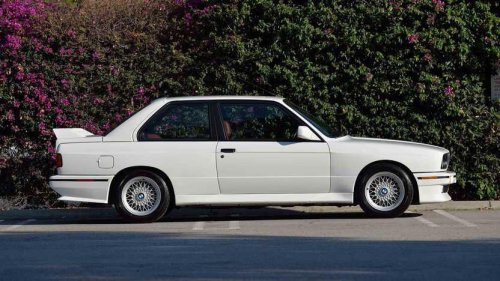
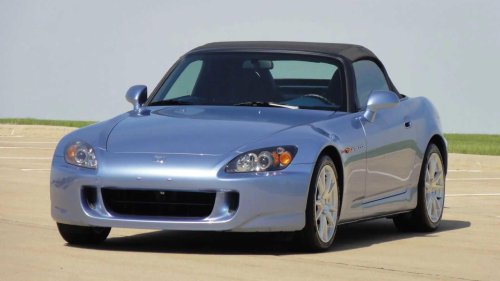
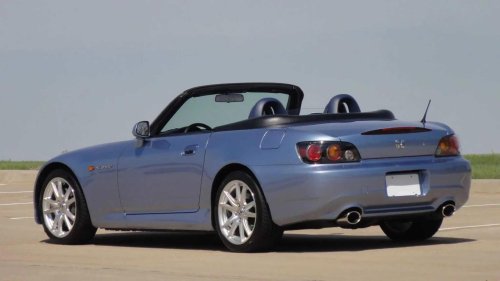
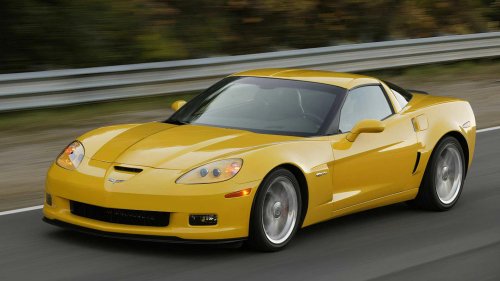
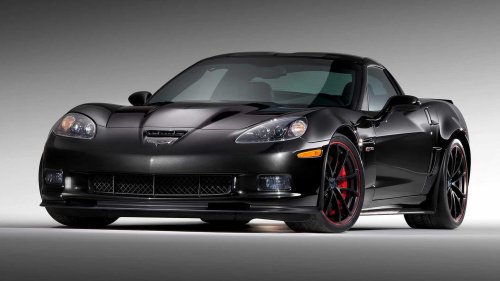
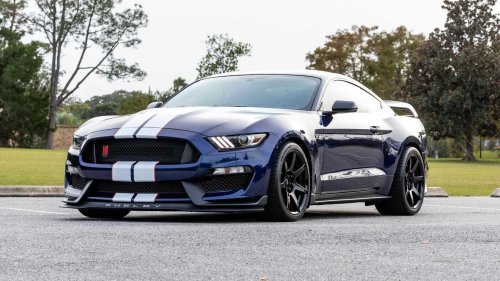
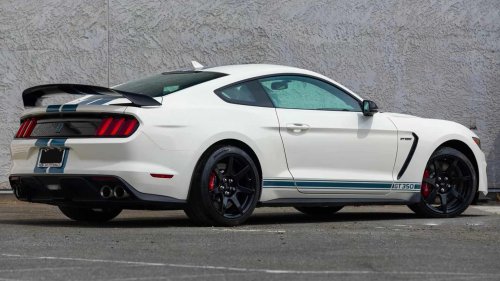
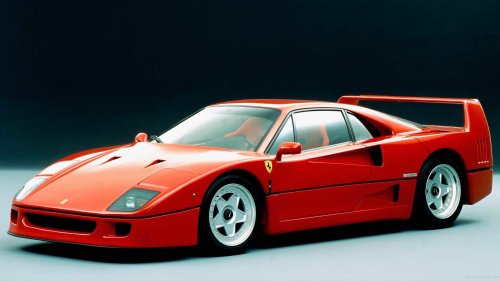
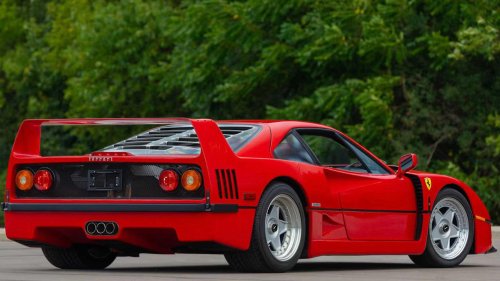
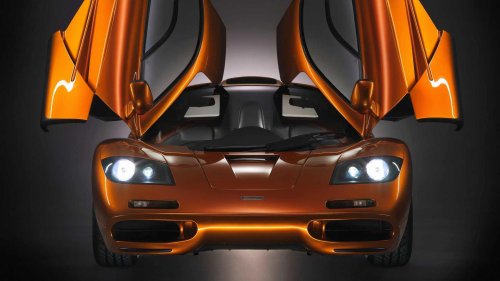
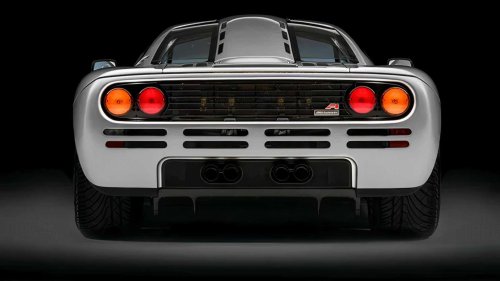
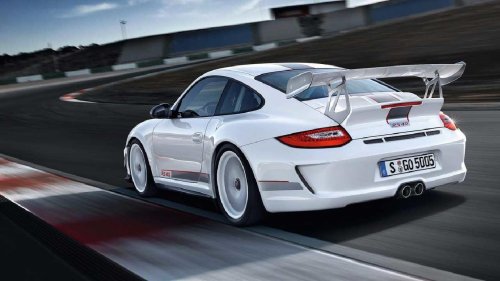



















Horsepower makes headlines, and so do 0-60 mph times, Nürburgring laps, and top-speed numbers that require a runway, a helmet, and possibly a stern call from someone’s lawyer. But great driver’s cars do not live on specs alone. The best ones make normal roads feel special – they talk through the steering wheel, breathe through the throttle, and make a driver take the long way home for no logical reason.This list ranks cars by the stuff gearheads actually care about – feel, balance, engine response, sound, looks, speed, cool factor, and that strange little spark that makes a machine feel alive. Of course, some cars here are icons. One is a front-drive Ford with pop-up headlights and a very strong case of “trust the process.” But the goal here is not to crown the fastest car – it is to rank the cars that make driving feel like an event.Welcome to Driver's Car Week on HotCars. We ranked these cars by the traits gearheads care about most - steering feel, chassis balance, engine response, sound, style, cool factor, and real-world excitement. Speed and performance mattered, but only when they added to the connection behind the wheel. Ford Probe GT BaT The second-generation Ford Probe GT earns the tenth spot because it did something far better than most people remember. It turned a front-drive, Mazda-linked Ford coupe into a sharp, smooth, genuinely likable enthusiast car – and a pretty affordable one. That sentence still sounds odd, like “gourmet gas-station sushi,” but the car backed it up. The 1993 Probe GT used a Mazda-built 2.5-liter, 24-valve V6 with 164 hp, and period testing praised the engine’s smooth pull, easy-revving nature, and clean 7,000-rpm rush.BaT The Probe GT also fixed one of the first-gen car’s big sins – unruly torque steer. Ford and Mazda tuned the second-gen chassis into something nimble, stable, and more grown-up than the name suggested. And no, it will not outshine a pure rear-drive sports car, but it delivers a rare mix – space, style, V6 character, and enough weird ‘90s charm to make every gas stop a conversation. It is the sleeper pick here, and possibly the only car on this list that still looks like it knows a secret. Peugeot 205 GTI 1.9 Peugeot The Peugeot 205 GTI 1.9 feels like a terrier with a driver’s license. It is small, alert, a little scrappy, and very sure of itself. The numbers tell only part of the story – the 1.9-liter four made 130 hp and 118 lb-ft, which sounds modest until the car’s weight shows up at about 1,885 pounds. That gave the 205 GTI enough punch to reach 60 mph in the mid-seven-second range, with a top speed around 129 mph. In the late 1980s, that put serious pace inside a tiny hatchback.Via: Bring a Trailer The magic sits in the chassis. The 205 GTI had light controls, quick reactions, and that classic lift-off adjustability that made old hot hatches thrilling and, in the wrong hands, a bit spicy. It did not filter every bump, noise, or twitch, but that was never the goal. It let the road into the cabin like an excited dog jumping through the window, and that gave the driver real information. Modern hot hatches focus on grip, polish, and lap times, but the 205 chased involvement. Lotus Elan Sprint Lotus The Lotus Elan Sprint deserves its place because so many later sports cars tried to bottle the same flavor. The recipe looked simple and still is – low weight, small size, sharp steering, and enough power to keep the chassis awake. The Elan used a steel backbone chassis with a fiberglass body, four-wheel independent suspension, four-wheel disc brakes, and a Lotus-tuned Ford twin-cam engine.via BaT The later Sprint sharpened the idea. It had about 126 hp, weighed roughly 1,515 pounds, and could run 0-60 mph in about 6.2 seconds. That still sounds brisk today, but speed was not the only party trick. The Elan’s steering became legendary because it needed so little mass to manage. Mazda studied this kind of car spirit when creating the MX-5, but the Elan remains the original featherweight professor. BMW E30 M3 Via: Mecum Auctions The E30 M3 started as a racing tool – BMW built it for Group A touring car homologation, which meant at least 5,000 road cars had to exist before the race car could play. The original M3 reached production in 1986 as a road-going version of a racing sedan, with a high-revving four-cylinder engine, serious chassis work, and only the doors and roof sharing much with the regular 3 Series coupe.Via Mecum Auctions It lands here because it nails a rare balance. It has enough grip and structure to feel serious, but it never hides its compact size or mechanical roots. The 2.3-liter S14 four made around 200 hp in early versions, and BMW quotes 0-62 mph in 6.7 seconds. Later Sport Evolution cars turned the wick higher, but the core appeal stayed the same – a well-tailored track shoe with license plates. Honda S2000 Bring A Trailer The S2000 is what happens when Honda engineers decide sleep can wait. Its 2.0-liter F20C four made about 240 hp at 8,300 rpm and ran to a 9,000-rpm redline. Its 120 hp-per-liter ratio set a record for a mass-produced naturally aspirated engine at the time. That engine defines the car – below VTEC, it feels tidy and focused, and above it, the S2000 turns into a tiny brass section in a marching band. Subtle? Not really. Fun? Absolutely.Bring A Trailer The S2000 also asked something from its driver. Early AP1 cars had quick steering, a tight six-speed manual, rear drive, and a short wheelbase that could punish sloppy inputs. That gave the car a reputation for being lively, especially near the limit. But that edge also made it memorable. The S2000 rewards clean hands, smart throttle use, and a willingness to keep the engine boiling. Chevrolet Corvette Z06 C6 Chevrolet The C6 Corvette Z06 is America’s big middle finger to the idea that a driver’s car has to be delicate, tiny, or European. It has a 7.0-liter LS7 V8, 505 hp, a six-speed manual, rear-wheel drive, and a curb weight that stayed impressively low thanks to an aluminum frame and carbon-fiber body pieces. It also used dry-sump oiling, which sounded exotic until Chevy put it in a Corvette and let regular people buy one. Well, regular people with very understanding tire budgets.Via: General Motors The Z06 feels special because it does not smother the driver with polish – it has grip, speed, and huge torque, but it still feels raw enough to keep a driver involved. Press the throttle and the car lunges forward with a deep V8 roar that makes tunnels feel like public service announcements. Yet the real surprise is the chassis – the C6 Z06 can hustle through corners with real balance. Ford Mustang Shelby GT350R Cars and Bids The Shelby GT350R turned the Mustang into something nobody expected – a high-revving, track-bred driver’s car with actual finesse. Its 5.2-liter Voodoo V8 used a flat-plane crank, made 526 hp, and screamed past 8,000 rpm like it wanted to audition for an Italian supercar. That engine alone earns it a place here – it has character for days, and unlike many modern performance engines, it does not feel like a laptop asked permission before making noise.Via: Mecum Auctions The GT350R also had the hardware to back up the drama. Ford gave it a sharp Tremec manual, sticky tires, serious suspension tuning, and available carbon-fiber wheels, which helped cut unsprung weight. Less weight at the wheels helps the car react faster, brake cleaner, and feel more alert. The result is a Mustang that turns in with bite, stays composed, and rewards a driver who treats it with respect. Not something you expect from a Mustang, right? Ferrari F40 Ferrari It’s legends' time, and the Ferrari F40 ranks this high because it turns intimidation into art. Ferrari built it to celebrate its 40th anniversary, and it still looks less like a road car than a warning label with wheels. The F40 could hit 62 mph in about 4.1 seconds and reach 201 mph, and you can only imagine how wild this performance was in the late 1980s.Via: Mecum Auctions But the F40’s greatness comes from its lack of manners. It has turbo lag, noise, heat, and a cabin that feels like Ferrari spent the comfort budget on more boost. Good. That is the point. Below the boost threshold, the car waits, then the turbos arrive, and the whole thing lunges forward like it heard someone insult Maranello. It demands respect, but it gives the driver a pure chain of cause and effect – throttle, boost, grip, bravery, repeat. Not exactly friendly, but totally unforgettable. McLaren F1 McLaren The McLaren F1 almost takes the top spot because it redefined what a road car could be without forgetting the driver. The F1 arrived in 1992 with a central driving position, a naturally aspirated BMW Motorsport V12, and a focus on response and purity rather than simple bragging rights. Of course, it still had bragging rights. A 627-hp V12, a six-speed manual, carbon-fiber construction, and a three-seat layout made the F1 feel like a moonshot that somehow got number plates.McLaren That central seat is actually way more important than you might think. It puts the driver on the car’s centerline, with clear sightlines and no offset pedal weirdness. The F1 makes the driver the point of the whole machine, but it also carries a wonderful contradiction – it is rare, valuable, and wildly fast, yet its core ideas are pure and simple. The only reason it misses first place on our list is that one Porsche may connect road, track, engine, and driver even more tightly. Porsche 911 GT3 RS 4.0 Porsche The Porsche 911 GT3 RS 4.0 takes the win here because it feels like the last chapter of an old-school performance bible. Porsche announced it in 2011 as a 600-unit limited edition with a motorsport-derived 4.0-liter flat-six, 500 hp at 8,250 rpm, titanium connecting rods, and a crankshaft taken from the GT3 RSR race car. It came only with a six-speed manual, reached 60 mph in 3.8 seconds, and weighed 2,998 pounds with a full tank. The 997-generation GT3 RS 4.0 wins our hearts because it blends rage and precision better than almost anything else. It has the weird rear-engine 911 feel, but Porsche sharpened it into something clear, fast, and deeply rewarding. The engine revs like it has unfinished business, the manual gearbox keeps the driver involved, and the steering still belongs to the hydraulic era, when front tires sent actual messages instead of vague corporate emails. It also looks the part – wide, low, winged, and serious without becoming cartoonish. Plenty of cars on this list deliver joy, but the RS 4.0 delivers joy, skill, noise, speed, and history in one hard-edged package. That makes it the greatest driver’s car for us.