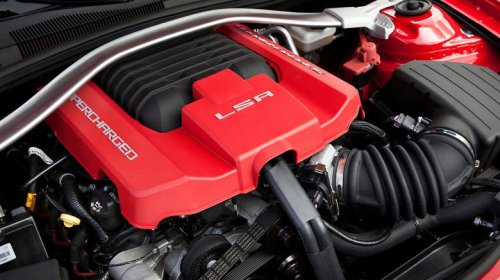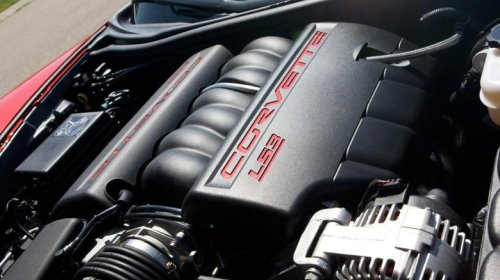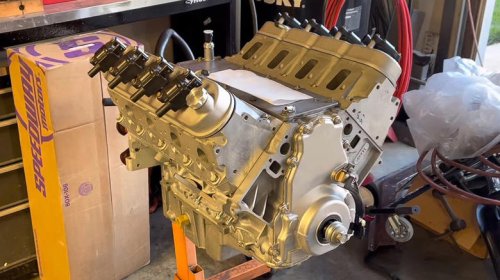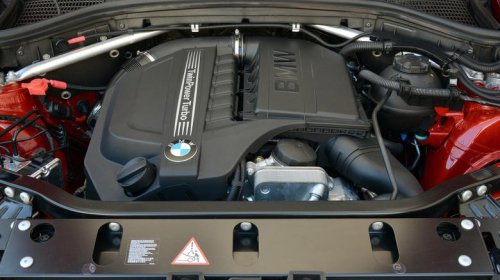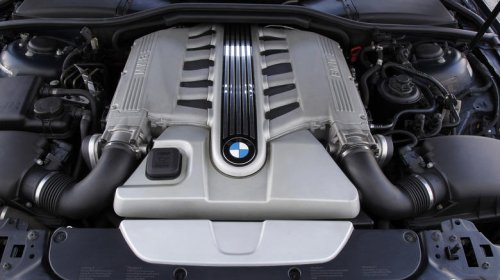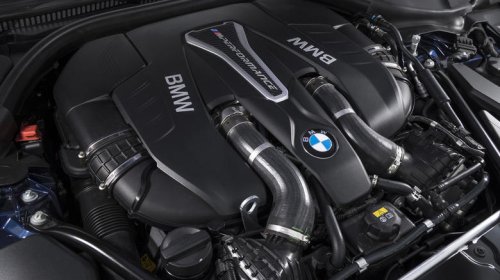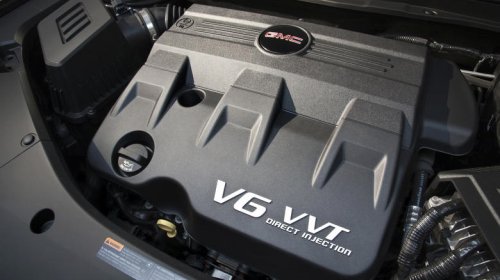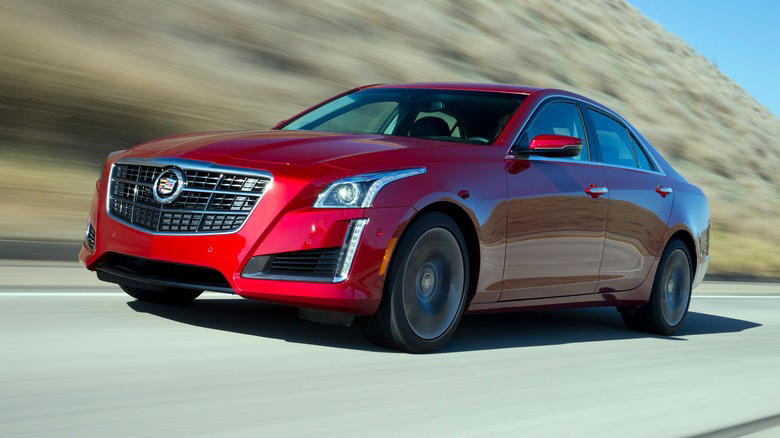
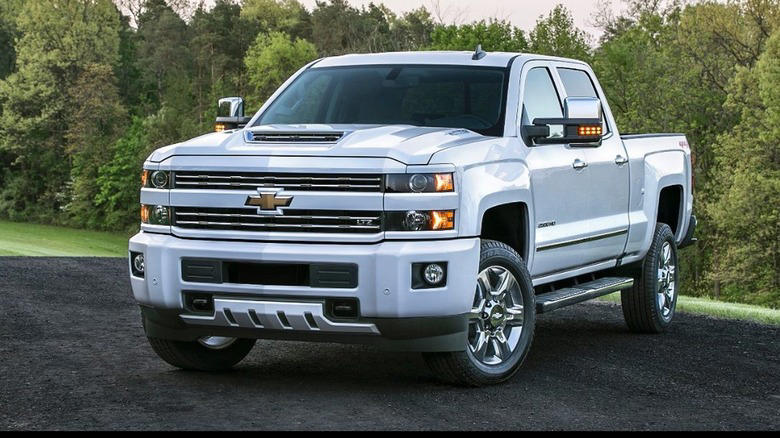
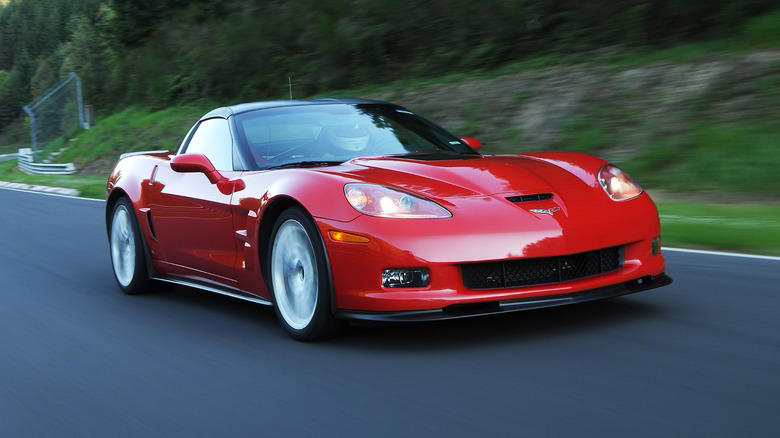



















3.6-Liter Twin-Turbocharged V6 LF3 -- 420 HPCadillac introduced the LF3 engine in the 2014 Cadillac CTS Vsport and XTS Vsport sedans. This was Cadillac's first twin-turbocharged engine with an architecture based on the LFX, a naturally aspirated 3.6-liter V6. The LF3 inherited LFX's proven technologies like direct injection, variable valve timing, and dual overhead camshafts. However, unlike the LFX, the LF3 also had a lot of new components, making it the most potent V6 from Cadillac at the time, with 118 horsepower per liter.In the XTS Vsport, the 3.6-liter V6 LF3 produced 410 horsepower and 369 lb-ft of torque. It paired with a six-speed automatic transmission, powering all four wheels. The Cadillac CTS Vsport upped the performance to 420 horsepower and 430 lb-ft of torque. Unlike the XTS, it used an eight-speed automatic transmission, powering the rear wheels. This resulted in a reasonably quick 0-to-60 mph run of 4.6 seconds. To help make the engine deliver constant power, Cadillac opted for two smaller turbochargers and an efficient charge air cooler. This also helped the engine deliver around 90% torque from 2,500 to 5,000 rpm.The LF3 also shared a similar design with the 6.2-liter LSA V8, helping make it more effective and efficient. These enhancements and performance figures made the LS3 better than competitors like the BMW 535i, which had a turbocharged 3.0-liter six-cylinder with 300 horsepower and 300 lb-ft of torque. Surprisingly, the V6 LF3 engine also had better horsepower per liter than BMW's turbocharged 4.4-liter V8 in the 550i, which had 101 horsepower per liter. The BMW's larger displacement and more horsepower only made the 550i 0.1 seconds faster than the CTS Vsport from 0 to 60 mph.6.6-Liter V8 Duramax Turbo Diesel L5P -- 470 HPThe 6.6-liter L5P V8 is a high-performance diesel engine for heavy-duty pickup trucks. The L5P is among the newer Duramax engines, succeeding the LML V8 engine. General Motors introduced the L5P engine in 2017, powering the Sierra and Silverado HD trucks. Upon launch, the engine produced an impressive 445 horsepower and 910 lb-ft of torque, but nowadays, the 2024 trucks boast 470 horsepower and 975 lb-ft. This makes it more powerful than the standard 6.6-liter L8T V8 gasoline engine with 401 horsepower and 464 lb-ft of torque.GM's L5P engine boasts the next-generation design with a rotating assembly, improved cylinder head design, new camshaft profile, and a stronger cylinder block. The L5P also uses a vehicle air intake system, providing cooler engine temperatures and sustained performance in strenuous conditions. This helps make the L5P a better rival to Ram's 6.7-liter turbodiesel engine, which powers the 2500 and 3500 trucks. That six-cylinder diesel produces up to 400 horsepower and 1,000 lb-ft of torque.6.2-Liter Supercharged V8 LS9 -- 638 HPWhen Chevrolet introduced the LS9 in the Corvette ZR1 in 2009, it was General Motors' most powerful production engine. The LS9 helped the Corvette ZR1 produce 638 horsepower and 604 lb-ft of torque. Chevrolet used a twin-rotor Eaton supercharger with a four-lobe rotor design, giving the LS9 a broad performance range. The LS9 also had a charge cooling system, which boosted performance by reducing inlet air temperature. Like some of its V8 siblings, the LS9 was hand-assembled at GM's Performance Build Center and had specialty processes common in racing engines to help promote its overall performance.In the Corvette, the LS9 was paired with a stronger six-speed manual transmission to handle the additional power. The transmission also had a twin disc clutch, offering easy clutch pedal effort and great clamping power. All these performance components helped make the ZR1 the first production Corvette to have a top speed of over 200 mph. The Corvette could do 205, matching the fastest street-legal 911 at the time, the 997 911 GT2.The Corvette ZR1 also had a good EPA fuel economy rating of 14 mpg city, 20 mpg highway, and 16 mpg combined, better than rivals like the Lamborghini Murcielago and the Ferrari 599. Despite the LS9 being only available from 2009 to 2013, Chevrolet still offers it as a crate engine, promising ZR1 performance.