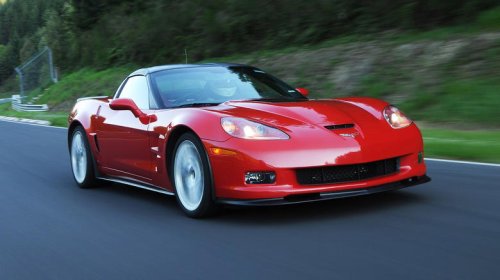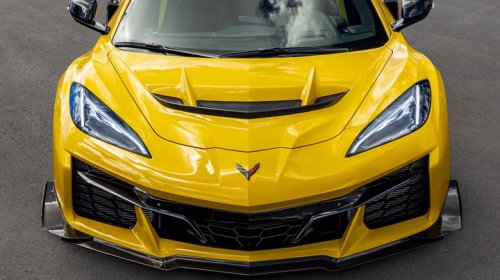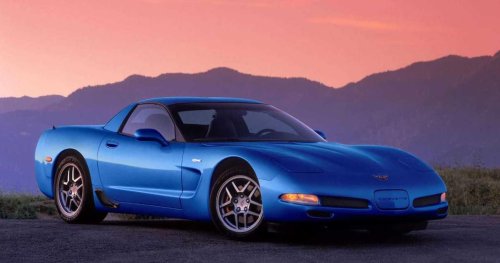
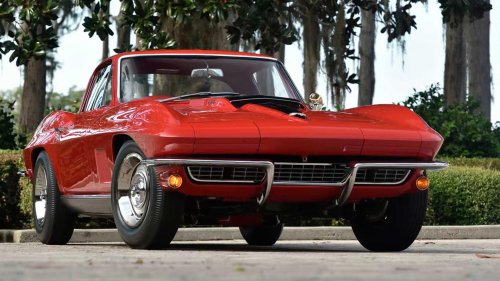
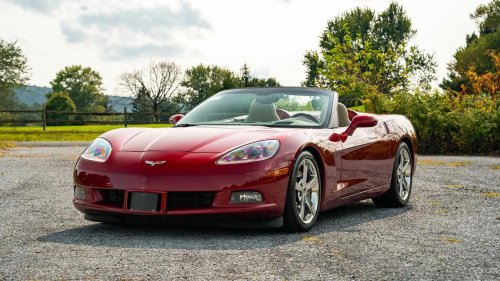
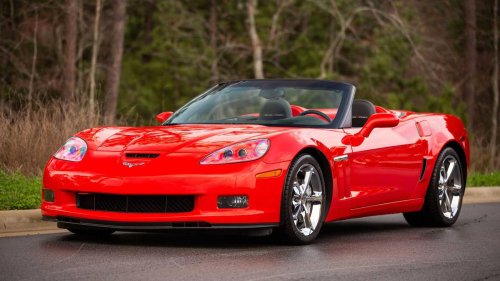
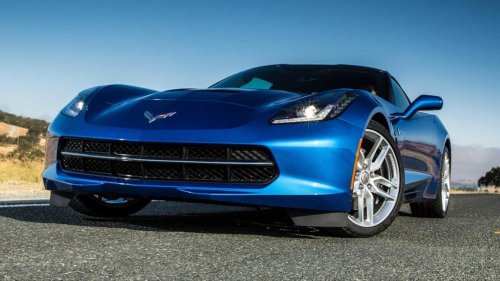
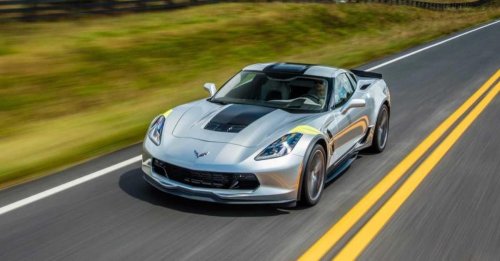
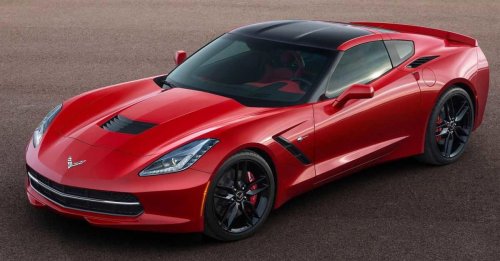
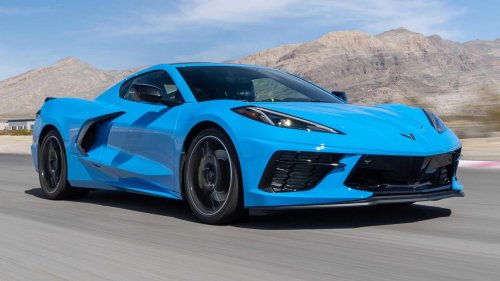
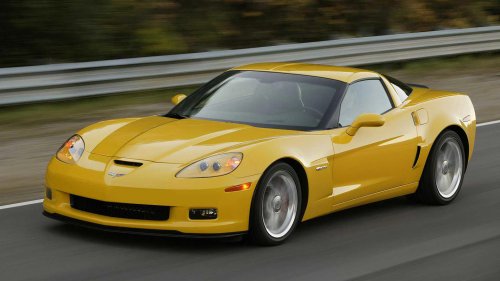
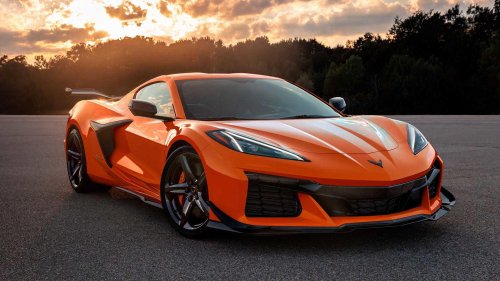



















For decades, Corvettes earned respect the old-fashioned way; big-displacement V8s, high compression, free breathing, and zero boost. The C8 ZR1 is the first turbocharged production Corvette ever, and plenty of modern models have used superchargers, but every car in this list stays pure NA. From the C2 big-block era to the flat-plane crank LT6, Chevrolet chased power with displacement and tech, not forced induction shortcuts.We stuck to factory-claimed power outputs and disregarded aftermarket tuners to keep this fair. The spread climbs hard, and one new car hits a number that feels unreal for a street-legal NA V8. Let’s run through the ten most powerful naturally aspirated Corvettes ever. C5 Corvette Z06 (2002–2004) LS6 5.7L V8 - 405 hp Chevrolet The C5 Z06 uses the 5.7-liter LS6 with 405 hp, and it arrived as a lightweight, fixed-roof coupe with track intentions. Engineers cut pounds, stiffened the chassis, and fitted a titanium exhaust, which made the car feel alive when pushed. The LS6 was built on the LS1 with better breathing, higher compression, and more rpm, which created a foundation for the Z06 legend that carried forward.On road courses, the C5 Z06 built a cult following similar to the Porsche 996 GT3 because it delivered honesty, mechanical feel, and NA punch at a price normal enthusiasts could reach. It marked a turning point for Corvette handling credibility and showed GM could do more than straight-line speed. Dollar for dollar, few NA cars give as much performance or feedback, and it still stands as a benchmark for value-minded drivers who want real track capability. Corvette L88 (1967 C2 / 1968–1969 C3) L88 7.0L V8 - 430 hp Via: Mecum Auctions The Corvette L88 wore a 430 hp rating on paper, but period racers and dyno pulls made it clear this 427 cubic inch monster pushed well over 500 hp in real life. Chevy built it as a race piece, so buyers got high compression, a solid lifter valvetrain, heavy duty cooling, and a dealer warning to run race gas. This car came stripped of creature comforts because the goal was speed, not convenience.Dealers famously told casual buyers to look elsewhere because the L88 was not a street toy, and many still went straight to tracks after delivery. Against legends like the Shelby Cobra 427, the L88 held its own and helped solidify Corvette racing credibility. For ranking integrity here, it stays locked to its factory 430 hp rating, but enthusiasts know the real story. This engine created the mythos behind big-displacement NA Corvettes and gave Chevy a fearsome halo in the late '60s. C6 Corvette LS3 (2008–2013) LS3 6.2 liter V8 - 430 hp Via: Bring a Trailer The C6 LS3 introduced the 6.2-liter V8 with 430 hp, and it set the foundation for the LT family that followed. It makes torque everywhere, which gives it a big block vibe in a modern package, and it always feels eager without the need for forced induction. The LS3 also came during a golden age for GM V8s, sharing tech roots with the Camaro SS and Pontiac G8 GT, which gave parts support and a massive tuner community.Drivers loved how this Corvette balanced daily comfort with weekend track potential, especially with Z51 suspension and brake upgrades. It never tried to be exotic, and it did not need to. This car proved NA Corvette performance could feel quick, reliable, and approachable at the same time. It also remains one of the easiest entry points into serious naturally aspirated American performance with a chassis that still feels agile and an engine that loves bolt-ons. C6 Corvette Grand Sport (2010–2013) LS3 6.2 liter V8 - 436 hp Via: Modern Classic Motorcars The C6 Grand Sport blends the LS3 6.2-liter V8 with 436 hp and track-focused chassis bits that give it real character. Manual transmission cars get a dry sump system, which shows how serious Chevy was about track reliability. Wider fenders, Z06-style wheels, and upgraded suspension pieces give this Corvette presence before you even fire it up. It communicates like an analog sports car and rewards smooth inputs, which gives it a different vibe than the digital all-wheel-drive experience rising in the Nissan GT-R era.Drivers who wanted naturally aspirated grunt with sharp turn in and consistent brake feel found a sweet spot here, especially with optional carbon ceramic rotors. This model also became a favorite with club racers for durability and predictable balance. The LS3 powerband, chassis response, and steering feedback combine to make this Grand Sport stand as one of the most rewarding naturally aspirated Corvettes to wring out. C7 Corvette Stingray (2014–2019) LT1 6.2 liter V8 - 455 hp Via Chevrolet The base C7 Stingray uses the LT1 6.2-liter V8 tuned to 455 hp when you run the standard exhaust, and it still pulls with authority. This spec stands out for offering pure rear drive dynamics, a light nose feel, and clean handling that makes backroad driving rewarding. The interior jump over the C6 helped mainstream the Corvette again, and even in base form, the chassis talks to you more than many premium cars.On the street, the Corvette C7 rolls past expectations and can keep a Mustang GT Performance Pack or Camaro SS honest with less weight and sharper response. The used market sweet spot also gives this Stingray real value, especially for drivers who want naturally aspirated shove without a forced induction budget. It shows that 455 hp still matters, and it serves as a reminder that NA power with a clean chassis can deliver smiles per mile without overthinking the formula. C7 Corvette Grand Sport (2017–2019) LT1 6.2 liter V8 - 460 hp Via: CorvSport The C7 Grand Sport brings the LT1 6.2-liter V8 with 460 hp and 465 lb-ft, then pairs it with the Z06 chassis minus the blower. That decision gave drivers widebody stance, aero bits, and serious grip from Michelin Pilot Super Sports or Cup 2s without supercharger heat to worry about. Purists chased manuals, while track regulars liked the quick shifting auto for consistency at HPDE events.On road courses, against a BMW M4 or Porsche Cayman GTS, the Grand Sport feels every bit the enthusiast’s pick thanks to grip, response, and NA shove. Many remember it as the sweet spot in the C7 lineup because it combines real aero, big brakes, and a planted rear end. Few modern cars deliver 460 hp with the same control, swagger, and old school Corvette personality. C7 Corvette Stingray Z51 (2014–2019) LT1 6.2 liter V8 - 460 hp Chevrolet The C7 Stingray Z51 uses the LT1 6.2-liter V8 with 460 hp when equipped with the performance exhaust, plus dry sump lubrication and enhanced cooling. This model helped launch the seventh generation with real intent, borrowing Magnetic Ride Control lessons from the C6 ZR1 to deliver confidence on fast roads. Brembo brakes, an eLSD, and smart traction calibration helped the car put power down, and launch control served clean, repeatable sprints.The Z51 setup gave buyers a track-capable baseline without jumping to the Z06, and reliability feedback early on earned the C7 goodwill. Dual-mode exhaust tech gave more power and better sound, and the chassis always felt ready for enthusiastic driving. The data backs it up with strong acceleration, steady lap pace, and everyday comfort. A real naturally aspirated Corvette with the manners to daily and the hardware to embarrass pricier European sports cars. C8 Corvette Stingray Z51 (2020-Present) LT2 6.2-liter V8 - 495 hp Chevrolet The C8 Stingray Z51 flipped the script with a mid-engine layout and a 6.2-liter LT2 that delivers 495 hp and 470 lb-ft with the performance exhaust. This change moved weight over the rear wheels for better traction, so launch control hits hard and quarter mile numbers shocked people used to calling base Corvettes old school muscle. The Z51 pack adds a dry sump, bigger brakes, and track-focused cooling, plus NASA-tuned suspension settings.In straight line runs, it can hang near an Audi R8 V10 from a dig, and it carries a balance that makes Porsche 911 Carrera S owners pay attention. The C8 Stingray proves naturally aspirated Corvette muscle has not faded while the world moves to turbos and hybrids. C6 Corvette Z06 (2006–2013) LS7 7.0-liter V8 - 505 hp Via: General Motors The C6 Z06 arrived with a simple mission: build a formidable track weapon with a naturally aspirated V8 and keep weight low. The 7.0-liter LS7 uses dry sump oiling, CNC ported heads, titanium rods, and a hand-assembled forged rotating assembly. Output hits 505 hp and 470 lb-ft, and with a curb weight near 3,175 lbs, thanks to magnesium and carbon fiber panels, this Z06 jumped like a race car in street clothes. It ran a 7:22 Nürburgring time, which put it in exotic territory in the mid-2000s.Same-era Dodge Vipers had grunt, but the LS7 revved quicker and delivered more precision. Many track day diehards still chase these because the LS7 rewards drivers and takes abuse when maintained properly. That combination helped cement the C6 Z06 as one of the most serious NA Corvettes ever built. C8 Corvette Z06 (2023–Present) LT6 5.5-liter V8 - 670 hp Via: General Motors The C8 Z06 hits with 670 hp from a 5.5-liter LT6 that revs to 8,600 rpm, and nothing from America has done naturally aspirated V8 power like this. The flat plane crank layout gives it a shriek that feels more Maranello than Bowling Green, helped by titanium valves and a magnesium intake that keep weight down and response razor sharp.Corvette Racing engineering links show up everywhere, from the forged internals to the dry sump system lifted from the C8.R program. Michelin Cup 2 R rubber, serious aero, and huge brakes help it chase a Porsche 911 GT3 on track.The LT6 in the C8 Z06 sits as the most powerful naturally aspirated V8 engine ever sold, and it holds the record for highest hp per liter for a production pushrod V8 competitor, while beating big names like the Mercedes-AMG SLS Black Series in raw factory hp.Sources: Chevrolet