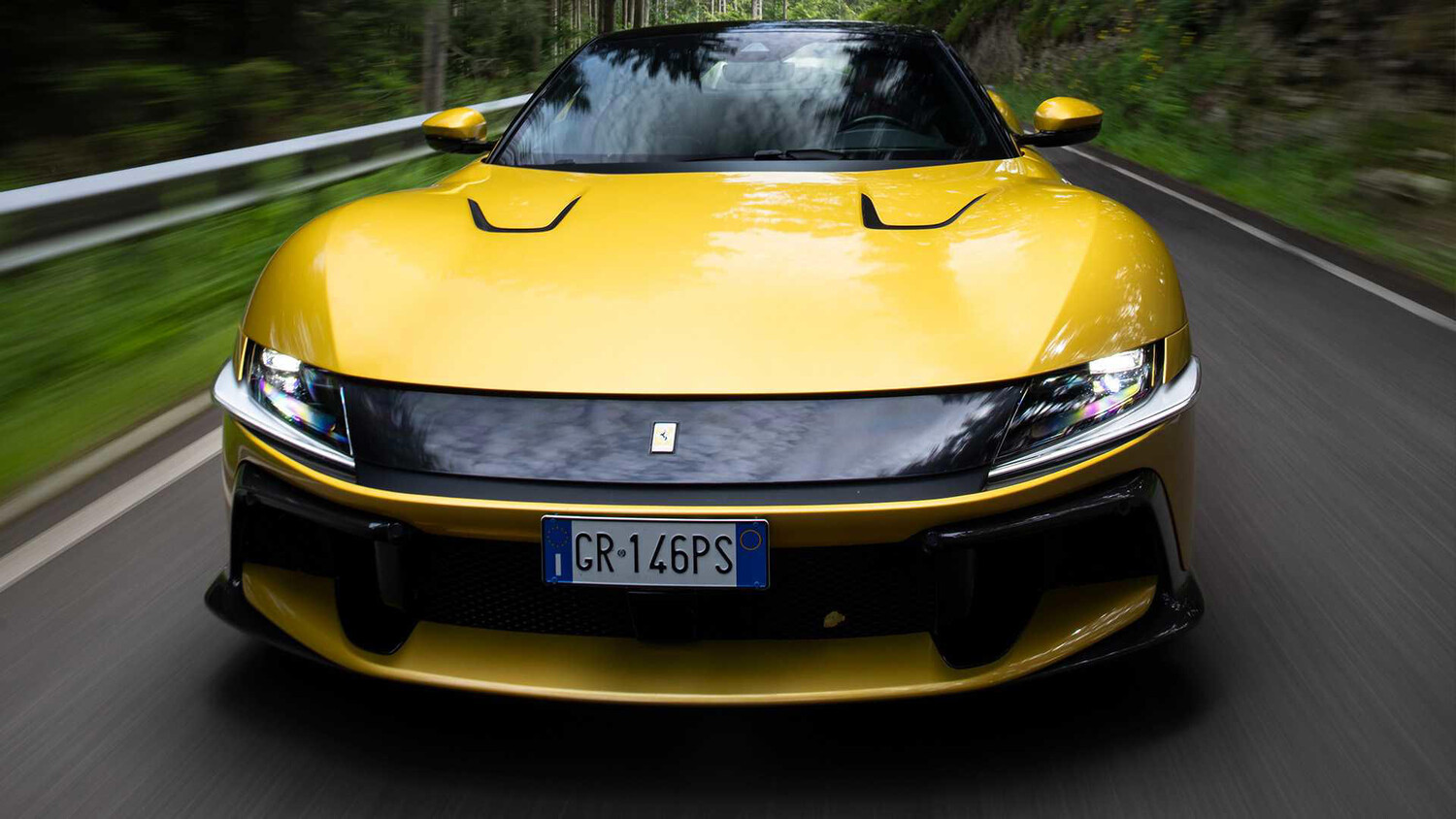
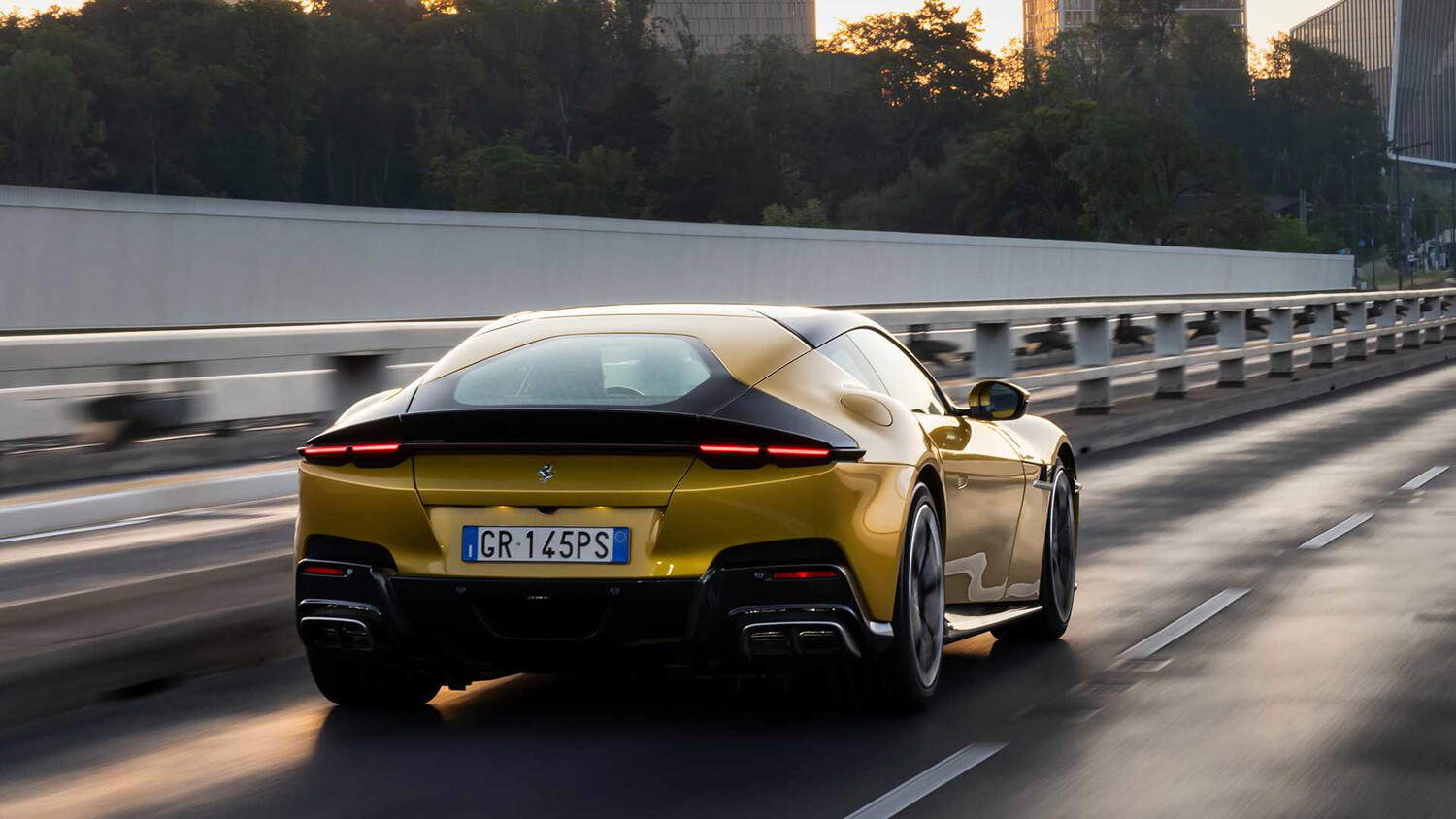
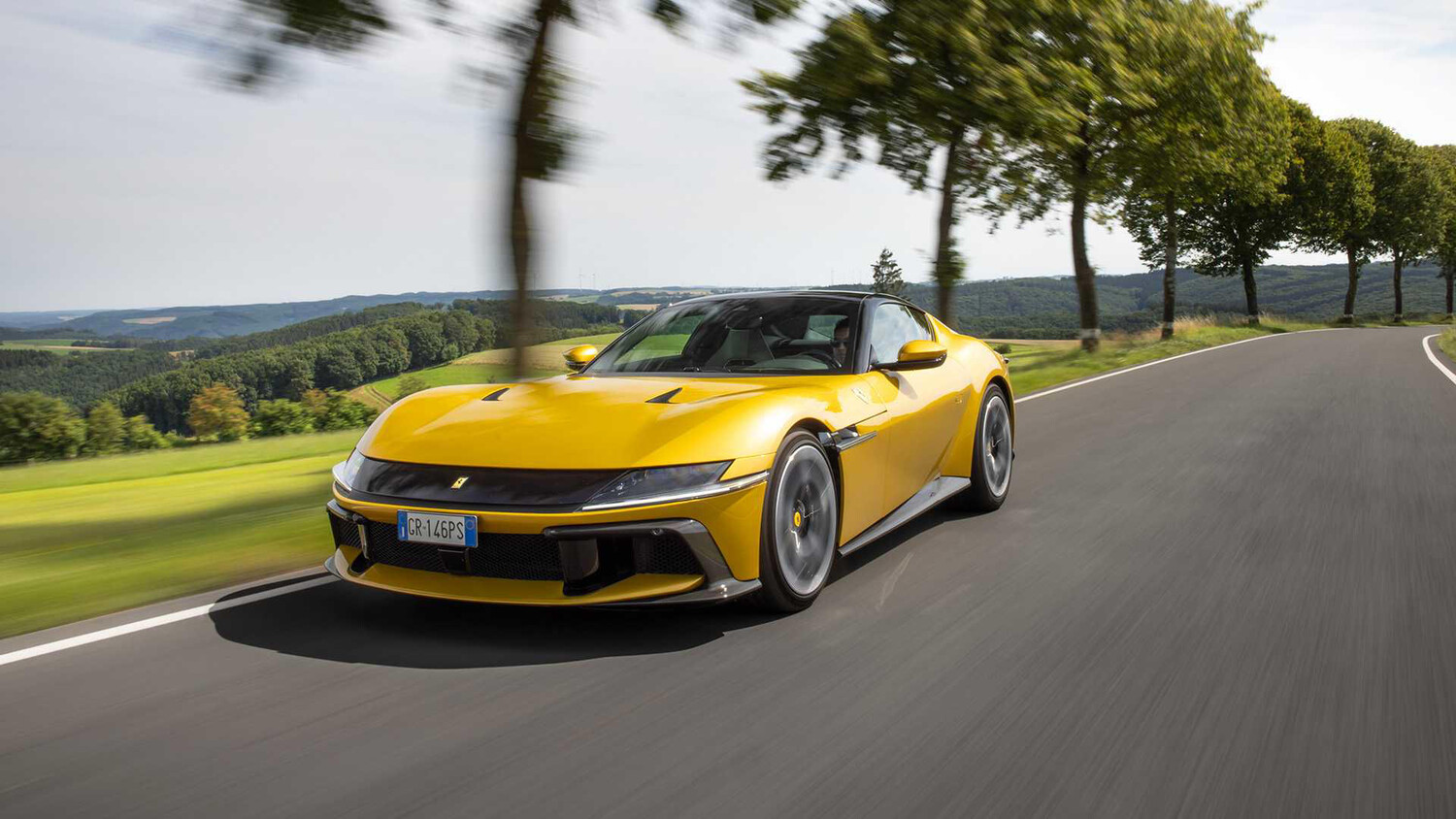
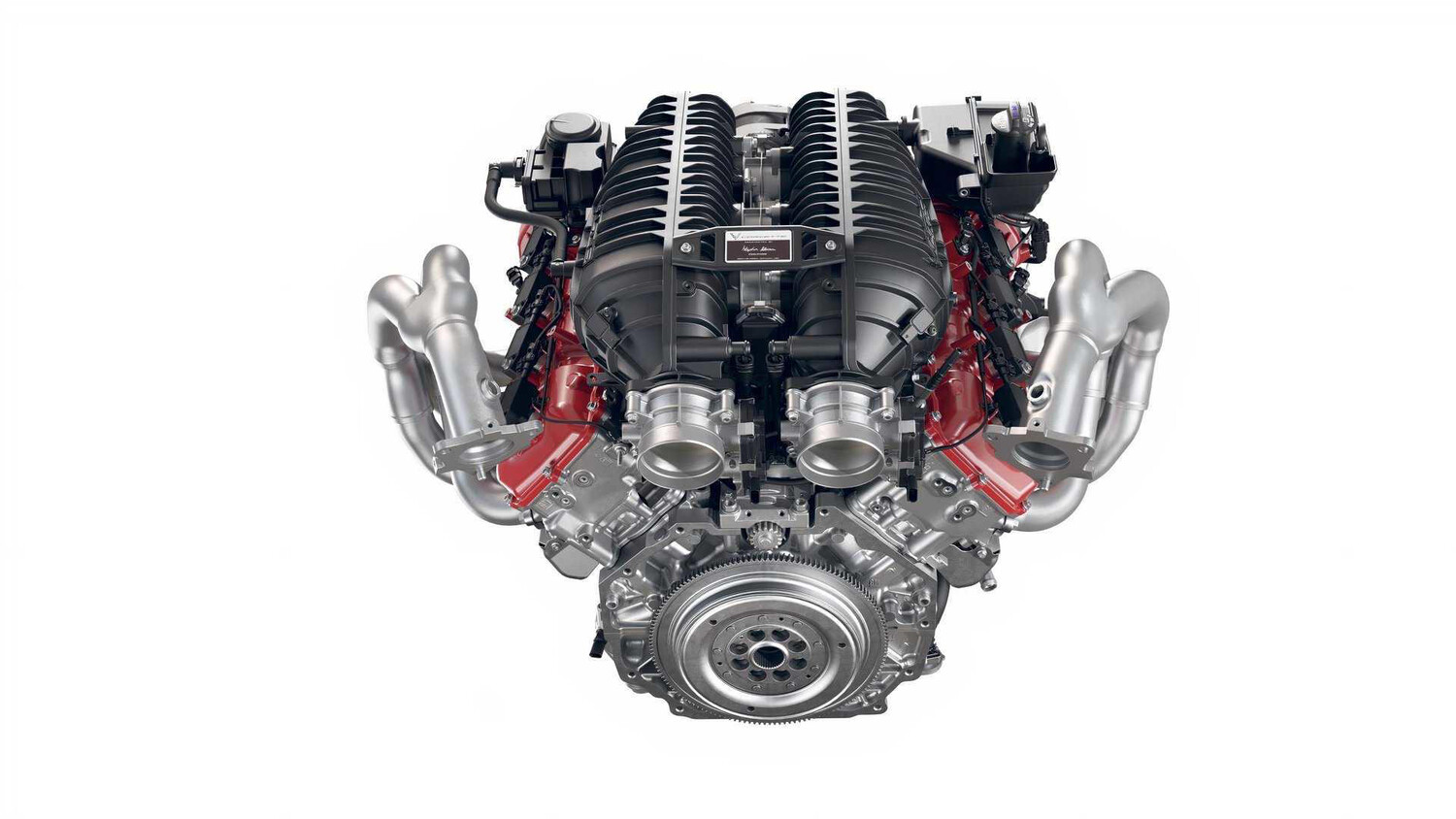
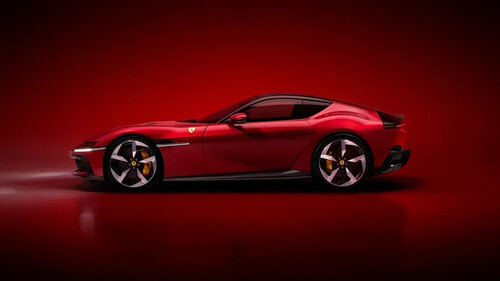
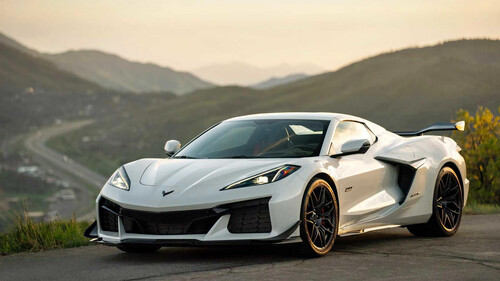
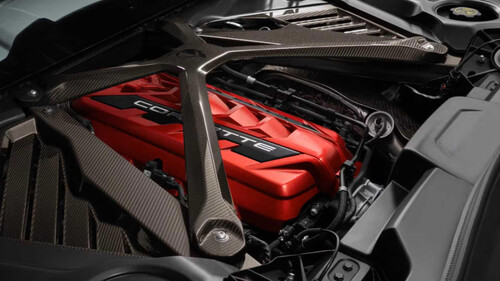
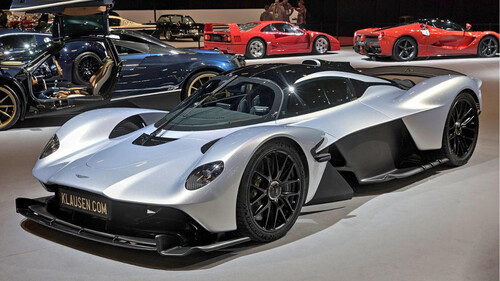
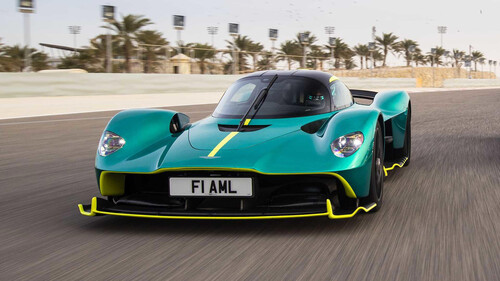
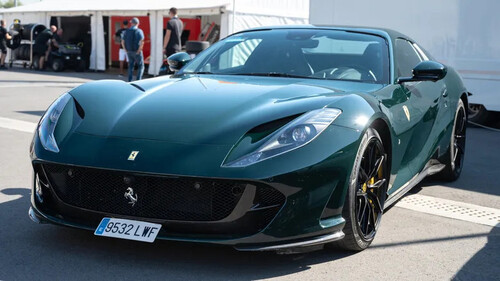
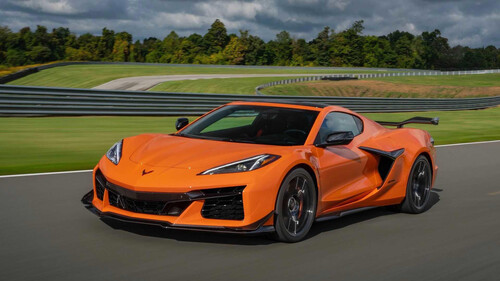
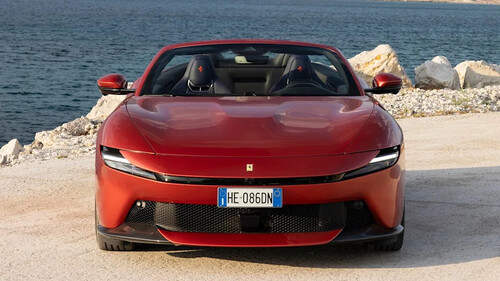
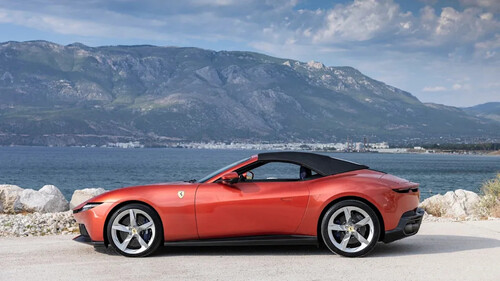
The conversation around car performance always starts with the engines, and in 2025, it will also usually include some form of forced induction or electrification. Meanwhile, the list of high-powered naturally aspirated engines currently on the market is extremely short, and it grows shorter every year.Turbochargers, hybrids, and software now do the heavy lifting at the top end, leaving very few cars that still rely on displacement, revs, and airflow alone to make serious power. But, where does that leave naturally aspirated engines we all lusted for in the past (and some of us still do)? How powerful can a free-breathing engine really get, and which car does it power?This series production car still plays by those old rules, and it does so at a level no rival can match today. This is not a concept, a limited production collector special, or a legacy throwback. It is a grand tourer built by a manufacturer that continues to bet on naturally aspirated performance when almost everyone else has moved on. Unsurprisingly, that car comes from Ferrari. The V12-Powered Ferrari 12Cilindri Is The Most Powerful Naturally Aspirated Car You Can Buy In 2026 Via: FerrariFerrari currently builds the car with the most powerful naturally aspirated engine you can still buy new, and the numbers back it up. The Ferrari 12Cilindri produces 819 hp from a 6.5-liter V12 without turbochargers, superchargers, or electric assist. No other series-production car on sale today delivers more power without any form of forced induction or electrification.Via: Ferrari That figure matters because modern performance has moved almost entirely toward forced induction and hybridization. Turbocharging makes it easier to hit emissions targets and headline power figures, while electric motors fill torque gaps. Naturally aspirated engines struggle in that environment, especially above the 700-hp mark, where airflow, heat, and efficiency limits become hard barriers. Ferrari clears those barriers with revs, precise airflow management, and decades of V12 development.This engine traces its roots to Ferrari’s long-running F140 engine family that debuted in 2002. Today, that V12 stands refined for tighter emissions rules without abandoning its core character. It revs past 9,000 rpm, responds instantly to throttle inputs, and delivers power in a linear sweep rather than a torque spike. That responsiveness defines how the car feels at speed and explains why naturally aspirated engines still matter to experienced drivers. What Makes This Ferrari a Standalone Outlier in 2025 Via: Ferrari The 12Cilindri stands apart because it is not a limited-run halo or a collector-only special. It is a regular production Ferrari that meets current global emissions standards while outperforming turbocharged and hybrid rivals on pure naturally aspirated output. No other new car combines this displacement, rev ceiling, emissions compliance, and power level in one package, which is why Ferrari currently owns this corner of the performance landscape.Aston MartinIt is worth addressing one important outlier. The Aston Martin Valkyrie uses a Cosworth-developed naturally aspirated V12 that produces 1,001 hp from the engine alone, which technically exceeds the Ferrari’s output. However, the Valkyrie does not qualify as a series-production car.Aston Martin limited production to 150 coupes, 85 Spiders, and 40 AMR Pro models, for a total of 275 units worldwide. That places it firmly in the hypercar category, built in controlled numbers rather than as a regularly available production vehicle. The Ferrari 12Cilindri remains the most powerful naturally aspirated engine offered in a full series-production car you can buy new today. How The Ferrari 12Cilindri’s V12 Delivers Power Differently Than Turbocharged Rivals Via: Ferrari The defining trait of the Ferrari V12 architecture is how it builds power. Instead of a torque surge shaped by boost pressure, the 6.5-liter engine in the Ferrari 12Cilindri delivers a clean, linear climb from idle to redline. Power rises in direct proportion to engine speed, which gives the driver precise control over acceleration at any moment.That behavior comes from rev range and airflow, not software intervention. The V12 pulls hard well past 9,000 rpm, with a power curve that keeps building rather than peaking early. Turbocharged engines often deliver their strongest punch in the midrange, then taper off as revs climb. Ferrari’s naturally aspirated layout does the opposite, rewarding drivers who stay in the upper half of the tachometer. Cooling and airflow management play a major role here, since sustained high rpm demands efficient heat control without relying on forced induction to mask inefficiencies. Throttle Response Is Still a Performance Advantage Via: Ferrari Throttle response remains the most noticeable difference. With no turbines to spool, the engine responds instantly to pedal input. That immediacy matters on winding roads and during precise corner exits, where predictability builds confidence. It also explains why peak horsepower alone fails to capture the experience. Two engines may post similar numbers, but the way they deliver power shapes how usable that performance feels.Simply put, turbo engines trade immediacy for efficiency and torque density, while naturally aspirated engines trade peak torque for response and consistency. This balance suits grand touring use as much as aggressive driving. The Ferrari V12 feels composed and progressive at speed, which aligns with its role as a high-performance road car rather than a single-purpose track weapon. Why Ferrari Still Builds A Naturally Aspirated V12 When Everyone Else Quit Via: Ferrari Ferrari continues to build a naturally aspirated sports car with a V12 because it remains central to the brand’s identity and to what its buyers expect from a flagship road car. For Ferrari, throttle response, sound quality, and high-rev character are not side benefits. They are part of the product definition. A naturally aspirated V12 delivers those traits more consistently than any turbocharged or electrified alternative.There are also mechanical reasons behind the decision. A naturally aspirated engine avoids the weight, heat management complexity, and packaging compromises that come with turbo systems and hybrid components. While electrification improves efficiency and low-speed torque, it adds mass and changes how power builds. Ferrari accepts higher development costs to preserve a driving experience that remains distinct within its lineup.Via: Ferrari Regulation plays a role as well. Ferrari operates in low production volumes with high margins, which allows the company to invest heavily in emissions compliance for specialized engines. That strategy does not scale for mass-market brands, which explains why naturally aspirated V12s have disappeared elsewhere. For Ferrari, the business case still works.From an ownership perspective, these engines also carry long-term significance. If the Ferrari F12 is any indicator, V12 Ferraris historically retain strong resale value and collector interest, especially when they represent the peak of an engineering era. While Ferrari does not build cars as investments, the durability of demand reinforces the decision to keep the V12 alive, even as the rest of the industry moves in a different direction. The Corvette Z06 Is The Closest Affordable Alternative ChevroletThe most relevant comparison to Ferrari’s naturally aspirated approach comes from the Chevrolet side of the market. The Corvette Z06 uses the LT6 5.5-liter naturally aspirated V8 producing 670 hp. It relies on a flat-plane crankshaft, high revs, and airflow efficiency rather than boost, making it the most powerful naturally aspirated V8 ever.That matters because it proves this engineering philosophy still works outside the ultra-luxury space. The Z06 costs a fraction of the Ferrari while delivering similar principles: instant response, high rpm operation, and a power curve shaped by engine speed instead of turbo pressure. Where the two cars diverge is intent. The Corvette Z06 prioritizes track capability, cooling capacity, and repeatable lap performance. Ferrari tunes its V12 for a broader spectrum of driving, with an emphasis on refinement and sustained high-speed usability. America’s High-Revving Answer To Ferrari’s Formula Chevrolet The comparison grounds Ferrari’s dominance in reality. Ferrari still leads on outright naturally aspirated output, but the Corvette shows that this approach remains viable below hypercar pricing. One represents the peak of naturally aspirated road car performance. The other proves that drivers who value throttle response and revs still have an attainable option today.Together, they underline that naturally aspirated engineering has not vanished. It has just become rare, specialized, and sharply defined by intent.Sources:Ferrari, Chevrolet, Aston Martin, Classic.com