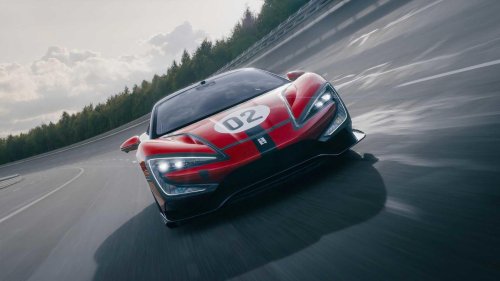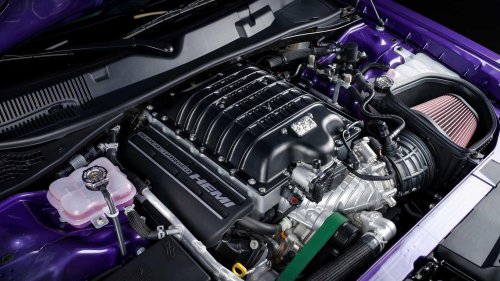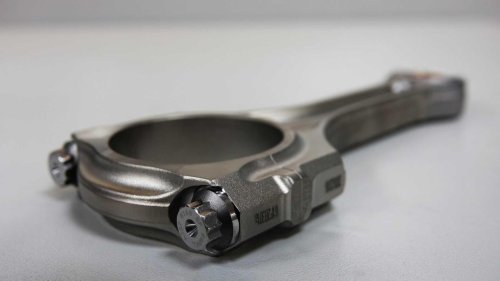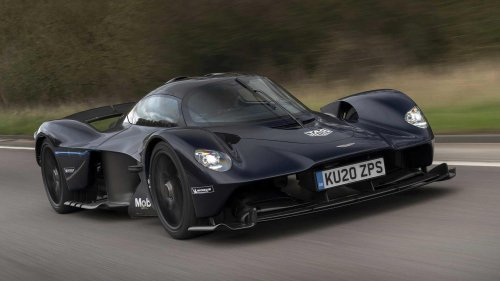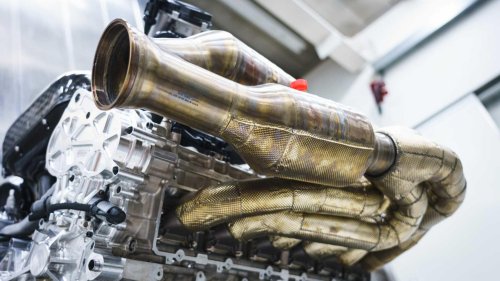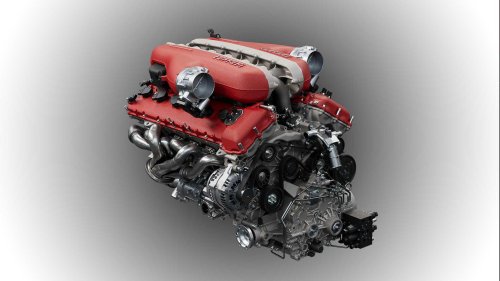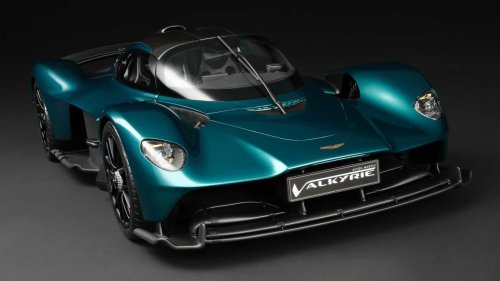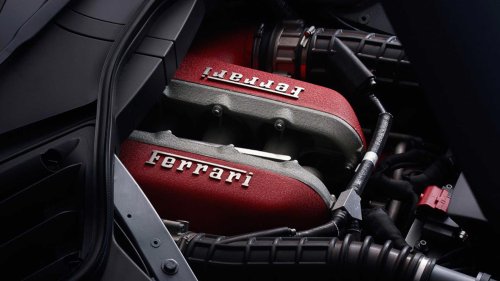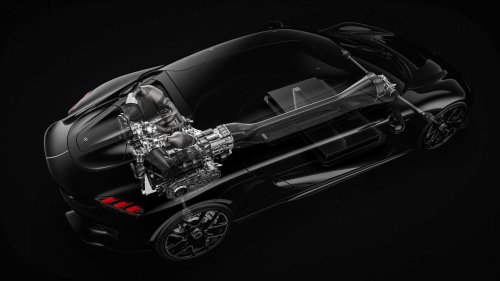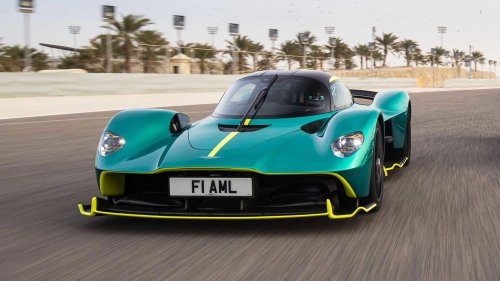
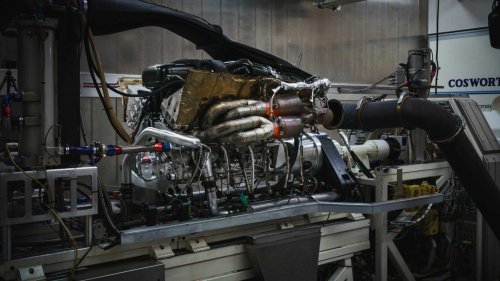
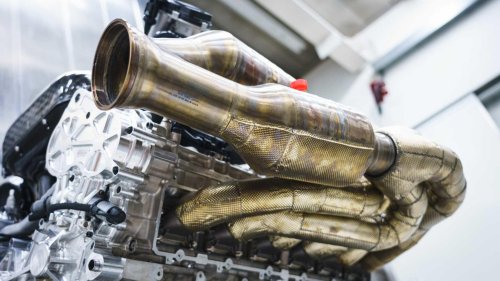
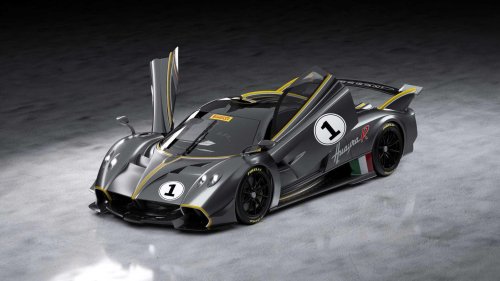
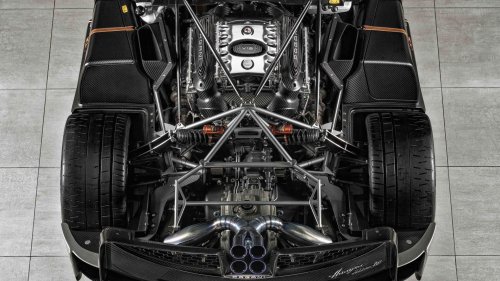
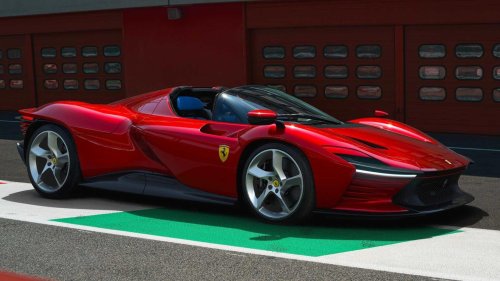
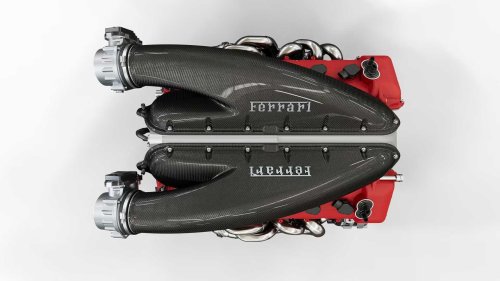
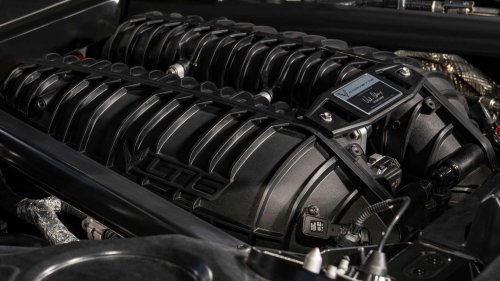


















Ferrari's legendary Colombo V12s roared to life decades ago, setting hearts racing alongside the thunderous Hemi V8s that defined America's muscle car era. These naturally aspirated powerhouses built the foundation for everything we love about performance cars today. The automotive world has largely shifted toward turbochargers and superchargers to squeeze every ounce of power from smaller displacement engines, chasing efficiency and emissions targets.Yet some manufacturers refuse to abandon the pure, unfiltered experience that only a naturally aspirated engine can deliver. There's something magical about an engine that breathes freely, building power through engineering brilliance rather than forced air. Sports car purists understand this connection between driver and machine, which explains why certain brands continue pushing the boundaries of what's possible without turbochargers or superchargers. One particular 12-cylinder masterpiece has shattered every expectation, delivering an almost-unbelievable 1000 horsepower while remaining completely street legal. The Aston Martin Valkyrie Features The Most Powerful Naturally Aspirated Engine Ever Via: Aston MartinAston Martin (and Red Bull Advanced Technologies) co-developed the Valkyrie's engine with Cosworth using elements of F1 know-how to produce the most powerful engine in a production car with zero turbochargers or superchargers.It's an all-aluminum, dry-sump, 6.5-liter V12 with a 65-degree bank and an 11,100-rpm redline. As Aston Martin wanted the ultimate driving machine for the track, they decided not to use forced induction. Instead, they produced what amounts to a race engine, with monstrous amounts of power, along with an F1-style, KERS hybrid boost system.Via: Aston MartinWithout the boost, the naturally aspirated engine makes 1000 hp at 10,500 rpm, geared towards power more than torque. The engine weighs just 454 lbs, which is extremely light for such a large motor. It offers a power density of around 154 hp per liter.Cosworth's engine comprises mostly billet parts and includes titanium rods and F1-spec pistons, so its lightweight and hybrid boost system also looks similar on paper to an F1 engine – but much bigger.Via: Aston MartinWhile past vehicles such as the McLaren F1's BMW engine proved that naturally aspirated engines could be powerful with more than 600 hp, the Valkyrie's V12 smashes that figure with 1,000 hp, proving that even higher outputs are possible while maintaining driveability and emissions regulations. Aston Martin Valkyrie Basic Specifications The Second And Third Most Powerful Naturally Aspirated Engines In second and third place for the most powerful naturally aspirated performance car engines, we look to Pagani and Ferrari. The Pagani Huayra R's Naturally Aspirated V12 Produces 850 Horsepower Via: PaganiPagani uses a Mercedes-Benz-sourced 850-horsepower V12 for the Huayra, which is a 60-degree aluminum V12 and is normally twin-turbocharged, but the Huayra R model comes with a heavily-re-worked, naturally aspirated engine, that weighs even less than the Valkyrie's V12 at a featherweight 436 lbs.Via: PaganiDeveloped with HWA RACELAB, the track-only R's engine has a 200-bar direct injection system, and like the Valkyrie, is a structural, weight-bearing component in the chassis. The V12-R is more powerful than any of the previous variants of the Huayra's predecessor – the Zonda / Zonda F – which in its hottest version produced less than 800 hp. The Ferrari Daytona SP3's F140HC Delivers 828 Naturally Aspirated Horses Via: FerrariThe Ferrari Daytona SP3's F140HC is a derivative of the long-running F140 V12 engine that has been running since 2002 and featured in many cars including the Enzo up to the 812 Superfast (as well as in Maserati models). Next to the Valkyrie's V12, some of its specs look similar. It is also a 65-degree, 6.5-liter, aluminum V12 and is naturally aspirated.Via: FerrariWith 828 hp, it is some 170 hp less powerful than the Valkyrie but has a similar torque output. Its intake system was upgraded over older versions of the F140 and was optimized to deliver power at high revs, with many of the upgrades seen on the 812 Superfast.Both the Ferrari F140HC and V12-R represent the pinnacle of what is possible with racing engines in performance cars, which makes the Valkyrie's power output look frankly ridiculous. Comparison Of Basic Specifications The C8 Chevrolet Corvette Z06 Has The Most Powerful Naturally Aspirated V8 Via: Chevrolet The C8 Chevrolet Corvette Z06 deserves serious recognition for its LT6 V8 engine, which stands among the most powerful naturally aspirated production car engines available today. This 5.5-liter flat-plane crank V8 pumps out an impressive 670 horsepower and 460 lb-ft of torque without any turbochargers or superchargers helping it along. General Motors built this engine from the ground up, making it completely different from the traditional LS family that powered Corvettes for decades.The LT6 showcases some serious engineering prowess with its double overhead camshaft design and lightweight aluminum construction. GM equipped it with premium components like titanium connecting rods and intake valves, plus sodium-filled exhaust valves that can handle extreme heat during track sessions. The dry-sump oiling system ensures consistent lubrication even when pulling serious g-forces on a road course.What makes the LT6 particularly impressive isn't just its raw power numbers. While exotic supercars from Ferrari, Pagani, and Aston Martin might edge it out in pure horsepower, the Corvette's engine delivers its performance with far more reasonable maintenance costs and proven long-term reliability. GM designed this powerplant to handle repeated track abuse while still being dependable enough for daily driving. That combination of performance and practicality makes the LT6's 670-horsepower output even more remarkable. C8 Chevrolet Corvette Z06: Basic Specifications