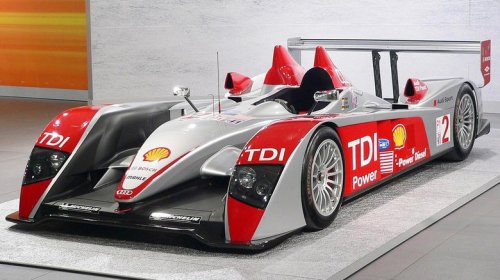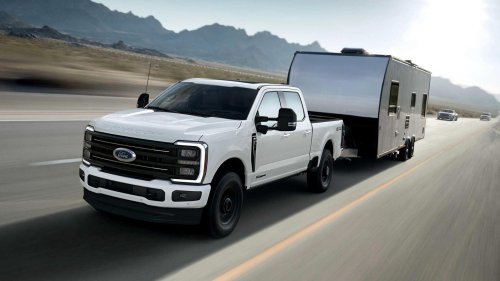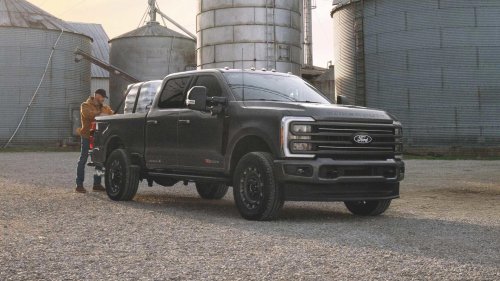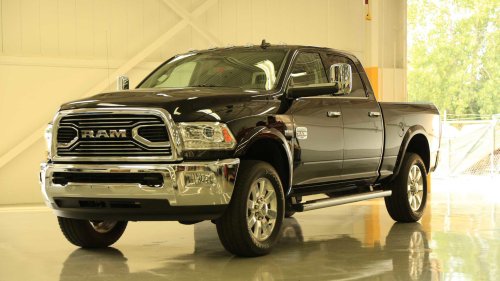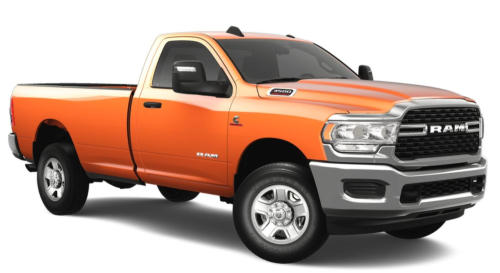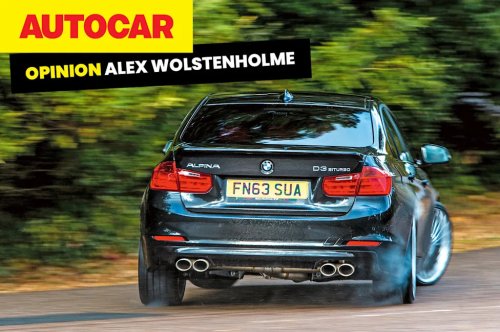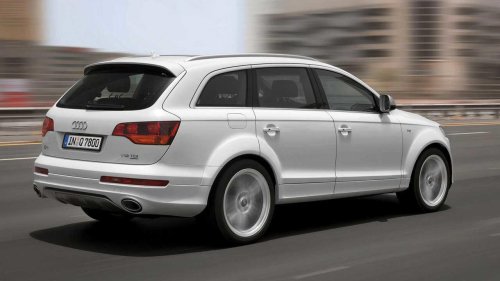
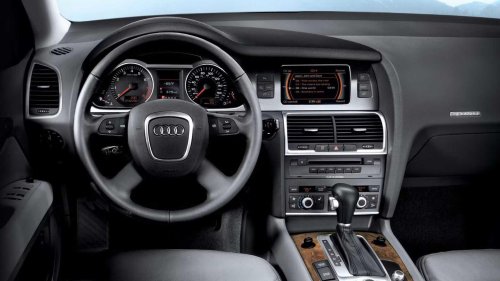
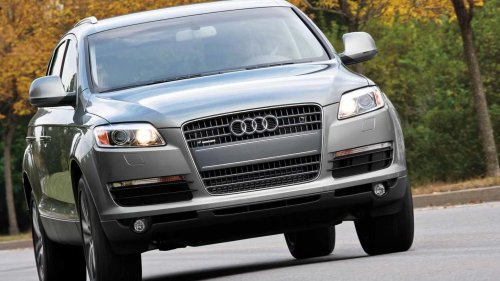
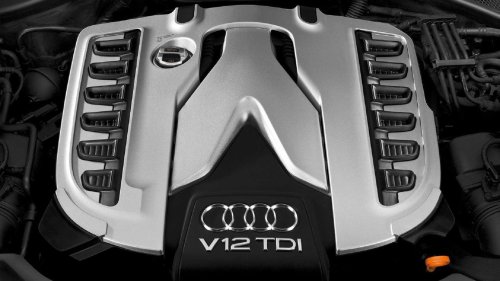
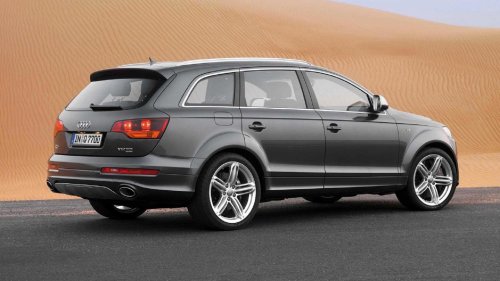
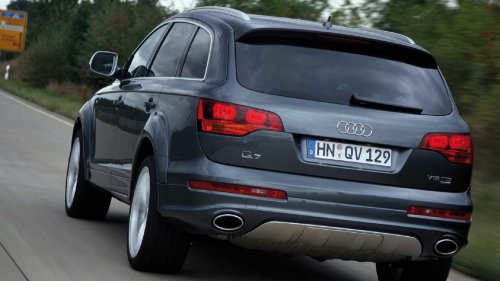
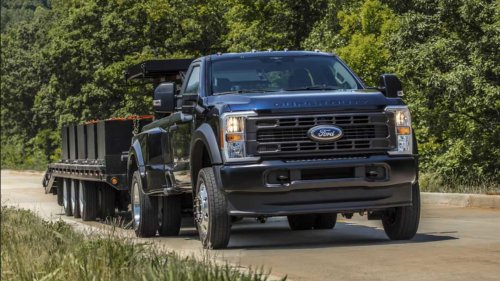
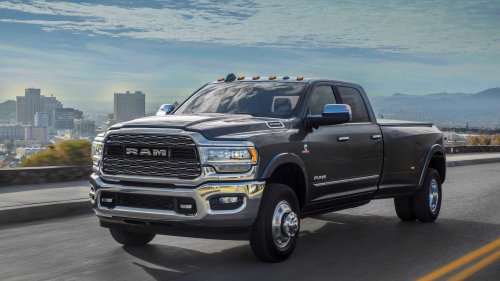
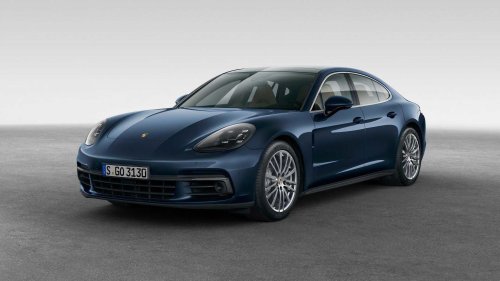
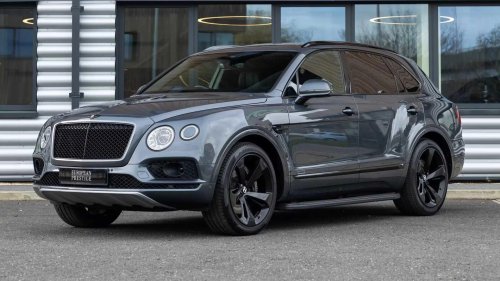
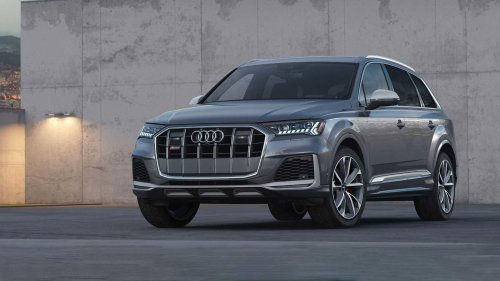
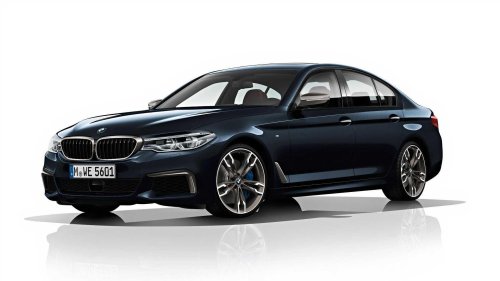
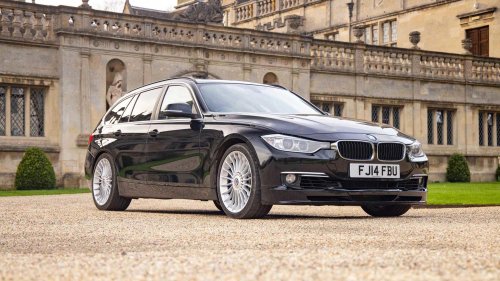



















Diesel cars never quite won American hearts. Gas is cheap in much of the U.S., and the market favors big-displacement gas V8s or, more recently, plug-in power. Cross the Atlantic and the story shifts. For decades, European buyers lined up for long-range cruisers that sip fuel, crush miles, and pull hard from idle. Even as diesel’s share falls in Europe today, it remains important in heavy use cases and on long highway runs. The reason is simple: diesel engines deliver stout torque, strong efficiency, and impressive range. That low-end shove moves people, trailers, and high-roof SUVs with ease.Automakers saw that demand and spent years pushing diesel technology forward. They upped injection pressures, added variable-geometry turbos, and, most recently, leaned on 48-volt systems to fill in boost. All of that chased one number that matters to enthusiasts who care about pull: torque. One machine hit a mark no production diesel car has topped since. It carried a figure so round and so large that today’s high-tech diesels still point at it. Which car did it? The Audi Q7 V12 TDI Is The Diesel Car With The Highest Torque Via: Netcarshow Meet the champion: the Audi Q7 V12 TDI. Audi built it in limited numbers for Europe from 2008, and it set the benchmark with a colossal 1,000 Nm of torque (738 lb-ft) in a road-going passenger vehicle. That figure remains the highest torque rating for any series-production diesel car. Under its hood sits a 6.0-liter, twin-turbo V12 that makes 493 horsepower. The Q7 V12 TDI put those numbers to the ground through Quattro all-wheel drive and a six-speed automatic. Zero to 62 mph takes about 5.5 seconds and top speed is electronically limited to 155 mph.Audi Audi didn’t hide the source of its confidence. The V12 traced its lineage to the brand’s R10 TDI endurance racer, and Audi said as much when it launched the production SUV. The point was clear: transfer diesel racing tech to the street and prove that torque could feel exotic. The result was an SUV that surged from idle like a locomotive and held its thrust across a wide midrange.Audi Plenty of powerful diesel cars came close over the years. Bentley’s Bentayga Diesel packed 664 lb-ft from a 4.0-liter triple-charged V8. Audi’s own SQ7 and SQ8 TDI rose to the same 664 lb-ft with a 48-volt electric compressor system. The best BMWs and Mercedes diesels hovered in the 500-600 lb-ft band. None matched the Q7 V12’s four-digit torque peak, though.The Q7 V12 TDI never crossed the Atlantic as a production model. Emissions rules, packaging costs, and the fresh headwinds against diesel ended that dream. But in Europe, it stood as a proof of concept and a “because we can” statement. To this day, it sits at the top of the torque table for diesel cars. Monstrous V12 Diesel In A Family SUV Audi Audi designed the 6.0-liter V12 around common-rail injection running at up to 2,000 bar. Piezo injectors delivered precise fuel pulses, key to both the power and the emissions plan. Two variable-geometry turbochargers fed the twelve cylinders. Combined, the parts gave the V12 a smooth response from low revs and a relentless pull through the midrange.The torque curve says everything about the driving feel. Peak torque arrives at just 1,750 rpm and holds to 3,250 rpm. That broad plateau meant the Q7 surged from almost any speed with a short stab of the throttle. Even in a heavy, three-row SUV, the engine’s shove made uphill passes easy and quiet.Audi Audi paired the V12 with a six-speed Tiptronic automatic and permanent Quattro all-wheel drive. The transmission’s gear spacing helped keep the engine in its fat torque band. The AWD system put down power cleanly, with the V12’s steady wave of thrust avoiding the drama of high-rev gas engines. Official performance numbers – 0-62 mph in 5.5 seconds and a 155 mph limiter – tell only part of the story. It’s the pedal-in, 50-to-80 surge that defined how this SUV moved.Brakes had to match the pace. Audi fitted carbon-ceramic discs as standard on the V12 TDI, a rare move for a diesel family SUV. The setup resisted fade and scrubbed speed with the calm, repeatable bite you expect on a supercar. Big wheels, fat tires, and an upgraded cooling package rounded out the chassis changes. Yes, it’s a little fortune to renew those if getting that SUV now, but at least you know you have supercar braking performance in a family ride.Audi Fuel economy was never the headline, but the V12’s efficiency still impressed for its size and output. Contemporary reporting pegged consumption just under 20 mpg U.S. in mixed use – numbers that looked almost sensible next to gas V8s of the era making less torque. The point was never “cheap to run”, it was “look what diesel can do while staying civil.” The Highest Torque In A Diesel Truck Ford Trucks are a different torque sport. Pickups work for a living, and the numbers show it. Today’s torque king in a diesel truck is Ford’s Super Duty with the available High-Output 6.7-liter Power Stroke V8. Ford rates it at 500 hp and a towering 1,200 lb-ft of torque. That’s the most torque you can get in a factory diesel pickup today, and it edges the Ram HD’s High-Output Cummins by a clear margin.Ram’s answer remains stout. The 6.7-liter Cummins High-Output I-6 makes 1,075 lb-ft and pairs with a heavy-duty automatic. For 2025, Cummins announced an updated 6.7-liter system with a revamped calibration and an 8-speed transmission in partnership with Ram, still quoting 1,075 lb-ft for the High-Output pickup tune. Chevy’s 6.6-liter Duramax V8 sits at 975 lb-ft, teamed with a 10-speed automatic. All three play in a world where torque equals tow rating, grade climbing, and fewer downshifts with a trailer.Ram Perspective helps here. The Q7 V12 TDI’s 738 lb-ft once sounded unbelievable in a car. Today, a Ford Super Duty beats that by hundreds of lb-ft. That’s the divide between a performance-bent SUV and a modern heavy-duty pickup. Trucks live on torque because work demands it, the best car diesels chase a different balance of refinement, speed, and range. The Quickest Oil-Burners Worth Knowing Speed and diesel can live in the same garage. The best fast diesels mix huge midrange torque with long legs and calm cruising. They launch hard, surge from 50 to 80 mph, and stay planted at highway pace. This quick tour spotlights the standouts – the cars that prove diesel power can feel urgent, refined, and shockingly quick in the real world. Porsche Panamera 4S Diesel (2017–2020) Porsche Even Porsche dropped a 4.0-liter twin-turbo V8 diesel into the second-gen Panamera and unlocked 627 lb-ft. With all-wheel drive and a sharp 8-speed PDK, it did 0–62 mph in about 4.5 seconds and topped 177 mph. It felt like a continent-shrinking grand tourer that just happened to run on diesel. Porsche later pulled diesel from its range, but this car stands as one of the fastest diesel sedans ever sold. Bentley Bentayga Diesel (2017–2020) Via: European Prestige The Bentayga Diesel used a variation of that 4.0-liter V8 with two turbos and a 48-volt electric compressor. Peak torque hit 664 lb-ft. Despite its size, it sprinted from 0–60 mph in roughly 4.6–4.8 seconds and ran to 168 mph. It showed how diesel torque could move a luxury palace with super-SUV speed, years after the V12-powered Q7. Audi SQ7/SQ8 4.0 TDI Audi USA Audi’s performance diesels used the same 48-volt e-compressor concept to serve 664 lb-ft from just above idle. The tech erased lag and delivered instant thrust in a way that felt more like a big-motor gas car without the revs. The numbers were wild and the response was the real magic. BMW M550d xDrive / X5 M50d (B57 quad-turbo era) BMW BMW’s quad-turbo 3.0-liter straight-six made around 400 hp and 560 lb-ft. The sedan did the 0–62 mph run in the mid-4s and held power all the way to highway speeds. It remains a high point for complex, small-displacement diesel engineering done right. Alpina D3 S Via: Collecting Cars Alpina’s take on the 3 Series diesel proved speed doesn’t need displacement. The D3 S made 538 lb-ft and posted a 0–62 mph time of 4.6 seconds with a top speed over 170 mph. It delivered touring-car pace and long-range economy in one package.