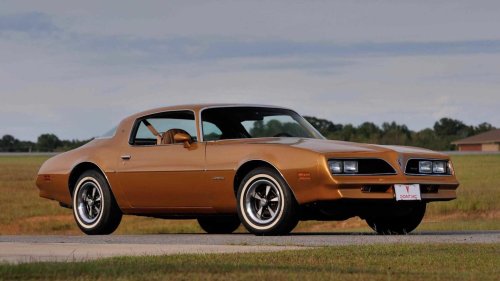
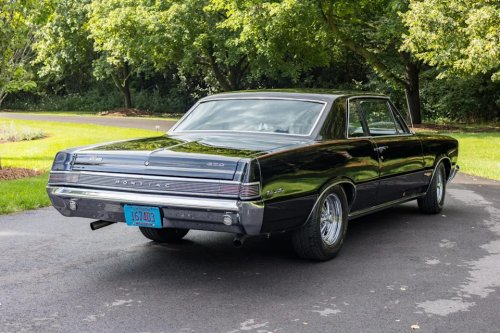
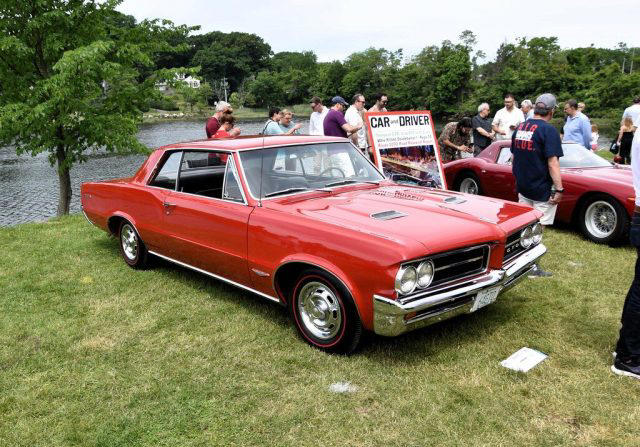
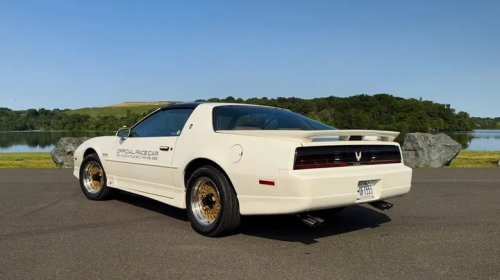
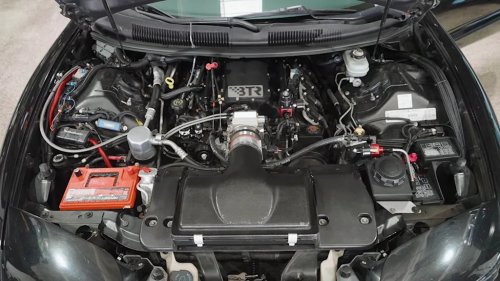
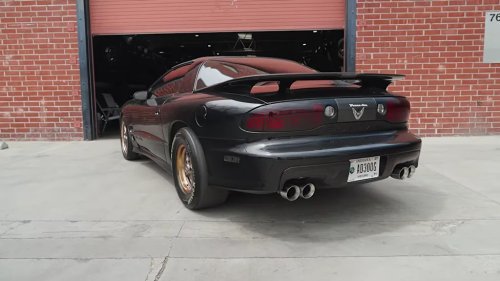
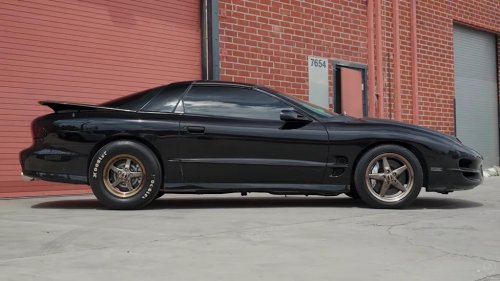
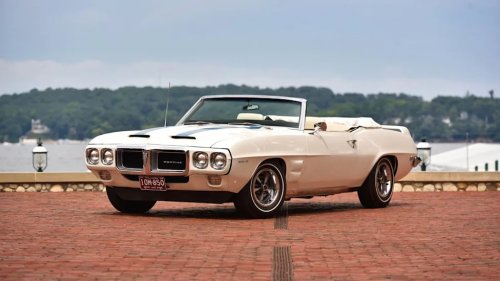
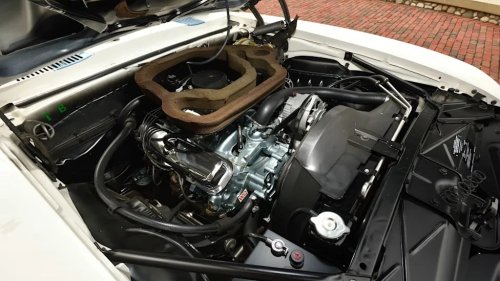
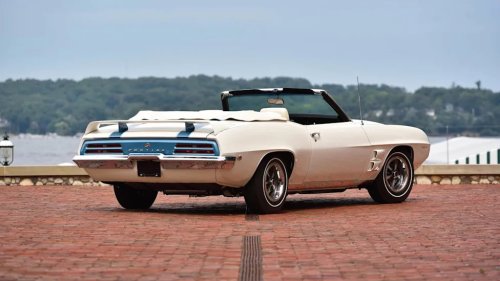
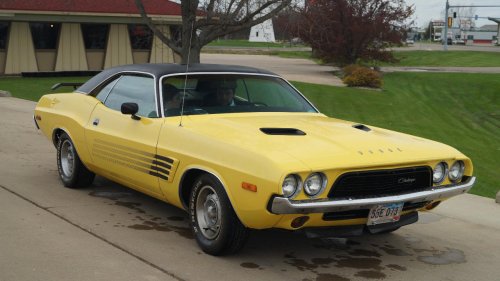
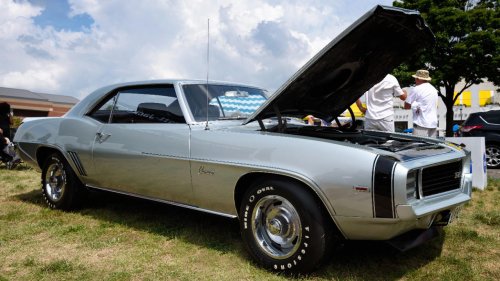
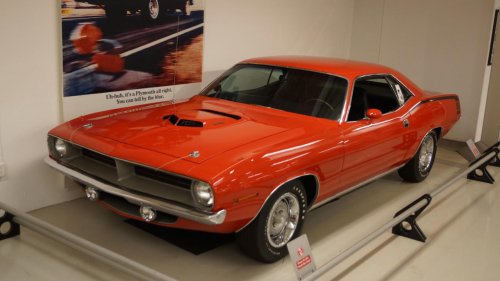
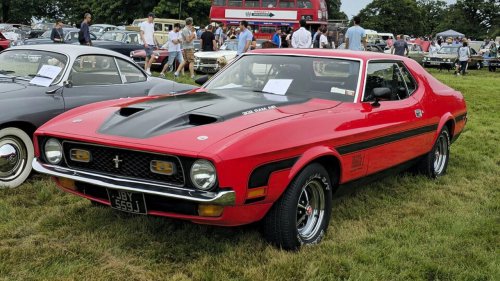
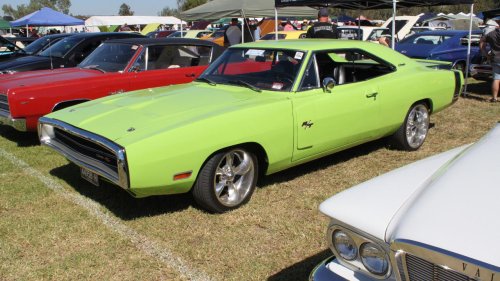
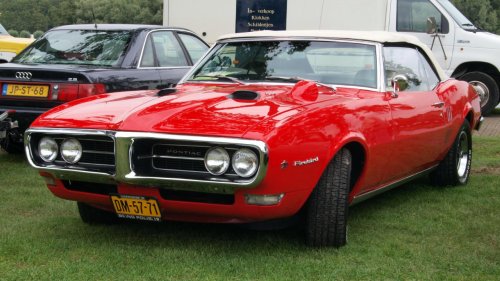
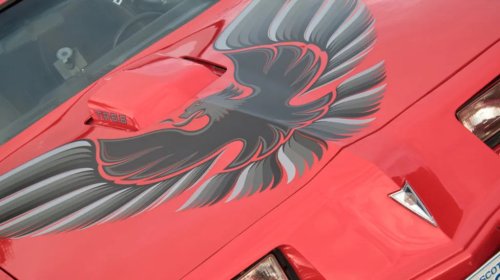
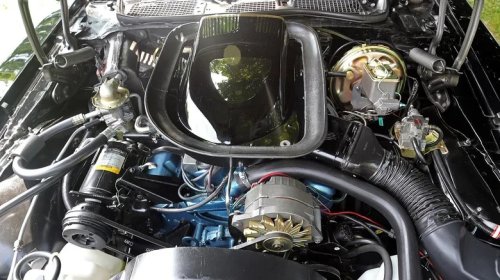
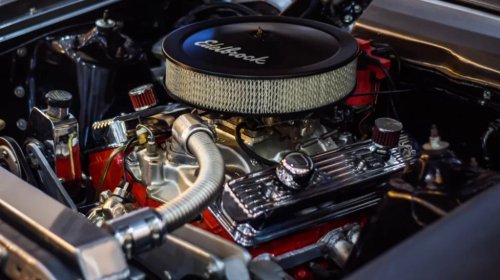
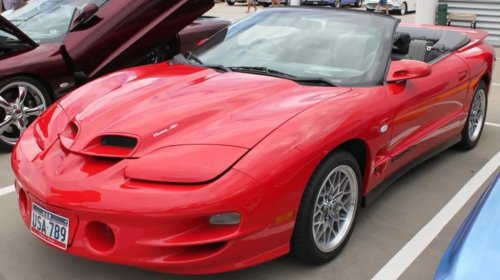
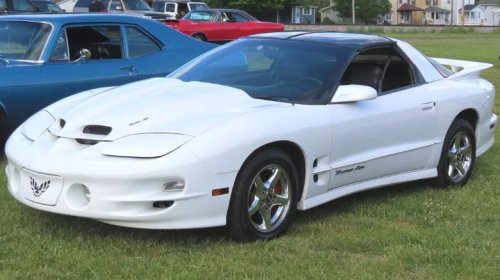
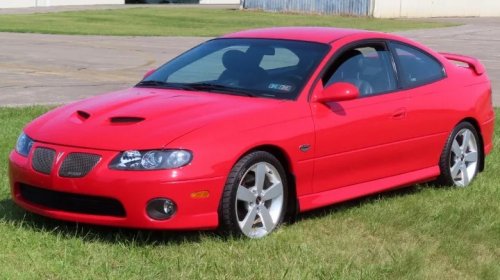
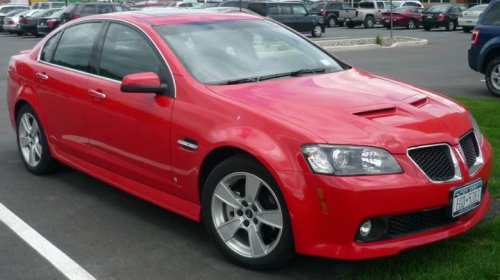
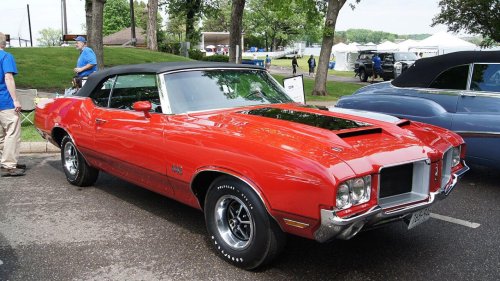
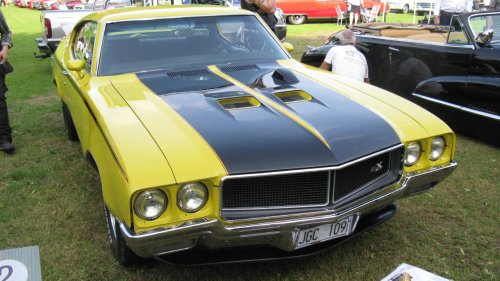
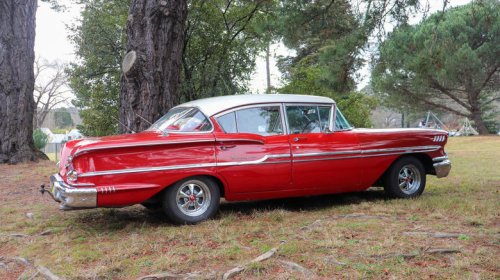
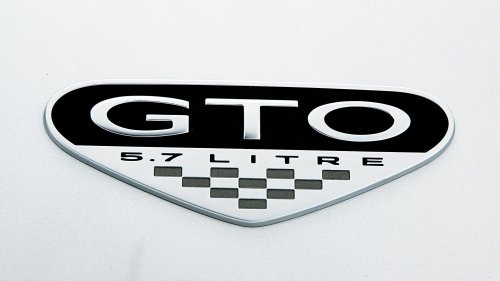
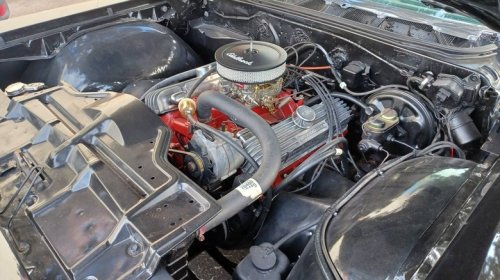
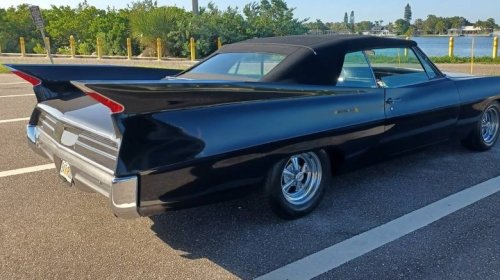
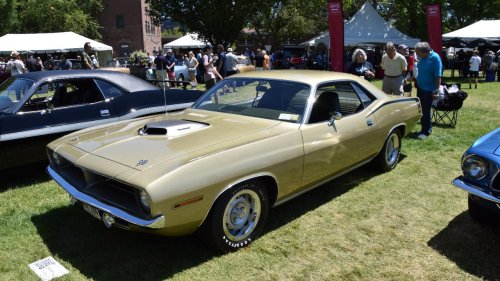
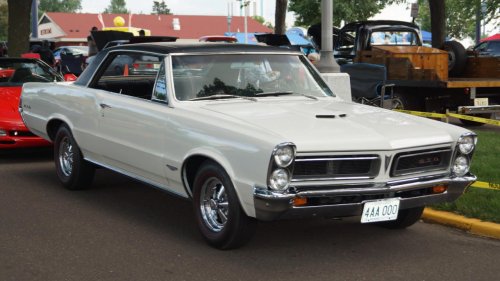
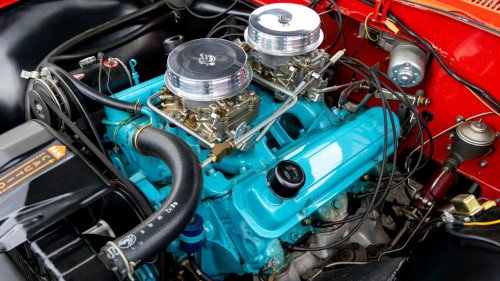
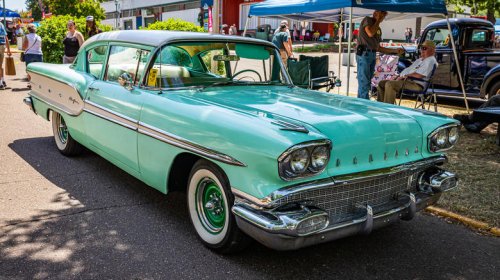
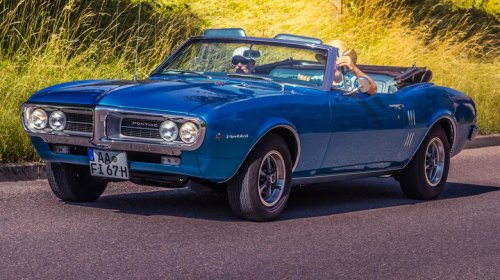
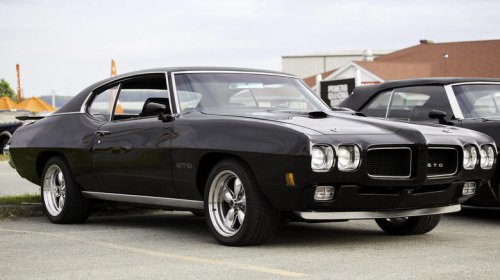
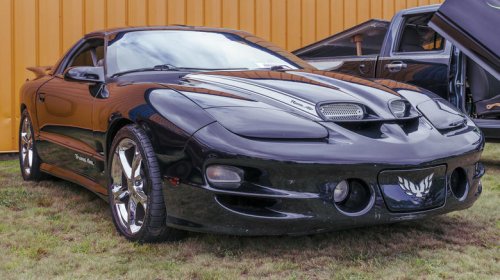
Tempest 395-A 370After nailing down their V8 game with the 287, Pontiac made a habit of boring their motors ever bigger, ultimately reaching gargantuan heights that would even outdo Chevrolet's biggest offering by a mere cubic inch (got you last!). It took a mere three years for Pontiac engineers to develop their 287 up to 370 cubic inches, resulting in the confusingly named Tempest 395-A.Muscle car enthusiasts might recognize that moniker, but don't get confused. The Pontiac Tempest never had a Tempest 395, and the name did not reflect the displacement. However, it was a start — the first step down a path that would lead to muscle car greatness.Oozing old-school '50s style, the 1958 Pontiac Chieftain is very clearly a dad car unlikely to appeal to the youth. But the Tempest 395-A under the hood delivered up to 330 horsepower — an insane power rating by the standards of the day. The Tempest engine never made it into the muscle cars of the mid-to-late 1960s, but it definitely carved the path for them.The 326A new V8 landed in 1963, and it didn't increase displacement for a change. Advertised as the 326, this engine nonetheless had a displacement of 336 cubic inches in its first year. Pontiac had decided to spin the LeMans off into its own nameplate, and the Y-body Tempest and Lemans needed a smaller engine to handle the job. Cutting the 389 down by decreasing the bore, the two-barrel carburetor configuration provided a respectable 250 horsepower, while the four-barrel high output option put up closer to 280 horsepower. The engine looked much like the 389, but smaller pistons and a light crankshaft joined the reduced bore as changes that made it suitable for the job. The oddball configuration makes the 1963 LeMans a rare and sought-after model. Later, the 326 enjoyed a career as the inaugural base engine for the Pontiac Firebird's debut, this time actually displacing 326 cubic inches and supplying 250 horsepower. That might not seem like a ton by today's standards, but it was enough to get muscle car fans drooling over the debut Firebird. The 455The bored and stroked version of the 400 arrived in 1970 at the height of the muscle car era. It was not super competitive with the high-performance engines of the other big companies, but it produced vast amounts of torque and had enormous potential for tuners.MOPAR had the 440, Chevrolet the 454, and Ford the 427, but Pontiac outdid them all, topping competitor Chevy by a single cubic inch. The Pontiac 455 hit the scene in 1970, perhaps the high-water mark of muscle car production, and nearly missed the party entirely. The Clean Air Act of 1970 and rising gas prices took their toll. The market wanted more fuel-efficient cars, and "big-block gas-sipper" is a contradiction of terms.Fortunately, Pontiac ignored the last call, serving up the 455 in 1970 as a 370 horsepower, 500 ft-lb torque monster that had to be toned down almost as soon as it revved up. Still, the 455 did its duty, powering the GTO in a de-fanged H.O. version until 1972 and living on in the Firebird until 1976.The 5.7 literBy the early 1990s, the muscle car era was a twinkle in the memories of a generation of aging gearheads. Environmental standards, geo-political crises, and governmental regulation had long since gutted the big displacement, big power days of the 1960s and 1970s. But a few cars still carried the torch.We find the fourth-generation Pontiac Firebird in that strange middle ground between too recent to be cool and too common to be sought after. Produced between 1993 and 2002, the fourth-gen phoenix is low on the list of must-have muscle, but perceptions can be deceiving. The Firebird's last gasp produced respectable power numbers. Under the hood of the high-performance Trans Am option, a new generation of muscle fans could find a 5.7-liter LT1 V8.The days of independently engineering powerplants by brand were long gone, and Pontiac had to rely on parent company General Motors for its engines. Regardless, the LT1 was no slouch. In 1993, it put down a solid 275 horsepower. By the final iteration of the Firebird in 2002, that number had crept up to 310. Available with a six-speed transmission and the coolest of all roof configurations, the T-top, these last Firebirds are often overlooked. Could it be a sleeper pick for a future classic?



















 +10 others