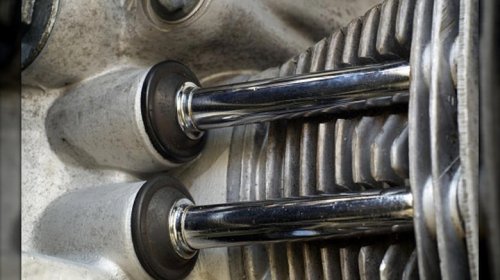
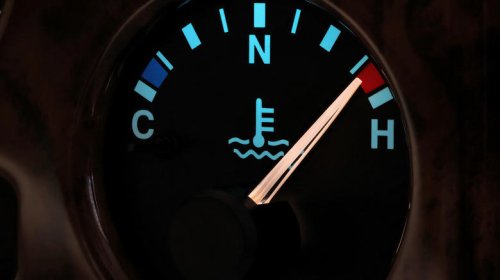
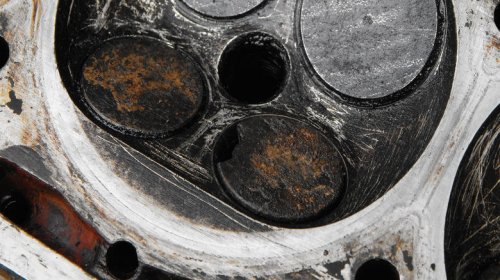
Bent pushrodsOne of the more common Chevy big block problems that'll ruin your day is a bent pushrod. These slim rods are supposed to transfer motion from the cam to the valve — a simple job, right? In a big block world, however, nothing's ever that easy.All it takes is a weak valve spring, improper lash, or a failed lifter to send the pushrods off course. The problem is especially common in high-RPM applications where valve float can occur. If you've ever flubbed a downshift and spiked the revs — hello, money shift — you're flirting with disaster. A sudden over-rev can slam the valvetrain out of sync and bend pushrods in an instant. Suddenly, that straight little rod looks more like a noodle than a precision part.You'll know something's up when the engine starts misfiring or making an incessant ticking noise. Sometimes, it happens at startup, sometimes while you're cruising, and sometimes during a full-throttle pull that was going just fine — until it wasn't. If you're lucky, it's just one pushrod and no collateral damage, but it can go downhill fast if you don't catch it early. Bent pushrods can lead to deeper valvetrain carnage, and depending on the setup, that might mean pulling the heads to fix what got wrecked. Bottom line? If your big block suddenly sounds off or runs rough, don't just crank the volume up — pop the valve covers and take a look. It might save you a much bigger headache down the road.OverheatingChevy big blocks are known for running hot. It's just part of the deal when you're moving that much metal and making that much torque. Still, there's a huge difference between running warm and blowing steam on the side of the highway. If your temp gauge keeps climbing past 195 to 210°F (depending on your setup), it's time to dig into the cooling system. A lot of overheating issues come down to basic stuff — not enough radiator, the wrong fan setup, no shroud, or pulley sizes that throw off your water pump speed. Don't forget the bypass hose between the water pump and intake — leave it out, and coolant might not circulate properly at low RPM.When a big block overheats, it doesn't just forgive and forget. Blown head gaskets, warped heads, or even a cracked block can be the price of pushing too hard. Once that damage is done, you're not just fixing a problem. You're questioning every cooling system choice you've ever made. Worse? If you don't solve the real issue, high coolant temps will come back like a bad habit. The moral of the story is that you've got to respect the heat. Make sure your cooling setup is built for the engine you're running, not what came stock. If your setup has a factory temperature gauge, don't rely on it too much. It might not tell the full story until it's too late. A reliable aftermarket gauge is cheap insurance when you're playing with this much iron.Burnt exhaust valvesA healthy big block roars. One with burnt exhaust valves? Not so much. Burnt exhaust valves mess with how your engine breathes, leading to lost compression, uneven combustion, and a noticeable drop in performance. If the engine starts idling rough, struggling under load, or just doesn't pull like it used to, this could be why.The main culprit behind burnt valves? Heat, and lots of it. Exhaust valves run in extreme conditions, often up to 450°F hotter than intake valves. When they don't seat properly, they can't transfer that heat into the cylinder head, and it starts building up right at the valve edge. Over time, that heat causes the metal to erode. Throw in a lean air/fuel mix, bad timing, or cheap low-octane gas, and this Chevy big block problem speeds up fast.Exhaust valves don't usually fail overnight, though. Instead, the damage creeps up over time. Once it happens, though, there's no easy fix. Pulling the heads and replacing the damaged valves is in your future. If the seat's torched, too, you're looking at a full rebuild. That's why the smart move is to focus on prevention. Maintain proper engine cooling, dial in your timing and air/fuel mix, and avoid running lean under load so you can keep burning rubber — not your valves.Poor fuel economyNobody buys a Chevy big block for its fuel economy. These engines were built to haul, race, or raise hell, not win efficiency awards. Still, if your fuel economy suddenly tanks or seems worse than usual, it's worth checking a few basics. For starters, a rich-running carb, bad ignition timing, or fouled spark plugs can all drag efficiency down. Vacuum leaks or a faulty oxygen sensor (on EFI setups) can also cause the engine to dump more fuel than it needs. Even mechanical stuff like dragging brakes, worn bearings, or underinflated tires can make a big block feel even thirstier than normal.Keep in mind, though, that some setups are just built to gulp fuel. Big cams, low gearing, and oversized carbs are a blast, but there's a trade-off for all that fun, especially if you have a lead foot. The key is knowing what's normal for your setup. If the engine's running clean, the plugs look good, and everything's tuned properly, then bad mileage is just part of the deal. If the numbers drop suddenly or keep getting worse, however, it's probably more than just the nature of the beast.



















 +28 others